

What do you think?

Повесть непогашенной луны
El camarada Nikolai Gavrílov, comandant en cap de l’Exèrcit Roig i heroi de la guerra civil, que pateix de fa temps una úlcera d’estómac però es troba força bé, rep l’ordre de l’estat major soviètic que ha d’operar-se tant sí com no de la seva malaltia. Ell accepta l’ordre amb resignació, preveient, tanmateix, que el desenllaç potser no serà tan falaguer com li pronostiquen. Poques vegades una novel·la ha provocat un escàndol tan majúscul com aquesta que teniu a les mesos abans de la seva aparició en la revista Novi Mir a la primavera del 1926, Mikhaïl Frunze, líder bolxevic i comissari del poble, havia mort en una operació «aconsellada» pel mateix Stalin...
288 pages, Paperback
First published January 1, 1926
About the author
Boris Pilnyak
87 books29 followersBoris Pilnyak (Russian: Борис Пильняк; October 11, 1894 in Mozhaysk – April 21, 1938 in Moscow) was a Russian author.
He was Born Boris Andreyevich Vogau (Russian: Борис Андреевич Вогау) in Mozhaysk. His father was a doctor of German descent, and his mother came from an old merchant family from Saratov. Boris first became interested in writing at the age of nine. Among his early influences were Andrei Bely, Aleksey Remizov, and Yevgeny Zamyatin.
He was a major supporter of anti-urbanism and a critic of mechanized society. These views often brought him into disfavor with Communist critics. His most famous works are The Naked Year, Mahogany, and The Volga Falls into the Caspian Sea, all novels concerning revolutionary and post-revolutionary Russia. Another of his well-known works is OK, an unflattering travelogue of his 1931 visit to the United States.
In Artists in Uniform, Max Eastman wrote a chapter about him called "The Humiliation of Boris Pilnyak."
On October 28, 1937, he was arrested on charges of counter-revolutionary activities, spying and terrorism. One report alleged that "he held secret meetings with (André) Gide, and supplied him with information about the situation in the USSR. There is no doubt that Gide used this information in this book attacking the USSR." Pilnyak was tried on April 21, 1938. In the proceeding that lasted 15 minutes, he was condemned to death. A small yellow slip of paper attached to his file read: "Sentence carried out."
He was Born Boris Andreyevich Vogau (Russian: Борис Андреевич Вогау) in Mozhaysk. His father was a doctor of German descent, and his mother came from an old merchant family from Saratov. Boris first became interested in writing at the age of nine. Among his early influences were Andrei Bely, Aleksey Remizov, and Yevgeny Zamyatin.
He was a major supporter of anti-urbanism and a critic of mechanized society. These views often brought him into disfavor with Communist critics. His most famous works are The Naked Year, Mahogany, and The Volga Falls into the Caspian Sea, all novels concerning revolutionary and post-revolutionary Russia. Another of his well-known works is OK, an unflattering travelogue of his 1931 visit to the United States.
In Artists in Uniform, Max Eastman wrote a chapter about him called "The Humiliation of Boris Pilnyak."
On October 28, 1937, he was arrested on charges of counter-revolutionary activities, spying and terrorism. One report alleged that "he held secret meetings with (André) Gide, and supplied him with information about the situation in the USSR. There is no doubt that Gide used this information in this book attacking the USSR." Pilnyak was tried on April 21, 1938. In the proceeding that lasted 15 minutes, he was condemned to death. A small yellow slip of paper attached to his file read: "Sentence carried out."
Ratings & Reviews
Friends & Following
Create a free account to discover what your friends think of this book!
Community Reviews
Displaying 1 - 27 of 27 reviews

August 27, 2026
To read Boris Pilnyak today is to unearth an artifact from an erased generation. In the tumultuous decade following 1917, Pilnyak stood as a titan of early Soviet literature—a literary lightning rod, chairman of the All-Russian Union of Writers, and a leading "Fellow Traveler" who embraced the wild, destructive energy of the Revolution while fiercely defending his artistic independence.
His reward for this independence was systematic destruction. Arrested in October 1937 during Stalin's Great Purge, Pilnyak endured a fifteen-minute trial before being executed at the Kommunarka shooting ground in April 1938. His books were pulled from libraries, his name scrubbed from Soviet encyclopedias, and his legacy consigned to official non-existence. Yet, his voice remains one of the most brilliant, haunting, and formally innovative in twentieth-century Russian letters.
Pilnyak’s artistic evolution maps the tragic trajectory of early Soviet culture. His early prose was defined by the "ornamental" style inherited from Andrey Bely and Symbolism. Treating language as a rhythmic, musical canvas rather than a simple narrative vessel, Pilnyak utilized fragmented syntax, repeated motifs, and a "verbal blizzard" structure to mirror a world in violent rupture. As he matured, this choppy, high-avant-garde technique smoothed out into a deeply atmospheric, textured, and mature Russian prose—a style where individual human lives are constantly weighed against the indifferent machinery of history and the unyielding laws of nature.
Across this comprehensive collection, seven stories capture the full arc of Pilnyak’s vision, tracing his journey from an avant-garde observer of elemental chaos to a tragic prophet of totalitarian consolidation.
1. The Tale of the Unextinguished Moon (1926/ 1927)
The centerpiece of Pilnyak’s legacy, The Tale of the Unextinguished Moon, stands as a monumental literary act of political courage—and a fatal turning point in his life. The story is a thinly veiled, immediate reaction to the suspicious death of Mikhail Frunze, the Red Army's top commander, who died on the operating table in October 1925 after being pressured by the Central Committee to undergo surgery for a chronic ulcer.
Pilnyak constructs an atmosphere of terrifying, procedural inevitability. The narrative centers on Commander Gavrilov, a hero of the Civil War who is ordered by 'the man who never stoops' (often translated in other editions as 'Number One' or 'The Unbending Man')— a rigid, cold, and monstrously efficient leader modeled unmistakably on Joseph Stalin—to undergo an unnecessary abdominal operation. This figure is portrayed not with theatrical malice, but with a chilling, bureaucratic logic. He works late into the night, treating human bodies like line items on an administrative agenda to be checked off.
The surgery scene itself is an absolute masterclass in suspense. Even though the reader knows the outcome from the opening pages, the clinical, sterile formality of the operating room makes the air feel thinner with every cut. Pilnyak contrasts Gavrilov’s warm, fragile, blood-and-bone reality with the cold, unyielding mechanics of the political state. Gavrilov knows the knife will kill him, yet he climbs onto the table anyway—his ideological conditioning overriding his instinct for self-preservation.
When published in Novy Mir, the Soviet regime immediately confiscated the issue, forcing Pilnyak to write a public recantation. The story exposed the reality of state-sponsored medical murder and one-party totalitarian control years before the Great Purge, ultimately painting a target on Pilnyak’s back that would lead to his execution twelve years later.
2. Above the Ravine (1915)
If The Tale of the Unextinguished Moon critiques political mechanics, Above the Ravine showcases Pilnyak’s early fascination with "biologism" and existential naturalism. Set against a vast, indifferent landscape, the story functions as a quiet meditation on the fragile, deceptive nature of human romanticism when held up to the brutal clarity of the natural world.
Pilnyak grounds his central metaphor in the figure of birds of prey hovering over a jagged ravine—a physical scar in the earth representing the void. Unlike mammals, which display visible affection or social grief, birds of prey operate on cold, sharp instinct. A mother bird selects a mate based purely on physical strength for reproduction; once the biological impulse is satisfied, the bond vanishes without a trace.
By contrasting human emotional attachments with the cold efficiency of the birds, Pilnyak strips away romantic illusions. Humans build elaborate architectures of passion and love to convince themselves of their own significance, yet Pilnyak suggests these grand feelings are merely dressed-up biological imperatives. The natural world remains eternal and vast, while human lives pass over the ravine like hollow, fleeting echoes.
3. At the Gate (1920)
At the Gate captures the raw, fractured chaos of Civil War-era Russia under War Communism in Pilnyak’s signature early "verbal blizzard" style. The narrative presents a stark confrontation between old provincial habits and the rough, disruptive energy of the new order, stripping away political idealism to reveal the primeval human impulses beneath.
Here, Pilnyak’s prose functions like a musical collage. Influenced by Bely, he uses repetitive phrasing, rhythmic cadences, and isolated, one-word sentences that hit the page like sudden rifle shots or icy gusts of wind. The swirling blizzard is not merely a backdrop; it is the Revolution itself—an elemental, blind force sweeping across Russia, erasing old tracks and Imperial landmarks.
The story culminates in a brief, deeply tragic interaction that prophetically dramatizes the erasure of artistic identity under bureaucratic socialism:
“What is your profession? ”
“ I’m a writer. ”
And the clerk made a note in the corresponding column: “Copy writer. ”
In a single stroke of a pen, the state apparatus asserts its authority over the individual soul. A "writer" possesses unique agency and an independent voice; a "copy writer" merely duplicates state-mandated text. Written while Pilnyak was navigating his own fragile status as a Fellow Traveler, this scene foreshadowed the era when Soviet writers would be forced to abandon independent creation to become glorified copyists for the state.
4. The Human Wind (1925)
Marking a shift away from the violent, physical bloodletting of the Civil War, The Human Wind turns inward, exploring shattered lineage, domestic decay, and the psychological fallout of historical upheaval.
The plot follows two half-brothers sharing the same mother who travel across a shifting, expansive Russian landscape to find the man they believe is their biological father—only to discover he is the father of only one of them. By pushing overt party politics into the deep background, Pilnyak focuses on how grand historical disruptions fracture the traditional nuclear family.
The "wind" of the title operates on two levels: the howling, indifferent weather of the Russian steppe, and the unpredictable, messy currents of human intimacy and procreation. In Pilnyak's "biological ethos," these characters are defined not by their ideological affiliations, but by their raw vulnerability to ancestral secrets and the crushing weight of time.
5. A Story Without a Name (1926)
In A Story Without a Name, Pilnyak delivers a devastating deconstruction of early Soviet romantic idealism. The narrative takes a classic romantic setup—two young revolutionaries bound by passion—and violently subverts it by assigning them to serve together as an execution squad to kill an alleged traitor to the state.
Stripped of individual names, the young lovers are rendered anonymous instruments of collective violence. The central tragedy of the narrative is not merely the murder itself, but the psychological displacement that follows. By carrying out the execution together, the lovers cross a dark moral threshold. The shared blood ruins their innocence, permanently shattering their intimacy and making it impossible for them to remain together.
Written with a fast-moving, staccato pace, the story stands as a daring critique of ideological fanaticism: in demanding absolute devotion, the state acts as the ultimate traitor to human intimacy, transforming love into a pact of political violence.
6. A Story About How Stories Come to Be Written (1926)
Representing Pilnyak’s sophisticated, international perspective, A Story About How Stories Come to Be Written is a modern piece of historiographic metafiction that explores the inherent voyeurism and moral cruelty of the creative process.
Structured like a set of nesting Matryoshka dolls, the narrative follows a Japanese writer who marries a young Russian woman and systematically spies on their intimate, emotional life to mine it as raw material for his breakout novel. When the woman discovers she has been commodified into a literary sensation, she reclaims her agency by writing her own autobiography in response.
Shifting between a village near Osaka and the broader European landscape, Pilnyak uses this framing device to raise sharp ethical questions about the authorial gaze, positioning the artist as a cold-blooded parasite who sacrifices human trust for recognition. It stands out as a forward-thinking commentary on narrative ownership and the boundaries of art.
7. The Birth of a Man (1933)
Closing this collection is The Birth of a Man, a story written immediately following the birth of Pilnyak’s own child, serving as a synthesis of biological impulse and emerging Soviet statehood.
The narrative focuses on Comrade Antonova, a brilliant, highly educated Soviet lawyer who temporarily steps away from her judicial duties to give birth. Pilnyak writes these sections with remarkable empathy, filtering parts of the story directly through Antonova’s letters. In doing so, he presents a progressive, deeply respectful portrait of female agency. Antonova is neither a passive vessel nor a romanticized domestic figure; she is a fierce, autonomous intellectual who deliberately strips motherhood of bourgeois sentimentality, viewing her child as the clean beginning of a classless future.
Whereas Pilnyak’s earlier stories treated natural forces like wind and storm as chaotic elements that crushed human agency, here the natural world is harmonized with human reason. Antonova's logical embrace of motherhood represents an era where devotion to the collective tames primitive chaos. By ending the collection on this note of controlled optimism, Pilnyak offers a rare glimpse of hope—a belief that a rational, humane future might yet be built out of the ashes of history.
The Unbroken Voice
To read Boris Pilnyak across these seven stories is to witness a master craftsman navigating the most dangerous literary terrain of the twentieth century. From the experimental, blizzard-like prose of his early years to the mature, chilling precision of The Unextinguished Moon and The Birth of a Man, and the nuanced humanity of his later work, Pilnyak refused to simplify the human condition to fit a political formula. Though the regime succeeded in ending his life and burying his books for decades, this collection proves that his prose remains unextinguished—a vital, immortal monument to the power of independent literature.
⭐ A huge thanks to my amazing friend Yalla, who—despite being busy—couldn't say no to a book with the moon in its title. Reading this together made the journey truly unforgettable!
⭐ Deep gratitude to Menachem Rath, the king of librarians, for his tireless work organizing, merging, and cleaning up the separate, scattered Goodreads editions of this book.
⭐ The recurring motif of the moon 🌙 across several of these stories was, for me, a gorgeous, subtle, and thoroughly delicious extra layer throughout the collection.
His reward for this independence was systematic destruction. Arrested in October 1937 during Stalin's Great Purge, Pilnyak endured a fifteen-minute trial before being executed at the Kommunarka shooting ground in April 1938. His books were pulled from libraries, his name scrubbed from Soviet encyclopedias, and his legacy consigned to official non-existence. Yet, his voice remains one of the most brilliant, haunting, and formally innovative in twentieth-century Russian letters.
Pilnyak’s artistic evolution maps the tragic trajectory of early Soviet culture. His early prose was defined by the "ornamental" style inherited from Andrey Bely and Symbolism. Treating language as a rhythmic, musical canvas rather than a simple narrative vessel, Pilnyak utilized fragmented syntax, repeated motifs, and a "verbal blizzard" structure to mirror a world in violent rupture. As he matured, this choppy, high-avant-garde technique smoothed out into a deeply atmospheric, textured, and mature Russian prose—a style where individual human lives are constantly weighed against the indifferent machinery of history and the unyielding laws of nature.
Across this comprehensive collection, seven stories capture the full arc of Pilnyak’s vision, tracing his journey from an avant-garde observer of elemental chaos to a tragic prophet of totalitarian consolidation.
1. The Tale of the Unextinguished Moon (1926/ 1927)
The centerpiece of Pilnyak’s legacy, The Tale of the Unextinguished Moon, stands as a monumental literary act of political courage—and a fatal turning point in his life. The story is a thinly veiled, immediate reaction to the suspicious death of Mikhail Frunze, the Red Army's top commander, who died on the operating table in October 1925 after being pressured by the Central Committee to undergo surgery for a chronic ulcer.
Pilnyak constructs an atmosphere of terrifying, procedural inevitability. The narrative centers on Commander Gavrilov, a hero of the Civil War who is ordered by 'the man who never stoops' (often translated in other editions as 'Number One' or 'The Unbending Man')— a rigid, cold, and monstrously efficient leader modeled unmistakably on Joseph Stalin—to undergo an unnecessary abdominal operation. This figure is portrayed not with theatrical malice, but with a chilling, bureaucratic logic. He works late into the night, treating human bodies like line items on an administrative agenda to be checked off.
The surgery scene itself is an absolute masterclass in suspense. Even though the reader knows the outcome from the opening pages, the clinical, sterile formality of the operating room makes the air feel thinner with every cut. Pilnyak contrasts Gavrilov’s warm, fragile, blood-and-bone reality with the cold, unyielding mechanics of the political state. Gavrilov knows the knife will kill him, yet he climbs onto the table anyway—his ideological conditioning overriding his instinct for self-preservation.
When published in Novy Mir, the Soviet regime immediately confiscated the issue, forcing Pilnyak to write a public recantation. The story exposed the reality of state-sponsored medical murder and one-party totalitarian control years before the Great Purge, ultimately painting a target on Pilnyak’s back that would lead to his execution twelve years later.
2. Above the Ravine (1915)
If The Tale of the Unextinguished Moon critiques political mechanics, Above the Ravine showcases Pilnyak’s early fascination with "biologism" and existential naturalism. Set against a vast, indifferent landscape, the story functions as a quiet meditation on the fragile, deceptive nature of human romanticism when held up to the brutal clarity of the natural world.
Pilnyak grounds his central metaphor in the figure of birds of prey hovering over a jagged ravine—a physical scar in the earth representing the void. Unlike mammals, which display visible affection or social grief, birds of prey operate on cold, sharp instinct. A mother bird selects a mate based purely on physical strength for reproduction; once the biological impulse is satisfied, the bond vanishes without a trace.
By contrasting human emotional attachments with the cold efficiency of the birds, Pilnyak strips away romantic illusions. Humans build elaborate architectures of passion and love to convince themselves of their own significance, yet Pilnyak suggests these grand feelings are merely dressed-up biological imperatives. The natural world remains eternal and vast, while human lives pass over the ravine like hollow, fleeting echoes.
3. At the Gate (1920)
At the Gate captures the raw, fractured chaos of Civil War-era Russia under War Communism in Pilnyak’s signature early "verbal blizzard" style. The narrative presents a stark confrontation between old provincial habits and the rough, disruptive energy of the new order, stripping away political idealism to reveal the primeval human impulses beneath.
Here, Pilnyak’s prose functions like a musical collage. Influenced by Bely, he uses repetitive phrasing, rhythmic cadences, and isolated, one-word sentences that hit the page like sudden rifle shots or icy gusts of wind. The swirling blizzard is not merely a backdrop; it is the Revolution itself—an elemental, blind force sweeping across Russia, erasing old tracks and Imperial landmarks.
The story culminates in a brief, deeply tragic interaction that prophetically dramatizes the erasure of artistic identity under bureaucratic socialism:
“What is your profession? ”
“ I’m a writer. ”
And the clerk made a note in the corresponding column: “Copy writer. ”
In a single stroke of a pen, the state apparatus asserts its authority over the individual soul. A "writer" possesses unique agency and an independent voice; a "copy writer" merely duplicates state-mandated text. Written while Pilnyak was navigating his own fragile status as a Fellow Traveler, this scene foreshadowed the era when Soviet writers would be forced to abandon independent creation to become glorified copyists for the state.
4. The Human Wind (1925)
Marking a shift away from the violent, physical bloodletting of the Civil War, The Human Wind turns inward, exploring shattered lineage, domestic decay, and the psychological fallout of historical upheaval.
The plot follows two half-brothers sharing the same mother who travel across a shifting, expansive Russian landscape to find the man they believe is their biological father—only to discover he is the father of only one of them. By pushing overt party politics into the deep background, Pilnyak focuses on how grand historical disruptions fracture the traditional nuclear family.
The "wind" of the title operates on two levels: the howling, indifferent weather of the Russian steppe, and the unpredictable, messy currents of human intimacy and procreation. In Pilnyak's "biological ethos," these characters are defined not by their ideological affiliations, but by their raw vulnerability to ancestral secrets and the crushing weight of time.
5. A Story Without a Name (1926)
In A Story Without a Name, Pilnyak delivers a devastating deconstruction of early Soviet romantic idealism. The narrative takes a classic romantic setup—two young revolutionaries bound by passion—and violently subverts it by assigning them to serve together as an execution squad to kill an alleged traitor to the state.
Stripped of individual names, the young lovers are rendered anonymous instruments of collective violence. The central tragedy of the narrative is not merely the murder itself, but the psychological displacement that follows. By carrying out the execution together, the lovers cross a dark moral threshold. The shared blood ruins their innocence, permanently shattering their intimacy and making it impossible for them to remain together.
Written with a fast-moving, staccato pace, the story stands as a daring critique of ideological fanaticism: in demanding absolute devotion, the state acts as the ultimate traitor to human intimacy, transforming love into a pact of political violence.
6. A Story About How Stories Come to Be Written (1926)
Representing Pilnyak’s sophisticated, international perspective, A Story About How Stories Come to Be Written is a modern piece of historiographic metafiction that explores the inherent voyeurism and moral cruelty of the creative process.
Structured like a set of nesting Matryoshka dolls, the narrative follows a Japanese writer who marries a young Russian woman and systematically spies on their intimate, emotional life to mine it as raw material for his breakout novel. When the woman discovers she has been commodified into a literary sensation, she reclaims her agency by writing her own autobiography in response.
Shifting between a village near Osaka and the broader European landscape, Pilnyak uses this framing device to raise sharp ethical questions about the authorial gaze, positioning the artist as a cold-blooded parasite who sacrifices human trust for recognition. It stands out as a forward-thinking commentary on narrative ownership and the boundaries of art.
7. The Birth of a Man (1933)
Closing this collection is The Birth of a Man, a story written immediately following the birth of Pilnyak’s own child, serving as a synthesis of biological impulse and emerging Soviet statehood.
The narrative focuses on Comrade Antonova, a brilliant, highly educated Soviet lawyer who temporarily steps away from her judicial duties to give birth. Pilnyak writes these sections with remarkable empathy, filtering parts of the story directly through Antonova’s letters. In doing so, he presents a progressive, deeply respectful portrait of female agency. Antonova is neither a passive vessel nor a romanticized domestic figure; she is a fierce, autonomous intellectual who deliberately strips motherhood of bourgeois sentimentality, viewing her child as the clean beginning of a classless future.
Whereas Pilnyak’s earlier stories treated natural forces like wind and storm as chaotic elements that crushed human agency, here the natural world is harmonized with human reason. Antonova's logical embrace of motherhood represents an era where devotion to the collective tames primitive chaos. By ending the collection on this note of controlled optimism, Pilnyak offers a rare glimpse of hope—a belief that a rational, humane future might yet be built out of the ashes of history.
The Unbroken Voice
To read Boris Pilnyak across these seven stories is to witness a master craftsman navigating the most dangerous literary terrain of the twentieth century. From the experimental, blizzard-like prose of his early years to the mature, chilling precision of The Unextinguished Moon and The Birth of a Man, and the nuanced humanity of his later work, Pilnyak refused to simplify the human condition to fit a political formula. Though the regime succeeded in ending his life and burying his books for decades, this collection proves that his prose remains unextinguished—a vital, immortal monument to the power of independent literature.
⭐ A huge thanks to my amazing friend Yalla, who—despite being busy—couldn't say no to a book with the moon in its title. Reading this together made the journey truly unforgettable!
⭐ Deep gratitude to Menachem Rath, the king of librarians, for his tireless work organizing, merging, and cleaning up the separate, scattered Goodreads editions of this book.
⭐ The recurring motif of the moon 🌙 across several of these stories was, for me, a gorgeous, subtle, and thoroughly delicious extra layer throughout the collection.
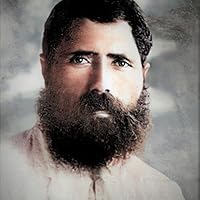
August 27, 2026
Boris Pilnyak titled his boldest story for a moon that stayed lit despite every effort to snuff it out. Stalin recognized his own portrait in that light and took offense. Boris Pilnyak was shot in 1937, during the height of Stalin's purges. He'd survived for eleven years after publishing "The Tale of the Unextinguished Moon," but Stalin never forgave the story. There were no obituaries when he died, since 1937 was the year thousands of Russians were executed without public acknowledgment. The introduction to this edition calls his survival until then "surprising," since most who crossed Stalin that directly didn't last a decade.
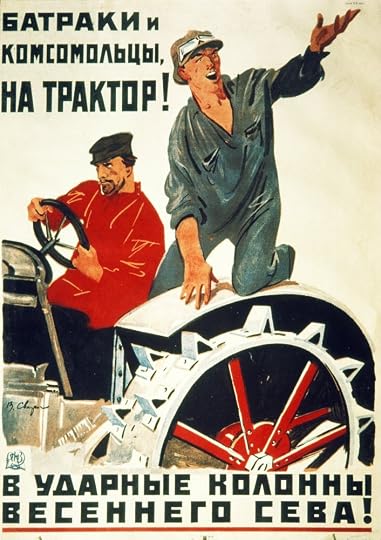
The title story follows a civil war commander summoned home for a routine operation, ordered by a Kremlin figure the book nicknames the unstooping man. Guess how routine the operation turns out to be. Pilnyak performs fiction as autopsy here, laying Soviet mythology on the table before it finishes breathing.
It's a fictionalized retelling of the death of Mikhail Frunze, the real Red Army commander and Trotsky's successor as Commissar of War. In 1925 Stalin ordered Frunze into surgery for a stomach ulcer he didn't need, and Frunze died on the table. Many at the time believed it wasn't medical incompetence but deliberate murder, since Frunze's popularity was starting to rival Stalin's.
In the story, Stalin is never named. He appears only as "the man who never stoops," ruling from a room with three telephones and colored pencils. He orders the commander Gavrilov (Frunze's stand-in) to undergo an operation Gavrilov clearly doesn't want and has premonitions about. Gavrilov dies on the table, and Stalin's proxy then visits the corpse, murmurs "Farewell, comrade, farewell, brother," and arranges a state funeral.
The horror is in how quietly Pilnyak stages it: the machinery of the state moves calmly and inevitably toward a killing everyone half-understands but no one says aloud. That's what got it confiscated by the police and got Pilnyak's dedicatee, the critic Voronsky, publicly disavowing the story in terror.
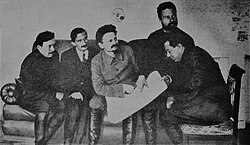
A similar dread appears in "Above the Ravine":
Two birds of prey build a nest in the roots of a fallen pine above a ravine. The story follows them for over a decade. Their violent courtship (the male has to fight off rivals and gets a permanently damaged wing doing it), years of hunting and raising young, the slow grind of winters, and finally the male's decline. When he's old and weakened, a younger, stronger male takes the female from him. He fights back "feebly," loses, crawls back to the nest to die, and a wolf eats his corpse.
There's no human moralizing in the story at all, just cold natural description. Read next to the collection's other stories about aristocrats being displaced by peasants, old Russia being displaced by revolution, and individual men being sacrificed to bigger historical appetites (Gavrilov most explicitly), the bird story reads as Pilnyak's bleakest statement of the theme. Power is temporary, youth unseats age without malice or memory, and the world doesn't pause to mourn the vanquished. It's the same cycle Gavrilov gets caught in, just stripped of ideology and shown in its rawest biological form.
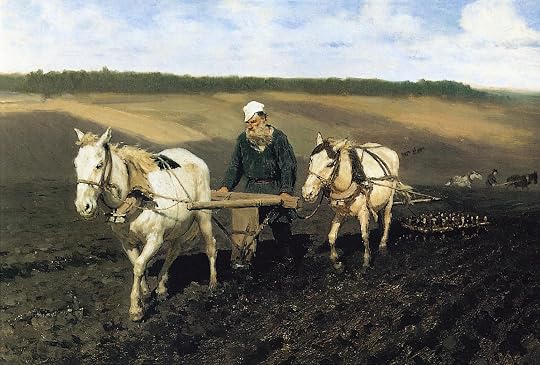
The rest of the collection orbits that same nest and that same operating table. Counts flee burning estates disguised as beggars, tripping over their own bootlaces on the way to exile. Peasant widows melt into spring floods chasing God down open roads. Centuries stack like playing cards over St Petersburg, emperors and commissars dealt from the same deck. A tractor driver courts a farm girl beside a lecture on chemical crystallization, communism rendered in literal chemistry, love crystallizing out of a saturated solution.
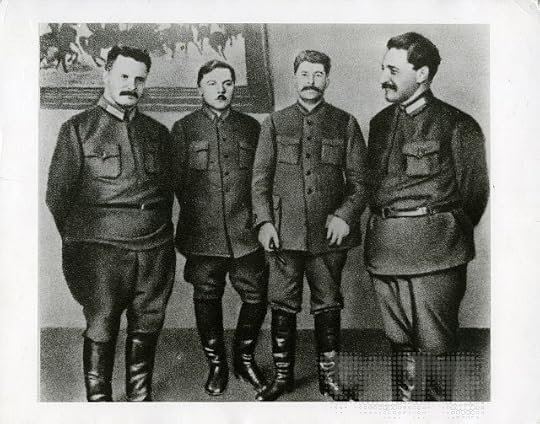
Pilnyak's prose crystallizes too, forming odd sharp shapes out of ordinary Russian dissolved past its limit. Sentences pile detail the way his blizzards pile bodies, thick with insignia, chloroform, telephone wires, moonlight, and dying gentry clutching borrowed candlesticks. Folklore rewired for a century that traded icons for tractors and then traded both for firing squads.
Other stories have real historical spines to them. Pilnyak liked to weave documented events and real names into his fiction rather than staying with pure allegory. A few examples from the collection.
"The Tale of St. Petersburg or the Holy Rock" stacks two real historical threads together. One follows Peter the Great on an actual drunken boat trip on the Neva, ranting about unlit channel buoys (a real anecdote about him). The other follows a Chinese refugee named Li Yan who lives through the fall of the Qing dynasty, referencing Empress Dowager Cixi's death, the child emperor Pu-Yi's abdication in 1912, and revolutionary leaders Sun Yat-sen and Yuan Shih-kai.
"A Story About How Stories Come To Be Written" is set during the Russian Civil War in the Far East, with the Japanese military intervention, White forces under Kolchak and the warlord Semyonov, and Bolshevik partisans fighting Japanese troops in real locations along the Pacific coast. The narrator also namechecks actual Russian writers of the era, Bunin and Bryusov, as books the characters read.
"The Big Heart" brings Pu-Yi back in, this time in a stranger, more folkloric register, an exiled ex-emperor sending cryptic letters about birdsong to a bandit chief at a banquet.
"The Boy from Tralles" is a travelogue through Asia Minor built around an actual ancient Greek statue in an Istanbul museum, and it follows the very real 1921 ethnic cleansing of Greek populations from muslim Anatolia during the Greco-Turkish War, when whole towns were emptied out. It also references the real Turkish writer Refik Halid Karay.
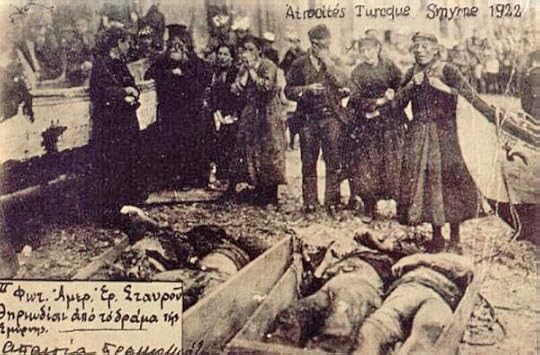
Pilnyak keeps returning to moments where an empire changes hands and takes named, real people down with it.
Pilnyak prefers atmosphere to incident, and entire pages pass before much happens beyond weather and dread. Pilnyak makes a gastric ulcer feel like regicide, a tractor feel like a marriage proposal, and a Chinese refugee's flight from Peking feel continuous with a drunken Peter the Great yelling at buoy lights on the Neva, an archaeological communal dig excavating Scythian Midsummer ghosts that poison the Revolution with nudists. He stitches empires together with a steady, unshowy hand.
This is absolutely wonderful early Soviet modernism. Instead of presenting the romantic propaganda, Pilnyak depicts the chaos, the heartache, the confusion, and the dirt that this tumultuous era felt like to those who lived and died through it. The moon in that title still glows past the deadline Stalin set for it, burning quietly over every ravine, blizzard, and operating table in the book, a lantern Pilnyak left running in a century that tried to switch it off.
Once again, through a buddy read, Mahtab Safdari located an incredible moonbeam of a book. A ray of light in a dark period. Thank you for making me aware of this unique genius.
Thank you Menachem Rath for combining all of the scattered editions of this book into one. You are the absolute best!
❤️ 🇮🇱
The title story follows a civil war commander summoned home for a routine operation, ordered by a Kremlin figure the book nicknames the unstooping man. Guess how routine the operation turns out to be. Pilnyak performs fiction as autopsy here, laying Soviet mythology on the table before it finishes breathing.
It's a fictionalized retelling of the death of Mikhail Frunze, the real Red Army commander and Trotsky's successor as Commissar of War. In 1925 Stalin ordered Frunze into surgery for a stomach ulcer he didn't need, and Frunze died on the table. Many at the time believed it wasn't medical incompetence but deliberate murder, since Frunze's popularity was starting to rival Stalin's.
In the story, Stalin is never named. He appears only as "the man who never stoops," ruling from a room with three telephones and colored pencils. He orders the commander Gavrilov (Frunze's stand-in) to undergo an operation Gavrilov clearly doesn't want and has premonitions about. Gavrilov dies on the table, and Stalin's proxy then visits the corpse, murmurs "Farewell, comrade, farewell, brother," and arranges a state funeral.
The horror is in how quietly Pilnyak stages it: the machinery of the state moves calmly and inevitably toward a killing everyone half-understands but no one says aloud. That's what got it confiscated by the police and got Pilnyak's dedicatee, the critic Voronsky, publicly disavowing the story in terror.
A similar dread appears in "Above the Ravine":
Two birds of prey build a nest in the roots of a fallen pine above a ravine. The story follows them for over a decade. Their violent courtship (the male has to fight off rivals and gets a permanently damaged wing doing it), years of hunting and raising young, the slow grind of winters, and finally the male's decline. When he's old and weakened, a younger, stronger male takes the female from him. He fights back "feebly," loses, crawls back to the nest to die, and a wolf eats his corpse.
There's no human moralizing in the story at all, just cold natural description. Read next to the collection's other stories about aristocrats being displaced by peasants, old Russia being displaced by revolution, and individual men being sacrificed to bigger historical appetites (Gavrilov most explicitly), the bird story reads as Pilnyak's bleakest statement of the theme. Power is temporary, youth unseats age without malice or memory, and the world doesn't pause to mourn the vanquished. It's the same cycle Gavrilov gets caught in, just stripped of ideology and shown in its rawest biological form.
The rest of the collection orbits that same nest and that same operating table. Counts flee burning estates disguised as beggars, tripping over their own bootlaces on the way to exile. Peasant widows melt into spring floods chasing God down open roads. Centuries stack like playing cards over St Petersburg, emperors and commissars dealt from the same deck. A tractor driver courts a farm girl beside a lecture on chemical crystallization, communism rendered in literal chemistry, love crystallizing out of a saturated solution.
Pilnyak's prose crystallizes too, forming odd sharp shapes out of ordinary Russian dissolved past its limit. Sentences pile detail the way his blizzards pile bodies, thick with insignia, chloroform, telephone wires, moonlight, and dying gentry clutching borrowed candlesticks. Folklore rewired for a century that traded icons for tractors and then traded both for firing squads.
Other stories have real historical spines to them. Pilnyak liked to weave documented events and real names into his fiction rather than staying with pure allegory. A few examples from the collection.
"The Tale of St. Petersburg or the Holy Rock" stacks two real historical threads together. One follows Peter the Great on an actual drunken boat trip on the Neva, ranting about unlit channel buoys (a real anecdote about him). The other follows a Chinese refugee named Li Yan who lives through the fall of the Qing dynasty, referencing Empress Dowager Cixi's death, the child emperor Pu-Yi's abdication in 1912, and revolutionary leaders Sun Yat-sen and Yuan Shih-kai.
"A Story About How Stories Come To Be Written" is set during the Russian Civil War in the Far East, with the Japanese military intervention, White forces under Kolchak and the warlord Semyonov, and Bolshevik partisans fighting Japanese troops in real locations along the Pacific coast. The narrator also namechecks actual Russian writers of the era, Bunin and Bryusov, as books the characters read.
"The Big Heart" brings Pu-Yi back in, this time in a stranger, more folkloric register, an exiled ex-emperor sending cryptic letters about birdsong to a bandit chief at a banquet.
"The Boy from Tralles" is a travelogue through Asia Minor built around an actual ancient Greek statue in an Istanbul museum, and it follows the very real 1921 ethnic cleansing of Greek populations from muslim Anatolia during the Greco-Turkish War, when whole towns were emptied out. It also references the real Turkish writer Refik Halid Karay.
Pilnyak keeps returning to moments where an empire changes hands and takes named, real people down with it.
Pilnyak prefers atmosphere to incident, and entire pages pass before much happens beyond weather and dread. Pilnyak makes a gastric ulcer feel like regicide, a tractor feel like a marriage proposal, and a Chinese refugee's flight from Peking feel continuous with a drunken Peter the Great yelling at buoy lights on the Neva, an archaeological communal dig excavating Scythian Midsummer ghosts that poison the Revolution with nudists. He stitches empires together with a steady, unshowy hand.
This is absolutely wonderful early Soviet modernism. Instead of presenting the romantic propaganda, Pilnyak depicts the chaos, the heartache, the confusion, and the dirt that this tumultuous era felt like to those who lived and died through it. The moon in that title still glows past the deadline Stalin set for it, burning quietly over every ravine, blizzard, and operating table in the book, a lantern Pilnyak left running in a century that tried to switch it off.
Once again, through a buddy read, Mahtab Safdari located an incredible moonbeam of a book. A ray of light in a dark period. Thank you for making me aware of this unique genius.
Thank you Menachem Rath for combining all of the scattered editions of this book into one. You are the absolute best!
❤️ 🇮🇱

August 27, 2023
الفريق نيكولاي غافريلوف الذي يعتمد عليه كثيرا من طرف السلاح الروسي لمكانته العالية بين رجال الثورة البلشفية، يصاب بقرحة معدة بسيطة لكنها تستمر معه لسنوات طويلة دون تحسن ليفرض عليه رؤساه الخضوع لعملية جراحية عاجلة لإنقاذ معدته و العودة بين الصفوف الأولية لأن دوره مهم ولا مكان لرجال مرضى بين صفوف رجال الثورة البلشفية.
رواية قصرة استطاع فيها الكاتب يوريس بيلينياك كشف ستار عن حقيقة الصراع على السلطة و النضال المستمر و المستميت للبقاء في مناصب السلطة وماذا تفعل في الجميع و كيف تجعل السلطة الكل خاضع لها حتى العلم و الطب من أجل تلبية نداء واحد نداء وحدة الصف لضمان الاستمرارية و الاستقرار مع وصفه المشاعر الإنسانية للفريق مع ابنته الصغيرة و علاقة الصداقة التي استمرت سنوات بين الرفيق و صديق عمره و مناوبه و الذي أمنه على طفلته.
حقيقة واحدة لا مفر منها مهما اختلف الزمان و المكان أن الصحة كنز لا يمكن تعويضه بكل أموال الدنيا و لا يمكن استرداد ما ضاع منها مهما كانت ثروة و سلطة الشخص.
رواية قصرة استطاع فيها الكاتب يوريس بيلينياك كشف ستار عن حقيقة الصراع على السلطة و النضال المستمر و المستميت للبقاء في مناصب السلطة وماذا تفعل في الجميع و كيف تجعل السلطة الكل خاضع لها حتى العلم و الطب من أجل تلبية نداء واحد نداء وحدة الصف لضمان الاستمرارية و الاستقرار مع وصفه المشاعر الإنسانية للفريق مع ابنته الصغيرة و علاقة الصداقة التي استمرت سنوات بين الرفيق و صديق عمره و مناوبه و الذي أمنه على طفلته.
حقيقة واحدة لا مفر منها مهما اختلف الزمان و المكان أن الصحة كنز لا يمكن تعويضه بكل أموال الدنيا و لا يمكن استرداد ما ضاع منها مهما كانت ثروة و سلطة الشخص.

January 18, 2023
Великие они все были, конечно.

February 5, 2022
ამ მოთხრობის შემდეგ გასაკვირი არავისთვის უნდა ყოფილიყო, რომ მთვარე არა, მაგრამ ბორის პილნიაკის სიცოცხლე ჩაქრა, მისი მეუღლის - კირა ანდრონიკაშვილის ყოფა კი მრავალი წლით დაბნელდა. არავინ იცის, რეალურად რა ჩანაფიქრი ჰქონდა მწერალს - როგორც შემდგომ "მონანიების" წერილებში წერდა, ნამდვილად საბჭოთა გმირების წარმოჩენა სურდა, თუ ფრუნზეს შესაძლო მკვლელობის მხილება ჰქონდა გადაწყვეტილი, თუმცა ფაქტი ერთია - საბჭოური რეალიზმის ჟანრის წამყვანი მწერლის სახელისა და კომუნისტური თანამდებობის მოპოვების ნაცვლად ბორის პილნიაკი დიდ ტერორს შეწირულთა მრავალმილიონიან არმიას შეუერთდა.


February 8, 2025
#مراجعة
تُعد قصة "مقتل الفريق: قصة قمر لم يغب" للكاتب الروسي بوريس بيلينياك واحدة من الأعمال الأدبية التي تجسد الصراع بين الفرد والسلطة في ظل نظام شمولي، حيث تبرز القصة بجرأة نادرة في وقتها قضية التلاعب بالحياة البشرية لأغراض سياسية. بيلينياك، الذي عُرف بأسلوبه السردي الغني والرمزي، يقدم هنا عملاً لا يقتصر على كونه قصة قصيرة فحسب، بل هو أيضًا نقد لاذع للواقع السياسي في الحقبة السوفيتية المبكرة.
تدور القصة حول قائد في الجيش الأحمر يُجبر على الخضوع لعملية جراحية بأمر من "الثلاثة الذين يقودون"، وهي إشارة واضحة إلى القيادة السوفيتية العليا في ذلك الوقت. العملية، التي تبدو في ظاهرها طبية، تتحول إلى أداة قتل مقنعة، حيث يموت القائد على طاولة العمليات. هذا الموت ليس مجرد حدث درامي، بل هو رمز للقمع الذي تمارسه السلطة ضد أي صوت قد يشكل تهديدًا لها، حتى لو كان ذلك الصوت ينتمي إلى أحد أفراد النخبة العسكرية.
القمر الذي لم يغب في عنوان القصة يرمز إلى الاستمرارية والخلود، لكنه أيضًا يشير إلى الضوء الكاشف الذي يكشف الحقائق المخفية. القمر هنا قد يكون رمزًا للحقيقة التي لا يمكن إخفاؤها، أو ربما للإرادة الإنسانية التي ترفض الانطفاء حتى في ظل أكثر الظروف قسوة.
القصة مستوحاة من حدث حقيقي، وهو وفاة القائد العسكري السوفيتي ميخائيل فرونزي في عام 1925 بعد عملية جراحية، وهو ما أثار شكوكًا حول دور ستالين والقيادة السوفيتية في وفاته. بيلينياك، بذكاء أدبي، يحول هذا الحدث إلى قصة رمزية تفضح آلية القمع في النظام السوفيتي، دون أن يذكر أسماء مباشرة، مما يضفي على العمل طابعًا عالميًا يتجاوز الحدث التاريخي المحدد.
#محمد_الجكاني✍🏼
تُعد قصة "مقتل الفريق: قصة قمر لم يغب" للكاتب الروسي بوريس بيلينياك واحدة من الأعمال الأدبية التي تجسد الصراع بين الفرد والسلطة في ظل نظام شمولي، حيث تبرز القصة بجرأة نادرة في وقتها قضية التلاعب بالحياة البشرية لأغراض سياسية. بيلينياك، الذي عُرف بأسلوبه السردي الغني والرمزي، يقدم هنا عملاً لا يقتصر على كونه قصة قصيرة فحسب، بل هو أيضًا نقد لاذع للواقع السياسي في الحقبة السوفيتية المبكرة.
تدور القصة حول قائد في الجيش الأحمر يُجبر على الخضوع لعملية جراحية بأمر من "الثلاثة الذين يقودون"، وهي إشارة واضحة إلى القيادة السوفيتية العليا في ذلك الوقت. العملية، التي تبدو في ظاهرها طبية، تتحول إلى أداة قتل مقنعة، حيث يموت القائد على طاولة العمليات. هذا الموت ليس مجرد حدث درامي، بل هو رمز للقمع الذي تمارسه السلطة ضد أي صوت قد يشكل تهديدًا لها، حتى لو كان ذلك الصوت ينتمي إلى أحد أفراد النخبة العسكرية.
القمر الذي لم يغب في عنوان القصة يرمز إلى الاستمرارية والخلود، لكنه أيضًا يشير إلى الضوء الكاشف الذي يكشف الحقائق المخفية. القمر هنا قد يكون رمزًا للحقيقة التي لا يمكن إخفاؤها، أو ربما للإرادة الإنسانية التي ترفض الانطفاء حتى في ظل أكثر الظروف قسوة.
القصة مستوحاة من حدث حقيقي، وهو وفاة القائد العسكري السوفيتي ميخائيل فرونزي في عام 1925 بعد عملية جراحية، وهو ما أثار شكوكًا حول دور ستالين والقيادة السوفيتية في وفاته. بيلينياك، بذكاء أدبي، يحول هذا الحدث إلى قصة رمزية تفضح آلية القمع في النظام السوفيتي، دون أن يذكر أسماء مباشرة، مما يضفي على العمل طابعًا عالميًا يتجاوز الحدث التاريخي المحدد.
#محمد_الجكاني✍🏼

May 7, 2014
Wonderful, thoughtful stories. Extremely well written.

August 19, 2019
Мне очень понравилось его стиль!

February 9, 2021
Sicuramente ben scritto, ma non ho le conoscenze per comprendere i riferimenti storici.

September 1, 2022
Не увидел совсем политической подоплеки, о которой говорится едва ли не в каждой аннотации и рецензии (мол, в этом произведении Пильняк рассказал историю о том, как Фрунзе был сознательно отправлен Сталиным под нож хирурга-убийцы).
Как по мне, это скорее история о том, как мирная жизнь не принимает командарма, привыкшего к крови и войне. Человеку, недрогнувшей рукой отправляющему тысячи других на смерть, не находится места в обыденности.
Чрезвычайно цветистый язык, множество отличных фраз, выражений, эпитетов и метафор.
Но (в отличие, например, от Бабеля, Олеши и Платонова) конкретно эта вещь не легла на душу. Возможно, стоит попробовать что-то ещё.
Как по мне, это скорее история о том, как мирная жизнь не принимает командарма, привыкшего к крови и войне. Человеку, недрогнувшей рукой отправляющему тысячи других на смерть, не находится места в обыденности.
Чрезвычайно цветистый язык, множество отличных фраз, выражений, эпитетов и метафор.
Но (в отличие, например, от Бабеля, Олеши и Платонова) конкретно эта вещь не легла на душу. Возможно, стоит попробовать что-то ещё.
August 28, 2024
Αριστούργημα!!

October 17, 2022
مقتل الفريق هي ترجمة هذا العمل الذي يتحدث عن رجال الثورة البولشفية و الصراع الخفي بينهم

July 4, 2023
تتحدث الرواية عن الفريق نيكولاي غافريلوف ، المصاب بقرحة معوية بسيطة عانى منها فترة طويلة ، لكنه لأهميته القصوى في السلاح الروسي يُؤْمر بالخضوع لعملية جراحية عاجلة
من أجل الحفاظ على صحته ، و من هُنا تبدأ الحكاية ، التي تمتد صفحاتها 73 صفحة ، ثم يأتي بعدها قصة بلا عنوان .
يبقى للأدب الروسي مكانة و قوة لا يُمكن الاستهانة بها ، فلا تستطيع أن تقول أنه يتمثل فقط في فيودور دوستويفسكي وَ ليو تولستوي وَ نيكولاي غوغول وَ بوريس باسترناك ، و لكنه ممتد لأكثر من ذلك فالقائمة طويلة و الأقلام البارعة عديدة منها ألكسندر بوشكين ، إيفان تورجينيف ، مكسيم غوركي ، ميخائيل ليرمنتوف ، بوريس بيلينياك .
رغم قووة هذه الأقلام فإن مصير كُتابها ما بين تهم الخيانة و النفي و الاغتيال و الإعدام .
هذه الرواية الأولى للأديب الروسي التي تترجم للغة العربية ، كان بوريس بيلينياك ( 11 أكتوبر 1894م - 21 أبريل 1938م في موسكو ) .
ولد بوريس أندرييفيتش فوجاو في موزايسك . كان والده طبيبًا من أصل ألماني ، و كانت والدته من عائلة تجارية قديمة من ساراتوف . أصبح بوريس مهتمًا بالكتابة لأول مرة في سن التاسعة . من بين مؤثراته المبكرة أندريه بيلي ، و أليكسي ريميزوف ، و يفغيني زامياتين .
في 28 أكتوبر 1937م اعتقل بتهم أنشطة مناهضة للثورة و التجسس و الإرهاب . و زعم أحد التقارير أنه "عقد اجتماعات سرية مع (أندريه) جيد و أمده بمعلومات عن الوضع في الاتحاد السوفيتي. و لا شك في أن جيد استخدم هذه المعلومات في هذا الكتاب لمهاجمة الاتحاد السوفيتي". حوكم بيلنياك في 21 أبريل 1938م. و في الدعوى التي استمرت 15 دقيقة ، حُكم عليه بالإعدام . و كتب على ورقة صفراء صغيرة ملحقة بملفه: "تم تنفيذ الحكم".
⭐️⭐️⭐️ لــ الثامن وَ العشرين من كُتُبْ 2023

February 28, 2021
Повесть, которую признали антисоветской из-за намёка на причастность Сталина к смерти Фрунзе, но которая вне этого контекста читается абсолютно как тошнотворная большевистская агитка, прежде всего из-за своего стиля. Вот яркий пример: псевдо-Сталин начинает свой диалог с псевдо-Фрунзе такой фразой:
“Гаврилов, не нам с тобой говорить о жернове революции. Историческое колесо — к сожалению, я полагаю — в очень большой мере движется смертью и кровью, особенно колесо революции. Не мне и тебе говорить о смерти и крови. Ты помнишь, как мы вместе с тобой вели голых красноармейцев на Екатеринов. У тебя была винтовка, и винтовка была у меня. Снарядом под тобой разорвало лошадь, и ты пошел вперед пешком. Красноармейцы бросились назад, и ты пристрелил одного из нагана, чтобы не бежали все. Командир, ты застрелил бы и меня, если бы я струсил, и ты был бы, я полагаю, прав.” И вам, б****, здравствуйте!
“Гаврилов, не нам с тобой говорить о жернове революции. Историческое колесо — к сожалению, я полагаю — в очень большой мере движется смертью и кровью, особенно колесо революции. Не мне и тебе говорить о смерти и крови. Ты помнишь, как мы вместе с тобой вели голых красноармейцев на Екатеринов. У тебя была винтовка, и винтовка была у меня. Снарядом под тобой разорвало лошадь, и ты пошел вперед пешком. Красноармейцы бросились назад, и ты пристрелил одного из нагана, чтобы не бежали все. Командир, ты застрелил бы и меня, если бы я струсил, и ты был бы, я полагаю, прав.” И вам, б****, здравствуйте!

September 3, 2025
نوفيلا عن طبيعة الحرب الأهلية الروسية بعد الثورة في إيجاز عبقري للكشف عن طبيعة أحد رجالها.
مقطع من الرواية " كان هذا الرجل الذي قاد الجيوش والآلاف من الناس، الرجل الذي قاد الانتصارات، والموت: قاد البارود والدخان، والعظام المحطمة، واللحم الممزق، وتلك الانتصارات التي كانت تضج في الخطوط الخلفية بمئات الرايات الحمراء وآلاف الحشود، والتي حلّق بها الراديو ونشرها في جميع أصقاع العالم، - تلك الانتصارات، التي حُفِرت بعدها للجثث في الحقول الرملية الروسية حفر عميقة، كدست فيها آلاف الأجساد البشرية كيفما اتفق. كان هذا رجلا اتسم اسمه بأساطير الحرب، وبالقيادة العسكرية، والشجاعة الهائلة، والبسالة، والمثابرة. كان هذا رجلا امتلك الحق والمشيئة في إرسال الناس ليقتلوا أشباههم من الناس ويموتوا. "
مقطع من الرواية " كان هذا الرجل الذي قاد الجيوش والآلاف من الناس، الرجل الذي قاد الانتصارات، والموت: قاد البارود والدخان، والعظام المحطمة، واللحم الممزق، وتلك الانتصارات التي كانت تضج في الخطوط الخلفية بمئات الرايات الحمراء وآلاف الحشود، والتي حلّق بها الراديو ونشرها في جميع أصقاع العالم، - تلك الانتصارات، التي حُفِرت بعدها للجثث في الحقول الرملية الروسية حفر عميقة، كدست فيها آلاف الأجساد البشرية كيفما اتفق. كان هذا رجلا اتسم اسمه بأساطير الحرب، وبالقيادة العسكرية، والشجاعة الهائلة، والبسالة، والمثابرة. كان هذا رجلا امتلك الحق والمشيئة في إرسال الناس ليقتلوا أشباههم من الناس ويموتوا. "

July 10, 2023
- "أعطني شيئاً لأقرأه، ولكن في الحقيقة، أريد شيئاً بسيطاً، عن الناس الطيبين عن الحب الصالح، عن العلاقات البسيطة عن الحياة
غير المعقدة عن الشمس، عن الناس والبهجة البشرية الهينة".
- رواية قصيرة يكشف فيها بيلينياك عن رجال الثورة البلشفية وصراع السلطة، المشاعر الإنسانية والصداقة والحب والعلاقة بين الناس..
- تجري أحداث القصة سريعاً، نقرأ عن النضال والعمل للوصول للسلطة، رجالها ورفاقها، رهبة الشارع منها، وخضوع العلم والطب أنذاك لها، الاستسلام للموت من أجل الحفاظ على وحدة الصف..
- معلومة مؤثرة الكاتب أعدمه ستالين عام ١٩٣٨م.
- الرواية لطيفة وخفيفة برتم بطيء مليئة بالوصف والتفاصيل الصغيرة الترجمة جيدة ولكن البداية كانت ضبابية.
- وأخيراً اذا كنت تبحث عن كتاب كالمذكور بالاقتباس أعلاه فعليك بالكُتاب الروس.
غير المعقدة عن الشمس، عن الناس والبهجة البشرية الهينة".
- رواية قصيرة يكشف فيها بيلينياك عن رجال الثورة البلشفية وصراع السلطة، المشاعر الإنسانية والصداقة والحب والعلاقة بين الناس..
- تجري أحداث القصة سريعاً، نقرأ عن النضال والعمل للوصول للسلطة، رجالها ورفاقها، رهبة الشارع منها، وخضوع العلم والطب أنذاك لها، الاستسلام للموت من أجل الحفاظ على وحدة الصف..
- معلومة مؤثرة الكاتب أعدمه ستالين عام ١٩٣٨م.
- الرواية لطيفة وخفيفة برتم بطيء مليئة بالوصف والتفاصيل الصغيرة الترجمة جيدة ولكن البداية كانت ضبابية.
- وأخيراً اذا كنت تبحث عن كتاب كالمذكور بالاقتباس أعلاه فعليك بالكُتاب الروس.
This entire review has been hidden because of spoilers.

September 24, 2026
Història de la lluna inapagada de Borís Pilnyak és una breu novel·la publicada al 1926, que relata la història del comandant i heroi de la guerra civil Nikolai Gavrílov, obligat per l'estat major a sotmetre's a una operació quirúrgica "per ser massa valuós per la revolució" i d'on ell mateix sap que no en sortirà viu. Obra ideada com a denúncia del sistema burocràtic soviètic per raons que no cal esclarir.
December 15, 2020
Simply brilliant

August 3, 2023
الترجمة بديعة، لكنه إشكال قديم بيني وبين أدب السوفييت المبكر. يوجد ما يصد بيني وبين الإعجاب به ولا أعلم كنهه.

September 8, 2023
Publishing this so soon after Frunze's death is delightfully oblivious to the portentous winds of political change. Literary hooliganism of the finest sort.
April 1, 2025
Περισσότερο ενδιαφέρον κοινωνικοπολιτικά για την εποχή από ότι λογοτεχνικά. Χρήσιμο ως τεκμήριο για την ΕΣΣΔ.
August 9, 2024
Έκλεισα αυτό το βιβλίο με την απορία : πόσα ακόμη διαμαντάκια της ρωσικής πρωτοπορίας και του ρωσικού φουτουρισμού των αρχών του 20ου αιώνα υπάρχουν «εκεί έξω» ;

July 29, 2021
Stupenda raccolta di "povesti" (romanzi brevi e/o racconti lunghi) che comprende, oltre a quella omonima, anche la famosa "Mogano", "Madre matrigna" e "Alle porte".
"Mogano" è l'esempio più chiaro delle tematiche care a Pil'njak: la neonata rivoluzione è un caos vorticante che si abbatte sulla Russia millenaria e che si mischia con essa. Un concentrato di tutta la "russità" del periodo immediatamente successivo al '17. Insomma, lo sfacelo della tradizione, la confusione violenta del nuovo che incombe e che avanza inesorabile. Miseria e caos, sì questi i termini che mi sembrano più adatti. L'autore si concentra sugli effetti del caos nelle cittadine di provincia e nella vita di tutti i giorni. L'alternarsi della stagioni, la neve, il disgelo, i boschi, le paludi, i fiumi e le campagne e il perpetuarsi di ataviche superstizioni. Le antiche campane, staccate dai campanili e fatte precipitare al suolo, all'impatto emettono suoni che l'orecchio russo mai ha udito. I soldati, i comitati esecutivi, le nuove direttive, la crisi e le ristrettezze economiche. La grande tradizione degli antichi mobilieri e l'arte della porcellana (farfor). Si incontrano gli "juròdivye" (i c.d. "semplici in Cristo" della tradizione) e i "kulaki".
La lettura non è facile, richiede dedizione. Il suo stile è particolare, con riflessioni filosofiche, parole chiave ripetute quasi ossessivamente, immagini poetiche che si alternano a molte scene ruvide, crude e scabrose. Continui cambi di scena e flash-back. La ribellione delle donne.
Molto bello, ma su un tono differente, è la "Storia della luna che non fu spenta", racconto di un comandante d'armata (komandarm) che si piega ai suoi superiori, accettando di sdraiarsi sul tavolo operatorio per un intervento chirurgico cui vorrebbe in realtà sottrarsi.
"Mogano" è l'esempio più chiaro delle tematiche care a Pil'njak: la neonata rivoluzione è un caos vorticante che si abbatte sulla Russia millenaria e che si mischia con essa. Un concentrato di tutta la "russità" del periodo immediatamente successivo al '17. Insomma, lo sfacelo della tradizione, la confusione violenta del nuovo che incombe e che avanza inesorabile. Miseria e caos, sì questi i termini che mi sembrano più adatti. L'autore si concentra sugli effetti del caos nelle cittadine di provincia e nella vita di tutti i giorni. L'alternarsi della stagioni, la neve, il disgelo, i boschi, le paludi, i fiumi e le campagne e il perpetuarsi di ataviche superstizioni. Le antiche campane, staccate dai campanili e fatte precipitare al suolo, all'impatto emettono suoni che l'orecchio russo mai ha udito. I soldati, i comitati esecutivi, le nuove direttive, la crisi e le ristrettezze economiche. La grande tradizione degli antichi mobilieri e l'arte della porcellana (farfor). Si incontrano gli "juròdivye" (i c.d. "semplici in Cristo" della tradizione) e i "kulaki".
La lettura non è facile, richiede dedizione. Il suo stile è particolare, con riflessioni filosofiche, parole chiave ripetute quasi ossessivamente, immagini poetiche che si alternano a molte scene ruvide, crude e scabrose. Continui cambi di scena e flash-back. La ribellione delle donne.
Molto bello, ma su un tono differente, è la "Storia della luna che non fu spenta", racconto di un comandante d'armata (komandarm) che si piega ai suoi superiori, accettando di sdraiarsi sul tavolo operatorio per un intervento chirurgico cui vorrebbe in realtà sottrarsi.

December 3, 2025
It took some serious courage for Pilnyak to write Unextinguished....maybe he was just naive to what lay ahead seeing as it was published in 1926. Aside from the political intrigue, the language Pilnyak uses is beautiful.
July 20, 2020
Una prova que la qualitat no està renyida amb la brevetat. Trobo molt sarcàstic el prefaci del propi Pilniak.
February 28, 2019
Какая-то странная история - понятно, что про смерть Фрунзе, но при этом автор в предисловии утверждает, что Фрунзе тут не при чём.
Displaying 1 - 27 of 27 reviews