
What do you think?
Rate this book


222 pages, Paperback
First published January 1, 1924
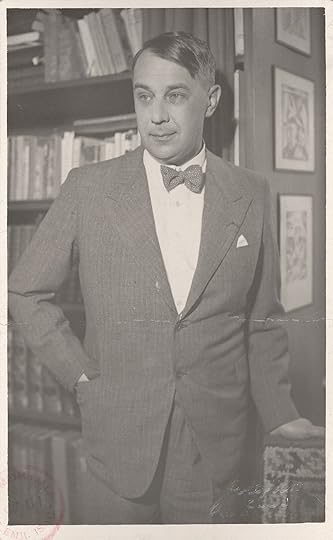
"In a state of excitement, things that normally pass unnoticed can seem pregnant with significance. At such times even inanimate objects—a lamppost, a gravel path, a bush—can take on a life of their own, primordial, reticent and hostile, stinging our hearts with their indifference and making us recoil with a start. And the very sight of people at such times, blindly pursuing their lonely, selfish ends, can suddenly remind us of our own irrevocable solitude, a single word or gesture petrifying in our souls into an eternal symbol of the utter arbitrariness of life." (189)This was my first encounter with Kosztolányi, and it made a deep impression. Little happens in the novel; I can imagine that there are readers out there who, having read Skylark, might not think all that much of it. It is subtle—it's simply the story of an elderly couple and their ugly, aging, unmarried daughter, living in a provincial Hungarian town where not much happens. But I think that it is precisely because things are so decidedly unspectacular on the surface, that Kosztolányi—aided by his wonderful ability to describe characters and scenes—leads us directly to what is underneath it all: life and death, hope and disappointment. There was a scene near the end of the novel that had me in tears, which hasn't happened to me in quite some time (not since Dostoevsky's Humiliated and Insulted).
“As soon as they began to laugh, he lowered his gaze. Their glances offended him. They belonged to a world of happy households, eligible daughters and handsome dowries; a world so very different from his own.”
"Akos suddenly picked up the tumbler full of schnapps they had set before him and downed it in one. The alcohol warmed its way through his body and lifted him to his feet. There was an enormous knocking in his old brain and he felt such delight that he really wouldn't have minded in the least if there and then, in this moment of giddy ecstasy, when he felt his whole being, his whole life, was in his grasp, he were to fall down and die on the spot. (147)"
He could hear rummaging from inside the house, the old couple preparing for rest. And he could see quite clearly before him the wretched rooms, where suffering collected like unswept dust in the corners, the dust of lives in painful heaps, piled up over many long years. He shut his eyes and drank in the garden's bitter fragrance. At such times Miklos Ijas [the poet/journalist] was 'working.'As soon as I read that, I felt exactly as if I had bumped into the author, Dezso Kosztolanyi, in the flesh. It is hard to think of a more imaginative summing up of a life.
He stood for some minutes before the gate with all the patience of a lover waiting for the appearance of his beloved. But he was waiting for no one. He was no lover in a worldly sense; the only love he knew was that of divine understanding, of taking a whole life into his arms, stripping it of flesh and bone, and feeling into its depths as if it were his own. From this, the greatest pain, the greatest happiness is born: the hope that we too will one day be understood, strangers will accept our words, our lives, as if they were their own.













![Profile Image for [P].](https://i.gr-assets.com/images/S/compressed.photo.goodreads.com/users/1486240560i/40516522._UY200_CR13,0,200,200_.jpg)


