Ferdinand von Schirach hat es in seinem Beruf alltäglich mit Menschen zu tun, die Extremes getan oder erlebt haben. Das Ungeheuerliche ist bei ihm der Normalfall. Er vertritt Unschuldige, die mit dem Gesetz in Konflikt geraten, ebenso wie Schwerstkriminelle. Deren Geschichten erzählt er – lakonisch wie ein Raymond Carver und gerade deswegen mit unfassbarer Wucht.
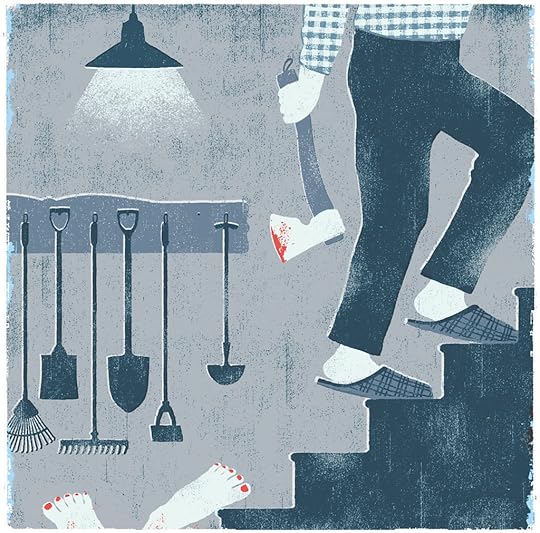
Ein angesehener, freundlicher Herr, Doktor der Medizin, erschlägt nach 40 Ehejahren seine Frau mit einer Axt. Er zerlegt sie förmlich, bevor er schließlich die Polizei informiert. Sein Geständnis ist ebenso außergewöhnlich wie seine Strafe. Ein Mann raubt eine Bank aus, und so unglaublich das klingt: Er hat seine Gründe. Gegen jede Wahrscheinlichkeit wird er von der deutschen Justiz an Leib und Seele gerettet. Eine junge Frau tötet ihren Bruder. Aus Liebe. Lauter unglaubliche Geschichten, doch sie sind wahr.
Ferdinand von Schirach (born 1964 in Munich) is a German lawyer and writer. He published his first short stories at the age of forty-five. Shortly thereafter he became one of Germany's most successful authors. His books, which have been translated into more than 35 languages, have sold millions of copies worldwide and have made him an internationally celebrated star of German literature.
Un libro che mi ha riservato più di una sorpresa. La prima è che ho creduto fosse un romanzo, tratto in inganno anche dalle note sulla bandella, forse lette troppo in fretta, e ho scoperto si trattava di una raccolta di racconti solo dopo aver finito il primo e trovato personaggi completamente diversi nel secondo.
La seconda è la qualità della scrittura: trattasi di esordio, trattasi di autore che esercita un lavoro affascinante, l’avvocato penalista, e che scrive, per così dire, “a tempo perso”. Considerato che nel frattempo il successo è arrivato, forse ora non lo fa più tanto “a tempo perso”.
La terza è la qualità dei racconti e delle storie. Sono casi di cui si è occupato personalmente. Non tutti alla stessa altezza, alcuni seguono iter più consolidato. Ma tra i primi ce ne sono alcuni non solo eccellenti, ma anche toccanti, strazianti. E in più, la struggente chicca finale, “L’etiope”.
Il primo per esempio, “Fähner”, dove un medico più che benestante una volta raggiunta l’età della pensione si dedica al giardinaggio per sfuggire alla moglie, collerica, volgare, prepotente, semplicemente insopportabile – ma non può separarsi, è prigioniero di una promessa fatta in viaggio di nozze, quando lei gli ha chiesto in lacrime di non lasciarla fino alla sua morte – ma un giorno non ce la fa più, uccide la moglie con l’ascia, le apre in due la testa, le tronca braccia e gambe, poi chiama la polizia e si dichiara colpevole.
Oppure “Il violoncello” dove Theresa è una violoncellista in fuga dal padre, che ha passato la giovinezza sempre in viaggio in compagnia del fratello, e quando lui si ammala senza speranza decide di affogarlo. Un gesto di eutanasia. Ma in carcere Theresa non regge al dolore. Si lascia dietro un regalo per l’avvocato che l’ha assistita, una copia del Grande Gatsby con alcuni passi sottolineati in blu e uno solo invece in rosso, l’ultima frase del romanzo, l’indimenticabile: Così continuiamo a remare, barche contro corrente, risospinti senza posa nel passato.
O anche “Fortuna” dove un senza casa si mette insieme a una giovane prostituta emigrata dall’Est, l’incontro di due anime che la società ha marginalizzato, e lui per lei diventa capace di commettere reato.
Ferdinand von Schirach sembra attenersi ai fatti, ma sa colpire quando serve, aggiungere un particolare, una notazione, un dettaglio che non solo arricchisce, ma proietta avanti il racconto. Lo fa con garbo, calma, quiete, moderazione. È misurato, profondo, cadenzato, conosce la giusta distanza, conosce le regole della suspense e le usa con parsimoniosa bravura, quasi con timidezza, ma sempre con buon esito. Si pone davanti l’essere umano, l’uomo e la donna vengono sempre prima di tutti. Prima del reato, prima della colpa. La dignità dell’essere umano avanti a tutto.
Ferdinand von Schirach has a difficult name to bear. His grandfather, Baldur von Schirach (1907-1974), was a leader of the Hitler Youth and Gauleiter of Vienna, but maybe that's what made him want to become a lawyer. The criminal law specialist recounts eleven cases in short story form in Crimes. There are cases in which the culprits are "ordinary" people who reacted violently to a combination of unfortunate circumstances for the victim or to genuine reasons that partly explain, if they do not excuse, their crime. The deep and ironic analysis of the conjunctural or psychological causes of crime, combined with the experience and understanding of the depths of Ferdinand von Schirach's human soul, makes this first collection a real success.
”Crimes” é a estreia literária de Ferdinand von Schirach (n. 1964) um advogado de defesa que trabalha em Berlim, Alemanha.
“No exercício da sua profissão tem-se confrontado com pessoas que cometeram ou assistiram a crimes de extrema violência. Estes terríveis crimes fazem parte do dia-a-dia de von Schirach, uma vez que protege os direitos de importantes réus, tal como os de inocentes que entram em conflito com a lei.”
”Crimes” é composto por 11 contos ou 11 histórias, todas diferentes, sobre pessoas que directa ou indirectamente se envolveram em acontecimentos dramáticos e trágicos, com descrições minuciosas e detalhadas das sequências, mas onde não existe nenhum tipo de formalismo muito específico sobre o sistema jurídico alemão, o que confere aos relatos a sua universalidade. Mais do que encontrar o culpado ou solucionar o crime, Ferdinand von Schirach através de um estilo literário claro e simples, procura a verdade – e nada mais do que a verdade, guiando-nos através de acontecimentos e de ocorrências imprevisíveis, que muitas das vezes terminam em actos intoleráveis ou inadmissíveis, mas que têm quase sempre uma justificação plausível e perfeitamente entendível. Em ”Crimes” não existe o “bom” e o “mau”, não há julgamentos morais, o narrador (sem nome) pretende unicamente defender legalmente as suas personagens, ou melhor os seus clientes, nesse contexto, são os sentimentos e a imaginação do leitor que acabam por juntar as peças dos diferentes puzzles e cada um tirará as suas ilações ou as suas conclusões. Incluindo uma questão fundamental: Qual é a função da culpa, da punição e do castigo? ” Culpa” será uma próxima leitura.
Destaco quatro histórias/contos: Fahner, O Violoncelo, Legítima Defesa e o O Etíope.
Schirach ist eine wunderbare Sammlung überraschender Geschichten aus dem Gerichtsalltag eines Strafverteidigers gelungen, die mich auch teilweise dazu anregen, die Begriffe Recht und Schuld etwas zu überdenken und auf jeden Fall zur Erkenntnis zu kommen, dass juristische Fälle nicht immer in den Kategorien schwarz/weiss (schuldig/nicht schuldig) zu beurteilen sind, sondern die dahintersteckenden Motive eine entscheidende Rolle spielen. Mit manchen Tätern hat man fast Mitleid, obwohl die Verbrechen gräulich sind.
Der kurze prägnante sprachliche Stil des Autors, irgendwie eine Mischung aus journalistischer Schreibe und knappen Anwaltsresumees (aber kein Juristendeutsch) gefällt mir besonders gut. Kein Wunder, dass dieses Buch wie eine Überraschungsgranate auf den Spiegel-Bestsellerlisten eingeschlagen hat.
Seit "Der Fall Collini" im April 2019 in die Kinos kam ist mir der Name des Autors ein Begriff und ich war neugierig. Ein Strafverteidiger, der über echte Fälle berichtet und dabei das Hauptaugenmerk auf die Motive legt und nicht auf die Tat selbst, war mir sehr sympathisch. Seine Neugier ist auf den Menschen dahinter gerichtet, ihr Leben und was sie dahin gebracht hat, eine Straftat zu begehen. Ich hab mir sogar ein Interview mit ihm auf youtube angeschaut und war positiv überrascht von seiner sympathischen, angenehmen, ruhigen Art.
"Verbrechen" ist das erste seiner Bücher, ein Episodenroman sozusagen, in dem er über 11 Fälle berichtet, oder eher erzählt, die im Laufe seines Berufslebens bedeutend herausgestochen sind. Nehme ich zumindest an, denn er wird sich ja die herausgepickt haben, die ihm - aus welchem Grund auch immer - im Gedächtnis geblieben sind.
Es sind total unterschiedliche Fälle und somit auch die Täter und ihre Taten ein Sammelsurium zwischen Schlägern, Einbrechern und Axtmördern. Die Motive, die der Autor bei jedem aufgedeckt hat, sind vielfältig und haben doch meist die gemeinsamen Nenner wie Angst, Verzweiflung und Einsamkeit. Nicht bei allen kann er tiefer blicken lassen, ich denke, je nachdem wie viel er von diesen Menschen erfahren hat - aber er zeigt sehr deutlich, dass jede Tat wirklich erst genau unter die Lupe genommen werden sollte, bevor man urteilt. Denn oftmals sieht alles sehr klar aus und doch steckt viel mehr dahinter.
Egal wie grausam die Taten sind, bleibt von Schirach bei einem nüchternen und klaren Stil, der aber sehr deutlich macht, worauf er hinauswill. Sehr interessant fand ich auch die Details, die man erfährt, wie in der Strafverfolgung vorgegangen wird, welche Rechte und Pflichten man z. B. bei einer Verhaftung hat usw. da war mir vieles neu. Aber auch Manipulationen und Vorteile durch Geld oder hohe Positionen klingen in einem Fall durch und ja, natürlich weiß man das, aber es hinterlässt schon ein sehr ungutes Gefühl, es so schwarz auf weiß zu lesen.
Die Geschichten sind abwechslungsreich und nicht jede hat mich gleich gefesselt, aber insgesamt fand ich sie gut ausgewählt, um einen Einblick zu geben, was auf Deutschlands Straßen so los ist und was in den Gerichtsräumen verhandelt wird. Interessant auch die Erwähnung von 2400 Tötungsverbrechen in Deutschland pro Jahr - mit so einer hohen Zahl hatte ich nicht gerechnet!
Besonders gefallen hat mir die letzte Geschichte, die mir tatsächlich sehr ans Herz gegangen ist. Es zeigt, wie viele Menschen so ein schweres Los und so viel Leid ertragen müssen, ohne die Eigenschaft, sich daraus zu lösen, sich selbst zu helfen oder irgendwie damit zurecht zu kommen. Und dass es manche gibt, die es trotz allen Widrigkeiten irgendwie schaffen. Ich werde sicher noch mehr von ihm lesen.
Dies war mein erstes Buch von diesem Autoren und sicher nicht das letzte. Da ich die Geschichten ohne großen Abstand hintereinander weggelesen habe, verschwimmen die Inhalte danach leider etwas. Aber ich habe mich lange nicht mehr so gut unterhalten gefühlt und dachte auch nicht, dass Kurzgeschichten mich so begeistern würden. Hat richtig Spaß gemacht.
Sorry about the waffling re genre but I had to go and read up on the writing of this book and it turns out that while the stories offered here are based on real-life cases that passed though the author's offices, the stories themselves are fictional.
These are not your standard legal defense narratives by any stretch; it is the circumstances leading up to the commission of each crime which informs the basis of each story. The book also serves as an exploration into not only what constitutes the idea of guilt, but also what it is that lies at the core of each human being in this book. These people are not the sort of monsters one might expect in cases such as these; some of them make very bad judgment calls, some are driven by mental illness, while others, well, those I'll leave for readers to discover. He also, I think, asks us to consider the nature of sentencing and justice -- given the human factors beneath what these people have done, is it right to hand down a one-size-fits-all-by-law, prescribed sort of judgment?
The first story, "Fähner," sets the tone of both writing and discourse within this book. The author employs a rather lean, unemotional sort of prose style to relate the tale of a GP from Rotweil who, as the cover blurb notes, finally got a "reprieve" the day he took an axe to his wife's head. While it sounds like it may be the usual lurid crime fare, it is most definitely not. Throughout Fähner's experiences, and actually, throughout this entire set of stories, we are called upon to consider something Von Schirach's uncle once told him: "Most things are complicated, and guilt always presents a bit of a problem."
I was floored after finishing it, and there were moments in this book where I had to put it down and really think before I could go back to it. Whether or not anyone will sympathize with the people in this book is an individual judgment call, but it is really tough not to feel something. The book itself is an excellent use of crime fiction as a way to understand not only human nature, but also in offering insights into society itself.
Definitely recommended; not at all usual crime fare but something unique. And by the way, anyone who has access to MHZ can see six of these stories come to life in a very well-done series called "Crime Stories."
Este é o primeiro livro de contos, seleccionados pelo autor de entre centenas de casos reais nos quais ele foi advogado de defesa. Onze histórias verdadeiras, de tal forma estranhas e surpreendentes que parecem imaginadas. Ou, talvez sejam assim por serem autênticas e a imaginação não ter capacidade para transcender a realidade. É extraordinária a forma como Ferdinand von Schirach nos envolve desde a primeira frase e nos apresenta vítimas e carrascos - em que, muitas vezes, os papéis são invertidos - caracterizando e dando humanidade às personagens que nos leva a compreender e aceitar os motivos do crime. Rotina - a monotonia que leva à loucura, à alucinação e ao crime... Promessa - a vítima, maltratada durante uma vida inteira e que um dia atinge o limite... Generosidade - como matar pode ser uma dádiva de amor extremo... Amor - o que alguém apaixonado pode fazer para salvar a pessoa amada... Defesa - matar ou morrer... Natureza - amar e desejar tanto uma pessoa que apetece comê-la...
Se continuo a ler Ferdinand von Schirach vou acabar convencida que sou uma potencial assassina. Não seremos todos?
Ich bin kein großer Leser von True Crime. Aber das hier hat mich ganz schön umgehauen. Die Fälle die hier geschildert werden reichen von tragisch über skurril bis schockierend und gruselig. Von manchen psychischen Störungen denen der Autor hier begegnet ist, wusste ich noch nicht einmal dass sie in so einer Form existieren. Die Geschichten wirken eher wie aus einem Film oder einer Serie, ich bin einfach baff dass solche verrückten Sachen tatsächlich in er Realität passieren. Das Leben erzählt wie so oft doch die erstaunlichsten, tragischsten, witzigsten und traurigsten Geschichten.
Συναρπαστικές και ασυνήθιστες ιστορίες ανθρώπων τους οποίους έσπρωξε η ζωή στο έγκλημα και στην παρανομία, γραμμένες από τον δικηγόρο υπεράσπισής τους με μια γραφή λακωνική αλλά εξαιρετικά κοφτερή και διαυγής που σε ταρακουνάει και σε καθηλώνει.
Nem sempre o que parece é e Ferdinand Von Schirach demonstra-o com simplicidade e de forma magistral. Por detrás de um crime há sempre uma história. Nem sempre linear. E há pessoas. Vítimas e carrascos.
Uma das histórias que mais me comoveu foi “Verde”, o relato dos estranhos crimes perpetrados por um jovem esquizofrénico que quando olhava para as pessoas via números. Literalmente. E ele, Philipp, como se via a si próprio?
“No final da visita Philipp acompanhou-me até ao portão. Nesse momento já só era um rapazinho solitário, triste e acossado pelos seus medos. Foi então que disse: - Tu nunca me perguntaste qual é o meu número. - É verdade. E então que número és tu? - Verde – disse, e, virando-se, começou a andar de regresso à clínica.” (P. 150)
A leitura deste livro foi mais um passo dado na minha convicção de que é impossível captar na totalidade a essência da natureza humana. Afinal, o que somos nós?
Although I am German, I have read the English version, so I will give my review in English.
I absolutely loved this collection. In recent years, I have become immersed and drawn in by a multitude of American authors and have only rarely read German authors. Although I have been in the U.S. for over 20 years, this book reminds me of some German characteristics I miss the most. von Schirach does an extraorindary job of injecting just the right amount of passion. I know no other culture that can be feeling without being feeling. It is as if there is a well-disguised passion that is explained through logic. Probably because I am German, this has always moved me more than all-out emotional extravaganzas. Germans in general and von Schirach in particular in this book compel readers to feel because it is logical.
The other aspect of this book and each story in it that I love is that it is bordering on existentalism. You can almost feel the despair the characters are going through. However, even if the antagonists themselves do not see it, there is always something that gives the reader hope that things are not quite as bad as they could be. There is the promise of something good and bigger than ourselves in each of these stories.
Most things are complicated, and guilt always presents a bit of a problem.
These true crime stories hover somewhere between reportage and (to my American ear) an especially German style of storytelling that makes our courtroom dramas sound hyperbolic and naive. Ferdinand von Schirach is a criminal lawyer with some very peculiar clients. He's also an excellent writer. The crimes are bizarre; serving them justice requires imaginative calculations of compassion, punishment and morality. At times I was reminded of the essayistic short stories of John Berger or Paul Auster, but von Schirach's tales are grim originals, quietly shocking, tied together with a twisted humor too dark for laughs.
Tatsächlich eins meiner Lieblings-Schirach Bücher. Die Erzählungen waren allesamt extrem spannend. Ich frag mich nicht, was davon erfunden oder dazugedichtet wurde.
Pues tenemos aquí una serie de relatos supuestamente verídicos, aunque imagino que considerablemente adornados para darles atractivo narrativo, sobre crímenes de toda índole en los que tuvo ocasión de intervenir el autor, un jurista alemán parece ser que bastante reputado. El hecho es que están contados con elegancia, concisión y muy buen ritmo, y ha resultado un placer leerlos en cuatro sentadas. Todos los casos son a su manera peculiares, curiosos, e incluso emotivos. Muy recomendable.
Ich mag diese Kurzgeschichten einfach sehr und genieße jedes Buch, das ich von Ferdinand von Schirach lese. Nicht alle Geschichten sind gleich "stark" und manche hätten meiner Meinung nach ein besseres Lektorat gebraucht und verdient.
Una deliciosa recopilación de casos curiosos a los que se ha enfrentado este abogado. No sabéis la maravilla de libro que es. Si tuviera que definirlo con una palabra sería HUMANIDAD.
Abgesehen davon das die Geschichten schrecklich unrealistisch sind, ist es von vorne bis hinten frauenfeindlich.
Spoiler: Direkt die erste Geschichte zeigt, wie leicht man sich einen Mord schönreden kann. Der arme, von seiner Ehefrau geplagte Mann konnte gar nicht anders, außer sie letztlich zu ermorden. Ihre Sicht auf Ihr gemeinsames Leben oder auch die Stimme Ihrer Familie im Prozeß im Gegensatz zu seiner Schwester, die sehr wohl zu Wort kommt, wird komplett unterdrückt. Sehr plumpe Art Sympathie für den Täter zu Fischen und alle "Schuld" bzw alle Gründe die zu der Tat geführt haben könnten auf die Frau abzuladen ohne ihr überhaupt einen Charakter oder eine Stimme zu geben.
The author of CRIME, Ferdinand von Schirach is a criminal lawyer in Berlin. He's also an extremely good storyteller.
The stories incorporated in CRIME (as the publicity material puts it) were specifically chosen to demonstrate the relationships between truth and reason, law and compassion. They are real-life cases from the author's own experience. The subject matter, frankly, is frequently much much easier to imagine as fictional - but they are not. Whilst it's clear they are tales chosen to trigger certain emotions and reactions in the reader, in von Schirach's hands, the telling isn't overblown or overtly manipulative. There's something restrained, dry, matter-of-fact in the author's storytelling which makes the subject matter striking, but somehow more palatable (for want of a better word). Palatable only in the reading mind you. Consideration of what is happening in each of these tales, on the other hand, is more challenging.
There's lots of things to find interesting about this book - not just the nature of truth, reason, law and compassion, but also the more practical elements - the way that the justice system works in Germany, the glimpses into the world of the criminal lawyer. More than once I finished one of these stories wondering how it is that people get themselves into these situations, and how they ended up on von Schirach's doorstep afterwards. Perhaps the first part of that statement is what the book does best - really makes you wonder / think / consider the nature of justice.
The only downside to the book is that it might be best to read in small snippets - a story at a time, and then give yourself some thinking time and then onto the next. I certainly have found myself drawn back to reading some of the entries again, which, for somebody with a lot of reading matter available to them, is about the highest praise I can think of.
Obra de referencia del true crime escrita por un reputado jurista alemán, que relata algunos de los casos en que actuó como abogado defensor. Tenía muy altas las expectativas puestas en este libro, ya que ha recibido críticas muy positivas.
Quizá el problema es que, como lectora impenitente de novela negra, estoy acostumbrada a unos esquemas literarios conocidos y aquí los he encontrado a faltar. El estilo es muy sobrio, casi funcionarial y no profundiza demasiado en el carácter de los personajes. La intriga tampoco es una parte esencial de algunos relatos.
Dicho esto, creo que es un libro - hay dos más de la misma serie - interesante, con muchas reflexiones jurídicas y que gustará a los que prefieran el realismo y la exposición de los hechos por encima de las convenciones del entretenimiento literario.
Zunächst schlug ich dieses Buch aus purer Langeweile auf. Als ich entdeckte, dass es sich um wahre Geschichten aus dem juristischen Leben Ferdinand von Schirachs handelt, begann ich interessiert zu lesen. Irgendwann verschlang ich sie sogar mit Ungeduld.
Der Autor ist ein ausgezeichneter Erzähler mit einem feinen Gespür für Menschlichkeit. Er verwöhnt einen mit wissenswerten Details aus der deutschen Juristerei und verschont uns gleichzeitig mit Nebensächlichkeiten. So sind die Geschichten ordentlich gebündelt und sachlich vorgetragen. Dennoch oder gerade deshalb vermochte er mit ihnen bei mir Emotionen von Verblüffung, Faszination bis tiefer Rührung auszulösen. Ein lohnenswertes Buch!
Ferdinand von Schirach hat mir gezeigt, dass es gerade im Bereich der Strafverfolgung/Prozessordnung wesentlich mehr gibt als nur schwarz und weiß. Was ist ein gerechtes Urteil? Was bedeutet Menschlichkeit? Zu welchen Taten sind bislang ganz harmlose Menschen fähig, wenn nur der richtige (oder in dem Fall falsche) Trigger ausgelöst wird? Jeder der beschriebene Fälle hat mich zum Nachdenken gebracht und ein paar werden noch sehr lange in meinem Kopf nachhallen.
4,5⭐️ Es war mein erster Kurzgeschichten Roman und wow es hat mir wirklich gut gefallen. 2-3 Geschichten waren nur OK, der Rest hat mich sehr unterhalten und geschockt. Der Schreibstil ist sachlich, gut und schnell. Ich liebe die Art wie er rechtliche Dinge erklärt.
I'm really pleased that I picked up a copy of The Collini Case while waiting for a train in London. Not only was that good, but it led me to this splendid double volume of two books of short stories. From von Schirach's professional engagement with the law in Germany, he has crafted some beautifully written (and very well translated by Carol Brown Janeway) insights into the German legal system and, more importantly, the strange, terrible and bizarre ways in which we come up against the law and criminals. Many of the stories are little gems, some are painfully sad, others hilarious. All are exquisitely written. A real treat. The only problem is the temptation to read too many at once. They are to be savoured.
Leider können mich nicht alle Geschichten gleichermaßen begeistern. Aber für die Tatsache, dass ich Kurzgeschichten eigentlich nicht so mag, habe ich mich gut unterhalten gefühlt. Mit dem Faktor “true Stories” natürlich nochmal mehr von den "Abgründen" des Menschen beeindruckt. "Der Äthiopier" verdient 5 Sterne.
Das ist mein zweites Buch von Ferdinand von Schirach und es hat mir auch dieses Mal sehr gut gefallen. Die Kurzgeschichten wurden sehr emphatisch erzählt, wobei nie vom eigentlichen Thema abgelenkt wurde. Die Fälle waren unglaublich unterschiedlich und haben bei mir das komplette Gefühlsspektrum abgearbeitet. Man erfährt von einem Bankräuber, dem ich am liebsten selber mein Geld gegeben hätte, einem Axtmörder, der seine Frau zerteilte und mir einfach nur leid tat. Wie das geht? Nun, das zeigt er in seinem Buch. Er erzählt die Geschichten von Mördern und Verbrechern. Es gibt kein Schwarz und Weiß, kein Gut und Böse. Nur Geschichten von Menschen. Absolut empfehlenswert, auch wenn ich von manchen Stories wirklich Albträume bekommen habe.
Spannende Geschichten und Interessante Schicksale. Kühl und schnörkels berichtet Schirach von spektakulären Fällen. Beim Lesen hat es mich manchmal mehr gegruselt, als bei einem Thriller, weil ich das Wissen im Hinterkopf hatte, dass es sich hier um echte Fälle handelt. Die Geschichten sind sehr gut zu lesen. Was ich vor allem aus der Lektüre mitnehme: Die Frage nach der Schuld ist oft nicht so leicht zu beantworten, wie man auf den ersten Blick meinen könnte. "Verbrechen" wird definitiv nicht mein letztes Buch von Schirach gewesen sein.
3,5 aber n halber Punkt extra, weil ich es wieder gern gelesen habe und in 2 Tagen durch hatte. Wie kannst du denn son Kack-Buch wie „Regen“ schreiben und dann sind deine anderen Bücher aber viel besser??? Naja, du hast es geschafft, Ferdi, altes Haus. Ich lese jetzt auch noch deine anderen Bücher, aber ich werde mir niemals eins kaufen. Zum Glück versorgen mich die Bibliotheken mit Lesestoff. Ich fühle mich wieder 12.