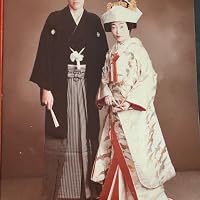
This is a chronicle of voicelessness across three generations of a Chinese family: it captures how these women lost their voices, why they continued to be voiceless, and how they attempted to reclaim their voice. Voice in this book is both literal and figurative: it's about standing up for oneself, speaking one's truth, being acknowledged, being understood, and not being censored. And the perpetrators who claim the women's voices can be cultural, personal (through the violation of one's secrets or body), cross-cultural, as what happens to the youngest when she finds herself in a relationship with a man who already has two Caucasian children, and even professional, as what happens for those who choose to give voice to others' ideas but not their own (as ghostwriters). And not incidentally, it is also a book about ghosts who remain with us from our past, haunting us with their curses or benevolently giving us advice about our current choices. Serendipitously enough, this book made me proud to be part-Chinese, but also sad that there was so much about Chinese culture and especially its writing and its calligraphy that I cannot understand. But in the end, it inspires the reader to speak out, to express appreciation to relatives, to insist on being heard in one's relationship, and to rediscover the paths of their ancestors. It may sound corny, but this book was an incredibly moving read for me, unsettling me and making me question my own experiences at its more difficult passages.
On a general note, however, please stop titling book's The Blank's Daughter. From the abortionist to the gravedigger to the bonesetter, I'm tired of women being defined by the occupation of their father. What shall I title my memoir? The Senior Health-care Analyst's Daughter? Hmm. . . . Regardless, after Joy Luck Club, this is definitely Tan's most powerful novel. Bravo.
Some passages that struck a chord:
There's a lovely discussion on someone's favorite word, vapors, a passage too long for me to quote, but very thoughtfully done (pgs. 20-21).
"A lot of her [mother's] admonitions had to do with not showing what you really felt about all sorts of things: hope disappointment , and especially love. The less you showed, the more you meant" (p. 92). Or in my own mother's case, the less you showed, the more you were in control of your feelings, your effect on others, and the situation involved: a misguided philosophy I took years to unlearn, though I know it's hopeless to convince my mom of the error of her affective formula.
"'You can have pride in what you do each day, [. . .] ut not arrogance in what you were born with" (p. 250).
And lastly, "It broke her heart to see her mother trying so hard, being so conscientious, do determine to be valuable. Making her mother happy would have been easy all along. LuLing simply wanted to be essential, as a mother should be" (p. 301).