Edito nel 1948, questo breve romanzo riprende, ampliandola e approfondendola, l’avventura già narrata in Agostino, la guarigione, cioè, attraverso l’iniziazione sessuale, di un adolescente incapace di trovare un vitale equilibrio tra sé e l’ambiente, tra le sue aspirazioni e la realtà. Per risolvere il conflitto causato dalla sua incapacità di adattamento, Luca, il protagonista, ricorre a una continua e sistematica disubbidienza ai doveri, agli affetti, ai piaceri, fino al rifiuto della vita stessa. Sarà l’esperienza suprema dell’adolescenza, l’incontro con l’altro sesso, a sottrarlo a questo incantesimo negativo indicandogli una alternativa più gioiosa e vitale.
Alberto Moravia, born Alberto Pincherle, was one of the leading Italian novelists of the twentieth century whose novels explore matters of modern sexuality, social alienation, and existentialism. He was also a journalist, playwright, essayist and film critic. Moravia was an atheist, his writing was marked by its factual, cold, precise style, often depicting the malaise of the bourgeoisie, underpinned by high social and cultural awareness. Moravia believed that writers must, if they were to represent reality, assume a moral position, a clearly conceived political, social, and philosophical attitude, but also that, ultimately, "A writer survives in spite of his beliefs".
A lot of novels are psychological case histories and this is a perfect example. This 15 year old kid develops a death wish, gradually. It begins with his increasing irritation, then fury, at all the demands of normal living - you know, sit up straight, clean your boots, eat your dinner, do your homework, nothing out of the ordinary, but this kid, in the words of Howard Beale from Network, says to himself I’m mad as hell and I’m not going to take it anymore so he stops behaving but he does it secretly at first, like giving his stamp collection away, and selling his books and then, shockingly, ripping up his money and burying the bits. He thinks of giving his money to the poor but nah, that would be one more rule he should obey.
Anyway then he starts eating less, stealthily, and then it becomes a study of the mind of what we would now call an anorexic. But just as this short beautifully written novel gets interesting, the author swerves away into rather lame territory (no spoilers). En route we get pages of descriptions of some spectacularly revealing dreams – as you know I usually advise skipping every dream description in novels but these are eyebrow-raising. Here is my favourite – all you armchair psychiatrists, gather round :
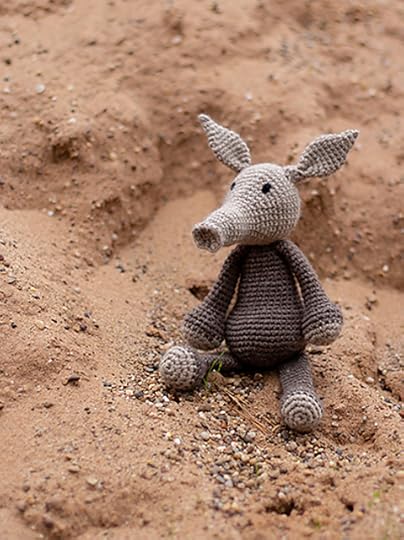
An assembly of corpulent animals with long snouts sat gravely round his bed… they threw themselves down on their knees all round the bed, stretching out their snouts on top of the bed-clothes. Luca was terrified by these snouts which were long and flexible… the largest and most important of these great animals was at the foot of the bed and stretched out its snout between his legs. Twisting and undulating, the snout grew longer and longer and reached up towards his stomach, and he, weeping and shouting, seized it with both hands and tried to turn it aside. But the snout, though flexible, was hard, and increased in size as he held it in his hands, and reached up towards his face.
Well, did you get that? No prizes for guessing what Luca is really dreaming about there. So as we know depression (in the form of anorexia here) is anger turned inwards, and this appears to be very true here. It seems to me that Moravia was just on the point of writing a valuable novel about child abuse but lost his nerve as he got to the end. Or maybe I’m wrong, and those snouts are just snouts.
OTHER PSYCHOLOGICAL CASE HISTORY NOVELS
There are so so so many, for instance
The Piano Teacher – Jelenek The Stranger – Camus Zeno’s Conscience – Svevo The Room – Selby And one of the great big ones The Tunnel - Gass
Come si fa a non attribuire alla prosa di Moravia almeno quattro stelle nonostante la storia in sé abbia lasciato, soprattutto dalla metà in poi, il retrogusto amaro di uno sviluppo e di un finale scontati? Il solito dilemma di fronte a Moravia: una prosa perfetta per un contenuto quasi involuto e avviluppato in se stesso.
È la volta di un ragazzetto liceale, Luca Manzi, afflitto da ribellione, qui chiamata disubbidienza, altrimenti nota come momentanea nevrosi. Ha un parente, il più noto Agostino, ma in quel romanzo breve dello stesso Moravia alla complessità del giovane protagonista si accompagnava il mistero di una donna non più solo madre e un contesto svezzante fatto di sottoproletariato fino ad allora ignoto al protagonista.
Qui, invece, Luca viaggia solo, nel suo passaggio iniziatico tutto adolescenziale; la famiglia, un padre e una madre, probabilmente immolati all'altare sacrificale del lavoro, non sono per niente rappresentanti nel loro eventuale recepimento della fatica di vivere del loro unico figliolo. Si vede la loro debole presenza solo nella gestione indiretta della grave malattia in cui Luca precipita dopo mesi di alienazione mentale, mesi che lo hanno portato progressivamente a non interessarsi più della scuola, dei beni materiali ai quali era affezionato e infine dei soldi, unico dio della famiglia.
Due donne invece riusciranno attraverso l'attrazione sessuale a risvegliare nel giovane il sopito impulso vitale e a riportarlo alla vita.
Agostino aveva 13 anni, Luca qui ne ha 15 e nel mio cuore c’è Desideria, che incontrerò ancora. Non avevo capito questo di Moravia: la sua attenzione per l’età incerta, come la definiscono gli specialisti del settore (ingrata, aggiungo io che specialista non sono). Ora! Ora io sono madre semi-ccciovane di figli giovani, la loro pre e adolescenza me la sono ‘fatta senza alcuna preparazione, avendo buttato io i manuali per le madri perfette perché più li leggevo e più mi …pervertivano. Così siamo cresciuti allo stato brado, io e i ragazzi, alla sanfasò’, alla ‘sii te stesso com’ ammè’ (e qui si ride e si piange). Questo 2016 dovrò fare tutta la strada a ritroso con Moravia? Luca dunque: 15 anni e un gran desiderio di morire (la disubbidienza). Desiderio cosciente, con coscienza perseguito: staccarsi da tutto ciò che appassiona e tiene legati alla vita, giochi, denaro, scuola, cibo, genitori. Nevrotico, Luca si ammala. E nella malattia scopre come tornare alla vita, dopo averla tanto odiata, in modo nuovo, con attesa e calma, senza aggressività. Lo scoprirete leggendo, ché l’ultimo capitolo è fondamentale, è la verbalizzazione, è la scrittura chiara e precisa del ‘pensiero adolescente’: di colui che sta nell’età di mezzo, né bambino né uomo, con un pensiero ancora magico e onnipotente, esasperato da quella volontà e quella forza che solo menti giovani e non ancora stemperate ( voglio scrivere ‘stremate’, posso?) dal vivere riescono a produrre e ad esercitare sul corpo. Noi adulti (virgolettate e indossate un nasorosso) sappiamo che non basta desiderare di morire perché ciò accada, no, non basta l’odio verso se stessi, occorre un buon progetto di autodistruzione scientemente perseguito, lento e inesorabile, con motivazioni che si perdono nel tempo perché la fine ti coglierà imprevista e temuta e quel che conta non voluta a quel punto, ché questa è la ‘grande beffa’ contenuta nel gioco del vivere. Divago. Nell’ultimo capitolo viene svelato uno dei trucchi che Natura ha escogitato per farci sentire immortali e protetti dalla morte, anche se è solo un attimo di luce, un riflesso baluginoso (no, nientre Crusca) e orgasmico.
Pag. 99: “…almeno fino a quando altra donna non avesse preso nel suo cuore il posto della morta…” e qui mi casca Moravia, in questo introdursi nella testa dei suoi giovani protagonisti (anche con Agostino lo fece) per farli diventare improvvisamente e inspiegabilmente adulti (virgolettatemi).
مجموعة قصصية مكونة من ثلاث حكايات ،، جميعها تحدثت عن شباب في مقتبل العمر يعانون من مشاكل اجتماعية شائعة ومتكررة لمن هم في مثل اعمارهم ١-لوقا ، فتى مراهق يعاني من فوبيا ما ويتمرد على طاعة والديه ويحاول ان ينهي حياته بطريقة سخيفة " ومكلّفة من وجهة نظري" ولكنه يفشل حين يقع في غرام المربية القبيحة " وقد استرسل موراڤيا في وصف قباحتها حتى شعرت بالاشمئزاز " وينتهي به الحال إلى مواجهة الفوبيا خاصته ولكن هل شفي حقاً منها !؟ لا أحد يعلم فقد انتهت عند هذا الحد !! ولكم اكره النهايات المعلّقة ! ٢-جانماريا ، الطالب الجامعي من الاسرة الثرية يدفعه شغفه بالسلك الدوبلوماسي الى دراسة القانون في روما حيث وجد سانتينا " وهي فتاة لعوب تغوي الرجال لتجرّدهم من أموالهم ثم تتركهم يتخبطون في الديون " فتمارس عليه حيلة تناسب سذاجته البادية وينتهي به الامر إلى الانتباه لوجود عشق اخر يطرق ابواب حياته .... ٣- جياكومو شاب من اطبقة البرجوازية يتزوج من فتاة جميلة ولكنها من الحزب الشيوعي ،، فتبدأ عقدة الطبقية تظهر في أولى أيام شهر العسل ،، وهذه الجزئية الوحيدة من الرواية التي اقنعتني نهايتها................. اعطيها نجمتين بسبب طريقة عرض الافكار ومحاكاتها للواقع ، والثلاث نجمات اعطيها لنفسي مكافأة لصبري على هذا ( العصيان )!
ثلاث حكايات مختلفة في كتاب واحد ، و إن كنت أظن أنها جميعها تعبر عن المخاوف التي يجابهها المرء في حياته ، القصة الأولى تدور حول مراهق يعاني صعوبة في التأقلم مع المستجدات في عالمه سواء كانت في جسده أو تلك التي يتعرف عليها للمرة الأولى ضمن عالم الكبار و ما يرافقها من تعقيدات أخلاقية .
القصة الثانية حول شاب جامعي يتعرض للخداع من غانية شابة تسلبه أمواله و تهرب ، و هو ما يمثل العقبة الثانية في مرحلة الشباب ، و أعني بها الصدمات التي تصيب القلب من الجنس الآخر .
القصة الأخيرة حول عريس يعاني صعوبات بالغة في التقرب من عروسه في شهر عسلهما الخاص، و كان السبب في كل مرة حزبها الشيوعي و صديقها الشيوعي ، أي بمعنى آخر، تلك هي العقبة الثالثة في حياة المرء المتمثلة بزخم الأفكار و المعتقدات و التي ينبغي معها على المرء الخوض في صراع مستمر إن أراد الحفاظ على سلامة عقله و صحته النفسية .
الرواية بالمجمل جيدة ، لكن رداءة الترجمة حالت دون استمتاعي بها .
Nice novel with a very simple structure (1 main character, 4 secondary characters). It's the story of a puberty crisis of Luca, ending in the most final resistance to authority that is possible, namely the wish to die. But eventually things work out very differently. Great read.
. العنوان: العصيان. . المؤلف: ألبرتو مورافيا. . التصنيف: كلاسيكي، فلسفي، فاضح. . التقييم: -∞/5. . إقتباس مفضل: ××××××× . مراجعة: القصة عن لوقا الفتى المراهق الذي تعرض لاضطراب نفسي خطير ، فيعرض الكاتب كل تفصيل يطرأ على عوالمها الداخلية العميقة و كيف تتمرد هذه النفس على أصحابها و من ثم على المحيط، و تصل الى مكان حيث تتمرد على الحياة ذاتها. يمكنني القول أن هذا الكتاب هو أقرف كتاب قصة و كتابة و أحداثاً قد قرأته في حياتي، القصة.. لا توجد قصة! الأحداث فاضحة و مقرفة و غير لائقة بتاتاً! لا أدري كيف يقول البعض أنها دراسة عميقة للنفس المتمردة لأنني لم أرى فيها سوى القرف و استغلال شهواني لشخصية مراهقة في أمور مقرفة! احتوى الكتاب على قصتين اخرتين مع شخصيات جديدة، الثانية كانت عن شاب ميسور الحال يتعرض للنصب بدافع الحب (أم علي القول الاغواء و الشهوة) لكنها أقل قرفاً مع حبكة خفيفة و يمكن القول أنها تطاق لكنها لا زالت مملة. و الثالثة لا أعلم ما المغزى منها أو ماذا بحق الجحيم كنت أقرأ؟ كانت عن شابة و شاب شيوعيان يتحدثان حول أمور سياسية أثناء نزهتهما معا بينما هو يحاول التلاعب بها لكي يجعلها ترضخ لرأيه، كانت أشبه بالافلام الرخيصة المملة ذات الميزانية المنخفضة و لا ادري و لا أريد أن أعرف بحق الجحيم عن المغزى منها. بالكاد استطعت انهاء هذا الكتاب، تجاوزت ٱخر ثلاثين صفحة لأن لا شيء كان يحصل سوى الحوارات و حتى النهاية كانت مثل جملة غير مكتملة؟ لا أدري.. هذا الكتاب حثالة هو و كاتبه و انصحك إذا كنت تمتلكه أن تمسكه الٱن و تقوم بإضرام النار فيه!
3.5 stars. A coming of age novella. The protagonist, Luca, makes a religion of being disobedient and relinquishing his possessions, his books, stamp collection. Then two events change his attitude to life and being with people.
الكتاب هو عبارة عن مجموعة قصصية مكونة من ثلاث قصص تدور معظم أحداثها حول شباب يعانون من مشاكل إجتماعية، قد تعترض كل من هم في مثل أعمارهم بصفة عادية. #القصة_الأولى: الفتى لوقا شاب في مقتبل العمر طالب مدرسة يعاني ملل و الروتين اللذين تحولا لرعب و هلع فتراوده فكرة وضع حد لحياته، معلنا تمرده على واقعه بصمت بطريقة تبدو تافهة نوعا ما، كالتوقف عن الأكل، بيع أغراضه و دفن أمواله و مدخراته، هذه المحاولات كلها باءت بالفشل بسبب تفكيره الدائم بمربية أطفال جاءت لقضاء ايام ببيته، لتبقى بعض الوقائع بباله شاغلة اياه لتنتهي القصة بنهاية مفتوحة. #القصة_الثانية :قصة لطالب جامعي من عائلة ميسورة الحال قادته أحلامه و شغفه بالدبلوماسية للسفر و الإقامة بالعاصمة روما، هناك يتعرف على إحداهن فتاة ناعمة كجلد حية ، لعوب كانت تحت رحمة قَوادين (رجل و امرإة) يستخدمانها لسلب الأثرياء أموالهم في الفنادق و المطاعم بالتمثيل عليهم و لكن حانت اللحظة التي استخدمت أساليبها اللعوبة، لتسلب جانماريا بعدما ألقت عليه تعاويذها لإجل مبلغ ضخم موهمة اياه الحب، و في ذات الليلة تستولي على أموال مستخدميها، لتسافر مع عشيق لها. ليبقى جانماريا يتخبط في ندم و تحت تأثير الصدمة محاولا معالجة كرامته المجروحة مع احداهن هي من طالبت منه مطارحته الهوى #القصة_الثالثة : شاب من عائلة برجوازية يتزوج إحداهن كانت مناضلة في الحزب الشيوعي، لتتكون عقدة البقية في أول ليلة زواج بينهما، لتبدأ الوساوس تدور في ذهن الزوج مع كل مرة تتملص فيها منه بحجج واهية لتكون النهاية مفتوحة
في القصة الأولى يحاول الكاتب تحليل نفسية رجل طاهر في الطفل المراهق ، الرجل الذي لا يخضع لضغط المجتمع في الوقت الحاسم الذي يتذوق في أمور الجنس، فالحياة الجنسية لهذا الفتى المراهق و كل احساساته المشتعلة قبل الوصول لمرحلة التشبع الجنسي التي تعتبر هي المحور الأساسي في كل القصص السابقة.
⭐⭐⭐ #اقتباسات
أحاول أن أتعلم كيف يمكنني ألا أفكر
كان الجميع يتآمرون عليه لتقوية ضعفه فيترك فكرة الموت التي كرس لها كل شيء ليبعث في داخله حب التمسك بالحياة و ملذاتها
La prosa perfetta di Moravia vi Piera nella vita di Luca Mansi, un liceale che combatte con la crescita, con la noia, con la ribellione, con le pulsioni, un insieme di sensazioni e sentimenti che lui chiama “disubbidienza “. In una famiglia borghese e distante, Luca vive tutto da solo e dentro di sé. Finché si invaghisce prima di una matura governante e poi di una matura infermiera che lo cura quando ha la tubercolosi. E con la scoperta della sessualità, tutto cambia. Temi cari a Moravia, fa tanto bene leggere libri scritti bene.
einde was niet leuk van dit boek maar het verdient vet dikke sterren voor gekke goede boek echt wel want vooral ook vond ik het gewoon vet goed in twee dagen uitgelezen want wel echt goed en vooral ook vet goed maar ook nog eens interessant en daarnaast ook nog eens boek
La schiusa dei sensi sopiti è origine della resurrezione figurata dell’adolescente che vive nella malattia il crollo dei valori, imposti mediante l’educazione infantile, nei quali era stato costretto a collocare la propria inconsapevole posizione morale. La scoperta dell’inganno - l’icona religiosa come copertura del vero dio, realmente venerato dai genitori, il denaro - del resto, ça va sans dire, questo è il ruolo di una icona - è il primo motore verso lo smascheramento della realtà quotidiana e la sua conseguente distruzione. Ma è anche l’esplorazione dei propri limiti, il saggio sulla consistenza dei propri principi, caratteristiche adolescenziali che chiunque di noi può aver vissuto - o forse no... La scoperta dei sensi, la sensualità - rappresentata prima da una matura e poco attraente governante, poi da una materna ed angelica figura di infermiera - rimane come unica, o forse solo come prima, via di uscita da una situazione assurda che non può che condurre, coerentemente decadént, verso l’annullamento di sé.
At first I found this quite interesting and even had some empathy for the protagonist, whose refusal to submit to everyone else’s expectations and demands led to him slowly withdrawing from almost all aspects of his life, giving up his pleasures and even contemplating suicide. But for me it fell apart when describing how he found his way out of his depression. He remains passive, and half-heartedly submits to the erotic ministrations of a governess and a nurse. This supposedly leads to a change in attitude articulated in the final pages where he basically says that he’s content that there will always be some kind of mother figure around to take care of him. Needless to say my empathy fizzled away rather quickly at the end, to be replaced by irritation at this spoilt brat.
The short version: “I felt a bit down, but then two middle-aged household staff offered me sexual favours and now I feel better.”
This entire review has been hidden because of spoilers.
Who ever liked " the outsider-albert camus", will certainly enjoy this as well Its weird and dark, depicts feelings of a teenage boy, feelings we all have experienced in our life time, for a glimpse of a second we all felt dark, disgust and had desire to just leave life and people, except in this novel such feelings are the main theme, exaggerated under the spot light of a sad teenager's perspective. Sexual desires plays a big role also in stirring and moving the helm of the story, where as " loca" -the boy- fails in rejecting this mere desire, impose him to obey the rules of life, in which he strived to disobey .
Very interesting story to ponder, so deep to a weird level.. And i love weirdness!!!
A one who always obey , follow rules, an ideal one , who suddenly decide to break all rules on his level , no study , not obeying his parents' instructions and even his physical and mental needs , starving and suffering as avoiding having sex when available, even his psychological needs as giving up his things that kept from along time , not due to feeling boredom but just as he wanted so......
but one day he had sex with his nurse (all maids in story want so !!!!) , as this time he gave up (and don't ask me why this time, the author decided so), and discovered the meaning of life , what a story dude!!!
Mon premier roman de Moravia s'est révélé une agréable surprise malgré un début qui me laissait plutôt perplexe. Cependant, au fil des pages, on assiste au progessif passage de l'enfance à l'adolescence d'un jeune garçon. Simple en soit, mais dense, puissant et prenant par son traitement, j'ai dû lire tout d'un trait ce fascinant bout de vie. Miroir de la crise d'adolescence dont le difficile passage est s'effectue souvent sur le pont de la découverte de la sexualité. La Désobéissance me motive à découvrir davantage cet auteur italien de grand talent.
This was my second Alberto Moravia, after “A Time of Indifference”, which I didn’t enjoy very much. This is a great deal better. The account of the strange malaise that grips the teenage boy who is the central character is an extreme form of what I think all of us probably experienced at some time in our youth. The urge to burrow under the duvet in a darkened bedroom and spend a lot of time there, before re emerging into the sunlight metamorphosed, is surely a universal need of adolescence. Of course, not everyone has the luxury of surroundings which permit it. And Luca’s experience, as described here, is surely one of the more extreme and pathological examples of this universal urge, leading him close to the edge of self destruction.
I wondered if there was a political parable to be found here – Moravia’s books were banned by Mussolini – but although there may be, I think on reflection that Moravia’s interest is more to do with the complexities of human development. This coming of age story is perennially applicable: is not Luca’s disease just an extreme form of what medieval theologians called “accidie”, that paralysis of thought and action that can drag one down into a dark cave of negation and despair from which one does not have the desire or energy to emerge? (On a flippant note, I recall a scene from the English comic book Viz where the ravages of a Godzilla monster are stopped by a ray gun which enlarges his testicles – thus causing the onset of puberty, and Godzilla’s retreat to a darkened bedroom to listen to Gothic music for the next couple of years).
Luca does fight off his demons and does emerge from his chrysalis, just as we all did. This was an interesting and acutely observed description, but I had some difficulties engaging fully with the text. Adolescent accidie may be almost universal but Luca’s extreme form of it is certainly not, and I felt a bit dissatisfied that the roots of this were not explored, but just left unexplained. Luca has a sexual relationship with his much older nurse, which enables his spiritual and physical restoration. I imagine a contemporary novelist would confine the nurse to prison for a long time and give Luca a lengthy dose of therapy for post traumatic stress. Had I been in Luca’s position I would certainly have been traumatised by the nurse – who is very much not my cup of tea – but chacun à son gout.
Pubblicato circa vent’anni dopo il famoso “Agostino”, anche questo romanzo di Moravia è un acuto saggio sull’adolescenza. La disobbedienza è in realtà rabbia, ribellione viscerale, corpo e desiderio. Strappo (e non strappo) dalla famiglia, individuazione, fantasia di morte, dolore. Per oltre la metà la narrazione è infatti forte, materica, cinematografica e sensuale. Per me, che non amo tanto l'autore, sorprendente. La seconda metà mi è sembrata più convenzionale (il tema della malattia, dell'iniziazione sessuale attraverso un amore ancillare, il "lieto fine" ambiguo ma non troppo). Mi piacerebbe, un po' per provocazione, condividere almeno qualche pagina con degli studenti del triennio: che impressione può fare loro la messa in scena di una simile forza autodistruttiva e al tempo stesso vitale? La scrittura è abbastanza piana, vecchiotta, poco interessante, ma "La disubbidienza" è lo stesso un grande romanzo sulla "metamorfosi", sulla "seconda nascita": può funzionare ancora? Io spero di sì.
في وجودية وبحث الشيء الذي ارهقنا واشتقنا اليه ومدي العطش الفيسولوجي والاحتياج الدائم له (الجنس) , والتضحية التي يرتكبها الانسان في سبيل تحقيق رغبته التي لا نهاية لها مع اي احد . لوكا الذي كره الحياة والاشخاص من حوله رغم صغر سنه وسئم العيشه والمجتمع , قرر العصيان علي اسرته ومعلّميه بالمدرسة فوجيء بأن هناك شيء لم يتعرف عليه بعد _الجنس_ تلك المتعه التي لا خلاص منها بعد ما منحته وادخلته لذلك العالم المربية ومن ثم الممرضة في تجربتين خرجا منهم وكأنه ولد من جديد , ووجد متنفّسا غريبا ورائعا للخروج من دائرة عصيانه. جانماريا الطالب والساكن في بنسيون بالعاصمة روما يقابل سانتينا فتاة الليل والتي تغويه وتنصب عليه مقابل منحه اياها جسدها ولكن بعد توبتها كما قالت له بانها تحت رحمة كوكاناري ونيجريني اللذان يستخدمانها لغرض واحد وهو جلب المال مقابل جسدها وتنجح الفتاة اللعوب تلك في اغواء جانماريا مقابل ثلاث الاف ليرة والهرب فيما بعد منه ومن كوكاناري ونيجريني , ولم توافيه ما عهدت به اليه بل وهربت مع الشاب الاسمر التي كما قالت له من قبل نها لا تطيقه علي رغم من معرفتهم التي لم تطل سوي يوم واحد. جياكومو الذي تزوج من سيمونا الشيوعية ذهبا لقضاء شهر العسل علي شاطيء (انا كابري) وللصدفة تواجد رفيق سيمونا في الحزب ليفيو مما أدي لحنق وضيق جياكومو , والذي ظن بهما سوء بعدما غطست مع ليفيو في البحر وعصيانها مع جياكومو في ممارسة الحب الا بصعوبة مما جعله طريح سوء فكره واقتناعه بأن لا مفر من ممارسة الحب مع سيمونا الا باغتصابها مما اثار حنقها وكادت ان تنتحر الا بالنهاية ارتمت بحضنه لانها فقط تحبه . ثلاث قصص من وحي الكاتب الوجودي الايطالي (البرتو مورافيا) تناقش قضية الجنس بطرحه في روايته اسئلة لم تخطر ولو ببالي ابدا . ما هو السبب الذي يقف عنده الشخص للامتناع او ممارسة الجنس مع احدهم ؟ هل اننا حيوانات وبهائم في تلك الغريزة كما ذكرها مورافيا من خلال تعامل جياكومو _تحديدا_ مع سيمونا ؟ هل شخص واحد يكفي للمارسة ام انها غواية , لا نشبع منها مثل لوكا المتعطش دائما للمارسة ؟ هل تضحي بكل شيء في سبيل شخص لم تعرفه سوي من ساعات كي تنال ما لم تره من قبل , وبالنهاية يخدعك ويهرب منك مثل جانماريا ؟ الاجابه تحتاج لرواية اخري...
la disubbidienza parla di un ragazzo di 15 anni , Luca , che viene iniziato al sesso ma non è un ragazzo allegro e spensierato a questo mal di vivere , questo senso di vuoto e di una vita schematica ; ad un certo punto arriva il senso di morte , vuole porre fine alla sua vita. ma la malattia e l'incontro con un'infermiera gli faranno cambiare idea. Attraversato da un senso di negatività questo libro alla fine riesce a dare speranza in quanto Luca riesce ad uscire da questo stato cosa che non succede in altri sui romanzi . Qui non si ci concentra molto sul mal di vivere , argomento caro a Moravia ma è un romanzo di formazione , l'iniziazione del protagonista alla sessualità alla scoperta del piacere fisico , il tutto descritto con una delicatezza e un modo introspettivo che a mio avviso sono geniali. Assolutamente da leggere
Un breve racconto sul disgusto di un adolescente per gli idoli del mondo che lo circonda, i piaceri materiali e il denaro. Un romanzo sulla crescita interiore che passa attraverso “la disubbidienza” non tanto verso gli altri ma quanto rivolta i suoi desideri che lo tengono legato a un mondo materiale che lui stesso rifugge e lo incollano a una vita che non sente propria e che, con un incessante desiderio di espiazione, rifugge cercando una morte che lo sottragga al contatto con una realtà che gli provoca un disagio emotivo profondo. Luca, il protagonista, inizia a distruggere i simulacri del mondo moderno fino a quando scopre che c’è qualcosa che va oltre il suo razionale bisogno di annichilirsi: il desiderio più profondo, quello più vitale, quello che ogni adolescente scopre quasi per caso e che gli permea l’intera esistenza: il sesso. L’istinto sessuale è un àncora che lo tiene immobile nel porto della vita e che, uno dopo l’altro, fa svanire i cupi desideri di morte.
ساحر ومدهش هو مورافيا، حيث أنه بارع جدا في قراءة ما يصول ويجول بداخلك بكل حذافيره ويقدمه لك في كتاب يجعلك تفتح عينيك دهشة لأنك لابد وان تجد نفسك ولو في فترة من حياتك بداخله، قد لاتعرف انت نفسك كيف تبوح بها في ذلك الوقت فأنت أمام (محلل نفسي بارع جدا)
لوقا، ذلك الشاب اليافع أو المراهق، العاصي والمتمرد الذي يريد التخلص من كل الأشياء وحتى العلاقات التي كان يشعر نفسه مرتبطة بها (حتى حياته). إلى أن حصل له ذلك الشيئ الذي جعله يعود ليتراجع عن قراراته السابقه ويقرر أن (يعيش الحياة) ويعود ليتذوق حلاوتها وإعادة تجربة كل مافيها ولكن بنظرة مختلفة جدا عن السابق.
إنها النفس بين إعطاءها ما ترغب وبين حرمانها مما ترغب وكيف أن منحها لشهواتها مرتبط بالحياة وكيف أن حرمانها ومجاهدتها مرتبطة بفنائها وموتها
رواية جميلة ومدهشة وعميقة جدا. أنصح جدا بتذوق أدب وفلسفة مورافيا ولكن لا استطيع نكران الملل الذي تسلل لي إذ أن الكاتب مولع جدا بالتفاصيل بل وبتفاصيل التفاصيل أيضا
Che Moravia mi perdoni... ma il nocciolo di questo romanzo è una delle "verità" più scontate dell'umanità, ovvero come il piacere fisico, le emozioni sessuali e la donna siano terapeutiche (parafrasi per non dire che "tira di più..." ecc. ecc.). Perché è proprio di questo che parla La disubbidienza: un ragazzo di 14 anni con un forte malessere interiore non trova senso nella sua vita e nelle imposizioni familiari per cui spera di morire, ma poi rinasce dopo le sue due uniche esperienze (la prima più breve, la seconda completa) con due donne più mature di lui. La trama è semplicissima, ma, come sempre, il bello di Moravia risiede nell'analisi dettagliata delle emozioni altalenati dei suoi personaggi. La disubbidienza a me ha ricordato molto Lo straniero di Camus, non nei temi, ma nella percezione apatica della vita che ha il protagonista.
Le dégoût du monde qui nous entoure, la descente douloureuse des parents du piédestal que nous leur avions créé et l’aversion pour les études, tournant peu à peu à l’envie de disparaître que l’on peut rencontrer à l’adolescence sont dépeints avec brio. Le personnage de Luca n’est pas particulièrement appréciable peut-être parce que l’on s’identifie à lui justement. Les femmes avec qui il entretient des rapports au cours du récit ont également une part de réalité, ne sont pas des standards de beauté inatteignables, ce qui est rafraîchissant, malgré une majeure différence d’âge, procurant un sentiment d’étrangeté.
This entire review has been hidden because of spoilers.