

What do you think?
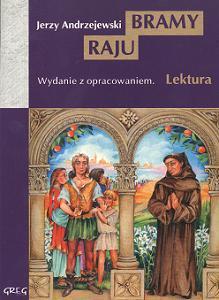
Bramy Raju
Wydarzenia opisane w powieści mają miejce w 1212 r. i obracają się wokół autentycznej krucjaty dziecięcej do Ziemi Świętej przewodzonej przez dwunastolatka. Akcja powieści, na którą składają się spowiedzi pielgrzymów, rozpoczyna się w 5 tygodniu krucjaty.
Powieść jest skonstruowana w sposób nietypowy - składa się zaledwie z dwóch zdań przy czym pierwsze zdanie stanowie praktycznie całość książki, drugie i zarazem ostatnie zdanie to tylko cztery słowa.
Powieść jest skonstruowana w sposób nietypowy - składa się zaledwie z dwóch zdań przy czym pierwsze zdanie stanowie praktycznie całość książki, drugie i zarazem ostatnie zdanie to tylko cztery słowa.
72 pages, Paperback
First published January 1, 1960
About the author
Jerzy Andrzejewski
50 books50 followersJerzy Andrzejewski was a Polish novelist, short-story writer, and political dissident noted for his attention to moral issues important in 20th-century Poland and for his realistic fiction.
Andrzejewski was born into a middle-class family, and the young writer studied Polish language and literature at the University of Warsaw. The stories published in his first book, Drogi nieuniknione (1936; “Unavoidable Ways”), originally appeared in a right-wing periodical, with whom he soon severed relations. That volume was followed by the novel Ład serca (1938; “Heart’s Harmony”), in which Andrzejewski tried to find in Roman Catholic teachings solutions to the problems of contemporary life. During the German occupation of World War II, he participated in the Polish underground.
After World War II, Andrzejewski wrote Noc (1945; “Night”), a collection of wartime stories, and, together with Jerzy Zagórski, a satirical drama, Swięto Winkelrida (1946; “Winkelried’s Feast”). Contemporary political problems are projected in Popiół i diament (1948; Ashes and Diamonds), translated into 27 languages and generally considered his finest novel. It presents a dramatic conflict between young Polish patriots and the communist regime during the last days of World War II. In 1958 Andrzej Wajda, the leading director of the Polish cinema, directed a movie based on the book and bearing the same title.
In 1949 Andrzejewski joined the Communist Party, and for the next seven years he supported its ideology in his essays, but in 1956 he gave up membership and established himself as one of the principal critics of the party’s policies, both in his creative writings and in his activities. In 1976 he became one of the cofounders of the Workers’ Defense Committee (KOR), from which eventually grew the anticommunist trade union Solidarity, outlawed in 1981. Andrzejewski also coedited Zapis (1977–81), a literary magazine publishing dissident writers. Andrzejewski’s novels Ciemności kryją ziemię (1957; The Inquisitors) and Bramy raju (1960; The Gates of Paradise) present modern problems disguised as historical novels, while Apelacja (1968; The Appeal) and Miazga (1981; “The Pulp”) directly address the issues of contemporary society.
Andrzejewski’s life and work seem to be emblematic for many Polish intellectuals of his generation—from his ardent Catholicism before the war to his heroic involvement with the Resistance during the Nazi occupation, through his subsequent skepticism, to his total acceptance of the Marxist ideology after the war, and, finally, to his disillusionment with and open dissent against communism. His short stories and novels, Ashes and Diamonds in particular, can be read as a moving testimony to his development.
Andrzejewski was born into a middle-class family, and the young writer studied Polish language and literature at the University of Warsaw. The stories published in his first book, Drogi nieuniknione (1936; “Unavoidable Ways”), originally appeared in a right-wing periodical, with whom he soon severed relations. That volume was followed by the novel Ład serca (1938; “Heart’s Harmony”), in which Andrzejewski tried to find in Roman Catholic teachings solutions to the problems of contemporary life. During the German occupation of World War II, he participated in the Polish underground.
After World War II, Andrzejewski wrote Noc (1945; “Night”), a collection of wartime stories, and, together with Jerzy Zagórski, a satirical drama, Swięto Winkelrida (1946; “Winkelried’s Feast”). Contemporary political problems are projected in Popiół i diament (1948; Ashes and Diamonds), translated into 27 languages and generally considered his finest novel. It presents a dramatic conflict between young Polish patriots and the communist regime during the last days of World War II. In 1958 Andrzej Wajda, the leading director of the Polish cinema, directed a movie based on the book and bearing the same title.
In 1949 Andrzejewski joined the Communist Party, and for the next seven years he supported its ideology in his essays, but in 1956 he gave up membership and established himself as one of the principal critics of the party’s policies, both in his creative writings and in his activities. In 1976 he became one of the cofounders of the Workers’ Defense Committee (KOR), from which eventually grew the anticommunist trade union Solidarity, outlawed in 1981. Andrzejewski also coedited Zapis (1977–81), a literary magazine publishing dissident writers. Andrzejewski’s novels Ciemności kryją ziemię (1957; The Inquisitors) and Bramy raju (1960; The Gates of Paradise) present modern problems disguised as historical novels, while Apelacja (1968; The Appeal) and Miazga (1981; “The Pulp”) directly address the issues of contemporary society.
Andrzejewski’s life and work seem to be emblematic for many Polish intellectuals of his generation—from his ardent Catholicism before the war to his heroic involvement with the Resistance during the Nazi occupation, through his subsequent skepticism, to his total acceptance of the Marxist ideology after the war, and, finally, to his disillusionment with and open dissent against communism. His short stories and novels, Ashes and Diamonds in particular, can be read as a moving testimony to his development.
Ratings & Reviews
Friends & Following
Create a free account to discover what your friends think of this book!
Community Reviews
Displaying 1 - 30 of 102 reviews

March 9, 2024
An adolescent shepherd boy had had a vision that only innocence could conquer the city of Jerusalem in order to deliver the tomb of Christ from the hands of the infidel Turk so the multitude of children embarked on the impossible crusade…
Unhappy unrequited loves… Adolescent passions… Anguish and angst of youth… Confessions and lies… Childish hopes… Unvanquishable desires… And the gates of heaven are so far away…
Innocence is powerless so children are scattered and swallowed by the night.
…a great company of them, nothing to be heard now but the monot onous tramping of thousands of feet, with some times a creak from the carts that were followingthe host ofchildren, carts carrying thosewho had fallen exhausted by the wayside or whose feet were still too sore for them to start walking again, while the road led on through the forest and seemed to have neither beginning nor end…
Unhappy unrequited loves… Adolescent passions… Anguish and angst of youth… Confessions and lies… Childish hopes… Unvanquishable desires… And the gates of heaven are so far away…
…for as soon as one desire is satisfied a hundred others awaken even more imperiously actions born of the purest desires end in remorse and infamy and perhaps there are no pure desires, the need for violence and cruelty takes possession of man’s nature, he flees from it in a trembling and shame-filled solitude, then, drawn back once more into the ravening pack, driven by folly and the furies of physical strength, again he goes murdering and violating right and left…
Innocence is powerless so children are scattered and swallowed by the night.

January 24, 2020
Una misura d'ignoto
“Tutto è vano fuorché il pregiudizio e la vergogna, l'appagamento dei sensi non sazia il desiderio, da un desiderio soddisfatto cento altri ne nascono imperiosi, gli atti nati dai desideri più puri finiscono nell'infamia e forse non esistono nemmeno desideri puri, il bisogno di violenza e di crudeltà strazia la natura dell'uomo, l'uomo dinanzi ad esse fugge, come fugge la solitudine, ne ha paura e vergogna, ma poi di nuovo nel branco, forte e pazzo, provoca e sparge violenza, è cieco e sordo, ma è forte perché è folle, finché giunge il momento del risveglio, e allora l'uomo resta di nuovo solo, ma per la scelleratezza della sua follia più solo di prima e imprigionato anima e corpo in quella solitudine estrema, cerca disperatamente soccorso, ma lo cerca invano, invano si aggrappa all'ombra della salvezza, solo nella violenza riesce a dimenticare se stesso, in una violenza ormai spoglia di illusioni, nuda e tetra come l'odio”.
Alcuni libri se li metti in una categoria evadono; quindi serve una soluzione immaginaria. Ci sono poche informazioni disponibili su questo testo e sull'autore di esso, e il soggetto stesso del racconto è un evento storico già definito enigmatico e misterioso, la Crociata dei bambini (1212), di cui scrisse anche Marcel Schwob. Fanciulli e fanciulle partono verso le porte di Gerusalemme, con un ardore spirituale e una fede sincera, nel tentativo di salvare il mondo con la grazia e la carità, di fronte alla cecità insensata dei re, dei principi e dei cavalieri. Ma il pessimismo si dispiega in una sintassi ininterrotta, atemporale, senza cause, senza requie. Dentro questo libro c'è una leggenda, nella forma letteraria di un canto, che vuol significare innocenza e sacrificio. È un sogno, o forse un fatto reale. I bambini di Cloyes camminarono nella notte, camminarono verso il mare: alcuni morirono di fatica e di stenti, altri finirono nelle mani di mercanti di schiavi, il loro destino fu comune e infelice. Le cose vengono narrate nella confessione generale di cinque personaggi. Erano quattordici, erano ben più di mille, erano nudi, erano scalzi. Avanzavano soli nel deserto, e a spingerli non è l'amore religioso, ma un amore diverso che è dentro di loro, un sentimento verso la terra e il corpo e il dorso del cielo e il volto sacro di cui sono prigionieri e come invasati, perduti in involontaria costrizione, umili e incoscienti, nel deserto inanimato e riarso dal sole. Seguono un imperativo, devi amare la vita; confessano un peccato, il peccato di amare, il peccato dell'impossibile. I loro nomi sono Jacopo di Cloyes, il trovatello o il bello, Alessio Melisseno, Roberto, Bianca e Maud. Pregano e attendono, nel silenzio, mandano a memoria le parole, al di là della comprensione, devoti. Ogni amore, testimoniano, si sdoppia in due essenze, la sofferenza e l'ombra, l'essere amato e il bisogno di amare. Sono fragili come le lacrime, l'innocenza è l'innocenza dei loro corpi: se avessero un'anima non sarebbero più innocenti. Soli, sperduti, giustiziati dalla fame, annegati. Desiderano l'irrealizzabile, respirano, invisibili, il chiarore dell'esistenza, toccano, orfani, l'intensità pericolosa della speranza. Questo testo è scritto con eleganza e accuratezza, insieme ad una sapienza maiuscola, per narrare il senso profondo della vita, la natura ineffabile dell'amore filosofico e religioso, la irresolubile polivalenza del pensiero metafisico e teologico. La scrittura si annulla nella carne, fallisce, perversa e sfrenata, sulla carta, come una invocazione inviolabile.
“L'amore è ricerca e scoperta, aspirazione e incertezza, fretta e attesa, attesa impaziente ma pur sempre attesa, è quello stato particolare e unico dei nostri desideri e delle nostre brame, pure ed impure, quello stato in cui, pur cercando l'appagamento ci si impone di non oltrepassare un limite estremo, perché l'amore, che per sua natura è bisogno imperioso di appagamento non è l'appagamento stesso né potrà mai esserlo”.
“Tutto è vano fuorché il pregiudizio e la vergogna, l'appagamento dei sensi non sazia il desiderio, da un desiderio soddisfatto cento altri ne nascono imperiosi, gli atti nati dai desideri più puri finiscono nell'infamia e forse non esistono nemmeno desideri puri, il bisogno di violenza e di crudeltà strazia la natura dell'uomo, l'uomo dinanzi ad esse fugge, come fugge la solitudine, ne ha paura e vergogna, ma poi di nuovo nel branco, forte e pazzo, provoca e sparge violenza, è cieco e sordo, ma è forte perché è folle, finché giunge il momento del risveglio, e allora l'uomo resta di nuovo solo, ma per la scelleratezza della sua follia più solo di prima e imprigionato anima e corpo in quella solitudine estrema, cerca disperatamente soccorso, ma lo cerca invano, invano si aggrappa all'ombra della salvezza, solo nella violenza riesce a dimenticare se stesso, in una violenza ormai spoglia di illusioni, nuda e tetra come l'odio”.
Alcuni libri se li metti in una categoria evadono; quindi serve una soluzione immaginaria. Ci sono poche informazioni disponibili su questo testo e sull'autore di esso, e il soggetto stesso del racconto è un evento storico già definito enigmatico e misterioso, la Crociata dei bambini (1212), di cui scrisse anche Marcel Schwob. Fanciulli e fanciulle partono verso le porte di Gerusalemme, con un ardore spirituale e una fede sincera, nel tentativo di salvare il mondo con la grazia e la carità, di fronte alla cecità insensata dei re, dei principi e dei cavalieri. Ma il pessimismo si dispiega in una sintassi ininterrotta, atemporale, senza cause, senza requie. Dentro questo libro c'è una leggenda, nella forma letteraria di un canto, che vuol significare innocenza e sacrificio. È un sogno, o forse un fatto reale. I bambini di Cloyes camminarono nella notte, camminarono verso il mare: alcuni morirono di fatica e di stenti, altri finirono nelle mani di mercanti di schiavi, il loro destino fu comune e infelice. Le cose vengono narrate nella confessione generale di cinque personaggi. Erano quattordici, erano ben più di mille, erano nudi, erano scalzi. Avanzavano soli nel deserto, e a spingerli non è l'amore religioso, ma un amore diverso che è dentro di loro, un sentimento verso la terra e il corpo e il dorso del cielo e il volto sacro di cui sono prigionieri e come invasati, perduti in involontaria costrizione, umili e incoscienti, nel deserto inanimato e riarso dal sole. Seguono un imperativo, devi amare la vita; confessano un peccato, il peccato di amare, il peccato dell'impossibile. I loro nomi sono Jacopo di Cloyes, il trovatello o il bello, Alessio Melisseno, Roberto, Bianca e Maud. Pregano e attendono, nel silenzio, mandano a memoria le parole, al di là della comprensione, devoti. Ogni amore, testimoniano, si sdoppia in due essenze, la sofferenza e l'ombra, l'essere amato e il bisogno di amare. Sono fragili come le lacrime, l'innocenza è l'innocenza dei loro corpi: se avessero un'anima non sarebbero più innocenti. Soli, sperduti, giustiziati dalla fame, annegati. Desiderano l'irrealizzabile, respirano, invisibili, il chiarore dell'esistenza, toccano, orfani, l'intensità pericolosa della speranza. Questo testo è scritto con eleganza e accuratezza, insieme ad una sapienza maiuscola, per narrare il senso profondo della vita, la natura ineffabile dell'amore filosofico e religioso, la irresolubile polivalenza del pensiero metafisico e teologico. La scrittura si annulla nella carne, fallisce, perversa e sfrenata, sulla carta, come una invocazione inviolabile.
“L'amore è ricerca e scoperta, aspirazione e incertezza, fretta e attesa, attesa impaziente ma pur sempre attesa, è quello stato particolare e unico dei nostri desideri e delle nostre brame, pure ed impure, quello stato in cui, pur cercando l'appagamento ci si impone di non oltrepassare un limite estremo, perché l'amore, che per sua natura è bisogno imperioso di appagamento non è l'appagamento stesso né potrà mai esserlo”.

May 4, 2020
Lo primero que atrapa en esta edición es la cuidadosa prosa de Pitol, quien además de traducir esta novela, da el tono y la atmósfera para que cualquier lector no entre desarmado a los dos párrafos, apenas separados por un punto y aparte que la conforman.
Al lector se le deja la tarea de armar el relato basándose en las confesiones de los protagonistas, la iteración y puntos de encuentro, no siempre simétricos, de la trama, hacen un recorrido magnífico esta “cruzada de los niños”, por la que nos adentramos en el pecado, en el amor juvenil, en el deseo, la decepción, la mentira y el encubrimiento.
Una lectura que terminé dándole a este relato es la de entender el proyecto de la infancia y juventud como el futuro de la humanidad, un futuro en potencia que camina en una dirección, en este caso, acompañados por un anciano fraile que intenta por medio de la confesión redimirlos en su búsqueda de la verdad, en su “noble” causa de liberar la tierra prometida de los “enemigos”.
Sin embargo, el anciano descubre hacia el final de la novela que el origen de la marcha es espurio, es una nueva invención, una que carece de vínculo con sus creencias religiosas, e intenta, con sus tristes medios, su presencia, su adultez, detener a los infantes que marchan siguiendo a su líder, sin embargo, los niños comienzan a cantar y acallar la voz del fraile, y continúan con su marcha, hasta que lo tumban, y terminan sepultando, una especie de “matar al padre”, de romper con la tradición, con lo establecido, buscando hacer un nuevo camino, una nueva generación que crea su propio destino.
Al lector se le deja la tarea de armar el relato basándose en las confesiones de los protagonistas, la iteración y puntos de encuentro, no siempre simétricos, de la trama, hacen un recorrido magnífico esta “cruzada de los niños”, por la que nos adentramos en el pecado, en el amor juvenil, en el deseo, la decepción, la mentira y el encubrimiento.
Una lectura que terminé dándole a este relato es la de entender el proyecto de la infancia y juventud como el futuro de la humanidad, un futuro en potencia que camina en una dirección, en este caso, acompañados por un anciano fraile que intenta por medio de la confesión redimirlos en su búsqueda de la verdad, en su “noble” causa de liberar la tierra prometida de los “enemigos”.
Sin embargo, el anciano descubre hacia el final de la novela que el origen de la marcha es espurio, es una nueva invención, una que carece de vínculo con sus creencias religiosas, e intenta, con sus tristes medios, su presencia, su adultez, detener a los infantes que marchan siguiendo a su líder, sin embargo, los niños comienzan a cantar y acallar la voz del fraile, y continúan con su marcha, hasta que lo tumban, y terminan sepultando, una especie de “matar al padre”, de romper con la tradición, con lo establecido, buscando hacer un nuevo camino, una nueva generación que crea su propio destino.

June 23, 2019
Novela escrita numa só frase e narrada na perspetiva de várias personagens que seguiram a designada «Cruzada das Crianças». Um bom livro, mas aborrecido e demasiado lírico para o meu gosto em certas partes. Habitualmente, aprecio narrativas de uma só frase ou em texto corrido, contudo, este livro torna-se difuso de mais e perde muito com isso.
Algumas falhas na pontuação, como é habitual nas edições portuguesas, embora a tradução seja razoável (feita a partir do francês, creio).
Algumas falhas na pontuação, como é habitual nas edições portuguesas, embora a tradução seja razoável (feita a partir do francês, creio).

January 25, 2015
An absolutely fantastic book! It only has two paragraphs altogether, yet it contains a storm of human emotions.
The year is 1212, the famous year of Children's Crusade to the Holy Land. It is revealed to a 14 year old shepherd that not the blind cruelty of knights and barons, but solely the innocence of children will make it possible for true believers to reach the Holy Sepulcher. Thousands of children are following the boy along muddy spring roads of France, and on the way each of them is confessing their sins to an old monk, because only the pure of heart can reach Jerusalem. As each of the children tells the monk their simple stories, he begins to realize what really stands behind this spontaneous movement. The truth simultaneously horrifies the old man and fills him with infinite awe.
Andrzejewski analyses the true roots of the elemental properties of a human crowd.
The year is 1212, the famous year of Children's Crusade to the Holy Land. It is revealed to a 14 year old shepherd that not the blind cruelty of knights and barons, but solely the innocence of children will make it possible for true believers to reach the Holy Sepulcher. Thousands of children are following the boy along muddy spring roads of France, and on the way each of them is confessing their sins to an old monk, because only the pure of heart can reach Jerusalem. As each of the children tells the monk their simple stories, he begins to realize what really stands behind this spontaneous movement. The truth simultaneously horrifies the old man and fills him with infinite awe.
Andrzejewski analyses the true roots of the elemental properties of a human crowd.

June 26, 2026
Nein, liebe Rezensenten, das ist kein Roman in zwei Sätzen. Das ist eine Erzählung und eigentlich nicht einmal das. Es ist wie der aufgezeichnete Bewusstseinsstrom eines Autors, der sich vorstellt, wie es gewesen sein könnte, welche Figuren er auftreten lassen will und was die wohl zu erzählen hätten. Dem kommt die Dynamik erzeugende Interpunktion entgegen (ach, liebe Rezensenten, ihr seid doof: Kommata, Semikola usw. sind auch "Interpunktion"!), die auf eine Gliederung in abgeschlossene Sätze verzichtet. So wird es ein Gedankenstrom aus zwei Sätzen, von denen einer sehr lang, der andere - als Schluss-Satz - aber sehr kurz ist.
Worum geht es? Beschrieben wird eine mögliche Konstellation während der Kinderkreuzzüge im frühen 13. Jahrhundert. Mehrere Jugendliche beichten einem alten Franziskaner, der sich dem Zug angeschlossen hatte, weil er in den unverdorbenen Seelen der Kinder das Wesen seiner Religion und die Begegnung mit der sonst als verloren begriffenen Unschuld sucht, ihre Sünden. Dabei ist der alte Mann, der schon Vieles gesehen hat, zutiefst in seiner Rolle verunsichert, denn er träumte, dass von den letzten beiden Überlebenden dieses Zuges einer in der Wüste verdurstend stirbt, aber den jüngeren weiterschickt und ihm Hoffnung macht, er werde bald das himmlische Jerusalem sehen. Der Träumende erkennt jedoch, dass der arglose Jüngere blind ist und einfach nur dahin geht, wohin ihn die Füße tragen. Was mochte dieser Traum zu bedeuten haben?
Der Clou besteht nun darin, dass sonst so unchristliches sexuelles Begehren, auch homoerotisches, dazu sexuelle Ausschweifungen und Verliebtheit toleriert und anstandslos vergeben werden, während der Franziskaner zunächst die Rede eines herrschaftlichen Jünglings, Alexanders, des Ziehsohns des Grafen von Vendome, als Lüge erkennt und endlich dem in das Schicksal aller Protagonisten verstrickten, scheinbar von Gott auserwählten Führer des Zuges, Jakob, trotz dessen absoluter Aufrichtigkeit die Absolution verweigert. Erregt rief der Alte "mit mächtiger Stimme: meine Kinder, meine geliebten Kinder, weichet zurück, solange Zeit ist, kehrt um in eure Häuser, denn im Namen Gottes, des Allmächtigen und unseres Herrn Jesus Christus verbiete ich euch, demjenigen zu folgen, den ich weder segnen noch lossprechen kann" (155).
Was war geschehen? Der Alte hatte erkannt, was sein Traum bedeutet: Jakob wird nicht von Gott, sondern von Alexander getrieben, der in ihm die Vision aufrecht hält, die sein Ziehvater, der Graf, dem Hirten-Jungen eingegeben hatte. Dieser glaubt an sich und den Sinn des ihm Offenbarten, die anderen beiden benutzen ihn, weil er vielleicht als ihr Stellvertreter das Grab Christi sehen und damit ihre Sünden aufheben und erreichen kann, was den beiden anderen verwehrt ist. Der Graf kann es nicht, denn Alexander verehrt in ihm (homoerotisch) den Mann als seinen Vater, von dem er weiß, dass er der Mörder seiner Eltern ist. Beides keine lässlichen Sünden. Alexander wiederum, auch Jakob homoerotisch zugetan, ist ein im Glauben Verzweifelnder, der in Jakobs Gottesvertrauen sucht, was ihm selbst abgeht, denn ihm ist Gott einer, "den es nie gab und nie geben wird", der "nur durch unser Leiden Leben erhält" und mithin ein "ungegenwärtiger, nichtseiender Gott, der du durch uns geschaffen bist" (69) ist. Beide reden Jakob ein, dass nur Kinder und solche wie er das Grab Christi erreichen und die Christenheit von ihren Sünden reinigen Könnten, weshalb sich Jakob dann zum Kreuzzug berufen fühlt. Ein Verblendeter, dem nicht Gott, sondern weltliche Mächte eingaben, was er zum Unglück der ihm folgenden Kinder tun solle.
Der alte Franziskaner, der das alles erkennt, versucht das Unglück aufzuhalten, allein, es gelingt ihm nicht. Steht er in seiner Weisheit nicht für alle, die - vom Leben, von den eigenen Idealen und Überspanntheiten geläutert - versuchen, die nachkommenden Generationen vor denselben, aus jugendlichem Idealismus folgenden Fehlern zu bewahren? Zumal diese Fehler nicht einfach aus der Mitte der Generation irgendwie "entspringen", sondern ihr von den Älteren, von den Traditionen, von der überkommenen Kultur usw. eingegeben werden? Natürlich verweist die Zeit auf das Schicksal der in Faschismus und Stalinismus Verführten, die einem Führer ergeben hinterher liefen, aber - anders als viele Rezensenten - sehe ich in dem Text keine direkten Bezüge oder gar die so gerne hineingelesene Abrechnung mit dem Stalinismus. Eher ist das Generationenproblem zeitlos aktuell: Da sind einerseits Eltern, die gerne sehen würden, wenn die Kinder verwirklichen, was sie selber nicht erreicht haben; da sind aber auch die Verführer, die ihre Ideale der Jugend einpflanzen, ihr Idole schaffen und sie animieren, ihnen zu folgen. Diesen sich selbst fremden Idolen kann nicht vergeben werden. Aber die Jugend wird sowieso machen, was sie will, und eines Tages alt sein und versuchen, das, was sie dann selbst aus eigenen Irrtümern gelernt hat (erfolglos) an die nächsten Generationen weiterzugeben. Ich verhehle nicht, dass ich mich getroffen fühle. ;-)
Erfolglos? Vielleicht doch nicht, denn wozu schreibt ein Schriftsteller sonst auf, was er für seine Einsichten hält? Hier in beinahe biblischer Sprache mit der Kraft mythischer Poesie, die sich der Technik oraler Traditionen, bestimmte Motive stets wortgleich zu wiederholenden, virtuos bedient und von daher etwas altertümelnd-poetisch daher kommt. Das ist großartig gemacht und zielte wohl auf ein nach 1945 tief gläubiges polnisches Publikum, das vielleicht religiösen Führern im Kreuzzug gegen gottlose Kommunsten folgen würde, aber dadurch auch kein Paradies erreichen könnte. Sei's drum. Nebenbei gibt es theologische Anspielungen zu Hauf, die das Leseerlebnis auf einer weiteren Ebene vergnüglich machen. Mich hat z.B. fasziniert, wie aus einer Zeit heraus, in der Individualität nur vor Gott denkbar, sonst aber in Kollektivität aufgehoben war, ein Idol gedacht wird. Es entstehe, "weil die Natur durch ihre unbegreiflichen und geheimnisvollen Wirkungen und besonders aus der göttlichen Eingebung schöpfend, die sie in sich trägt, nur ein einziges Mal aus allen Elementen ein Wesen schaffen kann, das wie du [Jakob-F.S,} eine vollendete. wunderbare Unwiederholbarkeit ist, die sowohl die einzelnen Elemente als auch die Ganzheit durchdringt" (138). Das liest sich wie mitten aus einer Theologie-Geschichte entsprungen: In Gottes Geist formuliert sich der Begriff (Nomen) von etwas, das sich dann in der Natur realisiert und als Einzelnes (Reales) vom Begriff des Ganzen unterschieden ist. So wird aus den Menschen (Menschheit=Gattungswesen) der Mensch (die Vielen) des besondere Jakob (=Einzelwesen als etwas Besonderes, von anderen Unterschiedenes). Das Einzelne ist das Besondere, in diesem Falle als Vollkommenheit dessen, der "Hoffnung erwecken" und - dachte der alte Mann - "Hoffnung zerstören" (139) kann. Denn die, die Jakob folgen "gingen die ganze Nacht" (159). Das ist dann der letzte, der zweite, der ganz kurze Satz. Hoffnungslosigkeit? Nach ist hoffnungslos, aber nach jeder Nacht kommt ein Tag, der nichts Gutes bringen mag, aber vielleicht auch nicht das Ende von allem ist...
Ein großartiger, zeitloser kleiner Text, der allen empfohlen sei, die Reflexionsliteratur mögen, in der Gedanken verhandelt werden und Handlung nebensächlich ist.
Worum geht es? Beschrieben wird eine mögliche Konstellation während der Kinderkreuzzüge im frühen 13. Jahrhundert. Mehrere Jugendliche beichten einem alten Franziskaner, der sich dem Zug angeschlossen hatte, weil er in den unverdorbenen Seelen der Kinder das Wesen seiner Religion und die Begegnung mit der sonst als verloren begriffenen Unschuld sucht, ihre Sünden. Dabei ist der alte Mann, der schon Vieles gesehen hat, zutiefst in seiner Rolle verunsichert, denn er träumte, dass von den letzten beiden Überlebenden dieses Zuges einer in der Wüste verdurstend stirbt, aber den jüngeren weiterschickt und ihm Hoffnung macht, er werde bald das himmlische Jerusalem sehen. Der Träumende erkennt jedoch, dass der arglose Jüngere blind ist und einfach nur dahin geht, wohin ihn die Füße tragen. Was mochte dieser Traum zu bedeuten haben?
Der Clou besteht nun darin, dass sonst so unchristliches sexuelles Begehren, auch homoerotisches, dazu sexuelle Ausschweifungen und Verliebtheit toleriert und anstandslos vergeben werden, während der Franziskaner zunächst die Rede eines herrschaftlichen Jünglings, Alexanders, des Ziehsohns des Grafen von Vendome, als Lüge erkennt und endlich dem in das Schicksal aller Protagonisten verstrickten, scheinbar von Gott auserwählten Führer des Zuges, Jakob, trotz dessen absoluter Aufrichtigkeit die Absolution verweigert. Erregt rief der Alte "mit mächtiger Stimme: meine Kinder, meine geliebten Kinder, weichet zurück, solange Zeit ist, kehrt um in eure Häuser, denn im Namen Gottes, des Allmächtigen und unseres Herrn Jesus Christus verbiete ich euch, demjenigen zu folgen, den ich weder segnen noch lossprechen kann" (155).
Was war geschehen? Der Alte hatte erkannt, was sein Traum bedeutet: Jakob wird nicht von Gott, sondern von Alexander getrieben, der in ihm die Vision aufrecht hält, die sein Ziehvater, der Graf, dem Hirten-Jungen eingegeben hatte. Dieser glaubt an sich und den Sinn des ihm Offenbarten, die anderen beiden benutzen ihn, weil er vielleicht als ihr Stellvertreter das Grab Christi sehen und damit ihre Sünden aufheben und erreichen kann, was den beiden anderen verwehrt ist. Der Graf kann es nicht, denn Alexander verehrt in ihm (homoerotisch) den Mann als seinen Vater, von dem er weiß, dass er der Mörder seiner Eltern ist. Beides keine lässlichen Sünden. Alexander wiederum, auch Jakob homoerotisch zugetan, ist ein im Glauben Verzweifelnder, der in Jakobs Gottesvertrauen sucht, was ihm selbst abgeht, denn ihm ist Gott einer, "den es nie gab und nie geben wird", der "nur durch unser Leiden Leben erhält" und mithin ein "ungegenwärtiger, nichtseiender Gott, der du durch uns geschaffen bist" (69) ist. Beide reden Jakob ein, dass nur Kinder und solche wie er das Grab Christi erreichen und die Christenheit von ihren Sünden reinigen Könnten, weshalb sich Jakob dann zum Kreuzzug berufen fühlt. Ein Verblendeter, dem nicht Gott, sondern weltliche Mächte eingaben, was er zum Unglück der ihm folgenden Kinder tun solle.
Der alte Franziskaner, der das alles erkennt, versucht das Unglück aufzuhalten, allein, es gelingt ihm nicht. Steht er in seiner Weisheit nicht für alle, die - vom Leben, von den eigenen Idealen und Überspanntheiten geläutert - versuchen, die nachkommenden Generationen vor denselben, aus jugendlichem Idealismus folgenden Fehlern zu bewahren? Zumal diese Fehler nicht einfach aus der Mitte der Generation irgendwie "entspringen", sondern ihr von den Älteren, von den Traditionen, von der überkommenen Kultur usw. eingegeben werden? Natürlich verweist die Zeit auf das Schicksal der in Faschismus und Stalinismus Verführten, die einem Führer ergeben hinterher liefen, aber - anders als viele Rezensenten - sehe ich in dem Text keine direkten Bezüge oder gar die so gerne hineingelesene Abrechnung mit dem Stalinismus. Eher ist das Generationenproblem zeitlos aktuell: Da sind einerseits Eltern, die gerne sehen würden, wenn die Kinder verwirklichen, was sie selber nicht erreicht haben; da sind aber auch die Verführer, die ihre Ideale der Jugend einpflanzen, ihr Idole schaffen und sie animieren, ihnen zu folgen. Diesen sich selbst fremden Idolen kann nicht vergeben werden. Aber die Jugend wird sowieso machen, was sie will, und eines Tages alt sein und versuchen, das, was sie dann selbst aus eigenen Irrtümern gelernt hat (erfolglos) an die nächsten Generationen weiterzugeben. Ich verhehle nicht, dass ich mich getroffen fühle. ;-)
Erfolglos? Vielleicht doch nicht, denn wozu schreibt ein Schriftsteller sonst auf, was er für seine Einsichten hält? Hier in beinahe biblischer Sprache mit der Kraft mythischer Poesie, die sich der Technik oraler Traditionen, bestimmte Motive stets wortgleich zu wiederholenden, virtuos bedient und von daher etwas altertümelnd-poetisch daher kommt. Das ist großartig gemacht und zielte wohl auf ein nach 1945 tief gläubiges polnisches Publikum, das vielleicht religiösen Führern im Kreuzzug gegen gottlose Kommunsten folgen würde, aber dadurch auch kein Paradies erreichen könnte. Sei's drum. Nebenbei gibt es theologische Anspielungen zu Hauf, die das Leseerlebnis auf einer weiteren Ebene vergnüglich machen. Mich hat z.B. fasziniert, wie aus einer Zeit heraus, in der Individualität nur vor Gott denkbar, sonst aber in Kollektivität aufgehoben war, ein Idol gedacht wird. Es entstehe, "weil die Natur durch ihre unbegreiflichen und geheimnisvollen Wirkungen und besonders aus der göttlichen Eingebung schöpfend, die sie in sich trägt, nur ein einziges Mal aus allen Elementen ein Wesen schaffen kann, das wie du [Jakob-F.S,} eine vollendete. wunderbare Unwiederholbarkeit ist, die sowohl die einzelnen Elemente als auch die Ganzheit durchdringt" (138). Das liest sich wie mitten aus einer Theologie-Geschichte entsprungen: In Gottes Geist formuliert sich der Begriff (Nomen) von etwas, das sich dann in der Natur realisiert und als Einzelnes (Reales) vom Begriff des Ganzen unterschieden ist. So wird aus den Menschen (Menschheit=Gattungswesen) der Mensch (die Vielen) des besondere Jakob (=Einzelwesen als etwas Besonderes, von anderen Unterschiedenes). Das Einzelne ist das Besondere, in diesem Falle als Vollkommenheit dessen, der "Hoffnung erwecken" und - dachte der alte Mann - "Hoffnung zerstören" (139) kann. Denn die, die Jakob folgen "gingen die ganze Nacht" (159). Das ist dann der letzte, der zweite, der ganz kurze Satz. Hoffnungslosigkeit? Nach ist hoffnungslos, aber nach jeder Nacht kommt ein Tag, der nichts Gutes bringen mag, aber vielleicht auch nicht das Ende von allem ist...
Ein großartiger, zeitloser kleiner Text, der allen empfohlen sei, die Reflexionsliteratur mögen, in der Gedanken verhandelt werden und Handlung nebensächlich ist.

December 1, 2017
"… è difficile amare qualcuno se questi non è che un mistero impenetrabile, ma se in lui non c'è nulla di misterioso è ugualmente difficile amarlo, perché l'amore è ricerca e scoperta, aspirazione e incertezza, fretta ed attesa, attesa impaziente ma pur sempre attesa, è quello stato particolare e unico dei nostri desideri e delle nostre brame, pure ed impure, quello stato in cui, pur cercando l'appagamento ci si impone di non oltrepassare un limite estremo, perché l'amore, che per sua natura è bisogno imperioso di appagamento non è l'appagamento stesso né potrà mai esserlo, […] l'amore è richiamo e ricerca, l'amore è conquista, è sete perenne, ma l'appagamento dei desideri lo uccide, è disperato contrasto con gli elementi ed è solitudine tra gli elementi in lotta, ma è anche speranza, speranza nel cuore stesso di quella lotta..." (pp. 103, 104)

July 24, 2023
absolutely insane, my good fellas. the imagery is unreal.
i'm overwhelmed and not sure how to even describe this book. it's more than a stream of consciousnesses, it's so many interlocking stories, each one leaving you more & more uneasy as it's being told. the use of repetition is absolutely masterful! the way jakub's words from the vision take your breath away once you hear them properly near the end! the way multiple people describe one person in the same, exact words!
rep: achillean mcs
tw: pedophilia, child abuse, animal death
i'm overwhelmed and not sure how to even describe this book. it's more than a stream of consciousnesses, it's so many interlocking stories, each one leaving you more & more uneasy as it's being told. the use of repetition is absolutely masterful! the way jakub's words from the vision take your breath away once you hear them properly near the end! the way multiple people describe one person in the same, exact words!
rep: achillean mcs
tw: pedophilia, child abuse, animal death
August 1, 2017
Chwila, tylko skończę zdanie...

May 23, 2024
The message and the psychological (and sociological) level of the story were absorbing. A great start for discussions, about misplaced affections: in religion and people, about hope and love.
But, the form of two sentences (the novel consisted of only two sentences) was fatiguing. I had to take many breaks, and it wasn't good for feeling the story.
Worth reading, but only for those opened to other forms, especially stream of consciousness.
[3-3.5 stars]
But, the form of two sentences (the novel consisted of only two sentences) was fatiguing. I had to take many breaks, and it wasn't good for feeling the story.
Worth reading, but only for those opened to other forms, especially stream of consciousness.
[3-3.5 stars]

November 20, 2024
krucjata dziecięca but make it horny and kinda gay

June 7, 2026
Pierwsze yaoi wynaleziono w 1869r, ludzie w 1212r:
May 6, 2025
najblizsza epifanii (;>) lektura tego roku aktualnie

September 22, 2025
2
Forma i technika tak, ale dotarło do mnie, co tam się odwalało. Nawet nie wiem, czy te 2 gwiazdki to powinno dostać
Forma i technika tak, ale dotarło do mnie, co tam się odwalało. Nawet nie wiem, czy te 2 gwiazdki to powinno dostać

November 5, 2024
nie kłamstwa, lecz prawda niszczy nadzieję
poruszające i wybitne.
poruszające i wybitne.
May 7, 2025
Well, apparently, nie wszystkie drogi prowadzą do Rzymu.

April 7, 2024
Novela breve pero exigente, brillantemente escrita y de una estructura compuesta por una sola frase a lo largo de unas 80 páginas y una última de… cinco palabras.
Magistralmente traducida del polaco al español por Sergio Pitol, se trata de una novela coral compuesta por una serie de monólogos, cuya narración gira y se retuerce sobre sí misma mientras las voces se solapan y se confunden entre sí, hasta culminar en un final que ya se presagiaba en las mismas primeras páginas.
La juventud representa el futuro de la humanidad pero, ¿es lo que la empuja hacia delante siempre lo correcto y verdadero?
Magistralmente traducida del polaco al español por Sergio Pitol, se trata de una novela coral compuesta por una serie de monólogos, cuya narración gira y se retuerce sobre sí misma mientras las voces se solapan y se confunden entre sí, hasta culminar en un final que ya se presagiaba en las mismas primeras páginas.
La juventud representa el futuro de la humanidad pero, ¿es lo que la empuja hacia delante siempre lo correcto y verdadero?


Read
November 6, 2025niech ta niszowa książka pozostanie niszowa🥀💔
Read
August 25, 2013Sobre el amor, o sobre los amores desgraciados tantas cosas se han escrito. No importa el marco histórico o los géneros, o las relaciones familiares, incluso las edades. Quizá porque se trata de Polonia (país del autor), un país marcadamente religioso (de religión católica, la segunda más drásticamente puritana y represiva de las religiones, o al menos eso creo de la supuesta religión del amor) es que esta historia de amores gays o someramente heterosexuales, con un fondo trágico, sangriento y al final abismal, enmarcada en la cruzada de los niños, finalizando en sufrimiento y muerte, duele, terriblemente duele. Emociones adultas arrastradas en el lodo y en el hambre, con decisiones basadas en alucinaciones despertadas por los amores no correspondidos o no aceptados en su grandeza metafóricamente estúpida. Pinceladas de un humanismo subterráneo, transcritas como caricias con apariencia de pasión pero hundidas en las pulsiones más primáticas y absurdas. Esta desagradable noveleta, desagradable porque descubre, al menos en las infancias adultizadas ahí descritas, donde la niñez es tan solo dolor y sufrimiento, se incrusta como inesperado puñal en carne virgen. Un arrastrarse en la periferia de las sensaciones más dolorosamente profundas de los considerados humanos mayores. Un desnudo y carnal testimonio ficcional de la abusada infancia donde solo sobreviven los más aptos. Y a veces ni eso. En la verdadera historia los niños de la cruzada murieron o fueron esclavizados. Historias de muerte líricamente descritas o algo así.

September 22, 2019
Dios todopoderoso me ha revelado que frente a la insensible ceguera de los reyes, príncipes y caballeros es necesario que los niños cristianos hagan gracia y caridad a la ciudad de Jerusalén en manos de los turcos infieles, porque por encima de todas las potencias de la tierra y del mar sólo la fe ferviente y la inocencia de los niños puede realizar las más grandes empresas.

July 24, 2022
4,5.

December 6, 2023
nie chciałeś pójść ze mną, więc ja pójdę z tobą, a mówiąc to myślałem: nikt bardziej niż ty nie potrzebuje miłości i opieki, nikt bardziej niż ty nie zna życia i nie zna ludzi, jesteś kruchy jak łza i samotniejszy od wszystkich samotnych ludzi na świecie, bardziej zagubiony niż ktokolwiek z zbłąkanych na świecie, samotny i zagubiony, choć idzie za tobą ogromny tłum, nikt bardziej niż ty nie potrzebuje miłości i opieki

February 16, 2020
(...) wszystko prócz krzywdy i wstydu jest daremne, nasycenie zmysłów nie zaspokaja pożądania, z pragnienia osiągniętego rodzi się sto nowych, jątrzących, czyny zrodzone z najczystszych pragnień dogorywają w hańbie, może w ogóle nie ma czystych pragnień? potrzeba gwałtu i okrucieństwa targają naturą człowieka, człowiek przed nimi ucieka, ucieka od samotności, boi się jej i wstydzi, potem w stadzie, silny i szalony, zadaje i szerzy gwałt, jest ślepy, jest głuchy, ale jest silny, ponieważ jest szalony, aż przychodzi chwila przebudzenia i wówczas człowiek znów zostaje sam, tylko o całą zbrodniczość opętania bardziej niż przedtem samotny i w tym osamotnieniu ostatecznym, (...) to mógł myśleć jadąc samotny wśród puszczy ogarnianej pierwszymi cieniami zmierzchu, a jeśli się zdarzyło, iż spojrzał w pewnej chwili na swoje dłonie, wówczas musiał myśleć: te dłonie były dłońmi mordercy (...)

January 6, 2026
4,5/5

May 13, 2026
Ależ dobre dwa zdania
May 14, 2026
ja. pierdole.

June 21, 2024
Como dijo raxet1 que dijo zizek: lo peor de un sueño es verlo cumplirse.
May 13, 2026
Zajebioza

September 21, 2022
This short novel is a “syntactical monstrosity,” as one reviewer notes. The Gates of Paradise is made up of two sentences: one 40,000 word sentence followed by one five word sentence. For all intents and purposes, this is a stream-of-consciousness single sentence novel which reads as a sublime chorus of voices that just begs to be inhaled in a single sentence.
It takes as its subject matter the Children’s Crusade of 1212, a popular crusade that was never sanctioned by the Pope and which ended in utter failure. After a young boy witnesses visions of Christ encouraging him to gather ordinary people and march to the Holy Land and convert those there to Christianity, he and his followers begin marching. Like the Pied Piper, they pick up more and more children in each village they pass through.
They never make it to the Holy Land. The crusade is an abysmal failure and many of the children die of starvation and illness and some are even sold into slavery after being tricked by a Venetian merchant. Andrzejewski's novel uses this gorgeous stream-of-consciousness prose and an omniscient third-person narration to move between these child crusaders, embodying each of their heads for a few moments and seeing the world through their eyes, before moving onto the next child and exploring their deepest hopes, loves, and desires. This interlinking of perspectives though is done exceptionally well and it really creates an interconnected web of thoughts and emotions. No one is wholly individual, and by the end what we’re left with is a single marching consciousness.
It’s great, though unfortunately the English edition of The Gates of Paradise is quite rare. This book needs and deserves a reprint if any publishers out there are looking to revive interest in this neglected feat of Polish literature.
For more, check out my full video review here: https://youtu.be/2MNwAAGaWFk
It takes as its subject matter the Children’s Crusade of 1212, a popular crusade that was never sanctioned by the Pope and which ended in utter failure. After a young boy witnesses visions of Christ encouraging him to gather ordinary people and march to the Holy Land and convert those there to Christianity, he and his followers begin marching. Like the Pied Piper, they pick up more and more children in each village they pass through.
They never make it to the Holy Land. The crusade is an abysmal failure and many of the children die of starvation and illness and some are even sold into slavery after being tricked by a Venetian merchant. Andrzejewski's novel uses this gorgeous stream-of-consciousness prose and an omniscient third-person narration to move between these child crusaders, embodying each of their heads for a few moments and seeing the world through their eyes, before moving onto the next child and exploring their deepest hopes, loves, and desires. This interlinking of perspectives though is done exceptionally well and it really creates an interconnected web of thoughts and emotions. No one is wholly individual, and by the end what we’re left with is a single marching consciousness.
It’s great, though unfortunately the English edition of The Gates of Paradise is quite rare. This book needs and deserves a reprint if any publishers out there are looking to revive interest in this neglected feat of Polish literature.
For more, check out my full video review here: https://youtu.be/2MNwAAGaWFk
Displaying 1 - 30 of 102 reviews