

What do you think?

Marcel
Marcel
Marcel vertelt het verhaal over een Vlaamse plattelandsjongen die door zijn grootouders wordt opgevoed. Langzaam ontdekt hij het geheim dat sinds de oorlog aan de familie kleeft. Tegelijk draait het verhaal om Marcel, die enkele decennia eerder aan het Oostfront is gesneuveld en wiens portret deel uitmaakt van de verzameling portretten die de grootmoeder aanlegt. In een suggestieve stijl geeft Erwin Mortier een scherp, ironisch beeld van de familie en de kennissenkring, die moeten leven met een verleden dat ze beurtelings willen verbloemen en onthullen.
205 pages, Hardcover
First published February 1, 1999
About the author
Erwin Mortier
62 books121 followersErwin Mortier is een Vlaamse dichter en schrijver.
Erwin Mortier in de Nederlandstalige Wikipedia
Erwin Mortier in de Digitale Bibliotheek voor de Nederlandse Letteren
Erwin Mortier bij "Schrijversgewijs"
Erwin Mortier is a Flemish poet and writer.
Erwin Mortier in the English Wikipedia
Erwin Mortier in de Nederlandstalige Wikipedia
Erwin Mortier in de Digitale Bibliotheek voor de Nederlandse Letteren
Erwin Mortier bij "Schrijversgewijs"
Erwin Mortier is a Flemish poet and writer.
Erwin Mortier in the English Wikipedia
Ratings & Reviews
Friends & Following
Create a free account to discover what your friends think of this book!
Community Reviews
Displaying 1 - 30 of 104 reviews

Read
October 1, 2020Spoiler free bit of the review
Nice, but ...certainly not naughty. I felt that for me it was a bit underwhelming.
The narrator is a child living with their grandparents who are always referred to as the grandfather and the grandmother. The parents are mentioned a couple of times, they seem to be around but not particularly present, and this does not seem to be an issue. The story is set long enough ago for The grandfather to be hostile to The Beatles, regarding them as a bunch of monkeys, but after the Second World war. The grandmother works as a seamstress assisted by a woman who says some fantastic malapropisms. They all live in a village, which is not far by train from a city (or a large town . The narrator attends the village school. The story unfolds through objects, mostly photos, but also a letter.
The blurb in the back cover threatens a dark revelation about an uncle, but this is revealed fairly early on, and it was not something that shocked me particularly for a book published in 1999, but maybe that is just me. People and countries full of people move at their own paces, perhaps in the Dutch speaking world this 'secret' was still sufficiently taboo to raise eyebrows. The book certainly won some prizes so it made an impact on the judges.
For me the mystery was more about the school teacher who the narrator is fixated upon as a list object but who we find something out about in the last few pages. Here though I have a distinct unease because the final word on the schoolteacher comes from the grandmother who is the reasonable and sensible face of the adult world throughout the book. And she comes over as more critical of those who changed sides from being more German than the Germans to more French than Louis XIV as the second world war drew to a close. Naturally I think the schoolteacher would have had her story too, perhaps a more amenable one.
It is a short story with some nice touches and a couple of laughs. I am not entirely convinced that the author was settled on what he wanted to achieve with the story; family reckoning, coming of age story, rural childhood, the long tail of the second world war, it has something of all of these all nicely done.
Spoiler rich section, this opens with the audio effect of a deep sigh and the visual effect of an eagle pondering whether it will pick up and pose with a swastika or not.
In our time when Europe is replete with political parties which implicitly would have preferred Hitler to have won the Second world war and which are doing their best to rehabilitate far right figures of the inter war and war period, as well as language and attitudes of those periods, I feel there needs to be literature which explores this, to understand ourselves and others, ideally even to lead to open discussion and healing, preferably before we embark on another round of self destruction and extermination of the vulnerable.
Marcel though disturbed me because I found it terribly equivocal, and as time went on after reading I became more and more unsettled. you could say that this makes it an open text, or that it makes it a cynical text that avoids the risk of causing offence to those who look favourably on those who served on the losing side during World War II. But of course it is good to be unsettled by a book as well, and maybe even to be so unsettled as to want to talk about it .
The long and the short of it is that I thought that this was a topic that was handled better by the TV series Heimat
Nice, but ...certainly not naughty. I felt that for me it was a bit underwhelming.
The narrator is a child living with their grandparents who are always referred to as the grandfather and the grandmother. The parents are mentioned a couple of times, they seem to be around but not particularly present, and this does not seem to be an issue. The story is set long enough ago for The grandfather to be hostile to The Beatles, regarding them as a bunch of monkeys, but after the Second World war. The grandmother works as a seamstress assisted by a woman who says some fantastic malapropisms. They all live in a village, which is not far by train from a city (or a large town . The narrator attends the village school. The story unfolds through objects, mostly photos, but also a letter.
The blurb in the back cover threatens a dark revelation about an uncle, but this is revealed fairly early on, and it was not something that shocked me particularly for a book published in 1999, but maybe that is just me. People and countries full of people move at their own paces, perhaps in the Dutch speaking world this 'secret' was still sufficiently taboo to raise eyebrows. The book certainly won some prizes so it made an impact on the judges.
For me the mystery was more about the school teacher who the narrator is fixated upon as a list object but who we find something out about in the last few pages. Here though I have a distinct unease because the final word on the schoolteacher comes from the grandmother who is the reasonable and sensible face of the adult world throughout the book. And she comes over as more critical of those who changed sides from being more German than the Germans to more French than Louis XIV as the second world war drew to a close. Naturally I think the schoolteacher would have had her story too, perhaps a more amenable one.
It is a short story with some nice touches and a couple of laughs. I am not entirely convinced that the author was settled on what he wanted to achieve with the story; family reckoning, coming of age story, rural childhood, the long tail of the second world war, it has something of all of these all nicely done.
Spoiler rich section, this opens with the audio effect of a deep sigh and the visual effect of an eagle pondering whether it will pick up and pose with a swastika or not.
In our time when Europe is replete with political parties which implicitly would have preferred Hitler to have won the Second world war and which are doing their best to rehabilitate far right figures of the inter war and war period, as well as language and attitudes of those periods, I feel there needs to be literature which explores this, to understand ourselves and others, ideally even to lead to open discussion and healing, preferably before we embark on another round of self destruction and extermination of the vulnerable.
Marcel though disturbed me because I found it terribly equivocal, and as time went on after reading I became more and more unsettled. you could say that this makes it an open text, or that it makes it a cynical text that avoids the risk of causing offence to those who look favourably on those who served on the losing side during World War II. But of course it is good to be unsettled by a book as well, and maybe even to be so unsettled as to want to talk about it .
The long and the short of it is that I thought that this was a topic that was handled better by the TV series Heimat

July 7, 2024
Uitstekende debuutroman over een niet geheel onbevlekt oorlogsverleden bij een familie in Vlaanderen. De doden worden betreurd, maar dat moet een beetje heimelijk. De protagonist is een jongetje van tien jaar die langzaam ontdekt wie Marcel is en wat hij voor wie heeft betekend. Verder een mooie weergave van het leven in een klein dorp en hoe het zit met de loyaliteit van de mensen daar.

April 30, 2016
Short, seemingly simple story, kind of a writing exercise by a debuting Flemish author. For example, the language is sometimes banal-mediocre, and then again very expressive-daring, but in such a way that it often has a very "constructed" feel. Also, the story itself is very ambivalent: on the one hand it ofers youth impressions of a little boy in the Flanders of the 1960s and 1970s, on the other hand the gradual unveiling of the great secret of the embittered Flemish-nationalistic environment in which he grows up. Clearly, Mortier was inspired by The Sorrow of Belgium by Hugo Claus (the most famous Flemish writer of the 20th c.), but also - in style and atmosphere - very close to the more classic Cyriel Buysse. But this booklet has enough character of its own to be meritorious. Nothing more than that, though. (2.5 stars)
April 29, 2018
Marcel is de debuutroman van Mortier, en het was tegelijkertijd mijn eerste kennismaking met het oeuvre van de man. Qua thematiek is het verhaal een beetje een tegenvaller, het is alweer een blik oer-Vlaamse clichés dat wordt opengetrokken. Het na-oorlogse Vlaanderen op het platteland, veel gefezel en gefluister, copieuze maaltijden en crème au beurre, collaboratie en een toefje ontluikende seksualiteit. Jaja, den oorlog en den Vlaem, het blijft een onuitputtelijke bron van inspiratie.
Langs de andere kant, er zijn passages die door het taalgebruik van Mortier echt doen smullen. Poëtische beschrijvingen van zonsondergangen en het gekraak van oude huizen en hun geheimen in de nacht. Tegen het einde toe valt Mortier op dat vlak ook wel een beetje in herhaling en kan het soms gekunsteld aan doen.
Al bij al een verdienstelijke novelle dus die mij zeker voldoende leesplezier heeft bezorgd.
Langs de andere kant, er zijn passages die door het taalgebruik van Mortier echt doen smullen. Poëtische beschrijvingen van zonsondergangen en het gekraak van oude huizen en hun geheimen in de nacht. Tegen het einde toe valt Mortier op dat vlak ook wel een beetje in herhaling en kan het soms gekunsteld aan doen.
Al bij al een verdienstelijke novelle dus die mij zeker voldoende leesplezier heeft bezorgd.
September 20, 2017
There are a lot of dutch writers who try to write as Mortier does (TWA), but they fail. His comparisons may seem far fetched, they are in fact well chosen, and a sign of good taste. The story, of course, is less impressive. Not very original. Well worth four stars. His Godenslaap (sleep of the Gods) was a true masterpiece.

April 27, 2020
*** 3.75 ***

June 27, 2021
Ik las eerst deel twee in deze serie De onbevlekte, en daarna pas deel 1: Marcel. Het zijn niet boeken die heel erg een plot hebben (een beetje wel), maar het gaat meer om de sfeer, mooie zinnen (ik houd van Vlaams) en hoe de karakters worden neergezet, hoe ze met elkaar praten. Het is alsof je een oude filmrol kijkt, van een tijd die aan het vervagen is.
Het deed me ook wel een beetje denken aan de Nederlandse literatuurlessen op de middelbare school (ik had dit boek als puber niet echt wat gevonden denk ik): de oorlog, een beetje een droevige sfeer, een vleugje religie, aards, het platteland, ontluikende seksualiteit (die stukjes vond ik trouwens nog steeds een beetje ongemakkelijk om te lezen. Iets met een wc-scene. De hoofdpersoon is heel erg verliefd op zijn juf). Dat soort thema's.
Marcel is geen groots verhaal. Het is een klein verhaal wat subtiel tussen de regels door verteld wordt. Zo subtiel soms dat ik eigenlijk niet weet of ik het helemaal had opgepikt, als ik de De onbevlekte nog niet had gelezen. Ik vond het eerlijk gezegd ook niet eens zoveel toevoegen aan het eerste boek, ze lijken op elkaar qua thema. Er komen alleen maar meer beelden bij.
Maar die beelden dus he, die zijn wel heel sterk en ook de sfeer die wordt neergezet. Ik vind het iets moois hebben dat deze tijd en deze mensen in dit boek bewaard worden. Ik twijfel tussen de twee en drie sterren, maar daarom toch drie sterren. Al zou ik niet snel een langer boek van deze auteur lezen. Het derde deel van deze serie (waar de auteur op zinspeelt in een interview) lees ik zeker wel.
Het deed me ook wel een beetje denken aan de Nederlandse literatuurlessen op de middelbare school (ik had dit boek als puber niet echt wat gevonden denk ik): de oorlog, een beetje een droevige sfeer, een vleugje religie, aards, het platteland, ontluikende seksualiteit (die stukjes vond ik trouwens nog steeds een beetje ongemakkelijk om te lezen. Iets met een wc-scene. De hoofdpersoon is heel erg verliefd op zijn juf). Dat soort thema's.
Marcel is geen groots verhaal. Het is een klein verhaal wat subtiel tussen de regels door verteld wordt. Zo subtiel soms dat ik eigenlijk niet weet of ik het helemaal had opgepikt, als ik de De onbevlekte nog niet had gelezen. Ik vond het eerlijk gezegd ook niet eens zoveel toevoegen aan het eerste boek, ze lijken op elkaar qua thema. Er komen alleen maar meer beelden bij.
Maar die beelden dus he, die zijn wel heel sterk en ook de sfeer die wordt neergezet. Ik vind het iets moois hebben dat deze tijd en deze mensen in dit boek bewaard worden. Ik twijfel tussen de twee en drie sterren, maar daarom toch drie sterren. Al zou ik niet snel een langer boek van deze auteur lezen. Het derde deel van deze serie (waar de auteur op zinspeelt in een interview) lees ik zeker wel.

August 3, 2026
Bijna 20 jaar geleden kwam dit boek uit. Ik heb het toen ook gelezen en ik kon mij er niet veel meer van herinneren.
Dat komt omdat het toch vooral een boek is dat het moet hebben van de sfeerschepping.
Aangezien ik van dezelfde leeftijdsgroep als Mortier ben en ook opgegroeid op de boerenbuiten, is de sfeer heel herkenbaar.
Het feit dat er een (publiek) "geheim" in de familie leeft versterkt dit nog.
Dat komt omdat het toch vooral een boek is dat het moet hebben van de sfeerschepping.
Aangezien ik van dezelfde leeftijdsgroep als Mortier ben en ook opgegroeid op de boerenbuiten, is de sfeer heel herkenbaar.
Het feit dat er een (publiek) "geheim" in de familie leeft versterkt dit nog.


February 14, 2015
Erwin Mortier is a Dutch-language Belgian author. His short novel Marcel is narrated by a 10-year old boy living with his grandparents in a Flemish village. He’s an observant and imaginative child but too innocent as yet to understand what lies behind the apparent calm of his daily life. All he knows is that his grandmother lovingly tends the photographs of dead family members, one of whom, Marcel, is mentioned more than the others. Little by little the secrets and silences linked to the war are revealed and the narrator’s innocence is eroded. It’s a very readable novel but not always totally convincing. The narrator’s feelings don’t always seem appropriate for his young age, and although a layer of sadness seems to overlay the narrative, I didn’t feel drawn into the family dynamics. So a cautious recommendation, but nevertheless it’s a book worth reading to discover this much-acclaimed Belgian author.

December 11, 2021
De contraire mens in mij las eerst sequel 'De Onbevlekte' en dan pas 'Marcel'. Mortiers debuut is minder barok qua taalgebruik dan de opvolger, en daarom meer genietbaar. Beide novelles blijven uiteraard een feest voor taalliefhebbers. Mortier weet hoe hij een zin kan neerzetten, een personage kan boetseren, een sfeer kan creëren. En vooral veel onderhuids te vertellen. Herkenbare familietaferelen, Vlaamsche windowdressingmentaliteit en geworstel met dat zwart-wit verleden. Gewoon mooi, maar 'echt' mooi.

September 2, 2017
Tanıtım yazısının vaat ettiğini vermeyen kitaplardan biri oldu Marcel ya da ben çok içine giremedim hikayenin bilmiyorum. Ama kitabın üçüncü bölümü tek başına çok güzel bir öykü olurmuş, olurda bu kitapla yolunuz kesişirse bu bölümü es geçmeyin derim ki 2 puan da bu bölümün hatırı için.

Read
September 21, 2010Couldn't finish. Story of a boy whose aunt does a lot of sewing in post war Holland. Bored me to tears. Short, but not short enough.

April 21, 2022
Mortier is een sierschrijver. Daar moest ik een beetje aan wennen, maar eenmaal gewend aan de toon kreeg ik toch een aardig beeld van een gevoelig jongetje in het Vlaamse dorpsleven van de jaren zestig, dat opgroeit bij zijn grootouders. Geen familie zonder geheimen en gedoe. Het grootste geheim is Marcel, die als SS'er aan het Oostfront is overleden. Je komt niet veel over hem te weten, op één brief na, die de verteller aan het slot begraaft. Daarover valt veel meer te vertellen, wat Mortier twintig jaar later in 'De onbevlekte' heeft gedaan. Dat wordt mijn volgende boek.
March 1, 2022
Ik heb dit boek na jaren nu herlezen. Een knap geschreven korte roman over foute keuzes tijdens de 2e Wereldoorlog en over daarmee samenhangende familiegeheimen, en hoe die nog jaren een smet op mensen kunnen leggen. Plastische beschrijvingen van omgeving en personages. Vooral de beschrijving van de grootmoeder Andrea vond ik sterk.Wel een erg "Vlaams" boek dus moeilijker in te komen voor Nederlandse lezers denk ik.
December 19, 2025
Secret Santa voor Marte
April 5, 2026
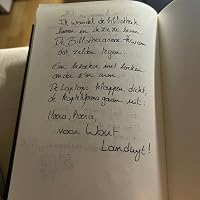
Prachtige zinnen, mooie perspectieven
March 7, 2025
I see no point in recapping what this novel is about, the synopsis is easily available on GR, Amazon and loads of other places. Like all really great novels 'Marcel' is so much more than 'what-it-is-about' and to define the novel by it's scenario is like describing the action in a Saki (H H Munro) story such 'The Unrest Cure' or 'The Open Window' and expecting potential readers to understand why they are so great. Knowing what happens tells you nothing. How does knowing the 'scenario' of 'Pride and Prejudice' (Jane Austen) help to understand or enjoy the novel? This is not a novel in which characters 'A' and 'B' do this or that. This is a novel about family, roots and the past.
Perhaps you have to come from a country where there has been a dominant historical narrative that could not be questioned, or was not questioned, to understand 'Marcel'. As an Irish person I can point to the way works like 'The Long, Long Road' by Sebastian Barry and 'At Swim Two Boys' by Jamie O'Neill were part of the process of renewing and recapturing a past that had been excised. When reviewers ask 'what's so special?' about writing a novel about 'Nazis' in 1999 they simply betray their ignorance of how their histories have been sanitised to remove the unpalatable. In the UK people were horrified when young protesters denounced Winston Churchill as a racist and refused to acknowledge Churchill's own incredibly racist words.
The past, in terms of how you look at WWII is not ancient history in countries like Belgium, France, Netherlands, Norway and many others. To rebuild their countries leaders all took a leaf from de Gaulle when he said:
"‘Paris! Paris dishonoured! Paris broken down! Paris tortured! But Paris liberated! Liberated by itself, liberated by its people, with the assistance of the armies of France, with the assistance and support of the whole of France, of fighting France, the only France, the real France, the eternal France.’"
and in the mythologising which followed excisions were forced on people's memories so that Europe was rebuilt on silences that were no different to the post-Franco Spain "Pacto del Olvido" (Pact of Forgetting). When Erwin Mortier wrote 'Marcel' he wasn't opening an old wound he was admitting a viscous wound in the body politic that was a huge, but unmentioned, 'Elephant in the room'. That it also was part of Belgium's complicated linguistic fault lines is essential to the novel and not to understand the place of language in Belgian history and current politics is to miss so much.
This is a wonderful novel about a child discovering that the truth about the past is never easy or simple. That the story is set in the early 1960s is essential to the novel because it is a time just before the post WWII consensus began to crumble. That it was published in 1999 is not surprising, only then could the past be looked at dispassionately (see my footnote *1 below). Not surprisingly the work of Erwin Mortier calls to mind, for me, that of the Netherlands author Gerhard Bakker, not in direct subject matter but of how the past is something that you can never escape from.
Of course to insist that readers understand the particular histories of small countries that give rise to tales like 'Marcel' is impossible. Great novels transcend the particular to speak to the universal. What you need is not knowledge but a realisation that the UK/USA do not represent the sum total of experience and to listen for that 'different drummer' that Thoreau spoke of. You do not need to know the reasons or extent of the dissatisfaction of Flemish speakers in Belgium to understand the story of Marcel anymore then you needed to understand Ireland's nationalist politics to understand 'At Swim Two Boys'.
This is a wonderful novel about family, love, loss, memory and truth, or more properly Pilate's question 'What is Truth'. Read this very short novel with one ear cocked for that 'distant drummer' and you are in for a treat.
*1 Of course the past is never past or forgotten and if you Goggle the Flemish/French conflicts in Belgium you will find plenty of evidence.
Perhaps you have to come from a country where there has been a dominant historical narrative that could not be questioned, or was not questioned, to understand 'Marcel'. As an Irish person I can point to the way works like 'The Long, Long Road' by Sebastian Barry and 'At Swim Two Boys' by Jamie O'Neill were part of the process of renewing and recapturing a past that had been excised. When reviewers ask 'what's so special?' about writing a novel about 'Nazis' in 1999 they simply betray their ignorance of how their histories have been sanitised to remove the unpalatable. In the UK people were horrified when young protesters denounced Winston Churchill as a racist and refused to acknowledge Churchill's own incredibly racist words.
The past, in terms of how you look at WWII is not ancient history in countries like Belgium, France, Netherlands, Norway and many others. To rebuild their countries leaders all took a leaf from de Gaulle when he said:
"‘Paris! Paris dishonoured! Paris broken down! Paris tortured! But Paris liberated! Liberated by itself, liberated by its people, with the assistance of the armies of France, with the assistance and support of the whole of France, of fighting France, the only France, the real France, the eternal France.’"
and in the mythologising which followed excisions were forced on people's memories so that Europe was rebuilt on silences that were no different to the post-Franco Spain "Pacto del Olvido" (Pact of Forgetting). When Erwin Mortier wrote 'Marcel' he wasn't opening an old wound he was admitting a viscous wound in the body politic that was a huge, but unmentioned, 'Elephant in the room'. That it also was part of Belgium's complicated linguistic fault lines is essential to the novel and not to understand the place of language in Belgian history and current politics is to miss so much.
This is a wonderful novel about a child discovering that the truth about the past is never easy or simple. That the story is set in the early 1960s is essential to the novel because it is a time just before the post WWII consensus began to crumble. That it was published in 1999 is not surprising, only then could the past be looked at dispassionately (see my footnote *1 below). Not surprisingly the work of Erwin Mortier calls to mind, for me, that of the Netherlands author Gerhard Bakker, not in direct subject matter but of how the past is something that you can never escape from.
Of course to insist that readers understand the particular histories of small countries that give rise to tales like 'Marcel' is impossible. Great novels transcend the particular to speak to the universal. What you need is not knowledge but a realisation that the UK/USA do not represent the sum total of experience and to listen for that 'different drummer' that Thoreau spoke of. You do not need to know the reasons or extent of the dissatisfaction of Flemish speakers in Belgium to understand the story of Marcel anymore then you needed to understand Ireland's nationalist politics to understand 'At Swim Two Boys'.
This is a wonderful novel about family, love, loss, memory and truth, or more properly Pilate's question 'What is Truth'. Read this very short novel with one ear cocked for that 'distant drummer' and you are in for a treat.
*1 Of course the past is never past or forgotten and if you Goggle the Flemish/French conflicts in Belgium you will find plenty of evidence.

October 30, 2018
Marcel is schandalig genoeg het eerste boek van Erwin Mortier dat ik gelezen heb. Het is gelukkig ook zijn debuutroman, dus logisch is het wel een beetje. De boeken van Mortier in mijn kast kan ik met recht en reden dan ook wat ‘vergeten’ noemen. Godenslaap, De spiegelingen en nu ook zijn nieuwste Boeken van de troost staan dan ook nog op mijn wil-ik-lezen-lijst. Na de lezing van dit eerder dunne boek ben ik daar nog meer overtuigd van geraakt. Mortier raakte me dan ook met zijn suggestieve schrijfstijl en de inhoud die je veel tussen de regels door moet lezen en begrijpen.
In dit verhaal volgen we een jongen die opgroeit bij zijn grootouders op het Vlaamse platteland. Zijn familie blijkt niet doorsnee te zijn en enkele geheimen te bewaren. We leren de wereld door de ogen van die jongen kennen, en leren tegelijkertijd ook zijn oom Marcel kennen die gestorven is tijdens de Tweede Wereldoorlog enkele decennia geleden. Stukje bij beetje kan de goed verstaande lezer begrijpen hoe de politieke standpunten er voor stonden in de familie vroeger en hoe zij daar in de beschreven tijdsperiode waarin het boek zich afspeelt, nog steeds op aangekeken worden.
De sfeer van het plattelandsleven ademt door heel het boek, en er is nog een duidelijk verschil tussen de standen. De jongen is verliefd op de juffrouw van zijn klas, die bovendien ook klant is bij zijn grootmoeder die kleren maakt. En daar probeert hij meer dan een glimp van haar op te vangen, maar lukt dat hem niet. Hij doet dan ook goed zijn best bij haar, onder andere als ze het op het einde van het jaar over dieren hebben. Daarvoor heeft hij een briefomslag mee met een adelaar op. Jammer genoeg is dat een brief die zijn oom Marcel heeft opgestuurd tijdens de Tweede Wereldoorlog, en heeft de adelaar een swastika in zijn bek. De juffrouw legt het hem uit, maar dit gaat nog boven zijn petje en hij begrijpt nog niet wat daar allemaal achter zit.
Mortier maakt soms gebruik in zijn taal van personificaties en aforismen, wat veel sfeer in het boek brengt. Zoals in het begin van zijn verhaal:
‘Boven de haag liep een kromme ruggengraat van pannen tussen twee schouwen.’
‘De meeste kamers huisvestten een voorgeborchte van duisternis, koel in de zomer, ’s winters kil.’
Prachtig beschreven en een goed voorbeeld van de stijl van Mortier is ook dit stukje in het begin van het boek:
‘Eind augustus kroop de koude op uit de vloer. ’s Avonds rook het buiten al naar vorst. Voor de regens kwamen, trokken wolken soms zo laag over de pannen dat de nok ze leek te splijten.’
Het leuke van het boek is dat het verschillende lagen bevat die de lezer beter begrijpt dan het jonge hoofdpersonage. En het slot van het verhaal is tegelijkertijd verklarend en een veelbelovend open begin voor iets anders dat nog moet komen. Kortom, een dunne roman met toch zo veel inhoud, die dubbel en dik aan te raden is!
In dit verhaal volgen we een jongen die opgroeit bij zijn grootouders op het Vlaamse platteland. Zijn familie blijkt niet doorsnee te zijn en enkele geheimen te bewaren. We leren de wereld door de ogen van die jongen kennen, en leren tegelijkertijd ook zijn oom Marcel kennen die gestorven is tijdens de Tweede Wereldoorlog enkele decennia geleden. Stukje bij beetje kan de goed verstaande lezer begrijpen hoe de politieke standpunten er voor stonden in de familie vroeger en hoe zij daar in de beschreven tijdsperiode waarin het boek zich afspeelt, nog steeds op aangekeken worden.
De sfeer van het plattelandsleven ademt door heel het boek, en er is nog een duidelijk verschil tussen de standen. De jongen is verliefd op de juffrouw van zijn klas, die bovendien ook klant is bij zijn grootmoeder die kleren maakt. En daar probeert hij meer dan een glimp van haar op te vangen, maar lukt dat hem niet. Hij doet dan ook goed zijn best bij haar, onder andere als ze het op het einde van het jaar over dieren hebben. Daarvoor heeft hij een briefomslag mee met een adelaar op. Jammer genoeg is dat een brief die zijn oom Marcel heeft opgestuurd tijdens de Tweede Wereldoorlog, en heeft de adelaar een swastika in zijn bek. De juffrouw legt het hem uit, maar dit gaat nog boven zijn petje en hij begrijpt nog niet wat daar allemaal achter zit.
Mortier maakt soms gebruik in zijn taal van personificaties en aforismen, wat veel sfeer in het boek brengt. Zoals in het begin van zijn verhaal:
‘Boven de haag liep een kromme ruggengraat van pannen tussen twee schouwen.’
‘De meeste kamers huisvestten een voorgeborchte van duisternis, koel in de zomer, ’s winters kil.’
Prachtig beschreven en een goed voorbeeld van de stijl van Mortier is ook dit stukje in het begin van het boek:
‘Eind augustus kroop de koude op uit de vloer. ’s Avonds rook het buiten al naar vorst. Voor de regens kwamen, trokken wolken soms zo laag over de pannen dat de nok ze leek te splijten.’
Het leuke van het boek is dat het verschillende lagen bevat die de lezer beter begrijpt dan het jonge hoofdpersonage. En het slot van het verhaal is tegelijkertijd verklarend en een veelbelovend open begin voor iets anders dat nog moet komen. Kortom, een dunne roman met toch zo veel inhoud, die dubbel en dik aan te raden is!

July 23, 2021
Met wat meer moeite dan gedacht uitgelezen en tot de vaststelling gekomen dat dit meer een "winterboek" is dan een "zomerboek". En dat heeft niet te maken met de periode waarin het zich afspeelt (want einde van het schooljaar speelt in dit boek ook een belangrijke rol) maar eerder over de sfeer en de taal. Het "geheim", de manier waarop er in verdoken termen over het verleden wordt gesproken of gezwegen in bijzijn van de kinderen, het karakter van de grootmoeder en de relatie met de kleinzoon, ... dat alles draagt bij tot die gesloten sfeer die misschien beter past bij het donkere van de winter wanneer je onder een plaid leest. Misschien toch nog even wachten met het vervolg te lezen, ook al ging ik dat eerst lezen als maandboek voor VBC...

June 17, 2015
This is a very small story, as well as a short one. There are no great insights to reveal, but the writer does paint a very pretty picture. There is a real atmosphere, and the characters are vivid and true to life. It's hard to judge a book when read not in its original language, and without any real cultural context. I get the impression that cultural relevance makes a lot of difference here, and the characters and themes may hit a lot more closely to home for Flemish readers.

July 25, 2013
Een dorp. Het platteland. De oorlog in een herinnering. Een klein familiegeheim. Groots voor een jongen. Een echte Vlaamse roman. Maar Mortier gaat verder. Het verleden haalt de herinnering in. De jongen blijft klein. Een toeschouwer. Terwijl de lezer het verhaal verlaat in de beeldende stijl van de schrijver.

May 7, 2020
Vlot geschreven. Hoe een jongen opgroeid in een 'Vlaamsche Familie' - opgevoed door de grootouders en ontdekt wat iedereen verborgen wil houden...

September 5, 2021
Ik vond de schrijfstijl heel mooi, maar er werd teveel opengelaten naar mijn smaak.

September 16, 2021
De grootouders, Andrea Leggermont-Ornelis en haar man Henri, voeden een (niet bij naam genoemde) kleinzoon op. . Het boek wordt verteld vanuit het gezichtspunt van de kleinzoon.
Het is lastig het boek in een bepaalde tijd te plaatsten: Ergens in het boek wordt gezegd dat de grootouders elkaar in 1939 ontmoet hebben. Ook worden de Beatles genoemd.
Er kwamen dingen in voor die ik me als kind herinnerde. Dat, tezamen met het bovenstaande, leidde mij ertoe te denken dat het boek waarschijnlijk in de jaren zeventig van de vorige eeuw speelt.
Het is lastig het boek in een bepaalde tijd te plaatsten: Ergens in het boek wordt gezegd dat de grootouders elkaar in 1939 ontmoet hebben. Ook worden de Beatles genoemd.
Er kwamen dingen in voor die ik me als kind herinnerde. Dat, tezamen met het bovenstaande, leidde mij ertoe te denken dat het boek waarschijnlijk in de jaren zeventig van de vorige eeuw speelt.

September 21, 2023
***** (onvergetelijk)
Wat een debuut! Voor een zin als ‘De avond daalde de zoldertrap af, dreef zijn duisternis de hoeken van de kamers in, droop onmerkbaar omlaag langs de muren, stal de kleuren uit de meubels, hun kleinere details, en tenslotte hun vormen’ mag je me altijd wakker maken. Voor een observatie als ‘Zijn lach was een aardbeving, met zijn navel als epicentrum’ ook.
Wat een debuut! Voor een zin als ‘De avond daalde de zoldertrap af, dreef zijn duisternis de hoeken van de kamers in, droop onmerkbaar omlaag langs de muren, stal de kleuren uit de meubels, hun kleinere details, en tenslotte hun vormen’ mag je me altijd wakker maken. Voor een observatie als ‘Zijn lach was een aardbeving, met zijn navel als epicentrum’ ook.

March 20, 2026
Prachtig klein boekje, indrukwekkende debuutroman.

February 27, 2023
Het had 85 pagina's en dat is de enige reden dat ik het heb uitgelezen maar verder nooit zo slechte schrijver lol

August 7, 2024
Ietske too close to home
Displaying 1 - 30 of 104 reviews