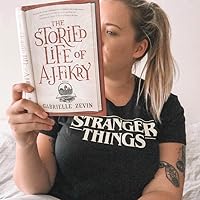
I got about halfway through this book and got bored. There are no jokes in it. I mean NONE! How can you write something that has no sense of humor in it at all? (Can you tell I'm unaccustomed to reading non-fiction?)
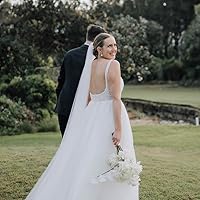
I read this book because: well, because before I do something, I like to read a lot of books about it. So I got this book about getting married (specifically, about women getting married.)
The premise seems to be this: getting married is an important and significant transition in a woman's life. In modern Western society, we don't recognize and acknowledge important life transitions -- although getting married is actually an exception, as we still have big important weddings. However, since we're not accustomed to acknowledging these transitions, we tend to focus on the "party" part and not what this transition really means. It's a death of sorts, an ending of one identity and the birth of a new one. If we don't take notice of and acknowledge this death, and allow ourselves to grieve properly, it can create issues in our own happiness, and in the relationships between ourselves and our husbands, families, and girlfriends, into the first few years of the marriage.
There. Now, that all sounds reasonable, right? I don't necessarily disagree with that. However, I disagree that it takes over 200 pages to talk about it. This is the thesis for a magazine article, not a book. She includes some first-person talk from brides, but could have included a lot more -- I'd be more interested in reading what real (modern) women have to say, than in another analogy based on the Eros/Psyche myth.
Additionally -- and this is a personal note, not really interesting to anyone who doesn't know me -- although I think (as I mentioned) that the author has some good points to make, I don't think that they're very germane to my actual situation. I did go through transitions as my relationship with Chris advanced. Just committing to a boyfriend at all was difficult for me at first. As was moving in together -- after years on my own, it was tough at first, and even nine months later I think we're still adjusting (well, I know I am.) But I recognized at the time that it was okay for me to have difficulties, as long as I acknowledged them, and figured out what, exactly, my difficulties involved, and worked to communicate with Chris (and with myself) and figure them out. And I did. But I managed to do this without reading a book.
And maybe I'm naive, but I don't think that suddenly being a "wife" is going to change my life, nor do I think it's going to change how Chris and I relate to each other. As I said, that change happened years ago, when I recognized that I would be spending the rest of my life with this kid. Maybe it's different for women who are going straight from their parents' house to a shared house; maybe it's different for women with closer relationships with their parents; maybe it's different for women who make a lot less money than their husbands. This book claims that ALL women will go through this painful transition, even those who have been living on their own for 14 years -- but personally, I don't find that to be the case.
But so anyway. What a long review for a book I didn't even finish! Ladies: know that getting married is a transition from one identity to another; it might happen on your wedding day, or it might have happened already. But acknowledge it, and know that parts of that transition are going to be painful, and that's okay. The end.
There, I just saved you time and money. (Although you can have my copy if you like, though this was hardly a ringing endorsement.)