

What do you think?
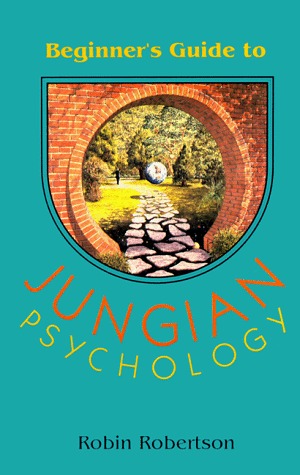
Beginner's Guide to Jungian Psychology
In this definitive introduction to the work of C. G. Jung, Dr. Robertson explains how Jung reintroduced Westerners to the world of archetypes--the imagery of the collective unconscious, of mythology, and the symbols in nature. He discusses the structure and dynamics of the psyche, the meaning of dreams, the shadow, the anima/animus, and the mysterious figure of the Self. This practical yet inspiring introduction can make Jung's exciting philosophy/psychology part of your life.
288 pages, Paperback
First published March 1, 1992
About the author
Robin Robertson
14 books14 followersRobin Robertson has spent a life-time bridging the worlds of psychology, science, business and the arts. He's a clinical psychologist and writer who has published seventeen books and more than two hundred articles in either psychology or his hobby field of magic.
He's lectured widely and has taught graduate level courses on Jungian psychology for both the California Institute of Integral Studies, and for the Jungian Studies program at Saybrook University.
Before becoming a psychologist, he was a vice-president of software development for a large insurance company, and for nearly thirty years, he's been a consultant responsible for all computer decisions to a multi-employer pension plan.
Robin has separate undergraduate degrees in mathematics and English literature, as well as an M.A. in counseling psychology, and a Ph.D. in clinical psychology.
Robin's books, often on Jungian psychology or the relationship between psychology and science, have gone through multiple printings, new revised editions, and foreign translations. Since 1986, he's been a writer, editor, columnist and editorial board member of the Jungian journal "Psychological Perspectives" (a beautiful journal that speaks not merely to specialists, but to everyone who loves Jung.)
He has also been heavily involved with the applications of chaos and complexity theory, and, has been a contributing editor for "Cybernetics & Human Knowing" (a journal that looks at deep issues about the nature of reality).
He is a life-time amateur magician, and a member of the Order of Merlin of the International Brotherhood of Magicians, who has created or co-created original effects that have appeared in six books and many magic magazines.
Librarian Note: There is more than one author in the GoodReads database with this name. See this thread for more information.
He's lectured widely and has taught graduate level courses on Jungian psychology for both the California Institute of Integral Studies, and for the Jungian Studies program at Saybrook University.
Before becoming a psychologist, he was a vice-president of software development for a large insurance company, and for nearly thirty years, he's been a consultant responsible for all computer decisions to a multi-employer pension plan.
Robin has separate undergraduate degrees in mathematics and English literature, as well as an M.A. in counseling psychology, and a Ph.D. in clinical psychology.
Robin's books, often on Jungian psychology or the relationship between psychology and science, have gone through multiple printings, new revised editions, and foreign translations. Since 1986, he's been a writer, editor, columnist and editorial board member of the Jungian journal "Psychological Perspectives" (a beautiful journal that speaks not merely to specialists, but to everyone who loves Jung.)
He has also been heavily involved with the applications of chaos and complexity theory, and, has been a contributing editor for "Cybernetics & Human Knowing" (a journal that looks at deep issues about the nature of reality).
He is a life-time amateur magician, and a member of the Order of Merlin of the International Brotherhood of Magicians, who has created or co-created original effects that have appeared in six books and many magic magazines.
Librarian Note: There is more than one author in the GoodReads database with this name. See this thread for more information.
Ratings & Reviews
Friends & Following
Create a free account to discover what your friends think of this book!
Community Reviews
Displaying 1 - 29 of 29 reviews

July 21, 2024
کتاب در مورد برخی مفاهیم یونگی در جهت رشد فردیت صحبت میکنه که شامل: تیپ های شخصیتی، سایه، آنیما/آنیموس و نهایتاً خویشتنه.
کتاب خوبیه اما مساله ای که باهاش دارم اینه که اگر کسی با این مفاهیم یونگی از قبل آشنا باشه تقریباً حرف جدیدی نداره.(به جز بخش خویشتن که اونم کمی گنگ بود برای من) اگرم آشنا نیست و برای بار اول باهاشون مواجه شده به نظرم ممکنه گیج بشه و کتابایی هست که ساده تر و کامل تر در موردشون توضیح داده.
خلاصه اینکه بر خلاف دوستانی که نوشتن برای شروع آشنایی با یونگ کتاب خوبیه، من فکر میکنم برای شروع ثقیله.شایدم دارم به جای دیگران قضاوت میکنم.😅
کتاب خوبیه اما مساله ای که باهاش دارم اینه که اگر کسی با این مفاهیم یونگی از قبل آشنا باشه تقریباً حرف جدیدی نداره.(به جز بخش خویشتن که اونم کمی گنگ بود برای من) اگرم آشنا نیست و برای بار اول باهاشون مواجه شده به نظرم ممکنه گیج بشه و کتابایی هست که ساده تر و کامل تر در موردشون توضیح داده.
خلاصه اینکه بر خلاف دوستانی که نوشتن برای شروع آشنایی با یونگ کتاب خوبیه، من فکر میکنم برای شروع ثقیله.شایدم دارم به جای دیگران قضاوت میکنم.😅

June 24, 2017
این کتاب به تمامی کسانی که به تازگی پای به دنیای شناخت نهاده اند توصیه می شود.
دکتر "کارل گوستاو یونگ" یکی از برجسته ترین روان شناسانی است که مطالعات خود را صرف شناخت تحلیلی ماهیت روان نهاده است . ماهیتی که به ما اثبات می کند که روان نه تنها آن چیزی است که در زندگی روزمره با آن مواجه هستیم، بلکه فضای بی پایان تمامی داده هایی است که از بدو تولد اولین آگاهی به موجودیت رسیده است. روان، تنها آن قله ی پر برفی نیست که سر از آب بیرون آورده، آن دریای بیکران است که در نهان جاری است.
این کتاب به شرح ابتدایی دانسته های یونگ می پردازد. اینکه مغز و بخش های مختلف آن در طول تاریخ به چه صورت شکل گرفته اند. تیپ های شخصیتی مختلف بر حسب ویژگی های روان شناختی کدامند. کهن الگوهای موجود در روان چیستند و چرا و چگونه این کهن الگوها به وجود آمده اند. کارکرد این کهن الگوها در زندگی انسان چیست. چه تاثیری بر بیداری و خواب انسان ها می گذارند و چگونه روان در تلاش است تا از طریق این کهن الگوها انسان را به مسیر اصلی خود بازگرداند.
دکتر "کارل گوستاو یونگ" یکی از برجسته ترین روان شناسانی است که مطالعات خود را صرف شناخت تحلیلی ماهیت روان نهاده است . ماهیتی که به ما اثبات می کند که روان نه تنها آن چیزی است که در زندگی روزمره با آن مواجه هستیم، بلکه فضای بی پایان تمامی داده هایی است که از بدو تولد اولین آگاهی به موجودیت رسیده است. روان، تنها آن قله ی پر برفی نیست که سر از آب بیرون آورده، آن دریای بیکران است که در نهان جاری است.
این کتاب به شرح ابتدایی دانسته های یونگ می پردازد. اینکه مغز و بخش های مختلف آن در طول تاریخ به چه صورت شکل گرفته اند. تیپ های شخصیتی مختلف بر حسب ویژگی های روان شناختی کدامند. کهن الگوهای موجود در روان چیستند و چرا و چگونه این کهن الگوها به وجود آمده اند. کارکرد این کهن الگوها در زندگی انسان چیست. چه تاثیری بر بیداری و خواب انسان ها می گذارند و چگونه روان در تلاش است تا از طریق این کهن الگوها انسان را به مسیر اصلی خود بازگرداند.

December 24, 2021
فوقالعاده ابتدایی بود. همان چیزهایی که در زندگی روزمره و میان آدمها درباره این چیزها میشنویم. اصلا کتاب مناسبی برای نگاه دقیق به کارهای یونگ نبود.

April 15, 2012
Beginner’s Guide to Jungian Psychology, as the title suggests, gives a nice outline of the main concepts of Jungian theory. The book begins with an introduction to Jung: as a student of Freud and the rift that grew between student and teacher over Jung’s theories. Then, the book introduces the concepts of the unconscious and how Jung’s view differed from Freud as well as the importance of dreams and particularly dream symbols. Finally, the text takes a look at the shadow and the Anima/Animus and how these concepts can be used for personal fulfillment.
Written for the average person, Beginner’s Guide to Jungian Psychology presents the material in a straightforward manner. Of course, specifics such as individual symbols are not presented. Basically, the book is meant to whet the reader’s appetite so that they can continue studying.
There were quite a few things that I thought that this book presented quite well such as the section on psychological types. There was also an intriguing conversation about Marshall McLuhan’s work (The Gutenberg Galaxy and Understanding Media) and how the advent of print led to a change in the way we perceive our world.
Written for the average person, Beginner’s Guide to Jungian Psychology presents the material in a straightforward manner. Of course, specifics such as individual symbols are not presented. Basically, the book is meant to whet the reader’s appetite so that they can continue studying.
There were quite a few things that I thought that this book presented quite well such as the section on psychological types. There was also an intriguing conversation about Marshall McLuhan’s work (The Gutenberg Galaxy and Understanding Media) and how the advent of print led to a change in the way we perceive our world.

December 11, 2009
The subject matter of the book was interesting but I did not like the author. I can't tell you how many times I read about how "we will discuss this topic in more detail in later chapters." That is one of my pet peeves. Why talk about it now if you can't actually talk about it???
Also hated that the author decided that he didn't like some of the terms Jung used so good old Robin Robertson decided to just stop using them and created his own. You know, ones that were more appropriate. What audacity!!! How do you write a book about someone else's work, decide that you don't liked the terminology that they used and, even though it's been in use for many years and IS part of Jung's work, change it based on your preferences?
Zero stars for the author, two stars for Jung.
Also hated that the author decided that he didn't like some of the terms Jung used so good old Robin Robertson decided to just stop using them and created his own. You know, ones that were more appropriate. What audacity!!! How do you write a book about someone else's work, decide that you don't liked the terminology that they used and, even though it's been in use for many years and IS part of Jung's work, change it based on your preferences?
Zero stars for the author, two stars for Jung.

April 17, 2023
برای آشنا شدن با یونگ و طرز فکرش و شروع یونگ خوانی خوبه.
March 9, 2024
Excellent intro to Jungian psychology as well as the influences on his work.

May 26, 2018
So, I've been reading and listening to Jordan Peterson lately, which got me interested in Jung. This seems like a good introduction . . . I think Peterson recommended it. I don't have a background in the subject, so I certainly don't feel I mastered the topic. But I enjoyed the read, it's quick, and interesting. I'm sure I'll read more in the area.
May 18, 2024
کتاب تا پایان فصل پنجم خیلی خوب پیش میره و شما رو با مکتب یونگ آشنا میکنه. اما دو فصل آخر که در مورد آنیما/ آنیموس و خویشتن هستش، دارای ابهامه و مطالب رو خوب توضیح نداده. بعد از خوندن این دو فصل، ابهامهای زیادی براتون راجع به این دو مبحث ایجاد میشه. در کل برای شروع یونگخوانی خوبه و شما رو با کلیات روانشناسی یونگ آشنا میکنه.

May 2, 2021
کتاب یک کلیات خوبی راجع به نظریات و چگونگی شکل گیری اون ها بهت میده اما رسما تا لب چشمه میبرتت و برت میگردونه. من که به مکتب یونگ علاقه مندم بعد این میرم سراغ کتاب "خاطرات، رویاها و تاملات" و همچنین کتاب "روان شناسی و کیمیاگری"که نوشته ی خود یونگ هست.

July 11, 2020
«جهان بسیار بسیار کهنسال و خودآگاهی بسیار بسیار جدید است.داشتن عینکی که با آن بتوان همه حقایق را دید هنوز دور از دسترس خودآگاهی است».
برای آشنایی سطحی با عقاید یونگ ساده و کاربردی بود اما به شخصه اصلا علاقه ای به خوندن سایر آثار یونگ ندارم چون به شدت غیر علمی و رویاگونه بود.
برای آشنایی سطحی با عقاید یونگ ساده و کاربردی بود اما به شخصه اصلا علاقه ای به خوندن سایر آثار یونگ ندارم چون به شدت غیر علمی و رویاگونه بود.
January 29, 2021
La mayoría de personas llega a Jung después de pasar por Freud o Adler, sin embargo, en mi caso llegué a este autor gracias a Nietzsche y su nihilismo. Esto es importante porque Jung tuvo una opinión ambivalente de la filosofía Nietzscheana así que por reciprocidad aquellos que estamos de acuerdo con los "valores" de Nietzsche tendremos conflictos con algunos elementos del pensamiento de Jung, especialmente los arquetipos religiosos.
Ahora bien, respecto al libro en particular lo considero una obra fácil de leer y una introducción a conceptos básicos de la psicología jungiana, además que ayuda a la comprensión de sus crípticos textos (v.g.: al menos ya sé cuál es el propósito de los dibujos en El Libro Rojo). La explicación del autor sobre el inconsciente colectivo me pareció clara y me ayudó a entender el interés de Jung por la filosofía oriental; la ejemplificación de los arquetipos básicos y cómo se manifiestan en nuestra personalidad fue algo interesante y la descripción del proceso de individuación me llevó a reflexionar sobre mi propia vida. A pesar de lo anterior, este es un libro que hay que leerlo con cuidado y recordar siempre que es sobre de psicología, y no sólo eso, una rama de la psicología que ha sido demeritada por la incapacidad de falsear sus teorías en nuestro mundo "Popperiano". Creo que es un libro que se debe interiorizar a nivel personal y no tomarlo como verdad absoluta; en contraste aquellos que tenemos la racionalidad como guía debemos leerlo con mente abierta y tolerancia.
Ahora bien, respecto al libro en particular lo considero una obra fácil de leer y una introducción a conceptos básicos de la psicología jungiana, además que ayuda a la comprensión de sus crípticos textos (v.g.: al menos ya sé cuál es el propósito de los dibujos en El Libro Rojo). La explicación del autor sobre el inconsciente colectivo me pareció clara y me ayudó a entender el interés de Jung por la filosofía oriental; la ejemplificación de los arquetipos básicos y cómo se manifiestan en nuestra personalidad fue algo interesante y la descripción del proceso de individuación me llevó a reflexionar sobre mi propia vida. A pesar de lo anterior, este es un libro que hay que leerlo con cuidado y recordar siempre que es sobre de psicología, y no sólo eso, una rama de la psicología que ha sido demeritada por la incapacidad de falsear sus teorías en nuestro mundo "Popperiano". Creo que es un libro que se debe interiorizar a nivel personal y no tomarlo como verdad absoluta; en contraste aquellos que tenemos la racionalidad como guía debemos leerlo con mente abierta y tolerancia.
June 17, 2009
To someone first approaching Jung he can often times be too poetic to be clear in his points and much too clinical for the lay reader. This book by Robin Robertson is an amazing synopsis of Jungian Psychology, that is readable and entertaining to read. At first I thought I was going to be put off by such a non-technical look at Jungian psychology, but Robertson has a real gift of clarity when it comes to explaining some of Jung's more difficult nuances. It is a delight and such a quick read that you might want to take a couple of turns through it.

February 26, 2011
Robin Robertson fulfills the basic promise of presenting Jung's major psychological terms, but I felt more as though the book was about the author's personal thoughts on psychology and social behavior in general. The only way to know is to read more Jung himself.
August 24, 2010
Of course it IS for beginners, but for someone who knows a minimal amount about psychology.... fascinating. If you ever want to analyze your dreams... REALLY analyze them, this is the book to open.

September 8, 2019
The whole book uses again and again anecdotes like they were scientific evidence and shallow and meaningless examples about Jung's concepts. I consider it a waste of time, to be honest.
August 31, 2024
A HELPFUL INTRODUCTION TO A VERY COMPLEX MAN AND HIS IDEAS
Author Robin Robertson wrote in the first chapter of this 1992 book, "This book is about the psychology discovered by Carl Gustav Jung... and its relevance for all of us as we pass into the new world of the 21st century. Jung was a truly original thinker whose ideas are still largely unknown or misunderstood. He wasn't always right; pioneers never are. His view of reality was so different from the prevailing world view that it has often been difficult for fellow psychologists and scientists to grasp what he actually meant. This wasn't helped by a writing style that was both too literary for his academic colleagues and too scholarly for his literary admirers... In this book, I will try to present a unified picture of Jung's thought, perhaps more unified than is found in his collected writings, but one which I think is a fair presentation of his ideas. My emphasis will be on the practical utility of his ideas." (Pg. 1-2)
He says, "The book you are about to read is about Carl Jung's discovery and exploration of the 'unconscious as an objective and collective psyche,' which he was later to refer to simply as the 'collective unconscious.' He called it 'collective' because it consists of images and behavioral patterns not acquired by an individual in his or her lifetime, yet accessible to all individuals in all times; 'unconscious' because it can't be reached through conscious awareness." (Pg. 6)
He observes, "Jung's father was the sort of minister who was never able to live in peace with that hidden spiritual realm. His religion was dry and desiccated because he never believed in his own vocation. Jung wasn't to find a fitting father until as a young man he met Freud. Jung turned instead to his mother for spiritual support." (Pg. 11)
He stated, "Jung felt that all the qualities we have denied in our life don't go away, they are just relegated to the unconscious, where they become personified as the Shadow." (Pg. 113) He adds, "Unfortunately, in his descriptions of the Anima and the Animus, Jung frequently took for granted the universality of the masculine and feminine personality traits of his day. This is particularly offensive to many women..." (Pg. 136) He suggests, "we defined the Self as an inner template for the person we are intended to become... The Self is the 'god within,' the closest psychological approximation to the godhead, capable of provoking the wonder and awe we usually associate with encounters with divinity... Finally, the Self is also the 'transcendent function' which establishes wholeness and order within the psyche." (Pg. 171
He noted, "Jung was fascinated by the fact that mandalas showed up quite frequently in the dreams of his patients, nearly always at a time when they were attempting to restore inner wholeness. In Jung's estimation, the circle was a representation of the ultimate wholeness only possible to the Self; the square was sort of an inferior circle, and represented the limited wholeness possible to individual ego consciousness. Mandalas... reflected an attempt by the psyche to 'square the circle' and bring the limited wholeness possible to the individual into synchrony with the Self." (Pg. 180)
While some may not agree with all of Robertson's interpretations, this is still a very useful introduction to the complexity that is Jung's thought.
Author Robin Robertson wrote in the first chapter of this 1992 book, "This book is about the psychology discovered by Carl Gustav Jung... and its relevance for all of us as we pass into the new world of the 21st century. Jung was a truly original thinker whose ideas are still largely unknown or misunderstood. He wasn't always right; pioneers never are. His view of reality was so different from the prevailing world view that it has often been difficult for fellow psychologists and scientists to grasp what he actually meant. This wasn't helped by a writing style that was both too literary for his academic colleagues and too scholarly for his literary admirers... In this book, I will try to present a unified picture of Jung's thought, perhaps more unified than is found in his collected writings, but one which I think is a fair presentation of his ideas. My emphasis will be on the practical utility of his ideas." (Pg. 1-2)
He says, "The book you are about to read is about Carl Jung's discovery and exploration of the 'unconscious as an objective and collective psyche,' which he was later to refer to simply as the 'collective unconscious.' He called it 'collective' because it consists of images and behavioral patterns not acquired by an individual in his or her lifetime, yet accessible to all individuals in all times; 'unconscious' because it can't be reached through conscious awareness." (Pg. 6)
He observes, "Jung's father was the sort of minister who was never able to live in peace with that hidden spiritual realm. His religion was dry and desiccated because he never believed in his own vocation. Jung wasn't to find a fitting father until as a young man he met Freud. Jung turned instead to his mother for spiritual support." (Pg. 11)
He stated, "Jung felt that all the qualities we have denied in our life don't go away, they are just relegated to the unconscious, where they become personified as the Shadow." (Pg. 113) He adds, "Unfortunately, in his descriptions of the Anima and the Animus, Jung frequently took for granted the universality of the masculine and feminine personality traits of his day. This is particularly offensive to many women..." (Pg. 136) He suggests, "we defined the Self as an inner template for the person we are intended to become... The Self is the 'god within,' the closest psychological approximation to the godhead, capable of provoking the wonder and awe we usually associate with encounters with divinity... Finally, the Self is also the 'transcendent function' which establishes wholeness and order within the psyche." (Pg. 171
He noted, "Jung was fascinated by the fact that mandalas showed up quite frequently in the dreams of his patients, nearly always at a time when they were attempting to restore inner wholeness. In Jung's estimation, the circle was a representation of the ultimate wholeness only possible to the Self; the square was sort of an inferior circle, and represented the limited wholeness possible to individual ego consciousness. Mandalas... reflected an attempt by the psyche to 'square the circle' and bring the limited wholeness possible to the individual into synchrony with the Self." (Pg. 180)
While some may not agree with all of Robertson's interpretations, this is still a very useful introduction to the complexity that is Jung's thought.

December 5, 2024
I found this a really valuable foundation. For anyone who likes dream interpretation, self-reflection and Myers Briggs you will find elements of all of these in this book. I really like the emphasis that for many Judeo-Christian systems life is very binary. You are either evil or angelic, decisions will either send you to hell or ensure your place in heaven. However, this book really pushes the good in the darkness and in fact urges the reader to look to the areas that feel like weaknesses to become a well-rounded person.
I will say that some of the gender and race elements are a little dated, but I would be excited to read more modern/queer informed Jungian literature.
I will say that some of the gender and race elements are a little dated, but I would be excited to read more modern/queer informed Jungian literature.

June 1, 2021
It’s mostly a very good Jungian introduction, which is to say it really brings the complexity of learning Jungian psychology, while trying to navigate between science and spirituality. It worked pretty well until the chapter on the Self, where the author began drifting away from mainstream psychology, revealing the very reasons Jung had become cut off from clinical professional training. For a more academic (but still very approachable) introduction I recommend Oxford’s Jung: A very short introduction.

February 17, 2019
کتاب رو به پیشنهاد یک دانش آموخته روانشناسی خوندم
از ترجمه کتاب راضی نبودم.
بسیاری از کلمات فارسی انتخاب شده مناسب و گویا نیستند و متاسفانه در بسیاری از موارد کلمه انگلیسی در پانوشت ها ذکر نشده است.
فهم بسیاری از جملات فارسی این کتاب بسیار سخت است.
اگر چه بخش هایی از تاب برام جالب بود
بخصوص فصل سوم کتاب که به رویاها و اهمیت ثبت رویاها میپرداخت
از ترجمه کتاب راضی نبودم.
بسیاری از کلمات فارسی انتخاب شده مناسب و گویا نیستند و متاسفانه در بسیاری از موارد کلمه انگلیسی در پانوشت ها ذکر نشده است.
فهم بسیاری از جملات فارسی این کتاب بسیار سخت است.
اگر چه بخش هایی از تاب برام جالب بود
بخصوص فصل سوم کتاب که به رویاها و اهمیت ثبت رویاها میپرداخت

August 25, 2023
Excellent and sophisticated introduction to Jung
I’ve been an armchair Jungian for years, fascinated by what I knew but not really well-versed. I’m still an armchair Jungian, but I have so much more understanding.
I’ve been an armchair Jungian for years, fascinated by what I knew but not really well-versed. I’m still an armchair Jungian, but I have so much more understanding.

July 1, 2026
A great introductory book for Jung's more popular concepts. The author includes excerpts from Jung's original work, which I think helps you appreciate why Jung wasn't more popular in his time 😅 and Dr. Robertson's explanation.
April 30, 2019
یونگ که تمام زندگی منو متحول کرد اما این کتاب فقط برای دورنما دادن از یونگ خوب بود وگرنه چیز زیادی نمیگفت و نا تمام و تشنه میگذاشتت و میرفت !!
August 20, 2024
One of the most amazing books I’ve ever read. I don’t know why but the Anima/Animis section of the book made me cry. It was a particular part within that section where the writers started talking about love and how love can be interpreted in the Jungian way. This was truly profound for me and this book is one of the books that has really changed the way I see the world. I think that’s the magic of Jung. It’s a shame that most of the things he says can not be proven but somehow they make sense. But that’s how I will look at them; as things that just make sense but cannot be scientifically proven.

May 16, 2025
فقط به این خاطر ۴ که چون اولین کتابی بود که در مورد یونگ میخوندم.
نمیدونم شاید بهتر از این هم باشه شاید هم این واقعا بهترین بوده و منم باید پنج میدادم
بطور کلی باب جدیدی است
کمی هم عجیب غریب به نظر میرسه
اما اگر که دنیای منطقی یه جای کارش براتون میلنگه شاید آشنا شدن با نظریات یونگ ایده های خوبی بهتون بده
بعید میدونم تماما حرف ها و نظریات یونگ رو بشه به این زودی رد کرد
چیز خاص و قوی ای ارائه میده
باید بیشتر مطالعه اش کرد
نمیدونم شاید بهتر از این هم باشه شاید هم این واقعا بهترین بوده و منم باید پنج میدادم
بطور کلی باب جدیدی است
کمی هم عجیب غریب به نظر میرسه
اما اگر که دنیای منطقی یه جای کارش براتون میلنگه شاید آشنا شدن با نظریات یونگ ایده های خوبی بهتون بده
بعید میدونم تماما حرف ها و نظریات یونگ رو بشه به این زودی رد کرد
چیز خاص و قوی ای ارائه میده
باید بیشتر مطالعه اش کرد

May 14, 2015
Would give this 3.5 stars. How do you rate a "beginner's guide"? If you are a beginner (hence reading the guide) you have little to no knowledge, thus can't really compare to anything. That being said, this was informative without bogging the reader down, which is the aim of any such guide, and it piqued my interest to delve further.
March 17, 2009
A great introductory book.

June 22, 2014
Un ouvrage facile à lire expliquant les grands thèmes de la psychologie jungienne : mythes, archétypes, rêves, types psychologies et processus d'individuation.
Page 205 : "mana" ... à approfondir
Page 205 : "mana" ... à approfondir

December 25, 2016
Usefull book for jungian concepts . I need to read it again .
Displaying 1 - 29 of 29 reviews