Seguendo le vicende del contrastato amore tra Pëtr Grinëv e Maša Mironova, sullo sfondo di una Russia attraversata dalla rivolta del cosacco Emel’jan Pugačëv, Puškin porta a compimento la propria tormentosa interrogazione sul potere russo iniziata con la tragedia Boris Godunov. Pur ricco di puntuali riferimenti alla storia russa, La figlia del capitano non può essere sbrigativamente etichettato come «romanzo storico», tanto più se paragonato alla Storia di Pugačëv , più fortemente basata su una ricca messe di materiali documentari e di testimonianze. La tensione narrativa, la ricchezza stilistica, la decisa capacità di coinvolgere il lettore fanno della Figlia del capitano e della Storia di Pugačëv due opere godibili che riformulano i grandi temi dello spirito russo restituendone intatto il forte impatto letterario.« Mia madre era ancora incinta di me, che io ero già immatricolato nel reggimento Semënovskij come sergente, grazie alla benevolenza del maggiore della guardia principe B., nostro parente stretto. Se contro ogni aspettativa mia madre avesse generato una figlia, il babbo avrebbe comunicato là dove bisognava la notizia della morte del sergente mai presentatosi... »
Works of Russian writer Aleksandr Sergeyevich Pushkin include the verse novel Eugene Onegin (1831), the play Boris Godunov (1831), and many narrative and lyrical poems and short stories.
People consider this author the greatest poet and the founder of modern literature. Pushkin pioneered the use of vernacular speech in his poems, creating a style of storytelling—mixing drama, romance, and satire—associated ever with greatly influential later literature.
Pushkin published his first poem at the age of 15 years in 1814, and the literary establishment widely recognized him before the time of his graduation from the imperial lyceum in Tsarskoe Selo. Social reform gradually committed Pushkin, who emerged as a spokesman for literary radicals and in the early 1820s clashed with the government, which sent him into exile in southern Russia. Under the strict surveillance of government censors and unable to travel or publish at will, he wrote his most famous drama but ably published it not until years later. People published his verse serially from 1825 to 1832.
Pushkin and his wife Natalya Goncharova, whom he married in 1831, later became regulars of court society. In 1837, while falling into ever greater debt amidst rumors that his wife started conducting a scandalous affair, Pushkin challenged her alleged lover, Georges d'Anthès, to a duel. Pushkin was mortally wounded and died two days later.
Because of his liberal political views and influence on generations of Russian rebels, Pushkin was portrayed by Bolsheviks as an opponent to bourgeois literature and culture and a predecessor of Soviet literature and poetry. Tsarskoe Selo was renamed after him.
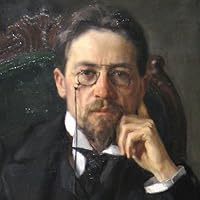
My wish was to read this book in a linear, chronological fashion – that is to say, particularly in the way the text is presented herein, starting with The Captain’s Daughter (1836) and then getting to A History of Pugachev (1834), however it seemed that for the first 40-50 pages, or so, my wish was utterly unrealistic. I was jumping like a lizard (not with the manners, by the way – as Chekhov said it) from my reading text to any other part of the book – which readily contains lots of useful information conveyed as notes, comments, official data that render a very complex portrait of the described events. As it is easy to guess I was getting obsessed with the name of Pugachev – who the hell is this guy and why is he the most wanted in the whole Russian Empire at that time? So, I have started reading bits of the second part of the book A History of Pugachev, as I realized that without understanding somehow the context and getting a sort of outline of this character, I might not be so enthusiastic in my on-going read. I was certainly satisfied with my pursuing this new track of investigation.
Ultimately, this text – as voiced by Archimandrite Platon Lyubarsky (in his manuscript that Pushkin sourced for his work) -- settled things out and reassured me that I should go back to a normal reading of the book, and not going across or downward in zig-zag, something like writing Zorro, with the line my eyes were following the words:
“To render a proper account of all the schemes and adventures of this bandit would, it seems to me, be almost impossible, not only for an average historian, but even for a superlative one. He is a man whose undertakings depended, not on rational considerations or military planning, but on daring, chance and good fortune. For this reason (I believe) Pugachev himself would not be in a position to recount the details of these undertakings, or even to recall a significant portion of them, since they were initiated, not just by him directly, but by his many undisciplined and foolhardy accomplices in several locations at once.”
I earnestly admit I felt overwhelmed with the vast quantity of details on the history as submitted by Pushkin – I liked history hours at school especially as our professor knew how to blend dry factual years, names, battles, events with some interesting story behind the respective year/name/battle/event, otherwise I couldn’t just memorize those sober details by heart. In this case, starting from the historical fact that from 1773 to 1775 Russia was beset by a huge revolt that shook the imperial establishment, there is a too rich account of this so-called “rebellion of Pugachev” – who is an outlaw, a Don Cossack (formerly in state service), an illiterate and a schismatic, but an extremely audacious and determined man. Also, during the revolt, he pretended to be the deceased husband and predecessor of Catherine II, Peter III. He was surely a very ingenious man :D
Now that I have become acquainted with all the circumstances, I find the situation so appalling – it was truly a bad business! Ugh! The situation was indeed terrible: a general uprising scattered about the vast region between the Volga and Ural, recalling that winter was exacerbating the difficulties as the steppes were blanketed with deep snow, so it was impossible to move unless one had a good supply (grain, firewood, etc); during those troubled times the villages were deserted, the major cities either besieged or occupied by bands of rebels, people murdered in a cruel way, so on and so forth. I was glad to satisfy my curiosity on the subject of Pugachev, paying due attention to the paragraphs, and notes included, where it is mentioned that Empress Catherine II decided to reply to Voltaire – it seems the instigator of this terrible upheaval attracted general attention in Europe – who wrote to her some letters on this.
“So far there is not the least evidence that he has been the tool of any foreign power, or that he has been acting under the influence of anyone else at all. The assumption must be that monsieur Pugachev is a master brigand, and no one’s lackey. I do not believe that there has been anyone since Tamerlane that has wrought more destruction on the human race. First of all, he ordered the hanging, without mercy or any other kind of procedural restraint, of all those of noble birth – men, women and children – all officers and all soldiers that he could lay hands on; nowhere that he has visited has been spared; he looted and despoiled even those who, to escape his atrocities, tried to win his favour by welcoming him; no one he encountered was safe from looting, violence and murder.”
Needless to say everything ends with an execution.
Fortunately, for me, The Captain’s Daughter is a wonderful novella. It is far too short to be called a novel, in my opinion, and it’s great that it is a fictional representation of Pushkin’s scholarly work A History of Pugachev. The narrative flow is built as a memoir of a nobleman, telling the story in first person, about his participation to this eventful rebellion, by a twist of fate, precisely when he just reached the proper age to enter the military service. There is a style and tone of lightness and tenderness, coloured with some humorous shades, so that in some instances I have had the impression that I am watching the animated cartoon “Masha and the Bear”, no offense whatsoever implied to the quality of the work, on the contrary, just words of praise! :D The novella is populated with the needed ingredients so to make the story, the plot and the development of the main characters easy to follow and really fun to read. There is a simple line to build the mounting excitement during the read, but this is no disadvantage – it just falls in perfect harmony with the simplicity of the story. In some way, this story reminds me of the heroes of old folk tales, where the male has to pass many trials and tests and go through many troubles and vicissitudes before the “and they lived happily ever after” is obtained, as a confirmation that the hero concluded successfully his adventures. Here, he is saved by love, embellishing both the heart and mind of Captain’s daughter Marya Ivanovna (aka Masha). A closing well worthy to remember :D
در روزگار گذشته چنان شکنجه های شدیدی در محاکم معمول بود که قانون ناسخ آن تا مدتی موقوف الاجرا ماند. اغلب اشخاص تصور می کردند که اعتراف مجرم برای محکومیت قطعی او واجبست در صورتی که این فکر نه تنها بی اساس بلکه برخلاف منطق نیز هست زیرا وقتی انکار متهم موجب اثبات بی گناهی او نباشد البته اقرار او نیز نباید دلیل گناهش محسوب شود. ولی من حتی امروز نیز بعضی از قضات را می بینم که از نسخ این عادت وحشیانه اظهار تاسف می کنند. در آن عصر قضات و حتی خود متهمان نیز در لزوم اجرای شکنجه شکی نداشتند
هر وقت فکر می کنم این واقعه (بریدن اعضا مجرمین مانند زبان و ... به عنوان شکنجه) در زمان حیات من اتفاق افتاده و من حالا در دوره سلطنت امپراطور الکساندر زندگی می کنم نمی توانم از ترقیات سریع اصول انسانیت اظهار تعجب نکنم. تو نیز اگر این سرگذشت را به دست آوردی بیاد بیاور که بهترین و مهمترین تغییراتی که در این دوره حادث شده است همان اصلاح اخلاق عمومی است که بدون انقلابات شدید صورت گرفته است
:در مورد کتاب
داستان در مورد جوان اشراف زاده ای است که پدرش میهن پرستی افراطی و سخت گیر است و اجازه نمی دهد پسرش برای خدمت به پطرزبورگ برود بلکه او را به محلی دورافتاده می فرستد تا در آنجا به دور از محیط بی بندوبار نظامی های پطرزبورگی بار بیاید و برای خودش مردی بشود
پتروشا به پطرزبورگ نخواهد رفت. زیرا در آنجا جز ولخرجی و بداخلاقی چیزی یاد نمی گیرند. خیر پتروشا باید در نظام خدمت کند. باید به سختی معتاد شود و دود باروت بشنود تا سرباز بار بیاید نه اوباش
اما چیزی که این کتاب را ارزشمند کرده نه زندگی یک نجیب زاده ی سرباز بلکه شرح شورش قزاق ها به رهبری یملیان پوگاچف بر ضد امپراطوری روسیه است
و از مهمترین ویژگی بارز این کتاب می توان به دید منصفانه نویسنده به شورشیان قزاق در روسیه اشاره کرد که به ایشان چهره ای کاملا انسانی و دارای ویژگی های خوب و بد داده و مخصوصا رهبر این شورش یعنی پوگاچف انسانی قابل ستایش است
مثلا خلوپوشا (از مشاوران پوگاچف ) که در آن دوران جزو جنایتکاران معروف نامیده می شد و سه بار از سیبری فرار کرده بود را انسانی با خصلت های پهلوانی می بینیم البته، من نیز گناه کرده ام. و این دست خون عیسویان را بسیار ریخته است. ولی من با دشمن خود در آویخته ام نه با مهمان. خونریزی من در میان جنگل تاریک یا در کنار شاهراه بوده است نه در خانه خودم و در پهلوی بخاری.. آری من خون ریخته ام ولی با تبر و شمشیر نه با تهمت های زنانه
مطمئنا پوشکین قصد توهین به زنان را نداشته بلکه طرز فکر مردان در آن زمان را نشان داده است از زبان ماری ایوانا شخصیت زن اصلی داستان، مردان را هم چنین توصیف می کند مردها چیزهای عجیبی هستند. برای یک گفتگوئی که بی شبهه بعد از چند روز فراموش می شود به خونریزی حاضر می شوند و نه تنها زندگانی خود را فدا می کنند .. بلکه وجدان خود و آرامش اشخاصی را که
:قبل از آنکه به شخصیت پوگاچف بپردازم، نظر جالب پوشکین در مورد نویسندگان و شاعران
نویسندگان اغلب به عنوان مشورت، مستعمین متملقی جستجو می کنند...همانطور که ایوان کوزمیچ قبل از غذا به یک شیشه عرق احتیاج دارد، شعرا هم به شنونده محتاجند :)
:یملیان پوگاچف
:در مورد پوگاچف از وی کی پدیا
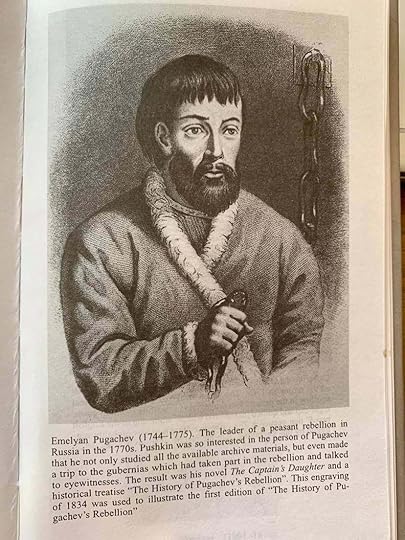
شورش پوگاچف قیامی دهقانی بود که در سالهای ۱۷۷۳ تا ۱۷۷۵ میلادی در امپراتوری روسیه به وقوع پیوست. این قیام از سوی قزاقهای یائیک به رهبری یملیان پوگاچف سازماندهی شده بود. پوگاچف در گذشته از افسران ارتش روسیه بود و در چندین جنگ خدمت کرده بود اما در زمان قیام مدعی شده بود که پتر سوم امپراتور روسیه است که در واقع سالها پیش مقتول شده بود. پتر سوم فقط شش ماه در سال ۱۷۶۲ حکومت کرده و پس از ترور او همسرش کاترین دوم به سلطنت رسید
پوگاچف از نارضایتی های سیاسی موجود استفاده کرده و با تشکیل دولتی جایگزین در منطقه تحت تلسط خود به انجام اصلاحات سیاسی و اقتصادی از جمله لغو نظام ارباب و رعیتی در روسیه معروف به سرواژ، لغو خدمت اجباری سربازی، و مالیاتگیری پرداخت. قزاقهای یائیک، دهقانان ناراضی، اقلیتهای قومی مانند باشقیرها و افراد مذهبی که به دخالت دولت در امور کلیسا معترض بودند، نیروهای پوگاچف را تشکیل میدادند. آنها در اواخر سال ۱۷۷۴ چندین شکست پیاپی را متحمل شده و پوگاچف با خیانت یاران خودش دستگیر شد. وی به مسکو انتقال یافته و به شکل وحشیانهای اعدام شد این شورش بزرگترین قیام دهقانی تاریخ روسیه توصیف شده است
: پوگاچف در این کتاب
در ویکی پدیا گفته شد که پوگاچف به وحشی ترین شکل اعدام شد و این تا حدودی نفرت زیاد روسیه و مردمش را از این مرد را نشان می دهد.ولی در این کتاب پوشکین وی را انسانی شبیه به «میرزا کوچک خان جنگلی» خودمان نشان می دهد و شخصیتی دوس داشتنی و یک مصلح اجتماعی است که در پی ریشه کردن ظلم بر دهقانان قزاق است و با هر روسی که امپراطوری او را بپذیرد بمانند یک قزاق با او رفتار می کند و تفاوتی قائل نمی شود و بخاطر اینکه یک روسی را حاکم قلعه ای که تصرف کرده است مورد انتقاد قزاق ها قرار می گیرد
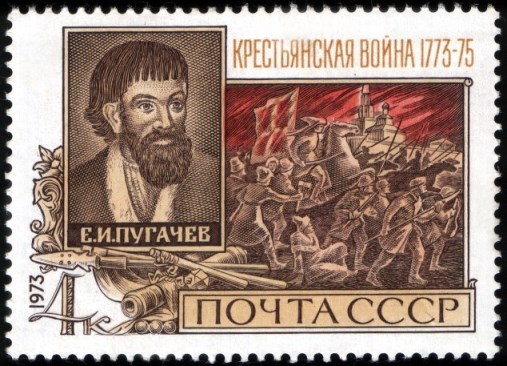
سال ها بعد از اینکه پوشکین این کتاب را نوشت می بینیم که پوگاچف در روسیه تبدیل به یک قهرمان ملی شده است پوگاچف در دوران اتحاد جماهیر شوروی(1991-1922 ) در جایگاه قهرمانی ملی قرار گرفت. در سال 1973تمبری برای یادبود قیام پوگاچف منتشر شد
شعر عقاب از دکتر پرویز ناتل خانلری
:شاید یان شعر معروف را خوانده یا شنیده باشید
گشت غمناک دل و جان عقاب چو ازو دور شد ایام شباب
دید کش دور به انجام رسید آفتابش به لب بام رسید
باید از هستی دل بر گیرد ...ره سوی کشور دیگر گیرد
برای خواندن شعر کامل می توانید به این سایت مراجعه کنید
:دکتر پرویز ناتل خانلری در باره ی سرودن شعر عقاب چنین می گویند
در سال ۱۳۰۸ داستان « دختر سروان » اثر پوشگین ، شاعر بزرگ روس را از روی ترجمه ی فرانسه به زبان فارسی درآوردم و قصه ی کوتاهی که در آن کتاب از قول یکی از اشخاص داستان نقل شده بود ، از همان گاه در ذهن من جای گیر شد
:و این همان داستان است که شاعر از روی آن شعر عقاب را اقتباس کرده است روز عقابی از زاغی پرسید: بگو ببینم چه علت دارد که تو سیصد سال عمر می کنی در صورتی که زندگانی من بیش از سی و سه سال نیست؟ .زاغ جواب داد: آقا، علت این آنست که تو خون زندگانی نمی خوری و من از مردار تغذیه می کنم عقاب با خود اندیشید که خوب است منهم به خوردن مردار عادت کنم، پس باهم پرواز کردند. اسبی مرده در کناری افتاده بود. ایشان فرود آمدند و بر کنار آن نشستند. زاغ به خوردن مردار و تحسین مزه آن پرداخت.اما عقاب یکی دو بار به آن منقار زد بالاخره بال برهم کوفت و به زاغ گفت : نه، آقا زاغ یکبار خوردن خون زنده به سیصد سال مردار خواری می ارزد. خداحافظ
من شعر عقاب را در همان سال های ۱۳۰۷ یا ۱۳۰۸ که در چاپ خانه ی خاور منتشر گردید ، به صادق هدایت تقدیم کردم ، ولی بعدها بی آن که مرا در جریان بگذارند اسم هدایت را حذف کردند و جمله ای از قابوسنامه را جایگزین آن کردند ، تازه چیزی نزدیک به [ سی و اندی ] سال این شعر در هیچ کجا چاپ نشد ، چرایش را از من ..نباید پرسید
:نام کتاب
دختر سروان نام زیاد دلچسبی نیست و شاید نباید کاپیتان را ترجمه کرد یکی از دوستان تُرکم هم در مورد ترجمه کتابی از چنگیز آیتماتف هم همین نظر را داشتند و می گفتند که در یکی از کتابهای ایشان اسم اسبی که به ترکی معنایی مانند ستاره بر پیشانی(دقیقا یادم نیست) را به فارسی ترجمه کرده اند و مترجم با این کار به زیبایی و سلیس بودن کتاب لطمه زده بود
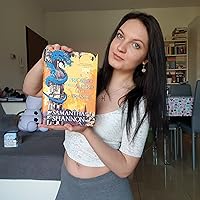
و بنده هم به خاطر اسم خارجی کتاب و هم عکس زیبای روی جلد، این ادیشن را انتخاب کردم. تاریخی که در مورد «پوچگاف» در این نسخه است در کتابی که با ترجمه پرویز ناتل خانلری خواندم نبود .. و کاش می بود
:و در آخر جمله ای از کتاب انسان هرقدر که به فال و پیشگوئی بی عقیده باشد چقدر آسان است که گاهی بدانها معتقد شود
Al romanzo 'La figlia del capitano' ho dato 4 stelline. Mi è piaciuta l'ambientazione, la bellissima campagna russa, e anche l'evoluzione del protagonista. Un giovane che viene mandato al fronte dal padre per diventare un uomo. Il ragazzo immagina uomini in uniforme, serate piacevoli nelle grandi città, ma si ritrova ben presto in una piccola fortezza in mezzo al nulla. Lì si innamora della figlia del generale, un amore che verrà ricambiato. Il sogno amoroso dei due giovani viene però interrotta dall'insurrezione del cosacco Pugacev che vuole usurpare il trono dell'imperatrice Caterina. Il destino di Petr Andreevic è segnato da una scelta fatta molto tempo prima, una scelta che lo porterà alla salvezza e alla grazia del cosacco. Nonostante i numerosi impedimenti, i due giovani avranno il lieto fine. Cosa mi ha spinto allora a valutare il libro 3 stelline? Secondo me l'accostamento di queste due opere nello stesso volume è un errore. Dopo aver letto 'La figlia del capitano' in cui sono presenti riferimenti ad eventi e personaggi storici realmente accaduti, ma comunque una storia romanzata, si passa invece a 'Storia di Pugacev' che è praticamente la raccolta di tutta la documentazione storica che Puskin è riuscito ad avere sul cosacco Pugacev. È come leggere un libro di storia in cui i nomi dei personaggi e le date sono accavallate senza dare alcuna spiegazione. La lettura del secondo libro non l'ho conclusa, per ora.
This entire review has been hidden because of spoilers.
This edition contained Pushkin’s two versions of the Pugachev rebellion. The first, The Captain’s Daughter is a fictional account, told by the young officer Grinyov, who finds himself caught up in a siege in a remote fortress. The second is a work of non-fiction, where Pushkin brings together the research he undertook into the rebellion, which provides the backdrop to the fictional work.
I really enjoyed these two complementary accounts, although I felt it would have helped to read the history first. In both cases, Pushkin had to take account of Imperial censorship, as the rebellion was still a touchy subject. In The Captain’s Daughter he gets round these issues by using romance and myth, and by making his hero a loyal officer, whose encounters with Pugachev are driven by chance. Grinyov falls in love with Masha, the daughter of the fort commander, and this love drives his later actions.
Pushkin’s fiction has a lighter touch than I was expecting, it was easy to read and very engaging. The non-fiction work was more challenging, with copious notes from both Pushkin himself and the editor of my edition. However, it was interesting to read about an unfamiliar episode of history.
"إن ظروفًا عجيبة جمعت بين قلبينا إلى الأبد، ولن يقوى شيء في هذا العالم على التفريق بيننا بعد الآن. "
إبنة الضابط، رواية تاريخية رومانسية، وهي مذكرات الضابط بترو أندرفتش، وهي قصة حقيقية، أضاف إليها الروائي والشاعر ألكسندر بوشكين بحسه الشاعري ما يضفي عليها رونق الرواية الرقيقة الهادئة بمشاهدها المؤثرة، وتدفقات العاطفة بداخلها، برغم ما فيها من صراعات.
تدور أحداثها في فترة الثورة التي قادها بوجاتشيف، كما أشارت إليها الأحداث في مذكرات الضابط التي تحكي عن تلك الفترة، وعن الظروف العجيبة التي عاشها فيها، والخطى التي جمعته بقائد الثورة بوجاتشيف، والخطى التي جمعته بالفتاة التي وقع في حبها، إبنة الضابط ماريا إيفانوفنا، ليعيشا قصة حب جميلة، انطوت على نُبل، وتضحية، ووفاء، كما يجب أن يكون الحب دائمًا.
رواية جميلة عن الحب في زمن الحرب، وعن القلوب النبيلة، والإنسانية، والمحبة ، والتضحية، والوفاء، والشرف.
"La Figlia del Capitano" è il romanzo storico che narra le avventure del giovane ufficiale Pietr Grinev che per volontà del padre viene inviato in una lontana fortezza affinché impari il mestiere delle armi lontano dalle tentazioni della grande città e si troverà a vivere uno dei momenti più drammatici della storia della Russia degli zar, vale a dire la rivolta cosacca capeggiata da Pugacev: amore, amicizia, riconoscenza, coraggio, lealtà sono i sentimenti che popolano questo romanzo breve che ha dunque tutti gli ingredienti per piacere ed essere apprezzato. Ma ancora più apprezzabile è "Storia della Rivolta di Pugacev" vero saggio storico ma bello ed entusiasmante come un romanzo in cui l'autore ripercorre tutte le vicende che portarono a quella famosa rivolta dei cosacchi e alle gravi difficoltà che incontrò lo stato a domare e sopprimere. Un Puskin in vena di grazia!
I actually read this book for an essay and I'm really glad I chose this beautiful short-story!
The atmosphere, the love story, the thrill of a rebellion, the mercy and wit the characters have. To me, this was a classic Russian novel on war, rebellion and love in the 18th century. Though Pugachov is portrayed as much of an antagonist, he might have even been my favorite character throughout the book.
What I particularly like about this version is the historical background it gives you (the history of pugachov as well as pictures relevant to Pushkin's life and an interesting introduction given before actually starting the book.
If you're into romance and war stories in historic-settings, I highly recommend it!
Embè, ho letto “La figlia del capitano” tenendo sempre a mente le impressioni dell’omonima miniserie televisiva del 1965, un bianco e nero formidabile girato per quello che mi ricordo in interno, steppa innevata compresa, con tanto di slitte tintinnanti e cavalli. Non so quanti se lo ricorderanno, almeno quelli di una certa età come me, ma quel Pugačëv interpretato da Amedeo Nazzari era assolutamente grandioso. Meraviglioso e venerabile Nazzari-Pugačëv! Ma, ancora ben più grande Aleksandr Sergeevič Puškin, dono gratuito d’immenso valore della Santa Madre Russia a noi tutti dell’ecumene! Puškin romanziere, ma, in questo caso, anche fine storico per la sua “Storia di Pugačëv” che sta quasi a presupposto de “La figlia del capitano”. Entrambi gli scritti però si illuminano l’uno con l’altro, si rimandano tra loro al lettore e anche allo stesso autore. Pugačëv fece interrogare i russi del suo tempo e di quelli successivi: nobili, borghesi, intelligentija, rivoluzionari, contadini. Fu sicuramente un terminus a quo, volenti o nolenti, una spina nel fianco, un rimorso nella coscienza, un ricordo e una promessa di riscatto. Ne “La figlia del capitano” Pëtr Andréevič Grinëv ed Emel’jan Pugačëv si confrontano continuamente. Tra di loro in lotta circola un flusso continuo di attrazione reciproca, misto a simpatia e rispetto, ironia da una parte e orrore dall’altra (direi anche quasi affetto ricambiato). Grinëv e Pugačëv sono in fondo la Russia profonda, antica, che fascina di sé ogni presente, al pari delle sue favole che scaturirono dalle foreste innevate. Sono il signore e il suo servo, il nobile e il contadino uniti in maniera indissolubile (sembra di scomodare Hegel, ma penso sia così), quell’unità violenta e sempre in lotta con sé stessa che costituì per secoli la carne viva e palpitante della Rus’, in una qual maniera già dai tempi di Kiev, che costituì il nucleo, o meglio, il rapporto fondante e fondamentale della società feudale russa. Identità slava e contadina, in opposizione mortale ai nomadi invasori, fin dai tempi di Attila. Questa società periodicamente scossa da devastanti rivolte e violenze inaudite, da tempo era in crisi, una crisi sempre più grave e profonda manifestata soprattutto dall’oppressione intollerabile che si esercitava sulla classe contadina ridotta progressivamente in completa schiavitù. Quando Puškin scriveva mancavano meno di trent’anni all’abolizione della servitù contadina. Nel 1861 Alessandro II l’abolirà del tutto. Era solo un intralcio all’evoluzione capitalistica dell’economia nelle campagne. Tutti, o quasi, erano consci che ormai era solo un impedimento alla modernizzazione dell’agricoltura e della società. Resta sempre il fascino del racconto e del mito del ribelle, da Sten’ka Razin fino a Emel’jan Pugačëv. Cosa c’è in fondo più di romantico del ribelle?
While not at the dazzling heights of the immortal Eugene Onegin, this novel (Pushkin's only novel) is an entertaining and relaxing read. Sit back and put your feet up and take it easy. This is romance and historical fiction combined in one. Pyotr Grinyov is sent on military service to a remote fortress where he falls in love with the Captain's daughter. The Cossack Pugachov launches a rebellion against the rule of Catherine the Great, claiming to himself be the rightful Tsar. Our hero and his love story are caught up in the midst of all this. In this edition there is an historical account written by Pushkin of the Pugachov rebellion which follows the novel. This historical account was only of moderate interest to me.
È la prima opera di Puškin che mi passa tra le mani, dopo una pausa involontaria dalla letteratura russa durata anni. L’autore è amante della storia, come spiegare, sennò, la sensibilità necessaria a scrivere le opere racchiuse in questa edizione? Leggendo di questo sconvolgimento nella storia russa, la rivolta guidata dal cosacco Pugačëv, mi sono stati chiari i sentimenti e i punti di vista diametralmente opposti dei rivoltosi e degli amanti dello stato.
Più che l’elenco delle azioni svoltesi, mi hanno stretto il cuore i rendiconti sulle sofferenze del popolo, di chi combatteva, delle madri e dei figli.
« Le mogli e le madri stavano sulle rive, cercando di riconoscere tra di loro i mariti e i figli. Alla Ozërnaja una vecchia cosacca vagabondava ogni giorno lungo lo Jaik, tirando a riva con un arpione i cadaveri galleggianti e dicendo: “Non sei tu, bambino mio? non sei tu, mio Stepuška? non sono i tuoi ricci neri quelli che l’acqua fresca lava?”, e, scorgendo un volto sconosciuto, respingeva piano il cadavere. »
Sul filo di eventi storici della fine del settecento russo si svolge questo racconta che intreccia le storie di vita con eventi politici e militari ufficiali. Anche un sanguinario come Pugacev e ‘ capace di sentimenti di amicizia e riconoscenza, uomini non protagonisti sono capaci di ignobili comportamenti vili, l’amore è la giustizia alla fine vincono pur se continuamente in pericolo
Libro un po' difficile da leggere, senza conoscere la storia che c'è dietro. Leggere il saggio che segue il romanzo fornisce qualche delucidazione, ma aiuta anche a creare ulteriore confusione coi nomi. Lo stile forse non è per tutti, ha un po' deluso le aspettative.
Un racconto molto piacevole e interessante. Mi sono sentita parte delle vicende dei protagonisti e se è pur vero che tutto è pervaso da diversi livelli di ossequiose cerimonie, bisogna ricordare il periodo in cui è scritto e a cui fa riferimento. La storia può essere prevedibile ma l'autore di queste memorie mantiene l'interesse, rivolgendosi direttamente al lettore, alludendo lui stesso a ciò che accadrà. E adesso sono curiosa di leggere storia di Pugacev.