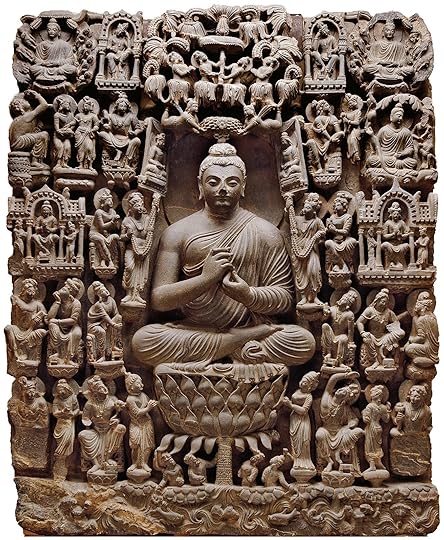
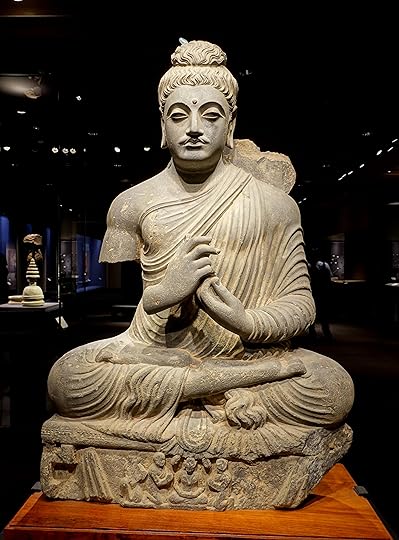
The androgynous, asexual Buddha of contemporary popular imagination stands in stark contrast to the muscular, virile, and sensual figure presented in Indian Buddhist texts. In early Buddhist literature and art, the Buddha's perfect physique and sexual prowess are important components of his legend as the world s ultimate man. He is both the scholarly, religiously inclined brahman and the warrior ruler who excels in martial arts, athletic pursuits, and sexual exploits. The Buddha effortlessly performs these dual roles, combining his society's norms for ideal manhood and creating a powerful image taken up by later followers in promoting their tradition in a hotly contested religious marketplace.
In this groundbreaking study of previously unexplored aspects of the early Buddhist tradition, John Powers skillfully adapts methodological approaches from European and North American historiography to the study of early Buddhist literature, art, and iconography, highlighting aspects of the tradition that have been surprisingly invisible in earlier scholarship. The book focuses on the figure of the Buddha and his monastic followers to show how they were constructed as paragons of masculinity, whose powerful bodies and compelling sexuality attracted women, elicited admiration from men, and convinced skeptics of their spiritual attainments."
John Powers is Professor of Asian Studies in the School of Culture, History and Language, College of Asia and the Pacific, Australian National University and a Fellow of the Australian Academy of Humanities.
The part about Masculinity in Pali Canon is top-notch. Spiritual purity has to be embodied in physical beauty--a trope often overlooked by today's Western Readers. Nevertheless, the chapters about early Mahayana and Tibetan Buddhism are too brief to do any justice to both traditions. Each one deserves an independent book-length study. Hopefully, Powers will continue the project he sets out to achieve but only dabbled with in this book.
Excellent book, I thoroughly enjoyed reading it. Powers pointed out concepts that I had not known and further nuanced my understanding of even standard narratives like the birth narrative of the Buddha.
in indian buddhist texts, the buddha is seen as the epitome of masculinity, which entails 32 freaky major characteristics, not the meek, asexual being that the west thinks of.
the book was amazing and insightful, an 10/10, john powers had spent his life studying that thing and this book is a fruit of it, its full of beliefs on the early buddhist beauty standards, their aestheticism, buddhas beauty and mogging being a major part of his appeal and their masculine ideals and the buddha life- a bull of a man, the slayer of illusion, the best of their men - being a peak embodiment of that.
"“Fools and charlatans can make themselves appear wise by mouthing words of wisdom, but they cannot fake the body of a great man.”"
the early part of the book goes through the history of the early buddhist traditions and the philosophical and uber-masculine biography of the buddha (who was their version of gigachad), and it also goes on about their monk culture, brotherhood, men failing and rising up, and also their sexual ideas and on women
the later part of the book diverts into later indian tradition like mahayana and tantra, both contrarian movements to the early traditions but still both were amazing and a joy to read about concepts like their extreme focus on things being inherently empty. "You should kill living beings. You should speak lying words. And you should take what is not given. You should frequent others' wives.'"
the book was amazing and i learned a lot from this.
The book challenges the image of the navel-gazing, fully robed prudish meditative Buddha. Readers of Buddha, already aware of some ideas in this, will still find great pleasure from the discussion of Mahayana and Bodhisattvas. This too they will know but some more Bodhisattva never did anyone any harm!
This book kind of just awoken things I had come across reading the Pali canon but didn't tell me anything revelatory. Nevertheless still a very well written piece and well worth a read for those uninitiated.