

What do you think?

Vati.
»Peter Schneider wagt sich an ein monströses Thema.« DIE ZEIT
Peter Schneider erzählt in "Vati" die Geschichte eines Nachgeborenen. Der Sohn ist ein deutscher Rechtsanwalt, der 1977 nach São Paulo reist, um seinen Vater kennenzulernen. Von anderen seiner Generation unterscheidet diesen Nachgeborenen, dass der Vatersname noch aus großem Abstand einen ungeheuerlichen Schatten wirft. Was, außer dem Namen, hat der Sohn mit dem Vater gemein?Freispruch und Schuldzuweisung, das eine bequem, das andere oft geübt und billig, sind nicht das Thema dieser Erzählung. Obwohl der Sohn schuldlos ist, trägt er die Last des Vaters mit. Sie hat ihn geprägt, er ist nie von ihr losgekommen; wie er hätten auch andere eines Tages erfahren können, dass der Vater ein SS-Mörder war.
Peter Schneider erzählt in "Vati" die Geschichte eines Nachgeborenen. Der Sohn ist ein deutscher Rechtsanwalt, der 1977 nach São Paulo reist, um seinen Vater kennenzulernen. Von anderen seiner Generation unterscheidet diesen Nachgeborenen, dass der Vatersname noch aus großem Abstand einen ungeheuerlichen Schatten wirft. Was, außer dem Namen, hat der Sohn mit dem Vater gemein?Freispruch und Schuldzuweisung, das eine bequem, das andere oft geübt und billig, sind nicht das Thema dieser Erzählung. Obwohl der Sohn schuldlos ist, trägt er die Last des Vaters mit. Sie hat ihn geprägt, er ist nie von ihr losgekommen; wie er hätten auch andere eines Tages erfahren können, dass der Vater ein SS-Mörder war.
- GenresGerman Literature
Hardcover
First published January 1, 1993
About the author
Peter Schneider
367 books30 followersPeter Schneider is a German novelist. His novel Lenz, published in 1973, had become a cult text for the Left, capturing the feelings of those disappointed by the failure of their utopian revolt. Since then, Peter Schneider has written novels, short stories and film scripts, that often deal with the fate of members of his generation. Other works deal with the situation of Berlin before and after German reunification. Schneider is also a major Essayist; having moved away from the radicalism of 1968, his work now appears predominantly in bourgeois publications.
Ratings & Reviews
Friends & Following
Create a free account to discover what your friends think of this book!
Community Reviews
Displaying 1 - 7 of 7 reviews

July 10, 2012
IL PASSATO CHE NON PASSA
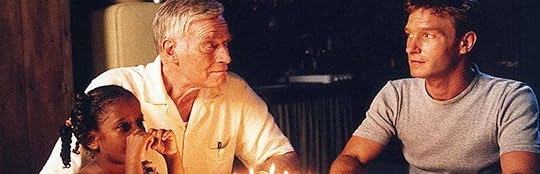
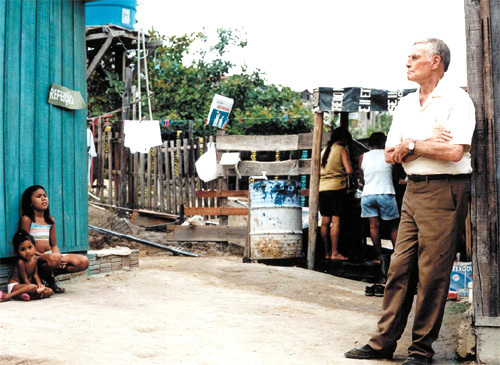
”Papà - Rua Alguem 5555” di Egidio Eronico, tratto dal romanzo di Schneider, dove Charlton Heston è Mengele padre e Thomas Kretschmann Mengele figlio.
La storia di Rolf Mengele, figlio di Joseph Mengele, il dottore torturatore di Auschwitz, quello degli esperimenti di eugenetica su cavie umane, soprattutto bambini, soprattutto se gemelli.
Il padre, ricercato, si nascondeva e proteggeva in Sud America. La sua morte rimane tuttora un mistero.
Il figlio nel 1977 va in Brasile, lo cerca, lo trova.
Vuole chiedergli la domanda delle domande, quella più breve e semplice: Perché?
Ma non ci riesce: rimane qualche giorno insieme al genitore, poi riparte, senza chiedere, senza sapere.
E senza denunciarlo. Il boia chiamato papà rimane libero.

Peter Schneider e Rolf Mengele sono entrambi nati e cresciuti a Friburgo, hanno frequentato le stesse scuole, sono quasi coetanei. Ecco come e perché il giornalista tedesco decide di raccontare questa storia, in prima persona, con uno strano meccanismo di quasi identificazione con Rolf, soggetto-oggetto del racconto.
Poteva trovare la spiegazione il figlio incontrando il padre, avrebbe potuto capire il perché di quell’orrore chiamato Auschwitz?
La Germania intera sembra essere tuttora senza quella risposta.
Così come lo è la Storia.
L’operazione letteraria mi pare poco riuscita: la lingua, o la traduzione, non sono all’altezza del difficile compito. L’invenzione letteraria è artificiosa quando si intreccia incerta con una storia così incandescente.
Il problema maggiore, comunque, è quello d’aver reso Mengele figura tragica e quasi statuaria, invece che meschina e ripugnante quale è stata. Il boia non viene trattato come tale.
Mi è piaciuto decisamente di più il film (italiano!) che ne hanno tratto, con un buon Charlton Heston nella parte di Joseph Mengele, la sua ultima interpretazione prima di morire.
Il film è in qualche modo meno ambiguo del libro: trattandosi di argomento sul quale l’ambiguità è particolarmente grave, non è differenza da poco.
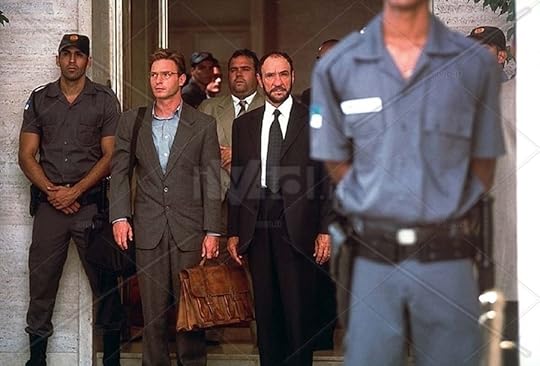
”Papà - Rua Alguem 5555” di Egidio Eronico, tratto dal romanzo di Schneider, dove Charlton Heston è Mengele padre e Thomas Kretschmann Mengele figlio.
La storia di Rolf Mengele, figlio di Joseph Mengele, il dottore torturatore di Auschwitz, quello degli esperimenti di eugenetica su cavie umane, soprattutto bambini, soprattutto se gemelli.
Il padre, ricercato, si nascondeva e proteggeva in Sud America. La sua morte rimane tuttora un mistero.
Il figlio nel 1977 va in Brasile, lo cerca, lo trova.
Vuole chiedergli la domanda delle domande, quella più breve e semplice: Perché?
Ma non ci riesce: rimane qualche giorno insieme al genitore, poi riparte, senza chiedere, senza sapere.
E senza denunciarlo. Il boia chiamato papà rimane libero.
Peter Schneider e Rolf Mengele sono entrambi nati e cresciuti a Friburgo, hanno frequentato le stesse scuole, sono quasi coetanei. Ecco come e perché il giornalista tedesco decide di raccontare questa storia, in prima persona, con uno strano meccanismo di quasi identificazione con Rolf, soggetto-oggetto del racconto.
Poteva trovare la spiegazione il figlio incontrando il padre, avrebbe potuto capire il perché di quell’orrore chiamato Auschwitz?
La Germania intera sembra essere tuttora senza quella risposta.
Così come lo è la Storia.
L’operazione letteraria mi pare poco riuscita: la lingua, o la traduzione, non sono all’altezza del difficile compito. L’invenzione letteraria è artificiosa quando si intreccia incerta con una storia così incandescente.
Il problema maggiore, comunque, è quello d’aver reso Mengele figura tragica e quasi statuaria, invece che meschina e ripugnante quale è stata. Il boia non viene trattato come tale.
Mi è piaciuto decisamente di più il film (italiano!) che ne hanno tratto, con un buon Charlton Heston nella parte di Joseph Mengele, la sua ultima interpretazione prima di morire.
Il film è in qualche modo meno ambiguo del libro: trattandosi di argomento sul quale l’ambiguità è particolarmente grave, non è differenza da poco.

December 24, 2021
Quattro stelle per il tema trattato, la scrittura cosi' "fumosa" non mi e' dispiaciuta, ma ho come l'impressione che uno scrittore piu' bravo potesse farne quasi un capolavoro.

July 10, 2026
Mais do que a angústia e os sentimentos que o Autor revela, face às memórias do pai e ao facto de ser um assassino nazi procurado, foi a parte da floresta que me fará sempre lembrar esta leitura.
O pai, com uma completa ausência de remorsos relativamente ao passado, racionaliza a questão do genocídio.
"Há muito que a evolução já não tinha nada de natural, no sentido darwiniano. Acontecia, com efeito, que as raças dominantes garantiam, desde então, a sobrevivência dos seus inimigos biológicos, enquanto a melhor progénie se agrupava no seio de um escol cada vez mais reduzido. Sem dúvida alguma que o povo híbrido das raças secundárias, protegido da eliminação natural pelas ajudas contra a fome e os programas de desenvolvimento, poderia ser considerado o vencedor da evolução - não devido a uma real superioridade genética, mas por causa de um dever cumprido unilateralmente pela raça branca, em nome de ideais culturais errados."
Ora, a nossa sociedade faz isto mesmo.
Dá cuidados de saúde a quem está doente, subsistência a quem não se pode valer, ajuda a quem passa por uma crise.
Será contraracional a nossa humanidade?
E ele continua...
"As ciências naturais modernas conduziram a um beco sem saída o homem deste século. Ou ele desenvolve finalmente um sistema de valores que corresponda às leis conhecidas da biologia da hereditariedade, ou será triturado por essas leis."
Dá que pensar.
E concordo com a sua reflexão "Os maiores crimes são cometidos em nome de uma ideia".
Creio que a acusação encenada e feita à rapariga que penhorou a máquina de escrever pretende mesmo expor a fragilidade da situação do ser humano.
O pai, com uma completa ausência de remorsos relativamente ao passado, racionaliza a questão do genocídio.
"Há muito que a evolução já não tinha nada de natural, no sentido darwiniano. Acontecia, com efeito, que as raças dominantes garantiam, desde então, a sobrevivência dos seus inimigos biológicos, enquanto a melhor progénie se agrupava no seio de um escol cada vez mais reduzido. Sem dúvida alguma que o povo híbrido das raças secundárias, protegido da eliminação natural pelas ajudas contra a fome e os programas de desenvolvimento, poderia ser considerado o vencedor da evolução - não devido a uma real superioridade genética, mas por causa de um dever cumprido unilateralmente pela raça branca, em nome de ideais culturais errados."
Ora, a nossa sociedade faz isto mesmo.
Dá cuidados de saúde a quem está doente, subsistência a quem não se pode valer, ajuda a quem passa por uma crise.
Será contraracional a nossa humanidade?
E ele continua...
"As ciências naturais modernas conduziram a um beco sem saída o homem deste século. Ou ele desenvolve finalmente um sistema de valores que corresponda às leis conhecidas da biologia da hereditariedade, ou será triturado por essas leis."
Dá que pensar.
E concordo com a sua reflexão "Os maiores crimes são cometidos em nome de uma ideia".
Creio que a acusação encenada e feita à rapariga que penhorou a máquina de escrever pretende mesmo expor a fragilidade da situação do ser humano.

January 17, 2021
etwas kurz aber interessant, andere perspektiven über bekanntes thema, wirkt echt, aber irgendwas fehlt
December 28, 2025
I liked the book,it was a little confusing at times...but a little too short and it felt like something was missing.

February 1, 2008
I would love to own this book. Although it is fiction, it engaged me so much that I wasn't sure if it was based on Schneider's life or really just fiction well written. I found the son's struggle to know what to think of his father and how to feel about him to be reminiscent of sentiments of some actual children of Nazi criminals that I've read.

September 18, 2011
Short novella about an adult's relationship to an SS officer father. Most of the action takes place in Brazil, where the son goes to meet the father in secret. More about the son than the father; interesting but not particularly gripping.
Displaying 1 - 7 of 7 reviews