

What do you think?

Sloboština Barbie
Godine Mašina odrastanja bile su vrijeme kada su se rušila carstva. Tako bi se to reklo u bajkama i historiografskim analizama. Ustvari, bilo je to vrijeme rata u Hrvatskoj, vrijeme 1991. O tom olovnom i herojskom vremenu, kada su i voditelji televizijskoga dnevnika govorili malo glasnije, da ih se čuje i bez mikrofona, puno se toga pričalo i svjedočilo, ali zapravo i nije bilo knjiga iz kojih bi se moglo saznati kako je to zapravo bilo. Eto, recimo, u Novom Zagrebu, u Sloboštini. Ovo je knjiga i o tome, ispričana tako pametno i dobro da će na nekim mjestima čitatelj osjetiti silan ponos, jer će pomisliti da to on priča, a ne Maša. A onda, kad dođe sebi, shvatit će da i nema većeg komplimenta jednoj knjizi pisanoj s kraja djetinjstva.
Za urednike ženskih, obiteljskih i senzacionalističkih magazina, ovo je knjiga o Barbie generaciji, koja još pamti Jugoslaviju i socijalizam, ali je stvarno odrastala i formirala svoje stavove i interese u devedesetima. To je i zadnja generacija koja se sasvim ozbiljno igrala lutkama. Kasnije su prevladale igračke na struju, raspala se obitelj kao temeljna ćelija društva i dječje igre, lutke su postale neuvjerljive kao što su, nekoliko desetljeća ranije, neuvjerljive postale bajke.
Pritom, tu ekipu koja Mašu bude čitala u Barbie ključu unaprijed bi trebalo upozoriti kako ovo nije nikakva laka literatura, premda se vrlo lako čita. Teška je kao onaj jednonogi olovni vojnik H. C. Andersena. To nije ni ženska literatura, premda ćete teško naći ženskije od nje i premda su rod i spol u ovoj knjizi važni onoliko koliko su važni i u dječjim igrama. Dakle, ništa od toga ne može ni biti važnije. Ovo nije ni literatura koja bi vas na bilo koji način mogla relaksirati ili osloboditi, ili vam učiniti ono što vam čine knjige s najistaknutijih polica u knjižarama. „Sloboština Barbie" strašna je, smiješna i mračna kao djetinjstvo. Ona je posljednje djetinjstvo u Jugoslaviji i prvo u Hrvatskoj. (Miljenko Jergović)
Za urednike ženskih, obiteljskih i senzacionalističkih magazina, ovo je knjiga o Barbie generaciji, koja još pamti Jugoslaviju i socijalizam, ali je stvarno odrastala i formirala svoje stavove i interese u devedesetima. To je i zadnja generacija koja se sasvim ozbiljno igrala lutkama. Kasnije su prevladale igračke na struju, raspala se obitelj kao temeljna ćelija društva i dječje igre, lutke su postale neuvjerljive kao što su, nekoliko desetljeća ranije, neuvjerljive postale bajke.
Pritom, tu ekipu koja Mašu bude čitala u Barbie ključu unaprijed bi trebalo upozoriti kako ovo nije nikakva laka literatura, premda se vrlo lako čita. Teška je kao onaj jednonogi olovni vojnik H. C. Andersena. To nije ni ženska literatura, premda ćete teško naći ženskije od nje i premda su rod i spol u ovoj knjizi važni onoliko koliko su važni i u dječjim igrama. Dakle, ništa od toga ne može ni biti važnije. Ovo nije ni literatura koja bi vas na bilo koji način mogla relaksirati ili osloboditi, ili vam učiniti ono što vam čine knjige s najistaknutijih polica u knjižarama. „Sloboština Barbie" strašna je, smiješna i mračna kao djetinjstvo. Ona je posljednje djetinjstvo u Jugoslaviji i prvo u Hrvatskoj. (Miljenko Jergović)
143 pages, Hardcover
First published January 28, 2025
About the author
Maša Kolanović
14 books71 followersGraduated Croatian language and comparative literature.
Ratings & Reviews
Friends & Following
Create a free account to discover what your friends think of this book!
Community Reviews
Displaying 1 - 30 of 74 reviews

February 14, 2024
Ova knjiga ne bi bila moj prvi izbor, ali na moje veliko veselje bila je prva knjiga novoosnovanog književnog kluba u gradiću gdje jesam.
Maša je nepogrešivo evidentirala odrastanje naše generacije 90-ih (osobno bih voljela manje Kajfezovih dogodovština).
Knjiga je posveta jednom dobu koje sam ja zapravo potisnula. Posveta njezinoj (a samim time i mojoj) generaciji koja je teško došla do pravih barbika i kojoj je rat poremetio odrastanje. Naravno, nama u ZG-u, u puno manjoj mjeri nego našim vršnjacima koji su bili u ratom pogođenim područjima.
Odmah na početku odlično je opisala koje su sve promjene nastupile u hrvatskom društvu početkom devedesetih i to je uistinu bilo tako. Roman, kao i mi, svjedoči prelasku socijalizma u ne baš najspretniji oblik kapitalizma – Maša to radi duhovito i dobro:
“- Časna nam je rekla da se moramo igrati s izbjeglicama!
Nećemo se igrati s izbjeglicama!
Ali časna je rekla!
Lažeš!
Časna pionirska!”
Sve to, uslijed uzbuna i rata, ispričano kroz igru barbikama, očima i jezikom djevojčice.
Rat je prikazan kao okolnost – stalno prisutan, kroz vijesti, reportere, pjesme, govore predsjednika Tuđmana, PAD Vukovara, PAZI MINE. Okolnost koja nam se, kao i pjesma Moja domovina, urezala u pamćenje (koliko god smo pokušali potisnuti).
Kada bismo pokušali staviti ovaj roman u žanr, onda pričamo o kombinaciji fikcije i autobiografije. Dokumentarističkom romanu. Ratnom romanu. Ženskom pismu. Dječjem romanu, a ima i elemente stvarnosne proze.
Zanimljivo je bilo koliko je ta jedna jedina lutka – barbika, al’ ona prava – bila predmet želje, nešto nedostižno, nešto što ti osigurava status u društvu. Isključivo je dolazila iz tada, mnogima dalekog, “inozemstva”, pa tko nije imao tetu, strinu, barbu ili slično, teško da ju je dobio.
Ilustracije u knjizi crtala je Maša – moram priznati da joj jako dobro ide i cijela knjiga s njima ima taj jedan luckasti ton.
Također, Maša namjerno ima infantilni ton i jezik… a opet vješto izbjegava banalnost. Iako mi je na momente već bilo dosta Kajfeza i njegovih dogodovština i više bih voljela još opisa stvarnosti iz te dječje perspektive.
Odrastanje između uzbuna, igra na podu, na šahtovima, nesmetano igranje pored izmeta miševa i štakora.
Kako bi vi reagirali da vam dijete jede sige koje se stvaraju ispod automobila?! Da, toga je bilo u skloništima, podrumima gdje smo se skrivali za vrijeme uzbuna.
Lucidan je to roman, koji dotiče i sve ove teme i atmosfere istovremeno: pop kulturu, Dinastiju, Twin Peaks, uzbune i opće opasnosti, obavijesti, Guns N’ Roses, Lino-ladu, gumi-gumi…
Koliko danas cure/žene nalikuju jedna na drugu baš kao barbike – mogli bismo reći čak da su Barbie lutke “kamilica” naspram trendova u 2023./24.
I za kraj, citirala bih Miljenka Jergovića: “Ovo nije literatura koja bi vas na bilo koji način mogla relaksirati ili osloboditi, ili vam učiniti ono što vam čine knjige s najistaknutijih polica u knjižarama. Sloboština Barbie strašna je, smiješna i mračna kao djetinjstvo.
Ona je posljednje djetinjstvo u Jugoslaviji i prvo u Hrvatskoj.”
Maša je nepogrešivo evidentirala odrastanje naše generacije 90-ih (osobno bih voljela manje Kajfezovih dogodovština).
Knjiga je posveta jednom dobu koje sam ja zapravo potisnula. Posveta njezinoj (a samim time i mojoj) generaciji koja je teško došla do pravih barbika i kojoj je rat poremetio odrastanje. Naravno, nama u ZG-u, u puno manjoj mjeri nego našim vršnjacima koji su bili u ratom pogođenim područjima.
Odmah na početku odlično je opisala koje su sve promjene nastupile u hrvatskom društvu početkom devedesetih i to je uistinu bilo tako. Roman, kao i mi, svjedoči prelasku socijalizma u ne baš najspretniji oblik kapitalizma – Maša to radi duhovito i dobro:
“- Časna nam je rekla da se moramo igrati s izbjeglicama!
Nećemo se igrati s izbjeglicama!
Ali časna je rekla!
Lažeš!
Časna pionirska!”
Sve to, uslijed uzbuna i rata, ispričano kroz igru barbikama, očima i jezikom djevojčice.
Rat je prikazan kao okolnost – stalno prisutan, kroz vijesti, reportere, pjesme, govore predsjednika Tuđmana, PAD Vukovara, PAZI MINE. Okolnost koja nam se, kao i pjesma Moja domovina, urezala u pamćenje (koliko god smo pokušali potisnuti).
Kada bismo pokušali staviti ovaj roman u žanr, onda pričamo o kombinaciji fikcije i autobiografije. Dokumentarističkom romanu. Ratnom romanu. Ženskom pismu. Dječjem romanu, a ima i elemente stvarnosne proze.
Zanimljivo je bilo koliko je ta jedna jedina lutka – barbika, al’ ona prava – bila predmet želje, nešto nedostižno, nešto što ti osigurava status u društvu. Isključivo je dolazila iz tada, mnogima dalekog, “inozemstva”, pa tko nije imao tetu, strinu, barbu ili slično, teško da ju je dobio.
Ilustracije u knjizi crtala je Maša – moram priznati da joj jako dobro ide i cijela knjiga s njima ima taj jedan luckasti ton.
Također, Maša namjerno ima infantilni ton i jezik… a opet vješto izbjegava banalnost. Iako mi je na momente već bilo dosta Kajfeza i njegovih dogodovština i više bih voljela još opisa stvarnosti iz te dječje perspektive.
Odrastanje između uzbuna, igra na podu, na šahtovima, nesmetano igranje pored izmeta miševa i štakora.
Kako bi vi reagirali da vam dijete jede sige koje se stvaraju ispod automobila?! Da, toga je bilo u skloništima, podrumima gdje smo se skrivali za vrijeme uzbuna.
Lucidan je to roman, koji dotiče i sve ove teme i atmosfere istovremeno: pop kulturu, Dinastiju, Twin Peaks, uzbune i opće opasnosti, obavijesti, Guns N’ Roses, Lino-ladu, gumi-gumi…
Koliko danas cure/žene nalikuju jedna na drugu baš kao barbike – mogli bismo reći čak da su Barbie lutke “kamilica” naspram trendova u 2023./24.
I za kraj, citirala bih Miljenka Jergovića: “Ovo nije literatura koja bi vas na bilo koji način mogla relaksirati ili osloboditi, ili vam učiniti ono što vam čine knjige s najistaknutijih polica u knjižarama. Sloboština Barbie strašna je, smiješna i mračna kao djetinjstvo.
Ona je posljednje djetinjstvo u Jugoslaviji i prvo u Hrvatskoj.”

February 10, 2025
Should our building be struck by a bomb and reduced to ashes, spewing flames and black smoke, life would still be worth living if my Barbie remained whole, wearing her flashy little pink outfit with its tiny fluorescent lemons, pineapples, and bananas; her pink-and-green watermelon-shaped purse; her sunglasses; and the open-toe heels that completed the look. And, fingers crossed, nothing happened to any member of my immediate family, my distant relatives, or my friends from school and from our building
Jer, ako bomba pogodi baš našu zgradu i sve postane zgarište iz kojeg će mjestimice sukljati vatra i crni dimovi, život neće izgubiti smisao ako čitava ostane moja Barbi u svom kričavo roza kompletiću s malim fluorescentnim limunima, ananasima i bananama, roza-zelenom torbicom u obliku lubenice, sunčanim naočalama te otvorenim štiklicama koje najbolje pristaju uz tu kombinaciju. I ako se, naravno, pri tom ništa loše ne dogodi bilo kojem članu moje obitelji, rodbine i prijatelja iz razreda i ulaza.
Underground Barbie (2025) is Ena Selimovic's translation of Sloboština Barbie (2008) by Maša Kolanović.
It is published by Sandorf Passage (see below), recently longlisted, with The Case of Cem, for the US/Canada version of the Republic of Consciousness Prize for independent presses, and this book is the latest from the Asymptote Book Club, "dedicated to world literature in translation that partners with top independent publishers on both sides of the Atlantic."
The novel is set in the Sloboština area of Zagreb in 1991-2, during the Croatian War of Independence as part of the dissolution of the Yugoslav state.
As the conflict begins, and air raids force their families into basement shelters, the narrator and her friends seek refuge in elaborate games played with their Barbies (themselves a sign of the intrusion of western capitalism into the post-Communist state).
The novel is also infused with popular culture, particularly Croatian pop music, some linked to the war, but also wider pop culture - while the fall of Vukovar captures the adult's attention on the TV news, the children are equally as distracted by the last episodes of Twin Peaks.
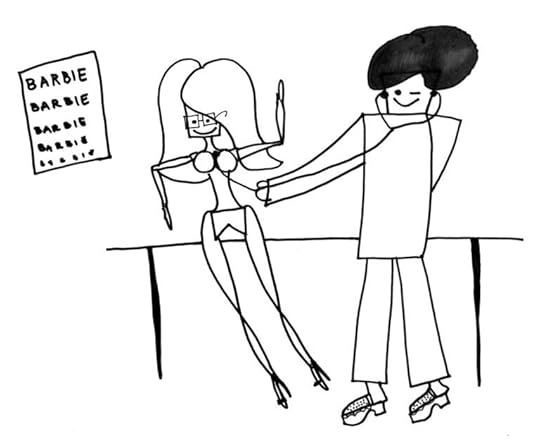
The novel is illustrated with distinctively drawn cartoon images such of this, representing a Barbie and a key character in their games, Dr. Kajfeš, a malformed non-Mattel Ken doll, named after an expert in an anti-snoring aid ad, who plays a somewhat sexualised role in their imagination.
[More can be seen here]
The author drew on Erica Rand’s book Barbie's Queer Accessories as the (mostly) girls subvert the idealised Barbie in their games, rather more so than in the eponymous 2023 movie.
There feels - although references may have evaded me - relatively little correspondence between the ongoing political conflict and their games, although at one point a Presidential election takes place:
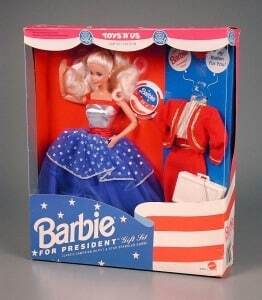
The last round of the presidential elections was in full swing, and both Dea's Barbie and Dr. Kajfeš were running. After divorcing Ana M.'s Ken (who had since become her official bodyguard), Dea's Barbie immediately aimed for the presidency. Although expectations were high that the majority would stand with Kajfeš, who certainly benefited from the prefix appended to his name, the race remained tight, since Dea's Barbie still held the ultimate advantage-she'd acquired a bona fide Presidential Candidate Barbie! Everything happened so fast, and no one could have expected that in the midst of the privations of Barbie products and the general scarcity forcing the people of Croatia to fight for everything they could get their hands on, someone in our building would get a brand-new Barbie! Aside from a specimen or two that came into our possession through humanitarian aid packages (largely courtesy of relatives abroad), getting the genuine Mattel Presidential Candidate Barbie in this situation was a real economic miracle.
And as the war itself starts to fade from prominence, so does the narrator and her friends' interest in their dolls:
How did the war even end? I no longer remember exactly, but gradually the announcements about aerial threats and other dangers in Osijek, Sisak, Sibenik, Zadar, Dubrovnik, Zupanja, Karlovac, and other parts of Our Beautiful Homeland sailed off to the lower left corner of the television screen and never re-turned. And then the Croatian army began entering occupied territories. The Serb Autonomous Region of Krajina eventually disappeared from the map of the Republic of Croatia. One day, the Croatian checkerboard appeared fluttering on top of the Knin fortress, and refugees began returning to their incinerated hearths, while fresh refugees set off in another direction.
For a long time, everywhere you looked, there were signs with skeleton heads accompanied by the words "BEWARE MINES!" and the cities were dotted with projectile holes and roofless houses with blackened facades, while Barbie raked in wealth from her immovable properties- Dream House, Deluxe Dream House, Country Living Home, Dream Cottage, Glamour Home, Magical Mansion-along with her movables - the red Ferrari, Classy Corvette, white Porsche, small pink Mustang, red Jaguar, and pink Volkswagen Bug. The sirens stopped altogether, and school became unfailingly regular. For a little while longer, we continued playing in the basement, and then that too grew old.
The time had come to stop playing with our Barbies.
This was a book that I admired more for the idea than the execution - at time the narrative for me got a little too bogged down in Barbie games and I'd have preferred, if anything, a more heavy-handed political message. But worthwhile - 3.5 stars.
Resources
A 2008 review of the Croatian original in the UK Guardian which concludes "the only thing it urgently needs is a good translator".
A 2019 review by Ena Selimovic - in a feature on "translators on books that should be translated" at Reading in Translation.
An interview of the author by the translator from 2022 in World Literature Today.
The book club introduction/review to Underground Barbie at Asymptote Journal.
The publisher
Sandorf Passage is a 501(c)(3) nonprofit that publishes work that creates a prismatic perspective on what it means to live in a globalized world. It is a home to writing inspired by both conflict zones and the dangers of complacency.
Jer, ako bomba pogodi baš našu zgradu i sve postane zgarište iz kojeg će mjestimice sukljati vatra i crni dimovi, život neće izgubiti smisao ako čitava ostane moja Barbi u svom kričavo roza kompletiću s malim fluorescentnim limunima, ananasima i bananama, roza-zelenom torbicom u obliku lubenice, sunčanim naočalama te otvorenim štiklicama koje najbolje pristaju uz tu kombinaciju. I ako se, naravno, pri tom ništa loše ne dogodi bilo kojem članu moje obitelji, rodbine i prijatelja iz razreda i ulaza.
Underground Barbie (2025) is Ena Selimovic's translation of Sloboština Barbie (2008) by Maša Kolanović.
It is published by Sandorf Passage (see below), recently longlisted, with The Case of Cem, for the US/Canada version of the Republic of Consciousness Prize for independent presses, and this book is the latest from the Asymptote Book Club, "dedicated to world literature in translation that partners with top independent publishers on both sides of the Atlantic."
The novel is set in the Sloboština area of Zagreb in 1991-2, during the Croatian War of Independence as part of the dissolution of the Yugoslav state.
As the conflict begins, and air raids force their families into basement shelters, the narrator and her friends seek refuge in elaborate games played with their Barbies (themselves a sign of the intrusion of western capitalism into the post-Communist state).
The novel is also infused with popular culture, particularly Croatian pop music, some linked to the war, but also wider pop culture - while the fall of Vukovar captures the adult's attention on the TV news, the children are equally as distracted by the last episodes of Twin Peaks.
The novel is illustrated with distinctively drawn cartoon images such of this, representing a Barbie and a key character in their games, Dr. Kajfeš, a malformed non-Mattel Ken doll, named after an expert in an anti-snoring aid ad, who plays a somewhat sexualised role in their imagination.
[More can be seen here]
The author drew on Erica Rand’s book Barbie's Queer Accessories as the (mostly) girls subvert the idealised Barbie in their games, rather more so than in the eponymous 2023 movie.
There feels - although references may have evaded me - relatively little correspondence between the ongoing political conflict and their games, although at one point a Presidential election takes place:
The last round of the presidential elections was in full swing, and both Dea's Barbie and Dr. Kajfeš were running. After divorcing Ana M.'s Ken (who had since become her official bodyguard), Dea's Barbie immediately aimed for the presidency. Although expectations were high that the majority would stand with Kajfeš, who certainly benefited from the prefix appended to his name, the race remained tight, since Dea's Barbie still held the ultimate advantage-she'd acquired a bona fide Presidential Candidate Barbie! Everything happened so fast, and no one could have expected that in the midst of the privations of Barbie products and the general scarcity forcing the people of Croatia to fight for everything they could get their hands on, someone in our building would get a brand-new Barbie! Aside from a specimen or two that came into our possession through humanitarian aid packages (largely courtesy of relatives abroad), getting the genuine Mattel Presidential Candidate Barbie in this situation was a real economic miracle.
And as the war itself starts to fade from prominence, so does the narrator and her friends' interest in their dolls:
How did the war even end? I no longer remember exactly, but gradually the announcements about aerial threats and other dangers in Osijek, Sisak, Sibenik, Zadar, Dubrovnik, Zupanja, Karlovac, and other parts of Our Beautiful Homeland sailed off to the lower left corner of the television screen and never re-turned. And then the Croatian army began entering occupied territories. The Serb Autonomous Region of Krajina eventually disappeared from the map of the Republic of Croatia. One day, the Croatian checkerboard appeared fluttering on top of the Knin fortress, and refugees began returning to their incinerated hearths, while fresh refugees set off in another direction.
For a long time, everywhere you looked, there were signs with skeleton heads accompanied by the words "BEWARE MINES!" and the cities were dotted with projectile holes and roofless houses with blackened facades, while Barbie raked in wealth from her immovable properties- Dream House, Deluxe Dream House, Country Living Home, Dream Cottage, Glamour Home, Magical Mansion-along with her movables - the red Ferrari, Classy Corvette, white Porsche, small pink Mustang, red Jaguar, and pink Volkswagen Bug. The sirens stopped altogether, and school became unfailingly regular. For a little while longer, we continued playing in the basement, and then that too grew old.
The time had come to stop playing with our Barbies.
This was a book that I admired more for the idea than the execution - at time the narrative for me got a little too bogged down in Barbie games and I'd have preferred, if anything, a more heavy-handed political message. But worthwhile - 3.5 stars.
Resources
A 2008 review of the Croatian original in the UK Guardian which concludes "the only thing it urgently needs is a good translator".
A 2019 review by Ena Selimovic - in a feature on "translators on books that should be translated" at Reading in Translation.
An interview of the author by the translator from 2022 in World Literature Today.
The book club introduction/review to Underground Barbie at Asymptote Journal.
The publisher
Sandorf Passage is a 501(c)(3) nonprofit that publishes work that creates a prismatic perspective on what it means to live in a globalized world. It is a home to writing inspired by both conflict zones and the dangers of complacency.

April 15, 2025
This sounded so cool. And as a short story this could have been something. Now it was mostly annoying. I kept on reading because I thought the pay off would be worth it. It was not. I really don't know how to get out of this slump with my around-the-world reads, it's been a very long minute since a new to me country turned out to be a good read for me. Making me wonder if this project's sky has a limit...
I know I am not always a fan of reading from a children's POV, maybe this should have been my first clue that me and "Underground Barbie" wouldn't be friends. But it was hard to resist the title and the concept. Because in theory the idea of portraying a war through the child play that happens while these kids shelter in basements from their town's bombardment sounds kind of fascinating. For me the execution could not deliver though. 80% of this book turned out to be detailed descriptions of the play scenarios and sure, you can see to a degree how the Barbie world which reflects the children's minds shows echoes of the violence and chaos around them. But first of all, this didn't go far enough and was weirdly more sexual than infused with war brutality.... There were so many descriptions of the romantic entanglements these dolls find themselves in, my eyes glossed over. I could not stay invested in reading for pages and pages about what these kids were playing. You don't understand the amount of detail of Barbie playtime! Additionally, there's a lot on these kids obsession with Barbie in general, the different models and accessories and how to get their hands on them residing in an Eastern European country in the 90s that recently became a war zone.
I mean I get what Kolanovic is trying to do here, that Barbie represents the at the time presumed stability and glamour of the USA as opposed to their own existence. That escaping into play is a way of coping. And of course we do get some description of the Yugoslavian War. Picturing this girl trying to save her Barbie as her most priced possession and these children gathering in bunker basements obsessively focusing on their play, that is its own harrowing way of showing how war can affect children even if they make it through comparatively safe and sound. As I said, the idea here has something to it but reading it was torturous. The naive voice over and over again detailing nothing but Barbie was too much. I really expected there to be a moment of awakening to the terrors around her. But the way it ends, as her being the only one of the friend group that even years later, after the war and now entering teenage age, she is still so fixated on this toy. There is no growth, which sure is a statement in itself, how she can't let go of the one thing that helped her make it through. Just that it never reads that way, at no point does this story try to take on a position of reflection. At no point does the MC seems to have an actual emotional response to the war or actually anything that isn't Barbie. At no point does this story dive into its potential.
And let's face it, that we finally see a translation (the original Croation text is from 2008) has more to do with the recent hype around Barbie than there actually being much in here to convey to modern audiences at this point in time. Obviously, just my opinion and I can see how for readers in some form connected to Yugoslavia or the time period some aspects ring stronger. But I honestly can't believe I finished this!
I know I am not always a fan of reading from a children's POV, maybe this should have been my first clue that me and "Underground Barbie" wouldn't be friends. But it was hard to resist the title and the concept. Because in theory the idea of portraying a war through the child play that happens while these kids shelter in basements from their town's bombardment sounds kind of fascinating. For me the execution could not deliver though. 80% of this book turned out to be detailed descriptions of the play scenarios and sure, you can see to a degree how the Barbie world which reflects the children's minds shows echoes of the violence and chaos around them. But first of all, this didn't go far enough and was weirdly more sexual than infused with war brutality.... There were so many descriptions of the romantic entanglements these dolls find themselves in, my eyes glossed over. I could not stay invested in reading for pages and pages about what these kids were playing. You don't understand the amount of detail of Barbie playtime! Additionally, there's a lot on these kids obsession with Barbie in general, the different models and accessories and how to get their hands on them residing in an Eastern European country in the 90s that recently became a war zone.
I mean I get what Kolanovic is trying to do here, that Barbie represents the at the time presumed stability and glamour of the USA as opposed to their own existence. That escaping into play is a way of coping. And of course we do get some description of the Yugoslavian War. Picturing this girl trying to save her Barbie as her most priced possession and these children gathering in bunker basements obsessively focusing on their play, that is its own harrowing way of showing how war can affect children even if they make it through comparatively safe and sound. As I said, the idea here has something to it but reading it was torturous. The naive voice over and over again detailing nothing but Barbie was too much. I really expected there to be a moment of awakening to the terrors around her. But the way it ends, as her being the only one of the friend group that even years later, after the war and now entering teenage age, she is still so fixated on this toy. There is no growth, which sure is a statement in itself, how she can't let go of the one thing that helped her make it through. Just that it never reads that way, at no point does this story try to take on a position of reflection. At no point does the MC seems to have an actual emotional response to the war or actually anything that isn't Barbie. At no point does this story dive into its potential.
And let's face it, that we finally see a translation (the original Croation text is from 2008) has more to do with the recent hype around Barbie than there actually being much in here to convey to modern audiences at this point in time. Obviously, just my opinion and I can see how for readers in some form connected to Yugoslavia or the time period some aspects ring stronger. But I honestly can't believe I finished this!

December 13, 2022
Drugačije, kreativnije i zanimljivije od svih knjiga ratne tematike koje sam pročitala. Dokaz da je dječja mašta izlaz i spas za teške životne prilike kao što je rat. Na zanimljiv i humorističan način, kroz igru s barbikama, obiteljske odnose i druženjem sa susjedima, prikazno je ratno djetinjstvo i odrastanje, ali i čitav jedan sustav vrijednosti koji se mjenjao.
Sjajan prikaz ratnog djetinjstva koje nije samo crnilo jer kroz dječju maštu to ne može ni biti. Šteta što nema više knjiga ratne tematike kroz realne prikaze svakodnevnog života iz perspekrive djeteta.
Sjajan prikaz ratnog djetinjstva koje nije samo crnilo jer kroz dječju maštu to ne može ni biti. Šteta što nema više knjiga ratne tematike kroz realne prikaze svakodnevnog života iz perspekrive djeteta.
July 11, 2020
Meni još uvijek najdraža Mašina knjiga!
May 7, 2026
This was written specifically for the kids that struggled to let go of playing with barbies. Probably because their version of play was actually a masterclass in storytelling and world building but anyway……… People that didn’t experience that will maybe not appreciate what this book is doing.
The added setting of war-torn Croatia brilliantly nods at how children can be simultaneously oblivious to AND affected by the world they grow up in.
Shoutout to hailey for finding this, reading the premise, and immediately sending it my way. Your hunch that I would love this was spot on!
The added setting of war-torn Croatia brilliantly nods at how children can be simultaneously oblivious to AND affected by the world they grow up in.
Shoutout to hailey for finding this, reading the premise, and immediately sending it my way. Your hunch that I would love this was spot on!
July 7, 2026
3/5
An exploration of the extent to which children perceive and understand the events of the world around them whilst focusing primarily on their own interests and the dramas of being small. Made me feel nostalgic for the complex plot lines that I, too, would create for my Barbies as a kid. The insight into the politics of occupied Croatia was interesting.
The book was altogether too long and the Barbie plot lines unnecessarily drawn-out. Would have worked really well as a short story or a novella.
An exploration of the extent to which children perceive and understand the events of the world around them whilst focusing primarily on their own interests and the dramas of being small. Made me feel nostalgic for the complex plot lines that I, too, would create for my Barbies as a kid. The insight into the politics of occupied Croatia was interesting.
The book was altogether too long and the Barbie plot lines unnecessarily drawn-out. Would have worked really well as a short story or a novella.
August 25, 2025
The author's imaginative play with Barbie was genius!

January 26, 2021
Iako se Mašino i moje rano djetinjstvo nije odvijalo niti u istom desetljeću, toliko je poveznica i sličnosti između naših uspomena;
igranje s Barbikama, skakanje preko gumi-gumija, svađe oko miješanja crnog i bijelog dijela Lino Lade, iščekivanje crtića na televiziji u točno određeno vrijeme. Čitati o tome bilo je poput listanja starog albuma, sve slike su se odmah vratile, žive i jasne.
No ključna razlika naših dječjih dana bio je upravo rat kojeg je Maša odlično uklopila u život djevojčice dovoljno zauzete brigama oko škole i solfeggia te previše okupirane igranjem i sakupljanjem Barbika da bi marila o njemu. Ratna zbivanja za nju su bila samo okolnosti o kojima je ovisilo mjesto i vrijeme igre, vijesti na televiziji i radiju bile su ili smetnja u gledanju serije ili materijal za stvaranje intervjua, a zračna uzbuna značila je neodlazak na sat klavira.
Iako mi je Barbie radnja bila originalna i osvježavajuća, voljela bih da se više razvijala radnja oko same mlade autorice jer se iz njezinih misli, iako u naivnom tonu, moglo najviše saznati o stvarnom stanju. Posebno mi se svidio kraj i doživljaj odrastanja koji je autorica prikazala kao najveću tragediju koja je tada mogla zadesiti dijete. Nespremnost oprostiti se od sigurnog i ugodnog svakako je nešto s čim se svaki čitač može poistovjetiti.
igranje s Barbikama, skakanje preko gumi-gumija, svađe oko miješanja crnog i bijelog dijela Lino Lade, iščekivanje crtića na televiziji u točno određeno vrijeme. Čitati o tome bilo je poput listanja starog albuma, sve slike su se odmah vratile, žive i jasne.
No ključna razlika naših dječjih dana bio je upravo rat kojeg je Maša odlično uklopila u život djevojčice dovoljno zauzete brigama oko škole i solfeggia te previše okupirane igranjem i sakupljanjem Barbika da bi marila o njemu. Ratna zbivanja za nju su bila samo okolnosti o kojima je ovisilo mjesto i vrijeme igre, vijesti na televiziji i radiju bile su ili smetnja u gledanju serije ili materijal za stvaranje intervjua, a zračna uzbuna značila je neodlazak na sat klavira.
Iako mi je Barbie radnja bila originalna i osvježavajuća, voljela bih da se više razvijala radnja oko same mlade autorice jer se iz njezinih misli, iako u naivnom tonu, moglo najviše saznati o stvarnom stanju. Posebno mi se svidio kraj i doživljaj odrastanja koji je autorica prikazala kao najveću tragediju koja je tada mogla zadesiti dijete. Nespremnost oprostiti se od sigurnog i ugodnog svakako je nešto s čim se svaki čitač može poistovjetiti.
March 13, 2021
Sjajna knjiga, dječji te humor lako nasmije, a i ova knjiga vraća u djetinjstvo, osobito djevojčice. Iako nije svačije djetinjstvo bilo tako, usudila bih se reći idilično kao ono spisateljice, sigurno se svatko može sjetiti barem jednog lijepog trenutka, a za djecu ti trenutci često uključuju igračke. Osim humora i vraćanja u djetinjstvo, ova knjiga ipak ima i dublju poruku, katkada je kroz život Barbie, komada plastike na štiklama vrlo zorno dočarana današnja, u nekim stvarima doista površna stvarnost za koju je konzumerizam, ružičasta boja, posvećenost vanjskom izgledu do mjere kad to prelazi granicu dobrog ukusa, ali i pojednostavljivanje i banaliziranje svega, zaista često.

November 2, 2022
U početku mi knjiga je bila odlična, ali posle nekog vremena sam imala utisak da se balon malo izduvao. Iako kratka, na momente mi je bila duga i repetitivna, i Barbie priče su pomalo izgubile oštrinu koju su imale na početku.

February 7, 2025
Big points for creativity, because I don't think I've ever read another book like this one. It centers around children in Croatia during the Yugoslav Wars, but it portrays them as their own small community, trying to create normalcy in the midst of a warzone. As they play with Barbies and other toys in their apartment building's basement during air raids, the storylines become increasingly strange as the outside world seeps into their games. This struck me as very realistic, in a way, because I remember kids doing that when I was little, too (not war, but drama they'd witnessed, hurts they'd suffered, ways adults had exerted control over them, and so on).
I wish there had been a little more of their real lives mixed into the Barbie storylines for balance, because there are times it's nothing but toy drama for a long stretch, but it wasn't a huge issue for me. Picturing kids acting out some of these stories was both really funny and really sad, which made the book stick with me after finishing it as I tried to figure it out. If you like something a little unusual, give it a go.
I wish there had been a little more of their real lives mixed into the Barbie storylines for balance, because there are times it's nothing but toy drama for a long stretch, but it wasn't a huge issue for me. Picturing kids acting out some of these stories was both really funny and really sad, which made the book stick with me after finishing it as I tried to figure it out. If you like something a little unusual, give it a go.

January 24, 2026
I saw the author do a live reading of the first chapter, and was moved by the subject.
This book was, in a word, unexpected. Admittedly, I don’t know much about the day-to-day experience in the Yugoslavian war, nor a whole lot about Barbies. I got the chance to see the conflict through the eyes of a child - child, who played with toys every day, and like me, only really had space for the game.
As far as the story, I got a bit distracted by the depth of the Barbie game, and I really appreciated when there would be clear interruptions of what was happening in the real world. I actually found it very impactful, as I could really imagine the way the war, the mines, the conflict, generally were present, and only noticeable when something changed.
As a takeaway: for better or worse, humans will adapt. We get used to things quickly. Before you’d know it, you incorporate an air raid siren into a Barbie game, a minefield becomes an obstacle course, ruins become a playground, politics simply become content for satire.
This book was, in a word, unexpected. Admittedly, I don’t know much about the day-to-day experience in the Yugoslavian war, nor a whole lot about Barbies. I got the chance to see the conflict through the eyes of a child - child, who played with toys every day, and like me, only really had space for the game.
As far as the story, I got a bit distracted by the depth of the Barbie game, and I really appreciated when there would be clear interruptions of what was happening in the real world. I actually found it very impactful, as I could really imagine the way the war, the mines, the conflict, generally were present, and only noticeable when something changed.
As a takeaway: for better or worse, humans will adapt. We get used to things quickly. Before you’d know it, you incorporate an air raid siren into a Barbie game, a minefield becomes an obstacle course, ruins become a playground, politics simply become content for satire.

June 4, 2025
2.25/5
This was my fault for not fully understanding what the book was really going to be about. Initially picking this up I thought it would follow the personal lives of the characters and how it impacted the way they play throughout the Yugoslav Wars. However, this was more so a retelling of the stories they came up with for their barbies with some of the real world bleeding through. I did enjoy feeling nostalgic about playing with barbies as a kid and just how your imagination is truly the limit. I can also see how barbies are a stand in for the Western World bleeding into Croatia during this time and the role the main, charismatic, knock-off doll Dr. Kajifeš plays. I overall did like the concept, but towards the end the stories did start to get a bit tedious to get through. Luckily this is a fairly short book and I think many other people may be able to connect with this story much better than I could.
This was my fault for not fully understanding what the book was really going to be about. Initially picking this up I thought it would follow the personal lives of the characters and how it impacted the way they play throughout the Yugoslav Wars. However, this was more so a retelling of the stories they came up with for their barbies with some of the real world bleeding through. I did enjoy feeling nostalgic about playing with barbies as a kid and just how your imagination is truly the limit. I can also see how barbies are a stand in for the Western World bleeding into Croatia during this time and the role the main, charismatic, knock-off doll Dr. Kajifeš plays. I overall did like the concept, but towards the end the stories did start to get a bit tedious to get through. Luckily this is a fairly short book and I think many other people may be able to connect with this story much better than I could.
February 18, 2025
Thisn is the story of a young girl who collects Barbie dolls in the 1990s war in Zagreb, then Yugoslavia, playing make-believe games with them with her friends in the basement of the family's apartment building underground, while above, a Croatia on the cusp of change indirectly takes shape in bits and pieces.
To the adults, the war means sirens, air-raids, the ongoing sense of danger, a chaotic takeover of the present. But for these children it is a time of no school, and a freedom of responsibilities. The young girl's parents prepare for impending disaster while she packs her Barbie's away carefully in a child's suitcase.
Coming of age during wartime is far from being a new topic for a novel, and this falls into the middle ground of neither being dark nor humorous, and though it relates events from a child's eye well, there isn't enough to the plot or the contrast between play and war to make it memorable.
To the adults, the war means sirens, air-raids, the ongoing sense of danger, a chaotic takeover of the present. But for these children it is a time of no school, and a freedom of responsibilities. The young girl's parents prepare for impending disaster while she packs her Barbie's away carefully in a child's suitcase.
Coming of age during wartime is far from being a new topic for a novel, and this falls into the middle ground of neither being dark nor humorous, and though it relates events from a child's eye well, there isn't enough to the plot or the contrast between play and war to make it memorable.

April 6, 2025
This was a really clever book, using the Croatian War for Independence as the backdrop for a series of vignettes following some seriously creative Barbie players. I loved how the exploits of the dolls (and the kids who played with them) we always at the forefront, but the realities of living through the war broke through via newscasts, radio broadcasts, newspapers, and more that seeped into the storylines.
Read
August 5, 2025Spletom okolnosti čitala sam ovo na engleskom, što naravno nema smisla, no eto.
Vrlo zanimljiv prikaz, očima djeteta, razdoblja kojeg se ni ne mogu sjećati. Vjerujem da bi bilo vrlo blisko onima nešto starijima od mene, a meni je bilo kroz Kinder Ladu i Barbie svijet.
Vrlo zanimljiv prikaz, očima djeteta, razdoblja kojeg se ni ne mogu sjećati. Vjerujem da bi bilo vrlo blisko onima nešto starijima od mene, a meni je bilo kroz Kinder Ladu i Barbie svijet.
June 25, 2022
Stilski lijepo, atmosferom uvjerljivo, fabulom ispodprosječno.

October 5, 2026
For all the feral weird girls and their tribes. Here’s to the days of dramatic, angsty, trauma filled adventures we had without leaving the safety of our bedrooms.
November 29, 2024
(2.5???) honestly not sure how to rate this- i don’t really know about the revolution so i’m not sure that i appreciated it as much as people who do. i’m not a big fan of slice of life books and i didn’t really care for the intricate stories of the barbie characters - but the actual human beings and their relationship to the revolution i found compelling. also some weird assault narratives with the dolls that the kids were creating?? weirded me out tbh

March 13, 2022
Ovom knjigom autorica ispisuje memoarsku prozu vlastitog djetinjstva. A njeno djetinjstvo desilo se u specifičnom pola-pola razdoblju. Rođena i odrastala u jugoslavenskom, socijalističkom društvu, negdje oko Mašine jedanaeste godine naglo nastupa prijelaz u ratno razdoblje obojeno bojama hrvatske šahovnice, te put prema konzumerističkom društvu.
Iako se sve vrti oko djece iz nebodera i susjedstva te njihove glavne igre – igre s barbie lutkama, ovo nije knjiga o veselom djetinjstvu.
Kao čitatelj smatram da Maša Kolanović na jedan suptilan način priča priču o djetinjstvu nad koje se nadvije rat, koje ipak nije apsolutno bezbrižno, mada je knjiga ispunjena i dječjim radostima, nepodopštinama i svim ostalim što to doba nosi, velikim dijelom se odvija u podrumu. Ona ne priča patetično ni s opterećenošću tim danima, ali svrha je postignuta: od priče o zvuku aviona do izbjeglica te svakodnevice ispunjene domoljubnim pjesmama koje se čuju na svakom koraku, između ostalog i u dječjoj igri, pa preko barbie lutkica koje su, mada igračke, najveći simboli nadolazećeg vremena. Barbike simboliziraju konzumerizam, koji se galopirajući uvlači u svaku poru društva. Što blještavija, bogatija, osunčanija i ne znam što sve ne, to je jedinka popularnija i bolje prihvaćena. U tom društvu za Barbie Kena zvanog dr. Kajfeš nema mjesta. Jer... dr. Kajfeš je “fejk”, nije bogat, nije uspješan.
Sve to autorica ispisuje na izrazito duhovit način (često humorističan), inteligentno se služeći svim alegorijama koje joj stoje na raspolaganju ukomponirane s realističnim opisima.
Nakon napisanog osvrta bacila sam pogled na mišljenja drugih čitatelja i ostala tužna, te pomalo osupnuta činjenicom koliko ljudi je površno shvatilo ovu fantastičnu knjigu – tek kao knjigu o bezbrižnom odrastanju u jednom od novozagrebačkih kvartova – Sloboštini.
Sam kraj knjige je svojevrstan žal za svršenim djetinjstvom, no simbolizira i kraj rata, a poglavlje se zove “Zbogom Barbie”.
Kao i sve izašlo iz Mašinog pera (radije bih rekla briljantnog uma) preporučujem od srca.
Iako se sve vrti oko djece iz nebodera i susjedstva te njihove glavne igre – igre s barbie lutkama, ovo nije knjiga o veselom djetinjstvu.
Kao čitatelj smatram da Maša Kolanović na jedan suptilan način priča priču o djetinjstvu nad koje se nadvije rat, koje ipak nije apsolutno bezbrižno, mada je knjiga ispunjena i dječjim radostima, nepodopštinama i svim ostalim što to doba nosi, velikim dijelom se odvija u podrumu. Ona ne priča patetično ni s opterećenošću tim danima, ali svrha je postignuta: od priče o zvuku aviona do izbjeglica te svakodnevice ispunjene domoljubnim pjesmama koje se čuju na svakom koraku, između ostalog i u dječjoj igri, pa preko barbie lutkica koje su, mada igračke, najveći simboli nadolazećeg vremena. Barbike simboliziraju konzumerizam, koji se galopirajući uvlači u svaku poru društva. Što blještavija, bogatija, osunčanija i ne znam što sve ne, to je jedinka popularnija i bolje prihvaćena. U tom društvu za Barbie Kena zvanog dr. Kajfeš nema mjesta. Jer... dr. Kajfeš je “fejk”, nije bogat, nije uspješan.
Sve to autorica ispisuje na izrazito duhovit način (često humorističan), inteligentno se služeći svim alegorijama koje joj stoje na raspolaganju ukomponirane s realističnim opisima.
Nakon napisanog osvrta bacila sam pogled na mišljenja drugih čitatelja i ostala tužna, te pomalo osupnuta činjenicom koliko ljudi je površno shvatilo ovu fantastičnu knjigu – tek kao knjigu o bezbrižnom odrastanju u jednom od novozagrebačkih kvartova – Sloboštini.
Sam kraj knjige je svojevrstan žal za svršenim djetinjstvom, no simbolizira i kraj rata, a poglavlje se zove “Zbogom Barbie”.
Kao i sve izašlo iz Mašinog pera (radije bih rekla briljantnog uma) preporučujem od srca.

November 2, 2022
Jako mi se svidjela. Opisani su i dragi dijelovi mog djetinjstva, već sam zaboravila kako se nitko nije bojao nikakve prljavštine, bolesti ili štakora (vjerojatno je to samo u mojoj glavi, drugačije bi reagirala moja mama).
"Imati u ruci Barbikine gole noge bilo je kao držati hladne sige koje smo po zimi znali čupati ispod automobila i cuclati ih, ukoliko nisu bile jako crne od ispušnih plinova."
Isto tako, podsjetilo me na moje Barbike; na moju krasnu Esmeraldu i Afrikanku s pletenicama (dođe mi da pitam mamu gdje li su), na to kako smo bake, mama i ja šivale najbolju obleku, kako je mama sašila najbolje prugaste treger hlače i kako smo mi cure "motivirale" našu braću da nam budu stručni žiri na izboru za Miss.
Autorica je k tome točno i pretočno opisala odrastanje, kako malo pomalo Barbike spremamo u ladice. (sve tamo do kraja osnovne bismo ih ponekad vadile van, kako bismo vježbale šivanje ako ništa).
No, istovremeno je prizvala i zvuk sirena i "breaking news" na TVu, moje prvo sjećanje na Karlovac negdje tamo 1995., znakove "PAZI MINE!" cijelim putem do mora i da tate nije bilo uvijek doma. Ova je priča o ratu za mene relevantnija od mnogih drugih koje sam dosad pročitala.
Inače, prvi put kad sam spoznala da sam odrastala u drugačijem svijetu od mojih "europskih" vršnjaka bilo je kad sam shvatila da oni nisu nikad vidjeli znak "PAZI MINE!"
"Imati u ruci Barbikine gole noge bilo je kao držati hladne sige koje smo po zimi znali čupati ispod automobila i cuclati ih, ukoliko nisu bile jako crne od ispušnih plinova."
Isto tako, podsjetilo me na moje Barbike; na moju krasnu Esmeraldu i Afrikanku s pletenicama (dođe mi da pitam mamu gdje li su), na to kako smo bake, mama i ja šivale najbolju obleku, kako je mama sašila najbolje prugaste treger hlače i kako smo mi cure "motivirale" našu braću da nam budu stručni žiri na izboru za Miss.
Autorica je k tome točno i pretočno opisala odrastanje, kako malo pomalo Barbike spremamo u ladice. (sve tamo do kraja osnovne bismo ih ponekad vadile van, kako bismo vježbale šivanje ako ništa).
No, istovremeno je prizvala i zvuk sirena i "breaking news" na TVu, moje prvo sjećanje na Karlovac negdje tamo 1995., znakove "PAZI MINE!" cijelim putem do mora i da tate nije bilo uvijek doma. Ova je priča o ratu za mene relevantnija od mnogih drugih koje sam dosad pročitala.
Inače, prvi put kad sam spoznala da sam odrastala u drugačijem svijetu od mojih "europskih" vršnjaka bilo je kad sam shvatila da oni nisu nikad vidjeli znak "PAZI MINE!"

December 12, 2022
Ganjam ovih dana literaturu u kojoj ću vidjeti sebe kakvom se sama vidim a ne kakvom me vidi društvo u kojem živim (#representationmatters i ino, jel), i onda se živciram jer mi ni ta literatura nije po ukusu.
Većinom jer - u današnjem izdanju rubrike "stvari koje nikad nisam mislila da ću reći" - previše je barbika a premalo ljudi. Kužim narativni okvir, kužim metaforu, ali prije ili kasnije nas fakat više nije briga za Dr. Kajfeša. Plus, ja jesam tijekom rata bila mlađa i nevinija od klinaca iz knjige, ali malo ipak ~zovem bullshit~ na količinu referenci na svijet oko njih koje se reflektiraju u njihovoj igri. Ponekad su barbike samo barbike, just saying.
Glavna kritika: kako uspiješ napisat knjigu o odrastanju u Zagrebu tijekom devedesetih i nijednom ne spomenut Sanju Doležal?! To samo po sebi je više fejk od Steffi lutki, da ne velim lȕtākā.
PS: Jesam li nakon što sam pročitala ovo otišla ravno na Jutjub i pogledala pet različitih verzija Moje domovine? Dašta da jesam. Jel možemo pliz zastat sa svim ostalim na trenutak i pričat o Terezi, Josipi i Zorici i visokim im notama?
PS2: Jesam li najveća picajzla na svijetu ako primijetim da je Barbina frendica crnkinja Christie a ne Teresa? Jebiga kad je. #sorrynotsorry
Većinom jer - u današnjem izdanju rubrike "stvari koje nikad nisam mislila da ću reći" - previše je barbika a premalo ljudi. Kužim narativni okvir, kužim metaforu, ali prije ili kasnije nas fakat više nije briga za Dr. Kajfeša. Plus, ja jesam tijekom rata bila mlađa i nevinija od klinaca iz knjige, ali malo ipak ~zovem bullshit~ na količinu referenci na svijet oko njih koje se reflektiraju u njihovoj igri. Ponekad su barbike samo barbike, just saying.
Glavna kritika: kako uspiješ napisat knjigu o odrastanju u Zagrebu tijekom devedesetih i nijednom ne spomenut Sanju Doležal?! To samo po sebi je više fejk od Steffi lutki, da ne velim lȕtākā.
PS: Jesam li nakon što sam pročitala ovo otišla ravno na Jutjub i pogledala pet različitih verzija Moje domovine? Dašta da jesam. Jel možemo pliz zastat sa svim ostalim na trenutak i pričat o Terezi, Josipi i Zorici i visokim im notama?
PS2: Jesam li najveća picajzla na svijetu ako primijetim da je Barbina frendica crnkinja Christie a ne Teresa? Jebiga kad je. #sorrynotsorry
August 19, 2015
Otkad se pojavila na tržištu Barbie je najsjajnija zvijezda među dječjim igračkama.
Sporadično zasvijetli kao pojava popularne kulture pa smo prošle godine bili nahajpani oko filma Barbie, a pritom mnoga filmska publika vjerojatno ne zna za postojanje romana Maše Kolanović i istoimene kazališne adaptacije, koju možete gledati u Kunstteatru.
O svemu što je film propustio sagledati i učiniti vezano uz Mattelovu lutku, a Kolanović i predstava čine uspješnije - pogotovo satiričan prikaz društva, glazbena pozadina i dječja igra - razgovarali smo s Mašom Kolanović i Amandom Prenkaj u podcastu: https://youtu.be/r5p6dleqlEU?si=kJgXp....
Sporadično zasvijetli kao pojava popularne kulture pa smo prošle godine bili nahajpani oko filma Barbie, a pritom mnoga filmska publika vjerojatno ne zna za postojanje romana Maše Kolanović i istoimene kazališne adaptacije, koju možete gledati u Kunstteatru.
O svemu što je film propustio sagledati i učiniti vezano uz Mattelovu lutku, a Kolanović i predstava čine uspješnije - pogotovo satiričan prikaz društva, glazbena pozadina i dječja igra - razgovarali smo s Mašom Kolanović i Amandom Prenkaj u podcastu: https://youtu.be/r5p6dleqlEU?si=kJgXp....

May 23, 2025
This book was nostalgic in the way it detailed gathering your Barbies and playing together with your friends, especially the ending when the group disbanded as they had grown up. I’m not sure if I just didn’t get it or if something was lost in translation, but I didn’t really get the purpose. I wanted more of the real-life correlations of a country at war and the escape the Barbies provided these children and less of the play-by-play of what the group had their Barbies doing.

May 22, 2019
Slatka mala priča o zagrebačkom djetinjstvu u ratno doba, kroz koju je na pitak način opisano kako dječja mašta uz par plastičnih igračaka - može svašta. Glavni likovi uz igru nisu niti osjetili ratne nedaće, za koje mi kao odrasli mislimo da ostavljaju veće traume.
Ali dr. Kajfeš, ah dr. Kajfeš, kakav osebujan lik! Bez njega bi čitava priča bila bez veze :)
Ali dr. Kajfeš, ah dr. Kajfeš, kakav osebujan lik! Bez njega bi čitava priča bila bez veze :)
August 3, 2017
Uživala sam čitajući ovu knjigu jer me vratila u djetinjstvo. I ja sam u to vrijeme živjela u Sloboštini pa sam se doslovno mogla uživjeti u cijelu pricu 😊
Pozdrav Masi 🤗
Pozdrav Masi 🤗
January 14, 2021
Sloba do groba :) . Povratak u djetinjstvo u dobru, staru Sloboštinu.

August 22, 2021
Rodila sam se 10 dana nakon što je moja zemlja međunarodno priznata. Što će reći, rođena sam u jeku rata, ali najteže sam godine provela kao nesvjesno dijete te su mi sjećanja na njega uglavnom mutna i ne bolna. Okolnosti su bile takve da ga nisam predirektno osjetila. I Bogu hvala.
Autorica Maša Kolanović nešto je starija od mene, i njezine su uspomene na djetinjstvo ratom "nagnječene".
Sloboština Barbie, kao svojevrstan memoar, pružila mi je uvid u to kako je rat izgledao za civile - kako je bojao i pritiskao svakodnevicu mojih voljenih. Pokazala mi je i onu predivnu izdržljivost i otpornost maloga, svakodnevna čovjeka: Krepat, ma ne molat!
Ali ovo nije samo "ratna knjiga". Možda uopće i nije ratna knjiga.
Ovo je knjiga jednog djetinjstva, i to djetinjstva jedne djevojčice, na čemu sam zahvalna. Osvježavajuće je čitati neglamurizirani prikaz ženskog odrastanja, s luksuznim vilama izgrađenim na kanalizacijskim šahtovima, sa šljokičavo blještavim modnim kreacijama izašlim iz bakine singerice... sva ta ingeniozna rješenja kojima dijete u ratnoj neimaštini šibicama, grijalicama i kutijama za cipele dočarava čaroliju bezbrižnosti života iz američkih prospekta.
Dragocjeno je, jer je sirovo i iskreno. Ne svjedoči o preživljavanju, već o življenju.
Autorica Maša Kolanović nešto je starija od mene, i njezine su uspomene na djetinjstvo ratom "nagnječene".
Sloboština Barbie, kao svojevrstan memoar, pružila mi je uvid u to kako je rat izgledao za civile - kako je bojao i pritiskao svakodnevicu mojih voljenih. Pokazala mi je i onu predivnu izdržljivost i otpornost maloga, svakodnevna čovjeka: Krepat, ma ne molat!
Ali ovo nije samo "ratna knjiga". Možda uopće i nije ratna knjiga.
Ovo je knjiga jednog djetinjstva, i to djetinjstva jedne djevojčice, na čemu sam zahvalna. Osvježavajuće je čitati neglamurizirani prikaz ženskog odrastanja, s luksuznim vilama izgrađenim na kanalizacijskim šahtovima, sa šljokičavo blještavim modnim kreacijama izašlim iz bakine singerice... sva ta ingeniozna rješenja kojima dijete u ratnoj neimaštini šibicama, grijalicama i kutijama za cipele dočarava čaroliju bezbrižnosti života iz američkih prospekta.
Dragocjeno je, jer je sirovo i iskreno. Ne svjedoči o preživljavanju, već o življenju.
June 29, 2026
This is a unique entry into the 'war through children's eyes' genre of books. The central storytelling device is the imaginative play of a group of friends with their Barbie dolls (genuine and Balkan knockoffs) with the Croation War of Independence happening in the background.
The war continually threatens to break through into the imaginary world of the Barbies, but the author makes the decision to only have it bleed through obliquely. I understand why, but the time when the war most imposes itself on the imaginary Barbie world - the Refugee Ball - is my favourite part of the novel. There are hints at the impact the war is having on the children (violence becomes increasingly prevalent in their play across the novel), the Refugee Ball gives the best insight into the trauma and nationalism that has been internalised by the children.
The storytelling through Barbie play is nostalgic and accurate to how I remember playing as a kid. However, staying in their play world means that the reader learns a lot more about the Barbies, Ken, Skipper and the strange Dr Kajfes than they ever do about the humans. For me, it meant that I never felt fully invested in the characters and found myself getting a bit bored with the children's play in some sections. 3/5 (it gets an extra half for the quirky illustration)
The war continually threatens to break through into the imaginary world of the Barbies, but the author makes the decision to only have it bleed through obliquely. I understand why, but the time when the war most imposes itself on the imaginary Barbie world - the Refugee Ball - is my favourite part of the novel. There are hints at the impact the war is having on the children (violence becomes increasingly prevalent in their play across the novel), the Refugee Ball gives the best insight into the trauma and nationalism that has been internalised by the children.
The storytelling through Barbie play is nostalgic and accurate to how I remember playing as a kid. However, staying in their play world means that the reader learns a lot more about the Barbies, Ken, Skipper and the strange Dr Kajfes than they ever do about the humans. For me, it meant that I never felt fully invested in the characters and found myself getting a bit bored with the children's play in some sections. 3/5 (it gets an extra half for the quirky illustration)
Displaying 1 - 30 of 74 reviews