

What do you think?

Loin de Douala
Jean et Simon sauront-ils retrouver Roger? Ce dernier a fui une mère colérique pour courir après son rêve, devenir une star du football. Quitter Douala, passer par le Nigeria pour gagner l’Europe : dans le jargon, on appelle ça boza. Loin de Douala nous entraine au cœur des péripéties initiatiques des deux jeunes garçons vers le nord du Cameroun, région à la nature somptueuse, quoique sinistrée par le groupe Boko Haram. Entre gravité, urgence et légèreté, Max Lobe excelle à restituer les atmosphères qui règnent dans la rue, les trains, les commissariats de police ou les bars mal famés.
224 pages, Pocket Book
First published March 1, 2018
About the author
Max Lobe
14 books12 followersMax Lobe is a Swiss-Cameroonian novelist, short story writer, and poet. In 2017, he received the Ahmadou Kourouma Prize for his novel Confidences about the Cameroon war of independence. He currently lives in Geneva where he founded GenevAfrica, an association that builds bridges between Swiss and African authors.
Ratings & Reviews
Friends & Following
Create a free account to discover what your friends think of this book!
Community Reviews
Displaying 1 - 30 of 65 reviews

November 9, 2025
Un viaje por Camerún
Roger no está; Roger se fue. Roger, como homenaje al legendario futbolista Roger Milla, quien, con sus 40 años, condujo al equipo de Camerún a la Semifinal del Mundial 1982. Va escapando de su madre, y persiguiendo un sueño, ser futbolista profesional en Europa, hacer la boza para cruzar.
.
La madre es ùna evangélica conversa, con esa perspectiva de la religión que diferencia a las personas en "nosotros" los puros, frente a un mundo de pecadores de los cuales hay que protegerse. Y a partir de esta visión ha castigado duramente, desde pequeño a este hijo suyo, tan díscolo y desobediente, lo cual habla bien de la salud mental de Roger.
Ahora que se ha ido, agobiada por la culpa (aún hay esperanza para ella), le pide a Jean, su hijo menor, su bebé, su preferido, más delicado, que vaya a buscarlo, acompañado y custodiado por Simón, su amigo-hermano.
Y así comienza esta historia del viaje, de Douala, la ciudad más poblada, a la capital, Yaúnde, y de ahí en un tren nocturno a Ngaounderé, en el peligroso Norte, al Sahel, al territorio de los crueles terroristas de Boko Haram.
Durante el viaje describe las características y comportamiento de los sureños, gordos y rápidos para el humor, en medio de un país caótico; y de los norteños, fulanis o maghidas, musulmanes y magros. Mientras va definiendo su identidad sexual, a través de los recuerdos nos muestra una radiografía de su familia, el celo religioso, sus culpas y sus enigmas. Y a través de pequeños detalles y peripecias del viaje, también, una radiografía de su país, con sus homogeneidades y diversidades.
A pesar su apariencia simple, una muy buena historia que, con arte, sutileza y pequeñas pinceladas es capaz de producir en el lector una sensación de familaridad, con el lugar y su gente, sin que se vea el artificio.
Una muy buena novela.
He leído este libro en castellano, como Lejos de Duala, Editorial Empatía, que no está en GR.
Max Lobe nació en Duala (o Douala), Camerún en 1986, y reside actualmente en Ginebra, Suiza, desde donde ha organizado un intercambio de escritores entre ambos países.
Roger no está; Roger se fue. Roger, como homenaje al legendario futbolista Roger Milla, quien, con sus 40 años, condujo al equipo de Camerún a la Semifinal del Mundial 1982. Va escapando de su madre, y persiguiendo un sueño, ser futbolista profesional en Europa, hacer la boza para cruzar.
.
La madre es ùna evangélica conversa, con esa perspectiva de la religión que diferencia a las personas en "nosotros" los puros, frente a un mundo de pecadores de los cuales hay que protegerse. Y a partir de esta visión ha castigado duramente, desde pequeño a este hijo suyo, tan díscolo y desobediente, lo cual habla bien de la salud mental de Roger.
Ahora que se ha ido, agobiada por la culpa (aún hay esperanza para ella), le pide a Jean, su hijo menor, su bebé, su preferido, más delicado, que vaya a buscarlo, acompañado y custodiado por Simón, su amigo-hermano.
Y así comienza esta historia del viaje, de Douala, la ciudad más poblada, a la capital, Yaúnde, y de ahí en un tren nocturno a Ngaounderé, en el peligroso Norte, al Sahel, al territorio de los crueles terroristas de Boko Haram.
Durante el viaje describe las características y comportamiento de los sureños, gordos y rápidos para el humor, en medio de un país caótico; y de los norteños, fulanis o maghidas, musulmanes y magros. Mientras va definiendo su identidad sexual, a través de los recuerdos nos muestra una radiografía de su familia, el celo religioso, sus culpas y sus enigmas. Y a través de pequeños detalles y peripecias del viaje, también, una radiografía de su país, con sus homogeneidades y diversidades.
A pesar su apariencia simple, una muy buena historia que, con arte, sutileza y pequeñas pinceladas es capaz de producir en el lector una sensación de familaridad, con el lugar y su gente, sin que se vea el artificio.
Una muy buena novela.
He leído este libro en castellano, como Lejos de Duala, Editorial Empatía, que no está en GR.
Max Lobe nació en Duala (o Douala), Camerún en 1986, y reside actualmente en Ginebra, Suiza, desde donde ha organizado un intercambio de escritores entre ambos países.

Read
November 24, 2021An ARC of the English translation was provided by the publisher via TeenInk in exchange for an honest review. All thoughts and opinions remain my own."
A Long Way from Douala by Max Lobe marketed itself as a coming of age tale focused around grief, self-discovery, and sexuality, when in reality it was a novella with a rather pointless plot that went out of its way to categorize, criticize, and minimize women and LGBTQIA+ individuals. Now I recognize that this was written by an author with a different cultural background, and therefore a different societal outlook, but most of this novella was hard to get through because of the offensive descriptions and crude language.
Women and transgender individuals were constantly villainized because of their physical attributes and called derogatory names. The narrator went out of his way to describe the bodies of women and then equated their physical forms to those of animals or other unseemly metaphors. The female characters were either broken victims of sexual assault viewed as “sullied” and therefore worthless or domineering zealots who existed only to make men suffer.
I do not recall a single chapter that featured a well-rounded female character who wasn’t minimized because of her gender. A Long Way from Douala was difficult to read because of the harsh way women were viewed, which normalized sexism. Again, I understand that this book takes place in a different culture, but women must be treated and viewed as human if progress is ever to be made.
In addition to the prejudice against women in general, A Long Way from Douala crudely targeted transwomen, often creating caricatures of them who existed to make the main character look better. Though this novella claims to be for an LGBTQIA+ audience, the language used to describe these individuals was derogatory and insulting. Jean (the main character) never actually dealt with his own sexuality as the synopsis claimed he would, instead resorting to insulting anyone who had.
Outside of the harmful language, this novella did not have much of a plot. Though there was some aspect of a road trip where Jean looked for his runaway older brother with his childhood friend Simon, the plot was all over the place and lacked action. Randomly, the narrative would jump back in time to describe some event that happened a decade earlier before returning to the initial timeline. Additionally, none of the characters were interesting, and most lacked depth. I did appreciate the glimpse at Cameroonian culture and I may have actually enjoyed this book if the author had described locations instead of spending time insulting women.
Overall, A Long Way from Douala is not a book I would ever recommend. Diverse perspectives are crucial to building literature, but that diversity should never come at the cost of perpetuating harmful depictions of women and LGBTQ+ individuals.
A Long Way from Douala by Max Lobe marketed itself as a coming of age tale focused around grief, self-discovery, and sexuality, when in reality it was a novella with a rather pointless plot that went out of its way to categorize, criticize, and minimize women and LGBTQIA+ individuals. Now I recognize that this was written by an author with a different cultural background, and therefore a different societal outlook, but most of this novella was hard to get through because of the offensive descriptions and crude language.
Women and transgender individuals were constantly villainized because of their physical attributes and called derogatory names. The narrator went out of his way to describe the bodies of women and then equated their physical forms to those of animals or other unseemly metaphors. The female characters were either broken victims of sexual assault viewed as “sullied” and therefore worthless or domineering zealots who existed only to make men suffer.
I do not recall a single chapter that featured a well-rounded female character who wasn’t minimized because of her gender. A Long Way from Douala was difficult to read because of the harsh way women were viewed, which normalized sexism. Again, I understand that this book takes place in a different culture, but women must be treated and viewed as human if progress is ever to be made.
In addition to the prejudice against women in general, A Long Way from Douala crudely targeted transwomen, often creating caricatures of them who existed to make the main character look better. Though this novella claims to be for an LGBTQIA+ audience, the language used to describe these individuals was derogatory and insulting. Jean (the main character) never actually dealt with his own sexuality as the synopsis claimed he would, instead resorting to insulting anyone who had.
Outside of the harmful language, this novella did not have much of a plot. Though there was some aspect of a road trip where Jean looked for his runaway older brother with his childhood friend Simon, the plot was all over the place and lacked action. Randomly, the narrative would jump back in time to describe some event that happened a decade earlier before returning to the initial timeline. Additionally, none of the characters were interesting, and most lacked depth. I did appreciate the glimpse at Cameroonian culture and I may have actually enjoyed this book if the author had described locations instead of spending time insulting women.
Overall, A Long Way from Douala is not a book I would ever recommend. Diverse perspectives are crucial to building literature, but that diversity should never come at the cost of perpetuating harmful depictions of women and LGBTQ+ individuals.

November 28, 2022
A road trip through Cameroon to find a brother who has run away to play soccer in Europe. The death of their father is the catalyst for Roger's flight from home where his mother has been taking out her frustrations on him for years. Jean and Simon, best friends, set off in pursuit from Douala to the north of Cameroon where Boko Haram has recently started incursions. Along the way they meet a memorable cast of characters and get to know themselves. Beautifully translated and a lovely short read. Highly recommend.

August 31, 2021
I'm glad I read A Long Way from Douala, but much of that reading was an "almost" experience. The relationship between main characters almost reached a point of new understanding. I was almost able to relax enough to laugh at the moments of humor, despite the implicit threats the main characters face. Lobe almost offered a glimpse of queer life‚or the lack thereof—in Cameroon. There's almost resolution at the end, but the narrative mostly peters out.
Seeing this slice of life in Cameroon was interesting. The use of dialect was excellent. I just wish there had been something more in addition.
I received a free electronic review copy of this title from the publisher via Edelweiss; the opinions are my own.
Seeing this slice of life in Cameroon was interesting. The use of dialect was excellent. I just wish there had been something more in addition.
I received a free electronic review copy of this title from the publisher via Edelweiss; the opinions are my own.

February 28, 2021
A short novel set in CAMEROON
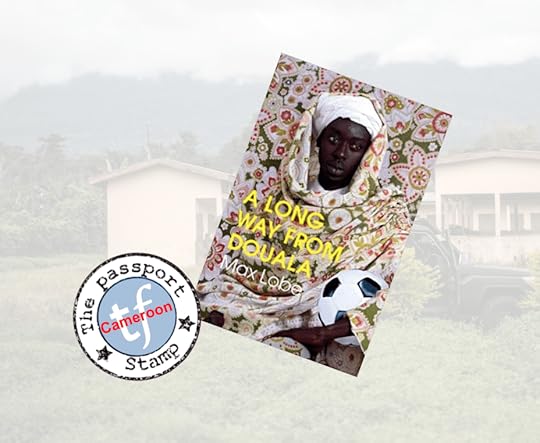
After reading this short novel, I feel I have peeked into a new and very different culture through the eyes of author Max Lobe (a story which is beautifully brought to life in the capable hands of translator Ros Schwartz).
At the heart of the story is an odyssey through the country from Douala in the South towards the northern cities. Choupi’s father has just died, his mother is distraught and Choupi’s brother Roger, a football fanatic, gets wound up by thoughts of sibling rivalry and a troubled relationship with his mother. One day he disappears and it is clear he has set off on a journey northwards, spurred on by the hope – the fantasy – of playing for one of the big football teams in Europe. He will probably head for Nigeria to attempt boza, which is the word used by West African migrants when they reach European soil.
This is Choupi’s story: he teams up with neighbourhood friend Simon and together they undertake an extraordinary journey through the country in search of Roger.
This is a gentle narrative, which certainly doesn’t gloss over the hardships and poverty in the country. Bus journeys are recounted with great aplomb and acuity, and at one point Simon almost misses the bus at one stop as he goes in search of grilled caterpillars (yes, to eat). There are taxis and trains to ferry them northwards, people to encounter and a trail to follow that often goes cold. Bubbling away in the background are the terrorist manoeuvrings of Boko Haram, which overshadow everyday life, and gradually, as the two spend more time together, there is a growing intimacy as they plough onwards.
This coming-of-age novel is oftentimes a heartening, entertaining story, written in beautiful prose, with a variety of richly defined characters that add so much colour, edginess and interest to the narrative. You will certainly get a flavour of the country and geography of Cameroon if you read this novel. And loving the cover!
After reading this short novel, I feel I have peeked into a new and very different culture through the eyes of author Max Lobe (a story which is beautifully brought to life in the capable hands of translator Ros Schwartz).
At the heart of the story is an odyssey through the country from Douala in the South towards the northern cities. Choupi’s father has just died, his mother is distraught and Choupi’s brother Roger, a football fanatic, gets wound up by thoughts of sibling rivalry and a troubled relationship with his mother. One day he disappears and it is clear he has set off on a journey northwards, spurred on by the hope – the fantasy – of playing for one of the big football teams in Europe. He will probably head for Nigeria to attempt boza, which is the word used by West African migrants when they reach European soil.
This is Choupi’s story: he teams up with neighbourhood friend Simon and together they undertake an extraordinary journey through the country in search of Roger.
This is a gentle narrative, which certainly doesn’t gloss over the hardships and poverty in the country. Bus journeys are recounted with great aplomb and acuity, and at one point Simon almost misses the bus at one stop as he goes in search of grilled caterpillars (yes, to eat). There are taxis and trains to ferry them northwards, people to encounter and a trail to follow that often goes cold. Bubbling away in the background are the terrorist manoeuvrings of Boko Haram, which overshadow everyday life, and gradually, as the two spend more time together, there is a growing intimacy as they plough onwards.
This coming-of-age novel is oftentimes a heartening, entertaining story, written in beautiful prose, with a variety of richly defined characters that add so much colour, edginess and interest to the narrative. You will certainly get a flavour of the country and geography of Cameroon if you read this novel. And loving the cover!

July 10, 2021
Thanks to Teen Ink and the publisher for providing me with an ARC in exchange for an honest review.
With A Long Way from Douala, Max Lobe pulls the reader into life in Cameroon, both everyday and otherwise, through the story of one young man searching for his missing brother. After a heated argument, Jean’s brother runs away from home on boza, a search for fame and success in Europe. Jean sets out with childhood friend Simon to trace his brother’s footsteps and bring him home before it’s too late, but the truths he finds about his brother, his home, and himself are not what he expected. A strange mix of irreverent adventures and weighty discussion of terrorism and prejudice, A Long Way from Douala provides readers with a vivid impression of a place they may know little about and weaves a charming coming-of-age story.
One of the book’s strongest elements is the sense of place the reader feels in every scene and character in the novel, and for someone who began the book without much knowledge of Cameroon, it served as an interesting glimpse into life there. The book’s plot revolves around the idea of boza, a frequently dangerous and even more frequently unsuccessful bid for prosperity and success in Europe. It was fascinating to see how much of an influence this had on culture in Cameroon, and the specific impact it could have on one family. Another key point in book is the effect of Boko Haram terrorism on life there, and the extent to which it is covered up in more urban areas away from the fighting to shield people from the grim reality. I really liked the way the author wove together Jean’s physical journey to find his brother with the way that venturing away from his home city in the south meant leaving the cocoon of safe fantasies enjoyed in Douala about the threat of Boko Haram. The novel covers many irreverent adventures, but it is certainly a journey that changes him.
The different relationships in the book were also quite well written, and they captured a complexity that made them feel realistic and satisfying. Although it takes a while to see the depth of these relationships, those between Jean and his brother and his brother and his mother especially were very human – not exactly good, not exactly healthy, but always human and always something that felt too nuanced to put into a box.
However, it also felt like the author could have done more with these relationships, especially with regards to the ending, which was quite abrupt. Jean’s relationship with his brother, his mother’s relationship with his brother, and Jean’s relationship with Simon all felt like they needed two or three more chapters to resolve in a satisfying way. Instead, I found myself turning the page expecting these chapters and finding only the acknowledgements, which was especially disappointing at a point where I had really been drawn in to the outcomes of these dynamics between characters.
Likewise, while many of the characters were quite complex and dynamic, some were surprisingly weaker. The narrator in particular took a very passive role in his own story, so much so that other characters call him out on it. This can certainly be done well and used as a device to make a point, but in this case I just couldn’t convince myself that I felt that intention behind Jean’s character.
Despite the at times clashing tones and unused potential of characters and relationships, A Long Way from Douala is an interesting story of adventure and self-discovery with a strong sense of place that will be enjoyed by readers looking for a window into life in Cameroon.
With A Long Way from Douala, Max Lobe pulls the reader into life in Cameroon, both everyday and otherwise, through the story of one young man searching for his missing brother. After a heated argument, Jean’s brother runs away from home on boza, a search for fame and success in Europe. Jean sets out with childhood friend Simon to trace his brother’s footsteps and bring him home before it’s too late, but the truths he finds about his brother, his home, and himself are not what he expected. A strange mix of irreverent adventures and weighty discussion of terrorism and prejudice, A Long Way from Douala provides readers with a vivid impression of a place they may know little about and weaves a charming coming-of-age story.
One of the book’s strongest elements is the sense of place the reader feels in every scene and character in the novel, and for someone who began the book without much knowledge of Cameroon, it served as an interesting glimpse into life there. The book’s plot revolves around the idea of boza, a frequently dangerous and even more frequently unsuccessful bid for prosperity and success in Europe. It was fascinating to see how much of an influence this had on culture in Cameroon, and the specific impact it could have on one family. Another key point in book is the effect of Boko Haram terrorism on life there, and the extent to which it is covered up in more urban areas away from the fighting to shield people from the grim reality. I really liked the way the author wove together Jean’s physical journey to find his brother with the way that venturing away from his home city in the south meant leaving the cocoon of safe fantasies enjoyed in Douala about the threat of Boko Haram. The novel covers many irreverent adventures, but it is certainly a journey that changes him.
The different relationships in the book were also quite well written, and they captured a complexity that made them feel realistic and satisfying. Although it takes a while to see the depth of these relationships, those between Jean and his brother and his brother and his mother especially were very human – not exactly good, not exactly healthy, but always human and always something that felt too nuanced to put into a box.
However, it also felt like the author could have done more with these relationships, especially with regards to the ending, which was quite abrupt. Jean’s relationship with his brother, his mother’s relationship with his brother, and Jean’s relationship with Simon all felt like they needed two or three more chapters to resolve in a satisfying way. Instead, I found myself turning the page expecting these chapters and finding only the acknowledgements, which was especially disappointing at a point where I had really been drawn in to the outcomes of these dynamics between characters.
Likewise, while many of the characters were quite complex and dynamic, some were surprisingly weaker. The narrator in particular took a very passive role in his own story, so much so that other characters call him out on it. This can certainly be done well and used as a device to make a point, but in this case I just couldn’t convince myself that I felt that intention behind Jean’s character.
Despite the at times clashing tones and unused potential of characters and relationships, A Long Way from Douala is an interesting story of adventure and self-discovery with a strong sense of place that will be enjoyed by readers looking for a window into life in Cameroon.
August 17, 2023
Something completely disappointing, filled with derogatory biases that made reading this feel entirely counterproductive to my time.
Lobe really should have addressed his religious biases before picking up a pen. Reducing Islam to something both alien in concept, and aggressive and violent in nature, is not only harmful but felt pointless within the book. A novel about finding family should not have constantly derailed into harmful stereotypes.
Whether it was Jean or Lobe’s own biases within the book, the presentation of religion as something so obviously one-sided and negative is just unneeded. Perpetuating false narratives surrounding religion is just adding fuel to an already hatred-filled fire. So disappointing and reductive.
The use of transphobic slurs was also entirely unnecessary. Not only was the trans woman mocked by Jean, the narrator, she was also used as a tool to further drive the ‘untrustworthy’ nature that trans people are often labelled with. I was left feeling most sympathetic towards her in the entire book, despite knowing that was clearly not the aim.
Jean as a character was also utterly unlikeable. Considering his struggles with homosexuality in a strict Christian household, there really was a chance for an insightful and in-depth exploration into his identity. Instead, Jean attacks in a misogynist manner towards any woman Simon interacts with, leaving me feeling unsympathetic towards him.
There is so much that could have been done with this narrative, so many aspects that could have been explored in such a cohesive and interesting way. Perhaps the purpose was to leave with a disdain towards Jean. If so, Lobe achieved greatly. However, the lacklustre outcome of the book was entirely a let down for me to read.
Lobe really should have addressed his religious biases before picking up a pen. Reducing Islam to something both alien in concept, and aggressive and violent in nature, is not only harmful but felt pointless within the book. A novel about finding family should not have constantly derailed into harmful stereotypes.
Whether it was Jean or Lobe’s own biases within the book, the presentation of religion as something so obviously one-sided and negative is just unneeded. Perpetuating false narratives surrounding religion is just adding fuel to an already hatred-filled fire. So disappointing and reductive.
The use of transphobic slurs was also entirely unnecessary. Not only was the trans woman mocked by Jean, the narrator, she was also used as a tool to further drive the ‘untrustworthy’ nature that trans people are often labelled with. I was left feeling most sympathetic towards her in the entire book, despite knowing that was clearly not the aim.
Jean as a character was also utterly unlikeable. Considering his struggles with homosexuality in a strict Christian household, there really was a chance for an insightful and in-depth exploration into his identity. Instead, Jean attacks in a misogynist manner towards any woman Simon interacts with, leaving me feeling unsympathetic towards him.
There is so much that could have been done with this narrative, so many aspects that could have been explored in such a cohesive and interesting way. Perhaps the purpose was to leave with a disdain towards Jean. If so, Lobe achieved greatly. However, the lacklustre outcome of the book was entirely a let down for me to read.
This entire review has been hidden because of spoilers.
September 25, 2021
After the death of his father, Roger goes on a treacherous journey to follow his dream of playing soccer in Europe. The story revolves around his brother, Jean, and Roger's best friend, Simon, as they try to catch up with Roger to ask that he return to his home. During the journey, Jean deals with his homosexually very superficially. Cameroon, its land and cultural descriptions, is richly portrayed. The role of evangelical, pentecostal religion, as well as the Moslem religion in family life is illustrated. With Boka Harum in the north, the journey is made all the more dangerous. I found the ending to be not at all satisfying.
Thanks to Edelweiss for this ebook in exchange for an unbiased review.
Thanks to Edelweiss for this ebook in exchange for an unbiased review.

February 16, 2023
I’ve never read a book that ended on the most unsatisfactory cliff hanger before this one.
Being from Cameroon, I was really interested in reading from a Cameroonian author I had never heard of before. This book to me was a satirical way of exposing the ridiculousness of the Cameroonian way of living, as well as the exploitation and abuse Cameroonians turn to for remedy as opposed to fostering real change. The underlying nod at the rejection of any sexual orientation other than heterosexual was also very loud. Especially when it seems that the main characters may very well have similar longings and yet a deep hatred for those desires.
I am giving this book a 3 stars because to me it did not add anything to the conversation about what is wrong with Cameroon. It seemed like a recollection of a wild story someone lived, but without any kind of interesting ending. This was more an overall critique of a regime than anything else. I know it’s supposed to be a fictional book, but it seemed to be very light on the fiction.
I would have loved to get more of Roger’s side. What did he go through? Why did he convert? How were his few days in the North that seemed to be so different and at the antipodes of Douala? I think that would’ve added to the story a lot.
I also believe that anyone picking this book up should get it in the French translation if possible, because I really think a lot of the authors “voice” was lost in translation. Overall, a very easy, one seating read!
Being from Cameroon, I was really interested in reading from a Cameroonian author I had never heard of before. This book to me was a satirical way of exposing the ridiculousness of the Cameroonian way of living, as well as the exploitation and abuse Cameroonians turn to for remedy as opposed to fostering real change. The underlying nod at the rejection of any sexual orientation other than heterosexual was also very loud. Especially when it seems that the main characters may very well have similar longings and yet a deep hatred for those desires.
I am giving this book a 3 stars because to me it did not add anything to the conversation about what is wrong with Cameroon. It seemed like a recollection of a wild story someone lived, but without any kind of interesting ending. This was more an overall critique of a regime than anything else. I know it’s supposed to be a fictional book, but it seemed to be very light on the fiction.
I would have loved to get more of Roger’s side. What did he go through? Why did he convert? How were his few days in the North that seemed to be so different and at the antipodes of Douala? I think that would’ve added to the story a lot.
I also believe that anyone picking this book up should get it in the French translation if possible, because I really think a lot of the authors “voice” was lost in translation. Overall, a very easy, one seating read!

Read
March 21, 2024I don't think I liked this book. I've let it sit for a bit, so I can think it over, and it just really didn't work for me. Maybe it's the translation, maybe it's something cultural that I just was not getting. I'm choosing to not leave a star rating, because I don't want to do that to a queer African authored book that doesn't have many reviews.
On the back of the book it mentions it being hilariously funny (or something like that), which I didn't find at all. There were perhaps bits that were humerous, but overall I found the parts that I believe were meant to be funny to actually be quite problematic. The book is rife with Islamophobia, which felt quite gross to read, and while that may be a cultural thing, it's still not okay (I have no idea if that is a cultural thing or not in Cameroon?). There was also a lot of sexism and some transphobia, which were also quite gross to read. I found it surprising to find these negative attitudes towards so many other marginalized groups within this book.
There were aspects of the book that I found quite interesting, but I don't think I would recommend it. Though, it is likely one of, if not the only, book that is representing queer folk in Cameroon.
On the back of the book it mentions it being hilariously funny (or something like that), which I didn't find at all. There were perhaps bits that were humerous, but overall I found the parts that I believe were meant to be funny to actually be quite problematic. The book is rife with Islamophobia, which felt quite gross to read, and while that may be a cultural thing, it's still not okay (I have no idea if that is a cultural thing or not in Cameroon?). There was also a lot of sexism and some transphobia, which were also quite gross to read. I found it surprising to find these negative attitudes towards so many other marginalized groups within this book.
There were aspects of the book that I found quite interesting, but I don't think I would recommend it. Though, it is likely one of, if not the only, book that is representing queer folk in Cameroon.

September 8, 2019
3.5 la fin est trop brusque, précipitée...j'aurais aimé une conversation complete entre Ngonda et Johny, un éclaircissement entre Johny et Simon et un nouveau départ au retour à Yaoundé et tout cela ne demandait que 30 pages de plus.

February 22, 2026
I have to shout out Other Press for the consistently awesome book covers. I often DO judge a book by its cover and end up reading a fair amount from OP. Really lovely cover.
A poignant story about discovery- two friends (a brother and a close family friend) go in pursuit of the runaway brother who has dreams of playing soccer professionally or at least finding something else better than life in Cameroon. The little choupi is on an internal journey as he discovers his love and sexual interest in his friend who does not reciprocate.
As they journey about Cameroon in bars, bus stations and markets they discover a country that lives in a fear of religious fanatics and the harsh reality of life. The story is joyful, but it always feels like at any minute things can go horribly wrong, by chance. Roger discovers religion, the journeymen discover you can work hard and try and still fail.
I enjoyed the prose, it floats about and mixes cultures and realities. It’s a nice story, a quick read.
I have some cultural questions and really wish I knew more about African city life. Seems like a totally distinct world from what I’ve ever seen or experienced.
A poignant story about discovery- two friends (a brother and a close family friend) go in pursuit of the runaway brother who has dreams of playing soccer professionally or at least finding something else better than life in Cameroon. The little choupi is on an internal journey as he discovers his love and sexual interest in his friend who does not reciprocate.
As they journey about Cameroon in bars, bus stations and markets they discover a country that lives in a fear of religious fanatics and the harsh reality of life. The story is joyful, but it always feels like at any minute things can go horribly wrong, by chance. Roger discovers religion, the journeymen discover you can work hard and try and still fail.
I enjoyed the prose, it floats about and mixes cultures and realities. It’s a nice story, a quick read.
I have some cultural questions and really wish I knew more about African city life. Seems like a totally distinct world from what I’ve ever seen or experienced.

March 5, 2021
This was another first, having not read anything by this author before. The cover caught my eye before the synopsis - it's a beauty!
This was a short read coming in at around 180 pages. I loved the glossary at the back explaining the meanings of Cameroonian words.
Told from the point of view of Jean, a young man from Douala and his search for his older brother Roger, who ran away not long after the death of their father. Roger keen to follow his dreams of being a famous footballer. Jean is his mother's favourite, her 'Choupi', and she sends him and his friend Simon to search for Roger.
The story is the road trip search through Cameroon. Their adventures told through short chapters of the ups and downs of life, family struggles, day to day life in Cameroon, all under the threat of Boko Haram terrorist attacks and all the while trying Jean is trying to find his identity.
It wasn't a heavy read, it's told in a light way and highly enjoyable.
🌟🌟🌟. 5 /5
This was a short read coming in at around 180 pages. I loved the glossary at the back explaining the meanings of Cameroonian words.
Told from the point of view of Jean, a young man from Douala and his search for his older brother Roger, who ran away not long after the death of their father. Roger keen to follow his dreams of being a famous footballer. Jean is his mother's favourite, her 'Choupi', and she sends him and his friend Simon to search for Roger.
The story is the road trip search through Cameroon. Their adventures told through short chapters of the ups and downs of life, family struggles, day to day life in Cameroon, all under the threat of Boko Haram terrorist attacks and all the while trying Jean is trying to find his identity.
It wasn't a heavy read, it's told in a light way and highly enjoyable.
🌟🌟🌟. 5 /5
March 2, 2021
Some events happen for a reason. Some incidents turn your life around to such an extent that all your beliefs are shattered. The very idea of your existence becomes questionable and you forget who you are.
'A Long Way from Douala' is a story set in Cameroon, of two brothers (by bond) searching for another brother across the country after a series of unfortunate events led to him leaving the house. Satirical and at the same time revelating, various brutal aspects were pointed out which were in poor taste but made the book all the more interesting.
Revolving around the male-centric ideal, the book doesn't really talk about much hard-pressed issues. Infact, it can be taken as a light read just for the family drama, picking apart the problematic aspects. The writing style was outstanding and the story was way too relatable for a teenager.
'A Long Way from Douala' is a story set in Cameroon, of two brothers (by bond) searching for another brother across the country after a series of unfortunate events led to him leaving the house. Satirical and at the same time revelating, various brutal aspects were pointed out which were in poor taste but made the book all the more interesting.
Revolving around the male-centric ideal, the book doesn't really talk about much hard-pressed issues. Infact, it can be taken as a light read just for the family drama, picking apart the problematic aspects. The writing style was outstanding and the story was way too relatable for a teenager.

January 7, 2022
A gently written story with unexpectedly big themes.
May 30, 2021
I was gripped from beginning to end. I loved the voice and tone of the narrator, and found him instantly likable and relatable. I read this short novel in two days, and would definitely recommend it.
October 8, 2021
~Thank you to Teen Ink, who provided me with this ARC in exchange for an honest review~
A promising coming-of-age tale of grief, class and finding yourself in a country that no longer feels like home that's unfortunately undermined by a passive narrator, poorly-developed romance, offensive, derogatory language towards cis and trans women and an underwhelming, unsatisfying ending.
You can read my full review here: https://www.teenink.com/reviews/hot_n...
A promising coming-of-age tale of grief, class and finding yourself in a country that no longer feels like home that's unfortunately undermined by a passive narrator, poorly-developed romance, offensive, derogatory language towards cis and trans women and an underwhelming, unsatisfying ending.
You can read my full review here: https://www.teenink.com/reviews/hot_n...

June 5, 2024
The White man says that all roads lead to Rome, doesn't he? So let people choose their road.
A bit of a strange one, this. I liked the idea of the plot - it's essentially a road trip novel through Cameroon, with a young boy and his friend on a mission to retrieve the protagonist's brother, who's run away from home and intends to go to Europe to follow his football dreams - but the execution was very odd.
The relationship between the boy, Jean, and his friend, Simon, is quite unevenly drawn. They go from being besties one moment, borderline homoerotic, and then the next moment, Simon is screaming blue murder at Jean and calling him homophobic slurs. I didn't get much of a sense of Jean's yearning for Simon, even though he explicitly tells us that he's in love with him. I wonder how much of this is a translation issue, and how much might be due to the relatively short length of the book; it's under 200 pages, and has a lot of emotional ground to cover, so it's perhaps unsurprising that it's a little thinly spread.
There was lots to like here - the colourful characters that Jean and Simon encounter, the rich vignettes into life in Cameroon, the wry observations about migration and colonialism - but I couldn't quite get past the way it's written, plus a quite disturbing amount of misogyny and transphobia. The use of the t-slur is pretty heavy, and every single woman Jean meets is either described as a bitch or a whore, or reduced derogatively to the size of her buttocks. I find this casual, unchecked misogyny (and transmisogyny) can be common in some novels by gay men, and I don't care for it at all. It's almost as though a certain type of gay man thinks that, by virtue of not being attracted to women, he has carte blanche to just hate them instead, and that this is somehow justified by being of a marginalised sexuality. It ain't. You see it a lot in queer spaces, and I wish people called it out more often.
Overall, an interesting read, but not one I'd rush to recommend or reread.
A bit of a strange one, this. I liked the idea of the plot - it's essentially a road trip novel through Cameroon, with a young boy and his friend on a mission to retrieve the protagonist's brother, who's run away from home and intends to go to Europe to follow his football dreams - but the execution was very odd.
The relationship between the boy, Jean, and his friend, Simon, is quite unevenly drawn. They go from being besties one moment, borderline homoerotic, and then the next moment, Simon is screaming blue murder at Jean and calling him homophobic slurs. I didn't get much of a sense of Jean's yearning for Simon, even though he explicitly tells us that he's in love with him. I wonder how much of this is a translation issue, and how much might be due to the relatively short length of the book; it's under 200 pages, and has a lot of emotional ground to cover, so it's perhaps unsurprising that it's a little thinly spread.
There was lots to like here - the colourful characters that Jean and Simon encounter, the rich vignettes into life in Cameroon, the wry observations about migration and colonialism - but I couldn't quite get past the way it's written, plus a quite disturbing amount of misogyny and transphobia. The use of the t-slur is pretty heavy, and every single woman Jean meets is either described as a bitch or a whore, or reduced derogatively to the size of her buttocks. I find this casual, unchecked misogyny (and transmisogyny) can be common in some novels by gay men, and I don't care for it at all. It's almost as though a certain type of gay man thinks that, by virtue of not being attracted to women, he has carte blanche to just hate them instead, and that this is somehow justified by being of a marginalised sexuality. It ain't. You see it a lot in queer spaces, and I wish people called it out more often.
Overall, an interesting read, but not one I'd rush to recommend or reread.

March 26, 2021
After the death of their father, Choupi's older brother, Roger, runs away in search of fame as a football player in Europe.
Their mother is devastated and so Choupi and his friend Simon set off to find the missing Roger. But it's been a month already and terrorist attacks in the north are dominating the news.
With few clues to start with, the two take a winding path through Camaroon that leads to potential disaster around every corner!
Max Lobe's English debut is a coming-of-age road trip story of (mis)adventure!
With short chapters and plenty of humor, Lobe tackles some otherwise very heavy topics! As mentioned above, there's the ever looming threat of terrorist attacks, which causes Choupi understandable anxiety! That dark atmosphere combined with the grief felt by the family, as well as Choupi's own questions about identity could have weighed the book down. I believe, though, that Lobe's intention was not only to illustrate a sort of average guy story, but to give readers who aren't familiar with Camaroon a chance to see that—in general—the lives of the people living there aren't that different from their own.
The story bounces around in time as Choupi reminisces about various instances that have led to the journey. Through his eyes, we see the strained family dynamic—Choupi is his mother's favorite and Roger's own hopes and dreams of being a football star aren't exactly supported. Indeed, tension between Choupi and Roger comes to a head before Roger leaves.
I'll admit that going into this story I knew absolutely nothing about Camaroon. I also wasn't really sure what to expect out of this one except that the description included the quote, "Through a series of joyful sparky vignettes, Cameroon life is revealed in all its ups and downs." I have to say that I agree wholeheartedly! This book, even with all of the various issues wrapped up in the thread of the search for Roger, does remain overall light. And clocking in at just about 200 pages, it's an incredibly easy read as well!
Their mother is devastated and so Choupi and his friend Simon set off to find the missing Roger. But it's been a month already and terrorist attacks in the north are dominating the news.
With few clues to start with, the two take a winding path through Camaroon that leads to potential disaster around every corner!
Max Lobe's English debut is a coming-of-age road trip story of (mis)adventure!
With short chapters and plenty of humor, Lobe tackles some otherwise very heavy topics! As mentioned above, there's the ever looming threat of terrorist attacks, which causes Choupi understandable anxiety! That dark atmosphere combined with the grief felt by the family, as well as Choupi's own questions about identity could have weighed the book down. I believe, though, that Lobe's intention was not only to illustrate a sort of average guy story, but to give readers who aren't familiar with Camaroon a chance to see that—in general—the lives of the people living there aren't that different from their own.
The story bounces around in time as Choupi reminisces about various instances that have led to the journey. Through his eyes, we see the strained family dynamic—Choupi is his mother's favorite and Roger's own hopes and dreams of being a football star aren't exactly supported. Indeed, tension between Choupi and Roger comes to a head before Roger leaves.
I'll admit that going into this story I knew absolutely nothing about Camaroon. I also wasn't really sure what to expect out of this one except that the description included the quote, "Through a series of joyful sparky vignettes, Cameroon life is revealed in all its ups and downs." I have to say that I agree wholeheartedly! This book, even with all of the various issues wrapped up in the thread of the search for Roger, does remain overall light. And clocking in at just about 200 pages, it's an incredibly easy read as well!

January 22, 2021
𝑺𝒆𝒕 𝒊𝒏 𝑪𝒂𝒎𝒆𝒓𝒐𝒐𝒏, 𝑪𝒉𝒐𝒖𝒑𝒊 𝒂𝒏𝒅 𝒉𝒊𝒔 𝒇𝒓𝒊𝒆𝒏𝒅 𝑺𝒊𝒎𝒐𝒏 𝒕𝒓𝒂𝒗𝒆𝒍 𝒏𝒐𝒓𝒕𝒉 𝒊𝒏 𝒔𝒆𝒂𝒓𝒄𝒉 𝒐𝒇 𝒉𝒊𝒔 𝒃𝒓𝒐𝒕𝒉𝒆𝒓 𝑹𝒐𝒈𝒆𝒓, 𝒘𝒉𝒐 𝒉𝒂𝒔 𝒅𝒊𝒔𝒂𝒑𝒑𝒆𝒂𝒓𝒆𝒅 𝒂𝒇𝒕𝒆𝒓 𝒕𝒉𝒆𝒊𝒓 𝒇𝒂𝒕𝒉𝒆𝒓𝒔 𝒇𝒖𝒏𝒆𝒓𝒂𝒍 𝒂𝒏𝒅 𝒊𝒔 𝒔𝒆𝒆𝒌𝒊𝒏𝒈 𝒇𝒐𝒐𝒕𝒃𝒂𝒍𝒍 𝒇𝒂𝒎𝒆 𝒊𝒏 𝑬𝒖𝒓𝒐𝒑𝒆 𝒍𝒊𝒌𝒆 𝒉𝒊𝒔 𝒉𝒆𝒓𝒐 𝑹𝒐𝒈𝒆𝒓 𝑴𝒊𝒍𝒍𝒂. 𝑰𝒕 𝒏𝒆𝒂𝒓𝒍𝒚 𝒆𝒏𝒅𝒔 𝒊𝒏 𝒅𝒊𝒔𝒂𝒔𝒕𝒆𝒓 𝒓𝒊𝒈𝒉𝒕 𝒂𝒕 𝒕𝒉𝒆 𝒇𝒊𝒓𝒔𝒕 𝒃𝒖𝒔 𝒔𝒕𝒐𝒑 𝒘𝒉𝒆𝒏 𝑺𝒊𝒎𝒐𝒏 𝒈𝒐𝒆𝒔 𝒘𝒂𝒏𝒅𝒆𝒓𝒊𝒏𝒈 𝒐𝒇𝒇 𝒊𝒏 𝒔𝒆𝒂𝒓𝒄𝒉 𝒐𝒇 𝑮𝒓𝒊𝒍𝒍𝒆𝒅 𝒄𝒂𝒕𝒆𝒓𝒑𝒊𝒍𝒍𝒂𝒓𝒔. 𝑨𝒕 𝒕𝒉𝒆 𝒑𝒐𝒍𝒊𝒄𝒆 𝒔𝒕𝒂𝒕𝒊𝒐𝒏 𝒕𝒉𝒆 𝒍𝒐𝒄𝒂𝒍 𝒄𝒐𝒑 𝒕𝒆𝒍𝒍𝒔 𝒕𝒉𝒆𝒎 𝒕𝒉𝒂𝒕 𝒂 𝒇𝒆𝒄𝒌𝒍𝒆𝒔𝒔 𝒃𝒐𝒛𝒂 𝒘𝒉𝒐 𝒘𝒂𝒏𝒕𝒔 𝒕𝒐 𝒈𝒐 𝒕𝒐 𝑬𝒖𝒓𝒐𝒑𝒆 𝒊𝒔 𝒏𝒐𝒕 𝒘𝒐𝒓𝒕𝒉 𝒕𝒉𝒆 𝒆𝒇𝒇𝒐𝒓𝒕 𝒂𝒏𝒅 𝒕𝒉𝒆𝒊𝒓 𝒎𝒐𝒕𝒉𝒆𝒓 𝒔𝒉𝒐𝒖𝒍𝒅 𝒑𝒍𝒆𝒂𝒔𝒖𝒓𝒆 𝒕𝒉𝒆 𝒑𝒐𝒍𝒊𝒄𝒆 𝒄𝒉𝒊𝒆𝒇 𝒊𝒇 𝒔𝒉𝒆 𝒘𝒂𝒏𝒕𝒔 𝒉𝒆𝒍𝒑!
The story is told in a series of vignettes and as we follow Choupi and Simon on a bit of a classic road trip, we learn more about them, their family and relationships, some told in flashback. This is a wonderful piece of writing, rich and descriptive, you can smell and taste Cameroonian life. It comes with a little glossary of Camfranglais expressions which I referred to and made me laugh out loud at times such as Tourne-dos; a roadside restaurant where you eat with your back turned to the road - this image this created in my mind really made me smile.
It is light in tone and humorous but does not shy away from the realities of life in Cameroon covering hard hitting issues - Boko Harum raids, migration, homosexuality and violence.
I felt quite sorry for Choupi with his burgeoning love for Simon and the worry he has about being found out. He is very naive in many ways but has a determination to carry on and try to find his brother.
I was shocked at the need of many to travel through real danger in search of a better life and it has raised my awareness of the issues many face. Although it tackles tough subjects, it is done in a way that is easy to understand with love and heart.
The best way to describe my reading experience is that I was reading in glorious Technicolour.
I just adored this book, the best things come in small packages but I do wish it had been longer!
A strong 4.5🌟
The story is told in a series of vignettes and as we follow Choupi and Simon on a bit of a classic road trip, we learn more about them, their family and relationships, some told in flashback. This is a wonderful piece of writing, rich and descriptive, you can smell and taste Cameroonian life. It comes with a little glossary of Camfranglais expressions which I referred to and made me laugh out loud at times such as Tourne-dos; a roadside restaurant where you eat with your back turned to the road - this image this created in my mind really made me smile.
It is light in tone and humorous but does not shy away from the realities of life in Cameroon covering hard hitting issues - Boko Harum raids, migration, homosexuality and violence.
I felt quite sorry for Choupi with his burgeoning love for Simon and the worry he has about being found out. He is very naive in many ways but has a determination to carry on and try to find his brother.
I was shocked at the need of many to travel through real danger in search of a better life and it has raised my awareness of the issues many face. Although it tackles tough subjects, it is done in a way that is easy to understand with love and heart.
The best way to describe my reading experience is that I was reading in glorious Technicolour.
I just adored this book, the best things come in small packages but I do wish it had been longer!
A strong 4.5🌟

March 5, 2021
A Long way from Douala by Max Lobe is the story of a brother and a boy called Jean from DoUALA, Cameroon who sets out to bring back his brother who packed bags one day and left home.
The author talks about many aspects of Jean’s life in Africa and how cultural, economic and religious cultures affect the way he is brought up
The writer shows us a face of Africa which many of us are still not aware of and the various sects that exist in Africa.
The author explores the religious beliefs and the us v/s them theory and the impact it has on the common man living in the country.
The North Africa and South Africa and the vast difference that exist in their culture was something that keeps you engaged
On the other hand it shows the face of the clergy and how the following of faith sometimes builds barriers and yet one learns to survive amongst this.
The book not only talks about the religious aspect but also the politics of the country and how it affects people in different ways
Jean’s sexuality and his struggle with God and his family is something you read and get this bitter pain and yet the writing style is comical that it brings a smile on your face.
There are many instances where you will feel scared because sometimes the truth of a book is very hard to read because of the intensity and the emotional bond you are able to make with the character.
As a brown person, I could totally relate to the family dynamics and the bond the people in the family share with one another.
This book opens your eyes to a world we all have closed our eyes too and ends the book on a note which one gets after contemplating on it.
It’s amazing how that one aspect keeps us tied to the book and yet you see that one aspect in every other sentence and comes back in a full circle.
A beautiful read. I can’t believe I got a chance to read the translated book.
The author talks about many aspects of Jean’s life in Africa and how cultural, economic and religious cultures affect the way he is brought up
The writer shows us a face of Africa which many of us are still not aware of and the various sects that exist in Africa.
The author explores the religious beliefs and the us v/s them theory and the impact it has on the common man living in the country.
The North Africa and South Africa and the vast difference that exist in their culture was something that keeps you engaged
On the other hand it shows the face of the clergy and how the following of faith sometimes builds barriers and yet one learns to survive amongst this.
The book not only talks about the religious aspect but also the politics of the country and how it affects people in different ways
Jean’s sexuality and his struggle with God and his family is something you read and get this bitter pain and yet the writing style is comical that it brings a smile on your face.
There are many instances where you will feel scared because sometimes the truth of a book is very hard to read because of the intensity and the emotional bond you are able to make with the character.
As a brown person, I could totally relate to the family dynamics and the bond the people in the family share with one another.
This book opens your eyes to a world we all have closed our eyes too and ends the book on a note which one gets after contemplating on it.
It’s amazing how that one aspect keeps us tied to the book and yet you see that one aspect in every other sentence and comes back in a full circle.
A beautiful read. I can’t believe I got a chance to read the translated book.

November 8, 2021
‘Boza means adventure. A complicated journey in small stages that takes the bozayers from Cameroon to Europe.’
Roger decides to leave his home in Douala in search of football fame in Europe, so his brother Jean and friend Simon set off to bring him back. Their trip proves a rude awakening with challenges at every corner.
As soon as I opened A Long Way from Douala and saw a translator’s note about the intricacies of translating not only the French of the source text, but the additional hybrid language of Camfranglais, I knew I was in for a treat. This book has an ensemble of characters who all have tight, if sometimes complex, relationships and personalities, and is rich with vocabulary. The inclusion of camfranglais in the English translation, with an accompanying glossary at the end of the book was a touch I loved. The quote I chose above should give an example of this; the retention of culturally specific terms in their original language means the Cameroonian-ness of the novel isn’t remotely lost in translation.
I am partial to a book about travelling and A Long Way From Douala certainly delivered on that front. The boys’ boza takes them from the south to the north of Cameroon, allowing me to travel through a country I’ve never visited. Their journey also opens up a discussion of current issues in Cameroon, such as persistent terror threats, poverty, police corruption and lots more. Following the boys on their journey also draws attention to life as an LGBTQ+ individual in Cameroon, a country which prosecutes same-sex sexual relations. Jean represses his sexuality due to societal views, and it comes out in anger, as misogyny and transphobia. This is shown through objectification and also transphobic slurs which I thought were unnecessary but that’s my own opinion. Overall, I liked this book and the opportunity it gave me to join the boys in their boza, but I do think there are some differences of cultural attitudes which make for tough reading.
Roger decides to leave his home in Douala in search of football fame in Europe, so his brother Jean and friend Simon set off to bring him back. Their trip proves a rude awakening with challenges at every corner.
As soon as I opened A Long Way from Douala and saw a translator’s note about the intricacies of translating not only the French of the source text, but the additional hybrid language of Camfranglais, I knew I was in for a treat. This book has an ensemble of characters who all have tight, if sometimes complex, relationships and personalities, and is rich with vocabulary. The inclusion of camfranglais in the English translation, with an accompanying glossary at the end of the book was a touch I loved. The quote I chose above should give an example of this; the retention of culturally specific terms in their original language means the Cameroonian-ness of the novel isn’t remotely lost in translation.
I am partial to a book about travelling and A Long Way From Douala certainly delivered on that front. The boys’ boza takes them from the south to the north of Cameroon, allowing me to travel through a country I’ve never visited. Their journey also opens up a discussion of current issues in Cameroon, such as persistent terror threats, poverty, police corruption and lots more. Following the boys on their journey also draws attention to life as an LGBTQ+ individual in Cameroon, a country which prosecutes same-sex sexual relations. Jean represses his sexuality due to societal views, and it comes out in anger, as misogyny and transphobia. This is shown through objectification and also transphobic slurs which I thought were unnecessary but that’s my own opinion. Overall, I liked this book and the opportunity it gave me to join the boys in their boza, but I do think there are some differences of cultural attitudes which make for tough reading.
February 4, 2024
A long way from five stars
I found this slim volume in a “little free library” down by the beach here in Marblehead, Mass. I like to read African fiction for the lives it portrays, lives that I will never know. So, I took it home gladly and just got round to reading it. I have to say that it is a very slight offering, though maybe of some import in reference to gay or trans- Africans who have been cruelly mistreated and denied a place in society. (The author lives in Switzerland. In his birthplace, as a gay man, he might be dead.) While I am glad to say that it’s a lively story in terms of the picture of Cameroonian society, I can’t say that it has much depth. It’s a kind of African road movie. The narrator’s older brother, Roger, gets tired of his nowhere life in Douala and disappears, no doubt to head for Europe and what he dreams to be—a soccer star. Jean, the narrator, and his companion, Simon, teenage boys, try to catch up with him and dissuade him from the dangerous life of an illegal immigrant. The two go through a few adventures which seem to involve an inordinate number of sexually-non-conforming people considering the perils involved. Do they ever catch up with the elusive Roger? You’ll have to read Lobe’s book to find out. They do reach “a long way from Douala” though. The end is very inconclusive. Maybe the author plans to write something further with these characters.
It’s a quick read, and certainly colorful, but I’ll leave it up to you to decide if you want to tackle it. I think the literature of the many African countries offers a lot more than "A Long Way to Douala".
I found this slim volume in a “little free library” down by the beach here in Marblehead, Mass. I like to read African fiction for the lives it portrays, lives that I will never know. So, I took it home gladly and just got round to reading it. I have to say that it is a very slight offering, though maybe of some import in reference to gay or trans- Africans who have been cruelly mistreated and denied a place in society. (The author lives in Switzerland. In his birthplace, as a gay man, he might be dead.) While I am glad to say that it’s a lively story in terms of the picture of Cameroonian society, I can’t say that it has much depth. It’s a kind of African road movie. The narrator’s older brother, Roger, gets tired of his nowhere life in Douala and disappears, no doubt to head for Europe and what he dreams to be—a soccer star. Jean, the narrator, and his companion, Simon, teenage boys, try to catch up with him and dissuade him from the dangerous life of an illegal immigrant. The two go through a few adventures which seem to involve an inordinate number of sexually-non-conforming people considering the perils involved. Do they ever catch up with the elusive Roger? You’ll have to read Lobe’s book to find out. They do reach “a long way from Douala” though. The end is very inconclusive. Maybe the author plans to write something further with these characters.
It’s a quick read, and certainly colorful, but I’ll leave it up to you to decide if you want to tackle it. I think the literature of the many African countries offers a lot more than "A Long Way to Douala".
November 29, 2021
A Long Way from Douala
By Max Lobe
A humorous and gripping tale of two friends looking for their brother across cities full of planted traps and terrorist threats.
Set in the gritty Cameroonian community, the daily going abouts are easily reflective through the detached yet captivating syntax structure: short sentences and abrupt pauses illustrate the rawness and changeability of the Central African life. From an eighteen year old boy’s perspective, Jean guides us through the ups and downs of adolescent life in his neighborhood. Beginning with his father’s death, he captures the gender dynamics in his family, highlighting his mother’s dominance over the family and her trust in religion over the scientific world, which fails her when trying to save her husband's suffering. After the father’s death, Jean’s older brother Roger runs away in search of freedom to pursue his football dreams. His sudden disappearance shocks the whole family, with mixed responses, Jean’s friend Simon decides to embark on a dangerous journey to find him.
The arduous adventure not only teaches the boys the nature of survival but they too discover more about themselves. Friendship and loyalty tested, masquerade and the unknown conquered, and finally, surviving the chaos and attacks, they are told Roger has gone, yet another step ahead. The novel ends on this unsuccessful note however it magnifies the strength of dreams and their alluring abilities to pull the dreamer in, even if it means going against your family. Your blood calls but what if this, this dream which your family neglects, was your destiny?

June 18, 2024
I don't know if it was the translation or the author's intent, but the tone of this book was extremely detached and fragmented, so it was hard for me to get invested in the storyline and occasionally for me to follow what was going on. There were individual chapters that were really gripping, but then the story would go somewhere else and never really refer to those events again. I thought the book came together in the final third and wondered if it was just taking a while to get going - but then it ended, with a total lack of resolution. I just felt like the story was too serious to be told in such a remote, almost flippant way; either the plot needed to be more lighthearted and less realistic, or the tone needed to be darker and more serious.
That said, I knew next to nothing about Cameroon when I started reading and now know a little more, and I thought the ability to make the setting clear and real when I expect few readers will be intimately familiar with it was a strength of this book. I also thought the characters, while not often lovable, were real-feeling and interesting - if only they had developed more over the course of the story.
That said, I knew next to nothing about Cameroon when I started reading and now know a little more, and I thought the ability to make the setting clear and real when I expect few readers will be intimately familiar with it was a strength of this book. I also thought the characters, while not often lovable, were real-feeling and interesting - if only they had developed more over the course of the story.

April 12, 2021
A combination of road trip adventure and family drama, this book paints a vivid portrait of Cameroonian society. It's a story of three boys about to enter the challenging adult world. When one of the three makes a rash decision to travel to Europe - a quest known as boza by central and West African emigrants - his brother and best friend are also dragged off the safe track they have chosen.
On the journey the boys discover many facets of life in Cameroon as well as learning more about themselves. The novel is rich in social commentary, revealing everyday sexism, prejudice, political violence and inequality. Humour has its place too.
The narrator, Jean, is a gentle and sympathetic soul who struggles to conceal his sexuality. The quest at the heart of book successfully drives the story forward and there are many powerful scenes that leave a lasting impression on the reader. The use of the local slang Camfranglais, in the text complete with glossary, is a really nice touch. You can tell the translator did an excellent job.
On the journey the boys discover many facets of life in Cameroon as well as learning more about themselves. The novel is rich in social commentary, revealing everyday sexism, prejudice, political violence and inequality. Humour has its place too.
The narrator, Jean, is a gentle and sympathetic soul who struggles to conceal his sexuality. The quest at the heart of book successfully drives the story forward and there are many powerful scenes that leave a lasting impression on the reader. The use of the local slang Camfranglais, in the text complete with glossary, is a really nice touch. You can tell the translator did an excellent job.

August 25, 2021
Set in Cameroon, A Long Way From Douala follows Choupi cross the country by bus with his friend Simon in search of Choupi's brother who has disappeared from their small town, searching for football fame in Europe in the hopes of playing for big teams like Real Madrid or FC Barcelona.
This book completely transports the reader into the heart of Cameroon. A short book (184 pages), I devoured this road-trip through desert, strip clubs, and Boko Haram checks, with the personality of Cameroonians ever-present. There were some words I was not at all happy to or expecting to read in this book (TW: tr**ny) but I think that the cultural context and the translation should be taken into account when reading them. At some points, although the story was busy, I felt as if nothing was happening, but I think this could be done on purpose to give a true feel of what it is like to travel across vast distances.
All in all, this short read gives a bright insight into life in Cameroon, and it had me wishing there were at least 100 more pages.
This book completely transports the reader into the heart of Cameroon. A short book (184 pages), I devoured this road-trip through desert, strip clubs, and Boko Haram checks, with the personality of Cameroonians ever-present. There were some words I was not at all happy to or expecting to read in this book (TW: tr**ny) but I think that the cultural context and the translation should be taken into account when reading them. At some points, although the story was busy, I felt as if nothing was happening, but I think this could be done on purpose to give a true feel of what it is like to travel across vast distances.
All in all, this short read gives a bright insight into life in Cameroon, and it had me wishing there were at least 100 more pages.

January 6, 2022
Spoilerish... proceed with caution
I thought this was going to be a coming of age story... but it never quite gets there. Jean learns more- about himself, about his family, on his journey to bring his brother Roger home, but it doesn't equal any growth and you. Or at least, the reader doesn't get to see it.
It made for a good book club discussion, although we were all questioning if the slurs and attitude toward the trans character were meant to represent Jean's feelings (as he continuously has unkind thoughts towards most women in the story, especially if he saw them as competition for Simon's attention) or if they reflect the author's opinions, or the general regard in Cameroon.
While I didn't love this book, and will never reread it, I did enjoy the glimpse of life in Cameroon, as previously the only thing I knew of the country was based on soccer. Jean and Simon's travels from Douala across the country brought Cameroon to life- the sights, the noise, the food, the beauty and the danger.
I thought this was going to be a coming of age story... but it never quite gets there. Jean learns more- about himself, about his family, on his journey to bring his brother Roger home, but it doesn't equal any growth and you. Or at least, the reader doesn't get to see it.
It made for a good book club discussion, although we were all questioning if the slurs and attitude toward the trans character were meant to represent Jean's feelings (as he continuously has unkind thoughts towards most women in the story, especially if he saw them as competition for Simon's attention) or if they reflect the author's opinions, or the general regard in Cameroon.
While I didn't love this book, and will never reread it, I did enjoy the glimpse of life in Cameroon, as previously the only thing I knew of the country was based on soccer. Jean and Simon's travels from Douala across the country brought Cameroon to life- the sights, the noise, the food, the beauty and the danger.

December 15, 2025
La boza es un viaje que comienza en Camerún, cruza Nigeria y sube por el desierto hasta llegar a Europa. La hacen quienes abandonan el país en busca de un futuro con oportunidades.
Es el año 2014 y, tras la repentina muerte de su padre, Roger, un joven de 20 años que sueña con llegar a ser jugador de fútbol profesional, abandona no solo su natal Duala y el futuro vacío que avista para sí mismo, sino también la violencia verbal y física extrema de su madre.
Desesperados, su hermano menor Jean —narrador de la historia— y su amigo-hermano Simon partirán sin dudarlo en busca de Roger, sin saber si «ya logró llegar a las costas africanas del Mediterráneo», «si ya está a bordo de algún barco» o si está muerto.
«Lejos de Duala» es una historia sobre la hermandad y un vivo retrato de un sistema roto y corrupto que sufre las consecuencias del colonialismo, de los ataques terroristas bokoharámicos y de un presidente que gobierna ininterrumpidamente hace casi 45 años.
Leamos historias camerunesas contadas por quienes las conocen de verdad: sus habitantes.
Es el año 2014 y, tras la repentina muerte de su padre, Roger, un joven de 20 años que sueña con llegar a ser jugador de fútbol profesional, abandona no solo su natal Duala y el futuro vacío que avista para sí mismo, sino también la violencia verbal y física extrema de su madre.
Desesperados, su hermano menor Jean —narrador de la historia— y su amigo-hermano Simon partirán sin dudarlo en busca de Roger, sin saber si «ya logró llegar a las costas africanas del Mediterráneo», «si ya está a bordo de algún barco» o si está muerto.
«Lejos de Duala» es una historia sobre la hermandad y un vivo retrato de un sistema roto y corrupto que sufre las consecuencias del colonialismo, de los ataques terroristas bokoharámicos y de un presidente que gobierna ininterrumpidamente hace casi 45 años.
Leamos historias camerunesas contadas por quienes las conocen de verdad: sus habitantes.

September 24, 2026
This book ended up touching on different topics, but never fleshed out or brought them anywhere. Jean is extremely childish (in he’s defense he’s relatively young but doesn’t make it fun to read) and describes women awfully. He also is pretty Islamophobic and idolizes his brothers friend. He’s pretty apathetic to the fact his brother has run away, carrying more about his safety and is caught up in being jealous over who Simon talks to. Simon is pretty contradictory, saying that Jean doesn’t care and hasn’t done anything to help them find Roger’s but also half the time he’s just flirting with different people and leaving Simon all by himself?
I can’t decide if the book is really trying to describe a very realistic view of Cameroon, or if it just doesn’t have many positive things to say about the country. The pacing felt off and different important bits of the story seems to be shoved into chapters, with them having little to know correlation to what’s happening in the present. I really wanted to like this book and engage with the world it presented, but the writing style and characters never fully clicked for me.
I can’t decide if the book is really trying to describe a very realistic view of Cameroon, or if it just doesn’t have many positive things to say about the country. The pacing felt off and different important bits of the story seems to be shoved into chapters, with them having little to know correlation to what’s happening in the present. I really wanted to like this book and engage with the world it presented, but the writing style and characters never fully clicked for me.
Displaying 1 - 30 of 65 reviews