Jump to ratings and reviews
Rate this book

The Lost Honor of Katharina Blum

Rate this book
In an era in which journalists will stop at nothing to break a big story, Henrich Böll's The Lost Honor of Katharina Blum has taken on heightened relevance.

A young woman's association with a hunted man makes her the target of a journalist determined to grab the headlines by portraying her as an evil woman. As the attacks on her escalate and she becomes the victim of anonymous threats, Katharina sees only one way out of her nightmare.

Turning the mystery genre on its head, the novel begins with the confession of a crime, drawing the reader into a web of sensationalism, character assassination, and the unavoidable eruption of violence.

140 pages, Paperback

First published January 1, 1974

368 people are currently reading
15055 people want to read

About the author

Heinrich Böll

638 books1,645 followers
Der deutsche Schriftsteller und Übersetzer gilt als einer der bedeutendsten deutschen Autoren der Nachkriegszeit. Er schrieb Gedichte, Kurzgeschichten und Romane, von denen auch einige verfilmt wurden. Dabei setzte er sich kritisch mit der jungen Bundesrepublik auseinander. Zu seinen erfolgreichsten Werken zählen "Billard um halbzehn", "Ansichten eines Clowns" und "Gruppenbild mit Dame". Den Nobelpreis für Literatur bekam Heinrich Böll 1972; er war nach 43 Jahren der erste deutsche Schriftsteller, dem diese Auszeichnung zuteil wurde. 1974 erschien sein wohl populärstes Werk, "Die verlorene Ehre der Katharina Blum". Durch sein politisches Engagement wirkte er, gemeinsam mit seinem Freund Lew Kopelew, auf die europäische Literatur der Nachkriegszeit. Darüber hinaus arbeitete Böll gemeinsam mit seiner Frau Annemarie als Herausgeber und Übersetzer englischsprachiger Werke ins Deutsche...

Heinrich Böll became a full-time writer at the age of 30. His first novel, Der Zug war pünktlich (The Train Was on Time), was published in 1949. Many other novels, short stories, radio plays, and essay collections followed. In 1972 he received the Nobel Prize for Literature "for his writing which through its combination of a broad perspective on his time and a sensitive skill in characterization has contributed to a renewal of German literature." He was the first German-born author to receive the Nobel Prize since Hermann Hesse in 1946. His work has been translated into more than 30 languages, and he is one of Germany's most widely read authors.

Ratings & Reviews

What do you think?
Rate this book

Friends & Following

Create a free account to discover what your friends think of this book!

Community Reviews

5 stars
3,821 (20%)
4 stars
7,300 (39%)
3 stars
5,431 (29%)
2 stars
1,418 (7%)
1 star
380 (2%)
Displaying 1 - 30 of 1,257 reviews
Profile Image for Lisa.
1,108 reviews3,290 followers
February 1, 2020
Does "freedom of speech" include the right to exploit individuals and to distort evidence to serve a populist paper's financial profit as well as its wealthy, ultra-conservative, bigoted patrons' agenda?

I first read Katharina Blum's story in school, and my memory of it was vague, concerned mostly with the question whether or not it was understandable that she fell in love with a criminal, helped him escape and then committed a murder after being the victim of atrociously untruthful and sensationalist press coverage in a news outlet quite similar to Daily Mail or Fox News.

Rereading the short novel today, labelled a "pamphlet" by the author himself, I have a different, more nuanced impression. What I conceived as a cold, detached narrative now seems a perfectly valid method to show what an objective report of a string of incidents might look like, - avoiding expletives, sexual voyeurism, random interpretation, misquoting and speculation. It is a direct response, stylistically speaking, to the press coverage that destroyed Katharina's life, just because IT COULD.

It contains an open political message, a warning. Without justifying violence in any way, it highlights the hatred which erupts out of frustration and despair when a person is exposed to public shaming. It shows the danger of corrupt people in powerful positions colluding with newspapers under their control to deliberately plant false information in the public consciousness.

The most powerful scene in the story shows Katharina paralysed by the evil lies about herself in the populist paper she is reading. A kind friend collects several articles in objective, fair newspapers to show her the contrast to the big front pages and photographs that torture her. Katharina shrugs off those truthful articles.

"Doesn't matter what the other papers write, everybody reads this one", she says, displaying the paradox of human nature, claiming to want information while actually asking for voyeuristic entertainment that endangers truth rather than uncovering it.

Katharina Blum's story is almost more relevant today, when objective news outlets are openly threatened by extreme populists in powerful positions around the world, and when unethical, power hungry politicians shout "fake news" whenever a journalist reports evidence that goes against their personal agenda. They act like wolves dressed up as sheep, pointing at the sheepish crowds and yelling "Wolf!" at them, thus deflecting attention from the true predators.

In the end, nobody knows whom to trust, anything is possible, and journalism is discredited and irrevocably damaged. And that in turn puts both democracy and individual human rights in danger.

We need to learn again the difference between journalistic bullying with a biased political agenda and independent reporting of facts.

We need to discover again that the flashiest headlines and most compromising pictures and scandalous details are not the most valid information.

We need to respect the privacy of individuals and separate abuse from reportage.

We need to think about the long term effects of journalism without ethical rules - for its own sake.

When female sexuality is exploited and demonised to cover up assault and abuse of power, individual human lives are destroyed. That is the message of the story, not whether or not Katharina was justified to commit murder. She wasn't. She never thought she was. But she was driven to the point of not caring about that anymore.

Our shared human responsibility is not to deliver a platform for vile defamation, not to encourage bullying and threatening behaviour, and to support press coverage that remains objective, fair, fact-based and truthful - and relevant.

I hope they still read Katharina Blum in schools nowadays.
Profile Image for Orsodimondo.
2,457 reviews2,429 followers
August 29, 2022
DEL COME LA VIOLENZA PUÒ SVILUPPARSI E DOVE PUÒ PORTARE

description
Angela Winkler è Katharina Blum nel film del 1975, di Volker Schlöndorff e Margarethe von Trotta. Dietro di lei, l’immancabile Mario Adorf.

Heinrich Böll conosceva personalmente Ulrike Meinhof e scrisse un saggio su di lei; ospitò a casa sua Solženicyn subito dopo l’espulsione dall’URSS; criticò la guerra fredda, la corsa agli armamenti, il modo come la stampa di destra affrontava il terrorismo, e la politica repressiva del governo tedesco.
Tutto questo scatenò una campagna di stampa contro di lui, fu tacciato di comunismo (in Germania all’epoca accusa gravissima. Non solo in Germania e non solo all’epoca) e di amicizia coi terroristi.
Sbatti il mostro in prima pagina, si potrebbe dire.

description
L’altro protagonista maschile del film, Jürgen Prochnow, anni prima che il film “Das Boot” lo facesse sbarcare a Hollywood specializzandosi nel ruolo del cattivo, al punto che in ogni suo film appena entrava in scena si sapeva come sarebbe andata a finire, il ruolo del bad guy era immediatamente chiaro.

Appare evidente che L’onore perduto di Katharina Blum (dal quale fu tratto un film non all’altezza del romanzo, con la regia firmata a quattro mani da Volker Schlöndorff e Margarethe von Trotta) è ispirato da questi fatti, è la risposta in letteratura di Böll alla stampa di destra (il quotidiano Bild Zeitung del gruppo Springer).
Essendo un grande scrittore, ne è venuto fuori un grande libro: molto lontano dalle opere dei suoi esordi che ho letto di recente, è un racconto lungo, o romanzo breve, graffiante, caustico, divertente per l’ironia tagliente che Böll dispiega largamente.

description
Il titolo originale è “L’onore perduto di Katharina Blum, in Italia il film uscì come “Il caso Katharina Blum”: evidentemente l’onore perduto fu considerato un deterrente per gli spettatori.

Un narratore fittizio confronta la versione ufficiale dei fatti, ma manipolata dalla stampa (il “Giornale”), con i retroscena del caso.
E’ una contro cronaca retrospettiva costruita intorno all’interrogatorio di Katharina nell’ufficio di polizia.
La responsabilità di chi si serve delle parole come strumento di oppressione, è trasfigurata nelle formule burocratiche degli inquirenti, nei luoghi comuni grossolani e mistificanti di certa stampa, a cui si contrappone l’ipersensibilità filologica di Katharina.
La donna risponde con un atto di violenza alla violenza diffamatoria della stampa e delle istituzioni, e dopo aver riscattato il suo onore perduto, si costituisce.
E’ un gesto clamoroso, che certo non la farà entrare nella storia, ma, ahilei, nella cronaca per pochi brutti giorni, doppiamente vittima.

Lui voleva fare bum-bum, no?, e io ho fatto bum-bum.

description
Quando lo Stato fa sul serio.
Profile Image for Luís.
2,370 reviews1,358 followers
November 23, 2025
Katharina Blum is a genuinely sublime character.
Little pampered by fate, she maintains a morally irreproachable behavior, always remaining faithful to her character, regardless of the circumstances.
She had suddenly subjected the man, following the meeting, to the dubious precedents of a sensational journalist who translates all the exemplary elements of his life into means of provoking public attention and interest, always blasé and insatiable. As a result, she loses all interest in the life she led until then and comes, in just a few days, to murder without remorse or conscience.
It has exposed the events in a precise, practical way. However, the tiny points of humor make it possible not to overemphasize the despicable methods employed by the unworthy pen pusher.
It was striking to find that the despicable processes shown in the novel are very close to what one can observe in reality. Anyone who has dealt with the news in person knows how the media often presents the truth in its most sensational, far too frequently leaving the essentials entirely in the dark.
When the rules of the perverse game are known, it is up to those who want to get their messages across to be very careful to avoid the slightest false step. On the other hand, when it is a question of a person who asks only to continue his real modest life in anonymity, the dishonor of the phenomenon becomes genuinely striking. We are touching on an essential aspect of any democratic system. It currently functions extremely poorly since it sells itself to sensation, which can overflow nightmarishly, as presented by Böll.
He wrote the novel in the 1970s and steadily gained traction. However, the advent of the Internet and social media has made it worse than ever.
May vigilance, critical spirit, and irony always accompany us in these valleys of shadows and cheap deaths!
July 29, 2019
«Η χαμένη τιμή της Κατερίνας Μπλούμ» δεν χαρακτηρίζεται ως ένα αριστουργηματικό μυθιστόρημα μεγαλειώδους πνευματικής τροφοδοσίας σκέψεων.

Θα μπορούσε να χαρακτηριστεί ως λογοτεχνική απεικόνιση της κοινωνικής συνείδησης.
Μια κάπως παρωχημένη για την εποχή μας απεικόνιση που υπερβαίνει με ιδιαίτερες συνθήκες τα αποτελέσματα του κίτρινου διαχρονικού τύπου, που τα προκαλεί η υποκινούμενη και εντεταλμένη ελευθεροτυπία.

Η ηθική που λασπώνει την ιστορία μας είναι η καπιταλιστική ή και η βαθιά σοσιαλιστική ηθική.
Η ηρωίδα μας ανήκει στην εργατική τάξη,
παλεύει και ονειρεύετα,εργαζόμενη ως οικειακή βοηθός, να αποκτήσει μια άνετη μικροαστική ύπαρξη ανάμεσα σε ισχυρά, δυνατά,εξέχοντα και αρκούντως βαθύπλουτα σημαίνοντα πρόσωπα κάθε είδους εξουσίας.

Μεχρι που συναντάει έναν καταλάθος τρομοκράτη και κυριεύεται απο το πάθος της τρέλας και της αναισθησίας απέναντι σε κάθε κίνδυνο, ευθύνη, λογική, ηθική και παραφορά, που μόνο η εφόρμηση του έρωτα μπορεί να δημιουργήσει και να ακυρώσει κάθε ανθρώπινη αντίσταση.

Ο έρωτας καταδυναστεύεται απο πολιτικές, αστυνομικές, θρησκευτικές και υπονομευτικές σκοπιμότητες καταλήγοντας βορά στις αναφορές μιας εφημερίδας μεγάλης κυκλοφορίας που ασκεί πολιτικό βιασμό προσωπικών δεδομένων παραβιάζοντας τα δικαιώματα των ατόμων σε μια φιλελεύθερη δημοκρατία (λέμε τώρα..).

Η χειραγώγηση των πληροφοριών, τα μυστικά και ψέματα, κρυμμένα καλά. πίσω απο το όνομα παροχής υπηρεσιών προς διατήρηση της άρτιας ενημέρωσης του κοινού για τα καθημερινά, τα σπάνια, τα ευπώλητα κατασκευασμένα γεγονότα μιας περιοχής ή όλου του πλανήτη.
Αυτό ακριβώς είναι το σκηνικό που αποτελεί έναυσμα παραφροσύνης ή απλή ειδησεογραφική πληροφόρηση αθώων ανθρώπων, ανυποψίαστων θυτών και απαθέστατα βασανισμένων λαών.

Εδώ, η δημοκρατία της ελευθεροτυπίας και η αναζήτηση της πιο ακριβοπληρωμένης αλήθειας απο την τρομοκρατική οργάνωση των έντυπων εξουσιών οδηγεί στην δολοφονία ενός αναζητητή ευθυνών με υπεύθυνο πόστο. Ο αναζητητής εργάζεται σε μια άριστα καταρτισμένη και εξεχόντως δικτυωμένη ειδησεογραφία κανιβαλισμού ψυχών.

Η δυαδικότητα της αλήθειας και του ψέματος μοιράζει τις ζωοτροφές σε ένα παιχνίδι αγώνων νοητικής και συνειδιασιακής πείνας. Στην περίπτωση αυτή η αλήθεια σηκώνεται τελευταία απο το τραπέζι...!
😈
Καλή ανάγνωση.
Πολλούς ασπασμούς.
Profile Image for Sidharth Vardhan.
Author 23 books771 followers
December 1, 2016
"Mama I'm in Love with the criminal."
- Britney Spear Katherina Blum


It seems people find a certain kind of enjoyment in seeing each other's lives going to ruins. We love to get hold of dirt on whosoever, we can, maybe it serves as a kind of moral victory for our own boring selves, plus it is a good source of entertainment. And news agencies exploit this tendency by providing us scapegoats. The only time it is a problem for us is when it is our own life being reduced to pieces. Kind of like in Shirley Jackson's The Lottery.

Katherina Blum probably didn't even enjoy this scape-goating by media. She was the most puritan, pious soul you can imagine outside a nun's dress. Until she fell in love with a criminal and go all Bella Swan for him after a single dance. And irresponsible journalism did the rest. I think the dull narrative, the narrator is actually apologetic for the mention of blood, suits the book given that Böll is writing against sensationalism.
Profile Image for Mohammad Hrabal.
447 reviews299 followers
November 18, 2020
کتاب خوبی بود. فیلم اقتباسی نسبتا خوبی هم آقای شلندورف و خانم مارگارته فون تروتا از آن ساخته‌اند اگر علاقه داشتید ببینید
The lost honor of Katharina Blum (1975) 7.4
Profile Image for Matt.
752 reviews625 followers
January 17, 2018
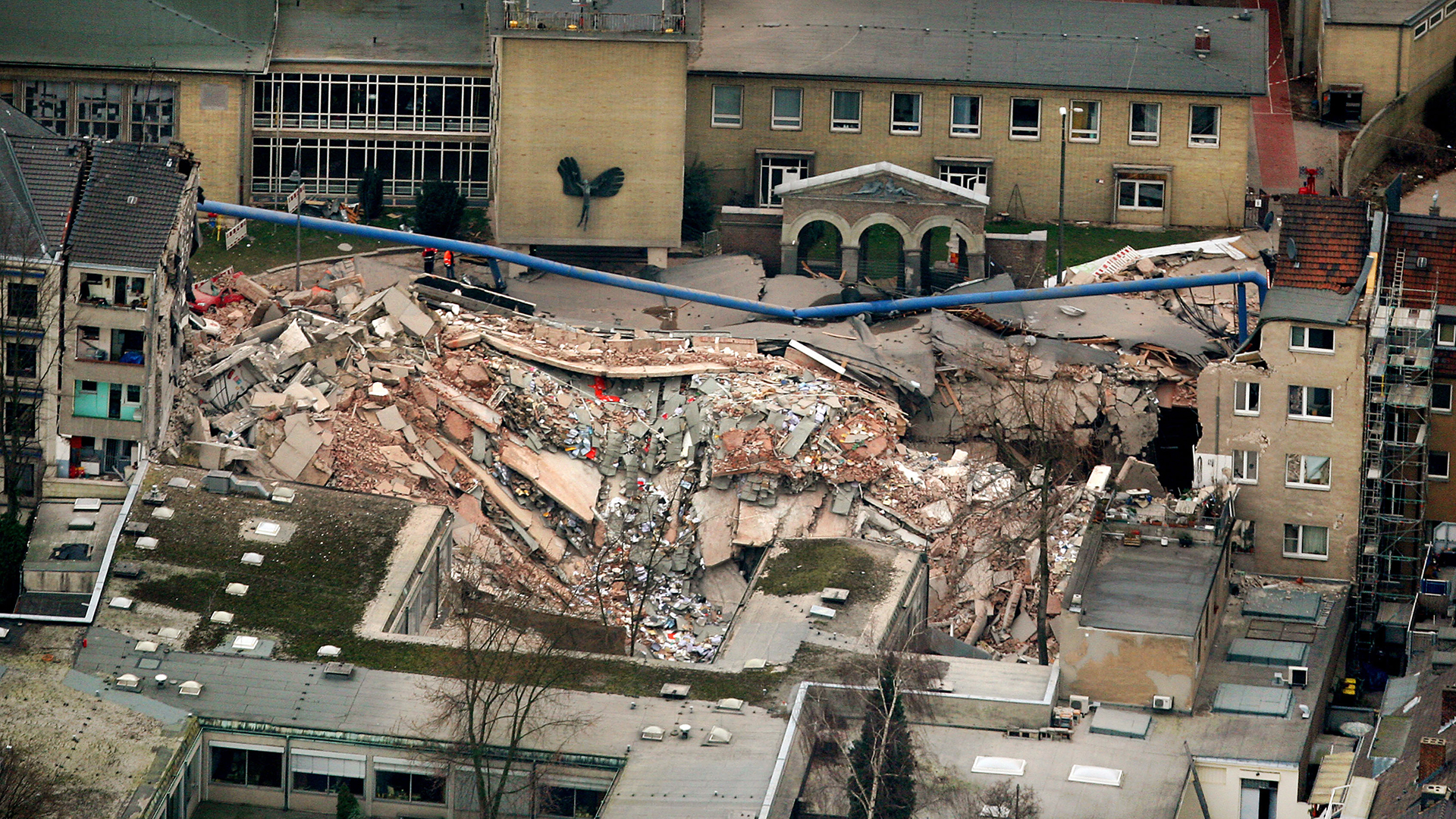
The day I write this review, coincides with two events: Five years ago, on 3/3/2009 the Historical Archive of the City of Cologne collapsed, two people died and many historical treasures kept in the building are believed to be destroyed forever:


Today is also Rosenmontag, the highlight of the German carnival season and Cologne being one of the carnival hot spots in Germany:


So, why am I telling you this?

First of all, Heinrich Böll was born in Cologne and lived there or nearby his whole life. After his death the descendants decided to transfer almost his entire literary remains to the Historical Archive in Cologne, the manuscripts, letters, sources, etc. Most likely all of these are now lost. Whether or not the manuscript of this novel has been destroyed I cannot say. It has been a great loss in any case. Secondly, I don't think Mr. Böll cared for the carnival business at all. But the story of the book takes place in a few days just before Rosenmontag. So you could say I read the book at the time the story unfolds, only 40 years later.

The blurb of this book is very accurate and aptly put, so I don't want to add anything here. The prose is detached and there's no real narrator. It reads more like a journal of some kind. It's strange, but interesting strange. Part of it contains some more or less hidden black humor while other parts seem like they have been written in great anger, with a fist in his pocket, so to speak. The relationship between the tabloid press (especially the newspaper called BILD and the Springer publishing firm to which this paper belongs) and the author wasn't a very good one, to put it mildly. After the usual disclaimer about fictitious events and characters we find the following revealing statement:
Should in the description of certain journalistic practices similarities with the practices of the BILD-Zeitung be revealed, these similarities are not intended or accidental, but inevitable.

I don't want to go into more detail here. Suffice to say that Springer refused to publish bestseller lists in his magazines for as long as KATARINA BLUM was on them. Childish behavior? You bet, but in the years that started in 1968 with the APO (extra-parliamentary opposition) and culminated in the so called German Autumn in 1977, the nerves (on both sides) were pretty raw.

So, I guess, this is a rather political book. And it is (or better was back then) largely misunderstood. People actually believed it contains calls for violence. Nothing could be further from the truth, and the subtitle to this book "How violence develops and where can it lead" may give a small hint to this.

Creative Commons License
This work is licensed under a Creative Commons Attribution-NonCommercial-ShareAlike 3.0 Unported License.
Profile Image for Alexander Carmele.
475 reviews420 followers
May 18, 2025
Messerscharfe Medienkritik auf den Punkt hin kondensiert und inszeniert: ruhig, gelassen und mit vernichtendem Humor.

Inhalt: 4/5 Sterne (mediale Hetzjagd)
Form: 2/5 Sterne (schlicht)
Erzählstimme: 5/5 Sterne (unaufgeregt-souverän)
Komposition: 5/5 Sterne (montiert, abwechslungsreich)
Leseerlebnis: 5/5 Sterne (scharfzüngig, dennoch deeskalierend)

1974 erschien Heinrich Bölls Mediensatire Die verlorene Ehre der Katharina Blum anlässlich des Sensationsjournalismus rundum die Berichterstattung über die Rote Armee Fraktion. Böll hat ihr den Untertitel verliehen: „Wie Gewalt entstehen und wohin sie führen kann“ und kontextualisiert hiermit auch eine Form von Rache gegen sexuelle Übergriffe, die schließlich dazu führt, wie auf den ersten Seiten der Erzählung klar wird, dass Katharina Blum einen Reporter namens Werner Tötges erschießt:

Die Tatsachen, die man vielleicht zunächst einmal darbieten sollte, sind brutal: am Mittwoch, dem 20. 2. 1974, am Vorabend von Weiberfastnacht, verlässt in einer Stadt eine junge Frau von siebenundzwanzig Jahren abends gegen 18.45 Uhr ihre Wohnung, um an einem privaten Tanzvergnügen teilzunehmen. Vier Tage später, nach einer […] dramatischen Entwicklung […] klingelt sie an der Wohnungstür des Kriminalkommissars Walter Moeding […] und gibt dem erschrockenen Moeding zu Protokoll, sie habe mittags gegen 12.15 in ihrer Wohnung den Journalisten Werner Tötges erschossen […]

In Reportstil, schnell, kompromisslos, zwischen direkter, indirekter Rede wechselnd, wenig deskriptiv, ganz auf die Abfolge der Ereignisse konzentriert, berichtet eine Erzählinstanz über diese vier Tage, in denen Katharina Blum zur Mörderin wird, ohne die Tat im geringsten zu bereuen. Ohne Psychologisierung, nur unter vorausblickender, und rückblickender Rekonstruktion wird, teilweise süffisant, teilweise entsetzt darüber Protokoll gehalten, wie die Menschen sich von Pressemitteilungen und Sensationsjournalismus beeindrucken lassen und urteilen, ohne nachzudenken:

Als [Hubert] Blorna Freitag früh gegen halb zehn mürrisch zum Frühstück kam, hielt Trude ihm schon die ZEITUNG entgegen. Katharina auf der Titelseite. Riesenfoto, Riesenlettern. RÄUBERLIEBCHEN KATHARINA BLUM VERWEIGERT AUSSAGE ÜBER HERRENBESUCHE. Der seit eineinhalb Jahren gesuchte Bandit und Mörder Ludwig Götten hätte gestern verhaftet werden können, hätte nicht seine Geliebte, die Hausangestellte Katharina Blum, seine Spuren verwischt und seine Flucht gedeckt. [… Weiterhin] las er dann, dass die ZEITUNG aus seiner Äußerung, Katharina sei klug und kühl, “eiskalt und berechnend” gemacht hatte und aus seiner generellen Äußerung über Kriminalität, dass sie “durchaus eines Verbrechens fähig sei”.

Eindrucksvoll montiert Böll in seiner Erzählung Die verlorene Ehre der Katharina Blum Einbildung, Faktentreue, rekapitulierende Schmach, Diffusion und gehässige Nachrede zu einem gelungenen Stimmungsbild einer Gesellschaft, die große Lust daraus bezieht, andere an den Pranger zu stellen. Mit hohem Tempo, sich überlagernden Kommentaren, Reflexionen und distanzierenden Einwürfen deeskaliert die Erzählinstanz diese sich auf ein Urteil kaprizierende Kommunikationssackgassen und entfaltet durch syntaktische Innovationen neue Sprachräume und Zweifel an Über-Klarheiten. Hierzu dient eine souverän ihre Montage betreibende Erzählinstanz, die den Schlüssel zu den Ereignissen erst nach und nach freigibt und so stilistisch und formal die Aussage unterstreicht, dass Klarheit und Eindeutigkeit sich stets erst im Nachhinein, wenn überhaupt, einstellt, aber sicherlich nicht im laufenden Prozess, denn: Eine Schwalbe macht noch keinen Sommer.


---------------------------------
---------------------------------
Details – ab hier Spoilergefahr (zur Erinnerung für mich):
---------------------------------
---------------------------------
Inhalt:
●Hauptfigur(en): Katharina Blum, Anfang 20, Wirtschafterin, geschieden. Hubert und Trude Blorna, Ehepaar, Hubert Rechtsanwalt, Trude Architektin, Klienten von Katharina Blum.
●Charaktere: (rund/flach) – nicht entscheidbar, da äußerliche Erzählweise, abstrakt.
●Zusammenfassung/Inhaltsangabe:
-Katharina Blum (KB) geht zu einer privaten Tanzfeier, von Else Woltersheim. KB arbeitet viel, spart viel, hat einen Kredit für eine Eigentumswohnung aufgenommen, mit Hilfe des Ehepaares Blorna. Ihr erster Mann hat sich ihr sexuell aufgedrängt. Sie ist distanziert, aber einsam. Auf der Feier lernt sie einen jungen Mann kennen, Ludwig Götte, der sie nach Hause fährt und mit dem sie eine Nacht verbringt. Er beichtet ihr, ein Bundeswehrdeserteur zu sein, und sie hilft ihm, sich klammheimlich aus dem Haus davonzustehlen.
-Am nächsten Morgen, LG ist verschwunden, wird KBs Wohnung von Polizisten gestürmt und KB festgenommen. Sie erfährt, dass LG unter Verdacht steht, eine Bank ausgeraubt, sogar einen Mord begangen zu haben. Sie wird verhört, ergebnislos. KB glaubt den Vorwürfen nicht, muss ihre hohen Benzinkosten (einsame Autofahrten) und den Besitz eines sehr teuren Ringes erklären, ihre Finanzen (wegen der Eigentumswohnung) offenlegen und den Namen des Herren nennen, den die Nachbarn häufiger bei ihr gesehen haben. Den Namen des Herren und die Herkunft des Ringes will sie ungenannt lassen, weil sie Komplikationen befürchtet.
-Die Presse in Person von Werner Tötges bekommt Wind davon und schreibt einen Artikel gegen sie als „Räuberliebchen“, der sie als Teil einer terroristischen Verschwörung verleumdet, sie als eiskalt und berechnend hinstellt, die Eigentumswohnung durch Bankraub finanziert sei, und die Herrenbesuche als Hinweis darstellt, dass ihre Wohnung als ein Waffenumschlagsplatz diene. Der zuständige Reporter Tötges besucht die Menschen aus KBs Umgebung und konfrontiert sie mit diesen Verdächtigungen. KB liest fassungslos diese Artikel und wird wütend.
-Nun meldet sich Alois Sträubleder (AS), ein wichtiger Klient, bei den Blornas und verlangt von ihnen, dass sie sich um die heikle Angelegenheit mit seinem Zweithaus kümmern. Hierbei kommt heraus, dass er hinter den Herrenbesuche steht, KB den Ring geschenkt hat. HB wird wütend auf AS, zumal er sich selbst etwas in KB verguckt hat. Bevor HB aber weitere Schritte unternommen werden können, wurde LG bereits gefangengenommen, und auch die Nachricht trifft ein, dass KBs Mutter nach dem Interview mit dem Reporter gestorben ist. Die Ärzte hatte dem Reporter untersagt, sie zu stören, aber der Reporter hat ihr trotzdem Lügengeschichten über ihre Tochter erzählt.
-KB hört, dass LG gefangengenommen wurde und ihre Mutter gestorben ist. In der Sonntagsausgabe verdreht nun die Zeitung auf Betreiben des Reporters Tötges die ganze Angelegenheit, behauptet, KBs linksterroristische Unternehmungen hätten ihre Mutter in den Tod getrieben, sie hätte eine „nuttige“ Art, und sie habe sich AS aufgedrängt, um seine Karriere zu zerstören und den Schlüssel der Villa entwendet, in welchem sie LG versteckt habe, die Blornas zudem seien auch kommunistisch, Frau Blorna bekannt als die „rote Trude“.
-KB lässt sich eine Pistole geben, trifft sich mit dem Reporter Tötges zu einem Interview, um ihm auf den Zahn zu fühlen, als dieser sich aber frech an sie heranmachte, er sich ihr aufdrängte, erschoss sie ihn kurzerhand und stellte sich ein paar Stunden später der Polizei.
-Im Nachgang kommt heraus, dass LG lediglich Bundeswehrdeserteur ist und dort, nach Bilanzfälschung, Geld aus einem Safe gestohlen hat. Er hat keinen Mord begangen und ist in keine terroristische Angelegenheit verwickelt. AS und die Blornas streiten und prügeln und entzweien sich. LG und KB drohen eine Haftstrafe bis zu 10 Jahren, die Blornas geraten in finanzielle Nöte. AS passiert nichts. Blornas versuchen, Licht in die Angelegenheit zu bringen, aber beißen auf Granit.
●Kurzfassung: Die Berichterstattung einer Boulevardzeitung hetzt die Polizei gegen Ludwig Götte auf, der Katharina Blum zufällig kennenlernt. Sie hilft ihm, sich zu verstecken, da er lediglich aus der Bundeswehr desertiert ist. Am nächsten Morgen wird ihre Wohnung gestürmt und eine Hetzkampagne gegen sie findet statt, in der die Tatsachen so verdreht werden, dass sie und Ludwig plötzlich als staatsgefährliche Terroristen dastehen. In Folge der Berichterstattung stirbt Katharinas Mutter. Katharina erschießt den Reporter, als dieser ihr bei einem Interview an die Wäsche will. Sie stellt sich daraufhin.
●Diskurs: Sensationspresse, Angst vor Linksterrorismus, damals RAF. Ehe-Eskapaden, Eifersuchtsdrama.
… sehr spannend inszeniert, in Ticker-Manier, stets Häppchenweise die Handlung vorantreiben, interessant, verdichtet, raffend. Leider mit sehr typisierten Figuren und Charakteren.
--> 5 Sterne

Form:
●Wortschatz: angemessen, mit vielen reißerischen Untertönen und Sarkasmus
●Stimmige Wortfelder: ja, aber langweilig
●Satzstrukturen: interessante Überblendungen, Verkürzungen, Halb- oder Fastsätze, um Geschwindigkeit und Wirrnis zu simulieren.
●Wiederkehrende Motive/Tropen: die „ZEITUNG“ wird großgeschrieben, getaktetes Textbild.
●Innovation: nicht in der Sprache, die sehr alltäglich wirkt.
--> 2 Sterne

Erzählstimme:
●Reflektiert: ja, stellt sich selbst in Frage, rekapituliert das Geschehen, luzide
●Situiert: nein, schwebt über den Dingen, im Rückblick, aber unklare Instanz
●Perspektiviert: ja, aber bewusst selegierend, gibt nur nach und nach die Information preis, auktorial.
●Erzählform: Auktorial
●Erzählstandort: räumlich wie zeitlich frei schwebend, aber nach dem Geschehen, rückblickend
●Erzählsicht: nur von außen, rein deskriptiv, reine Quellenanalyse
●Erzählverhalten: kommentierend (auktorial)
●Erzählhaltung: ironisch, satirisch, die Techniken der Presse als lächerlich darstellend
●Erzählverfahren: direkte, indirekte, erlebte Rede, Bericht, Dialoge – alles zusammen.
●Erzählstil: eher nivellierend
●Reliefbildung: dynamische Ortswechsel, Akzente, Strukturbildnisse, Motive, ja schnelle, verschieden perspektivierte Abschnitte.
… passt sehr gut, das nüchterne, halb abgeklärte, desillusionierte, ironische Berichten und Wiedergeben, was geschehen ist. Unaufgeregt, und daher glaubwürdig, selbstreflexiv Vertrauen schaffend.
--> 5 Sterne

Komposition:
●Verhältnis Dialog/Beschreibung: wenig Beschreibung, viele Dialoge, erlebte Reden…
●Tempiwechsel: nicht wirklich, sehr hohes Tempo insgesamt, auch sehr kurz
●Extradiegetische Abschnitte: nein, nur die Welt der Erzählung wird beschrieben
●Lose Versatzstücke: nein
… aufs äußerste konstruiert, sehr gelungen montiert, mit Vorausblicken, Rückblicken, und Sicherheit verleihenden Kommentaren. Keine unklaren Gesten, kein Herumgeplauder, auf den Punkt hin erzählt, berichtet, ohne jedweden Sensationalismus.
--> 5 Sterne

Leseerlebnis:
●Gelangweilt: nein
●Geärgert: nein
●Amüsiert: ja, stellenweise sehr lustig.
--> 5 Sterne
Profile Image for Mb.
116 reviews53 followers
June 3, 2017
شاهكار تنها كلمه ايست كه در وصف اين كتاب ميتوانم به كار ببرم.ابروي از دست رفته ي كاترينا بلوم بي نظير است چه از نظر تكنيك نوشتاري و چه از لحاظ داستان گويي..حالا ميبينم كه چه تعداد كتاب خوب وجود دارد كه مهجور مانده اند.
بُل اين كتاب را در نقد روزنامه نگاري نا مسئولانه كه فقط به فكر تيراژ بيشتر و در خدمت ارباب قدرت هستند نوشت.روزنامه هايي كه به اسم ازادي قلم هر خزعبلي را به خورد ملت ميدهند.او حتي انتقادي هم به مردم دارد كه در بزرگ شدن چنين روزنامه هايي شريك هستند
او در ابتداي كتاب نوشته:
افراد و اتفاقات اين داستان همگي تخيلي هستند.اگر انچه نگاشته شده با شيوه عمل روزنامه نگاران بيلد (Bild) شباهت دارد عمدي يا اتفاقي نيست بلكه اجتناب ناپذير است.
در همين ابتدا او يك متلك به روزنامه بيلد المان كه روزنامه اي زرد و پر حاشيه و پرفروش ترين روزنامه المان است انداخته است.روزنامه بيلد مختص عوام و بي سوادان المان است و با تيراژ چند ميليوني تاثير به سزايي بر اذهان عمومي المان دارد
هاينريش بل در برهه اي با روزنامه بيلد بر سر دفاع از گروهي درگير ميشود تا انجا كه كار به دادگاه ميكشد.بل در ان زمان مقاله اي بر عليه بيلد در روزنامه اشپيگل-كه رسانه روشنفكران و تحصيل كرده ها بود- چاپ ميكند كه سر و صداي زيادي به پا ميكند
همه بخوبي ميدانيم كه رسانه چه قدرت مخربي ميتواند داشته باشد و اگر دست اهلش نباشد قادر است چه فجايعي به بار بياورد.بُل به زيبايي عملكرد انها را نقد ميكند
كاترينا بلوم زنيست ٢٧ ساله،او از طبقه فقير جامعه ست..پدرش مرده و مادرش در بستر بيماري به سر ميبرد.كاترينا ولي با برنامه ريزي دقيق و انضباط كاري به سرعت در شغلش كه خدمت كاري و ميهمانداري در مجالس است پيشرفت ميكند.او به دليل تعهد و صداقت در كارش نزد كارفرمايانش كه همگي از طبقه مرفه هستند محبوب ميشود و انها به نحوي به او در پيشبرد شرايط زندگي اش كمك ميكنند.همين باعث ميشود كه كاترينا در ٢٧ سالگي و با شغل خدمت كاري بتواند خانه اي تقريبا مدرن به صورت قسطي و اتوموبيلي شخصي بخرد
كاترينا كه مطلقه است زني زيبا و خوش اندام است،با اينحال روابط چندان راحتي با مردان ندارد.او خجالتي ست و از ارتباط با مردان هراس دارد،زيرا او رابطه با انها را تنها زماني دوست دارد كه پاي عشقي اتشين در ميان باشد.به همين دليل دوستانش او را امل يا خواهر روحاني صدا ميكنند
ولي زندگي براي كاترينا كه هيچوقت هم نوازشگر نبوده، ناگهان تبديل به فاجعه اي تمام عيار ميشود.او در انظار عمومي تبديل به زني هرزه،فاحشه،خرابكار،بي مبالات و..ميشود.ماجرا چيست؟
كاترينا در بعد از ظهر ٢٠ فوريه ١٩٧٤ به قصد شركت در يك ميهماني از خانه خارج ميشود.و ٤ روز بعد خودش را به پليس معرفي و اقرار به قتل روزنامه نگاري به نام توتگس در خانه اش ميكند.در روز مهماني او با مردي غريبه به نام لودويگ گوتن اشنا ميشود و به رقص با او ميپردازد و موجبات تعجب دوستانش را فراهم ميكند.گوتن ولي ظاهرا فرديست خلافكار و تحت تعقيب پليس.انها پس از پايان ميهماني،شب را در خانه ي كاترينا ميگذرانند.پليس خانه او را تحت نظر ميگيرد ولي وقتي وارد عمل ميشود گوتن فرار كرده است.پليس كاترينا را دستگير ميكند و به جرم همكاري و فراري دادن يك جاني او را به اداره پليس ميبرند.
روند تحقيقات و بازجويي پليس و مهم تر از ان وارد شدن روزنامه (بُل در تمام كتاب از اسم ان استفاده نميكند) به ماجرا در اين ٤ روز باعث ميشود كه موضوع كاترينا تبديل به مهمترين خبر روز المان شود و اخبار مربوط به او و خانواده اش با عكس و تيترهاي بزرگ در صفحه اول روزنامه چاپ شود.
روزنامه با قلب واقعيت،تحريف صحبتهاي ديگران،چاپ اخباري بر پايه حدس و گمان،بر چسب زني (خطاب كردن كاترينا با اسمهايي مانند فاخشه،خائن و..)،صادر كردن حكم درباره او،به وسط كشيدن سابقه و گذشته كاترينا و خانواده اش انهم به دروغ،پر رنگ كردن نقش افرادي كه تاثيري زيادي در ماجرا ندارند ولي از حاميان كاترينا هستند (مانند صاحب كارانش،اقا و خانم بلورنا)،ناديده گرفتن يا كم رنگ كردن نقش افرادي كه تاثير زيادي در بحراني شدن شرايط كاترينا داشته اند (مانند سرمايه داري كه سعي در ايجاد رابطه با كاترينا داشته) و..باعث ميشود كاترينا به سمت يك فروپاشي عظيم روحي رواني پيش برود و نه تنها او بلكه زندگي نزديكانش مانند مادرش،اقا و خانم بلورنا و دوستش الزه دستخوش تغييرات اساسي شود.بُل به زيبايي سوق داده شدن يك نفر به سمت خشونت و ارتكاب انرا جلوي چشمان ما به نمايش در اورده.
راوي داستان را بر اساس ٣ منبع براي ما گزارش ميكند.
كتاب در ابتدا شما را به صورت جدي به چالش ميكشد..مدام مجبوريد به عقب برگرديد و تاريخها يا شخصيتهايي را چك كنيد.و مدام از روابط جديدي كه كشف ميشوند شوكه ميشويد.تعداد شخصيتها با وجود حجم كم كتاب بالاست و همين تا حدودي شما را سرگردان ميكند.شخصيتها با يكديگر روابط پيچيده و در هم تنيده اي دارند يا حداقل بهتر است بگوييم نحوه اي كه بُل داستان را روايت ميكند اينچنين پيچيده است.
قسمتهايي از تحريف شدن صحبتهاي ديگران درباره كاترينا توسط روزنامه:
كاترينا انساني بسيار فهميده اما سرد و نچسب است (جمله از يكي از صاحب كاران قبلي) تبديل ميشود به:كاترينا به سردي يخ و ويرانگر است
يا
من يك وكيل هستم و خوب ميدانم چه كسي قادر به جنايت كردن هست و چه كسي نيست(از دكتر بلورنا،وكيل و صاحب كار فعلي كاترينا) تبديل ميشود به:
او احتمالا قادر به انجام كارهاي جنايي است
كتاب ٢ بار توسط مرحوم شريف لنكراني (انتشارات خوارزمي) و حسن نقره چي (انتشارات نيلوفر) به چاپ رسيده است.
ترجمه ي اقاي نقره چي پيچيدگي كتاب و لحن گزارش گونه ي بُل را بخوبي در اورده هرچند كه در بعضي جاها مشكلات ويراستاري دارد.
Profile Image for Steven Godin.
2,782 reviews3,373 followers
February 2, 2017
Insightful and believable if somewhat confusing look at the media frenzy surrounding a criminal on the run and a young woman who becomes involved with him. It's 1974 and pretty hardworking German Katharina Blum is caught like a rabbit in the headlights when accused of helping wanted criminal Ludwig Gotten evade police capture from a building already under surveillance by law enforcement. Once the tabloids get their dirty little operations going they start an intrusive and nasty smear campaign of hate where she is portrayed by a leading newspaper as a whore, communist and atheist, while a reporter may or may not have been partly responsible for the death of Katherina's mother after trying to get an interview from the hospital she was staying, Katharina though would go on to have the last laugh with chilling results. Heinrich Böll writes with icy and unemotional conviction that not wholly makes you feel any sympathy as fact and fiction blur, and the twisting of events can seem deceitful. Using a step by step police interrogation style that both works but also creates a problem as it's not always easy to follow the timelines presented to the reader. Winner of the Nobel Prize in 1972, what Böll has done well here also is creating a paranoid and edgy Germany at a time of political unrest and terrorism that takes any investigation as a wider spectrum of trouble.
Profile Image for Jan-Maat.
1,684 reviews2,489 followers
Read
March 1, 2021
If I said magnificent, or fantastic, that might be a bit much, if I described it as just about right, that could sound too grudging and mean spirited.

Die verlorene Ehre der Katharina Blum ider: Wie Gewalt entstehen und wohin sie fuehren kann is a very short book dating back to 1976 when I was far too young to have read I for myself. Despite its age and particular historical (and cultural) setting, it is a contemporary story, Andy Warhol said In the future, everyone will be world-famous for 15 minutes, a little bit before Böll wrote this story, which deals with the nature of that fame and its consequences, in that sense it is rather like The Bonfire of the Vanities, except not half a million pages long and an epic journey through 1980s New York. Instead this book is funny, well not exactly funny, I laughed while reading some that was not at all funny.

This little book tells the story of why Katharina Blum, a young woman, working as a cleaning lady and occasional bar maid, came to murder a journalist and turn herself into the police .

It reminded me of a story - I think about Benjamin Franklin, who although himself as a printer was a big fan of the freedom to print what ever you like, advised in the case of other people freely publishing lies, slander or rubbish about you, to have a big stick handy to beat said purveyors of such untruths. There's a pessimism in that, an acknowledgement that in Blum's terms once your honour is lost, it is not going to be regained, not even in the event of a very small apology printed at the bottom of page 33 of the same newspaper scrutinised by a team of lawyers with far more care than the original dishonouring article(s) was (were) written. But revenge in the form of physical violence might offer some relief.

One can see the attraction of this, in the story there are a couple of examples of statements or quotations, judiciously edited by journalists to say the exact opposite of what the speaker intended, all the better einfachen Menschen Artikulationshilfe zu geben (p.92). The freedom of the press then denies freedom of expression and opinion of everyone who is not the press. Here demonstrated by the creation of waves of rage and hostility towards Blum and her employers.

Obviously this is a fictional story, but now and again one can come across similar non-fiction stories of people who get their 15 minutes of fame, and whose lives get chewed over and spat out as a result.
Profile Image for Haniye.
147 reviews64 followers
November 5, 2019
جذابیت کتاب اونجایی بود که پایان داستان مشخص بود و منِ مخاطب کتابو نمیخوندم که ببینم پایانش چی شد. میخوندم که ببینم چی شد که به این پایان رسید. یعنی مخاطب جذب طول داستان میشد نه انتهای اون.
تاثیر گذار و جذاب بود ولی عالی و خفن نه.
Profile Image for Meike.
Author 1 book4,943 followers
March 21, 2021
Nobel Prize for Literature 1972
English: The Lost Honor of Katharina Blum

Böll wrote this in 1974 because he was furious at the infamous German yellow press paper "Bild"; in 2021, the editor-in-chief of said publication is under fire because of a scandalous compliance investigation against him, feat., you know, sexual misconduct, abuse of power etc. pp. *sigh* *facepalm* Well, back in 1974 when "Katharina Blum" was published, Böll was upset because parts of the yellow press, namely "Bild", (wrongfully!) suggested that he was a sympathizer of the Red Army Fraction, a domestic terror organization - so this slim volume is his pamphlet against the role of the yellow press in sensationalizing terror and ruining people's lives in order to push papers.

The book tells the story of the title-giving Katharina, a 27-year-old woman who meets a man named Ludwig at a carnival and spends the night with him - as it turns out, Ludwig is suspected to be a terrorist who has robbed a bank and committed a murder. Katharina is deemed to have helped him flee during that faithful night, she is arrested and becomes the center of a vicious media campaign perpetrated by the "Zeitung" (a.k.a. "Bild") that depicts her as a criminal slut.

A hit song by "Die Ärzte" states that "Bild" consists of "fear, hate, tits and the weather forecast", and yes, this is played on the radio in Germany, even on public radio, so we can assume that the way "Bild" works is by now common knowledge. Also, I think that nowadays, people are more aware of the strategies depicted by Böll, especially people under 40 who are more media savvy. The didactical impetus of the author does not help the text either, it's a little Brecht-like in its annoyingness. But still, it's a fact that "Bild" sells like sliced bread and harms people - not too long ago, the ex-girlfriend of famous soccer player Jérôme Boateng killed herself after a vicious campaign led by "Bild" (it's still unclear in how far the paper was responsible for that suicide).

So relevant topic, certainly even more so in the 70's, but is that great literature? Meeehhh.
Profile Image for Evi.
82 reviews37 followers
June 4, 2019
Η χαμένη τιμή της Καταρίνα Μπλουμ είναι ένα βιβλίο που γράφτηκε το 1974 από τον Heinrich Böll. Η πλοκή του εξελίσσεται σε τέσσερις μόλις μέρες και διαδραματίζεται στην Κολωνία.

Πρωταγωνίστρια είναι η Καταρίνα Μπλουμ, μια φιλήσυχη γυναίκα που εργάζεται ως οικιακή βοηθός στο σπίτι ενός δικηγόρου. Η Καταρίνα γνωρίζεται σε ένα αποκριάτικο πάρτι με τον Λούντβιχ. Χωρίς να το συνηθίζει, περνάει τη νύχτα μαζί του. Την επόμενη μέρα ωστόσο η αστυνομία εισέρχεται στο σπίτι της με σκοπό να συλλάβει τον Λούντβιχ, ο οποίος καταζητείται. Η Καταρίνα βοηθά τον Λούντβιχ να διαφύγει και από τότε ξεκινά το μαρτύριο της. Φυσικά συλλαμβάνεται και ανακρίνεται και η ίδια. Οι σκανδαλοθηρικές εφημερίδες εισβάλλουν στο σπίτι και τη ζωή της.

Το όνομα της διασύρεται στη λάσπη και η ζωή της διαλύεται έτσι απλά και ανώδυνα. Λοιδορίες, ψευτιές και διαστρεβλώσεις προκαλούν τέτοια σύγχυση στην καθημερινότητα της, που η ίδια αδυνατεί πλέον να αντιμετωπίσει.

Ένα βιβλίο με λόγο συμπυκνωμένο, διεκπεραιωτικό, σχεδόν τηλεγραφικό και χωρίς ανακρίβειες. Τα μικρά κεφάλαια κάνουν το βιβλίο ιδιαίτερα ευκολοδιάβαστο. Σε λίγες μόνο σελίδες οδηγεί τον αναγνώστη σε συναισθηματική παραζάλη. Σε συνδυασμό με την αθωότητα της πρωταγωνίστριας η απανθρωπιά της κοινωνίας αποδεικνύεται ακόμη πιο σκληρή και βάναυση.

Τι κάνει άραγε ένας άνθρωπος που του καταστρέφουν τη ζωή ;
Πώς αντιδρά η Καταρίνα ;
Διάβασε το και συ για να μάθεις!
Profile Image for Konstantina August .
49 reviews21 followers
January 12, 2019
3.5/5

Δεν θα χαρακτήριζα τον Χάινριχ Μπελ ακριβώς φεμινιστή, δεν μου αρέσει να βάζω ταμπέλες, πόσο μάλλον σε ανθρώπους σαν εκείνον, που δεν ανήκουν πουθενά, σε κανενός είδους κόμμα, θρησκεία, κίνημα ή ιδεολογία, πάρα μονάχα στον εαυτό τους. (δεν δύναμαι να χρησιμοποιώ παρελθοντικό χρόνο για τις αιωνιότητες)

Ωστόσο, κάθε φορά που τον διαβάζω, με συγκινεί το ίδιο έντονα ο ξεχωριστός τρόπος που αγαπά και συνθέτει όλους τους χαρακτήρες του, μα κυρίως τις γυναίκες ηρωίδες του, που δεν θα μπορούσα ποτέ και σε καμία περίπτωση να τον περιγράψω ικανοποιητικά. Πρέπει να τον διαβάσει κάποιος για να καταλάβει τι εννοώ, ώστε να αποφύγει να κάνει την εσφαλμένη υπόθεση ότι αυτός του ο σεβασμός προς τη γυναίκα δεν είναι κάτι πηγαίο και αυθεντικό, αλλά κάτι προσποιητό για εμπορικούς σκοπούς.

Αυτή του η φεμινιστική διάσταση, που δεν είναι τόσο γνωστή και κραυγαλέα όσο η αντιπολεμική και αντιναζιστική του συγγραφική υπόσταση, αποτυπώνεται πολύ εντονότερα στη Χαμένη τιμή της Καταρίνας Μπλουμ. Εδώ, πέρα από το κεντρικό θέμα της ανθρωποφαγίας του Τύπου, θίγεται ακόμα πιο ξεκάθαρα - σε σχέση με άλλα του έργα - το ζήτημα των σεξιστικών στερεοτύπων. Τόσο σύντομη η ιστορία της Καταρίνας - που μέσα σε απόσταση τεσσάρων ημερών από την ημέρα που θέλησε να πάει χαρούμενη και ανέμελη σε έναν αθώο χορό, κατέληξε να γίνει δολοφόνος εξαιτίας των εφημερίδων - και παράλληλα τόσο σημαντική η διάσταση αυτής της ιστορίας, σε όλες της τις εκφάνσεις.

Σίγουρα, το βιβλίο δεν ήταν τόσο κορυφαίο όσο οι Απόψεις ενός Κλόουν ή το ανεπανάληπτο Ομαδικό Πορτρέτο με μια Κυρία, κυρίως καθώς δεν είναι χαρακτηριστικό θεματολογικά για τον συγγραφέα, ούτε αρκετό σε έκταση για να αντιληφθεί κάνεις επακριβώς το μεγαλείο του (και για να τον χορτάσω κι εγώ που τον λατρεύω). Παρόλα αυτά, δεν παύει να αποτελεί ένα δημιούργημα αντάξιο του δημιουργού του, ένα πολύτιμο ξεχωριστό κομμάτι της συγγραφικής του προίκας, ένα λογοτεχνικά γοητευτικότατο κείμενο 156 σελίδων με ολοκληρωμένους χαρακτήρες, εξαιρετική πλοκή, χαρακτηριστική αφήγηση και αναμφισβήτητα, σπουδαία κοινωνική διάσταση.
Profile Image for Karen·.
682 reviews900 followers
October 19, 2012
This is an astonishing little novella. The most striking contrast to the Flanagan The Unknown Terrorist which treats the same subject of a woman exposed to the savagery of the media after it turns out that the man she spent the night with is a wanted criminal, is the tone. Flanagan wrote a competent thriller, but Böll uses the reports of the state prosecution, the police and Katharina's defence lawyers to create a dry, meticulous, straight narrative of the events of four days. But despite this sober intent, there are many ironic little asides, comments both on this undertaking of transcribing events into printed words, which is what is actually being exposed as fraudulant and highly questionable when undertaken by the print media, and on the events and people involved themselves. Katharina herself is also a remarkable creation: she is loyal and truthful and virtuous, and the act of murder seems to liberate her. She looks forward to living a life much closer in essence to that of her lover, now that both are in prison. She looks forward to their coming out of prison, also roughly at the same time, when they will both still be young enough to start over. The person who seems to be destroyed by events is the lawyer who was Katharina's employer and who also undertook her defence. The newspaper that is pilloried here still distorts and misconstrues and misrepresents. I wonder if the readership is a little less guileless now?
Profile Image for Navid Taghavi.
178 reviews73 followers
December 9, 2018

"افراد و اتفاقات این داستان همگی تخیلی هستند. اگر آنچه نگاشته شده با شیوه ی عمل روزنامه نگاران بیلد شباهت دارد، عمدی و یا اتفاقی نیست، بلکه اجتناب ناپذیر است"
رمان "آبروی از دست رفته کاترینا بلوم" (با نام فرعی "خشونت چگونه شکل می گیرد و به کجا می انجامد") با جمله ی بالا شروع می شود. هاینریش بل با جمله کوبنده و حساب شده اش از همان ابتدا تکلیفش را با مخاطب مشخص می کند. نفرت عمیق از روزنامه نگاران. اگر تاکنون عموما عادت کرده بودیم روزنامه نگاران را در قالب افراد متعهد به جامعه ببینیم، بل در رمان معروفش ما را به نظاره ی نیمه ی تاریک روزنامه نگاری دعوت می کند. رمان در سال 1974 (2 سال پس از جایزه نوبل ادبیات برای بل) نوشته شد و در عرض چند ماه ولکر شولندورف از رمان اقتباس وفادارانه ای به عمل آورد.
همچنان که از نام رمان پیداست، کاترینا شخصیت اصلی رمان است. کاترینا در خانه دیگران کار می کند و با وجود مشقت فراوان در زندگی اش، دست از زندگی شرافتمندانه نکشیده است. کاترینای مطلقه در برقراری رابطه با مردان خجالتی است، تا حدی که از طرف دوستانش "خواهر روحانی" نایده می شود. زندگی کاترینا پس از آشنایی اش با پسری (لودویگ) در یک مهمانی وارد مسیر تازه و ناهمواری می شود. لودویگ که تحت تعقیب پلیس است، شب را در خانه کاترینا می گذراند. صبح که ماموران پلیس وارد خانه ای می شوند، اثری از لودویگ نمی بینند و کاترینا را به جرم همدستی برای بازجویی با خود می برند. کاترینا پس از بازجوئی های آزار دهنده به خانه می رود، اما فردا در عین ناباوری می بیند روزنامه پر فروش خبر دستگیری و بازجویی او را کار کرده است، اما بحران به همین جا ختم نمی شود و خبرنگار با رجوع به گدشته زندگی شخصی کاترینا و مصاحبه با نزدیکان او و با ترفند غیر اخلاقی بازی با کلمات، سوژه جنجالی و داغی را برای خوانندگان روزنامه فراهم می کند. سوژه ای که به قیمت بی آبرویی یک شهروند شریف تمام می شود.
بل در رمانش (و به طبع آن شولندورف در فیلمش) نشان می دهند چگونه پلیس و مطبوعات با همدستی یکدیگر برخلاف وظایف تعریف شده شان عمل می کنند و پلیسی که باید مظهر امنیت باشد، چگونه ناامنی را برای یک شهروند معمولی به همراه می آورد و روزنامه نگاری که باید مدافع حقوق شهروندان در مقابل کانون های قدرت باشد، به بهای کسب شهرت و نفوذ در ادارات رسمی، چوب حراج بر ارزشمند ترین ترین دارایی او (آبرویش) می زند و او را بدنام می کند.
بخشی از رمان : (اظهارنظر همسر سابق کاترینا پس از شنیدن خبر دستگیری کاترینا)
حالا میفهمم چرا به من نارو زد و مرا ترک کرد. پس جریان از این قرار بود. خوشبختی مختصر ما برای او کم بود. او میخواست قاطی طبقات بالا باشد. یک کارگر ساده چطور میتواند پورشه بخرد. این عاقبت افکار غلط سوسیالیستی است. حالا میفهمم چرا همیشه از رادیکال و ضد مذهب بودن او میترسیدم.احساس عاشقانه یک دزد برایش بیشتر ارزش داشت تا علاقه بی غل و غش من. با این وجود هنوز میخواهم به او پیغام بدهم که کاترینای کوچولوی من اگر پیشم میماندی با هم در طول چند سال صاحب ماشین و خانه میشدیم، البته پورشه که نمیتوانم برایت بخرم اما خوشبختی درویشانه یک کارگر ساده را میتوانم برایت فراهم کنم. کارگری که به سندیکای کارگری اصلا اعتمادی نداره. اوه کاترینا!
Profile Image for Parastoo Ashtian.
108 reviews119 followers
October 25, 2015
باید خودشان را جای ما بگذارند تا مجسم کنند که چه حالی به ما دست می‌دهد، هنگامی که توی دهان پرشان و یا بهتر بگویم پوزه ی پرشان باز هم غذا می‌چپانند، همه هم بدون استثنا ابتدا به ظرف خاویار یورش می‌برند. مردان و زنان میلیونری هم هستند که سیگار و کبریت و بیسکویت توی کیفشان پنهان می‌کنند. اگر امکانش بود پاکت پلاستیکی با خودشان می‌آوردند و باقیمانده‌ی غذاها و قهوه و شیرینی را با خوشان می‌بردند. پول همه‌ی این‌ها را باید زحمتکشان که مالیات از حقوقشان کم می‌شود بپردازند.

از متن کتاب
Profile Image for Paul Bryant.
2,408 reviews12.6k followers
November 28, 2021
Time: A couple of weeks in February in 1974

Place: Cologne, West Germany

Characters: for a tiny book I counted 24 characters with names – that’s like a lot, don’t you think? Probably about 15 have speaking roles so it’s probably a good idea to keep a handy list so you can immediately check who Moeding or Schonner or Brettloh or Straubleder is. Of course if you have a great memory for German names you’ll be fine.

Subject: the deliberate destruction of ordinary people’s lives by the rancid loathsome shameless degenerate tabloid press, which is still with us to this day.

Method : an official report into the murder of Werner Totges, reporter, by Katherina Blum, 27 year old caterer, housekeeper and occasional waitress.

Mood : ironical, playful, a little smirky if we’re honest

Religion : these people are a little too busy for God right now. This is a crisis!

Situation: there’s no doubt she shot that disgusting reporter guy, that’s not a spoiler, but untangling the skein of events that led to the fatal discharge is the thing we are engaged upon. But what was Ludwig Gotten doing at Katherine’s flat? Didn’t she know he was on the run from the cops? That was why the press started in on her.

Language : Because this is all straight-facedly pretend-officialese, we have sentences like There is always the possibility that certain relatively clear pointers toward a relationship between various events and actions will be misinterpreted or lost as mere hints.

Rating : Three stars

Cultural impact : Immediately made into a movie. In the book the outlaw Ludwig Gotten is an army deserter and thief. In the movie he becomes a terrorist on the run which makes sense as the Baader Meinhof Gang were in full flow at the time. I think Heinrich Boll should have thought of that angle himself, it makes the tabloid frenzy about his character more understandable.

Apology to German speakers: there are an awful lot of umlauts missing from this review.

Profile Image for Paula Mota.
1,662 reviews561 followers
August 3, 2022
3,5*
#JulhoNobel

Não tivesse eu a coragem de uma lagartixa e creio que seria levada a fazer exactamente o mesmo que a Katharina Blum no final deste livro, depois de ver o seu nome enlameado e a sua vida exposta de forma insultuosa num pasquim, por um jornalista sem escrúpulos, tudo em nome de uma parangona chamativa.

Confrontara Frau Blum [mãe de Katharina] com os factos, mas não tinha a certeza de que ela tivesse percebido tudo, porque, aparentemente, o nome Götten, nada lhe dizia. Frau Blum dissera: “Porque é que havia de acabar desta manheira? Porque é que isto havia de acontecer?” Destas palavras o “Zeitung” fizera as seguintes declarações: “Isto tinha de acontecer. Tinha de acabar assim”. Tötges explicara esta alteração das palavras de Frau Blum dizendo que, como repórter, estava habituado a “ajudar as pessoas simples a exprimirem-se com mais clareza.”

O próprio estilo de Heinrich Böll nesta obra tende para o jornalístico, assemelhando-se a uma reportagem que relata o interrogatório, as manobras da Polícia, os movimentos da visada e das pessoas do seu círculo mais chegado e indaga as suas motivações. É esta estrutura invulgar o ponto forte de “A Honra Perdida de Katharina Blum”, mas por outro lado, é ela que me faz ocupar um lugar de espectadora à distância, que é acentuado pela escrita factual e desapaixonada. Sinto-me indignada por Katharina por ser denegrida como cidadã e como mulher, mas como pessoa não me tocou.
Até se envolver com Ludwig Götten, um homem procurado pela Polícia, Katharina não passa de uma cidadã comum, respeitada por todos por ser uma trabalhadora séria, eficiente e organizada. Assim que cai nas garras do sensacionalista “Zeitung”, tudo no seu passado é desenterrado e alvo de suspeita (a mãe alcoólica, o pai com fama de comunista, o divórcio), e os seus actos no presente começam a ser deturpados para se atingir um verdadeiro assassinato de carácter e a sua dignidade como mulher ser posta em causa.

Foi só nessa altura que Katharina tirou da bolsa os dois números do “Zeitung” e perguntou se o Estado – foi assim que ela disse – não poderia fazer alguma coisa para a proteger contra esta imundice e recuperar a sua honra perdida. Ela sabia perfeitamente que o interrogatório se justificava, embora não entendesse muito bem a necessidade de “irem até aos últimos pormenores da sua vida”, mas o que ela não podia compreender era como certos pormenores do interrogatório – como, por exemplo, a questão das visitas do cavalheiro – poderem ter chegado ao conhecimento do “Zeitung”, para além de todas aquelas afirmações falsas e fraudulentas.
Profile Image for Vasilis Manias.
382 reviews102 followers
September 11, 2019
Συνηθίζω όταν ξεκινάω ένα βιβλίο, να μη διαβάζω το οπισθόφυλλό του, προτιμώ να μη γνωρίζω το παραμικρό για τους ήρωες και την πλοκή του. Και αλήθεια το λέω μου είναι τρομερά δύσκολο να γράψω κριτική για τη «Χαμένη Τιμή της Κατερίνας Μπλουμ» κυρίως επειδή στο τέλος του, η ηρωίδα έγινε για μένα τόσο αληθινός χαρακτήρας της καθημερινότητάς μου που δε θα τολμούσα να μιλήσω ούτε στιγμή σε τρίτους για τα όσα πέρασε, για το γεγονός ότι πλήρωσε ακριβά το γεγονός πως ο κόσμος είναι ασύλληπτα κακοφτιαγμένος και δε χωνεύει όσους προοδεύουν κοιτάζοντας μονάχα τη δουλειά τους, και για το επίσης γεγονός πως «οι άνθρωποι δε συγχωρούν αυτούς που από έρωτα εκπέσανε».
Μακράν στα καλύτερα μυθιστορήματα που έπεσαν φέτος στα χέρια μου και σίγουρα ένα ιδιαίτερα σημαντικό βιβλίο που αξίζει να διαβαστεί από πολύ κόσμο.
Profile Image for Χαρά Ζ..
219 reviews68 followers
March 24, 2017
_The Lost honor of Katharina Blum_

The lost honor of Katharina Blum is a great book. Heinrich Böll did something absolutely brilliant with it. He was absolutely brilliant with his sarcasm and his bravery and he was in full control of this from beggining to end. He gave me this feeling, that he knew what he was doing, he knew what he wanted to state with his book and he executed it perfectly. I think of him as a highly intelligent human being, i loved how smartly and smoothly he interrupted the flow of the writing but it never felt doing so. The writing was amazing, truly raw and honest and ocassionally funny but still discreet and elegant. There is also a movie, i am going to watch it for sure. 5/5 <3
Profile Image for Ian D.
611 reviews72 followers
June 8, 2020
Ο τίτλος δεν είναι καθόλου τυχαίος. Πώς γεννιέται η βία; Το πού μπορεί να οδηγήσει ακούγεται λίγο οξύμωρο (η βία άλλωστε προκαλεί βία) αλλά ο Böll εισχωρεί λίγο βαθύτερα για να καυτηριάσει την ασυδοσία του τύπου. Με μια γραφή δημοσιογραφική (του ΒΒC όχι της Bild - την οποία δεν κατονομάζει, βέβαια, αλλά περιγράφει με τέτοια ακρίβεια που είναι σαν να το κάνει), αποστειρωμένη και εντελώς απαλλαγμένη από συναισθηματισμούς, καταφέρνει να προβληματίσει όχι, όμως, και να συγκινήσει. Φαντάζομαι αυτό έγινε ηθελημένα και με μεγάλη συνέπεια ως προς το περιεχόμενο του βιβλίου που σκοπό έχει να καταγγείλει την παραπληροφόρηση.
Profile Image for SCARABOOKS.
292 reviews264 followers
February 13, 2020
Un pamphlet (così lo ha definito il suo autore), scritto da uno dei fuoriclasse della parola. Basterebbe, per testimoniarlo, il ritratto di quel personaggio, splendido nella sua ambigua, complessa, respingente e indifendibile innocenza, di Katharina Blum.
I difetti di questo romanzo (lo stile secco/freddo ed un certo tono a metà strada tra il verbale redatto da un burocrate e lo sfogo controllato di un osservatore indignato e coinvolto) sono, insieme con una sofisticata freschezza espressiva, anche i suoi pregi maggiori.
Perché non c’era forse modo più efficace per portare piano, piano e con il giusto attrito il lettore dentro l’emozione con cui lo si voleva far reagire davanti alla macchina mediatica del fango. E davanti agli effetti, che come una inarrestabile reazione a catena, produce in chi ne è vittima, direttamente o indirettamente. Soprattutto, voleva far reagire il lettore davanti ad un modo di fare informazione e di fare il mestiere del giornalista.
Ed è particolarmente interessante ri/leggerlo nell’epoca del giornalismo diffuso e dei social.
Chi vuol sapere di più sul libro e sul tema qui trova qualcosa

https://scarabooks.blogspot.com/2020/...
Profile Image for Ema.
268 reviews791 followers
February 11, 2017
The voice of this novel was something new to me: it is written in the form of a report, apparently reserved and unbiased, which presents the slow but effective process of Katharina Blum's public humiliation by police and press.

It all begins with a murder (I'm not sure this may be considered a spoiler, because it comes in the first pages of the novel):
On Sunday evening at almost the same hour (to be precise, at about 7:04 P.M.) she rings the front door bell at the home of Walter Moeding, Crime Commissioner, who is at that moment engaged, for professional rather than private reasons, in disguising himself as a sheikh, and she declares to the startled Moeding that at about 12:15 noon that day she shot and killed Werner Tötges, reporter, in her apartment, and would the Commissioner kindly give instructions for her front door to be broken down and the reporter to be "removed"; for her part, she has spent the hours between 12:15 noon and 7:00 P.M. roaming around town in search of a remorse that she has failed to find.


It is an excerpt that speaks for the whole narration: its writer sticks to the facts, using a detached, informative tone, but underneath the dry language there is a lot of humor, the opinions are stated between the lines and the reader is left to his/her own devices to issue a conclusion.

Katharina, an intelligent and hard-working girl who comes from a disjointed family, is brought in the spotlight after her brief association with a man considered a bank robber. In the course of four days, her meticulously rebuilt life is shattered to pieces by police interrogations and defamatory articles in The News. With police, every detail of her life must be accounted for, petty secrets are brought up to light, her intimacy and honor are trampled.

The press makes everything appear in a different light, distorts the statements and facts, issues far-fetched suppositions, with no concern for the individual whose life they are destroying. Not only Katharina, but also those who stand by her are subjected to vilification in the newspaper. The reporters are not the solely responsible for this - there are also the influential people who stand in the shadow, deciding who must be protected and who must be thrown to the wolves.

There is no end to this kind of story, though. One isolated act of justice, condemned by law as is it, won't change a thing - press resembles the mythological Hydra: for each head cut off it grows two more, just as poisonous and deadly. The freedom of the press is a two sided blade.
Profile Image for . . . _ _ _ . . ..
305 reviews198 followers
April 25, 2021
Πώς κάποια τρολς στο τουιτερ που στην καλύτερη περίπτωση αποφοίτησαν από τα ΤΕΙ Κοζάνης "αποδομουν" τον Τσιοδρα; Έτσι και εγώ θα αποδομησω τον συγγραφέα του βιβλίου, κατοχο Νόμπελ λογοτεχνίας.
Στην αρχή ένιωθα πως ναι, συγκλονιστικό θέμα, αλλά όπως επεσήμαναν κάποιες κριτικές η γραφη του βιβλίου με πετούσε έξω από την ιστορία. Τελικά όμως δυνατή ιστορία, η γραφή του βιβλίου δεν με πείραζε (και τόσο) αλλά ο μανιχαϊσμος του κωλου σε ολο το βιβλιο με έκανε να αγανακτησω. Από τη μια η αθώα κορασιδα με το διαμερισματακι της και το αυτοκινητάκι της (σαν τον Λουκά στο Ντολτσε Βιτα) μεγαλωμένη με χίλια βάσανα με προίκα την τιμή της σαν την κόρη της Λαυρεντιας Μπισμπικη ("γιατί εμείς στο Μπισμπικεικο έχουμε το κούτελο καθαρό") και από την άλλοι κακοί μπατσοι που βάζουν κοριους, ανίκανοι εισαγγελείς (χμμμμ) και κυρίως διεφθαρμένοι κιτρινιστες δημοσιογράφοι. Ακομη και οι γλυκουληδες εργοδοτες της,ενας μεγαλοδικηγορος και μια αρχιτεκτονισσα που την υπεραγαπανε, μετα τα τραγικά γεγονοτα καταστρέφεται η καριέρα τους , να φανταστείς ο δικηγόρος οχι μονο δεν σταυρωνει δίκη αλλα δεν φοράει καν αποσμητικό. Seriously dude
;Το μανιπουλαρισμα εχει και τα όρια του.
Profile Image for Petra X.
2,455 reviews35.7k followers
May 6, 2015
Irresponsible journalism turns a maid into a murderer. Shock! Horror! It would have been much better written by a 'source' from the National Enquirer. As it is Heinrich Boll is too dry and literary and all the shock and horror is sucked out of it leaving just a competently-written, slightly disturbing story.
Profile Image for JJ Khodadadi.
451 reviews129 followers
March 11, 2021
قضاوت های زودهنگام و غلط
تاثیر رسانه ها بر افکار مردم مخصوصا رسانه های زرد
و آبروی از دست رفته خانم بلوم

داستان جالب و مفهوم والایی داشت اما انتظار خیلی بیشتر از هاینریش بل داشتم
Profile Image for K.D. Absolutely.
1,820 reviews
May 22, 2011
My first book by the 1972 Nobel Prize for Literature, Heinrich Boll (1917-1985). I am extremely impressed.

This tells the story of a 22-y/o household help and a divorcee, Katharina Blum who at the start of the 4-day Carnival asks her employer for a leave. On the first day, she goes to her friend's party and there meets a mysterious man Ludwig Gotten and falls in love with him. They spend a night in Katharina's apartment and early in the morning Ludwig leaves. Later in the morning, police authorities arrest Katharina allegedly for conniving with a bank robber. The leading newspaper picks up the story and what follows is a media circus. Then towards the end are the two twists: the real identity of Ludwig and what Katharina does to the invasive reporter, Warner Totges who has caused the death of her mother.

This strongly illustrates the negative effects of sensationalizing news especially when it is bordering to being untrue. The book's fictional paper, The News or Die Zeitung does it so badly. For example, when Katharina's mother, Mrs. Blum was interviewed by Totges regarding her daughter Katharina, full of sadness, Mrs. Blum lamented" "Why did it have to end like this, why did it have to come to this?" Totges translated this in the paper: It was bound to come to this, it was bound to come to end like this." Totges accounted for the slight change in Mrs. Blum's statement by saying that as a reporter he was used to "helping simple people to express themselves more clearly."

My goodness. We know what happened to Sgt. Rolando Mendoza during the hijacking that happened last year in Luneta. The media played a big role in the outcome of that sad event.

The book is thin. The writing is plain but Boll knows how to make the story suspenseful thereby making his readers continuously leafing through the pages. He is not too much on describing his settings (something that I enjoy) and tends to concentrate on the events and the people whose lives are interwoven by a particular event. He does not propose a solution to issues. Rather, he presents the facts and let his readers seek for the solution.

The narration is also first person plural (similar to Jeffrey Eugenides' The Virgin Suicides making the readers fell the sad situation that Katharina Blum is experiencing. Making the readers feel like reading just newspaper events that happen on our daily lives. Making us the readers like participants in the novel. Very clever. I thought that Eugenides originated this idea. Now I know better.

I have to read more Boll books.
Displaying 1 - 30 of 1,257 reviews

Can't find what you're looking for?

Get help and learn more about the design.