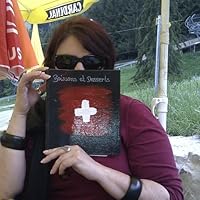
A papal conspiracy is revealed in the midst of a plague in this Italian historical thriller that sparked controversy with the Vatican.
Rome, 1683. The citizens anxiously await new of the battle for Vienna as Ottoman forces lay siege to the defenders of Catholic Europe. Meanwhile, a suspected outbreak of plague causes a famous Roman tavern to be placed under quarantine. One of its detainees, Atto Melani, a spy in the service of France, discovers a secret passage leading deep into the Roman underworld. But what he uncovers there is even more astonishing: a plot to assassinate Pope Innocent XI and plans to use the plague as a weapon of mass destruction against the Islamic world.
Meticulously researched and brilliantly conceived, Imprimatur is based on startling historical revelations that have been concealed for centuries, drawing on original papers discovered in the Vatican archives. A thriller in the vein of Umberto Eco's The Name of the Rose, this novel sheds new light on the power struggles of 17th-century Europe.
First published to great controversy in Italy in 2002, Imprimatur was boycotted by the Italian press before being translated into 20 languages with editions published in 45 countries.
Rita Monaldi majored in classical philology and specialized in the history of religions. She is an Italian journalist who, in collaboration with her husband, Francesco Sorti, wrote a series of literary-historical books called Imprimatur, Secretum and Veritas. They both live with their two young children in Vienna.
All the book titles of the series will create the sentence Imprimatur secretum, veritas mysterium. Unicum... The authors translate this as follows: “Even when a secret is printed, the truth is always a mystery. It remains only...” The authors are keeping secret the titles of the final two volumes.
5 sterren - Nederlandse paperback - Ik heb dyslexie. - Constanta , 14 februari 2041 En paar maanden geleden ben ik overgeplaatst..... hier neemt het woord armoede de medogeloze definitieve betekenis aan die het vroeger ook bij ons had. - In secretum komen de twee hoofdpersonages uit het vorige deel Imperium terug: Abt Atto Melani, voormalige castraat zanger, diplomaat en spion van de Zonnekoning en het knechtje uit de herberg De Schildknaap. Het verhaal speelt zich af tijdens het jubeljaar 1700 in Rome. Paus Innocentius XII ligt op sterven, maar ook de Spaanse koning Karel II ligt op sterven zonder opvolger. Alle intriges die zich afspelen openbaren zich ook tijdens een huwelijk waarbij beide personages betrokken zijn. - Terwijl de preek verder ging sloeg ik het bruidspaar gade. Vanuit mijn positie kon ik maar weinig zien. Behalve de buitengewone rijkdom en weelde van de bruidsjapon en van de kapsels van de bruid.- De abt heeft een vriendin in een zeer uitzonderlijke positie de hem meerdere brieven schrijft waarbinnen de intriges zich alleen nog maar meer opstapelen. - Mijn dierbare vriend, Hier ben ik aangekomen in het vuur van Rome. Een en ander verloopt haastig. Ik heb tijdens een reisonderbreking iets vernomen wat U reeds zult weten: een paar dagen geleden heeft de Spaanse ambassadeur, hertog d'Uzeda, een dubbele audiëntie bij de paus gekregen. - In prachtige literaire volzinnen wordt het doek van het verhaal ontrolt en waarheden, pijnlijke waarheden onthult. Ik heb enorm van het verhaal genoten maar door de enorme hoeveelheid informatie in het boek heeft het mij twee maanden gekost het boek te kunnen lezen en een korte recensie te kunnen schrijven. - O, onbezonnenheid. Als je denkt dat de tijd Altoos kan passeren , We moeten creperen - - er waren veel jubeljaren volgens de gelovige terecht gewijd aan het mohammedaanse gevaar, dat nog steeds in het Oosten bestond, het was moeilijker te begrijpen welke klemmende noodzaak de paus ertoe had gebracht de strooptochten van een zekere piraat Dragut als reden voor de opening van het buitengewone heilige jaar te kiezen - 🌹🌸🌷
Like Imprimatur this 2nd book in a series of seven about the vicissitudes of abt Atto Melani develops as a kind of historical-fiction. It's almost unbelievable what is happening. The pace of the story is at moments so fast, that you sit on the edge of your seat, flipping pages, and holding your breath and then suddenly in the middle of that fast pace the author start describing the beauty of the garden or a building. You relax and can breath again, but it's only for a short moment. Bit by bit the story develops and at the end there is a lot to think about: did this all really happen!
The answer lies in the thoroughly composed postscript. There Rita Monaldi and Francesco Sorti underpin the whole story with tens of documents found in archives all over Europe.
After you have read all the research work they did there only remains admirations for the way they have taken you with them and with the characters in the story.
When I finished their postscript I thought: I must re-read this book, because there's a lot in it I seem to have missed.
Ένα βιβλίο που με ταλαιπώρησε για κοντά δύο εβδομάδες και το προτείνω με μεγάλη επιφύλαξη, μόνο για σκληροπυρηνικούς αναγνώστες, φανατικούς μελετητές της ευρωπαϊκής Ιστορίας πλέον και μόνο. Συνέχεια του Τυπωθήτω κι όπως έλεγα και σε εκείνη την παρουσίαση, οι συγγραφείς έχουν έτοιμες άλλες δύο συνέχειες, που μεταξύ μας δεν σκοπεύω να τις διαβάσω. Δηλαδή τι άλλο πια θα συμβεί σε αυτόν τον ταλαίπωρο 16ο αιώνα και θα χωρέσει με τη βία σε μια μυθιστορηματική πλοκή;
Δεκαεπτά χρόνια μετά το πρώτο βιβλίο, ο νάνος (τότε παραγιός του ξενοδοχείου, τώρα έξτρα βοηθός σε πλούσιο αγροτόσπιτο της οικογένειας Σπάντα), σύζυγος πλέον της πόρνης Κλορίνιτια, που έχει εξελιχθεί σε σοφή μαμή και της ζητούν τη βοήθεια όλες οι γυναίκες Ρώμης και περιχώρων, ο νάνος λοιπόν θα προσληφθεί για να βοηθήσει στις πλούσιες, πενθήμερες ετοιμασίες του γάμου του γιου Σπάντα και με έκπληξη θα διαπιστώσει ότι ο Άτο Μελάνι είναι ανάμεσα στους καλεσμένους! Ποιος λοιπόν ο σκοπός της παρουσίας του στη γιορτή; Ποια τα βαθύτερα σχέδιά του; Θα τον εμπιστευθεί τελικά ο νάνος; Άλλαξε συμπεριφορά ο Άτο ή εξακολουθεί να εκμεταλλεύεται και να δωροδοκεί;
Λοιπόν για να μην ταλαιπωρήστε: από τη μια πεθαίνει ο Κάρολος Β΄, βασιλιάς της Ισπανίας, και δυστυχώς χωρίς απογόνους, και από την άλλη ο νέος πάπας Ιννοκέντιος ΙΒ΄ γιορτάζει άλλο ένα ιωβηλαίο της παπικής εκκλησίας (φήμες κυκλοφορούν ότι είναι ετοιμοθάνατος). Ο Βασιλιάς της Ισπανίας ζητά λύση διαδοχής από τον Πάπα κι έτσι ο Άτο Μελάνι με ένα σωρό συνωμοσίες και συνεργούς πλαστογραφεί την υπογραφή του Πάπα και προτείνει ως διάδοχο τον εγγονό του Λουδοβίκου ΙΔ΄, Φίλιππο του Ανζού, με αποτέλεσμα ο Λουδοβίκος να βάζει χέρι στις ισπανικές κτήσεις. Αυτή η κίνηση πυροδοτεί έναν σκληρό κι αιματηρό πόλεμο σε όλη την Ευρώπη, με τις αποιικίες και τις κτήσεις όλων, τα σύνορα και τα δεδομένα να αμφισβητούνται απ΄όλους. Ανάμεσα στους συνεργούς είναι και η Μαρία Μαντσίνι, ερωμένη του Λουδοβίκου ΙΔ΄, την οποία η Βασιλομήτωρ εξεδίωξε από την αυλή και ο Λουδοβίκος, που δεν πρόκειται να ερωτευτεί ποτέ ξανά καμία γυναίκα, να ξεσπά σε όλες τις θηλυκές υπάρξεις του κράτους του και του κρεβατιού του.
Όλα αυτά, που δίνονται με το σταγονόμετρο, ο Μελάνι φωτίζεται πότε ένοτνα και πότε ελάχιστα, διανθισμένα από ένα σωρό λεπτομέρειες φαγητών, ντυσιμάτων, τρόπων διασκέδασης, τρόπων ξεγέννησης, νοοτροπιών για τη μαιευτική και για το πώς να έρχονται στον κόσμο υγιή παιδιά (να φανταστείτε ότι αν γεννηθεί μαύρο παιδί από λευκή, άρα τρέχα γύρευε πώς πέρναγε την ώρα της τα βράδια η ύπανδρος σύζυξ, έλεγαν οι μαίες, α δεν είναι τίποτα είδε έναν μαύρο δούλο στον δρόμο και εντυπώθηκε η εικόνα του στο μυαλό της!!!!). Αναλυτικές περιγραφές, αναλυτικές σκευωρίες, αναλυτικοί χαρακτήρες, κάτι σαν φάντασμα που δεν κατάλαβα πώς το εξηγεί ο συγγραφέας, ελάχιστες ανατροπές, άρχισα να πηδάω σελίδες στο τέλος. Να φανταστείτε ούτε καν ασχολήθηκα με τις ιστορικές επεξηγήσεις και τεκμηριώσεις!
Επίσης αυτήν τη φορά ο Λαυρέντιος που είχε στείλει το πρώτο αντίγραφο του Τυπωθήτω στα χέρια του Γραμματέα της Επιτροπής για την Ανακήρυξη των Αγίων ώστε να σκεφτεί καλύτερα πριν αγιοποιήσει τον Ιννοκέντιο ΙΑ΄τώρα βρίσκεται εξόριστος σε απόμερο μέρος της Ιταλίας, διαμαρτύρεται στο ίδιο άτομο και του στέλνει κι άλλο χειρόγραφο των συγγραφέων που είχε γνωρίσει! Πώς και γιατί επίσης δεν πολυκατάλαβα.
Τέλος πάντων, πολύ δύσκολο, πολύ μπερδεμένο, πολύ αναλυτικό, το αφήνω στη δική σας κρίση. Την κατάσταση την κάνει χειρότερη η μετάφραση, που εδώ είναι πάρα πολύ αδύνατη (για να μην τη χαρακτηρίσω αλλιώς), με ένα σωρό λέξεις και συντάξεις που δεν ευσταθούν στην ελληνική γλώσσα (αποκορύφωμα: η απόδοση της βασίλισσας της Λήμνου Υψιπύλης ως Ισιφίλη-σελ. 190, δηλαδή έλεος με την απροσεξία!).
Η έκδοση συνοδεύεται από σιντί, που δυστυχώς η δική μου κόπια δεν είχε και δεν ξέρω να σας πω τι ακόυγεται και πόσο ταιριάζει με την ατμόσφαιρα (;) του βιβλίου.
Toen ik 2 jaar geleden een bespreking over Imprimatur, het eerste boek met abt Atto Melani in de hoofdrol, schreef sloot ik af met: “En ik heb nog de 2 vervolgen liggen. Toch nog even bezinnen voor ik daar aan begin.” Ik vond het nu dus tijd om het tweede deel te lezen.
Ik heb die bespreking nog eens herlezen en eigenlijk kan ik ze gewoon kopiëren voor deze bespreking van Secretum.
Het recept is gewoon hetzelfde: een aantal bizarre gebeurtenissen vormen een spannende zoektocht naar de waarheid door de abt Atto Melani die wordt bijgestaan door een knecht die het verhaal vertelt vanuit zijn standpunt. Dit keer is het gekonkelfoes rond de nakende pausverkiezing het onderwerp. Tijdens de zoektocht hebben ze te maken met een heleboel intriges en verdachte personen en voorvallen.
En dat zou allemaal een spannend boek kunnen opleveren van ongeveer twee- à driehonderd pagina’s. Maar Monaldi en Sorti kunnen het niet laten het hele verhaal te verdrinken in ellenlange beschrijvingen van van alles en nog wat waardoor de actie zeer traag, maar dan ook zeer zeer zeer traag, verloopt en je een meer dan 700 pagina’s langdradig verhaal moet verwerken. De lessen geschiedenis krijgt de lezer er gratis en voor niets bij en dat zou reuze interessant kunnen zijn voor een student geschiedenis maar voor een gewone lezer op zoek naar een sterk verhaal is het allemaal te veel. Voortdurend dwaalde mijn aandacht af en keer op keer moest ik pagina’s herlezen omdat ik er niet de volle aandacht kon aan schenken.
Ik wou het toch uitlezen en kon op de duur niet anders dan mezelf quota van aantal pagina’s per dag opleggen. Maar toch zijn er hele stukken gewoon aan mijn aandacht ontsnapt en weet ik niet in hoeverre die bijdragen aan het verhaal op zich.
Dit keer sluit ik af met: “En ik heb nog een vervolg, Veritas, liggen van de in totaal 7 boeken over de abt Melani. Het zal ongelezen aan de bibliotheek geschonken worden vrees ik.”
Great fun, very enjoyable, historical writing that is very good - but the book has been vastly overpraised and I don't believe a word of the so called controversy with the Vatican - all that is smoke and mirrors created for an Italian audience who love imagining the Vatican controlling and interfering in everything and is totally bogus. All the talk about making a rabidly anti-muslim pope into a saint post 9/11 being shelved because of this book is also nonsense. There is nothing in this book, including the popes support of the protestant William against the catholic King James II, which isn't also very old news - even in my catholic boarding school back in 1973.
Also this is not in any way a match for books like 'In the Name of the Rose' - it is so absurd a comparison as to be almost embarrassing. I don't take these comparisons seriously. My experience is that when books are compared to The Name of the Rose all it shows is that the reviewer hasn't read either book (the same can be said when books are compared to Gone With the Wind, Lolita, Death in Venice, etc.) but Secretum is fun and readable - though I would not necessarily take it as absolutely true, in terms of what history might tell us, the stories relating to the fall of Fouquet and the involvement/plots of the French court and Colbert - but I am sure there is a basis in what happened or what people thought at the time. Over all the greatest weakness is that the authors have trouble sustaining the narrative and it gets rather bogs down - plus I am not sure it all really makes sense in the end - convoluted it is - but, as I say, fun.
Το διάβασα ολόκληρο στις διακοπές μου και έπαθα βλάβη στην άρθρωση του χεριού που κρατούσε τόσο βάρος στο ύψος των ματιών στο κρεβάτι. Τέλος πάντων. Ο φουκαράς, απονήρευτος νάνος τα κατάφερε πάλι με τις ίντριγκες του αββά Μελάνι και βγήκε σώος. Αλλά μέχρι τότε εμείς βγήκαμε στο δρόμο για το τρελλοκομείο! Οφείλω όμως να αναγνωρίσω τα πολλά ιστορικά στοιχεία που ήταν αποτέλεσμα ενδελεχούς μελέτης της εποχής από τους συγγραφείς. Δύο εντυπωσιακά θα έχω να θυμάμαι από το βιβλίο. Το πρώτο είναι οι ιστορίες της μαμής - πρώην πόρνης και νυν συζύγου νάνου. Έπειθαν το φουκαρά σύζυγο, την ώρα που διάβαινε το κατώφλι του σπιτιού και ήταν απασχολημένος να αναρωτιέται πού σκόνταψε, ότι το μωρό γεννήθηκε μαύρο επειδή η σεπτή και αθώα σύζυγος είδε έναν μαύρο στο δρόμο και της εντυπώθηκε η εικόνα! Και άλλα τέτοια, προφανώς βασισμένα σε ανάλογες καταγραφές της εποχής. Πολύ ωραίες ήταν επίσης οι περιγραφές των μεσαιωνικών παλατιών και ιταλικών επαύλεων καθώς και του 7ημερου πανηγυριού με αφορμή το γάμο δύο πλούσιων γόνων. Εμπεριστατωμένη και χρονοβόρα η έρευνα των συγγραφέων παραθέτει τεκμηρίωση στο τέλος του βιβλίου (εάν αντέξει να φτάσει κάποιος σε αυτό). Αναπόφευκτα ένα τόσο μεγάλο βιβλίο πλατειάζει σε πολλά σημεία του.
It's predecessor, Imprimatur, was a better read. This one, I had a really hard time finishing it. It sometimes inspired and painted an interesting world, but over all it was a bit too much. Unfortunate.
Oddly enough, I read this one before Imprimatur, and even though I it took me ages to finish this one, someone advised me to read the first one, so I fortunately did.
Like its predecessor, I found this to be a bit meandering and overwritten. Although the characters, setting, and situations are interesting, too much of the narrative is spent with characters explaining the historical context to each other.
Secretum è il secondo capitolo della saga letteraria dedicata ad Atto Melani diplomatico e spia per conto del Re Luigi XIV. Temporalmente i fatti narrati si svolgono diciassette anni dopo le vicende di Imprimatur e precisamente tra il 7 e il 16 luglio del 1700 nella villa del cardinal Spada a Roma in occasione dei festeggiamenti delle nozze del nipote Clemente. Ma nel dietro le quinte dei festeggiamenti si tessono intrighi a ridosso dell'imminente conclave. Anche in questo caso la ricostruzione storica effettuata da Monaldi e Sorti lascia stupefatti. La narrazione è, come in Imprimatur, molto avvincente e porterà l'abate Melani e gli altri protagonisti che lo aiutano nelle "indagini" a compiere di nuovo azioni roccambolesche. Non si può aggiungere altro senza rivelare troppo. Lasciatevi dunque trasportare dalle suggestioni di questo romanzo dove spesso nulla è come appare in un primo momento.
This is the 2nd of a trilogy of novels by Rita Monaldi & her husband, Francesco Sorti which I've read. I love their books...but they're so Godawful long! I took a long break after reading the first book, Imprimatur, and will do the same now before reading the final novel, Veritas. The one minor criticism I have is that they seem to use the word "ingenuous" far too frequently. Nevertheless, the story, set in 1700 in Rome, has all the intrigue, amorous liaisons, sleazy politics, Vatican religion, etc. that one could hope for in a book. I came away from this one disliking one of the main characters, Abbot Atto Melani, quite a bit more than in the last one. I've grown quite fond of the narrator, on the other hand, though he's still a bit naive at times. His wife, Cloridia, is quite something else also. There are great touches of humor & bundles of wisdom, historical & otherwise, throughout.
Drie sterren, hoewel ik denk dat als ik Italiaans kon en het origineel had gelezen dat ik dan wel richting de vier of vijf sterren had gegeven. Echter heb ik mij zo geërgerd aan de kromme Nederlandse zinnen, de onnodige verkleinwoorden en de beschrijvingen die in het Nederlands gewoon niet werken dat ik soms zo bewust was van het feit dat ik een vertaling las dat ik niet van het verhaal kon genieten. Jammer!
Wel drie sterren omdat ik ondertussen veel meer weet van de geschiedenis van de pausen, het Franse hof en de Spaanse monarchie. En ik hou van boeken gebaseerd op ware geschiedenis. Ik ga nog even nadenken of ik het volgende deel ga lezen, maar als het dezelfde vertaler is waarschijnlijk niet.
Une magnifique narration de 1028 pages dans la Rome des années 1700. Les descriptions des lieux et des événements sont magistrales dans les détails qui ne sont nullement ennuyeux, un véritable exploit. Un vocabulaire que l'on a plaisir à (re)découvrir. Mais surtout, une histoire nous dévoilant les dessous de l'Histoire du conclave et de l'élection du pape, ainsi que la crise de la succession d'Espagne, dirigée par Louis XIV. Il faut parfois ne pas se laisser décourager par le volume de Secretum, mais pour les passionnés d'Histoire, ce récit est une véritable mine d'or! Sans compter l'appendice conséquent nommant toutes les sources historiques de Monaldi et Sorti.
I read Imprimatur (to which this is the sequel) about three or four years ago and loved it, and this has been on my bookshelf since it came out. However, it's not the kind of book you can just pick up anytime. You need to be prepared to pay attention, to recall what happened in the last book, to be willing to look up characters and places (it is based on real events and people in history), and also to carry around it's 800 page mass. But it's worth it. It is so rich in historic description, and the plot is so thick in religious and monarchical espionage, it is truly a novel to get lost in. Epic.
I found this book hard-going and might have found it easier if I had known the history of the period. The device of having a narrator whose viewpoint we follow throughout and who knows as much or as little as the reader works to some extent. It does just get annoying that they seem to keep on and on failing to find out things they need to know until it becomes clear the Abbot had a different agenda to the one he was sharing with the narrator. I had already read the first one some time ago and I have the third on kindle so I may read it some day.
Back in 2002, Rita Monaldi and Francesco Sorti shocked Italy with "Imprimatur", a historical fiction novel which cast aspersions on the behaviour of past Popes. Despite being a very well researched and well-written mystery, it was boycotted in Italy, although it proved popular in other parts of the world. However, the lack of recognition in their home country meant that the follow up that such a good story deserved has been seven years in the making.
Set seventeen years after the events of "Imprimatur", our apprentice and narrator from that story has moved on and is now a loving husband and father. Many of the characters from that story have passed into memory, but suddenly Abbot Atto Melani returns to the apprentice's life. He is staying at the villa of Cardinal Spada, where the apprentice is often employed, for a wedding. But whilst he is in Rome, he hopes to cast some influence on the conclave to elect the next Pope, given that the incumbent is seriously ill and not expected to live for long.
Soon after his arrival, however, things start happening to Abbot Melani and the apprentice, not often welcome ones. Melani has a book he has written stolen, which could put him in an awkward position should it fall into the wrong hands as it could expose him as a French spy. As before, he pressgangs the apprentice to assist and document his actions during this period. Complicating this are the potential arrival of a long lost love and the question of who will inherit the Spanish throne, as the current King, like the Pope, is very ill. Melani once again has as many fingers in as many pies as possible and borrows other people's fingers when his own prove insufficient.
Monaldi and Sorti again provide a deeply layered mystery, with a huge amount going on. There are so many aspects to the story, some of which at first glance don't always seem to be related to others. Once the picture becomes clearer, however, it is apparent that most of the characters have a hand in many events. As before, the book draws on a huge cast of characters from Kings and Cardinals to gardeners and common criminals.
All the elements that made "Imprimatur" such a thrilling read are present. There's a constantly twisting mystery, with enough false clues and blind alleys that it would take Sherlock Holmes a while to get to the bottom of it. There are so many diverse elements that even though the pace of the story is quite slow, there is enough to keep the reader interested and to make the book feel a lot faster paced than it actually is.
The cast of characters are again wonderfully drawn. Even more so than before there are a group of very similar people in the Cardinals who resemble each other quite closely in their interests and ambitions. Even here, Monaldi and Sorti manage to make them all distinctive enough that it is rare to get them mixed up, even though they are mostly relatively minor characters and this attention to detail around the sides of the main story is rare. With the main characters, this is even more noticeable, as they all have different ways of speaking and acting that it is immediately obvious who is the focus of any line in the story, such is the detail they are fleshed out in.
As with the first book, "Secretum" appeals on a number of different levels. There's a wonderfully convoluted mystery that will appeal to fans of that genre, with enough action to keep thriller fans interested, even if it may be a little slow of pace for such readers. Fans of character-based stories will love the case here and once again there is a minor comic turn thanks to Caesar Augustus, a parrot who provides a neat and rather sweet little twist towards the end. There's even the addition of a love story that wasn't present before and the historical proofs that made the first seem so authentic are once again present and will add interest for history buffs, although they feel superfluous and quite heavy going to me.
Despite all this, "Secretum" just doesn't quite manage to spark my interest in the way that "Imprimatur" did and I can't quite figure out why. The story is as well written and researched as the earlier book and the characters equally well drawn, but the mystery that forms the basis of the story doesn't seem quite so exciting this time around. Whilst there are some exciting set pieces here, much of the story seems to be spent arriving at them, rather than having them fit in nicely as a natural part of the investigations into the mystery.
This makes the whole thing feel a little more ponderous and whilst the book is more readable than such a dry subject may suggest, it's not as much so as its predecessor. Part of the issue here may also be that the relationships between the characters are less cordial this time around, as many of them are pulling in different directions for their own ends, rather than having a common cause. Whereas before the story was set in the relatively enclosed space of an inn, here the whole of Rome is available and the space serves only to create distance, not to widen the scope.
This is not to say that "Secretum" is without merit, as it's still a good book in its own right, it just pales a little in obvious comparison with the authors' previous and similar and, in this case, superior work. But for fans of well-written historical fiction, Monaldi and Sorti once again provide a well-researched and entertaining mystery.
Définitivement mieux que le premier volume. Plus d'événements historiques et moins de ces looooooooongues descriptions de n'importe quoi afin de montrer l'étendue de leur culture et de leur recherche.
Vivant présentement à Rome, j'aime bien prendre en note les lieux, piazzas, les retrouver et imaginer les scènes.
An enjoyable follow up to Imprimatur, bringing Atto Melani and the narrator back together 17 years after their last adventure. Some of the descriptove parts of the story feel a bit over the top and too detailed, but other than that it's a very absorbing historical fiction read.
It took some perseverance to continue reading but in the end it started to be OK. One thing, did I miss something - or is the main character really nameless throughout this book?
Definitely a bad buy!! This was the most boring book I have ever read. Too much description that wasn't needed & would've shortened the book considerably. However I persevered to the end!!
"Secretum.", der zweite Band um das ereignisreiche Leben und die Abenteuer des Atto Melani, Kastrat und Geheimagent im Dienste des Sonnenkönigs Ludwig XIV. Große Erwartungen waren bereits durch die Lektüre des ersten Bandes "Imprimatur." geweckt, und wie so oft hat es ein Folgewerk schwer, diese hochgesteckten Ziele zu erfüllen. Aber dem will ich erst einmal nicht vorweg greifen.
Wir schreiben das Jahr 1700. Rom feiert (ein weiteres) heiliges Jahr, abertausende von Pilgern aus ganz Europa strömen in die heilige Stadt. Kardinal Spada, Staatssekretär des Kirchenstaates, richtet in seiner prachtvollen Villa die Hochzeit seines Neffen aus und unter den illustren Gästen finden wir auch den gealterten Atto Melani. Die schwere Krankheit des Papstes und das aus diesem Grunde bevorstehende Konklave machen dieses gesellschaftliche Ereignis zu einem politischen Event ersten Ranges, und Atto Melani versucht geschickt im Sinne seines Auftraggebers, des französischen Königs, die Fäden zu ziehen. Ebenfalls der namenlose kleinwüchsige Erzähler aus dem ersten Band findet sich als Gärtnergehilfe und Vogelmeister (der sich um die prächtigen Volieren des Kardinals kümmert) inmitten des Geschehens wieder. Melani heuert ihn als Gehilfen an, lässt ihn aber wie stets über seine wahren Absichten im Dunkeln. Neben der bevorstehenden Papstwahl geht es zudem auch noch um die spanische Erbfolge. Der spanische König liegt kinderlos auf dem Sterbebett und sowohl Kaiser Leopold (des heiligen römischen Reiches deutscher Nation) und der Sonnenkönig erheben Anspruch auf den spanischen Thron. Wir geraten erneut in eine wilde Verschwörung, bei der seltsame -- aber wohlorganisierte -- Bettlersekten, korrupte Polizisten, ein sprechender Papagei und eine Spukvilla den Rahmen für eine mitunter turbulente Handlung bieten.
Erneut ist die Handlung in den fiktiven Rahmen einer Korrespondenz zwischen dem (ehemaligen) Bischof Lorenzo dell'Agio, jetzt strafversetzt nach Rumänien (-> Anspielung auf Ovid) und dem Sekretär der Kongregation für die Heiligsprechung eingebettet (man verdächtigte den Bischof von Como, er hätte das Manuskript zu "Imprimatur" heimlich und ohne Zustimmung der Kirche veröffentlicht) und wieder geht es um ein Manuskript, das dem Bischof von seinen untergetauchten "Autorenfreunden" zugesandt wurde. Einheit des Ortes und Einheit der Zeit scheinen dem Autorenduo Monaldi und Sorti am Herzen zu liegen, beschränkt sich die Handlung erneut auf gerade einmal 10 Tage und der Ort des Geschehens ist größtenteils das Anwesen der Villa Spada und diesmal das "oberirdische" Rom. Die Protagonisten sind ebenfalls größtenteils bereits aus dem ersten Band bekannt, auch wenn dessen Handlung bereits 17 Jahre zurück liegt. Ebenfalls wird der Band mit Hinweisen zu Originaldokumenten abgeschlossen, die die Authentizität der behandelten Fakten belegen sollen und zudem sehr interessant sind.
Eines muss man den Autoren lassen. Wenn sie etwas schreiben, dann schreiben sie es gründlich -- wie der geneigte Leser auf den mehr als 1000 Seiten des Romans erfahren mag. Durchaus kommt es diesmal auch zu einigen Längen. Natürlich sind die historisch untermauerten Schilderungen oft hochinteressant, aber einige "schräge" Details waren dann auch mir zuviel. So etwa der sprechende Papagei -- der natürlich auch nur spricht, wenn der Erzähler zugegen ist -- der der Richtung der Handlung mehrmals eine neue Ausrichtung gibt (...bei Startrek waren diese "Kunstkniffe", die die Handlung an einem toten Punkt weiter bringen sollten, üblicherweise das "Beamen" oder eine "Subraumanomalie"...). Andererseits auch die seltsamen "Phantome" der Geistervilla, die als "il Nave" (das Schiff) bezeichnet wird mit ihrem seltsamen Bewohner, dem holländischen Geiger, der immer nur ein einziges Stück, eine "Folia" (Verrücktheit), spielt. So auch die Verschwörungstheorie mit den "Carretanern" (Bettler oder Ketzer....wer weiss), die für anscheinend jede Untat in der heiligen Stadt verantwortlich zeichnen. Alles eben durch und durch "barock".... Aber für mich diesmal ein wenig zuviel des guten. Bot der erste Band noch atemlose Spannung plus detaillierte Schilderungen des barocken Roms, fällt es den Autoren diesmal ziemlich schwer, die Spannung zu halten. Hinter der prallen und farbenfrohen Welt des barocken Roms bleiben leider erneut die Figuren leidlich blass. Insgesamt ist die Serie auf sieben Bücher angelegt, der dritte Band "Veritas" ist bereits erschienen. Allerdings hoffe ich, dass die Folgebände wieder etwas an Profil zulegen können. Zunächst einmal ist mein Bedarf an historischen Kriminalromanen für einige Zeit gestillt...
Nonostante la narrazione segua una via principale, le miriadi di stradine laterali che sia aprono lungo il percorso possono a volte disorientare un po’ il lettore. Rita Monaldi e Francesco Sorti sono stati abilissimi nel districarsi tra tutte le parole che hanno scritto, ma non è detto che anche i lettori riescano a fare altrettanto. I 10 giorni in cui l’azione si dipana sono dilatati su più di 800 pagine, tante anche per i più affezionati al genere del romanzo storico. Gli autori dimostrano nuovamente tutta la loro bravura nel fondere insieme la realtà e la fantasia, i fatti storici realmente avvenuti e tutti fedelmente documentati, completandoli con parti di invenzione per supplire alle lacune che la Storia lascia. La linea di demarcazione è impercettibile e se non ci fossero i documenti finali a far luce per il lettore sarebbe impossibile distinguere gli uni dagli altri. L’avvio è un po’ lento, le parti descrittive molte e a volte rallentano il ritmo, nonostante ciò non si può evitare di venire ammaliati da uno stile di scrittura così elegante ed evocativo, lo scoprire termini desueti che bussano alla porta della memoria o che si presentano per la prima volta, ma che perfettamente vestono l’ambientazione del romanzo. Leggere Secretum non è solo leggere un pregevole romanzo storico venato di giallo, è come ascoltare una sublime melodia che ti rapisce e ti dà gioia. La passione che gli autori hanno messo nello scrivere questo romanzo, le meticolose ricerche, la cura dei dettagli e le superbe descrizioni traspaiono da ogni pagina di questo libro e per osmosi si trasmettono al lettore. Se chiudo gli occhi posso vedere lo splendore dei giardini delle ville romane, la moltitudine di fiori e piante, la cura amorevole che disegna le sagome delle aiuole, vedo la magnificenza dei palazzi dei loro affreschi custoditi tra i giochi di archi che formano le volte, vedo la maestria e l’ingegno dell’uomo a servizio dell’arte, se chiudo gli occhi sento il profumo dei pini e dei giacinti, di raffinati profumi francesi e di maleodoranti viandanti, se chiudo gli occhi sento il gusto di mille leccornie di sontuosi banchetti, se chiudo gli occhi sento il tocco leggero di pregiate stoffe scivolarmi sulla pelle. Quando li riapro non posso che esser grata alla lettura di un libro che ha destato in me tutti i sensi, leggere libri come questo è puro piacere, garanzia di contenuto e stile. Secretum non è sicuramente un libro adatto a tutti, soprattutto non a coloro che hanno fretta di arrivare alla fine e a scovare un colpevole, forse proprio perché un colpevole qui non c’è. Non è un thriller, ma un libro di rivelazioni. Quella dell’abate Melani è una saga con la quale i due autori si sono cimentati per ricostruire la vera storia che si potrebbe nascondere dietro ad alcuni documenti che hanno scovato nelle biblioteche di tutto il mondo durante le loro ricerche. Si parla di firme falsificate, di una storia completamente diversa da quella che è scritta sui libri di scuola. Il tutto viene chiarito alla fine del libro, dove trovano spazio le prove documentali a sostegno della (ipo)tesi che viene fuori durante la lettura. dovete lasciarvi prendere per mano e condurre dagli autori tra magnifici palazzi ed estasianti giardini inseguendo un incognita e scoprirete che nella ricerca di una soluzione sul percorso scoprirete molte altre realtà. Un romanzo che, con una nota malinconica di fondo, ha la capacità di stuzzicare l’intelletto e nutrire lo spirito. Alla fine ogni il lettore trarrà le sue conclusioni su cos’è che muove il mondo, e badate, la risposta non è così scontata.
Misschien iets minder indrukwekkend dan het eerste deel, Imprimatur, maar nog altijd smullen geblazen. Monaldi & Sorti dompelen je helemaal onder in het Italië van de 17e en 18e eeuw, bombarderen de lezer met talloze historische feitjes, weetjes, ditjes en datjes die vechten om de lezers aandacht. Precies waar ik zin in had op vakantie!
Nee, het is niet altijd even fantastisch geschreven vanuit een literair oogpunt bekeken, maar ik neem het graag voor lief. De schrijvers zijn er niet op uit om de literaire grenzen te verleggen, ze willen gewoon een grandioos, uitermate ambitieus historisch verhaal vertellen. De vertaling van Jan van der Haar is weer uitstekend gedaan, waardoor je bijna zou denken dat Monaldi & Sorti de boeken in het Nederlands hebben geschreven.
Een heerlijk boek, dus, om tijdens vakantie in te dwalen. In Italië, nota bene, waardoor ik met enige regelmaat standbeelden of straatnamen zag van historische personen die in het boek voorkwamen. Kon ik even – tot vervelens toe – de connaisseur uithangen tegen m’n vriendin. 🧐
Gekocht op de rommelmarkt in Rumbeke, ongelezen aan 0,10 euro. Omdat ik een voorliefde heb voor historische romans, omdat ik mij 'Imprimatur" nog vaag herinnerde als een goed boek. Over de gebeurtenissen in de politieke en pauselijke wereld van 1700. Vol roddels en manipulaties. Het zou een schitterend boek kunnen geweest zijn, als het 300 bladzijden korter was geweest (766 blz.). Ik heb zeker niets tegen kleppers van boeken. Als het bijdraagt aan de verhaallijn, mogen ze zeer dik zijn. Maar een blad met niet anders dan de opsomming van de 'heilige jaren' tussen 1300 en 1700, of de ellenlange opsomming van de soorten bedelaars in het zeventiende eeuwse Rome draagt alleen maar bij aan mijn overtuiging dat de schrijvers echt wel een erudiete kennis hebben van deze periode. Besluit: het was het bestede geld waard😀.
Il Secretum di Monaldi e Sorti è di riuscire a scrivere del nulla per 800 pagine e venderle. Il libro non ha una storia, non vi succede nulla. L'unico pregio, che gli vale la seconda stellina, è che fornisce una serie di informazioni storiche sicuramente interessanti, molte delle quali di colore. Libro infinitamente inferiore al primo di cui non ripete nulla, se non l'attenersi alla Storia. Perdibile!
Appassiona ma non rapisce. Le ricostruzioni storiche sono accuratissime (specie per l'epistolario e la caratterizzazione dei personaggi storici) ma non sempre funzionali alla trama, che ne risulta appesantita. L'evoluzione dei protagonisti non avvince, l'elemento sovrannaturale è un pò forzato.
Un’altro capolavoro del duo Monaldi e Sorti, non raggiunge la perfezione solo perchè lo spunto storico da cui parte il romanzo non mi ha eccessivamente interessato, ma il linguaggio è superlativo e originale, le trovate pure e i personaggi rappresentati descritti sono super originali e divertenti
De hoeveelheid details zijn prachtig, maar begonnen voor mij naar verloop van tijd wat af te leiden. Als je opnieuw een pagina lange opsomming krijgt van de groepen cerretanen, begin je al snel stukken over te slaan.