

What do you think?

The Shaking Woman, or A History of My Nerves
In this unique neurological memoir Siri Hustvedt attempts to solve her own mysterious condition While speaking at a memorial event for her father in 2006, Siri Hustvedt suffered a violent seizure from the neck down. Despite her flapping arms and shaking legs, she continued to speak clearly and was able to finish her speech. It was as if she had suddenly become two a calm orator and a shuddering wreck. Then the seizures happened again and again. The Shaking Woman tracks Hustvedt’s search for a diagnosis, one that takes her inside the thought processes of several scientific disciplines, each one of which offers a distinct perspective on her paroxysms but no ready solution. In the process, she finds herself entangled in fundamental What is the relationship between brain and mind? How do we remember? What is the self? During her investigations, Hustvedt joins a discussion group in which neurologists, psychiatrists, psychoanalysts, and brain scientists trade ideas to develop a new neuropsychoanalysis. She volunteers as a writing teacher for psychiatric in-patients at the Payne Whitney clinic in New York City and unearths precedents in medical history that illuminate the origins of and shifts in our theories about the mind-body problem. In The Shaking Woman , Hustvedt synthesizes her experience and research into a compelling Who is the shaking woman? In the end, the story she tells becomes, in the words of George Makari, author of Revolution in Mind , “a brilliant illumination for us all.”
224 pages, Hardcover
First published January 1, 2009
About the author
Siri Hustvedt
77 books2,777 followersHustvedt was born in Northfield, Minnesota. Her father Lloyd Hustvedt was a professor of Scandinavian literature, and her mother Ester Vegan emigrated from Norway at the age of thirty. She holds a B.A. in history from St. Olaf College and a Ph.D. in English from Columbia University; her thesis on Charles Dickens was entitled Figures of Dust: A Reading of Our Mutual Friend.
Hustvedt has mainly made her name as a novelist, but she has also produced a book of poetry, and has had short stories and essays on various subjects published in (among others) The Art of the Essay, 1999, The Best American Short Stories 1990 and 1991, The Paris Review, Yale Review, and Modern Painters.
Like her husband Paul Auster, Hustvedt employs a use of repetitive themes or symbols throughout her work. Most notably the use of certain types of voyeurism, often linking objects of the dead to characters who are relative strangers to the deceased characters (most notable in various facits in her novels The Blindfold and The Enchantment of Lily Dahl) and the exploration of identity. She has also written essays on art history and theory (see "Essay collections") and painting and painters often appear in her fiction, most notably, perhaps, in her novel, What I Loved.
She lives in Brooklyn, New York, with her husband, writer Paul Auster, and their daughter, singer and actress Sophie Auster.
Hustvedt has mainly made her name as a novelist, but she has also produced a book of poetry, and has had short stories and essays on various subjects published in (among others) The Art of the Essay, 1999, The Best American Short Stories 1990 and 1991, The Paris Review, Yale Review, and Modern Painters.
Like her husband Paul Auster, Hustvedt employs a use of repetitive themes or symbols throughout her work. Most notably the use of certain types of voyeurism, often linking objects of the dead to characters who are relative strangers to the deceased characters (most notable in various facits in her novels The Blindfold and The Enchantment of Lily Dahl) and the exploration of identity. She has also written essays on art history and theory (see "Essay collections") and painting and painters often appear in her fiction, most notably, perhaps, in her novel, What I Loved.
She lives in Brooklyn, New York, with her husband, writer Paul Auster, and their daughter, singer and actress Sophie Auster.
Ratings & Reviews
Friends & Following
Create a free account to discover what your friends think of this book!
Community Reviews
Displaying 1 - 30 of 220 reviews

April 24, 2015
I LUOGHI DELLA MEMORIA

Francesca Woodman
Siri Hustvedt scrive romanzi e poesie, saggi letterari e di critica d’arte, tiene conferenze in Europa America e Australia su questi argomenti, ma anche sulla psicanalisi, visto che a New York insegna per l’appunto storia della psicoanalisi.
Insegna anche scrittura creativa negli ospedali, ai malati, bambini e adulti.
Dall’infanzia è soggetta (o possiede il dono?) a un sistema nervoso in continuo stato di allerta: strani sintomi, allucinazioni auditive e visive, ipersensibilità ai colori, emicranie precedute da istanti di euforia e dalla sensazione di levitare, emicranie che durano ininterrottamente anche per un anno intero, e, come racconta qui, tremori, veri e propri spasmi che la colgono in certe situazioni.

Giovanna d’Arco sul rogo
Due anni e mezzo dopo la morte del padre, mentre legge in pubblico un suo ricordo, nell’università dove lui ha insegnato per quasi 40 anni (i luoghi della memoria), è presa da convulsioni, tremori forti dal collo in giù, palesi, ben visibili, che le lasciano però inalterata la capacità di ragionare e parlare: per cui porta a termine il suo discorso con buon successo.
Una situazione non preceduta da ansia (ansia di prestazione, paura del palcoscenico ecc.), il che porta a escludere gli attacchi di panico.
La situazione si ripeterà a distanza di tempo, in altri luoghi, ma sempre durante interventi pubblici, senza arrivare a impedirle l’attività di conferenziera.
Epilessi? Isteria? Cosa?

Santa Teresa d’Avila
Siri Hustvedt inizia a leggere tutto: a partire da Freud per ritornare a Freud, prima e dopo di lui, inclusi antichi greci, santi scrittori, scienziati, artisti, filosofi, studia Teresa d’Avila e Giovanna d’Arco, Dostoevskij e lo psicologo russo Alexandre Luria, intervista biologi, viene invitata agli incontri della società di neuro-psicanalisi, crea dei laboratori di scrittura in un ospedale psichiatrico. Esplora il rapporto mente-corpo, esplora anima, emozione e psiche, si rivolge a psicanalisi, psichiatria, e neurologia. Comincia per la prima volta un percorso di terapia psicanalitica a 55 anni (età ragguardevole per compiere questa scelta, il che sorprende alquanto considerato il personaggio).
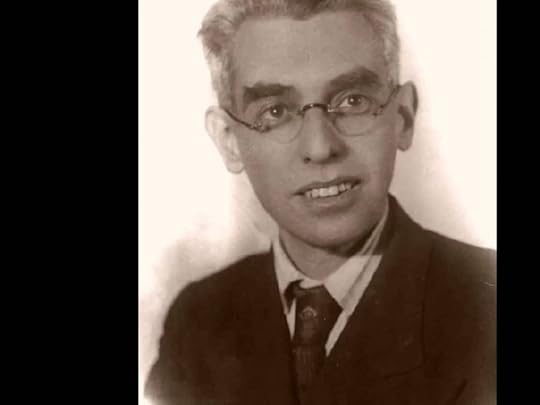
Aleksandr Lurija
In questo viaggio alla ricerca di chi è la donna che trema, e di che rapporto abbia con la donna che scrive, si confronta con la memoria, con i luoghi, e con il nesso fra memoria e immaginazione.
Era stato il fatto di trovarsi in un luogo così fortemente associato con la memoria del padre che l'aveva fatta tremare?
Le viene in mente un episodio che da bambina l'aveva umiliata e si rende conto che lo colloca in una stanza che allora non c'era ancora, ma che avrebbe conosciuto dopo.
Durante il cammino legge e rilegge, recupera ricordi d’infanzia, flashback che l’hanno inseguita dopo un incidente d’auto, compila liste di “Mi ricordo”…
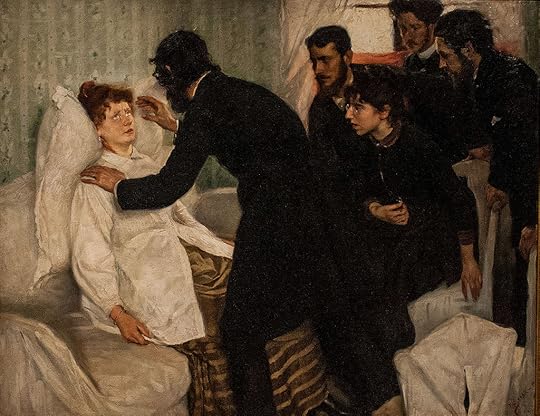
Perché non tentare con l’ipnosi?
In questo saggio e memoir e autobiografia (del suo sistema nervoso e non solo) racconta di sé e della sua famiglia, dei suoi momenti di dolore e di gioia, li analizza, si analizza, non solo usando le scienze legate alla mente, ma anche l’arte e la filosofia.
È privata e pubblica, scrittrice e paziente e medico di se stessa, per approdare a una risposta rivoluzionaria: la risposta definitiva non si trova mai, forse non esiste, dobbiamo imparare ad accettarci, ad accogliere abbracciare e valorizzare i nostri vari ego e alter ego.

La famiglia Auster al completo
In questo breve viaggio che è stato la lettura di queste duecento paginette io ho imparato che Siri Hustvedt ha 60 anni, ma ne dimostra 40/45 al massimo, che non le piace essere definita la moglie di Paul Auster ma usa il nome del marito per registrarsi negli alberghi, che insegna scrittura creativa ma non possiede il senso del ritmo, scrive in modo noioso anche vicende altamente emotive, non sa cosa sia la costruzione di un attimo, di un’attesa, la suspense, un colpo di scena, una sorpresa (aspetti che si dovrebbero incontrare, e spesso accade, anche nei saggi, nei memoir, nei reportage). Parla di storytelling, e mi è sembrata essere all’oscuro dei suoi principi base.
Mi ha insegnato la noia, e lo sbadiglio di noia.
E ho imparato che probabilmente non leggerò altro scritto da lei.
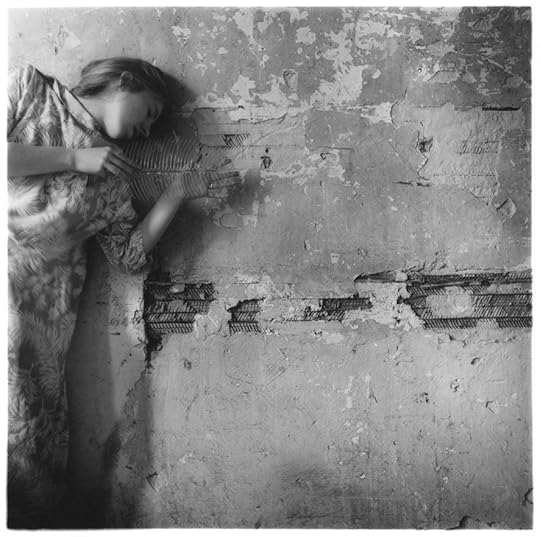
Francesca Woodman
Francesca Woodman
Siri Hustvedt scrive romanzi e poesie, saggi letterari e di critica d’arte, tiene conferenze in Europa America e Australia su questi argomenti, ma anche sulla psicanalisi, visto che a New York insegna per l’appunto storia della psicoanalisi.
Insegna anche scrittura creativa negli ospedali, ai malati, bambini e adulti.
Dall’infanzia è soggetta (o possiede il dono?) a un sistema nervoso in continuo stato di allerta: strani sintomi, allucinazioni auditive e visive, ipersensibilità ai colori, emicranie precedute da istanti di euforia e dalla sensazione di levitare, emicranie che durano ininterrottamente anche per un anno intero, e, come racconta qui, tremori, veri e propri spasmi che la colgono in certe situazioni.
Giovanna d’Arco sul rogo
Due anni e mezzo dopo la morte del padre, mentre legge in pubblico un suo ricordo, nell’università dove lui ha insegnato per quasi 40 anni (i luoghi della memoria), è presa da convulsioni, tremori forti dal collo in giù, palesi, ben visibili, che le lasciano però inalterata la capacità di ragionare e parlare: per cui porta a termine il suo discorso con buon successo.
Una situazione non preceduta da ansia (ansia di prestazione, paura del palcoscenico ecc.), il che porta a escludere gli attacchi di panico.
La situazione si ripeterà a distanza di tempo, in altri luoghi, ma sempre durante interventi pubblici, senza arrivare a impedirle l’attività di conferenziera.
Epilessi? Isteria? Cosa?
Santa Teresa d’Avila
Siri Hustvedt inizia a leggere tutto: a partire da Freud per ritornare a Freud, prima e dopo di lui, inclusi antichi greci, santi scrittori, scienziati, artisti, filosofi, studia Teresa d’Avila e Giovanna d’Arco, Dostoevskij e lo psicologo russo Alexandre Luria, intervista biologi, viene invitata agli incontri della società di neuro-psicanalisi, crea dei laboratori di scrittura in un ospedale psichiatrico. Esplora il rapporto mente-corpo, esplora anima, emozione e psiche, si rivolge a psicanalisi, psichiatria, e neurologia. Comincia per la prima volta un percorso di terapia psicanalitica a 55 anni (età ragguardevole per compiere questa scelta, il che sorprende alquanto considerato il personaggio).
Aleksandr Lurija
In questo viaggio alla ricerca di chi è la donna che trema, e di che rapporto abbia con la donna che scrive, si confronta con la memoria, con i luoghi, e con il nesso fra memoria e immaginazione.
Era stato il fatto di trovarsi in un luogo così fortemente associato con la memoria del padre che l'aveva fatta tremare?
Le viene in mente un episodio che da bambina l'aveva umiliata e si rende conto che lo colloca in una stanza che allora non c'era ancora, ma che avrebbe conosciuto dopo.
Durante il cammino legge e rilegge, recupera ricordi d’infanzia, flashback che l’hanno inseguita dopo un incidente d’auto, compila liste di “Mi ricordo”…
Perché non tentare con l’ipnosi?
In questo saggio e memoir e autobiografia (del suo sistema nervoso e non solo) racconta di sé e della sua famiglia, dei suoi momenti di dolore e di gioia, li analizza, si analizza, non solo usando le scienze legate alla mente, ma anche l’arte e la filosofia.
È privata e pubblica, scrittrice e paziente e medico di se stessa, per approdare a una risposta rivoluzionaria: la risposta definitiva non si trova mai, forse non esiste, dobbiamo imparare ad accettarci, ad accogliere abbracciare e valorizzare i nostri vari ego e alter ego.
La famiglia Auster al completo
In questo breve viaggio che è stato la lettura di queste duecento paginette io ho imparato che Siri Hustvedt ha 60 anni, ma ne dimostra 40/45 al massimo, che non le piace essere definita la moglie di Paul Auster ma usa il nome del marito per registrarsi negli alberghi, che insegna scrittura creativa ma non possiede il senso del ritmo, scrive in modo noioso anche vicende altamente emotive, non sa cosa sia la costruzione di un attimo, di un’attesa, la suspense, un colpo di scena, una sorpresa (aspetti che si dovrebbero incontrare, e spesso accade, anche nei saggi, nei memoir, nei reportage). Parla di storytelling, e mi è sembrata essere all’oscuro dei suoi principi base.
Mi ha insegnato la noia, e lo sbadiglio di noia.
E ho imparato che probabilmente non leggerò altro scritto da lei.
Francesca Woodman

January 28, 2018
A magnificent book, I cannot formulate it in any other way. Mind you, this is not a novel, rather a drawn out essay with an autobiographical focus. After all, Hustvedt describes how, from 2006 onwards, she regularly suffers from sudden, severe tremors, and in the book she looks back on her years of searching for an explanation and a solution to it.
So this is a very specialized, rather difficult book to read. Hustvedt tells about her wanderings along psychologists, neurologists, brain specialists, and about her own in-depth study of the state of affairs in those domains, also illustrated with concrete cases she knows herself or she has heard about or read about. She does this in a rather chaotic, meandering way, which according to the reviews enervate many readers. But for me this just was the charm of this book: anyone who is confronted with major illnesses or disorders cannot but work in this way: searching, wandering, asking questions, trying treatmenst, going from success to disappointment and back.
This book provides a staggering picture of a science that knows only a fraction of how man works in that gray zone between neurology, psychology and brain; a science that constantly contradicts itself and swings from one trend or fashion to another, and nevertheless keeps on launching new theories with a air of certainty, or secretly returns to previously stubbornly opposed visions.
Even Hustvedt herself did not get much further despite all her attempts and perseverence. And I see this too is a source of frustration for many readers. But then they have just missed the point of this book, I would say. Because Hustvedt eventually draws the only possible, pragmatic conclusion: she accepts that her persistent migraine and the tremor-attacks for whatever reason are part of her own identity: "that trembling woman, that's me".
Ultimately, this book for Hustvedt, with all its hesitations and confusion, is not just a plea for acceptance (and fatalism), but it's rather a plea to give space to ambiguity in life, a life with uncertainty (and therefore also with illness and pain), also in the sciences:
"Ambiguity does not obey logic. The logician says, “To tolerate contradiction is to be indifferent to truth.” Those particular philosophers like playing games of true and false. It is either one thing or the other, never both. But ambiguity is inherently contradictory and insoluble, a bewildering truth of fogs and mists and the unrecognizable figure or phantom or memory or dream that can’t be contained or held in my hands or kept because it is always flying away, and I cannot tell what it is or if it is anything at all. I chase it with words even though it won’t be captured, and every once in a while I come close to it."
This is a view I cannot but fully endorce!
So this is a very specialized, rather difficult book to read. Hustvedt tells about her wanderings along psychologists, neurologists, brain specialists, and about her own in-depth study of the state of affairs in those domains, also illustrated with concrete cases she knows herself or she has heard about or read about. She does this in a rather chaotic, meandering way, which according to the reviews enervate many readers. But for me this just was the charm of this book: anyone who is confronted with major illnesses or disorders cannot but work in this way: searching, wandering, asking questions, trying treatmenst, going from success to disappointment and back.
This book provides a staggering picture of a science that knows only a fraction of how man works in that gray zone between neurology, psychology and brain; a science that constantly contradicts itself and swings from one trend or fashion to another, and nevertheless keeps on launching new theories with a air of certainty, or secretly returns to previously stubbornly opposed visions.
Even Hustvedt herself did not get much further despite all her attempts and perseverence. And I see this too is a source of frustration for many readers. But then they have just missed the point of this book, I would say. Because Hustvedt eventually draws the only possible, pragmatic conclusion: she accepts that her persistent migraine and the tremor-attacks for whatever reason are part of her own identity: "that trembling woman, that's me".
Ultimately, this book for Hustvedt, with all its hesitations and confusion, is not just a plea for acceptance (and fatalism), but it's rather a plea to give space to ambiguity in life, a life with uncertainty (and therefore also with illness and pain), also in the sciences:
"Ambiguity does not obey logic. The logician says, “To tolerate contradiction is to be indifferent to truth.” Those particular philosophers like playing games of true and false. It is either one thing or the other, never both. But ambiguity is inherently contradictory and insoluble, a bewildering truth of fogs and mists and the unrecognizable figure or phantom or memory or dream that can’t be contained or held in my hands or kept because it is always flying away, and I cannot tell what it is or if it is anything at all. I chase it with words even though it won’t be captured, and every once in a while I come close to it."
This is a view I cannot but fully endorce!

July 3, 2014
This book is the result of a talk Hustvedt was asked to give as part of a series on Narrative Medicine. It's not a memoir, though its touchpoint is a personal experience of the author, but reads as an extended essay. As with the best of essays, its interest originates from the particular of the personal, then opens up into the general, the universal. Its focus is on the mind-brain conundrum, reaching back into its history and changing cultural meanings, as far back as Wittgenstein and even further back for examples, then leads back to a present that doesn't seem all that different as to how much is known. Fittingly for a novelist, her sympathies are with the individual and individual stories.
Fifteen years ago, I, like many others, experienced lower back pain. The pain shot down into my leg and kept me awake at night. After trying 'everything', I read Healing Back Pain: The Mind-Body Connection and recognized that my stress had gone to my back: the pain disappeared. Some time later, I started having headaches that I thought were migraines and they were treated as such, though 'nothing' seemed to work on them. During internet research, I read a description of tension headaches and realized those were what I was experiencing, not migraines: I haven't had one since. Labels-- diagnoses -- are powerful.
Because her approach is interdisciplinary, this is not the only topic she touches. She speaks of memory, dreams, imagination, synesthesia, hallucinations, subjectivity, and the nature of the self. This might seem too much for such a short book, but each subject flows naturally into the next.
Now, if you'll excuse me, I must go do my yoga stretches and weights for my neck pain, which at least has a story behind it...
Fifteen years ago, I, like many others, experienced lower back pain. The pain shot down into my leg and kept me awake at night. After trying 'everything', I read Healing Back Pain: The Mind-Body Connection and recognized that my stress had gone to my back: the pain disappeared. Some time later, I started having headaches that I thought were migraines and they were treated as such, though 'nothing' seemed to work on them. During internet research, I read a description of tension headaches and realized those were what I was experiencing, not migraines: I haven't had one since. Labels-- diagnoses -- are powerful.
Because her approach is interdisciplinary, this is not the only topic she touches. She speaks of memory, dreams, imagination, synesthesia, hallucinations, subjectivity, and the nature of the self. This might seem too much for such a short book, but each subject flows naturally into the next.
Now, if you'll excuse me, I must go do my yoga stretches and weights for my neck pain, which at least has a story behind it...

May 8, 2024
Nachtrag

Read
January 22, 2022I know of no "literary" writer who obsesses over the minutiae of neuroscience like Siri Hustvedt, and all power to her for doing so (even though she once wildly misinterpreted a question of mine in a Q&A... still a bit bitter over that). And this is practically a manifesto, incorporated with memoir, into the myriad ways in which body and mind interact, external world and internal world, and so many of her reference points are the same as mine -- we both genuflect before William James and Maurice Merleau-Ponty. Perhaps in another life Hustvedt would have been a brilliant full-time explorer of consciousness, exchanging ideas with Antonio Damasio, demolishing Steven Pinker in a debate, but as it is, she's a writer, predominantly of fiction. And a very good one, and The Shaking Woman is one of her best.

March 10, 2010
I wish there was a star rating for "didn't finish" or "not what I was after."
I heard the author on an NPR interview and, with my history of severe and constant migraines, though this would be an interesting book. But I expected to hear the author's story, to read about her shaking and her journey and her migraines.
I managed to read to page 92 (of 199) and it is entirely a philosophy book about the mind-body connection with a good dose of physiology thrown in. It's about how culture and medicine has and does view the mind and mental health and the intersection of mental health with physical symptoms.
And it just wasn't what I was after.
I heard the author on an NPR interview and, with my history of severe and constant migraines, though this would be an interesting book. But I expected to hear the author's story, to read about her shaking and her journey and her migraines.
I managed to read to page 92 (of 199) and it is entirely a philosophy book about the mind-body connection with a good dose of physiology thrown in. It's about how culture and medicine has and does view the mind and mental health and the intersection of mental health with physical symptoms.
And it just wasn't what I was after.

October 23, 2020
Hay algo en la escritura de Hustvedt que me transporta a otro espacio, que me lleva sutilmente a observar todo a mi alrededor con otro ritmo. Desacelerar sería la mejor palabra para describir la acción que me sucede cuando la leo.
He leído de ella El verano sin hombres, The Blindfold y Todo cuanto amé, cada una un magistral trabajo de escritura.
Leerla siempre me sume en una profunda introspección, en un periodo de reflexión sobre muchas ideas y lugares comunes con los que he poblado mi particular manera de ver el mundo, de tratar de asirlo y darle un sentido.
Este libro en particular lo sentí como una buena guía por temas que me han interesado, pero más bien como un turista, como un curioso por entender cómo podemos acercarnos a la mente y al cerebro.
“Casi no te veo que dejes el libro e investigues”, me dice Lizbeth mientras ella continúa con Virginia Woolf del otro lado de la cama. Y es cierto, muchos de los temas que trata Hustvedt, de los autores que menciona, son libros ya leídos, algunos releídos, y otros en espera, de hecho, desde las primeras páginas volví a traer cerca de mí a Luria, Jaynes y Damasio, quienes como un tercio de gangsters siento que me juzgan con sus páginas cerradas.
Hustvedt fue la punta de lanza de ese verano de 2017 en el que me di cuenta que leía muy pocos libros escritos por mujeres, y de ahí ha continuado una experiencia literaria increíble.
La mujer temblorosa quedará como un documento valioso sobre la inmersión de una persona que padece “algo” que puede ser una y otra cosa, o ninguna. Puede ser solo la condición humana de esa persona, y con ello nos abre la posibilidad de buscar entender que no podemos seguir buscando generalizar, ni tratar de meter con calzador en categorías a un grupo de personas que comparten ciertos rasgos en común.
La literatura como un acercamiento a comprender quién somos, no me refiero a mí mismo, aunque un poco sí; en este caso me refiero a Siri, quien al explorar buscando entender qué le sucede, descubre que ella “es” así, que ahora ella “es” ella que tiembla.
Algo parecido me sucedía a los pocos meses de mudarme a la CDMX, me acostumbre a que mi edificio “bailara” cada que pasaba un vehículo pesado por la calle, al grado que cuando salí de la ciudad, me extrañaba que la tierra no se moviera.
Costumbre, cotidianidad, o esta palabra tan en boga: normalizar. Comprensión, agregaría yo. Entendimiento.
Fácilmente puedo conectar esta lectura con la que aún llevo de Antifrágil, de Nassim Taleb, oponer resistencia a lo que somos quizá no es la mejor alternativa, por el contrario, entender cómo nuestro cuerpo, nuestra mente, puede “traicionarnos”, no sería el problema, sino más bien ser conscientes de ello, estar preparados, no para dar pelea, sino para aprovechar el impulso que venga, el cambio de dirección, de perspectiva. Algo parecido a cuando surfeas, la marea hace lo suyo, debes nadar sobre la tabla un poco, fuerte, pero en algún momento debes ser capaz de ponerte de pie y dejarte llevar por la fuerza de la ola.
Y buscar terminar con gracia, sin que el agua te revuelque en la arena.
He leído de ella El verano sin hombres, The Blindfold y Todo cuanto amé, cada una un magistral trabajo de escritura.
Leerla siempre me sume en una profunda introspección, en un periodo de reflexión sobre muchas ideas y lugares comunes con los que he poblado mi particular manera de ver el mundo, de tratar de asirlo y darle un sentido.
Este libro en particular lo sentí como una buena guía por temas que me han interesado, pero más bien como un turista, como un curioso por entender cómo podemos acercarnos a la mente y al cerebro.
“Casi no te veo que dejes el libro e investigues”, me dice Lizbeth mientras ella continúa con Virginia Woolf del otro lado de la cama. Y es cierto, muchos de los temas que trata Hustvedt, de los autores que menciona, son libros ya leídos, algunos releídos, y otros en espera, de hecho, desde las primeras páginas volví a traer cerca de mí a Luria, Jaynes y Damasio, quienes como un tercio de gangsters siento que me juzgan con sus páginas cerradas.
Hustvedt fue la punta de lanza de ese verano de 2017 en el que me di cuenta que leía muy pocos libros escritos por mujeres, y de ahí ha continuado una experiencia literaria increíble.
La mujer temblorosa quedará como un documento valioso sobre la inmersión de una persona que padece “algo” que puede ser una y otra cosa, o ninguna. Puede ser solo la condición humana de esa persona, y con ello nos abre la posibilidad de buscar entender que no podemos seguir buscando generalizar, ni tratar de meter con calzador en categorías a un grupo de personas que comparten ciertos rasgos en común.
La literatura como un acercamiento a comprender quién somos, no me refiero a mí mismo, aunque un poco sí; en este caso me refiero a Siri, quien al explorar buscando entender qué le sucede, descubre que ella “es” así, que ahora ella “es” ella que tiembla.
Algo parecido me sucedía a los pocos meses de mudarme a la CDMX, me acostumbre a que mi edificio “bailara” cada que pasaba un vehículo pesado por la calle, al grado que cuando salí de la ciudad, me extrañaba que la tierra no se moviera.
Costumbre, cotidianidad, o esta palabra tan en boga: normalizar. Comprensión, agregaría yo. Entendimiento.
Fácilmente puedo conectar esta lectura con la que aún llevo de Antifrágil, de Nassim Taleb, oponer resistencia a lo que somos quizá no es la mejor alternativa, por el contrario, entender cómo nuestro cuerpo, nuestra mente, puede “traicionarnos”, no sería el problema, sino más bien ser conscientes de ello, estar preparados, no para dar pelea, sino para aprovechar el impulso que venga, el cambio de dirección, de perspectiva. Algo parecido a cuando surfeas, la marea hace lo suyo, debes nadar sobre la tabla un poco, fuerte, pero en algún momento debes ser capaz de ponerte de pie y dejarte llevar por la fuerza de la ola.
Y buscar terminar con gracia, sin que el agua te revuelque en la arena.

July 27, 2011
So, OK: you're speaking before a large group of people and you have a kind of panic. Well, duh-. If you have a friendly publisher and MD, you can scribble it all down and soon Sign Books. The
terrific comic playwright, Chris Durang, gives us a hilarious play called "The Actor's Nightmare," wherein an actor doesn't know what play he's in. I was once drafted to give a Talk at a molto prestige 'place,' and, midway, gadzooks, wondered: "What the hell am I saying? I havent a clue." My eyes glazed, my hands trembled - the whole Eek. I didn't require an MD. I didn't write about it until now. I realized it was just stage-fright, which I hadn't had before or since. What set it off? I was uncertain of what I was saying. At end: audience members rushed to shower congrats. And I realized no there had a clue (anyway) as to the subject of the Talk. Got paid a wad. So fuk any medico bosherie about Nerves -- shaking, quacking or qwacking. Just have 2 vodka martinis and a good laugh. It's a burp, not a book.
terrific comic playwright, Chris Durang, gives us a hilarious play called "The Actor's Nightmare," wherein an actor doesn't know what play he's in. I was once drafted to give a Talk at a molto prestige 'place,' and, midway, gadzooks, wondered: "What the hell am I saying? I havent a clue." My eyes glazed, my hands trembled - the whole Eek. I didn't require an MD. I didn't write about it until now. I realized it was just stage-fright, which I hadn't had before or since. What set it off? I was uncertain of what I was saying. At end: audience members rushed to shower congrats. And I realized no there had a clue (anyway) as to the subject of the Talk. Got paid a wad. So fuk any medico bosherie about Nerves -- shaking, quacking or qwacking. Just have 2 vodka martinis and a good laugh. It's a burp, not a book.

Read
December 12, 2014A very intelligent memoir of illness, in which the author uses deep knowledge from several disciplines--neuroscience, psychoanalysis, literature--and her own experience to discuss the relationship between mind and body. Hustvedt is the best proof that very cerebral people are often also very sensitive (she suffers of numerous nervous afflictions), and that the "mind" and the "body" are inseparable.

February 4, 2018
Potete leggerlo come un saggio di neurologia o come una autobiografia; potete leggerlo come un'introduzione storica al concetto di malattia psichica ed alla sua evoluzione; potete leggerlo come un altro romanzo di una scrittrice già nota, potete usarlo come bibliografia molto ben selezionata sul cervello, la schizofrenia, l'epilessia o...
Comunque lo leggiate, rimane un testo notevole: attraverso l' esperienza di tremore incontrollabile durante una sua conferenza, Siri Hustvedt esplora il senso di questo tremore.
Si sdoppia: è la donna che trema ma che va avanti lo stesso a parlare ed è la donna che osserva la donna che trema, la studia, fa ricerca, si destreggia nei manuali specialistici, li mette a confronto, collega i fenomeni patologici descritti con il ruolo del linguaggio, della memoria e dell'identità.
E conclude: "Nel maggio 2006, sotto un nitido cielo azzurro, mi sono messa a parlare di mio padre, che era morto da più di due anni. Appena ho aperto bocca, ho incominciato a tremare violentemente. Ho tremato quel giorno e ho tremato altre volte. Sono la donna che trema."
Comunque lo leggiate, rimane un testo notevole: attraverso l' esperienza di tremore incontrollabile durante una sua conferenza, Siri Hustvedt esplora il senso di questo tremore.
Si sdoppia: è la donna che trema ma che va avanti lo stesso a parlare ed è la donna che osserva la donna che trema, la studia, fa ricerca, si destreggia nei manuali specialistici, li mette a confronto, collega i fenomeni patologici descritti con il ruolo del linguaggio, della memoria e dell'identità.
E conclude: "Nel maggio 2006, sotto un nitido cielo azzurro, mi sono messa a parlare di mio padre, che era morto da più di due anni. Appena ho aperto bocca, ho incominciato a tremare violentemente. Ho tremato quel giorno e ho tremato altre volte. Sono la donna che trema."

November 1, 2014
Ich bin ein großer Fan von Siri Hustvedt. Sie ist für mich eine Lieblingsschriftstellerin und so war es keine Frage, dass ich auch die zitternde Frau lesen würde, ein Buch, das kein Roman ist, sondern eine Art Abhandlung über psychologische, neurologische, psychologiehistorische Themen.
Ausgelöst wurde dieses Buch durch einen Zitteranfall, den Siri Hustvedt bei einer öffentlichen Ansprache zu Ehren ihres verstorbenen Vaters hatte "Meine Arme zuckten. Meine Knie knickten ein. Ich zitterte so stark, als hätte ich einen Krampfanfall. Komischerweise war meine Stimme nicht betroffen." Sie machte sich daraufhin auf die Suche nach der Geschichte ihrer Nerven, "in die Welten der Neurologie, Psychiatrie und Psychoanalyse". Sie wollte heraus finden was mit ihr los war.
Hätte das Buch tatsächlich von ihr, Siri Hustvedt, gehandelt, hätte ich es vermutlich verschlungen.
Aber es handelte verständlicherweise mehr von allen möglichen psychiatrischen, psychologischen und neurologischen Theorien, Ideen und deren Vertretern. Sie wollte ihrem Zittern auf den Grund kommen, sicher auch mit der begründeten Hoffnung, es mit dem Verstehen besiegen zu können. Sie wollte diesem irrationalen Phänomen rational auf die Schliche kommen. Denn es kehrte wieder, verfestigte sich also durch die Wiederholung zu einem Symptom und somit zu etwas, das sich in ihrem Leben breit zu machen schien.
Eigentlich liest sich das Buch wie eine Arbeit für eine Universität, eine Art Forschungsprojekt. Ich hätte es in einer Bibliothek lesen und mir dazu beständig Notizen machen wollen. Es erinnerte mich oft daran, wie ich ein Buch nach dem anderen verschlang, um meine Magisterarbeit dann aus dem akkumulierten Material zusammenstellen zu können.
Siri Hustvedt hat geforscht, um heraus zu finden, was mit ihr los ist. Sie hat es nicht wirklich heraus gefunden, da die Theorien, die Herangehensweise an psychische Phänomene, bis heute geprägt sind von Wissenschaftlern, die in relativ fest gelegten Kategorien denken. Rational. Logisch. Da wird es schwierig, bestimmte Phänomene zu ergreifen, ohne sie in einem Zug zu diffamieren (wie geschehen bei der Hysterie, bei deren Erforschung auch gleich die Frauen mit diffamiert wurden, denn sie galten als diejenigen, die hysterisch sein konnten, bei Männern war das undenkbar, da erfand man für gleiche oder ähnliche Symptome andere Kategorien).
7767504Was hat mich an dem Buch gestört? Dass auch Siri Hustvedt sich hinter wissenschaftlichen Kategorien zu verstecken scheint. Wenn man sie auf der Bühne erlebt, und das habe ich, sogar bei der Lesung zu diesem Buch hier in Berlin, dann wirkt sie sehr beeindruckend. Eine Frau, die sich im Griff hat, die wunderschön und unglaublich klug ist. Beim Lesen der zitternden Frau, in der sie auch von ihrer lebenslangen Migräneerkrankung berichtet, wurde mir klar, welchen Preis es sie kostet, diese Frau zu sein.
Wann hätte ich dieses Buch lieben können? Wenn es wirklich von ihr gehandelt hätte. Also, das ist falsch ausgedrückt, denn natürlich handelt es wirklich von ihr. Sie ist die zitternde Frau, die sich auch ein wenig versteckt vor dem Leben, den Abgründen, den Gefühlen, indem sie wissenschaftliche Bücher ohne Ende wälzt, die Intellektuelle so perfekt gibt, dass ich sie darum beneide. Die sich in ihrer Herangehensweise an Fragen wie die im Buch behandelte durchaus jenen angleicht, die sie hart kritisiert in eben diesem Buch. Wissenschaftler, dem Rationalen und der Logik verschriebenen Forschern, die, und das gebe ich jetzt zu, ist vollkommen meine subjektive Wahrnehmung und Interpretation und mein subjektiver Grund, solche Bücher nicht lieben zu können, eine Theorie wie eine Wand zwischen sich und das Leben stellen.
Ich hätte mir mehr persönliches gewünscht in diesem Buch, das doch eigentlich sehr persönlich hätte sein sollen. Sie spricht auch immer wieder von sich, ihren Zitteranfällen, ihrer Migräne. Das sind die Abschnitte, die mich ergriffen haben und dazu brachten, das Buch auch wirklich zu beenden. Es hat mich betroffen, dass ein Mensch sein Leben lang eigentlich immer Kopfschmerzen haben kann. Es hat mich mit unglaublicher Hochachtung erfüllt, dass sie es dennoch schafft, diese großartigen Bücher zu schreiben, mit dem (schmerzenden) Kopf so heraus ragend zu arbeiten, die Disziplin, die dahinter steckt, das hat mich sehr berührt. Aber kaum dachte ich, sie in dem Buch zu spüren, verschwand sie wieder hinter einem Schwall theoretischer Sätze, seitenlang.
Ich mochte das Buch nicht sehr und dann auch wieder doch, weil ich sie mag und Siri Hustvedt immer noch sehr beeindruckend finde. Sie schimmert hindurch und ist spürbar in dem Buch. Also würde ich es empfehlen all denen, die sich für psychische Phänomene und Erkrankungen und deren Erforschung interessieren, all denen, die wie ich Siri Hustvedt lieben, all denen, die es nicht schwierig finden, Bücher zu verschlingen, in denen Sätze wie diese stehen, die man weiß Gott nicht eben mal so in der U-Bahn oder abends im Bett verstehen kann: "Rechtshemisphärische Schädigungen führen häufig zu den bereits erwähnten Syndromen: Leugnung der Krankheit, Anosognosie - oder was die Neurologen Anasodiaphorie nennen, das Eingeständnis der Krankheit, aber ohne sich Sorgen zu machen: Janets belle indifference, wie bei Todd Feinbergs Patientin Lizzy, die sich keinen Deut um ihre Blindheit zu kümmern schien, selbst nachdem sie sie eingestanden hatte - und Neglect."
Im Nachhinein kann ich nicht sagen, dass mir die Lektüre Erkenntnisse gebracht hätte, warum zum Beispiel Siri Hustvedt Zitteranfälle hat. Es gab viele Vermutungen, warum man Zitteranfälle haben kann, aber keiner drang bei ihr in letzter Konsequenz zum Kern vor. Die Erkenntnis ist, dass sie sich nun, da die Zitteranfälle nicht vollkommen erklärt werden können, aber auch nicht verschwinden, als zitternde Frau akzeptiert, so wie sie sich bereits vor vielen Jahren als Migränekranke akzeptieren musste.
Wissenschaftlich erklären lässt sich das Phänomen nicht befriedigend. Das ist es vermutlich unter anderem auch, was sie zeigen wollte mit ihrem Buch. Dass sie in einer unglaublichen Fleißarbeit sich hindurch gearbeitet hat durch die Geschichte der Neurologie und Psychiatrie und Psychologie und dass doch, bei all den Worten und Forschungen, die diese Disziplinen hervor gebracht haben, ein Symptom wie das ihre nicht erklärt werden kann. Man kann nur damit leben und es annehmen.
In diesem Zusammenhang weist sie auf Wittgenstein hin. "Ich habe nie glauben können, dass irgendein System, egal wie verführerisch, in der Lage wäre, die Mehrdeutigkeiten zu umfassen, welche dem Menschsein in der Welt innewohnen." Und vielleicht scheint es mir nur so, aber Siri Hustvedt hat vielleicht lange in einem Universum gelebt, in dem davon ausgegangen wurde, dass die Dinge erklärbar sind, und es ist nicht zuletzt dieser Teil von ihr, den sie mit "Die zitternde Frau" ein für allemal überzeugen wollte, "dass vieles in der Wissenschaft - wie auch in der analytischen Philosophie - vom Standpunkt des anonymen Beobachters einer erstarrten Welt hergeleitet wird, die sich dann in lesbare Wahrheiten zerlegen lässt." Das dies aber nicht ausreicht, zu erklären, warum wir sind, wer wir sind.
© Susanne Becker http://lobedentag.blogspot.de/2014/11...
Ausgelöst wurde dieses Buch durch einen Zitteranfall, den Siri Hustvedt bei einer öffentlichen Ansprache zu Ehren ihres verstorbenen Vaters hatte "Meine Arme zuckten. Meine Knie knickten ein. Ich zitterte so stark, als hätte ich einen Krampfanfall. Komischerweise war meine Stimme nicht betroffen." Sie machte sich daraufhin auf die Suche nach der Geschichte ihrer Nerven, "in die Welten der Neurologie, Psychiatrie und Psychoanalyse". Sie wollte heraus finden was mit ihr los war.
Hätte das Buch tatsächlich von ihr, Siri Hustvedt, gehandelt, hätte ich es vermutlich verschlungen.
Aber es handelte verständlicherweise mehr von allen möglichen psychiatrischen, psychologischen und neurologischen Theorien, Ideen und deren Vertretern. Sie wollte ihrem Zittern auf den Grund kommen, sicher auch mit der begründeten Hoffnung, es mit dem Verstehen besiegen zu können. Sie wollte diesem irrationalen Phänomen rational auf die Schliche kommen. Denn es kehrte wieder, verfestigte sich also durch die Wiederholung zu einem Symptom und somit zu etwas, das sich in ihrem Leben breit zu machen schien.
Eigentlich liest sich das Buch wie eine Arbeit für eine Universität, eine Art Forschungsprojekt. Ich hätte es in einer Bibliothek lesen und mir dazu beständig Notizen machen wollen. Es erinnerte mich oft daran, wie ich ein Buch nach dem anderen verschlang, um meine Magisterarbeit dann aus dem akkumulierten Material zusammenstellen zu können.
Siri Hustvedt hat geforscht, um heraus zu finden, was mit ihr los ist. Sie hat es nicht wirklich heraus gefunden, da die Theorien, die Herangehensweise an psychische Phänomene, bis heute geprägt sind von Wissenschaftlern, die in relativ fest gelegten Kategorien denken. Rational. Logisch. Da wird es schwierig, bestimmte Phänomene zu ergreifen, ohne sie in einem Zug zu diffamieren (wie geschehen bei der Hysterie, bei deren Erforschung auch gleich die Frauen mit diffamiert wurden, denn sie galten als diejenigen, die hysterisch sein konnten, bei Männern war das undenkbar, da erfand man für gleiche oder ähnliche Symptome andere Kategorien).
7767504Was hat mich an dem Buch gestört? Dass auch Siri Hustvedt sich hinter wissenschaftlichen Kategorien zu verstecken scheint. Wenn man sie auf der Bühne erlebt, und das habe ich, sogar bei der Lesung zu diesem Buch hier in Berlin, dann wirkt sie sehr beeindruckend. Eine Frau, die sich im Griff hat, die wunderschön und unglaublich klug ist. Beim Lesen der zitternden Frau, in der sie auch von ihrer lebenslangen Migräneerkrankung berichtet, wurde mir klar, welchen Preis es sie kostet, diese Frau zu sein.
Wann hätte ich dieses Buch lieben können? Wenn es wirklich von ihr gehandelt hätte. Also, das ist falsch ausgedrückt, denn natürlich handelt es wirklich von ihr. Sie ist die zitternde Frau, die sich auch ein wenig versteckt vor dem Leben, den Abgründen, den Gefühlen, indem sie wissenschaftliche Bücher ohne Ende wälzt, die Intellektuelle so perfekt gibt, dass ich sie darum beneide. Die sich in ihrer Herangehensweise an Fragen wie die im Buch behandelte durchaus jenen angleicht, die sie hart kritisiert in eben diesem Buch. Wissenschaftler, dem Rationalen und der Logik verschriebenen Forschern, die, und das gebe ich jetzt zu, ist vollkommen meine subjektive Wahrnehmung und Interpretation und mein subjektiver Grund, solche Bücher nicht lieben zu können, eine Theorie wie eine Wand zwischen sich und das Leben stellen.
Ich hätte mir mehr persönliches gewünscht in diesem Buch, das doch eigentlich sehr persönlich hätte sein sollen. Sie spricht auch immer wieder von sich, ihren Zitteranfällen, ihrer Migräne. Das sind die Abschnitte, die mich ergriffen haben und dazu brachten, das Buch auch wirklich zu beenden. Es hat mich betroffen, dass ein Mensch sein Leben lang eigentlich immer Kopfschmerzen haben kann. Es hat mich mit unglaublicher Hochachtung erfüllt, dass sie es dennoch schafft, diese großartigen Bücher zu schreiben, mit dem (schmerzenden) Kopf so heraus ragend zu arbeiten, die Disziplin, die dahinter steckt, das hat mich sehr berührt. Aber kaum dachte ich, sie in dem Buch zu spüren, verschwand sie wieder hinter einem Schwall theoretischer Sätze, seitenlang.
Ich mochte das Buch nicht sehr und dann auch wieder doch, weil ich sie mag und Siri Hustvedt immer noch sehr beeindruckend finde. Sie schimmert hindurch und ist spürbar in dem Buch. Also würde ich es empfehlen all denen, die sich für psychische Phänomene und Erkrankungen und deren Erforschung interessieren, all denen, die wie ich Siri Hustvedt lieben, all denen, die es nicht schwierig finden, Bücher zu verschlingen, in denen Sätze wie diese stehen, die man weiß Gott nicht eben mal so in der U-Bahn oder abends im Bett verstehen kann: "Rechtshemisphärische Schädigungen führen häufig zu den bereits erwähnten Syndromen: Leugnung der Krankheit, Anosognosie - oder was die Neurologen Anasodiaphorie nennen, das Eingeständnis der Krankheit, aber ohne sich Sorgen zu machen: Janets belle indifference, wie bei Todd Feinbergs Patientin Lizzy, die sich keinen Deut um ihre Blindheit zu kümmern schien, selbst nachdem sie sie eingestanden hatte - und Neglect."
Im Nachhinein kann ich nicht sagen, dass mir die Lektüre Erkenntnisse gebracht hätte, warum zum Beispiel Siri Hustvedt Zitteranfälle hat. Es gab viele Vermutungen, warum man Zitteranfälle haben kann, aber keiner drang bei ihr in letzter Konsequenz zum Kern vor. Die Erkenntnis ist, dass sie sich nun, da die Zitteranfälle nicht vollkommen erklärt werden können, aber auch nicht verschwinden, als zitternde Frau akzeptiert, so wie sie sich bereits vor vielen Jahren als Migränekranke akzeptieren musste.
Wissenschaftlich erklären lässt sich das Phänomen nicht befriedigend. Das ist es vermutlich unter anderem auch, was sie zeigen wollte mit ihrem Buch. Dass sie in einer unglaublichen Fleißarbeit sich hindurch gearbeitet hat durch die Geschichte der Neurologie und Psychiatrie und Psychologie und dass doch, bei all den Worten und Forschungen, die diese Disziplinen hervor gebracht haben, ein Symptom wie das ihre nicht erklärt werden kann. Man kann nur damit leben und es annehmen.
In diesem Zusammenhang weist sie auf Wittgenstein hin. "Ich habe nie glauben können, dass irgendein System, egal wie verführerisch, in der Lage wäre, die Mehrdeutigkeiten zu umfassen, welche dem Menschsein in der Welt innewohnen." Und vielleicht scheint es mir nur so, aber Siri Hustvedt hat vielleicht lange in einem Universum gelebt, in dem davon ausgegangen wurde, dass die Dinge erklärbar sind, und es ist nicht zuletzt dieser Teil von ihr, den sie mit "Die zitternde Frau" ein für allemal überzeugen wollte, "dass vieles in der Wissenschaft - wie auch in der analytischen Philosophie - vom Standpunkt des anonymen Beobachters einer erstarrten Welt hergeleitet wird, die sich dann in lesbare Wahrheiten zerlegen lässt." Das dies aber nicht ausreicht, zu erklären, warum wir sind, wer wir sind.
© Susanne Becker http://lobedentag.blogspot.de/2014/11...

October 29, 2023
Ciència, filosofia i la ploma de Husdvedt, que es mostra al lector més vulnerable que mai. Una combinació molt interessant que cal llegir amb atenció.

June 3, 2026
En zelo dolg in akademičen esej Siri Hustved o možganih, živcih in razumu, o psihiatriji, psihoterapiji in čisto malo o biologiji. Kje so namreč meje med enim in drugim pojmom, med eno in drugo stroko?
Rdeča nit skozi delo je pisateljičina osebna izkušnja z nenadnim močnim tremorjem.
Ocena ni višja iz večih razlogov. Delo, sploh prva polovica, je zelo akademsko in zato težko berljivo. Knjiga ima skoraj 20 let (je pa 20 let od dogodka, ki jo je sprožil), zato me čudi, da operira s "histerijo" kot diagnozo. In pa - knjiga ima skoraj 20 let in se ji tudi pozna zob časa, ker, če bi bila napisana danes, bi se po vsej verjetnosti dotaknila tudi nevrodivergence in menopavze.
Rdeča nit skozi delo je pisateljičina osebna izkušnja z nenadnim močnim tremorjem.
Ocena ni višja iz večih razlogov. Delo, sploh prva polovica, je zelo akademsko in zato težko berljivo. Knjiga ima skoraj 20 let (je pa 20 let od dogodka, ki jo je sprožil), zato me čudi, da operira s "histerijo" kot diagnozo. In pa - knjiga ima skoraj 20 let in se ji tudi pozna zob časa, ker, če bi bila napisana danes, bi se po vsej verjetnosti dotaknila tudi nevrodivergence in menopavze.

November 26, 2017
Em um misto de ensaio literário, investigação acadêmica e relato pessoal, Siri Hustvedt revisita a própria história médica e seu interesse de décadas sobre o funcionamento do cérebro e da mente. Vários saberes são costurados em um texto de fôlego: literatura, neurociência, psiquiatria, psicologia, psicanálise e filosofia são as ferramentas que Hustvedt usa com habilidade para discutir do que somos feitos - como às vezes funcionamos mal - e o que é isso que chamamos com tanta segurança de "eu".

January 23, 2023
NO FICCION // ENSAYO DE NEUROCIENCIA
No me ha gustado nada, es cierto que al ser ensayo bibiográfico iba a ser denso pero es que la forma de narrar la historia no ha terminado de convencerme, eso sí, es de admirar el trabajo de investigación que realiza la autora para documentarse sobre el tema del libro (prácticamente todo el libro es el hilo de sus investigaciones).
El ensayo trata tema neurocientíficos pero tambien psicologicos y psiquiátricos, y como afecta toda la enfermedad de los nervios a la relación que mantiene con los demás; recogiendo en el libro las distintas teorias y tratados científicos sobre la enfermedad a lo largo de la historia (es quizás lo que se me ha hecho más arduo).
Aun así, es interesante para aquellos que quieran ampliar sus conocimientos sobre un tema tan complejo como el de la relación entre las distintas partes de nuestro cuerpo, dado que el problema físico deriva de un transfondo mental, más ligadas entre ellas de lo que podría parecer a simple vista.
SINOPSIS
Mientras hablaba en público en un homenaje dedicado a su padre en 2006, Siri Hustvedt comenzó a temblar descontroladamente de la cabeza a los pies. «Mis brazos se agitaban de forma desmedida. Mis rodillas chocaban una contra otra. Temblaba como si fuera presa de un ataque epiléptico. Lo increíble era que no me afectaba la voz en absoluto. Hablaba como si siguiera impertérrita», escribió luego. Era como si de repente se hubiera convertido en dos personas y no fuera capaz de reconocerse en esa parte de ella que parecía enferma. Cautivada por aquel episodio, decidió ir a la búsqueda de la mujer temblorosa. En estas memorias, la escritora trata de encontrar un diagnóstico que resuelva aquella misteriosa transformación. Ahondando en la historia de la medicina y en su propia biografía, y profundizando en disciplinas como la neurología, la psiquiatría y el psicoanálisis, Hustvedt firma un libro único en el que, en la tradición de autores como Oliver Sacks, ciencia y literatura caminan de la mano con el objetivo iluminar todo lo que no conocemos de nosotros mismos
No me ha gustado nada, es cierto que al ser ensayo bibiográfico iba a ser denso pero es que la forma de narrar la historia no ha terminado de convencerme, eso sí, es de admirar el trabajo de investigación que realiza la autora para documentarse sobre el tema del libro (prácticamente todo el libro es el hilo de sus investigaciones).
El ensayo trata tema neurocientíficos pero tambien psicologicos y psiquiátricos, y como afecta toda la enfermedad de los nervios a la relación que mantiene con los demás; recogiendo en el libro las distintas teorias y tratados científicos sobre la enfermedad a lo largo de la historia (es quizás lo que se me ha hecho más arduo).
Aun así, es interesante para aquellos que quieran ampliar sus conocimientos sobre un tema tan complejo como el de la relación entre las distintas partes de nuestro cuerpo, dado que el problema físico deriva de un transfondo mental, más ligadas entre ellas de lo que podría parecer a simple vista.
SINOPSIS
Mientras hablaba en público en un homenaje dedicado a su padre en 2006, Siri Hustvedt comenzó a temblar descontroladamente de la cabeza a los pies. «Mis brazos se agitaban de forma desmedida. Mis rodillas chocaban una contra otra. Temblaba como si fuera presa de un ataque epiléptico. Lo increíble era que no me afectaba la voz en absoluto. Hablaba como si siguiera impertérrita», escribió luego. Era como si de repente se hubiera convertido en dos personas y no fuera capaz de reconocerse en esa parte de ella que parecía enferma. Cautivada por aquel episodio, decidió ir a la búsqueda de la mujer temblorosa. En estas memorias, la escritora trata de encontrar un diagnóstico que resuelva aquella misteriosa transformación. Ahondando en la historia de la medicina y en su propia biografía, y profundizando en disciplinas como la neurología, la psiquiatría y el psicoanálisis, Hustvedt firma un libro único en el que, en la tradición de autores como Oliver Sacks, ciencia y literatura caminan de la mano con el objetivo iluminar todo lo que no conocemos de nosotros mismos

January 14, 2010
On reading the description, this sounds like the author is going to investigate her mysterious shaking disease, discover (and share) fascinating medical tidbits along the way, and presumably come up with a conclusion.
In reality... it's a lot more rambling and personal than that, and not quite as interesting.
After her initial shaking fit, Hustvedt did some research on her own into psychological disorders. She was already working with psychiatric patients, and felt well equipped to do so. She diagnosed herself with hysteria, something which has gone almost entirely out of fashion in the medical community. After deciding that was what she had, she continued to research the disease and the various perceptions its gone through over the years.
The investigation is interesting: at what point is a symptom really real? If you can scan it on an MRI, is it real then? What if conscious thought affects it? How can an illness be all in a patient's mind, when all it has actual symptoms, and looks just like the "real thing"? Associated musings explore the idea of self, the relationship between body and mind, the meaning and purpose of dreams, and how perception affects reality.
Hustvedt's symptoms come and go, and she adapts her theory, up until an incident which thoroughly disproves her idea. This leads her finally go to a doctor. She winds up with an entirely unsurprising diagnosis, given her history and symptoms.
So, while it's an interesting book, it's more geared toward fans of Siri Hustvdet, who want to know what she's like and why she writes the way she does. It honestly is an interesting book in that regard. It's not much of a medical mystery, though.
In reality... it's a lot more rambling and personal than that, and not quite as interesting.
After her initial shaking fit, Hustvedt did some research on her own into psychological disorders. She was already working with psychiatric patients, and felt well equipped to do so. She diagnosed herself with hysteria, something which has gone almost entirely out of fashion in the medical community. After deciding that was what she had, she continued to research the disease and the various perceptions its gone through over the years.
The investigation is interesting: at what point is a symptom really real? If you can scan it on an MRI, is it real then? What if conscious thought affects it? How can an illness be all in a patient's mind, when all it has actual symptoms, and looks just like the "real thing"? Associated musings explore the idea of self, the relationship between body and mind, the meaning and purpose of dreams, and how perception affects reality.
Hustvedt's symptoms come and go, and she adapts her theory, up until an incident which thoroughly disproves her idea. This leads her finally go to a doctor. She winds up with an entirely unsurprising diagnosis, given her history and symptoms.
So, while it's an interesting book, it's more geared toward fans of Siri Hustvdet, who want to know what she's like and why she writes the way she does. It honestly is an interesting book in that regard. It's not much of a medical mystery, though.

September 6, 2014
I found this book in equal parts fascinating and annoying.
I thought it was going to be a chronicle of the author working with the medical system to try to figure out why she shakes, with a lot of directly or tangentially related information on the brain, neuropsychology, and related fields. It is all that, and much of that is fascinating. I did not realize that it was also going to be a literary, intellectual, and philosophical excursion. I don't have much patience with that type of thing; I find it elitist and full of pompous people who put great importance on convoluted ideas that, to me, seem removed from reality and, well, boring. The author likes all that stuff; she is an intellectual. So in one paragraph she is introducing some current lines of research into the workings of the brain, or some actual experiences with dreams or synaesthesia, and in the next, she is quoting 19th century philosophers and speaking in oblique metaphors.
At one point she is talking about confabulation (which is when brain damage causes people to make up far-fetched explanations for what's happened to them). And then she says, "...in my gloomier moments, I have wondered if a whole host of intellectual theories don't fall into the category of grand confabulations." I think she's on to something there.
The book is not organized into chapters; it's one long ramble through the author's mind. Maybe if I'd had more patience and read more at once, I would have seen more of a logical progression. But I didn't, and think that some kind out outline might have helped. Still, overall it was an enjoyable read with quite a few "aha!" moments for me.
I thought it was going to be a chronicle of the author working with the medical system to try to figure out why she shakes, with a lot of directly or tangentially related information on the brain, neuropsychology, and related fields. It is all that, and much of that is fascinating. I did not realize that it was also going to be a literary, intellectual, and philosophical excursion. I don't have much patience with that type of thing; I find it elitist and full of pompous people who put great importance on convoluted ideas that, to me, seem removed from reality and, well, boring. The author likes all that stuff; she is an intellectual. So in one paragraph she is introducing some current lines of research into the workings of the brain, or some actual experiences with dreams or synaesthesia, and in the next, she is quoting 19th century philosophers and speaking in oblique metaphors.
At one point she is talking about confabulation (which is when brain damage causes people to make up far-fetched explanations for what's happened to them). And then she says, "...in my gloomier moments, I have wondered if a whole host of intellectual theories don't fall into the category of grand confabulations." I think she's on to something there.
The book is not organized into chapters; it's one long ramble through the author's mind. Maybe if I'd had more patience and read more at once, I would have seen more of a logical progression. But I didn't, and think that some kind out outline might have helped. Still, overall it was an enjoyable read with quite a few "aha!" moments for me.

September 28, 2018
I'm glad I read this book; but I probably should have waited for a time when I would have been more focused on it than now! So, I plan to reread The Shaking Woman, Or, a History of My Nerves to fully appreciate, and fully understand everything into it!
Siri Hustvedt mixes her personal story and an essay about neurology/psychology; in fact, she is dealing with a situation she doesn't understand. She does research, and the book is the result of these researches about her personal case. She also writes about other cases, and other illnesses. It was fascinating, and I learnt SO MANY things!! I had to reread certain passages to fully understand them (reading in a train ugh) but it didn't reduce the pleasure I had while reading. It made me think, shook my certainties, things I thought were immutable. It also made me discover certain things I didn't know at all about different subjects, mostly around mental health.
I would have loved to write in my copy of the book, be it my personal remarks, or just to underline some sentences that were significant to me. Unfortunately, this book was not mine. I'll wait and buy my own copy to write into it!
I love Siri Hustvedt's writing and ideas; she is, for me, in Margaret Atwood's case. She might write about anything: the writing will be good, and I'll be interested in what is told. She is reaching my favorite authors list!
Can't wait to read other books by this great author!!
Siri Hustvedt mixes her personal story and an essay about neurology/psychology; in fact, she is dealing with a situation she doesn't understand. She does research, and the book is the result of these researches about her personal case. She also writes about other cases, and other illnesses. It was fascinating, and I learnt SO MANY things!! I had to reread certain passages to fully understand them (reading in a train ugh) but it didn't reduce the pleasure I had while reading. It made me think, shook my certainties, things I thought were immutable. It also made me discover certain things I didn't know at all about different subjects, mostly around mental health.
I would have loved to write in my copy of the book, be it my personal remarks, or just to underline some sentences that were significant to me. Unfortunately, this book was not mine. I'll wait and buy my own copy to write into it!
I love Siri Hustvedt's writing and ideas; she is, for me, in Margaret Atwood's case. She might write about anything: the writing will be good, and I'll be interested in what is told. She is reaching my favorite authors list!
Can't wait to read other books by this great author!!

December 16, 2025
3,75 ✨
Viaje metafórico de la autora a través de la investigación (y la referencia a muchos autores y disciplinas) sobre por qué, un día, empezó a sufrir unos temblores descontrolados.
A nivel estructural me habría gustado algún tipo de separación entre dichas disciplinas, autores o temas para llevarme una idea más clara de algunas cosas, pero no deja de ser muy interesante.
"...¿Para quien narramos después de todo? Incluso en la soledad de nuestra cabeza existe un supuesto otro, la segunda persona de nuestro discurso.¿Podrá una historia llegar alguna vez a ser veridica? Siempre habrá lagunas, fisuras, sucesos sin expresar dentro de nuestro entendimiento que sorteamos con un "y", un "entonces" o un "después". Ese es el camino a la coherencia".
Viaje metafórico de la autora a través de la investigación (y la referencia a muchos autores y disciplinas) sobre por qué, un día, empezó a sufrir unos temblores descontrolados.
A nivel estructural me habría gustado algún tipo de separación entre dichas disciplinas, autores o temas para llevarme una idea más clara de algunas cosas, pero no deja de ser muy interesante.
"...¿Para quien narramos después de todo? Incluso en la soledad de nuestra cabeza existe un supuesto otro, la segunda persona de nuestro discurso.¿Podrá una historia llegar alguna vez a ser veridica? Siempre habrá lagunas, fisuras, sucesos sin expresar dentro de nuestro entendimiento que sorteamos con un "y", un "entonces" o un "después". Ese es el camino a la coherencia".

November 30, 2015
Reread in 2024
Reread in 2026
Reread in 2026


November 10, 2024
Tuve la suerte hace ya casi un mes de escuchar a Siri hablar, y empezar este libro días después de uno de los discursos más reveladores y conmovedores que he oído nunca ha sido una experiencia única.
Nada me parece más admirable que aquellas personas que dedican su vida a expandir su mundo desde la humildad y la apertura. En este caso, Hustvedt muestra haber dedicado grandes esfuerzos y muchas horas a leer neurología, psiquiatría, farmacología, psicología y filosofía, con el objetivo de comprender -desde una visión holística- las migrañas que padece desde la infancia y unos nuevos temblores que han aparecido recientemente. Con el objetivo, sin duda, también de comprenderse a sí misma.
Una pasada si me preguntan <3
Nada me parece más admirable que aquellas personas que dedican su vida a expandir su mundo desde la humildad y la apertura. En este caso, Hustvedt muestra haber dedicado grandes esfuerzos y muchas horas a leer neurología, psiquiatría, farmacología, psicología y filosofía, con el objetivo de comprender -desde una visión holística- las migrañas que padece desde la infancia y unos nuevos temblores que han aparecido recientemente. Con el objetivo, sin duda, también de comprenderse a sí misma.
Una pasada si me preguntan <3

March 11, 2010
In 2006, Siri Hustvedt stands to give a short speech at the planting of a tree in memory of her father. As she speaks, she begins to shake, her body from the neck down convulsing as though she is having a fit. From the neck up she is calm, retains her faculty of speech, continues to talk as if her body is not answering some other call. In this book, she sets out to discover who the shaking woman is.
The search passes through neuroscience, psychology, psychiatry, philosophy, theology, poetry, and story-telling of all kinds. Hustvedt considers the impact of culture on the illnesses we can identity for ourselves and those we can't; the effect of words on our understanding of our lives, for good and ill; the boundless reach of what biology tells us about our bodies and the limitations of halting the search for meaning at the borders of a cell. We are, Hustvedt concludes, beings who do not experience unusual events, feelings, and trauma as bundles of cells alone, nor are such events conditional experiences of the mind. We are story-tellers, each of us, and we name and describe our feelings, our bodies, our illnesses, our research, and in the amalgam of all of this is the self.
The book has no chapters, and I regretted the lack of them - I wanted better organization, or at least more structure. And yet I'm sure the choice was a purposeful one. As Hustvedt concludes, we are not beings who experience life in discrete boxes or chunks, but rather we messily move from intellect to emotion to belief to the sparking of a neuron in mere seconds, back and forth, over and over again. To divide this long meditation on who we are and how illness, mental and otherwise, figures into that is to impose an artificial structure on something that, by nature, is disorganized and chaotic.
And that's one of the most interesting things of all, to see reflected in my own wish for chapters a sense of how I bring order to my world. Fascinating book.
The search passes through neuroscience, psychology, psychiatry, philosophy, theology, poetry, and story-telling of all kinds. Hustvedt considers the impact of culture on the illnesses we can identity for ourselves and those we can't; the effect of words on our understanding of our lives, for good and ill; the boundless reach of what biology tells us about our bodies and the limitations of halting the search for meaning at the borders of a cell. We are, Hustvedt concludes, beings who do not experience unusual events, feelings, and trauma as bundles of cells alone, nor are such events conditional experiences of the mind. We are story-tellers, each of us, and we name and describe our feelings, our bodies, our illnesses, our research, and in the amalgam of all of this is the self.
The book has no chapters, and I regretted the lack of them - I wanted better organization, or at least more structure. And yet I'm sure the choice was a purposeful one. As Hustvedt concludes, we are not beings who experience life in discrete boxes or chunks, but rather we messily move from intellect to emotion to belief to the sparking of a neuron in mere seconds, back and forth, over and over again. To divide this long meditation on who we are and how illness, mental and otherwise, figures into that is to impose an artificial structure on something that, by nature, is disorganized and chaotic.
And that's one of the most interesting things of all, to see reflected in my own wish for chapters a sense of how I bring order to my world. Fascinating book.

August 14, 2010
This was an interesting and thoughtful book, if not exactly what I expected. The title lead me to believe that it would be more of a personal memoir of illness, while, although Hustvedt talks about her life and her shaking incidents somewhat, it focuses more on the history of "hysteria" and the biological vs. psychological views of the human brain. If you are interested in learning about neurology, the history of psychology, and philosophical discussions on the soul, then you will enjoy this book, as I did. At times it could be quite dry and esoteric, but it left me with a lot to think about, and even though I would've enjoyed a more personal narrative, the questions raised by this little tome have stuck with me for the last week and I keep finding myself coming back to them again and again. It's the kind of book I wish I owned, instead of borrowed from the library, so I could highlight and take notes and come back to it again and again. Ah, well, maybe when it comes out in paperback. Recommended for intellectual searchers and anyone who has an illness that may, or may not be, "psychosomatic"

July 24, 2012
Siri Hustvedt is one of my favorite authors -- living or dead -- and it just seems she's incapable of writing anything uninteresting! This "memoir" touches on philosophy, psychology and consciousness studies through her own experience of an inexplicable experience of uncontrolled shaking that first came upon her while speaking at a memorial for her father. Throughout, Hustvedt explores the meaning of her experience with the aesthetics of the poet and the curious skepticism of the scientist. If one were to read the books alluded to or quoted in the footnotes, you would be exposed to a breath of speculation ranging from The Salem Witch Trials Reader to Lacan; from Dostoyevsky to Hans Christian Anderson; from Husserl to Damasio and much more.
Some of the questions she dives into -- with the courage of not settling for answers -- include: "Is there a difference between brain and mind, and if so, what is it?"; "What is the self and is it constructed or essential?" "Who or what is the person?" Yes, I loved this book!
Some of the questions she dives into -- with the courage of not settling for answers -- include: "Is there a difference between brain and mind, and if so, what is it?"; "What is the self and is it constructed or essential?" "Who or what is the person?" Yes, I loved this book!

May 2, 2011
Bei der Gedenkrede auf ihren verstorbenen Vater beginnen Hustvedts Glieder zu schlottern, während sie ruhig weiterreden kann. Ähnliche Vorfälle passieren immer wieder und sie macht sich auf die Suche nach den Ursachen. Sie prüft veschiedene Theorien unterschiedlicher Disziplinen, der Vergangenheit und der Gegenwart. Sehr klug, aber mit dem Talent der Erzählerin, berichtet sie über Charcots Hysteriepatienten, Freud, Lacan, über Konversionsstörungen als modernem Begriff für Hysterie, la belle indiffèrence, Spiegelstadium, Spiegelneuronen und immer wieder über eigene Erfahrungen mit Migräne und Halluzinationen. Wiederholt kommt sie auf die Bedeutung der Sprache, des automatischen Schreibens, narrative Verfahren der Psychoanalyse und Beispiele in der Literatur zurück – und schließt so den Bogen zur Literatur. Sie schließt damit, dass sich nicht jede Zweideutigkeit auflösen und manche „Störungen“ als Teil des Selbst akzeptiert werden sollten.
This entire review has been hidden because of spoilers.

May 9, 2010
Went to a talk at Foyles by Siri Hustvedt about this book and the reason she wrote it. I found listening to her a very interesting experience. She's extremely articulate, intelligent and both engaged and engaging.
The subject of neuropsychology might otherwise be quite dry (and although I have a passing interest in psychology and to a much lesser extent neurology I would never pick up a book about neuropsychology otherwise) but through her writing style and the personal connection it has to her Siri Hustvedt manages to make it interesting. The style is a mix between an autobiography and a (social) sciences paper. It's an exploration of the self through psychology, neurology and through the actual writing.
A very interesting book which gives an enormous amount of food for thought. I only regret not reading it with a highlighter.
The subject of neuropsychology might otherwise be quite dry (and although I have a passing interest in psychology and to a much lesser extent neurology I would never pick up a book about neuropsychology otherwise) but through her writing style and the personal connection it has to her Siri Hustvedt manages to make it interesting. The style is a mix between an autobiography and a (social) sciences paper. It's an exploration of the self through psychology, neurology and through the actual writing.
A very interesting book which gives an enormous amount of food for thought. I only regret not reading it with a highlighter.
July 21, 2010
You'd have to call this a neurobiography. Hustvedt, a novelist, finds herself shaking uncontrollably when she speaks at a memorial for her father--and then at all her speaking engagements. Searching for the cause, she explores both psychoanalysis and neurobiology. Along the way, she asks some fascinating questions about the relationship between mind, brain, body, and self.
July 13, 2010
I am a fan of Siri Hustvedt's fiction. This book is a sort of memoir and a sort of science book, an exploration of why she started suffering from a convulsion-type phenomenon. Very interesting, especially if you're interested in how the brain works.

October 3, 2022
Een krachttoer. Anders kan ik het niet omschrijven. Wanneer Hustvedt tijdens een herdenkingsplechtigheid voor haar overleden vader oncontroleerbaar begint te beven, gaat ze op zoek naar waar dat beven vandaan komt.
Voor haar zelfonderzoek heeft Hustvedt onder andere geput uit talloze wetenschappelijke bronnen (zie de indrukwekkende lijst met verwijzingen achterin het boek), gesprekken met wetenschappers, haar eigen ervaringen als psychiatrische en chronische migraine-patiënt en haar ervaring met andere psychiatrische patiënten aan wie ze als vrijwilliger creatieve schrijflessen heeft gegeven.
Wat Hustvedts queeste zo krachtig maakt, is dat ze de lezer deelgenoot maakt van hoe ze zichzelf het complexe verhaal van neurobiologie, psychoanalyse en filosofie over het lichaam, de geest en het zelf eigen maakt.
Dat doet ze op een heel transparante en toegankelijke manier, o.a. door hardop vragen te stellen bij wat ze leest, hoort of meemaakt.
Hustvedts boek is een verademing omdat ze zich ervan weerhoudt om haar eigen inzichten als excuus te gebruiken om anderen — haar lezers — te vertellen hoe het écht zit en hoe je nu écht met psychische problemen om moet gaan.
Voor Hustvedt is de persoonlijke ziektegeschiedenis, het persoonlijke verhaal net zo belangrijk en reëel als het fysieke van een ziekte of pijn. Dat verhaal met respect vertellen en beluisteren, kan bijzonder heilzaam zijn.
Hustvedt vertelt naast haar verhaal ook het verhaal van vele andere bekende en minder bekende patiënten die ze op haar weg tegengekomen is. Die patiënten krijgen in Hustvedts verhaal altijd een menselijk gelaat. En laat net dat één van de inzichten zijn die ik uit haar verhaal meeneem:
Mensen zijn niet te reduceren tot hun ziekte of hun beperking. En die ziekte of beperking is evenzeer een wezenlijk deel van wie ze zijn.
Voor haar zelfonderzoek heeft Hustvedt onder andere geput uit talloze wetenschappelijke bronnen (zie de indrukwekkende lijst met verwijzingen achterin het boek), gesprekken met wetenschappers, haar eigen ervaringen als psychiatrische en chronische migraine-patiënt en haar ervaring met andere psychiatrische patiënten aan wie ze als vrijwilliger creatieve schrijflessen heeft gegeven.
Wat Hustvedts queeste zo krachtig maakt, is dat ze de lezer deelgenoot maakt van hoe ze zichzelf het complexe verhaal van neurobiologie, psychoanalyse en filosofie over het lichaam, de geest en het zelf eigen maakt.
Dat doet ze op een heel transparante en toegankelijke manier, o.a. door hardop vragen te stellen bij wat ze leest, hoort of meemaakt.
Hustvedts boek is een verademing omdat ze zich ervan weerhoudt om haar eigen inzichten als excuus te gebruiken om anderen — haar lezers — te vertellen hoe het écht zit en hoe je nu écht met psychische problemen om moet gaan.
Voor Hustvedt is de persoonlijke ziektegeschiedenis, het persoonlijke verhaal net zo belangrijk en reëel als het fysieke van een ziekte of pijn. Dat verhaal met respect vertellen en beluisteren, kan bijzonder heilzaam zijn.
Hustvedt vertelt naast haar verhaal ook het verhaal van vele andere bekende en minder bekende patiënten die ze op haar weg tegengekomen is. Die patiënten krijgen in Hustvedts verhaal altijd een menselijk gelaat. En laat net dat één van de inzichten zijn die ik uit haar verhaal meeneem:
Mensen zijn niet te reduceren tot hun ziekte of hun beperking. En die ziekte of beperking is evenzeer een wezenlijk deel van wie ze zijn.
Displaying 1 - 30 of 220 reviews