

What do you think?

El llanto del hombre negro
Rare book
144 pages, Paperback
First published January 4, 2012
About the author
Alain Mabanckou
88 books476 followersAlain Mabanckou was born in 1966 in Congo-Brazzaville (French Congo). He currently resides in Los Angeles, where he teaches literature at UCLA, having previously spent four years at the University of Michigan. Mabanckou will be a Fellow in the Humanities Council at Princeton University in 2007-2008. One of Francophone Africa's most prolific contemporary writers, he is the author of six volumes of poetry and six novels. He received the Sub-Saharan Africa Literary Prize in 1999 for his first novel, Blue-White-Red, the Prize of the Five Francophone Continents for Broken Glass, and the Prix Renaudot in 2006 for Memoirs of a Porcupine. He was selected by the French publishing trade journal Lire as one of the fifty writers to watch out for in the coming century. His most recent book is African Psycho.
Ratings & Reviews
Friends & Following
Create a free account to discover what your friends think of this book!
Community Reviews
Displaying 1 - 27 of 27 reviews

March 1, 2019
Oh man. This was my first time reading Mabanckou and I'm kinda sure it'll be my last? I find this essay collection very thought-provoking, but Alain Mabanckou doesn't come across as particularly likeable in it. Don't get me wrong, that's not his fucking job and that shouldn't matter, but I think on moral grounds, Mabanckou and I will never see eye to eye. I found a lot of his sentiments and the way he approached the topic at hand extremely problematic, due to his simplification and generalisation of problems and resentments felt by people living in Africa. This essay collection (engl.: Tears of the Black Man) left me feeling a tad bit uneasy. I know that I am not in the position to evaluate his argumentation, since I am a biracial girl from Germany who knows next to nothing about the politics of African countries and what African people feel, but nonetheless, I thought I'd share my two cents.
In this slender but intellectually dense collection of 12 essays, Franco-Congolese novelist Mabanckou reveals and reshapes notions of Black identity, arguing that in today’s global community, “identity goes far beyond notions of territory or blood.” In “The Identity Card,” which echoes the title of a novel by Ivory Coast poet Jean-Marc Adiaffi, Mabanckou explores the role of place and displacement in the creative process: “Only when the place in which you find yourself is so completely different to your ‘natural milieu’ will childhood memories come surging to the surface,” he observes. In “Bound to Violence,” Mabanckou revisits the controversies spurred by Yambo Ouloguem’s 1968 novel Le devoir de violence, which addressed the enslavement of Africans by Arabs and “African notables” before the arrival of the Europeans. Aspects of memoir figure into the essays here and there, such as in “A Negro in Paris,” which recounts a conversation with a Black fitness instructor in Paris about Black people in America. Mabanckou’s challenging perspective on African identity today is as provocative as it is bold.
I don't really understand why he's upholding African nations to a higher moral standard than his home of choice, France. The type of moral lesson that was apparent in some of the essays is highly insulting to all those currently living in Africa and actually fighting and protesting against the regimes that Mabanckou seems to be condemning out of his safe haven in the West. Mabanckou, with the lifestyle he has nowadays, is in no moral position to judge others, who he thinks are below him. It is insulting also to people who have faced the challenge of survival, in territories completely undermined by cynical external calculations that hinder their ability to act. As for the specific case of Rwanda, Mabanckou seems willingly to forget or deny the roles played by the various external actors; especially the French State, which is still expected to recognize its responsibilities.
Mabanckou does not want to talk about social class. He does not want to question his privileges, such as the mobility he enjoys between France, the United States and Africa. He does not want to dwell too much on Western influence in Africa. I'm not sure why that's the case and I don't want to accuse Mabanckou of something that isn't his intention but to me it almost seems like he doesn't want to alienate his readership, which, at its core, is white ... and French. At the end of the day, I am not sure where I personally stand with him as a person (writer) and this essay collection in particular. It left a bitter taste in my mouth, that's all I know for sure.
In this slender but intellectually dense collection of 12 essays, Franco-Congolese novelist Mabanckou reveals and reshapes notions of Black identity, arguing that in today’s global community, “identity goes far beyond notions of territory or blood.” In “The Identity Card,” which echoes the title of a novel by Ivory Coast poet Jean-Marc Adiaffi, Mabanckou explores the role of place and displacement in the creative process: “Only when the place in which you find yourself is so completely different to your ‘natural milieu’ will childhood memories come surging to the surface,” he observes. In “Bound to Violence,” Mabanckou revisits the controversies spurred by Yambo Ouloguem’s 1968 novel Le devoir de violence, which addressed the enslavement of Africans by Arabs and “African notables” before the arrival of the Europeans. Aspects of memoir figure into the essays here and there, such as in “A Negro in Paris,” which recounts a conversation with a Black fitness instructor in Paris about Black people in America. Mabanckou’s challenging perspective on African identity today is as provocative as it is bold.
I am black, and obviously it shows. So the blacks I meet in Paris call me "my brother". Are we really? What do an Antillan, a Senegalese, and a black man born in the Xth arrondissement have in common, if not the color to which they complain of being constantly reduced to? I forget of course the genealogy they have forged, that of misfortune and humiliation - slave trade, colonization, living conditions of immigrants ... Because beyond the skin, what brings them together, are their sobs. I do not dispute the suffering that the blacks have suffered and are still experiencing. I challenge the tendency to erect this suffering into signs of identity. I was born in Congo Brazzaville, I studied in France, I now teach in California. I am black, with a French passport and a green card. Who am I? I would have a hard time saying that. But I refuse to define myself by tears and resentment.And despite the harshness and honesty of his writing, which I applaud, I cannot shake the feeling that Mabanckou made it a little too easy for himself. More often than not he generalises what Africans feel, and condemns them for it. Without failing to recognise his own privilege. Sure, he was born in Congo-Brazzaville but his living situation today and his standard of living (being a college professor in the US and a laureated author) doesn't resemble that of the average African in the slightest. His opinion comes across as condescending and extremely paternalistic. I got the feeling that he was judging his fellow countrymen for being stuck where they are, not acknowledging the fact that he was one of the few lucky ones who "got out" by means of education.
I don't really understand why he's upholding African nations to a higher moral standard than his home of choice, France. The type of moral lesson that was apparent in some of the essays is highly insulting to all those currently living in Africa and actually fighting and protesting against the regimes that Mabanckou seems to be condemning out of his safe haven in the West. Mabanckou, with the lifestyle he has nowadays, is in no moral position to judge others, who he thinks are below him. It is insulting also to people who have faced the challenge of survival, in territories completely undermined by cynical external calculations that hinder their ability to act. As for the specific case of Rwanda, Mabanckou seems willingly to forget or deny the roles played by the various external actors; especially the French State, which is still expected to recognize its responsibilities.
Mabanckou does not want to talk about social class. He does not want to question his privileges, such as the mobility he enjoys between France, the United States and Africa. He does not want to dwell too much on Western influence in Africa. I'm not sure why that's the case and I don't want to accuse Mabanckou of something that isn't his intention but to me it almost seems like he doesn't want to alienate his readership, which, at its core, is white ... and French. At the end of the day, I am not sure where I personally stand with him as a person (writer) and this essay collection in particular. It left a bitter taste in my mouth, that's all I know for sure.

February 5, 2015
L'autocritique est essentielle si l'on veut ensuite poser un regard juste sur le reste du monde
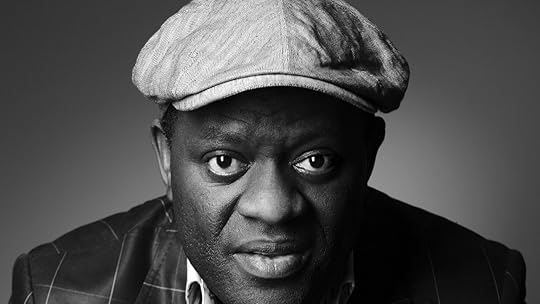
L'auteur, un écrivain français né au Congo, professeur de littérature francophone à l'université de Californie de Los Angeles aux États-Unis, a été recruté récemment au Collège de France. Dans cet ouvrage, il expose ses opinions à travers des expériences personnelles, mais aussi de ses connaissances en littérature, relativement à diverses questions politiques traitant de l'exploitation de l'histoire autour de la colonisation et de l'esclavage. Ses arguments visent à démonter l'inanité des discours qui font des Européens les boucs émissaires faciles de toutes les difficultés rencontrées par le Tiers Monde, discours qui prospèrent sur l'ignorance, la haine, et attisent une mentalité obsidionale morbide qui tend à n’appréhender le monde qu'à travers un prisme raciste. L'auteur met bien en évidence les lacunes et angles morts d'une telle approche simpliste.
J'ai été frappé par deux témoignage particuliers: le premier sur le point de vue en tant qu'étudiant congolais sur les langues anglaises, françaises et russe. Le second ses expériences aux États-Unis. J'ai également été très intéressé par ses vastes connaissance de la littérature francophone africaine, et des débats qui l'ont agité depuis les indépendances. Le titre du livre fait écho à un ouvrage de Pascal Bruckner paru dans les années 1980, Le Sanglot de L'Homme Blanc, livre qui était déjà une charge sévère contre les dérives du tiers-mondisme.
L'auteur, un écrivain français né au Congo, professeur de littérature francophone à l'université de Californie de Los Angeles aux États-Unis, a été recruté récemment au Collège de France. Dans cet ouvrage, il expose ses opinions à travers des expériences personnelles, mais aussi de ses connaissances en littérature, relativement à diverses questions politiques traitant de l'exploitation de l'histoire autour de la colonisation et de l'esclavage. Ses arguments visent à démonter l'inanité des discours qui font des Européens les boucs émissaires faciles de toutes les difficultés rencontrées par le Tiers Monde, discours qui prospèrent sur l'ignorance, la haine, et attisent une mentalité obsidionale morbide qui tend à n’appréhender le monde qu'à travers un prisme raciste. L'auteur met bien en évidence les lacunes et angles morts d'une telle approche simpliste.
J'ai été frappé par deux témoignage particuliers: le premier sur le point de vue en tant qu'étudiant congolais sur les langues anglaises, françaises et russe. Le second ses expériences aux États-Unis. J'ai également été très intéressé par ses vastes connaissance de la littérature francophone africaine, et des débats qui l'ont agité depuis les indépendances. Le titre du livre fait écho à un ouvrage de Pascal Bruckner paru dans les années 1980, Le Sanglot de L'Homme Blanc, livre qui était déjà une charge sévère contre les dérives du tiers-mondisme.

August 22, 2018
this book is a collection of essays which tries to define and understand hat it means to be black and French at the same time, can you both be African but still be proud of being French and what does it mean to be French in 21 century?

Did Not Finish
September 3, 2022Who am I kidding? I’m not picking this back up. It feels too much like victim-blaming, Uncle Tom crap to me. And I absolutely believe ALL people should be able to be self-critical and look to re-claim their autonomy and take responsibility for themselves where possible, but that doesn’t mean we should negate systemic obstacles people face. I also can’t stomach the “well I did it so everyone else should too and if they don’t they’re just lazy” (looking at you Morgan Freeman (re: race) and Michael Caine (re: class)). That totally ignores the reality by holding exceptions and anecdotes as the norm. But, hey, I only got 6% in before I was too frustrated to continue so I’m prematurely judging this guy’s thesis as garbage that my life is too short to entertain. It’s a shame because I was looking forward to this book, but it put me into a bit of a reading slump after only a few pages. Who knows; maybe I’ll come back to it one day.
September 26, 2012
Voilà in bouquin qui fait réfléchir avec pas mal de références.... Ce qui implique un tas d'autres lectures potentielles
September 12, 2018
Un essai très intéressant et le style Mabanckou. A lire !
February 27, 2012
Ce livre est extraordinaire, avec une densité d'analyses remarquable. Je l'ai acheté à Montréal, attiré par la couverture. Je m'étais dit qu'il s'agissait peut-être de ces livres comme ceux qui lit maintenant et qui racontent des banalités sur la condition des Noirs. Or ce livre va au-delà. Mabanckou a su trouver la manière de bien faire passer le message. Les questions de la langue, de l'immigration, de l'identité, des indépendances africaines sont traitées avec finesse. Ce livre met dos à dos les Noirs et les Blancs, dans les non-dits, les rapports biaisés. C'est qui est priginale c'est que l'auteur a su mettre en évidence sa propre expérience de celui qui vient d'Afrique, qui a vécu en France et vit maintenant aux Etats-Unis (d'où la la très belle illustration des rapports entre Noirs américains et Africains). Bravo ! Je n'arrête pas de conseiller la lecture ce bouquin !

June 15, 2021
Interesante ensayo sobre que significa ser negro en Europa, sobre la patria y el territorio, sobre la autenticidad y qué es ser un escritor africano o francés.

May 17, 2026
Avec Le Sanglot de l'homme noir, Alain Mabanckou ne vient pas seulement apporter sa pierre à l'édifice de la pensée postcoloniale, il y lance un véritable pavé dans la mare. Publié en 2012, cet essai se pose en réponse directe et provocatrice au Sanglot de l'homme blanc de Pascal Bruckner, inversant la perspective pour interpeller, cette fois, les consciences africaines.
Le cœur du propos, sortir de la victimisation La thèse de Mabanckou est aussi simple que dérangeante car il écrit que l'Afrique et sa diaspora doivent cesser d'utiliser la colonisation comme un alibi éternel pour expliquer toutes les défaillances contemporaines. Selon lui, la victimisation paralyse l'action politique et intellectuelle. Il appelle à une maturité nouvelle, où la responsabilité individuelle et collective prime sur la rancœur historique. Sa plume, tour à tour ironique, cinglante et pédagogique, rend la lecture fluide et souvent jouissive.
Les points forts: Ce qui frappe dans cet essai, c'est son courage. Mabanckou brise un tabou tenace au sein des élites africaines et occidentales: celui de l'intouchabilité du discours victimaire. En affirmant que « l'homme noir » doit se forger une identité propre, détachée du regard de l'ancien colonisateur, il libère une parole nécessaire. Son analyse de la négritude et de ses dérives potentielles est particulièrement fine, invitant à dépasser les clivages du XXe siècle pour affronter les défis du XXIe.
Les zones d'ombre et la controverse: Cependant, l'essai n'est pas exempt de critiques. Je penses qu’on est une bonne partie de lecteurs qui pourraient reprocher à Mabanckou de sembler minimiser la persistance des structures néocoloniales et les déséquilibres économiques mondiaux qui continuent de peser lourdement sur le continent. En mettant l'accent presque exclusif sur la responsabilité interne, ne risque-t-on pas d’acquitter un peu trop vite les mécanismes externes d'oppression ?
Moi ce qui me dérange le plus, c’est son appel à la nuance et au dépassement, qui semble parfois être un luxe réservé aux intellectuels privilégiés, ceux qui ont le confort de pouvoir « théoriser » leur identité sans subir de plein fouet les conséquences matérielles du passé. Pour ceux qui sont « dedans », immergés dans les inégalités systémiques qui sont la continuation directe de l'histoire coloniale, la nuance n'a pas lieu d'être, car la réalité est brute, immédiate et binaire.
Vouloir à tout prix complexifier le débat ou minimiser le contexte historique actuel peut alors s'apparenter à une façon pour les élites de s'extirper de leur propre malaise face à l'injustice, plutôt que d'affronter la colère légitime de ceux qui la subissent. En 2026, alors que les fractures sociales et raciales restent béantes, l'invitation à « tourner la page » peut sonner comme une injonction au silence pour les victimes, plutôt que comme un appel à la responsabilité. Le ton, parfois perçu comme donneur de leçons, peut aussi heurter ceux qui estiment que la douleur historique ne se « dépasse » pas par un simple décret moral.
Je conclurais sur le fait que Le Sanglot de l'homme noir n'est pas un livre de confort. C'est un livre de combat, conçu pour irriter, provoquer et surtout, faire réfléchir. Qu'on soit d'accord ou non avec toutes ses assertions, il a le mérite de relancer le débat sur l'identité noire et l'avenir de l'Afrique avec franchise.
Le cœur du propos, sortir de la victimisation La thèse de Mabanckou est aussi simple que dérangeante car il écrit que l'Afrique et sa diaspora doivent cesser d'utiliser la colonisation comme un alibi éternel pour expliquer toutes les défaillances contemporaines. Selon lui, la victimisation paralyse l'action politique et intellectuelle. Il appelle à une maturité nouvelle, où la responsabilité individuelle et collective prime sur la rancœur historique. Sa plume, tour à tour ironique, cinglante et pédagogique, rend la lecture fluide et souvent jouissive.
Les points forts: Ce qui frappe dans cet essai, c'est son courage. Mabanckou brise un tabou tenace au sein des élites africaines et occidentales: celui de l'intouchabilité du discours victimaire. En affirmant que « l'homme noir » doit se forger une identité propre, détachée du regard de l'ancien colonisateur, il libère une parole nécessaire. Son analyse de la négritude et de ses dérives potentielles est particulièrement fine, invitant à dépasser les clivages du XXe siècle pour affronter les défis du XXIe.
Les zones d'ombre et la controverse: Cependant, l'essai n'est pas exempt de critiques. Je penses qu’on est une bonne partie de lecteurs qui pourraient reprocher à Mabanckou de sembler minimiser la persistance des structures néocoloniales et les déséquilibres économiques mondiaux qui continuent de peser lourdement sur le continent. En mettant l'accent presque exclusif sur la responsabilité interne, ne risque-t-on pas d’acquitter un peu trop vite les mécanismes externes d'oppression ?
Moi ce qui me dérange le plus, c’est son appel à la nuance et au dépassement, qui semble parfois être un luxe réservé aux intellectuels privilégiés, ceux qui ont le confort de pouvoir « théoriser » leur identité sans subir de plein fouet les conséquences matérielles du passé. Pour ceux qui sont « dedans », immergés dans les inégalités systémiques qui sont la continuation directe de l'histoire coloniale, la nuance n'a pas lieu d'être, car la réalité est brute, immédiate et binaire.
Vouloir à tout prix complexifier le débat ou minimiser le contexte historique actuel peut alors s'apparenter à une façon pour les élites de s'extirper de leur propre malaise face à l'injustice, plutôt que d'affronter la colère légitime de ceux qui la subissent. En 2026, alors que les fractures sociales et raciales restent béantes, l'invitation à « tourner la page » peut sonner comme une injonction au silence pour les victimes, plutôt que comme un appel à la responsabilité. Le ton, parfois perçu comme donneur de leçons, peut aussi heurter ceux qui estiment que la douleur historique ne se « dépasse » pas par un simple décret moral.
Je conclurais sur le fait que Le Sanglot de l'homme noir n'est pas un livre de confort. C'est un livre de combat, conçu pour irriter, provoquer et surtout, faire réfléchir. Qu'on soit d'accord ou non avec toutes ses assertions, il a le mérite de relancer le débat sur l'identité noire et l'avenir de l'Afrique avec franchise.
June 9, 2026
Nul.
Idée de base : Ne pas justifier tout nos malheurs parce qu’on est noirs.
Résultat : Nier la souffrance et les obstacles rencontrés parce que lui aurait réussi. Placer les victimes en coupable et encensé sans arrêt cette France qu’il fantasmait tant quand il était encore au Congo.
Dès le début le livre est pénible à lire parce que j’ai trouvé sa position face à un autre noir étrange, j’ai continué parce qu’on sait jamais mais non c’est pas mieux plus tard. Peut-être que j’ai pas compris le message (ça m’étonnerait) mais consacrer plusieurs pages sur la responsabilité de certains Africains sur l’esclavage ou l’état actuel du continent (des choses que personne n’a jamais nié) mais aucun mot sur la cause de l’état actuel de son pays d’origine, juste « On rêvais d’aller en Europe ».
Il voulait probablement tenter une autre approche mais juste ça fonctionne pas.
Puis après quelques recherche je suis tombé sur une interview où il dit qu’il ne regarde pas le passé mais le présent et le futur pour créer un dialogue. C’est PRÉCISÉMENT ce qui me gêne ! On ne crée pas un dialogue lucide et cohérent en contournant l’histoire. Le passé n’est pas un prétexte à la rancœur MAIS une condition de compréhension. Faire comme s’il fallait s’en détacher pour avancer revient, à mon sens, à nier la mémoire au nom d’une réconciliation plus qu’abstraite !!!
👎🏾👎🏾👎🏾👎🏾👎🏾👎🏾👎🏾👎🏾👎🏾👎🏾👎🏾👎🏾👎🏾👎🏾👎🏾👎🏾
Idée de base : Ne pas justifier tout nos malheurs parce qu’on est noirs.
Résultat : Nier la souffrance et les obstacles rencontrés parce que lui aurait réussi. Placer les victimes en coupable et encensé sans arrêt cette France qu’il fantasmait tant quand il était encore au Congo.
Dès le début le livre est pénible à lire parce que j’ai trouvé sa position face à un autre noir étrange, j’ai continué parce qu’on sait jamais mais non c’est pas mieux plus tard. Peut-être que j’ai pas compris le message (ça m’étonnerait) mais consacrer plusieurs pages sur la responsabilité de certains Africains sur l’esclavage ou l’état actuel du continent (des choses que personne n’a jamais nié) mais aucun mot sur la cause de l’état actuel de son pays d’origine, juste « On rêvais d’aller en Europe ».
Il voulait probablement tenter une autre approche mais juste ça fonctionne pas.
Puis après quelques recherche je suis tombé sur une interview où il dit qu’il ne regarde pas le passé mais le présent et le futur pour créer un dialogue. C’est PRÉCISÉMENT ce qui me gêne ! On ne crée pas un dialogue lucide et cohérent en contournant l’histoire. Le passé n’est pas un prétexte à la rancœur MAIS une condition de compréhension. Faire comme s’il fallait s’en détacher pour avancer revient, à mon sens, à nier la mémoire au nom d’une réconciliation plus qu’abstraite !!!
👎🏾👎🏾👎🏾👎🏾👎🏾👎🏾👎🏾👎🏾👎🏾👎🏾👎🏾👎🏾👎🏾👎🏾👎🏾👎🏾

January 3, 2018
Comment peut on etre Africain?
This is a series of essays on two main themes: the identity of French citizens "of African origin" and some of the reasons for the difficult experience of all African countries post independence. On identity, magnanimous argues convincingly that there is no co contradiction between being a full fledged European citizen, who has moreover CHOSEN this citizenship and still carrying values, cultural traits and concerns linked to the citizen's African background. Accordingly he rejects both the casual racism of those who consider such citizens as not fully committed to their nation and the integrism of those who claim that Africa can only be understood by those who remain there and even reject the language of the former colonial power as a vehicle for their thought. Mabanckou , s views on post colonialism are balanced, giving weight both to the continued exploitation of Africa by occidental powers and to the grandiose myths of a golden pre_ colonial Africa turning the white man into an overly convenient scapegoat.
This is a series of essays on two main themes: the identity of French citizens "of African origin" and some of the reasons for the difficult experience of all African countries post independence. On identity, magnanimous argues convincingly that there is no co contradiction between being a full fledged European citizen, who has moreover CHOSEN this citizenship and still carrying values, cultural traits and concerns linked to the citizen's African background. Accordingly he rejects both the casual racism of those who consider such citizens as not fully committed to their nation and the integrism of those who claim that Africa can only be understood by those who remain there and even reject the language of the former colonial power as a vehicle for their thought. Mabanckou , s views on post colonialism are balanced, giving weight both to the continued exploitation of Africa by occidental powers and to the grandiose myths of a golden pre_ colonial Africa turning the white man into an overly convenient scapegoat.
May 18, 2019
Alain mabanckou invite ses compatriotes à rejoindre le mouvement universel en les invitant à sortir de la coquille de recroquevillement post-coloniale-créée afin de confirmer leur identité et leur authenticité, en les incitant à clore l’ère de la victimisation coloniale et de la nostalgie et de se mettre à l’ère de l’autocritique et de l’action, afin de pointer du doigt tous les coupables, car le blanc n’est sûrement pas le seul responsable de l’état régressif des pays africains !
il explique, avec son style harmonieux et l’extreme justesse de ses expressions, qu’il est temps à l’Afrique d’arrêter de criminaliser « l’occidentalité » de ses écrivains francophones, invitant ainsi la littérature africaine à se renouveler sans pour autant « gommer l’afrique » de ses créations.
Il est temps à l’Afrique de profiter de la pluralité de sa diaspora plutôt que de la condamner.
il explique, avec son style harmonieux et l’extreme justesse de ses expressions, qu’il est temps à l’Afrique d’arrêter de criminaliser « l’occidentalité » de ses écrivains francophones, invitant ainsi la littérature africaine à se renouveler sans pour autant « gommer l’afrique » de ses créations.
Il est temps à l’Afrique de profiter de la pluralité de sa diaspora plutôt que de la condamner.

March 22, 2020
I give this book a 4 out of 5 stars. I really enjoyed reading this short essay book. Mabanckou points out what it is like to be black in America today and the prejudices and injustices that blacks(men)still face. I like where he points out that focusing on the past limits yourself to the future. It was interesting to read about blacks from France, Perisa, Cameroon and how they dealt with being black or black something or Franc0-something. Black men in Africa still face some of the same demons that black men in other parts of the world do. A few of my favorite essays of this book are The Black Man's Tears, A Negro in Paris, Murderous Identities, The Foreign Student and Bound to Violence. The Tears of the Black Man will forever linger on because he longs to be accepted and treated with respect and dignity.

July 4, 2023
Es un libro muy útil para discutir con él, pero desde luego es muy problemático. Algunas críticas que he visto aquí señaladas resultan convincentes: victim blaming, culpar a los subalternos, pedirles una altura moral que no se les exige tanto a los blancos; Tío-Tomismo, hacer de capataz de la clase extractivista/opresora blanca en contra de los pueblos africanos; a veces suena a que quiere justificar sus cesiones para ir trepando en la escalera académica, reforzando el sistema racista clasista de una institución construida estructuralmente en torno a la preservación de los privilegios del hombre blanco occidental. En general, como ocurre con Pascal Bruckner -al que cita-, es un libro un tanto repulsivo y en general poco amable, pero como digo los cuestionamientos a que conduce leídos a contrapelo pueden ser de provecho, y en todo caso hay ideas rescatables.

June 17, 2019
Being African American, I also seek to understand, learn and commune with others of African descent to learn from their experiences where they have been planted. This book further opened my eyes to the sad perception the world over has against all peoples of brown/black skin and African ancestry no matter where we exactly hail from on this planet. However, hearing the spirit of this writer, I could equally see, feel and accept that our people (Africans and those spread out in the diaspora) would do well to come to terms with our own perception of ourselves and our place in this world. A thought provoking piece lending much to further discussions.
August 17, 2025
« En réalité […] nous ne sommes pas les enfants des soleils des indépendances, nous sommes les enfants de l’après génocide rwandais. »
Un rappel cru, frontal mais nécessaire. Dans ce court essai, Alain Mabanckou confronte l’Afrique à ses blessures post-coloniales et dénonce à la fois le poids de l’héritage occidental et les responsabilités des dirigeants africains. Il aborde avec justesse les questions d’identité, de mémoire et de citoyenneté, en France comme en Afrique. In fine, il pose une question centrale : quelle place se construit l’Homme noir dans l’histoire ?
Un rappel cru, frontal mais nécessaire. Dans ce court essai, Alain Mabanckou confronte l’Afrique à ses blessures post-coloniales et dénonce à la fois le poids de l’héritage occidental et les responsabilités des dirigeants africains. Il aborde avec justesse les questions d’identité, de mémoire et de citoyenneté, en France comme en Afrique. In fine, il pose une question centrale : quelle place se construit l’Homme noir dans l’histoire ?
January 19, 2024
Lecture intéressante avec des thèmes bien abordées, seulement petit bémol car je n'ai pas d'accord avec toutes les réflexions y étant exposé, j'ai eu à un certain moment une impression de contradiction dans les dires de l'auteur mais n'empêche, cet œuvre reste magnifique et fortement recommandable pour tous les Africains recherchant leur "identité"

January 10, 2021
Livre très intéressant. Alain M aborde cette question sensible de façon dépassionnée, ce qui le différencie de nombreux auteurs écrivants sur cette thématique. Je ne peux que fortement recommander ce livre.

December 8, 2021
Oof. Something about this collection of essays just didn't quite sit right with me. Despite the richness of the writing, it felt overgeneralized in spots and I'm going to need to mull over them more before I can really process why I didn't really connect with this book.

September 19, 2023
Slim, and a bit uneven, but worthwhile. He constructs a bit of a strawman at points (some personal defensiveness around writing in French for instance), but erudite, intimate, and a wide ranging engagement with African literature and what Africanness means.

December 28, 2024
Una perspectiva muy interesante sobre el ser francés, africano, algo en el medio, o lo que uno sienta. Las reflexiones sobre el racismo, la identidad, la territorialidad y cuestiones políticas son frescas, muy críticas, , a veces polémicas, pero siempre interesantes.

December 6, 2025
Je l’ai lu à partir de l’édition anglaise parce que je n’ai pas pu atteindre le français du livre. Il se compose des points de vue que l’auteur a écrits contre les points de vue de certains philosophes.

July 27, 2020
Excellente lecture poussant à la réflexion sur le continent africain, la diaspora, l’immigration, la colonisation et ses conséquences et le rôle de chacun.
September 25, 2019
This book gave me the feels...My review can be found on my blog
October 11, 2020
Un peu décevant. L'auteur évoquait un récit aux propos polémiques, finalement c'est un suite d'articles caractérisques des reproches qui freinent l'enrichissement du continent africain (corruption, tout ça). Rien de bien nouveau hormis la promotion (volontaire ou pas) de romans d'auteurs d'Afrique subsaharienne qui m'étaient jusqu'alors inconnus (certains aujourd'hui dans ma bibliothèque). Et c'est peut être pour cela que ce livre vaut le coup d'être lu.

September 14, 2018
2.5/5
Looking back into this book, I remember that the most interesting part of it was the references to other black authors. I'm not black so not directly concerned, but a lot of his arguments just don't sit well with me. Very meh book.
____
Definitely an interesting bunch of thoughts. In this book, Mabanckou tries to redefine what it means to be black in France today. Lots of interesting references that I want to look into, and a lot of bits I found really interesting. It's not groundbreaking for me, but I'm glad I picked it up ?
Looking back into this book, I remember that the most interesting part of it was the references to other black authors. I'm not black so not directly concerned, but a lot of his arguments just don't sit well with me. Very meh book.
____
Definitely an interesting bunch of thoughts. In this book, Mabanckou tries to redefine what it means to be black in France today. Lots of interesting references that I want to look into, and a lot of bits I found really interesting. It's not groundbreaking for me, but I'm glad I picked it up ?

January 21, 2012
Un livre pathétique, plein de clichés et d'une écriture ordinaire. Mabanckou s'y révèle comme grand défenseur de la France et autres pays colonisateurs. Il révèle aussi sa méconnaissance de la culture américaine et des Noirs Américains tout en voulant se montrant comme un expert en la matière. Le livre ne présente aucun intérêt, sauf en ce qui concerne le droit de certains Africains à la nationalité française et la lettre des deux enfants qui se trouve en annexe.
Displaying 1 - 27 of 27 reviews