Steven Levenkorn, autor de las primeras obras pioneras sobre la anorexia, debate lo último en tratamientos y ofrece consejos actualizados sobre cómo las familias pueden ayudar a sus seres queridos. Anatomía de la anorexia es una utilísima herramienta hoy, más que nunca, un diagnóstico a tiempo y un buen tratamiento, junto con la participación de la familia, resultan cruciales para la recuperación de la salud. Al escribir para aquellos que padecen de anorexia así como para sus padres, amigos y terapeutas, Levenkorn traza el proceso de la dolencia desde el deseo inocente de "perder algunos kilos" hasta la letal etapa final en que la vida de la víctima está en peligro. Analiza los múltiples orígenes de esta afecció trauma en la infancia; papel que desempeña la sociedad alentando una obsesión con la imagen del cuerpo; factores genéticos. Las familias pueden participar en el proceso terapéutico creando un clima de comprensión, apoyo y amor. Anatomía de la anorexia incluye fragmentos de sesiones terapéuticas, seguidas de algunos debates sobre lo que ocurre entre terapeuta y paciente, a fin de que los ayudantes puedan ver de primera mano los beneficios de la relación terapéutica a la hora de tratar la anorexia. Anatomía de la anorexia desmitifica una enfermedad que puede ser mortal y muestra cómo millones de personas que padecen de anorexia pueden ser ayudadas y esperar en el futuro una vida rica y productiva.
I kept thinking about museums when I was reading this book. These bodies were strange enough for exhibition. And why stop there. Their mind are a mystery of function. But I do not intend to have a stab at the wounded, since I was nearly one of them myself. It's a silent disease, yet it boils the pot over in indignation. Unless you were embarking on this malicious mind over matter at the behest of a clique, friend, or worse, a family member. Thou shalt refrain from a Carrie reference. [image error] Hey, 'A merry heart doeth good like medicine, but a crushed spirit drieth the bones.' But it was unnerving how easy it was to listen to the general public. Perhaps that is not entirely fair to glop together the masses. But when it comes to the idea of true health, we might just be lost. Well, perhaps not.
DNF. I struggled to get through this, but when he brought up woman wearing a mini skirt "asking for sexual harassment" I lost all respect. He bought up some interesting observations, but constantly introducing patients by their height and weight to tell the reader how severe the case was to him was also off putting. Along with some other things that didn't age well, this book needs to be left in the past.
Very informative. It really helped me understand anorexia better with it's example stories. It shows how anorexia does not fit just one person. Someone could develop it for a numerous amount of reasons. I'm not a big non-fiction reader, but I would recommend to someone looking to understand anorexia better.
After a good friend of mine told us that she was anorexic, I had the reaction most people do to the news- disbelief, followed by the nagging question- why?. Levonkron dissects the disorder in an accessible way, explaining that there are larger forces at work beyond simple self esteem issues.
At times, this book is disheartening, though appropriately so given anorexia's low recovery rate. At the same time, while Levonkron is good at tearing apart the disorder and singling out the underlying causes, he's rather pessimistic about finding ways to tackle the disorder. He is very centered on his own methods- probably something fairly common in the psychological world- and I don't feel like he gave alternative therapies much consideration.
I would recommend this book to virtually anyone, especially those who have had or know someone with an eating disorder. This book articulates things that aren't easy for victims or their loved ones to come up with on their own, and that in itself can help a great deal on the road to recovery.
Steve Levenkron probably understands eating disorders better than most clinicians out there (which really isn't saying much, but I mean this as a compliment). There is a lot of very accurate insight into anorexia to be found here, but I cannot give this book more than 3 stars because SL's avuncular tone just drives me nuts. He seems to reduce all patients to needy little girls, and he is the big bear of the doctor/daddy/savior come to save them. Nevertheless, if you can bear the author, there is a lot of good information to get out of this book. And if you are a parent of an anorexic, wooh-ey, you are in for a kick in the arse!
Steven Levenkron has decades of experience as a psychotherapist dealing with patients with anorexia. He writes with authority and compassion making the whole subject both accessible and moving. As I'm currently writing about the whole subject of body image myself I found the book valuable, but so well does he illuminate the pathology, psychology and sociology of the illness, I also overly identified with the negative aspects and found myself feeling very low in spirit and troubled. But I guess that's the measure of how good the book is: we probably all need to sympathise more with these families.
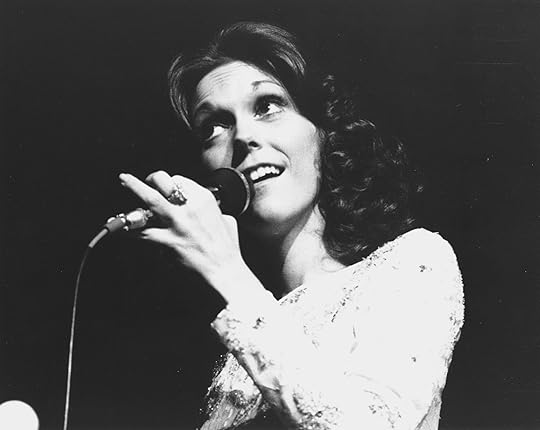
"In one of Levenkron's most recent books, Anatomy of Anorexia, the author boasts of his above-average recovery rate in working with those suffering from eating disorders. "In the last 20 years I have treated nearly 300 anorexics," he wrote. "I am pleased to state that I have had a 90 per cent recovery rate, though tragically, one fatality." That was Karen Carpenter".
I liked Levenkron's book on cutting a lot more. He seemed so smug when he was discussing the success he had with his patients. I would have liked to hear some stories about surviors or victims who did not survive. He gave the impresssion that he has/had a 100% success rate with all he treated. But I do have to say, I did learn a lot about treating victims of anorexia and his book is one I will refer to once I start seeing clients privately.
This book deals too much with the cliches of anorexia to be of much interest. Of the case studies presented, only one male example was provided. In his case he had stopped eating due to a digestive disturbance he had been suffering from, & not any conscious desire to stop eating. The other case studies fell under the perfectionists, &/or incest victims.
This book seemed pretty outdated -- as I started reading it I was under the impression that it was written in the 70's, but after flipping to the front cover, it's from 2001. I would have liked more personal stories and less textbook from it, or more depth from the personal stories.
I would classify this book as psychological voyeurism. I felt the case histories were chosen not for edification, but for titillation. I agree with others who noted that the book feels dated.
I'm finally finished is book. It was extremely interesting and informative, and gave me an insight on this disease and the effects of it. I recommend it if you want to learn more.
Again, I love Steven Levenkron and have read all his books! Based on his research, his experience, his patients... a psychotherapist who cares about people for real and wants to help!