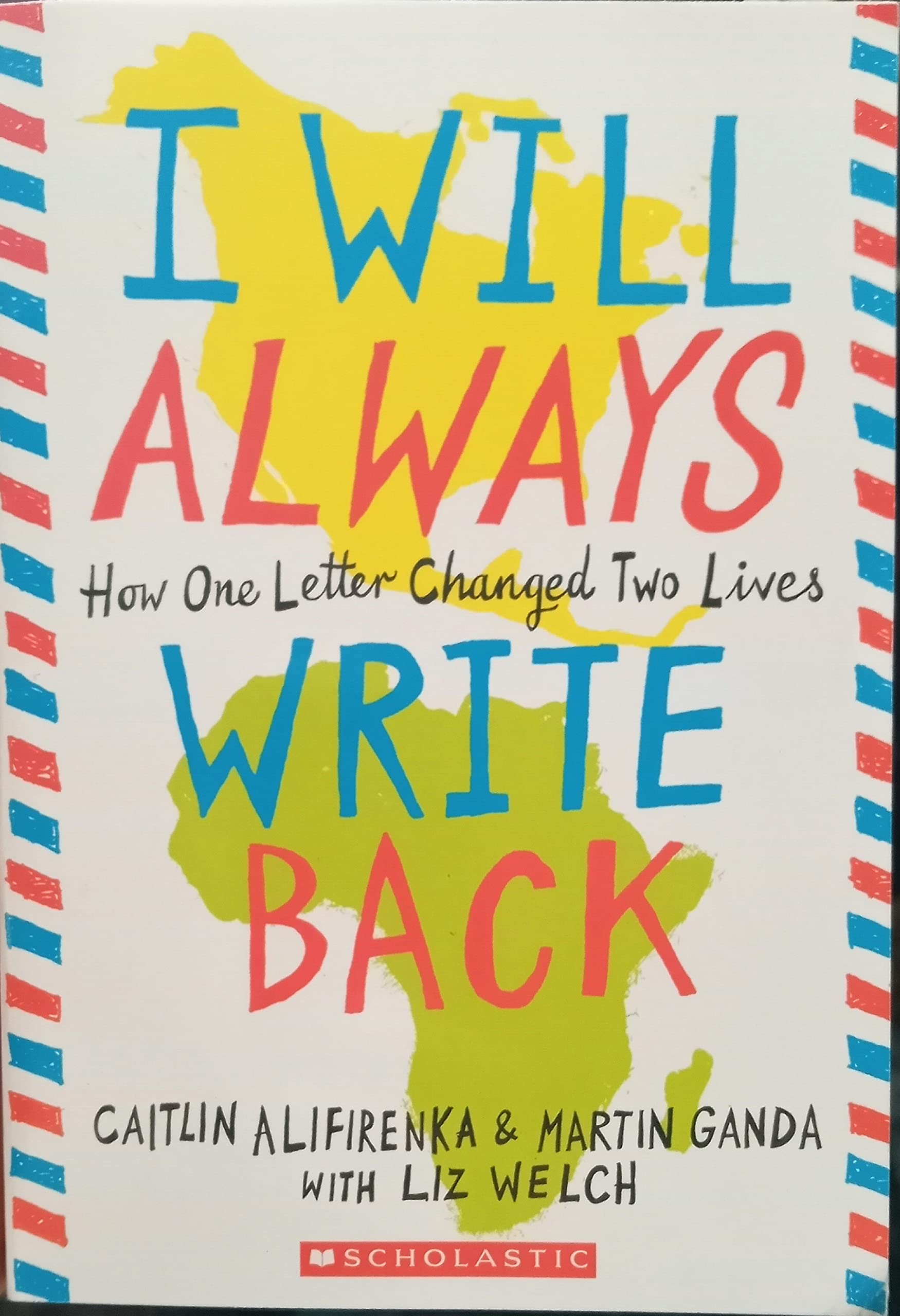
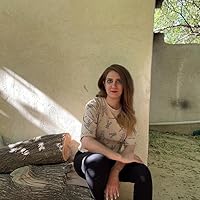
Caitlin Alifirenka (Stoicsitz) was born in 1985 in Chestnuthill, Pennsylvania to Anne Neville and Richard Stoicsitz. Caitlin started corresponding with Martin Ganda, her Zimbabwean pen pal, in 1997 which led to a life long friendship. After graduating from North Penn High School in 2003, Caitlin attended Abington Memorial Hospital's Dixon School of Nursing and now works as an Emergency Room Registered Nurse. Caitlin lives outside of Philadelphia with her husband Dzmitry Alifirenka and their two young daughters, Mila and Dasha.
What if everyone in the world with a little extra to share could be like the Stoicsitz family? And what if all those who were academically gifted could work as diligently as Martin Ganda? Imagine the possibilities. I loved this story and plan to recommend it to the English Language Arts Department as required summer reading for upper classmen at the high school where I am employed as the library/media specialist.
I seriously could not put this book down. A true story of a 12 year old American girl who befriends Martin a young boy from Zimbabwe, Africa through a school assignment - being pen pals. It is a story of growth, diversity, prejudice, discipline. I cried through many parts at the descriptions of the poverty that many Zimbabwean people live through generation after generation. Many live without enough food, shelter or basic necessities like shoes and clean water. I was awed at Caitlyn's growth. A typical American adolescent who took for granted her education and the spoils afforded her. She ran with the "popular" crowd who was focused on boys, the mall and friend drama. Through her correspondence with Martin she comes to see what truly is important in life and grows up. A great read for expanding your knowledge outside the U.S. borders.
This is another book found through my library when I did a search for epistolary novels.
What begins as a simple classroom assignment, blossoms into something far more meaningful in this heartfelt true story. Through six years of letters, Caitlyn and Martin form a connection that quietly, yet profoundly, changes the course of both their lives.
Told in alternating voices, their correspondence captures the gradual evolution from childhood curiosity to a deep and lasting bond. What starts as polite exchanges between two young pen pals—separated by distance, culture, and circumstance—grows into a relationship rooted in trust, understanding, and genuine care.
There is something especially moving in witnessing their voices mature over time. As they learn about one another’s worlds, their words begin to carry greater empathy and insight, revealing just how powerful simple communication can be. Neither could have anticipated how impactful this connection would become, not only for themselves but in shaping how they see others.
At its heart, this story is a reminder that even the smallest gestures—can ripple outward in ways we may never fully realize.
Sentimental and quietly inspiring, this is a tender read that will resonate with those who believe in the enduring power of interpersonal connection.
وقتی که چند صفحه اخر کتاب رو خوندم بعد از مدتها دیدم که آب، چشمم رو تر و تار کرده. نامه نگاری بین پسری افریقایی و دختری از امریکا نشون داد که مرزهای درست شده توسط سیاستمدارها چقدر دنیا رو سیاه و کثیف کرده. و چه مردمی که از این خطهای بی ریخت و زمخت آسیب دیدن. نامه ها، عکسها، کادوها، زنگها و ایمیلها و درنهایت مهربانی انسانی مرزها رو به سخره گرفتن و زندگی دونفر را با ارتباط با هم متحول کردن. کتاب رو در زمانی که خاورمیانه غرق در آتش و سرکوب و وحشته خوندم و هزاران نفر قربانی جنگهای نابرابر. چه خوش موقع و به جا بود این کتاب.
کتاب رو نشر اطراف (ادامه) با نام همیشه برایت می نویسم ترجمه و منتشر کرده. بخونیدش.
This is a "true story" of two penpals that end up with a longterm friendship, with the American's family helping the Zimbabwean finish school. I didn't realize while reading that it was a true story, and found the writing a bit basic. I'd expect that from the letters (which by the way do not sound like the children writing them) but not from the narrative. Also something doesn't quite sit well with me, despite doing a little poking around and seeing that the two penpals are alive and well, several years past where the book ends. But there are a few details omitted that seem important and make me wonder if the entire things is completely true. Just a gut instinct thing. But I'm a little skeptical after having that same feeling with Three Cups of Tea: One Man's Mission to Promote Peace ... One School at a Time and not being mollified for a few years.
Okay, I'll spell out my skepticism in a series of questions.
-In a random Pennsylvania town, how would just one student end up with a penpal in Zimbabwe? Usually school-based penpal programs are reciprocal and structured. You don't normally declare "I shall find a penpal in [name exotic country.]" -If one Zimbabwean student, with no internet or tv or phone, has an American penpal, why don't the others? How did this happen? So many other questions relate to my confusion over this point. -Why would a penpal program exist for people who can't afford stamps or paper? How would it have even started? Who made the contact? Where did the people who made the connection go when the Zimbabwean economy collapsed, because the family doesn't seem to have any support or backup or other American connections? -How did any cash make it through international mail? I've had things stolen in the American postal system and that's supposed to be more secure. -A highschool pizza waitress gets paid an actual wage ($9/hour) AND can make up to $300/night in tips? I have never met a server who made an actual wage. And who tips like that for pizza? -Why does a girl whose family buys a car for each child and vacations in Europe need to work, especially during the school year?
I have other questions but that's a pretty decent list to demonstrate why this doesn't read as a "true story" exactly. Of course this is an advanced copy. Perhaps some of these details will be fleshed out in the final version. I also read this between 4 and 7 am, thanks to my geriatric dog's crazy schedule, so it is possible I missed the answer to one of these, but I doubt I missed it all.
As a kid who was super excited when my English teacher introduced me to Pen Pal, it’s a sure thing this book’s premise going to intrigue the hell out of me!
And considering my own (failed) attemp at it in middle school, to read about such successful one that resulted in life-changing friendships like this totally left me speechless.
I write pen pals, and this book touch my heart so much. I have pen pals that I think of has a sister and they are way more then just letters. I also have sent things to my pen pals. It touched my heart that a teenager worked to help her pen pal. I cried during reading this letter. After I finish reading this letter I texted my pen pal that I am very closed to. This is a very moving story, and I think it shows us there is still good people in the world. One of my pen pals sent me this book, and I passed it on to one of my other pen pals. Not everyone is spamming you. (*)
"همه چیز با یک نامه شروع شد، نامه ای که زندگی همه مان را برای همیشه تغییر داد..."
وقتی به تاریخ نگاه می کنیم میبینیم نامه ها همیشه بوده اند. همیشه بوده اند که پیام هایمان را برسانند. که گاه اوامر شاهان را برسانند. گاهی ابزاری بوده اند که عاشقان پیام بدهند به هم. گاهی وسیله مکاتباتی بوده اند که شالوده اندیشه های بشری را شکل داده اند. گاهی هم همین کاغذها با کلمات رویشان، زندگی ها را تغییر داده اند. کتاب "نامه"، مجموعه نامه هایی ست از همین دسته آخر. نامه هایی از یک دختر آمریکایی که برای تکلیف مدرسه اش، شروع می کند به نامه نگاری با یک پسر زیمبابوه ای. نامه هایی که باعث شده آدم های طرفین نامه، نگاهشان به دنیا جور دیگری شود. نامه هایی که مرورشان برای خواننده، تجربه ایست بی بدیل. تجربه این که اتفاقی کوچک، چگونه زندگی انسان ها را دگرگون می کند و از ما انسان هایی مشفق تر با بینش عمیق تر می سازد. نامه هایی که می تواند نظرگاهی باشد برای نگریستن به درد دیگران.
The rarest of pen-pal friendships: one that actually stuck.
Alifirenka and Ganda tell their story in alternating chapters. It's the story of their pen-pal relationship but also their individual lives; as Ganda describes growing up in a slum in Zimbabwe, Alifirenka provides the contrast of a middle-class family in the northeastern U.S.
It's clear that a lot of work went into the book, and generally speaking it's a fluid, compelling story. Ganda does a better job of integrating the non-pen-pal details, although I'm not sure whether I think that because his upbringing was so much more different than mine than Alifirenka's—I wasn't terribly interested in her tales of sneaking out to go party and so on, and it didn't feel as though they did much to drive the story (beyond providing contrast). Her sections occasionally feel a little tone-deaf (e.g., she goes to the African American Awareness Club meeting and is surprised that they're not talking about Africa and that nobody's all that interested in what the white girl has to say; she doesn't join the Break Dance Club because she'd be one of the only white people there—I can give her high school self a pass for being in situations unfamiliar and uncomfortable to her, but I can't give her adult self a pass because there's no analysis), but they're both honest about the good and the bad, which is nice.
Also nice: the amount of thought put into where it made sense for Ganda to go to university. There's a point at which Alifirenka's mother is discussing that, pointing out that some places are going to be more welcoming than others, and that pretty much any U.S. university was going to be quite the culture shock. He was lucky to have people in his corner who could, and would, help him navigate all that.
Before he was accepted to university, Ganda worked briefly as a science teacher...and the circumstances there are, if not unusual for Zimbabwe, nonetheless terribly sad: rural village, deep poverty, students who hadn't had a science teacher for two years, and ultimately no pay for the teacher (who had only gotten as far as his A-levels at that point). It is striking, and sad, to me that just getting through A-levels can qualify somebody to teach, and that the government was ultimately unable to provide a salary for that job.
That brings me to one of my bigger questions about the book—why America? Oh, there are obvious reasons; attending an American university would have given Ganda the kind of leg up and job opportunities that would have been much, much harder to come by in Zimbabwe. But I am uncomfortable with the idea that making it to the United States is the success, that it is only success because he is no longer in Zimbabwe. (You can argue that the 'you made it' also has to do with Ganda and Alifirenka finally getting to meet, and you'd be right—but that could have happened under other circumstances, and there's a definite overtone of 'you made it here'.) There is a definite sense of a bridging of cultures between two families (and a rising in means for Ganda and his family, especially when he is able to provide for them on his own), but I think there's something lacking here in terms of the greater picture. A good starting point for YA readers, though, and maybe one to get them thinking about cultures not their own.
Знаєте, ця книга одразу, з перших сторінок вдихнула нове життя в моє захоплення посткросингом. За це величезне дякую! До того ж так хочеться час від часу читати книги про добро, про бажання людини вчитися і розвиватися, про бажання допомогти, ну, і, звичайно, про загальновідому істину «гроші правлять світом», але що ж вони можуть, коли їх націлюють на підтримку попередніх бажань і принципів! Дві речі, які вам захочеться зробити після прочитання: - знайти друга за листуванням (або нового друга за листуванням і терміново написати тим, яких вже маєте); - припинити прокрастинувати у вивченні нового, адже ця історія змушує усвідомити (слухайте, вже друга книга за рік така, першою була Educated by Tara Westover) , який це привілей - мати доступ до найрізноманітніших сфер знань в один клік, і яке ж це недбальство – нехтувати ним.
So this has a bit of a white-savior overtone to it, which I'm not sure you can get around with this type of story. But reading Martin's story and watching Caitlin realize her vast privilege was really touching. I liked it a lot.
Sorry but no. I guess stereotypes are okay as long as they are politically correct. Besides that the writing is terrible. I agree with other reviews that the story is not plausible. Were Caitlin's parents so out of touch with Caitlin (& the planet) that they had no idea that Martin may have financial problems? Her parents travel to Europe but are ignorant regarding third world issues?
This is a community read for middle school students so I expected an easy read and boy it is! The book is a cliché and it lacks colorful descriptions as well as interesting detail. If this is supposed to generate empathy from spoiled brats -it will fail because it is simply too boring, super predictable, and empty to hold anyone's attention.
Who would have thought nonfiction YA would be classified as a page turner? Once I started, I had a hard time stopping this story. I was utterly engrossed and thrilled with the message about how one act of kindness can change another person's life, all true in this story.
This would make a great read for older kids and teens, especially those who need a sense of what others live like around the world. I was brought to tears several times and will be recommending this one for a long time.
While the two perspective story was interesting, it set up a dichotomous portrayal of the rich, privileged American contrasted against the impoverished Zimbabwean. I found the voice of the writing condescending at times.
I think I was a little bit harsh on my first review, so I’m going to re-word this. I’m sorry to say, but I just can’t recommend this book. I really wanted to like it and I think that Martin has a fascinating story. I also think it would have been told much better from just his perspective on its own. Caitlin’s story just seemed too immature, unaware and self-absorbed. Also, not to be mean, but it was just grating having to listen to the voice of the woman narrating Caitlin. I powered through until chapter 39 and just couldn’t take it any longer. If you want a good book (though it’s a bit older), I recommend you read Kaffir Boy by Mark Mathabane and his follow-up book with his wife Gail, Love in Black and White.
Ця книга була популярна серед книжкових блогерів, але я на таке не ведусь. Проте випуск «Правдивих читань» про інакшість переконав мене (головним чином тому, що один з авторів – із Зімбабве). Тож, якщо ви досі не слухаєте подкаст Марії, я не знаю, що ви робите зі своїм життям. Почалося все зі шкільного завдання – написати школярам з іншої країни. Американка Кейтлін обрала екзотичну Зімбабве. Її лист отримав Мартін, найуспішніший учень своєї школи. Це був справді неймовірний збіг, що доля поєднала двох людей із такою великою душею, котрі листувалися не для галочки, а їм справді важила їхня дружба. Оскільки Мартін жив за межею бідності в країні з гіперінфляцією, знайомство з Кейтлін неабияк допомогло йому. Не буде перебільшенням сказати, що воно врятувало його. Інакше він і школу б не закінчив, і потерпав би від злиднів так само, як і мільйони інших зімбабвійців. Проте Кейтлін виявилася невимовно чуйною до його проблем. На диво, її родина теж перейнялася її намаганням будь-що допомогти хлопцеві, якого вони ніколи не бачили. А чого вони цим досягли – треба читати. Саме для таких історій придумали слово «щемкий».
This is a pretty good read about Caitlin and Martin who became best friends after becoming pen pals through a school assignment and how Caitlin tries to help her new friend from Zimbabwe get through school and more. Want to read more? Read this for yourself and find out.
This is a pretty good read about friendship, pen pals, and more. If you love pen pals and stories about friendship, check this book out at your local library and wherever books are sold.
Це просто ❤️ Тяжка реальність у одних і щире бажання допомогти у інших. Історія, що дає надію на те, що людська доброта в цьому світі ще не до кінця втрачена.
Цей відгук про те, як одна зустріч, а точніше один лист здатен змінити життя багатьох людей. Читаючи, я не могла зупинитися, сторінки летіли одна за одною і я вкотре захоплювалася як добро однієї людини може так змінити життя іншої. Тої, яка цього потребує неймовірно. Сльози на очах були від тих жахливих умов, в яких досі перебувають люди і їм нізвідки очікувати допомоги. І як же нам пощастило. Потрібно цінувати все те, що ми маємо. І коли я перегорнула останню сторінку я була захоплена і радісна - це просто неймовірно окриляє і гріє. Реальність цієї історії служить доказом людської доброти і тому, що справжня дружба, та сама, існує.
صادقانه بگم کتاب برای من حس تلخی داشت به طوری که همون اول با خودم فکر کردم چرا دارم این کار رو با خودم میکنم؟😂 چون موضوعات اینچنینی منو نابود میکنند و من با علم بر این موضوع به خوندن ادامه دادم. چرا؟ آیا مرض داشتم؟(خب اینو که یکم دارم کلا😬) چون توی هر صفحه امید حس میشه. این امید تمام مدت مشوق من برای ادامه دادن کتاب بود. گاهی اوقات( در حقیقت همیشه) انقدر توی مشکلات به ظاهر بزرگ خودمون غرق میشیم که دیگه یادمون میره مشکل بزرگ واقعا یعنی چی😅 این موضوعیه که خیلی وقتا بهش فکر میکنم و هرصفحهی این کتاب دوباره این حقیقت رو خیلی زیبا تف کرد توی صورتم 😂 من و شما اینجا انقدر موقعیت خوبی داریم که سر کم و زیاد شدن قیمت کتابی که برای سرگرمی میخونیم غر میزنیم اونوقت یک نفر اونور دنیا حتی به یک دونه کاغذ تمیز دسترسی نداره. زیبا نیست؟😬 حالا با حرفای من فرار نکنید یه وقت! در نهایت با تمام این حرفا کتاب شیرین و پر از امیدیه که ارزش خوندن داره. نقدش هم نمیکنم چون به قول یه دوستی چطور میتونی زندگی واقعی یک نفر رو نقد کنی؟😂
Африканський хлопчик і американська дівчинка під приводом шкільного завдання починають листуватися. В листах розкриваються два світи: той, в якому всього вдосталь, і той, де бракує елементарних речей. Місяцями очікуючи листів одне від одного, вони стали справжніми друзями, котрі вірять одне в одного попри політику, расу, соціальний стан.
Зараз хочу більше не про книгу, а про історію, яка за нею стоїть. Після прочитання я подивилась відео з інтерв'ю Кейтлін, де вона розповідає про книгу, ось вам кілька фактів:
Третє прізвище в переліку авторів — посередник, якого потребували ці дивовижні друзі, бо вони обидва не письменники і цю справу не вивчали, але хотіли, щоб історія звучала переконливо
Під час написання книги використали щоденники, записи, реальні спогади авторів.
Кейтлін зізналась, що в процесі написання книги дізналась значно більше про життя Мартіна, про те, що він не розказував.
Це неперевершена книга про дружбу! Така дружба буває "раз в ніколи", це так щиро, так цікаво, дивовижно, ця історія вражає своєю одночасною фантастичністю і реалістичністю, вона вселяє віру в людей і небайдужість.
The true story of an upper middle class white girl from suburban Pennsylvania becoming a pen pal with an impoverished black boy from a secondary city in Zimbabwe and their unlikely friendship. Martin does not want to tell Caitlin how poor he and his family are nor the deplorable living conditions, but with the support of Caitlin and her family, he is able to overcome long odds . The story is heartwarming, but the writing while authentic was very much "middle school."
4.5. Eye-opening and inspiring. The story itself is 5++ stars. A chance pen pal assignment completely changed lives. A privileged white girl from Pennsylvania connects with a very poor, but smart boy from Zimbabwe. She has zero concept of how different their lives are. But when she gets it, finally, she becomes obsessed with helping him. And she ropes her family into doing the same. Kudos to the family for going so far out of their way to change the lives of a boy they never met, his family, and ultimately, his friend too.
It’s not the writing that makes this book shine. It’s the incredible journey of this young boy, made possible because of his friendship with this idealistic American girl. For anyone who complains about white-savior complex, get a grip. Whether or not Caitlin and her family get to feel good about themselves is irrelevant. The real takeaway is how little it takes to make a difference to a family in an impoverished country. This family went beyond that.
This was interesting, and something that could be eye opening for many teens.
Caitlin does come across as a bit shallow at times (boys, best friends, the drama that comes with it), and in some ways that causes her side of the story to feel not as well written. However, she fully admits in hindsight how narrow her world view was at first, and I do appreciate her not trying to change who she was back then.
Overall, Martin's side of the story ends up being the more compelling half of the book, but that's to be expected--it's what's unfamiliar.
I do wish that there had been a bit more to the epilogue, or some kind of author's note that gave some information of where they are today, and maybe a synopsis of what life was like for Martin here (not anything long and drawn out, but something that might have addressed any challenges).
من عاشق نامه هستم و دونستن اینکه این داستان واقعی هست لذت خوندن این کتاب رو برام دو چندان کرد. داستان دو نوجوان مدرسه ای که بدون اینکه همدیگه رو بشناسن به خاطر تکلیف زبان انگلیسی مدرسه برای هم نامه مینویسن پسری از زیمبابوه و دختری از آمریکا!!! تفاوت فرهنگی و معیشتی این دو نفر حتی از اسم کشورهاشون پیداست! پرداختن کتاب به مساله فقر و اینکه پسر تا زمان دریافت نامه ها نمیدونه چقدر فقیره و دنیا چقدر بزرگتر از تصور اون هست خیلی جالبه و مساله دیگه اینکه آدمها در هر کجای کره خاکی فارغ از جنسیت و فرهنگ و رنگ پوستشون چقدر میتونن همدل باشن و به هم کمک کنن بی توجه به مرزهای جغرافیایی...
Every once in awhile a "do-gooder" book comes along that I just can't get behind. This is one of those. I feel that other approaches rather than sending money and name brand clothing items would have had a further reaching impact. I do think that some readers will benefit from the exposure to extreme poverty and cultures other than their own and perhaps, see themselves as naive and superficial as Caitlin.
LOVED this book! It is a perfect read for middle school kids about a relationship that formed between two pen pals from across the world. Great story about hope, perseverance, and growing up. Definitely recommend.