

What do you think?

La soif
Masterfully translated from the original Russian by award-winning translator Marian Schwartz, Thirst tells the story of 20-year-old Chechen War veteran Kostya. Maimed beyond recognition by a tank explosion, he spends weeks on end locked inside his apartment, his sole companions the vodka bottles spilling from the refrigerator. But soon Kostya’s comfortable if dysfunctional cocoon is torn open when he receives a visit from his army buddies who are mobilized to locate a missing comrade. Through this search for his missing friend, Kostya is able to find himself.
Unknown Binding
First published December 31, 1999
Ratings & Reviews
Friends & Following
Create a free account to discover what your friends think of this book!
Community Reviews
Displaying 1 - 30 of 81 reviews

October 15, 2015
Russian author Andrey Gelasimov first published Thirst in 1999 and I have read a Marian Schwartz English translation published in 2011.
In Russia, Gelasimov won the Apollon-Grígoríev Award for this story about a Russian survivor of the Chechen wars, a soldier returned home to Moscow horribly disfigured by his war wounds, his life forever changed by an antagonist’s grenade.
Gelasimov’s protagonist, Kostya, spends his days and weeks in seclusion, guzzling vodka that he stockpiles in his refrigerator and wherever in his apartment that he can store the alcohol. His neighbor comes to get him to motivate her minor son to go to bed, the sight of Kostya scaring the little boy.
All this changes when two of his battle buddies come to get him with news that a third survivor of their unit has come up missing. The three veterans begin a search for their missing comrade.
What follows is not so much a quest for lost Seryoga but a journey for Kostya to rediscover himself. He reconnects with his father, his family and a forgotten artistic talent.
Gelasimov has woven a story of hurt and lost and of redemption.
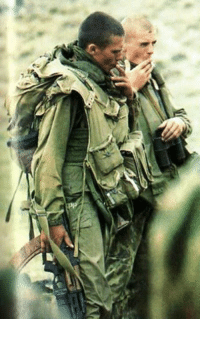
In Russia, Gelasimov won the Apollon-Grígoríev Award for this story about a Russian survivor of the Chechen wars, a soldier returned home to Moscow horribly disfigured by his war wounds, his life forever changed by an antagonist’s grenade.
Gelasimov’s protagonist, Kostya, spends his days and weeks in seclusion, guzzling vodka that he stockpiles in his refrigerator and wherever in his apartment that he can store the alcohol. His neighbor comes to get him to motivate her minor son to go to bed, the sight of Kostya scaring the little boy.
All this changes when two of his battle buddies come to get him with news that a third survivor of their unit has come up missing. The three veterans begin a search for their missing comrade.
What follows is not so much a quest for lost Seryoga but a journey for Kostya to rediscover himself. He reconnects with his father, his family and a forgotten artistic talent.
Gelasimov has woven a story of hurt and lost and of redemption.

January 14, 2012
I had never heard of Andrei Gelasimov before undertaking his short novel Thirst, the story of a mutilated veteran of the war in Chechnya named Kostya who looks at his life, past and present, and tries to make some sense out of it.
Why did he join the military in the first place? He came from a broken family and could no longer deal with his stepfather. Thanks to a drunken school director, he develops a love of drawing. This becomes one of the ways he can communicate with others, especially children and women. ("My face was the easiest of all to draw. It didn't age. It just got darker.") Otherwise, like many Russians, he drinks way too much vodka -- particularly when he gets together with his army buddies who were in the same armored personnel carrier (APC) that was attacked by Chechen irregulars.
For much of the book, we see Kostya with his army buddies looking for Seryoga, the man who pulled him from the burning APC. During this seemingly aimless trip, he reconnects with his biological father and his much younger wife, and their two children. In the end, Kostya comes to some sort of accommodation with his monstrously disfigured face, burned and scarred by war:
Why did he join the military in the first place? He came from a broken family and could no longer deal with his stepfather. Thanks to a drunken school director, he develops a love of drawing. This becomes one of the ways he can communicate with others, especially children and women. ("My face was the easiest of all to draw. It didn't age. It just got darker.") Otherwise, like many Russians, he drinks way too much vodka -- particularly when he gets together with his army buddies who were in the same armored personnel carrier (APC) that was attacked by Chechen irregulars.
For much of the book, we see Kostya with his army buddies looking for Seryoga, the man who pulled him from the burning APC. During this seemingly aimless trip, he reconnects with his biological father and his much younger wife, and their two children. In the end, Kostya comes to some sort of accommodation with his monstrously disfigured face, burned and scarred by war:
Waiting means experiencing gratitude. Simply rejoicing that you have something to wait for. You look out the window and think, 'Thank you, Lord. And thank you, everyone else. To the pigeon for flying past. To the dog for running by.'This is an author whose work I would like to encounter again, soon.

January 16, 2022
Un livre acheté parce que je cherchais des livres d'auteurs russes contemporains et parce que j'ai trouvé la couverture magnifique et la 4C intrigante. Et puis la découverte d'un style, et je l'ai dévoré!
Une très belle surprise en ce début d'année.
I've bought this book because I want to read contemporary Russian authors (as well as Classics), I also found the cover beautiful and the blurb intriguing. At last, the beautiful writing style stole my heart, as well as Kostia the hero. Loved it ! A great way to start the year.
Une très belle surprise en ce début d'année.
I've bought this book because I want to read contemporary Russian authors (as well as Classics), I also found the cover beautiful and the blurb intriguing. At last, the beautiful writing style stole my heart, as well as Kostia the hero. Loved it ! A great way to start the year.

June 29, 2014
Thirst, like most words, doesn’t always mean dry-mouthed. Men with ‘a thirst on’ will drink long beyond the point of rehydration. This is clearly the goal of this novel’s protagonist as he fills his fridge with vodka and stacks the remaining bottles wherever he can find space. He's planning a bender. Why vodka? Because he’s Russian and that’s their thing. Change the sprit to whisky-without-the-e, alter a few geographical details, swap the Chechen War for the Iraq War and call our hero Jimmy instead of Kostya and you could set this book in Scotland, no bother. Only on the surface is this a particularly Russian novel especially when you consider the writing style which owes more of a debt to Salinger and Hemingway than Dostoevsky or Tolstoy. It’s themes are universal and although there are plenty of Russian novelists who’ve dealt with familial conflicts, war and its aftermath at its core what we have here is a young man disfigured—literally—by being a part of the society he’s been born into and no longer sure of his place there. Much of the subtext is to do with waiting but I’ll come back to that.
The novel’s written in short sections with a nice chunk of white in between each one to let you know you’re going somewhere else now. You start off in his flat but very soon find yourself flitting back and forth between the present, his childhood and his experiences during the war. In the present two of his ex-squaddies (Genka and Pashka) turn up and the three head off in an SUV futilely looking for a third (Seryoga) who turns up on his own by the end of the book none the worse for wear but at least this gets him out of the apartment:
I said the book is also about waiting and I noted several quotes on the subject:
There’s a nice Q+A with the author here.
Took me a little while to get into it—the jumping back and forth was a tad confusing at first—and there were a few occasions where I got a bit lost and that I put down to the sparseness of his writing which I’m a big fan of in general and Gelasimov handles well. I’d read him again; The Lying Year sounds interesting.
The novel’s written in short sections with a nice chunk of white in between each one to let you know you’re going somewhere else now. You start off in his flat but very soon find yourself flitting back and forth between the present, his childhood and his experiences during the war. In the present two of his ex-squaddies (Genka and Pashka) turn up and the three head off in an SUV futilely looking for a third (Seryoga) who turns up on his own by the end of the book none the worse for wear but at least this gets him out of the apartment:
Before the doctors took off all the bandages, it was still OK to walk down the street, but afterward it wasn’t so great. Especially when you ran into people you knew. I don’t even know who felt more awkward, me or them. Because you have to make an effort. And pretend you don’t notice. That’s why I mostly stayed home or in the apartments I was renovating. I dealt with the owners over the phone. And when they did come around, they weren’t much interested in me. They scarcely tried to pretend.His dad wasn’t much of a dad, a bit of a philanderer, and he’s now remarried a much younger wife. On their travels Kostya drops in to see his father and his new family and Genka and Pashka end up abandoning him there for a few days which brings up a lot of mixed feelings. He notices his half-brother Slavka drawing and tells him he’s not holding his pencil right. “Let me show you how it’s done.” He ends up spending the morning entertaining the kids drawing whatever they ask apart from Pokémon as he’s no idea what Pokémon is. Turns out he was quite the artist in his day. He was so good that the school’s director takes him under his wing—the boy was sixteen at the time—and allows him to do nothing but draw all day long while he, the director, drinks himself into a stupor. Kostya clearly has talent but only up to the point of reproduction. I suppose you could say he lacked artistic flair. After having his interest in art rekindled by his half-siblings Kostya takes up drawing again with a vengeance but it’s different this time. He’s now able to see beyond the facile. He draws things as they could be and how they should be:
Sometimes I’d say I was going out to smoke, and for a long time I’d stand in some entryway, shivering from the cold and exhaling transparent steam into the dark air. The first five minutes were to calm down, and the rest to finish drawing in my head what there hadn’t been enough destiny for.His final drawing—which is where the book ends—is particularly moving.
For one I added a leg, for another a wife. For a third his dead friends. For a fourth, a child that was healthy. I made these guys strong, their wives beautiful, and their children cute. I drew what they didn’t have. I wouldn’t have been able to do that with pencil.
I said the book is also about waiting and I noted several quotes on the subject:
How do you draw waiting? A continuous straight line that never runs into anything? All that’s left on the page is a memory. White and square. Though it could be a drawing. A cat or a dog. Or a child and a house. But you started by drawing a line. And now you can’t stop.I thought Beckett had waiting all sewn up. Seems not. Suffice to say there’s nowhere near as much drinking in the book as I expected but by the end I think we do have a man who’s become (becoming?) satisfied (reconciled?) with himself. As much as he could be given his injuries. At its core this is a künstlerroman. If anything saves Kostya it’s art. It’s also a veteran’s novel: Is this what I was fighting for? So reminiscent of books like Pink Mist. Moving, thought-provoking and even funny at times.
[…]
[Y]ou have to know how to wait. Wait and believe. Then everything will work out. But I didn’t know what she meant. That’s why I waited for things I could understand: when the semester would end, when we’d have the money for a bicycle, when my math teacher would get sick, and then—when the director, Alexander Stepanovich, would come back from that Black Sea of his and we would start drawing again.
[…]
Waiting means experiencing gratitude. Simply rejoicing that you have something to wait for.
There’s a nice Q+A with the author here.
Took me a little while to get into it—the jumping back and forth was a tad confusing at first—and there were a few occasions where I got a bit lost and that I put down to the sparseness of his writing which I’m a big fan of in general and Gelasimov handles well. I’d read him again; The Lying Year sounds interesting.
February 19, 2012
Thirst is a fine book. It's a sharp and compassionate slice of Russian life and contemporary history told through the lens of a small group of well-drawn and deeply sympathetic characters - buddies from the horrific battlefields in Chechnya now meandering through the streets, alleys, train stations and watering holes of Moscow in search of an emotionally fallen comrade. Eschewing didactic moralizing or melodramatic description, the author builds his "hero's journey" narrative slowly - word upon sentence upon scene - fully in control, integrating and revealing the full picture at the very end. I came away more knowledgeable about the heart, the soul, the pain of soldiers everywhere, and was reminded of the power of simple unanticipated human acts - kindness, weakness, rage, vanity - to change lives, if only for a moment or two, and how these attributes link us all, whether Russian or other. I appreciated reading a book that moved me with its creative use of language and narrative structure. My time was well spent. I look forward to reading more from this author. But first, I'm going to down a few shots of chilled vodka to quell my own thirst.

April 23, 2012
first from gelasimov for me...sounds like a russian name? and does it matter? begins:
all the vodka wouldn't fit in the fridge. first i tried standing the bottles up, and then i laid them on their sides, one on top of the other. the bottles stacked up like transparent fish. then they hunkered down and stopped clinking. but ten or so just wouldn't fit.
i should have told me mother to take this refrigerator back a long time ago. it's an affront to me and the little boy next door. every night this monster cuts in full blast, and he cries on the other side of the wall. and my vodka is never all going to go in. It's too damn small.
then gelasimov drops the f-bomb w/pig. i'd hazard that if drinking vodka and dropping the f-bomb are the only sins a man commits, he is well-blessed, but some might take offense. this is our world. onward and upward.
good story. the other reviews covered all the basics and then some. not much to add. the storyline goes back and forth, the now, the past, a more recent past. so like this russian guy is maimed from the war...badly burned, no eyelids, this that the other...i know some that are "a hundred percent disability" yet they seem whole to me. am i missing something? this guy draws naked ladies...has drawn before. ilike the final drawing. nice. kids figure it out, eventually. good thing.
all the vodka wouldn't fit in the fridge. first i tried standing the bottles up, and then i laid them on their sides, one on top of the other. the bottles stacked up like transparent fish. then they hunkered down and stopped clinking. but ten or so just wouldn't fit.
i should have told me mother to take this refrigerator back a long time ago. it's an affront to me and the little boy next door. every night this monster cuts in full blast, and he cries on the other side of the wall. and my vodka is never all going to go in. It's too damn small.
then gelasimov drops the f-bomb w/pig. i'd hazard that if drinking vodka and dropping the f-bomb are the only sins a man commits, he is well-blessed, but some might take offense. this is our world. onward and upward.
good story. the other reviews covered all the basics and then some. not much to add. the storyline goes back and forth, the now, the past, a more recent past. so like this russian guy is maimed from the war...badly burned, no eyelids, this that the other...i know some that are "a hundred percent disability" yet they seem whole to me. am i missing something? this guy draws naked ladies...has drawn before. ilike the final drawing. nice. kids figure it out, eventually. good thing.

June 14, 2023
Andrei Gelasimov is a nice guy, and this is a quick and simple read. My 2nd favorite book about an emotionally unavailable man with a facial difference. (I can fix him.)

April 8, 2024
An author I’d not come across before, but well worth reading. Translated from the original Russian. A disfigured veteran from the Chechen war coping with vodka.
The author really gets the feeling of Russian mentality, where life is awful, bleak and then gets worse. He’s writing is sparse, focused and powerful. Excellent read. Given the current world situation is also very poignant.
I’m now reading another of his which may be even better. Stay tuned.
The author really gets the feeling of Russian mentality, where life is awful, bleak and then gets worse. He’s writing is sparse, focused and powerful. Excellent read. Given the current world situation is also very poignant.
I’m now reading another of his which may be even better. Stay tuned.
November 3, 2022
apprendre à voir, donc à dessiner, donc à vivre...

January 2, 2015
In some ways this reminded me of Pat Barker's Toby's Room - I suppose the themes of both art and a face mutilated by war, and also the very spare, concise style, capturing a lot in a few words. But in other ways it's totally different - the whole tone. Less of the horror and indignation, I guess, and more of a sense of this is the way life is. Perhaps a British v. Russian difference. A whole cultural difference in approach to life and suffering. I enjoyed Toby's Room, but I preferred Thirst. I find myself very drawn to Russian literature. Interesting too to compare a contemporary Russian novelist with the nineteenth century greats like Dostoevsky and Tolstoy. There does seem to be something that links them, something in the attitude, the way of self-expression - and the alcohol!
I was very impressed by this novel. It's a novel I would like to reread.
I was very impressed by this novel. It's a novel I would like to reread.
February 19, 2018
Un jeune soldat russe est de retour de son service militaire en Tchétchénie avec le visage brûlé après l'attaque de son blindé.
Son visage fait peur aux enfants et dérange les adultes. Pour oublier cela, Il se met à boire avec excès.
Avec deux autres camarades, il part à la recherche du quatrième rescapé de l'équipage du véhicule .
Il se met a dessiner ce monde qu'il retrouve, suivant ainsi les conseils de son ancien directeur d'école qui lui a jadis appris à regarder et à dessiner.
Son visage fait peur aux enfants et dérange les adultes. Pour oublier cela, Il se met à boire avec excès.
Avec deux autres camarades, il part à la recherche du quatrième rescapé de l'équipage du véhicule .
Il se met a dessiner ce monde qu'il retrouve, suivant ainsi les conseils de son ancien directeur d'école qui lui a jadis appris à regarder et à dessiner.

February 15, 2012
For whenever our wounds are too much to bear, there's always the vodka, the alcohol, to help us through.

September 1, 2020
When a war ends, the fancy generals and rich politicians return home safely to their mansions. The only people remaining are those who witnessed its horrors, the civilians and the simple soldiers for whom the war will never end. In the novella Thirst by the contemporary Russian author Andrei Gelasimov, we follow the narrator Constantine (Kostia) as he shares with us his story. A young man in his early 20s, Kostia, a veteran of the Chechnya war, witnessed the brutality of war, which left him heavily discovered both from the outside and from the inside. His only solace now is his thirst for vodka. With two of his war colleagues, they set out to find a 4th colleague, and through this quest, we learn more about Kostia before the war, what the war has done to him, and if there is any hope for his life and to heal any of his scars.
The novel is really about Kostia’s psyche. This is not a novel about the Chechnya war nor is it a political novel. It is a character study of what can war due to a soldier, especially when the soldier is used as a pawn in a bigger game, then discarded as if nothing has happened. But something DID happen. Kostia’s psyche is messed up; even the narration seems messed up. It isn’t a simple linear narrative; it is a chaotic telling of someone crushed by war and who just wants to quench his thirst. That said, the novel can be convoluted at times. Even though it is a short novella, it really requires effort and concentration to get through. It needs us to be patient. Nothing is spelled out completely from the beginning as the aim is to follow with Kostia and his troubled psyche. Nevertheless, I still believe that the patience of reading it will end up being a satisfying experience.
I liked this novel, and I do recommend it if you want to read more into contemporary Russian literature. I didn’t know of this author before. But when presented with this novel, I couldn’t resist. Now I know he’s on my radar for future works.
The novel is really about Kostia’s psyche. This is not a novel about the Chechnya war nor is it a political novel. It is a character study of what can war due to a soldier, especially when the soldier is used as a pawn in a bigger game, then discarded as if nothing has happened. But something DID happen. Kostia’s psyche is messed up; even the narration seems messed up. It isn’t a simple linear narrative; it is a chaotic telling of someone crushed by war and who just wants to quench his thirst. That said, the novel can be convoluted at times. Even though it is a short novella, it really requires effort and concentration to get through. It needs us to be patient. Nothing is spelled out completely from the beginning as the aim is to follow with Kostia and his troubled psyche. Nevertheless, I still believe that the patience of reading it will end up being a satisfying experience.
I liked this novel, and I do recommend it if you want to read more into contemporary Russian literature. I didn’t know of this author before. But when presented with this novel, I couldn’t resist. Now I know he’s on my radar for future works.

December 8, 2025
J’ai été bien contente que l’on me passe ce roman dont j’avais entendu parler et qui figurait sur ma liste des possibles à lire.
📚 Kostia est revenu de Tchétchénie défiguré après l'attaque de son tank. Son retour à la vie citadine se passe mal et il s’abrutit en buvant à outrance. Il boit pour oublier l’attaque, pour oublier son père qui l’a laissé tomber, pour oublier son propre visage. Autour de lui gravitent plusieurs personnes comme sa voisine qui l’appelle parfois pour qu’il fasse peur à son fils lorsque celui-ci ne veut pas aller au lit.
Il se souvient aussi d’Alexandre Stépanovitch, directeur de son école, qui l'avait encouragé à développer son don pour le dessin mais lui avait aussi appris à boire.
Un jour, deux de ses anciens camarades de Tchétchénie vienne le chercher car Sergueï, le quatrième de leur bande (et celui qui l’avait sorti du tank en feu) est introuvable. Ils repartent dans la ville où vit le père de Kostia avec lequel il va reprendre contact, faisant au passage la connaissance de son demi-frère et de sa demi-sœur.
Le roman alterne le périple des trois amis à la recherche du quatrième avec les souvenirs de combat de Kostia mais aussi ses souvenirs d’enfance. Il se remet d’abord à dessiner pour son petit frère. Il continue ensuite d’imaginer en dessin la vie de gens qu’il a pu croiser et c’est ce qui va l’aider à se remémorer des périodes occultées et à étancher sa soif de vivre.
💬 Je ne m’attendais pas à ce type d’histoire au regard du titre et du tout début du roman. J’ai adoré la construction du récit dont les phrases semblent passer du coq à l’âne alors qu’au final, lorsque Kostia se retrouve lui-même, il est clair que tout est connecté. J’ai très envie de lire un autre roman de cet auteur.
Roman court et atypique, illustrant la Russie d’une certaine époque et la reconstruction d’un homme, je vous le conseille si vous êtes curieux.
📚 Kostia est revenu de Tchétchénie défiguré après l'attaque de son tank. Son retour à la vie citadine se passe mal et il s’abrutit en buvant à outrance. Il boit pour oublier l’attaque, pour oublier son père qui l’a laissé tomber, pour oublier son propre visage. Autour de lui gravitent plusieurs personnes comme sa voisine qui l’appelle parfois pour qu’il fasse peur à son fils lorsque celui-ci ne veut pas aller au lit.
Il se souvient aussi d’Alexandre Stépanovitch, directeur de son école, qui l'avait encouragé à développer son don pour le dessin mais lui avait aussi appris à boire.
Un jour, deux de ses anciens camarades de Tchétchénie vienne le chercher car Sergueï, le quatrième de leur bande (et celui qui l’avait sorti du tank en feu) est introuvable. Ils repartent dans la ville où vit le père de Kostia avec lequel il va reprendre contact, faisant au passage la connaissance de son demi-frère et de sa demi-sœur.
Le roman alterne le périple des trois amis à la recherche du quatrième avec les souvenirs de combat de Kostia mais aussi ses souvenirs d’enfance. Il se remet d’abord à dessiner pour son petit frère. Il continue ensuite d’imaginer en dessin la vie de gens qu’il a pu croiser et c’est ce qui va l’aider à se remémorer des périodes occultées et à étancher sa soif de vivre.
💬 Je ne m’attendais pas à ce type d’histoire au regard du titre et du tout début du roman. J’ai adoré la construction du récit dont les phrases semblent passer du coq à l’âne alors qu’au final, lorsque Kostia se retrouve lui-même, il est clair que tout est connecté. J’ai très envie de lire un autre roman de cet auteur.
Roman court et atypique, illustrant la Russie d’une certaine époque et la reconstruction d’un homme, je vous le conseille si vous êtes curieux.
March 3, 2025
"À tous ces hommes, je donnais de la vigueur, à leurs femmes de leur beauté, à leurs enfants de la drôlerie. Je dessinais ce qu'ils n'avaient pas".
La soif, de par son titre, nous laisse sous-entendre une éventuelle ode à la vie.
Mais que reste-t-il de cette vie quand elle a été oubliée sur le front, terrassée par la terreur et dont il n'en ressort que des traumatismes enracinées dans la chair ?
En réalité, il n'en reste rien.
La vie reprend alors son cours, mais à contresens. La soif de vie devient la soif de survie. Celle plus sombre ou l'oublie devient notre seule compagnie.
Cette soif qui nous inhibe et nous fait dériver d'un souvenir à un autre, sans espace-temps, si ce n'est celui marqué par les éclats de verre qui se brisent sur le sol.
La soif est un livre sur un ancien militaire, dévisagé par la guerre. Errant en quête de repère, il ne retrouve ses marques qu'à travers ses dessins. Son art reflète sa réalité intime. Cette vérité inhibe par l'alcool qui débute par ses yeux avant d'être traduite par son imaginaire créatif.
Je m'attendais à découvrir un peu d'histoire sur la Russie et sur la guerre de Tchétchénie.
Mais je n'ai eu que le désordre. Les pages traduisent tel quel, les pensées tourmentées de son personnage qui ne cherche pas de sens à ce qu'il voit, mais plutôt à ce qu'il en fait.
La lecture est simple, mais oubliez toute finalité. C'est un livre qui invite plutôt le lecteur à se mettre dans la peau d'un personnage persuadé que plus rien ne l'attend. Alors pour lutter contre ce temps qui défile, il se contente de ce qu'il lui reste : son art.
La soif, de par son titre, nous laisse sous-entendre une éventuelle ode à la vie.
Mais que reste-t-il de cette vie quand elle a été oubliée sur le front, terrassée par la terreur et dont il n'en ressort que des traumatismes enracinées dans la chair ?
En réalité, il n'en reste rien.
La vie reprend alors son cours, mais à contresens. La soif de vie devient la soif de survie. Celle plus sombre ou l'oublie devient notre seule compagnie.
Cette soif qui nous inhibe et nous fait dériver d'un souvenir à un autre, sans espace-temps, si ce n'est celui marqué par les éclats de verre qui se brisent sur le sol.
La soif est un livre sur un ancien militaire, dévisagé par la guerre. Errant en quête de repère, il ne retrouve ses marques qu'à travers ses dessins. Son art reflète sa réalité intime. Cette vérité inhibe par l'alcool qui débute par ses yeux avant d'être traduite par son imaginaire créatif.
Je m'attendais à découvrir un peu d'histoire sur la Russie et sur la guerre de Tchétchénie.
Mais je n'ai eu que le désordre. Les pages traduisent tel quel, les pensées tourmentées de son personnage qui ne cherche pas de sens à ce qu'il voit, mais plutôt à ce qu'il en fait.
La lecture est simple, mais oubliez toute finalité. C'est un livre qui invite plutôt le lecteur à se mettre dans la peau d'un personnage persuadé que plus rien ne l'attend. Alors pour lutter contre ce temps qui défile, il se contente de ce qu'il lui reste : son art.
May 30, 2018
demanding but rewarding novella which would benefit from a future re-read
Although short this is a demanding novel, so make sure you read it when you have the time and mental stamina to give it the attention it deserves. My first attempt, during a bout of insomnia, came to an end when about 25 pages in, I realised I didn't have a clue what was going on. I was, however, sufficiently intrigued by the description to give it another go - and was rewarded for my efforts. Thre terse, clipped prose and frequent changes between three periods of Konstantin's life still required concentration, but this time I was prepared for it and was gradually able to make connections between the the three timelines as Gelasimov intended, so that by the end, the overall position was clear.
Although some reviewers have joined the dots of the plot, so to speak, I would suggest that you don't try to find out too much of the storyline before reading the novel, or you will miss the gradual revelation of the facts. I imagine a re-read at some point would bring even greater clarity and enjoyment.
Although short this is a demanding novel, so make sure you read it when you have the time and mental stamina to give it the attention it deserves. My first attempt, during a bout of insomnia, came to an end when about 25 pages in, I realised I didn't have a clue what was going on. I was, however, sufficiently intrigued by the description to give it another go - and was rewarded for my efforts. Thre terse, clipped prose and frequent changes between three periods of Konstantin's life still required concentration, but this time I was prepared for it and was gradually able to make connections between the the three timelines as Gelasimov intended, so that by the end, the overall position was clear.
Although some reviewers have joined the dots of the plot, so to speak, I would suggest that you don't try to find out too much of the storyline before reading the novel, or you will miss the gradual revelation of the facts. I imagine a re-read at some point would bring even greater clarity and enjoyment.
July 20, 2025
Un jeune soldat russe est gravement brûlé au visage lors de la guerre de Tchétchénie. Ce court roman avec une narration très condensée, raconte en un seul souffle le retour de Kostia, entre tentation de sombrer dans la vodka, souvenirs d’enfance, la bourlingue avec deux de ses camarades pour rechercher leur capitaine Sérioja. Ce livre aurait pu donner lieu à une puissante description intérieure de la Russie, mais l’auteur reste dans la suggestion, l’esquisse, la prose. Cette quête initiatique est finalement la révélation d’un certain regard de Kostia, sur le monde, par le dessein. À présent, la soif de vivre.
« Le monde, par la vitre de la voiture, paraissait un peu aplati, mais j’avais tout de même du plaisir à le regarder. Même s’il fuyait constamment en arrière et vers la droite. Après il s’est mis à fuir vers la gauche. Et ça aussi c’était bien. » (p. 118)
Livre offert par un russophile.
« Le monde, par la vitre de la voiture, paraissait un peu aplati, mais j’avais tout de même du plaisir à le regarder. Même s’il fuyait constamment en arrière et vers la droite. Après il s’est mis à fuir vers la gauche. Et ça aussi c’était bien. » (p. 118)
Livre offert par un russophile.
January 7, 2018
This book was amazing. You expect it to be kind of a detective novel like the main plot is finding this guy, but it's really about the journey. And, some books like that can be boring and anticlimactic. Not this one. Even from the get go, the more interesting tale is in the past and how the events shape the ending of the book.
Also, if you can find the Russian film version of this, I 10/10 recommend it. It was adapted to screen by the author, and it was one of the most satisfying book to film adaptations I have seen in my life.
Also, if you can find the Russian film version of this, I 10/10 recommend it. It was adapted to screen by the author, and it was one of the most satisfying book to film adaptations I have seen in my life.

May 27, 2019
Thirst by Russian author Andrei Gelasimov and translated by Marian Schwartz (2011)...a pretty good book but not great...noirish...a young Russian soldier returns from the Chechen War disfigured with his face half-blown off...he is reduced to a small pension, drinking vodka, and hanging with the single Mom in the apt next door...then two old Army buddies show-up and they all take off for Moscow to search for another missing Army friend...a short read and I'm glad I read it, just not quiet as good as I hoped...3.5 outta 5.0.
September 27, 2021
Just finished, I loved it.
It’s a short story, which vividly, yet not directly, depicts war trauma, social distancing (in it’s old-pre-covid meaning), and childhood emotional neglect.
Kostia’s face was deformed in a burning tank. As a result, he avoids as much human contact as possible, except for his neighbor, Olga, who asks him for help with her disobedient toddler, by scaring him with his face.
One day his friend from war went missing, and he has to step out of his house and search for him, along with two other friends from war.
It’s a short story, which vividly, yet not directly, depicts war trauma, social distancing (in it’s old-pre-covid meaning), and childhood emotional neglect.
Kostia’s face was deformed in a burning tank. As a result, he avoids as much human contact as possible, except for his neighbor, Olga, who asks him for help with her disobedient toddler, by scaring him with his face.
One day his friend from war went missing, and he has to step out of his house and search for him, along with two other friends from war.

November 13, 2020
I was attracted to this one by its fascinating cover and the theme interested me. As I expected it was not a happy reading but I liked it a lot, it was authentic and with this typical way of describing people and events that gives russian litterature a unique style, not easy to read but interesting.
May 7, 2017
Tout simplement émouvant de beauté. Avec Kostia, l'anti-héros de ce récit, nous réapprenons à vivre avec délicatesse. Le contraste mis en avant par l'auteur entre les douleurs physiques et psychiques est brillant ! Car oui, la vie est une succession de douleurs à différents degrés.

December 24, 2018
Not easy to read but surprising
Should be a 4.5 really. Not like Salinger more like the great O Henry. Somewhat 1970's but not in the worst sense of the way. O' Henry gave a strong sense of his character s by showing you their world. Dark but not despairing.
Should be a 4.5 really. Not like Salinger more like the great O Henry. Somewhat 1970's but not in the worst sense of the way. O' Henry gave a strong sense of his character s by showing you their world. Dark but not despairing.
March 17, 2019
If you have a possibility to read it, then read it. It's a good story.

December 6, 2025
J’ai trouvé qu’on ne retient pas grand choses de cette histoire. C’est sympa mais sans plus
May 4, 2026
Ootamatult aus, psühholoogiline ja otsekohene, hõlmates nii sõjatraumasid, nendega toimetulekut kui ka minapildi ja inimeseks olemise paradokse. Seda kõike ehedalt vene mentaliteediga
July 14, 2026
« Je pensais en les regardant : pourquoi ça se passe comme ça pour moi ? Pourquoi il y en a qui brûlent, et d’autres qui sont sauvés ? » (p.60)
« La jalousie — un sale truc qu’on n’arrive pas à vaincre. Jamais. Et quels que soient les efforts que l’on fait. Il y a des gens solides qui peuvent surmonter tout ce que vous voulez : ennemis, amis, solitude. Mais la jalousie, c’est une autre histoire. A moins de tout simplement s’arracher le cœur de la poitrine. Parce que c’est là qu’elle vit. » (p.80)
« La jalousie — un sale truc qu’on n’arrive pas à vaincre. Jamais. Et quels que soient les efforts que l’on fait. Il y a des gens solides qui peuvent surmonter tout ce que vous voulez : ennemis, amis, solitude. Mais la jalousie, c’est une autre histoire. A moins de tout simplement s’arracher le cœur de la poitrine. Parce que c’est là qu’elle vit. » (p.80)

December 9, 2013
This novel (novella) is translated from Russian, and is the story of a soldier, Kostya, who fought in Chechnya and was badly burned while trapped inside an Armored Personnel Carrier (APC.) Owing to his severe disfigurement, Kostya becomes a heavy-drinking homebody. This changes when one of his team members from the war, Seryoga, goes missing and a couple surviving team members come to recruit Kostya to the search party.
Kostya struggles with an internal conflict not uncommon in war stories. On the one hand, Kostya both rationally recognizes the logic of why his friend and teammate, Seryoga, didn’t pull him from the burning APC (i.e. Seryoga believed Kostya was dead) and he loves Seryoga like a brother. On the other hand, he can’t help but feel that if Seryoga had pulled him out sooner he wouldn’t be so hideously disfigured and his life—as he sees it--wouldn’t have been ruined. Kostya battles those feelings, even defending Seryoga’s decision based on the reasonable conclusion that Kostya was already dead. A flashback sequence interwoven into the contemporary timeline shows us the events of the APC attack, including—ominously—a discussion of what should happen in case grenade breaches the vehicle for the benefit of the FNG (F@#%ing New Guy.)
The story is short and sparse, and that complements the somber tone of the book. One reason for dragging Kostya into the search is that his father is a Lieutenant Colonel with the pull to access records. This forces Kostya to open up the estranged relationship with his father and his father’s new wife. One gets the feeling that Kostya blames his father more for his plight than he does Seryoga, adding to any pre-war problems in the relationship. There are several factors that combine to move Kostya toward a better place over the course of the story. One is the thaw in relations with his father, and--perhaps even more so—the burgeoning relationship with his step-mom, Marian, who he discovers to be a genuinely good person. A second factor is reconnecting with his military buddies. Finally, his art (Kostya has a talent for drawing) becomes more therapeutic as his friends and family begin to see it.
This is a classic brothers-in-arms story. The universality of that bond comes through in translation. With tweaks in details (and choice of liquor) this story could be about American soldiers in Vietnam or Iraq. What makes the book a worthwhile read, if nothing else, is its display of that commonality of human experience. The ways of soldiers who have a stake in each other, even if they feel little personal stake in the grand strategy that has put them where they are.
I found this story to be moving and thought-provoking. I’d recommend the book—particularly for readers of literary fiction—and it’s definitely literary fiction. The story is character driven, and not plot or action driven. The tension derives from the interaction of characters and not (except for the APC fire) outside events. Many will find the ending abrupt and anti-climactic, but it’s the story of Kostya’s journey and not of any particular destination.
Kostya struggles with an internal conflict not uncommon in war stories. On the one hand, Kostya both rationally recognizes the logic of why his friend and teammate, Seryoga, didn’t pull him from the burning APC (i.e. Seryoga believed Kostya was dead) and he loves Seryoga like a brother. On the other hand, he can’t help but feel that if Seryoga had pulled him out sooner he wouldn’t be so hideously disfigured and his life—as he sees it--wouldn’t have been ruined. Kostya battles those feelings, even defending Seryoga’s decision based on the reasonable conclusion that Kostya was already dead. A flashback sequence interwoven into the contemporary timeline shows us the events of the APC attack, including—ominously—a discussion of what should happen in case grenade breaches the vehicle for the benefit of the FNG (F@#%ing New Guy.)
The story is short and sparse, and that complements the somber tone of the book. One reason for dragging Kostya into the search is that his father is a Lieutenant Colonel with the pull to access records. This forces Kostya to open up the estranged relationship with his father and his father’s new wife. One gets the feeling that Kostya blames his father more for his plight than he does Seryoga, adding to any pre-war problems in the relationship. There are several factors that combine to move Kostya toward a better place over the course of the story. One is the thaw in relations with his father, and--perhaps even more so—the burgeoning relationship with his step-mom, Marian, who he discovers to be a genuinely good person. A second factor is reconnecting with his military buddies. Finally, his art (Kostya has a talent for drawing) becomes more therapeutic as his friends and family begin to see it.
This is a classic brothers-in-arms story. The universality of that bond comes through in translation. With tweaks in details (and choice of liquor) this story could be about American soldiers in Vietnam or Iraq. What makes the book a worthwhile read, if nothing else, is its display of that commonality of human experience. The ways of soldiers who have a stake in each other, even if they feel little personal stake in the grand strategy that has put them where they are.
I found this story to be moving and thought-provoking. I’d recommend the book—particularly for readers of literary fiction—and it’s definitely literary fiction. The story is character driven, and not plot or action driven. The tension derives from the interaction of characters and not (except for the APC fire) outside events. Many will find the ending abrupt and anti-climactic, but it’s the story of Kostya’s journey and not of any particular destination.

April 22, 2012
This short novel is narrated by a young Russian soldier during the War in Chechnya, who suffers horrible burns to his face and body when the Armed Personnel Carrier he is riding in is blown apart by a grenade. His comrades do not rescue him immediately, assuming he is dead, and then are horrified to see him breathing. After his rescue, he returns to his home village, where his most useful activity is scaring his neighbor's children into obedience. He spends his days in a vodka-fueled haze of memory, regret and bitterness, and the novel zips back and forth between past and present in a schizophrenic fashion. The narration is simple and banal, as in this passage:
I bought Thirst because it was one of the e-books published by AmazonCrossing that was on sale for 99 cents last weekend. I'm not convinced that I received my money's worth, though.
Usually it takes about three dys to get used to the idea that a friend has died. Not one and not two. Sometimes even three isn't enough. Each time you remember him, you tell yourself, He's dead. But it still feels like you're lying. Not in the sense that he isn't dead but in the sense that you're still not ready to say those words. You can say them, but they're empty. Unconnected to life. There's an emptiness between them and reality. You sense that gap, and you can't figure out what's there, inside it. So you repeat it as often as you can; he's dead, he's dead, he's gone. But you're lying anyway. At least until three days pass. Then it's pretty much OK.
I bought Thirst because it was one of the e-books published by AmazonCrossing that was on sale for 99 cents last weekend. I'm not convinced that I received my money's worth, though.

April 25, 2012
Kostya is a young Russian whose face was burned recognition while serving with the Russian army in its ongoing campaign against the Chechnya insurgents. As Andrei Gelasimov's "Thirst" opens, Kostya is back at home he sits in his apartment, sometimes for weeks at a time, drinking vodka. It seems the only time he leaves his apartment in when his downstairs neighbor asks him to come to her apartment to scare her young child into behaving, doing his homework or going to bed. Kostya's life is as void of form as his face. Then, without much notice, Kostya's army buddies, other survivors of the attack that left Kostya scarred, arrive to tell them they are going on a road trip: to find out what happened to another buddy who has gone missing.
More a novella than a novel, "Thirst" takes us on the road trip. Narrated by Kostya we get a glimpse of Kostya's life before and after the attack. Although something of a road trip story this is really the story of Kostya's life. As he embarks on his journey the reader embarks on a journey that takes us into Kostya's early life and mostly dysfunctional family relationships, the attack that left Kostya scarred and drowning in vodka.
"Thirst" is not a groundbreaking story. It is very well written and the translation does seem to highlight the staccato-tempo of Kostya's journey. I did like how Gelasimov ended the story. It seemed fitting and realistic. I would recommend reading "Thirst" even if I won't suggest dropping everything on your to-be-read pile to run out and start this. It is, however, worth reading.
More a novella than a novel, "Thirst" takes us on the road trip. Narrated by Kostya we get a glimpse of Kostya's life before and after the attack. Although something of a road trip story this is really the story of Kostya's life. As he embarks on his journey the reader embarks on a journey that takes us into Kostya's early life and mostly dysfunctional family relationships, the attack that left Kostya scarred and drowning in vodka.
"Thirst" is not a groundbreaking story. It is very well written and the translation does seem to highlight the staccato-tempo of Kostya's journey. I did like how Gelasimov ended the story. It seemed fitting and realistic. I would recommend reading "Thirst" even if I won't suggest dropping everything on your to-be-read pile to run out and start this. It is, however, worth reading.
Displaying 1 - 30 of 81 reviews