Startlingly simple but deeply powerful, this manual for a healthier, happier, and calmer life shows that wellness—not illness—is the essence of managing health. By bringing together the best of evidence-based, holistic medicine, the guide presents a program that can be used in daily life. The seven crucial pillars of well-being revealed in the book are drawn from the best of research in traditional and complementary medicine. Hand in hand with motivation and strategies for change, this helpful resource affirms that anyone is capable of lifelong good heath, happiness, and inner calm.
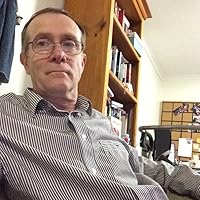
Professor Craig Hassed OAM has been working within the Faculty of Medicine at Monash University since 1989. He now also teaches into a number of other faculties and is coordinator of mindfulness programs across Monash. His teaching, research and clinical interests include mindfulness, mind-body medicine, lifestyle medicine, integrative medicine and medical ethics. Craig developed and integrated into the Monash medical curriculum the world-first mindfulness-based healthy lifestyle course called the Health Enhancement Program. He has authored over 100 papers in peer-reviewed journals and is regularly invited to speak and run courses in Australia and overseas in health, educational, government and corporate contexts. Craig has collaborated with a number of Australian and international universities helping them to integrate similar content. Craig was the founding president of Meditation Australia, is a regular media commentator, and has published 13 books and 14 book chapters. Craig featured in the documentaries, The Connection, and My Year of Living Mindfully. He co-authored with Richard Chambers the two free online Mindfulness courses in collaboration with Monash University and FutureLearn, both of which are rated by Class Central among the leading online courses in the world. In 2019 Craig was awarded the Medal of the Order of Australia (OAM) for services to Medicine.
I went to the author's public speech a few months ago. He is an awesome presenter! Anyway, that got me interested in this book. Mindfulness seems to be "the thing" recently (and I believe it's because it's so so so so important). Mindfulness also catches my attention because I'm interested in it. Anyway, in terms of mindfulness, this book didn't contain anything new, but it did have some interesting facts based on medical research. Another thing is, I don't remember this was in the book or in the speech, but I liked it when he explained mindfulness in relation to our thoughts, by comparing with us standing at platform, observing trains (a metaphor for thoughts) coming and going without getting too invested or caught up with them or labeling them with good or bad. Just being there standing and observing. Different people use diferent metaphors for mindfulness of thoughts, but I quite liked the one he used. Very visual and it resonated with me.
This book helped me a lot while I was struggling with illness, a chronic one. but I found information from the chapters dedicated to a particular illness (e.g. MS) a bit redundant and I would like to suggest organizing chapters in a different way. However, as it is, it's inspiring and informative (pure gold to be honest) for anyone who wants to approach his/her condition in a different, more natural and less stressful way. It combines great with the movie The Connection wich I highly recommend.