

What do you think?

أنا،ِ أورهان والي
شعر
- GenresPoetryTurkish Literature
216 pages, Paperback
First published January 1, 1989
About the author
Orhan Veli Kanık
97 books264 followersOrhan Veli Kanık or Orhan Veli (14 April 1914 – 14 November 1950) was a Turkish poet. Kanık is one of the founders of the Garip Movement together with Oktay Rıfat and Melih Cevdet. Aiming to fundamentally transform traditional form in Turkish poetry, he introduced colloquialisms into the poetic language. Besides his poetry Kanık crammed an impressive volume of works including essays, articles and translations into 36 short years.
Orhan Veli shunned everything old in order to be able to bring about a new 'taste', refusing to use syllable and aruz meters. He professed to regarding the rhyme primitive, literary rhetoric techniques such as metaphor, simile, hyperbole unnecessary. Set out "to do away with all tradition, everything that bygone literatures taught", although this desire of Kanık limits the technical possibilities in his poetry, the poet broke new grounds for himself with the themes and personalities he covered and the vocabulary he employed. He brought the poetic language closer to the spoken language by adopting a plain phraseology. In 1941 his poems embodying these ideas were published in a poetry volume named Garip, released jointly with his friends Oktay Rıfat and Melih Cevdet, which led to the emergence of the Garip movement. This movement had a huge influence especially between the years 1945-1950 on Republican era Turkish verse. The Garip poetry is accepted as a touchstone in Turkish verse for its both destructive and constructive effects.
https://en.wikipedia.org/wiki/Orhan_V...
https://tr.wikipedia.org/wiki/Orhan_V...
Orhan Veli shunned everything old in order to be able to bring about a new 'taste', refusing to use syllable and aruz meters. He professed to regarding the rhyme primitive, literary rhetoric techniques such as metaphor, simile, hyperbole unnecessary. Set out "to do away with all tradition, everything that bygone literatures taught", although this desire of Kanık limits the technical possibilities in his poetry, the poet broke new grounds for himself with the themes and personalities he covered and the vocabulary he employed. He brought the poetic language closer to the spoken language by adopting a plain phraseology. In 1941 his poems embodying these ideas were published in a poetry volume named Garip, released jointly with his friends Oktay Rıfat and Melih Cevdet, which led to the emergence of the Garip movement. This movement had a huge influence especially between the years 1945-1950 on Republican era Turkish verse. The Garip poetry is accepted as a touchstone in Turkish verse for its both destructive and constructive effects.
https://en.wikipedia.org/wiki/Orhan_V...
https://tr.wikipedia.org/wiki/Orhan_V...
Ratings & Reviews
Friends & Following
Create a free account to discover what your friends think of this book!
Community Reviews
Displaying 1 - 19 of 19 reviews

March 25, 2013
... قيل عنه
إن هذا الرجل الذي اضطلع بمهمة تأسيس شعرنا الحديث"
لم يؤسس نظريته بكتاباته
"وإنما بشيئين آخرين هما : حياته (طريقة معيشته) وأشعاره
بجسده النحيل ذو العظام البارزة وجبهته العريضة
سار أورهان والي يتحدى الحياة بالشعر
ويحبها بالشعر
ويحياها بالشعر
صار ينزف شعرا
ويضحك شعرا
ويملأ تركيا والعالم بأناه المتفردة
-------------------
إن هذا الرجل الذي اضطلع بمهمة تأسيس شعرنا الحديث"
لم يؤسس نظريته بكتاباته
"وإنما بشيئين آخرين هما : حياته (طريقة معيشته) وأشعاره
بجسده النحيل ذو العظام البارزة وجبهته العريضة
سار أورهان والي يتحدى الحياة بالشعر
ويحبها بالشعر
ويحياها بالشعر
صار ينزف شعرا
ويضحك شعرا
ويملأ تركيا والعالم بأناه المتفردة
-------------------
سمعت أنك شغوف
بحياتي الخاصة
أقول لك :
في البدء ، أنا إنسان ، أي ،
لست حيوانا في سيرك أو ماشابه
لي أنف ، ولي أذن
إلا أنهما ليسا جميلين
لي بيت ،
ووظيفة .
لا على رأسي سحابة
ولا على ظهري شارة نبي
*-*-*-*-*-*-*
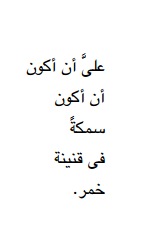
عليَّ أن أكون
سمكة
في قنينة
خمر
*-*-*-*-*-*-*
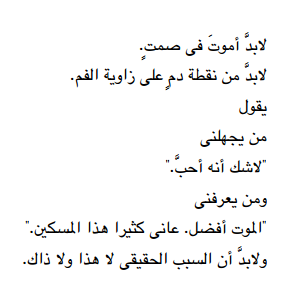
لابد أن أموت في صمت
لابد من نقطة دمٍ على زاوية الفم
يقول
من يجهلني
"لاشكّ أنه أحبَّ".
ومن يعرفني
"الموتُ أفضل.عانى كثيرًا هذا المسكين."
ولابدَّ أن السبب الحقيقي لاهذا ولاذاك
*-*-*-*-*-*-*
لا يعرفُ
أولئك الذين لا يعيشون وحدهم
كيف يكون الصمتُ
مرعبًا
كيف يكلم شخص نفسه
كيف يعدو إلى المرايا
جائعا إلى روحٍ
*-*-*-*-*-*-*
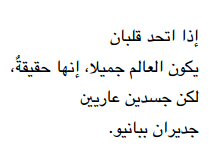
إذا اتحد قلبان
يكون العالم جميلا
إنها حقيقة
لكن جسدين عاريين
جديران ببانيو
*-*-*-*-*-*-*
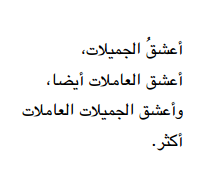
اعتقدتِ النساءُ الجميلات
أن ما كتبتُ من قصائد الحب
كانت فيهن
وأعانى دائمًا
من أننى أعرف أنى كتبتُها
لأبقى مشغولا

September 7, 2011
كان فى هذه الدار كلب
أشعثُ
كان يدعى شينكون
مات.
وكان فى الدار قطة أيضاً: مافيتش
ضاعتْ
تزوجتْ ابنةُ الدار.
جرتْ فى السنةِ الأخيرة
أشياء كثيرة حلوة ومُرَّة
جرتْ; نعم
لكنها تشبه ما سبق.
هذه هى الحياة!
----------
لا يعرفُ
أولئك الذين لا يعيشون وحدهم
كيف يكون الصمتُ
مرعبًا
كيف يكلم شخص نفسه
كيف يعدو إلى المرايا
جائعا إلى روحٍ
لا يعرفون.
أشعثُ
كان يدعى شينكون
مات.
وكان فى الدار قطة أيضاً: مافيتش
ضاعتْ
تزوجتْ ابنةُ الدار.
جرتْ فى السنةِ الأخيرة
أشياء كثيرة حلوة ومُرَّة
جرتْ; نعم
لكنها تشبه ما سبق.
هذه هى الحياة!
----------
لا يعرفُ
أولئك الذين لا يعيشون وحدهم
كيف يكون الصمتُ
مرعبًا
كيف يكلم شخص نفسه
كيف يعدو إلى المرايا
جائعا إلى روحٍ
لا يعرفون.



September 3, 2011
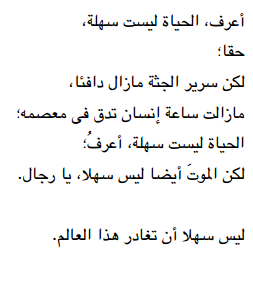
مازلت مبتدئا في قراءة الشعر الحديث, ولا أدري أحيانا كيف ينبغي أن يتلقاه القارىء, بمحاولة الفهم ؟ أم بالحدس والوجدان ؟ أم بفك الرموز ؟ أم بماذا ؟
أشعار أورهان والي تبدو في هذا الديوان أحيانا "عادية جدا" وكأنه يكتب خواطر حميمة, وأحيانا تبدو مثقلة بالرموز والإيحاءات. لكن العناصر التي يستخدمها دائما من الحياة اليومية : الناس والنباتات والطيور والمباني والطرق والترام والخمر والملابس ..إلخ. كما أن هناك عنصر قوي من السيرة الذاتية الشخصية
يبدو أني أحتاج لقراءات أكثر عن الفن الحديث والشعر الحديث, أو ربما أني أحتاج لأن أقرأ هذه الأشعار بطريقة مختلفة تماما عما تعودت
أشعار أورهان والي تبدو في هذا الديوان أحيانا "عادية جدا" وكأنه يكتب خواطر حميمة, وأحيانا تبدو مثقلة بالرموز والإيحاءات. لكن العناصر التي يستخدمها دائما من الحياة اليومية : الناس والنباتات والطيور والمباني والطرق والترام والخمر والملابس ..إلخ. كما أن هناك عنصر قوي من السيرة الذاتية الشخصية
يبدو أني أحتاج لقراءات أكثر عن الفن الحديث والشعر الحديث, أو ربما أني أحتاج لأن أقرأ هذه الأشعار بطريقة مختلفة تماما عما تعودت

February 27, 2017
ديوان لا ينبش بعُمق .. 94 قصيدة سطحية ، إلا القليل جداً
* * *
لابدَّ أموتَ في صمتٍ
لابدَّ من نقطة دمٍ على زاوية الفم .
يقوم
من يجهلني
" لا شك أنه أحبَّ "
و من يعرفني
" الموت أفضل . عانى كثيراً هذا المسكين "
و لابدَّ أن السبب الحقيقي لا هذا ولا ذاك .
* * *
* * *
لابدَّ أموتَ في صمتٍ
لابدَّ من نقطة دمٍ على زاوية الفم .
يقوم
من يجهلني
" لا شك أنه أحبَّ "
و من يعرفني
" الموت أفضل . عانى كثيراً هذا المسكين "
و لابدَّ أن السبب الحقيقي لا هذا ولا ذاك .
* * *
July 19, 2024
الترجمة سيئة للغاية أشبه بترجمة جوجل
قصيدة أصغي إلى إسطنبول و أنا معصوب العينين (استمعت إليها صوتياً -و هي ما دفعني لقراءة ديوان الشاعر- أفضل بكثير جداً من المترجمة في هذا الكتاب و التي هيا "أنصت إلي إسطنبول مغمض العينين")
أغلب أشعار الكاتب في هذا الديوان عن عشيقاته و غزل صريح مقزز في بعض المقاطع و عن الخمر
ما أعجبني في الديوان: قصيدة أصغي لإسطنبول التي استمعت إليها صوتياً و ليست المترجمة
و قصيدة الوحدة:
لا يعرف
أولئك الذين لا يعيشون وحدهم
كيف يكون الصمت مرعب
كيف يكلم شخص نفسه
كيف يعدو إلى المرايا
جائعا إلى روحٍ
لا يعرفون.
و هذا البيت: بعضكم طيور تطير كالشعراء
قصيدة أصغي إلى إسطنبول و أنا معصوب العينين (استمعت إليها صوتياً -و هي ما دفعني لقراءة ديوان الشاعر- أفضل بكثير جداً من المترجمة في هذا الكتاب و التي هيا "أنصت إلي إسطنبول مغمض العينين")
أغلب أشعار الكاتب في هذا الديوان عن عشيقاته و غزل صريح مقزز في بعض المقاطع و عن الخمر
ما أعجبني في الديوان: قصيدة أصغي لإسطنبول التي استمعت إليها صوتياً و ليست المترجمة
و قصيدة الوحدة:
لا يعرف
أولئك الذين لا يعيشون وحدهم
كيف يكون الصمت مرعب
كيف يكلم شخص نفسه
كيف يعدو إلى المرايا
جائعا إلى روحٍ
لا يعرفون.
و هذا البيت: بعضكم طيور تطير كالشعراء

December 25, 2024
"I was bored yesterday towards evening; / Two packages of cigarettes didn't do me a thing; / Tried to write, no good either; / For the first time in years I played the violin, / Walked around, / Kibitzed watching people play backgammon, / Sang songs off key, / Caught flies-a boxful. / Finally, damn it, / I cam here to see you."
May 21, 2020
كيف يمكنني قراءته المرجو المساعدة
This entire review has been hidden because of spoilers.

November 21, 2013
POEMS ON TRAVELLING
I.
When you're travelling,
The stars talk to you.
What they say
Is often sad.
II.
The song one whistles
While drunk in the evenings
Is merry.
But the same song
From the inside of a train
window isn’t.
Most of Veli’s poems capture moment-to-moment experiences and snapshots of his daily life.
They recount his random encounters, his unfulfilled desires, his deceptive experiences and his ephemeral sensations, most which surface while contemplating the urban sceneries around him.
His impressions and observations are mostly captured during his wanderings in the city of Istanbul that is omnipresent in his poetry as it was in Nazim Hikmat’s texts..
THE SONG OF ISTANBUL
In Istanbul, on the Bosphorus,
I am poor Orhan Veli;
I am the son of Veli
With indescribable sadness.
I am sitting by the shore of Rumeli,
I am sitting and singing a song:
``The marble hills of Istanbul,
Landing on my head, oh, landing are the sea gulls;
Hot, homesick tears fill
My eyes,
My Eda,
Full or airs, my Karma,
the fountain salt
Of all my tears.
In the middle of Istanbul movie houses,
My mother won't hear of my exile;
Others kiss
And tell
And make love,
but what's that to me?
My lover,
My fever,
oh, my bubonic river.''
In Istanbul, on the Bosphorus,
I am the stranger Orhan Veli,
The son of Veli
With indescribable sadness.
***
(P.S. I think that this poem is weakened by the translation)
Even though many poems are imbued with Orhan Veli’s’ sarcasm and self-irony, employed as a recourse to soften his bitterness and deceptions in life, an unmasked sense of melancholy and lingering sadness pervade the thoughts and the sensations of this sensitive and dreamy young poet.
THE POEM OF BEING LONELY
They don't know,
Those who don't live alone,
How frightening is
Soundlessness;
How a person talks to himself,
How he runs to mirrors,
Hungry for a soul,
They don't know it.
Many of his expressions reveal an errant spirit locked in the past, tormented by the present. His memories and souvenirs of places and people are like his defensive virtual shelter from the distracting external world which he feels detached from.
I think that this passage from William Armstrong’s review at the Hurriyet Daily News describes Veli’s poetry the best:
Often consisting of just a few terse lines, much of Orhan Veli’s work has an unfussy, haiku-like quality to it. His poems are invariably pared down and direct, sometimes saying much more than their few words, sometimes happy to say even less; Veli never used three words when two – or one – would suffice. The unpoetic ordinariness of his language is matched by his subject matter - personal snapshots of daily life, full of trivial little personal details that are so colloquial they don’t seem to belong in a poem. It all makes for a kind of radical simplicity that has aged very well.
With his simple and natural language, Orhan Veli has the ability to create a beautiful imagery by combining the visible and the non-visible, the direct sensuous perception and the non-measurable world.
In his poem titled DREAM, the memory of the death of his mother and the dream are linked by the feeling of sadness that their loss has evoked and the image of the floating balloon is an allusion to her spirit rising towards the sky and the infinite..
My mother died
In a dream
Last night
And my waking up, crying
Reminded me of my crying when
One holiday morning
My balloon slipped through my fingers
And I watched it
Rise
Into the sky.
***
One of my favourite poems in this collection
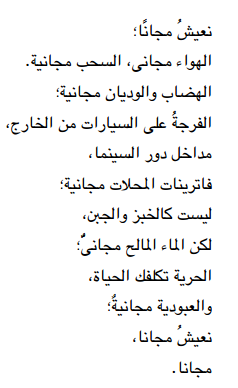
FOR FREE
We are living for free; The air's for free, the clouds are for free, hills and dales are for free. Rain and mud are for free. The outside of cars, the foyers of movie-houses, shop-windows are for free. It's not the same as bread and cheese - but salt-water is for free.
Freedom will cost you your life, but slavery is free - somewhere - to anyone who wants it. We are living for free. For free.
***
I.
When you're travelling,
The stars talk to you.
What they say
Is often sad.
II.
The song one whistles
While drunk in the evenings
Is merry.
But the same song
From the inside of a train
window isn’t.
Most of Veli’s poems capture moment-to-moment experiences and snapshots of his daily life.
They recount his random encounters, his unfulfilled desires, his deceptive experiences and his ephemeral sensations, most which surface while contemplating the urban sceneries around him.
His impressions and observations are mostly captured during his wanderings in the city of Istanbul that is omnipresent in his poetry as it was in Nazim Hikmat’s texts..
THE SONG OF ISTANBUL
In Istanbul, on the Bosphorus,
I am poor Orhan Veli;
I am the son of Veli
With indescribable sadness.
I am sitting by the shore of Rumeli,
I am sitting and singing a song:
``The marble hills of Istanbul,
Landing on my head, oh, landing are the sea gulls;
Hot, homesick tears fill
My eyes,
My Eda,
Full or airs, my Karma,
the fountain salt
Of all my tears.
In the middle of Istanbul movie houses,
My mother won't hear of my exile;
Others kiss
And tell
And make love,
but what's that to me?
My lover,
My fever,
oh, my bubonic river.''
In Istanbul, on the Bosphorus,
I am the stranger Orhan Veli,
The son of Veli
With indescribable sadness.
***
(P.S. I think that this poem is weakened by the translation)
Even though many poems are imbued with Orhan Veli’s’ sarcasm and self-irony, employed as a recourse to soften his bitterness and deceptions in life, an unmasked sense of melancholy and lingering sadness pervade the thoughts and the sensations of this sensitive and dreamy young poet.
THE POEM OF BEING LONELY
They don't know,
Those who don't live alone,
How frightening is
Soundlessness;
How a person talks to himself,
How he runs to mirrors,
Hungry for a soul,
They don't know it.
Many of his expressions reveal an errant spirit locked in the past, tormented by the present. His memories and souvenirs of places and people are like his defensive virtual shelter from the distracting external world which he feels detached from.
I think that this passage from William Armstrong’s review at the Hurriyet Daily News describes Veli’s poetry the best:
Often consisting of just a few terse lines, much of Orhan Veli’s work has an unfussy, haiku-like quality to it. His poems are invariably pared down and direct, sometimes saying much more than their few words, sometimes happy to say even less; Veli never used three words when two – or one – would suffice. The unpoetic ordinariness of his language is matched by his subject matter - personal snapshots of daily life, full of trivial little personal details that are so colloquial they don’t seem to belong in a poem. It all makes for a kind of radical simplicity that has aged very well.
With his simple and natural language, Orhan Veli has the ability to create a beautiful imagery by combining the visible and the non-visible, the direct sensuous perception and the non-measurable world.
In his poem titled DREAM, the memory of the death of his mother and the dream are linked by the feeling of sadness that their loss has evoked and the image of the floating balloon is an allusion to her spirit rising towards the sky and the infinite..
My mother died
In a dream
Last night
And my waking up, crying
Reminded me of my crying when
One holiday morning
My balloon slipped through my fingers
And I watched it
Rise
Into the sky.
***
One of my favourite poems in this collection
FOR FREE
We are living for free; The air's for free, the clouds are for free, hills and dales are for free. Rain and mud are for free. The outside of cars, the foyers of movie-houses, shop-windows are for free. It's not the same as bread and cheese - but salt-water is for free.
Freedom will cost you your life, but slavery is free - somewhere - to anyone who wants it. We are living for free. For free.
***

Read
March 26, 2020EASE
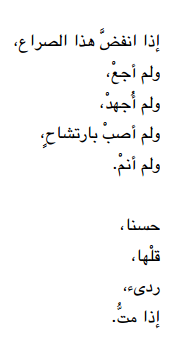
If this struggle just ended,
And I didn't get hungry,
And I didn't get tired,
And I didn't take a leak,
And I didn't sleep.
Well,
Say it,
Bum,
If I were dead.
Orhan Veli
Translated by Murat Nemet-Nejat, 1989
If this struggle just ended,
And I didn't get hungry,
And I didn't get tired,
And I didn't take a leak,
And I didn't sleep.
Well,
Say it,
Bum,
If I were dead.
Orhan Veli
Translated by Murat Nemet-Nejat, 1989
December 1, 2008
What a great poet, lost in the books of the history. What a life he had. What a live he lived in his head. I have to read his poems once in a while, to see the beauty of the ordinary life.
April 26, 2010
من أجمل دواوين الشعر المترجمة التي قرأتها في حياتي

August 19, 2011
الشعر يعتمد على الصور الشعرية
يبدو أن نقاد عصره كانوا على حق
ومع كل يبقى اختياره للمفردات وتراكيبة العادية لطيفة محببة للنفس
يبدو أن نقاد عصره كانوا على حق
ومع كل يبقى اختياره للمفردات وتراكيبة العادية لطيفة محببة للنفس

September 6, 2011
وللبساطة لون الماء ،، قصائد تحملها معك ،، لتعيد للحياة طعم الصفاء ٠٠

November 19, 2011
الترجمة اثرت سلبا على هذا الديوان
لم تعجبنى وان كان فى قصائد وافكار جديدة على
لم تعجبنى وان كان فى قصائد وافكار جديدة على
October 20, 2012
لم تعجبني الترجمة.الكتاب في نصفه الثاني كانت قصائده أكثر تعبيرا وخفه.أول مره أقرأ شعر لشاعر تركي.كانت الصور بسيطة وسلسه

January 1, 2014
أين
أين عيناي؟
أخذهما الشيطان.
أعادهما، لم يستطع بيعهما.
اوه! أين
أين عيناي؟
أين عيناي؟
أخذهما الشيطان.
أعادهما، لم يستطع بيعهما.
اوه! أين
أين عيناي؟

May 4, 2014
عليَّ أن أكون
أن أكون
سمكة
في قنينة
خمر .
//////-//////
تستطيع عبور
كل هذه البيوت
بالترام ،
لكن بيتك أبعدُ .
أن أكون
سمكة
في قنينة
خمر .
//////-//////
تستطيع عبور
كل هذه البيوت
بالترام ،
لكن بيتك أبعدُ .

February 2, 2017
جميل. شعرتُ كأني كاتبه في بعض نصوصه، وأحيانًا بانه مكتوب لي وحدي.
رائع يارائعي.
رائع يارائعي.
Displaying 1 - 19 of 19 reviews