

What do you think?

Hart's War
The world is at war. Two men -- one white, one black -- find themselves in extraordinary circumstances, confined with the enemy, struggling to preserve a shred of dignity against impossible odds. They thought survival was their only purpose -- until they realized that living means nothing without the truth. And when murder explodes the precarious order of their lives, they become unlikely allies in a momentous fight for honor and justice. With these complex, vivid characters, John Katzenbach has written a thrilling, edge-of-your-seat novel, the most acclaimed of his career.
547 pages, Library Binding
First published January 1, 1999
About the author
John Katzenbach
70 books3,480 followersJohn Katzenbach is a U.S. author of popular fiction. Son of Nicholas Katzenbach, former United States Attorney General, John worked as a criminal court reporter for the Miami Herald and Miami News, and a featured writer for the Herald’s Tropic magazine. He is married to Madeleine Blais and they live in western Massachusetts.
He left the newspaper grind to write books, racking up 12 novels so far, psychological thrillers that have made him an international success. His first, 1982's bestselling *In the Heat of the Summer, became the movie *The Mean Season , filmed partially in The Herald's newsroom ans starring Kurt Russell and MAriel Hemingway.
Two more of his books were made into films in the United States, 1995's *Just Cause and 2002's *Hart's War. A fourth book, *The Wrong Man was recently made into the soon-to-be-released French film Faux Coupable.
He left the newspaper grind to write books, racking up 12 novels so far, psychological thrillers that have made him an international success. His first, 1982's bestselling *In the Heat of the Summer, became the movie *The Mean Season , filmed partially in The Herald's newsroom ans starring Kurt Russell and MAriel Hemingway.
Two more of his books were made into films in the United States, 1995's *Just Cause and 2002's *Hart's War. A fourth book, *The Wrong Man was recently made into the soon-to-be-released French film Faux Coupable.
Ratings & Reviews
Friends & Following
Create a free account to discover what your friends think of this book!
Community Reviews
Displaying 1 - 30 of 148 reviews

May 28, 2013
My files at work are corrupted; it’ll take the crack IT team days hours to straighten it out. So I re-wrote this review. Again.

There’s no party here unless you feel a tea party with your 95 year old aunt, who continually reminisces about having sex with Warren G. Harding whilst atop a llama counts as a good time. If so, I have just the book for you.
Things you can do with this book.
Use it prop up a shortened leg on a piece of furniture. It’s about an inch thick. 25.4 millimeters if you live in Nazi Canada.
Use it as an argument that both a movie and book can suck. Using Twilight as your prime example gets old. Plus, the movie has a phoned in Bruce Willis performance.
If you have enough copies, you can build a dwelling out of them. Hey, the pioneers used sod.
Use it as kindling. When I was a Boy Scout my fire igniting abilities were terrible. This, a pack of matches and viola.
Tear out the pages and make origami boars.
Shred it and use it in your cat’s litter box.
Shred it and line your bird cage.
Read it or better yet, gift it out to that relative or friend you don't like.
The best way to describe this book is if John Grisham was drunk and he wrote The Great Escape or Stalag 17. It places a courtroom drama within the confines of a German prisoner of war camp.
The book is excruciatingly predictable. Every time the author introduces a hackneyed plot point, you know it’s going to have significance later in the book:
Conflict between Black airman and Southern racist? Check.
Main character has claustrophobia. Check.
Cagey German soldier is hiding some key bit of information. Check.
Reading different authors back-to-back juxtaposes the best and worst between the two. My previous book was by Elmore Leonard, who has a crisp, matter-of-fact style. Leonard has said that when he goes over what he writes and if it sounds like writing, he rewrites it. This author should have heeded this advice. As I came across overwrought bits of dialogue or hackneyed descriptions of emoting characters, I thought it would make an interesting drinking game. Example: when characters got angry they clenched their fists, ground their teeth, flushed red or shook their fists, etc. They did this often and the descriptions rarely wavered. If the reader took a shot of something alcoholic every time he came across passages like this it might improve the reading experience, but I doubt it.
This is a bad book that with some polish could have been merely awful.
There’s no party here unless you feel a tea party with your 95 year old aunt, who continually reminisces about having sex with Warren G. Harding whilst atop a llama counts as a good time. If so, I have just the book for you.
Things you can do with this book.
Use it prop up a shortened leg on a piece of furniture. It’s about an inch thick. 25.4 millimeters if you live in Nazi Canada.
Use it as an argument that both a movie and book can suck. Using Twilight as your prime example gets old. Plus, the movie has a phoned in Bruce Willis performance.
If you have enough copies, you can build a dwelling out of them. Hey, the pioneers used sod.
Use it as kindling. When I was a Boy Scout my fire igniting abilities were terrible. This, a pack of matches and viola.
Tear out the pages and make origami boars.
Shred it and use it in your cat’s litter box.
Shred it and line your bird cage.
Read it or better yet, gift it out to that relative or friend you don't like.
The best way to describe this book is if John Grisham was drunk and he wrote The Great Escape or Stalag 17. It places a courtroom drama within the confines of a German prisoner of war camp.
The book is excruciatingly predictable. Every time the author introduces a hackneyed plot point, you know it’s going to have significance later in the book:
Conflict between Black airman and Southern racist? Check.
Main character has claustrophobia. Check.
Cagey German soldier is hiding some key bit of information. Check.
Reading different authors back-to-back juxtaposes the best and worst between the two. My previous book was by Elmore Leonard, who has a crisp, matter-of-fact style. Leonard has said that when he goes over what he writes and if it sounds like writing, he rewrites it. This author should have heeded this advice. As I came across overwrought bits of dialogue or hackneyed descriptions of emoting characters, I thought it would make an interesting drinking game. Example: when characters got angry they clenched their fists, ground their teeth, flushed red or shook their fists, etc. They did this often and the descriptions rarely wavered. If the reader took a shot of something alcoholic every time he came across passages like this it might improve the reading experience, but I doubt it.
This is a bad book that with some polish could have been merely awful.

August 31, 2012
Well, Hart’s War is another of those books which I’ve let languish on my book shelf for over ten years. I initially purchased it to read before watching the movie of the same name and when I watched the movie prior to reading, I lost interest in the book. This was an unfortunate decision as I was to discover. John Katzenbach’s writing is exceptional and his ability to create the atmosphere of the WWII POW camp, develop characters, create a first class mystery and leave the reader with moral dilemmas to solve, shows me that he is a writer who I should continue to read and should not have passed by until this point.
The setting is Stalag Luft Thirteen, which like the camp from Hogan’s Heroes has allowed no escapees. It is an oppressive place and Tommy Hart, Much like the other prisoners feels the lack of freedom acutely. Before the war and being shot down, Hart was working on getting a degree in law from Harvard. When a man is murdered in the camp Hart is given the task of defending the African-American Tuskegee airman who has been charged.
In developing the setting, Katzenbach had the help of his father Nicholas Katzenbach, former Attorney General under the Lyndon B. Johnson administration and a POW in a German prison camp during World War II. This is reassuring to the reader who desire authenticity.
While the book is one which has a cast of characters, Katzenbach is able to flesh out a character in a few short sentences as is the case of Vincent Bedford or Trader Vic:
“Bedford had a thick, southern drawl, with an excitable quality to it. He was an excellent poker player, a more than passable shortstop who’d done some time in the minor leagues. Before the war, he’d been a car salesman, which seemed appropriate. But what he truly excelled at was the commerce of Stalag Luft Thirteen, turning cigarettes and chocolates and tins of real coffee that arrived either in Red Cross parcels or packages from the States into clothing and other goods.”
I love a good mystery and Hart’s War is certainly that. While the reader has many pieces of the puzzle the whole of it does not come together until the end of this suspenseful story. I thoroughly appreciated how it came together.
As with many of my favorite books, this one left me much to think over and especially the moral dilemmas which are likely to occur during a time of war. I highly recommend this book and look forward to reading more from John Katzenbach.
The setting is Stalag Luft Thirteen, which like the camp from Hogan’s Heroes has allowed no escapees. It is an oppressive place and Tommy Hart, Much like the other prisoners feels the lack of freedom acutely. Before the war and being shot down, Hart was working on getting a degree in law from Harvard. When a man is murdered in the camp Hart is given the task of defending the African-American Tuskegee airman who has been charged.
In developing the setting, Katzenbach had the help of his father Nicholas Katzenbach, former Attorney General under the Lyndon B. Johnson administration and a POW in a German prison camp during World War II. This is reassuring to the reader who desire authenticity.
While the book is one which has a cast of characters, Katzenbach is able to flesh out a character in a few short sentences as is the case of Vincent Bedford or Trader Vic:
“Bedford had a thick, southern drawl, with an excitable quality to it. He was an excellent poker player, a more than passable shortstop who’d done some time in the minor leagues. Before the war, he’d been a car salesman, which seemed appropriate. But what he truly excelled at was the commerce of Stalag Luft Thirteen, turning cigarettes and chocolates and tins of real coffee that arrived either in Red Cross parcels or packages from the States into clothing and other goods.”
I love a good mystery and Hart’s War is certainly that. While the reader has many pieces of the puzzle the whole of it does not come together until the end of this suspenseful story. I thoroughly appreciated how it came together.
As with many of my favorite books, this one left me much to think over and especially the moral dilemmas which are likely to occur during a time of war. I highly recommend this book and look forward to reading more from John Katzenbach.

January 22, 2021
This book was really interesting and the plot was catching. I loved that this book is about war and conspiracies. All the characters are well developed and dynamic. Another great thing is the way this book talks about racism and how it is an important thing eventhough the story takes place in a prision.
On the other hand, i find this book to be not as memorable as i thought. The twists are strange and i barely understood why certain thing happen.
On the other hand, i find this book to be not as memorable as i thought. The twists are strange and i barely understood why certain thing happen.

August 25, 2017
Das Buch hat mich richtig gefesselt.
Keine Ahnung, ob die historischen Fakten alle korrekt waren, aber sie waren authentisch. John Katzenbach schreibt einfach immer sehr intelligent und es wirkt, als wenn alles gut recherchiert ist.
Ich hatte die Geschichte zu keinem Zeitpunkt durchschaut
Keine Ahnung, ob die historischen Fakten alle korrekt waren, aber sie waren authentisch. John Katzenbach schreibt einfach immer sehr intelligent und es wirkt, als wenn alles gut recherchiert ist.
Ich hatte die Geschichte zu keinem Zeitpunkt durchschaut
March 28, 2020
Comienza lento. Como todo Katzenbach. Pero después caes en una trama de la que no puedes escapar hasta saber la verdad. Las historias de guerra son una debilidad para mi y esta es una muy bien contada. Y el final, digno y muy bello. El Stalag luft XIII le espera si quiere una buena aventura.

October 29, 2020
Una historia increíble, merece ser leída por todos! Personajes entrañables ✨
Habla sobre el valor, la verdad, la justicia, un crímen en un campo de prisioneros de guerra dirigido por nazis, nada es lo que parece!
Ni parecido a lo que conocia sobre los campos de la muerte.
Hay muchas cosas por contarles.
Próximamente una reseña completa.
Habla sobre el valor, la verdad, la justicia, un crímen en un campo de prisioneros de guerra dirigido por nazis, nada es lo que parece!
Ni parecido a lo que conocia sobre los campos de la muerte.
Hay muchas cosas por contarles.
Próximamente una reseña completa.

July 10, 2012
"La guerra de Hart" es una gran thriller de suspenso con toques de acción y drama, que tiene de fondo sugerente la 2da Guerra Mundial y presenta un conflicto racial muy bien desarrollado. Al principio la lectura parece anunciar un libro de acción en plena guerra, pero después deriva en un policial que se centra principalmente en el juicio al teniente negro por el asesinato de un compañero, y se sospecha de él por tener una relación conflictiva a base del racismo con el muerto. Por supuesto que la tarea de defenderlo no va a ser nada fácil, ya que hay muchos intereses en juego tanto de la parte americana como de la alemana, y tratar de desentrañar el misterio les va a costar mucho más de lo que imaginaban.
Los personajes están tan bien caracterizados que uno los odia o los ama: el protagonista Hart es un sobreviviente que al enfrentarse a una tarea bastante difícil sale adelante utilizando todas sus fuerzas; el teniente Scott, el acusado, en un principio es bastante melancólico y apático al que le gusta estar solo, es impulsivo y algo arrogante, pero no le impedirá hacer buenas migas con Hart; hay muchos secundarios bastante buenos, tanto aliados como alemanes y sin embargo el personaje mas destacable entre los "villanos" por así decirlo son el coronel MacNamara, un soberbio americano que hará lo que sea con tal de mantener el honor impecable a pesar de estar preso (su personaje está tan bien hecho que lo odias con todo) y mayor de las SS Heindrich Wisser, encargado de supervisar el juicio. Hay sin embargo un cambio bastante grande en la actitud de algunos personajes cuando aparece en escena un giro de la trama bastante interesante y si uno está lo bastante atento puede sacarlo antes de tiempo, pero que de ninguna manera se desaprovecha.
Es remarcable lo resaltado de los códigos de honor y respeto que marcó John Katzenbach a partir de la experiencia de su padre Nicholas, que fue prisionero de guerra en un campo de concentración; el sacrificio que hacen los personajes por mantener sus valores humanos y morales está tan bien incorporando que hasta puede hacerle saltar una lágrima al mas sensible.
"La guerra de Hart" es un gran libro (también fue transladado a la pantalla grande con Bruce Willis y Colin Farrell, como se puede ver en la portada) que desencaja con todo lo que vino haciendo Katzenbach hasta ahora, pero según él es un libro que siempre quiso hacer, y no lo culpamos: es una gran historia con un mensaje bien potente y conciso.
Los personajes están tan bien caracterizados que uno los odia o los ama: el protagonista Hart es un sobreviviente que al enfrentarse a una tarea bastante difícil sale adelante utilizando todas sus fuerzas; el teniente Scott, el acusado, en un principio es bastante melancólico y apático al que le gusta estar solo, es impulsivo y algo arrogante, pero no le impedirá hacer buenas migas con Hart; hay muchos secundarios bastante buenos, tanto aliados como alemanes y sin embargo el personaje mas destacable entre los "villanos" por así decirlo son el coronel MacNamara, un soberbio americano que hará lo que sea con tal de mantener el honor impecable a pesar de estar preso (su personaje está tan bien hecho que lo odias con todo) y mayor de las SS Heindrich Wisser, encargado de supervisar el juicio. Hay sin embargo un cambio bastante grande en la actitud de algunos personajes cuando aparece en escena un giro de la trama bastante interesante y si uno está lo bastante atento puede sacarlo antes de tiempo, pero que de ninguna manera se desaprovecha.
Es remarcable lo resaltado de los códigos de honor y respeto que marcó John Katzenbach a partir de la experiencia de su padre Nicholas, que fue prisionero de guerra en un campo de concentración; el sacrificio que hacen los personajes por mantener sus valores humanos y morales está tan bien incorporando que hasta puede hacerle saltar una lágrima al mas sensible.
"La guerra de Hart" es un gran libro (también fue transladado a la pantalla grande con Bruce Willis y Colin Farrell, como se puede ver en la portada) que desencaja con todo lo que vino haciendo Katzenbach hasta ahora, pero según él es un libro que siempre quiso hacer, y no lo culpamos: es una gran historia con un mensaje bien potente y conciso.

November 12, 2017
Excellent book. Couldn't put it down once it got going. It's basically a crime drama set in a POW camp during WWII.
Pros:
1. Good main character. He cares about other people. He doesn't say he'll do this and that. He just does what needs to be done.
2. Good supporting cast. I didn't like that the author mentioned that this character or that character is "complex". It is true that the characters were multi-dimensional.
3. There are so many antagonists, you have no idea who to trust.
4. Great build-up of tension towards the end.
5. The plot developed beautifully, the ends came together.
6. I'm not a black man, so I don't know how authentically his viewpoint was portrayed, but it FELT real. I thought the author handled the difficult subject matter well and that he gave all viewpoints equal attention.
7. Great ending. Though the epilogue was a bit long. When I was done I went back and reread the prologue. It all came together.
Cons:
1. A bit slow at times especially during the first half. But the tension builds slowly. It could have been shortened by at least a 5th.
A must if you like war stories and crime dramas.
Pros:
1. Good main character. He cares about other people. He doesn't say he'll do this and that. He just does what needs to be done.
2. Good supporting cast. I didn't like that the author mentioned that this character or that character is "complex". It is true that the characters were multi-dimensional.
3. There are so many antagonists, you have no idea who to trust.
4. Great build-up of tension towards the end.
5. The plot developed beautifully, the ends came together.
6. I'm not a black man, so I don't know how authentically his viewpoint was portrayed, but it FELT real. I thought the author handled the difficult subject matter well and that he gave all viewpoints equal attention.
7. Great ending. Though the epilogue was a bit long. When I was done I went back and reread the prologue. It all came together.
Cons:
1. A bit slow at times especially during the first half. But the tension builds slowly. It could have been shortened by at least a 5th.
A must if you like war stories and crime dramas.

April 10, 2020
La primera novela policíaca que me atrevo a leer, temía que no me gustara. Pero el ambiente de la segunda guerra mundial siempre es llamativo, junto al conflicto racial, la injusticia y la incertidumbre de los hechos que se van relatando, la hacen una excelente y entretenida obra, llena de miles de detalles relevantes para el desenlace emotivo.
Me encantó.
Me encantó.

September 28, 2014
A truly outstanding book. It will put readers into the same mindset as To Kill a Mockingbird and also A Time To Kill. Also, if you haven't done so already, rent the video about the Tuskeegee Airmen. It was a fascinating book of war, legal battles, and racism. What a fantastic book!

March 12, 2011
I loved the movie, and the book is even better. I'm happier with the ending of the book than I am with the movie ending.

April 29, 2020
3.5 Sterne
Der Name John Katzenbach steht wohl wie kaum ein zweiter für das Genre der Psychothriller und viele seiner Romane wie z.B. "Der Patient" oder "Die Anstalt" gelten für Thrillerfans fast schon als moderne Klassiker. Mit "Das Tribunal" (im Übrigen eines seiner ersten Bücher) hat der Autor aber einen Kriegsroman geschrieben, der zur Zeit des Zweiten Weltkrieges spielt und die Handlung in ein deutsches Kriegsgefangenenlager verlegt.
Hauptfigur ist der amerikanische Leutnant Thomas Hart, der mit seinem Flugzeug abgeschossen wird und als einziger Überlebender in die Hände der Nazis gerät, die ihn in ein Lager in Bayern deportieren. Als es dort zu einem Mord kommt, wird sofort der schwarze Pilot Lincoln Scott verdächtigt, der zuvor bei einem Streit mit dem Opfer beobachtet wurde. Ohne große Ermittlungen wird Scott im Lager vor einem amerikanischen Kriegsgericht der Prozess gemacht und Hart, der vor seinem Militärdienst Jura studiert hat, wird damit betraut, die Verteidigung des Angeklagten zu übernehmen – ein schier aussichtsloses Unterfangen...
Mit rund 20 Hörbuchstunden ist "Das Tribunal" auch das wohl umfangreichste Werk von John Katzenbach und man muss konstatieren, dass man die Länge dem Buch teilweise auch anmerkt. So fällt der Einstieg doch recht gemächlich aus und es dauert eine Weile, bis sich der Mord überhaupt ereignet und damit Fahrt in die Geschichte kommt. Zudem nimmt auch das titelgebende Tribunal selbst nur einen eher geringen Teil der Story ein, der Großteil des Buches schildert vielmehr die Vorbereitungen auf den Prozess und die Ermittlungen von Thomas Hart mit allen Widerständen, mit denen er sich dabei konfrontiert sieht.
Ein dominierendes Thema des Buches ist Rassismus, denn es wird früh klar, dass Lincoln Scott eigentlich hauptsächlich angeklagt wird, weil er schwarz ist und sich von seiner Ankunft im Lager an Vorurteilen und Abneigung, zum Teil sogar offenem Hass, gegenüber sah. Hier ist es teilweise schon erschütternd, mit welcher Selbstverständlichkeit sich vor allem die Mitgefangenen Scott überlegen fühlen und den intelligenten Mann und gut ausgebildeten Soldaten in manchen Fällen sogar nur als Tier betrachten.
Allerdings gelingt es Katzenbach nicht immer, Emotionen derart eindringlich zu vermitteln und so wirkt das Leben der Gefangenen im Lager mitunter überraschend angenehm. Natürlich kommt es zwischendurch auch zu Eskalationen der Gewalt, aber im Großen und Ganzen entsteht häufig der Eindruck, dass das Verhältnis zwischen amerikanischen Gefangenen und deutschen Nazis den Umständen entsprechend relativ entspannt ist – wenn die Amerikaner dann im Lager Baseball spielen oder musizieren können, fällt es beim Hören manchmal schwer, sich den Schrecken des Krieges und der Kriegsgefangenschaft vor Augen zu führen.
Der Fall selbst ist durchaus spannend, hätte aber auch gerne komprimierter dargestellt werden können. Statt der doch sehr ausufernden Vorbereitungen auf das Tribunal wäre es für mich spannender gewesen, dem eigentlichen Prozess etwas länger beizuwohnen – dieser wird allerdings recht schnell abgehandelt. Die Auflösung ist dann zwar zufriedenstellend, trotzdem fehlt dem Fall ein bisschen der gewisse Reiz, der durchweg für Spannung sorgt.
Es kommt vermutlich auch darauf an, mit welchen Erwartungen man an das Buch herangeht: als Thriller, wie "Das Tribunal" auf dem Cover beworben wird, fehlt es der Geschichte leider oft am nötigen Nervenkitzel, als Kriegsdrama ist die Handlung dann schon überzeugender, wobei man sich hier auch mehr Emotionen gewünscht hätte. Katzenbach erzählt auf jeden Fall eine hörens- bzw. lesenwerte Story, wirklich mitgerissen hat sie mich aber leider nicht – und das trotz der wie immer großartigen Lesung von Uve Teschner.
Der Name John Katzenbach steht wohl wie kaum ein zweiter für das Genre der Psychothriller und viele seiner Romane wie z.B. "Der Patient" oder "Die Anstalt" gelten für Thrillerfans fast schon als moderne Klassiker. Mit "Das Tribunal" (im Übrigen eines seiner ersten Bücher) hat der Autor aber einen Kriegsroman geschrieben, der zur Zeit des Zweiten Weltkrieges spielt und die Handlung in ein deutsches Kriegsgefangenenlager verlegt.
Hauptfigur ist der amerikanische Leutnant Thomas Hart, der mit seinem Flugzeug abgeschossen wird und als einziger Überlebender in die Hände der Nazis gerät, die ihn in ein Lager in Bayern deportieren. Als es dort zu einem Mord kommt, wird sofort der schwarze Pilot Lincoln Scott verdächtigt, der zuvor bei einem Streit mit dem Opfer beobachtet wurde. Ohne große Ermittlungen wird Scott im Lager vor einem amerikanischen Kriegsgericht der Prozess gemacht und Hart, der vor seinem Militärdienst Jura studiert hat, wird damit betraut, die Verteidigung des Angeklagten zu übernehmen – ein schier aussichtsloses Unterfangen...
Mit rund 20 Hörbuchstunden ist "Das Tribunal" auch das wohl umfangreichste Werk von John Katzenbach und man muss konstatieren, dass man die Länge dem Buch teilweise auch anmerkt. So fällt der Einstieg doch recht gemächlich aus und es dauert eine Weile, bis sich der Mord überhaupt ereignet und damit Fahrt in die Geschichte kommt. Zudem nimmt auch das titelgebende Tribunal selbst nur einen eher geringen Teil der Story ein, der Großteil des Buches schildert vielmehr die Vorbereitungen auf den Prozess und die Ermittlungen von Thomas Hart mit allen Widerständen, mit denen er sich dabei konfrontiert sieht.
Ein dominierendes Thema des Buches ist Rassismus, denn es wird früh klar, dass Lincoln Scott eigentlich hauptsächlich angeklagt wird, weil er schwarz ist und sich von seiner Ankunft im Lager an Vorurteilen und Abneigung, zum Teil sogar offenem Hass, gegenüber sah. Hier ist es teilweise schon erschütternd, mit welcher Selbstverständlichkeit sich vor allem die Mitgefangenen Scott überlegen fühlen und den intelligenten Mann und gut ausgebildeten Soldaten in manchen Fällen sogar nur als Tier betrachten.
Allerdings gelingt es Katzenbach nicht immer, Emotionen derart eindringlich zu vermitteln und so wirkt das Leben der Gefangenen im Lager mitunter überraschend angenehm. Natürlich kommt es zwischendurch auch zu Eskalationen der Gewalt, aber im Großen und Ganzen entsteht häufig der Eindruck, dass das Verhältnis zwischen amerikanischen Gefangenen und deutschen Nazis den Umständen entsprechend relativ entspannt ist – wenn die Amerikaner dann im Lager Baseball spielen oder musizieren können, fällt es beim Hören manchmal schwer, sich den Schrecken des Krieges und der Kriegsgefangenschaft vor Augen zu führen.
Der Fall selbst ist durchaus spannend, hätte aber auch gerne komprimierter dargestellt werden können. Statt der doch sehr ausufernden Vorbereitungen auf das Tribunal wäre es für mich spannender gewesen, dem eigentlichen Prozess etwas länger beizuwohnen – dieser wird allerdings recht schnell abgehandelt. Die Auflösung ist dann zwar zufriedenstellend, trotzdem fehlt dem Fall ein bisschen der gewisse Reiz, der durchweg für Spannung sorgt.
Es kommt vermutlich auch darauf an, mit welchen Erwartungen man an das Buch herangeht: als Thriller, wie "Das Tribunal" auf dem Cover beworben wird, fehlt es der Geschichte leider oft am nötigen Nervenkitzel, als Kriegsdrama ist die Handlung dann schon überzeugender, wobei man sich hier auch mehr Emotionen gewünscht hätte. Katzenbach erzählt auf jeden Fall eine hörens- bzw. lesenwerte Story, wirklich mitgerissen hat sie mich aber leider nicht – und das trotz der wie immer großartigen Lesung von Uve Teschner.

July 10, 2018
No esperaba mucho de este libro (aun no eh visto la adaptación cinematográfica o si ya la vi no recuerdo nada) ya que con el autor he tenido varios sube y baja con sus novelas, el psicoanálista me gustó mucho, la historia del loco me dejó indiferente, y el juicio final me pareció bueno pero su sinopsis me daño gran parte de la novela; este como el cuarto libro que leo del autor llegue con algo de recelo pero a la vez entusiasmado ya que me gustan mucho las historias ambientadas en la segunda guerra mundial, y este al centrarse en un campo de prisioneros de guerra ya tenía toda mi atencion.
La ambientación esta muy bien argumentada y descrita, permitiendo adentrarnos en lo que sufrían los prisioneros que según creía yo vivían en condiciones más precarias dentro de estos campos.
Los personajes son magníficos, bien definidos tanto su personalidad como su forma de actuar y pensar, el único problema que le logré ver en toda la novela eran los diálogos, y no es que estuvieran mal solo que sentí que había momentos en los que se pudo explotar la tensión del momento que sin embargo se diluian un poco por la presencia de unos diálogos algo cinematográficos que no quedaban nada bien, aunque repito no todos eran así y de igual forma no me impidieron seguir con la lectura.
El final, creo que es el punto fuerte y el débil en los libros que he leído de katzenbach, me explico: en los cuatro libros que llevo hay un elemento en común en el último tercio y es que "el malo" de la historia siempre resulta ser un personaje o que no tiene participación o que interviene muy pocas veces (excepto en el juicio final claro) esto aunque no me afecta mucho si me empieza a cansar un poco,. Pero por otro lado la espectacularidad en cuanto a momentos y emociones que trasmiten los finales en especial este es indiscutible, me hizo sentir repulsión, fatiga, agobio un conjunto de emociones que me atraparon en las últimas 100 páginas que tuve que leerlas de corrido, quiero darle una oportunidad al autor con otro de sus libros para terminar de decidirme si me gusta o dejarlo como otro autor que leere de vez en cuando
La ambientación esta muy bien argumentada y descrita, permitiendo adentrarnos en lo que sufrían los prisioneros que según creía yo vivían en condiciones más precarias dentro de estos campos.
Los personajes son magníficos, bien definidos tanto su personalidad como su forma de actuar y pensar, el único problema que le logré ver en toda la novela eran los diálogos, y no es que estuvieran mal solo que sentí que había momentos en los que se pudo explotar la tensión del momento que sin embargo se diluian un poco por la presencia de unos diálogos algo cinematográficos que no quedaban nada bien, aunque repito no todos eran así y de igual forma no me impidieron seguir con la lectura.
El final, creo que es el punto fuerte y el débil en los libros que he leído de katzenbach, me explico: en los cuatro libros que llevo hay un elemento en común en el último tercio y es que "el malo" de la historia siempre resulta ser un personaje o que no tiene participación o que interviene muy pocas veces (excepto en el juicio final claro) esto aunque no me afecta mucho si me empieza a cansar un poco,. Pero por otro lado la espectacularidad en cuanto a momentos y emociones que trasmiten los finales en especial este es indiscutible, me hizo sentir repulsión, fatiga, agobio un conjunto de emociones que me atraparon en las últimas 100 páginas que tuve que leerlas de corrido, quiero darle una oportunidad al autor con otro de sus libros para terminar de decidirme si me gusta o dejarlo como otro autor que leere de vez en cuando

August 4, 2025
Muy buen libro de ficción histórica, retratando a través de palabras precisas la guerra desde el punto de vista de un aviador, mismo que se ve envuelto en una serie de eventos que lo ponen a prueba varias veces durante su estancia en el campo de prisioneros, pero que en todas demuestra su valía hasta el final.
Al inicio me pareció lenta la historia, con demasiados detalles en términos de guerra con los que me costó familiarizarme, pero en el transcurso de las páginas me fue atrapando. Me gustó mucho el estilo del autor en los últimos dos tercios del libro. Lo que más me gustó fueron los cameos entre escenas en capítulos finales, así como la descripción de escenas de pelea, me parecieron muy buenas, con las palabras adecuadas para que tú también te sitúes en ese instante.
Muy buen libro de Katzenbach, lo recomiendo.
Al inicio me pareció lenta la historia, con demasiados detalles en términos de guerra con los que me costó familiarizarme, pero en el transcurso de las páginas me fue atrapando. Me gustó mucho el estilo del autor en los últimos dos tercios del libro. Lo que más me gustó fueron los cameos entre escenas en capítulos finales, así como la descripción de escenas de pelea, me parecieron muy buenas, con las palabras adecuadas para que tú también te sitúes en ese instante.
Muy buen libro de Katzenbach, lo recomiendo.
November 3, 2024
La vida en un campo de concentración alemán destinado a aviadores prisioneros. Los esfuerzos e intrigas de unos para escapar y los otros para impedirlo.
July 21, 2025
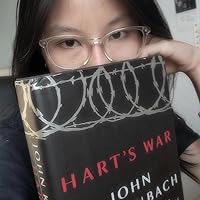
It wasn’t until my third rewatch of the movie that I finally decided to buy the book, like always, in hopes of staying in that world just a bit longer, and maybe even discovering scenes that didn’t make it into the film. So, after two days of searching for a seller and three weeks of waiting for the book to arrive from the U.S., I finished it in about two weeks. That’s, actually, quite fast for me, considering it's a hefty 576-page novel, and in English too. Normally, it takes me twice as long to read English books compared to Vietnamese ones.
As for comparing the movie and the novel... wow. What surprised me most is how they feel like two entirely different stories that just happen to share a few key elements. I’m honestly glad I bought the book, I enjoyed it far more than the movie, even though there were some scenes in the film adaptation that I thought were well done.
In the movie, Tommy Hart’s guilt comes from the privileges he was born into, his feeling of cowardice for not fighting in the war like a “brave soldier,” and the fact that he gave in to the Germans’ torture rather quickly. But in the book, Tommy is tormented because he’s the sole survivor while all his team died. He’s someone who, you could say, has become “emotionally attached after spending two years in a POW camp while others kept trying to escape.
The film drastically alters nearly everything, from the plot and Tommy’s position (in the film, he’s an intelligence officer, while in the novel he’s a bomber navigator) to even cutting out supporting characters I really liked, such as Hugh Renaday, Phillip Pryce, and Fritz Number One. In my opinion, their relationships with Tommy were the highlight of the entire story, and it’s a shame they were removed. Still, despite his flaws, the movie found subtle ways to show Tommy’s resilience and kindness. Like when he suggests his father send liquor to soldiers at the front, or when he refuses to take a dead soldier’s more comfortable shoes, even though his own feet are swollen and bruised. Or when he rushes to help a fellow prisoner trapped under a pile of rubble after a plane crashes into their camp. The film version of Tommy may be physically weak in the face of violence, but I believe he always tries to fight in any way he can. His sacrifice at the end of the movie is, to me, the clearest proof of his growth. Taking the blame to save an innocent man, even though that man has told him he was ready to die for the cause, and not to jeopardize a meticulously planned escape, Tommy chooses to stand up and accept the consequences, fully aware it would cost him his life.
Back to the novel, I really appreciated how vividly the POW camp was described. It helped me visualize the setting more clearly and realistically. The character dynamics were also well developed. In the book, Tommy Hart and Lincoln Scott share a much closer bond. In the movie, Scott feels like a bit of an afterthought, perhaps because they were too focused on boosting Bruce Willis’s McNamara, leaving little screen time for the other supporting characters. I liked that novel-Tommy wasn’t a coward, but rather someone resigned to his fate in the camp. He's nonchalant, perhaps lonely, but still able to form genuine friendships with people like Hugh and Phillip, who shared his interests. They looked out for one another like family.
The first half of the story might feel a bit slow and meandering, but things pick up quickly afterward, with many twists and revelations. I stayed up until 2 a.m. just to finish the final five chapters, haha.
I found the novel’s ending much more satisfying, even though the film’s scene where Tommy takes the blame remains my favorite moment. That said, McNamara’s character was way too overpowered in the film, which left Tommy constantly fighting to not be overshadowed. In the final scene, the colonel still stole the spotlight, though. To be fair, Bruce Willis was way more famous than Colin Farrell at the time.
In the book, Tommy Hart’s sacrifice is more fully recognized and honored, and rightly so, because he goes through hell in those final chapters. His choice to confront his fears, uncover the truth, and protect his friend from the firing squad was a beautiful act. Even when he is forced to consider sacrificing one life to save many, he still tries to find a way to protect both sides. To me, the clearest sign of his growth is when, despite being physically wrecked by pain, he still pushes through, worried for the safety of his comrades and driven by a renewed desire to live after everything he’s endured.
Every character in the book, no matter how briefly they appear, is written in a way that lets you glimpse at a small part of their lives. Everyone feels like they have their own story, and they do. The atmosphere of the POW camp is captured well, though I’m no historian, so this is just my personal impression.
In the end, I just want to say this book gave me a really rewarding experience. I can’t exactly say I empathize with Tommy Hart’s circumstances, I mean, come on, how could I? But I do understand his inner struggle, his effort to choose what's right even when that idea is blurry in context, and everyone seems to want him to fail. His determination to pursue truth and justice moved me, especially because I currently see myself as someone nonchalant, much like he was in the beginning. I hope that one day I’ll be able to commit myself wholeheartedly to what I believe is right, even if the fear of failure still quietly lingers.
My favorite passage from the book is right in the first chapter:
“For an instant he wished there was some way he could make the dream real, then make the real a dream, just nice and easy, reverse the two. It didn’t seem like such an unreasonable request. Put it through proper channels, he thought. Fill out all the standard military forms in triplicate. Navigate through the army bureaucracy. Snap a salute and get the commanding officer to sign the request. Transfer, sir: One dream into reality. One reality into dream.”
As for comparing the movie and the novel... wow. What surprised me most is how they feel like two entirely different stories that just happen to share a few key elements. I’m honestly glad I bought the book, I enjoyed it far more than the movie, even though there were some scenes in the film adaptation that I thought were well done.
In the movie, Tommy Hart’s guilt comes from the privileges he was born into, his feeling of cowardice for not fighting in the war like a “brave soldier,” and the fact that he gave in to the Germans’ torture rather quickly. But in the book, Tommy is tormented because he’s the sole survivor while all his team died. He’s someone who, you could say, has become “emotionally attached after spending two years in a POW camp while others kept trying to escape.
The film drastically alters nearly everything, from the plot and Tommy’s position (in the film, he’s an intelligence officer, while in the novel he’s a bomber navigator) to even cutting out supporting characters I really liked, such as Hugh Renaday, Phillip Pryce, and Fritz Number One. In my opinion, their relationships with Tommy were the highlight of the entire story, and it’s a shame they were removed. Still, despite his flaws, the movie found subtle ways to show Tommy’s resilience and kindness. Like when he suggests his father send liquor to soldiers at the front, or when he refuses to take a dead soldier’s more comfortable shoes, even though his own feet are swollen and bruised. Or when he rushes to help a fellow prisoner trapped under a pile of rubble after a plane crashes into their camp. The film version of Tommy may be physically weak in the face of violence, but I believe he always tries to fight in any way he can. His sacrifice at the end of the movie is, to me, the clearest proof of his growth. Taking the blame to save an innocent man, even though that man has told him he was ready to die for the cause, and not to jeopardize a meticulously planned escape, Tommy chooses to stand up and accept the consequences, fully aware it would cost him his life.
Back to the novel, I really appreciated how vividly the POW camp was described. It helped me visualize the setting more clearly and realistically. The character dynamics were also well developed. In the book, Tommy Hart and Lincoln Scott share a much closer bond. In the movie, Scott feels like a bit of an afterthought, perhaps because they were too focused on boosting Bruce Willis’s McNamara, leaving little screen time for the other supporting characters. I liked that novel-Tommy wasn’t a coward, but rather someone resigned to his fate in the camp. He's nonchalant, perhaps lonely, but still able to form genuine friendships with people like Hugh and Phillip, who shared his interests. They looked out for one another like family.
The first half of the story might feel a bit slow and meandering, but things pick up quickly afterward, with many twists and revelations. I stayed up until 2 a.m. just to finish the final five chapters, haha.
I found the novel’s ending much more satisfying, even though the film’s scene where Tommy takes the blame remains my favorite moment. That said, McNamara’s character was way too overpowered in the film, which left Tommy constantly fighting to not be overshadowed. In the final scene, the colonel still stole the spotlight, though. To be fair, Bruce Willis was way more famous than Colin Farrell at the time.
In the book, Tommy Hart’s sacrifice is more fully recognized and honored, and rightly so, because he goes through hell in those final chapters. His choice to confront his fears, uncover the truth, and protect his friend from the firing squad was a beautiful act. Even when he is forced to consider sacrificing one life to save many, he still tries to find a way to protect both sides. To me, the clearest sign of his growth is when, despite being physically wrecked by pain, he still pushes through, worried for the safety of his comrades and driven by a renewed desire to live after everything he’s endured.
Every character in the book, no matter how briefly they appear, is written in a way that lets you glimpse at a small part of their lives. Everyone feels like they have their own story, and they do. The atmosphere of the POW camp is captured well, though I’m no historian, so this is just my personal impression.
In the end, I just want to say this book gave me a really rewarding experience. I can’t exactly say I empathize with Tommy Hart’s circumstances, I mean, come on, how could I? But I do understand his inner struggle, his effort to choose what's right even when that idea is blurry in context, and everyone seems to want him to fail. His determination to pursue truth and justice moved me, especially because I currently see myself as someone nonchalant, much like he was in the beginning. I hope that one day I’ll be able to commit myself wholeheartedly to what I believe is right, even if the fear of failure still quietly lingers.
My favorite passage from the book is right in the first chapter:
“For an instant he wished there was some way he could make the dream real, then make the real a dream, just nice and easy, reverse the two. It didn’t seem like such an unreasonable request. Put it through proper channels, he thought. Fill out all the standard military forms in triplicate. Navigate through the army bureaucracy. Snap a salute and get the commanding officer to sign the request. Transfer, sir: One dream into reality. One reality into dream.”
This entire review has been hidden because of spoilers.

April 21, 2009
Once again I find myself conflicted. The story was compelling and I like the way he draws the characters; however, this book was 551 pages. So much could have been tightened up and I find his repeating of specific things to be irritating. (Do we really need constant references to his beloved watch given to him by the love-of-his-life: it seems to be in every other page?) That being said, I stayed up till midnight reading the last 100 pages because the story was so compelling. I think he needs a better editor.

September 24, 2013
Depressing book (And I mean depressing because the book is so bad it will put a sad face in every reader it gains). The story is kinda good, but it gets annoying VERY often. I do not recommend it to anyone, specially if you like to read about WWII

September 19, 2009
Lots of questions raised about sacrificing one for many.

January 7, 2012
Not really the type of book I enjoy.
August 16, 2024
Esperaba un libro de nazis... encontré uno de racismo en la época nazi. 10/10.
Durante la segunda guerra mundial, un piloto llamado Tommy Hart es capturado por fuerzas alemanas y enviado a una prisión para soldados aliados. Allí, logra sobrellevar el cautiverio junto con sus compatriotas, soldados británicos y canadienses. Sin embargo, las cosas cambian cuando uno de sus compañeros, Vic, conocido por conseguirte lo que sea por un precio justo, es encontrado muerto, y el sospechoso es Lincoln Scott, un aviador norteamericano de color. El coronel McNamara logra organizar un juicio para Scott, siendo su abogado defensor el mismísimo Hart. Conforme avance la investigación y el juicio, se darán cuenta que el asesinato quizás no tiene que ver con la raza, sino con una verdadera conspiración entre las fuerzas militares.
Para empezar, la ambientación me gustó muchísimo. He leído sobre diferentes escenarios de la SGM, y éste fue un interesante cambio. Los soldados están encerrados, cierto, pero no pasan por las tragedias de alguien encerrado en un campo de concentración. Hay una clara diferencia. Otro punto a su favor es que mostraron brevemente la diferencia entre soldados aliados y los rusos. El trato que ambos recibían... wow. No por nada hasta los alemanes le temían a los rusos. Eso fue fascinante. El único "pero" es que a veces era demasiada la descripción, aún en los momentos de acción como las peleas.
En cuanto a los personajes, admito que algunos son el arquetipo de "soldado americano" o "soldado nazi", pero al menos el protagonista y los personajes secundarios tienen más matices. Como todo en la guerra, no siempre se hace lo correcto, y lo incorrecto es por un bien mayor. ¿Cómo elegir? ¿Quién es enteramente bueno en la guerra? ¿La verdad y la justicia realmente importan? Las reflexiones de Hart, sobre todo como un estudiante de leyes, toman giros interesantes. Al inicio quiere hacer todo conforme a las reglas, pero se dará cuenta de que no es tan simple, y si quiere ganar, debe cambiar las cosas. Sus escenas del juicio son magníficas, son lo que me tuvo al borde de mi asiento. Los giros de tuerca, aunque en ciertos momentos fueron obvios, aún así se sintió la emoción.
La trama, aunque al inicio todo fue muy lento, fue agarrando ritmo conforme se inicia la investigación de asesinato. Debo admitir que me sorprendió cómo se manejó el asunto. A pesar de estar en una prisión militar, se respetaron sus derechos a un fuero militar, y eso agitó las cosas entre los soldados. Aunque hay una conspiración detrás de todo el asunto, el tema racial sí que tiene peso. Scott es un excelente aviador que se había prometido no dejar morir a sus compañeros blancos, y aun así, cuando llega a la prisión, lo culpan de todo por solo existir. La honestidad e integridad de Scott se mantuvieron en toda la narración, aún cuando todo estaba en contra, verdaderamente un gran hombre que aprendió a confiar y de hacerse de amigos, aún cuando uno de ellos era blanco.
Todas las reflexiones sobre la guerra y el racismo fueron notables. A veces sentía que la visión del propio autor se sobreponía a todas las demás cosas, pero como un hombre blanco en una época diferente, tiene cierto sentido. Además, el mismo protagonista es un hombre blanco, así que nunca podrá entender las dificultades de alguien como Scott, aún así, trata de ser respetuoso con el tema y genuinamente quiere ayudarlo. De un abogado designado pasó a ser alguien que luchaba con todas sus fuerzas, con todo lo que tenía, para demostrar su inocencia.
Es una historia con ciertos matices, como dije, las reflexiones sobre el racismo, la guerra, la verdad, y sobre todo la justicia (que no siempre va de la mano con la verdad), hicieron que yo misma me replanteara ciertas cosas. Eso sí, en ciertos momentos y ciertas actitudes me hicieron pensar "lo hace porque es gringo", y así es, pero como una persona que estudió leyes, apreció la búsqueda de la verdad y la justicia que se llevó a cabo en el libro. Sí se me hizo innecesariamente largo en algunos momentos, pero la historia bien vale la pena.
Durante la segunda guerra mundial, un piloto llamado Tommy Hart es capturado por fuerzas alemanas y enviado a una prisión para soldados aliados. Allí, logra sobrellevar el cautiverio junto con sus compatriotas, soldados británicos y canadienses. Sin embargo, las cosas cambian cuando uno de sus compañeros, Vic, conocido por conseguirte lo que sea por un precio justo, es encontrado muerto, y el sospechoso es Lincoln Scott, un aviador norteamericano de color. El coronel McNamara logra organizar un juicio para Scott, siendo su abogado defensor el mismísimo Hart. Conforme avance la investigación y el juicio, se darán cuenta que el asesinato quizás no tiene que ver con la raza, sino con una verdadera conspiración entre las fuerzas militares.
Para empezar, la ambientación me gustó muchísimo. He leído sobre diferentes escenarios de la SGM, y éste fue un interesante cambio. Los soldados están encerrados, cierto, pero no pasan por las tragedias de alguien encerrado en un campo de concentración. Hay una clara diferencia. Otro punto a su favor es que mostraron brevemente la diferencia entre soldados aliados y los rusos. El trato que ambos recibían... wow. No por nada hasta los alemanes le temían a los rusos. Eso fue fascinante. El único "pero" es que a veces era demasiada la descripción, aún en los momentos de acción como las peleas.
En cuanto a los personajes, admito que algunos son el arquetipo de "soldado americano" o "soldado nazi", pero al menos el protagonista y los personajes secundarios tienen más matices. Como todo en la guerra, no siempre se hace lo correcto, y lo incorrecto es por un bien mayor. ¿Cómo elegir? ¿Quién es enteramente bueno en la guerra? ¿La verdad y la justicia realmente importan? Las reflexiones de Hart, sobre todo como un estudiante de leyes, toman giros interesantes. Al inicio quiere hacer todo conforme a las reglas, pero se dará cuenta de que no es tan simple, y si quiere ganar, debe cambiar las cosas. Sus escenas del juicio son magníficas, son lo que me tuvo al borde de mi asiento. Los giros de tuerca, aunque en ciertos momentos fueron obvios, aún así se sintió la emoción.
La trama, aunque al inicio todo fue muy lento, fue agarrando ritmo conforme se inicia la investigación de asesinato. Debo admitir que me sorprendió cómo se manejó el asunto. A pesar de estar en una prisión militar, se respetaron sus derechos a un fuero militar, y eso agitó las cosas entre los soldados. Aunque hay una conspiración detrás de todo el asunto, el tema racial sí que tiene peso. Scott es un excelente aviador que se había prometido no dejar morir a sus compañeros blancos, y aun así, cuando llega a la prisión, lo culpan de todo por solo existir. La honestidad e integridad de Scott se mantuvieron en toda la narración, aún cuando todo estaba en contra, verdaderamente un gran hombre que aprendió a confiar y de hacerse de amigos, aún cuando uno de ellos era blanco.
Todas las reflexiones sobre la guerra y el racismo fueron notables. A veces sentía que la visión del propio autor se sobreponía a todas las demás cosas, pero como un hombre blanco en una época diferente, tiene cierto sentido. Además, el mismo protagonista es un hombre blanco, así que nunca podrá entender las dificultades de alguien como Scott, aún así, trata de ser respetuoso con el tema y genuinamente quiere ayudarlo. De un abogado designado pasó a ser alguien que luchaba con todas sus fuerzas, con todo lo que tenía, para demostrar su inocencia.
Es una historia con ciertos matices, como dije, las reflexiones sobre el racismo, la guerra, la verdad, y sobre todo la justicia (que no siempre va de la mano con la verdad), hicieron que yo misma me replanteara ciertas cosas. Eso sí, en ciertos momentos y ciertas actitudes me hicieron pensar "lo hace porque es gringo", y así es, pero como una persona que estudió leyes, apreció la búsqueda de la verdad y la justicia que se llevó a cabo en el libro. Sí se me hizo innecesariamente largo en algunos momentos, pero la historia bien vale la pena.

August 2, 2023
I enjoyed this book. It's one of the better books I've read in the past 15 months. Although this book could shorten an estimated 150 pages, it kept me engaged.
The setting is interesting. I enjoy the late-night scavenger hunts for clues while avoiding searchlights, Hundführers, and awakening fellow POWs.
Claustrophobia is explained very well as our main protagonist, Tommy, suffers from it. On more than one occasion he ventures into a tunnel constructed by the secret Escape Committee. As he crawls through it, we are given excellent descriptions of everything from its narrowness to the nerve-wracking creaking of trusses. Katzenbach describes the tunnels in excellent detail, I really felt immersed in these parts, I imagined myself slithering my hips side-to-side, desperately trying to reach the other side. Other descriptions are how dark and suffocating these are, as there is hardly any air deep below. The lack of air is making Tommy semi-delirious and he starts hallucinating.
However as I mentioned before some details can be left out. Every internal thought of Tommy is written. At times it seems like an unnecessary detail.For example, let us take being grilled by a [i]ferret[/i] (which is slain for a German POW guard). The pow is being questioned on where contraband is hidden. "When ve find it, you will be in da koola!" The ferret barks. The POW knows he is going to be in the cooler/solitary, but he ain't going to be a snitch and show weakness. We don't need a paragraph of self-rationing on why he isn't going to tell anything. It is hidden from the Germans for a reason.
Another example, towards the Big Mystery Being Solved, a trio of POWs are dashing in the night avoiding spotlights and Ferrets. After they sprinted across the open yard to a bunker, one of them remarks that he is "not sure that he likes being ass-end Charlie." This slang was self-explanatory to me and instead of simply stating that it means that he was last in line; Katzenbach WRITES A PARAGRAPH EXPLAINING HOW THE PHRASE ORIGINATED!!! HE GIVES THE READER A MISPLACED HISTORY LESSON THAT IS TOTALLY INAPPROPRIATE AND RUINS THE MOOD!!! I skimmed thru the 132 words/800 characters paragraph
It's not really explained why Nazis allowed Americans to conduct a military tribunal. At the start of the book, two prisoners were crushed to death when their tunnel collapsed. The Nazis poured cement into the tunnel without the bodies being recovered. There are also Soviets forced into slave labor in constructing a new camp. Many of these are being worked to death and the Nazis especially didn't give a shit about them. So why are they bending over for the Americans to have their little "liberty and justice for all" ceremony? Is it to keep the order and not let the prison go into a riot because a black man is accused of murdering a white man?
This question is explored later in the book during the court session, but the answer is redacted by one of the head honchos of the camp. In the end this remained unanswered. I suppose the simplest explanation would be that "it's a work of fiction" and that "it's an interesting setting for the plot." A third reason would be to blame the magic man like Lucy Lawless does "a wizard did it." In the end I wanted something more concrete than part of the question being answered.
I did not find out why the Germans allowed this.
The following rating is convoluted.
4.136975/5 stars
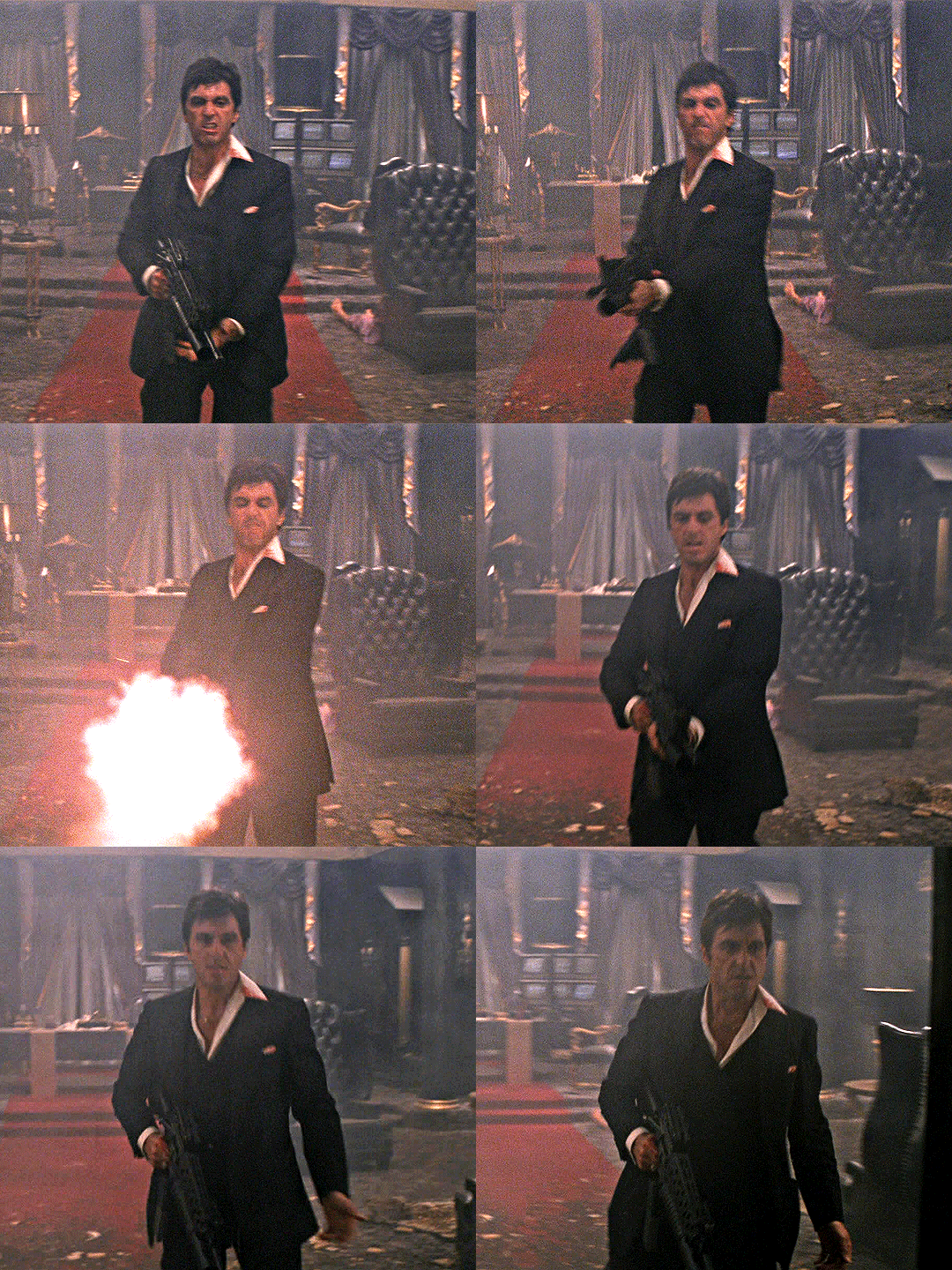
""WTF mon? You think you big time?"
The reason for this (Tony and Carlito) is this book can be over descriptive at times. So I'm going to be the same way with my rating. I enjoyed this novel. Over descriptive at points but not a bad read.
The setting is interesting. I enjoy the late-night scavenger hunts for clues while avoiding searchlights, Hundführers, and awakening fellow POWs.
Claustrophobia is explained very well as our main protagonist, Tommy, suffers from it. On more than one occasion he ventures into a tunnel constructed by the secret Escape Committee. As he crawls through it, we are given excellent descriptions of everything from its narrowness to the nerve-wracking creaking of trusses. Katzenbach describes the tunnels in excellent detail, I really felt immersed in these parts, I imagined myself slithering my hips side-to-side, desperately trying to reach the other side. Other descriptions are how dark and suffocating these are, as there is hardly any air deep below. The lack of air is making Tommy semi-delirious and he starts hallucinating.
However as I mentioned before some details can be left out. Every internal thought of Tommy is written. At times it seems like an unnecessary detail.For example, let us take being grilled by a [i]ferret[/i] (which is slain for a German POW guard). The pow is being questioned on where contraband is hidden. "When ve find it, you will be in da koola!" The ferret barks. The POW knows he is going to be in the cooler/solitary, but he ain't going to be a snitch and show weakness. We don't need a paragraph of self-rationing on why he isn't going to tell anything. It is hidden from the Germans for a reason.
Another example, towards the Big Mystery Being Solved, a trio of POWs are dashing in the night avoiding spotlights and Ferrets. After they sprinted across the open yard to a bunker, one of them remarks that he is "not sure that he likes being ass-end Charlie." This slang was self-explanatory to me and instead of simply stating that it means that he was last in line; Katzenbach WRITES A PARAGRAPH EXPLAINING HOW THE PHRASE ORIGINATED!!! HE GIVES THE READER A MISPLACED HISTORY LESSON THAT IS TOTALLY INAPPROPRIATE AND RUINS THE MOOD!!! I skimmed thru the 132 words/800 characters paragraph
It's not really explained why Nazis allowed Americans to conduct a military tribunal. At the start of the book, two prisoners were crushed to death when their tunnel collapsed. The Nazis poured cement into the tunnel without the bodies being recovered. There are also Soviets forced into slave labor in constructing a new camp. Many of these are being worked to death and the Nazis especially didn't give a shit about them. So why are they bending over for the Americans to have their little "liberty and justice for all" ceremony? Is it to keep the order and not let the prison go into a riot because a black man is accused of murdering a white man?
This question is explored later in the book during the court session, but the answer is redacted by one of the head honchos of the camp. In the end this remained unanswered. I suppose the simplest explanation would be that "it's a work of fiction" and that "it's an interesting setting for the plot." A third reason would be to blame the magic man like Lucy Lawless does "a wizard did it." In the end I wanted something more concrete than part of the question being answered.
I did not find out why the Germans allowed this.
The following rating is convoluted.
4.136975/5 stars
""WTF mon? You think you big time?"
The reason for this (Tony and Carlito) is this book can be over descriptive at times. So I'm going to be the same way with my rating. I enjoyed this novel. Over descriptive at points but not a bad read.
August 3, 2026
Well, it's a perfectly cromulent potboiler, which is all you can ask for a legal thriller. Lots of the hero turning the tables on people or getting the tables turned on him until everyone's happy with where all the tables are. A little overwritten--how can it not be at five hundred pages? No one says something in a sentence that they can say in a paragraph.
I guess the reason I'm so middle of the road about it is that there are two things setting it apart from your average John Grisham joint. One is that it's set in a WW2 prison camp. That's done well. Apparently the author's father was a POW and so he made sure that it was all treated authentically. (Geez, why can't my dad get imprisoned by Nazis? I could've had a Bruce Willis movie to my name...)
The other is that it's about race and it's about as nuanced there as you'd expect from the 90s. The black character is a superman: courageous, intellectual, badass. His only flaw is his sense of righteous indignation at how others treat him.
It's basically The Pitt writing, where it's supposed to be thought-provoking, but there's nothing here that would challenge the comfortable worldview of your average Berkeley grad. The racists are all assholes. The good guys are all non-racist (but still get some hiding for not *understanding* what black people go through, man). The Nazis are all monsters. About the only dissonance these historical characters have with modern attitudes is smoking like chimneys.
The narrative gestures at being more complex, by saying the murder victim wasn't that bad or one of the Nazis is nicer than another, but for a five hundred page novel, it doesn't really get more complicated as a narrative than "white guy is really nice to black guy, they become super best friends." I read Len Levinson's The Goering Treasure recently and for a pulp book that's not much over two hundred pages, it engages you more along those lines. For instance, one of the Nazis is the worst of the worst, but he ends up blinded and crippled and a beggar, and you're left thinking "well, he sure had that coming, but wait... does anyone really deserve all that?"
And see, there's just that little bit more going on there than just "this guy is the biggest jerk of all and the hero punches him to death!"
Which is basically how this story goes.
I guess the reason I'm so middle of the road about it is that there are two things setting it apart from your average John Grisham joint. One is that it's set in a WW2 prison camp. That's done well. Apparently the author's father was a POW and so he made sure that it was all treated authentically. (Geez, why can't my dad get imprisoned by Nazis? I could've had a Bruce Willis movie to my name...)
The other is that it's about race and it's about as nuanced there as you'd expect from the 90s. The black character is a superman: courageous, intellectual, badass. His only flaw is his sense of righteous indignation at how others treat him.
It's basically The Pitt writing, where it's supposed to be thought-provoking, but there's nothing here that would challenge the comfortable worldview of your average Berkeley grad. The racists are all assholes. The good guys are all non-racist (but still get some hiding for not *understanding* what black people go through, man). The Nazis are all monsters. About the only dissonance these historical characters have with modern attitudes is smoking like chimneys.
The narrative gestures at being more complex, by saying the murder victim wasn't that bad or one of the Nazis is nicer than another, but for a five hundred page novel, it doesn't really get more complicated as a narrative than "white guy is really nice to black guy, they become super best friends." I read Len Levinson's The Goering Treasure recently and for a pulp book that's not much over two hundred pages, it engages you more along those lines. For instance, one of the Nazis is the worst of the worst, but he ends up blinded and crippled and a beggar, and you're left thinking "well, he sure had that coming, but wait... does anyone really deserve all that?"
And see, there's just that little bit more going on there than just "this guy is the biggest jerk of all and the hero punches him to death!"
Which is basically how this story goes.

August 6, 2023
The men at Stalag Luft 13 in Bavaria are captured soldiers in World War II, most of them aviators. They are hunkered down, determined to survive and go home to the lives they left behind. Most are grateful to have survived being shot down and just exist from day to day, eating from Red Cross packages to supplement their food rations and following the rules of the German guards. But some are determined to escape.
Although all are in the same boat, there is always someone who gets an edge. In Stalag Luft 13, that someone is Vincent Bedford, a Mississippi bomber who trades and can get you almost anything you want. When a black airman, Lincoln Scott, arrives, he is ostracized and baited unmercifully by Bedford. When Bedford is found murdered, Scott is immediately arrested for his murder.
The trial will be a military one carried out by the Americans under their judicial rules although if the decision is guilt, the Germans will carry out the firing squad sentence. Their are three judges on the panel who will determine his guilt. The prosecutor is a man who was a district attorney in Virginia while the defense is Tommy Hart, a man who plans to be a lawyer but was only starting law school when he joined the service. He has spent his imprisonment reading law books and debating law with two men in the Allied camp, a British solicitor and a Canadian policeman. Now he is starting his first trial in a murder case with a defendant heartily despised by many.
Hart and his team don't believe that Scott is guilty. They think the prosecution's view of the case is wrong, in how it was done and the reason behind it. Bedford was heartily disliked by most. He could get you what you wanted but it always cost more than you wanted to pay. Was the murder personal? Was he just in the wrong spot that night?
John Katzenbach is known for his intricate novels of suspense and this novel falls in that genre. It was later made into a movie. The plot deftly combines the day to day life of a POW's internment with that of a murder, German overseers who have their own secrets and power plays and an escape attempt that would be the biggest ever. This book is recommended for thriller readers.
Although all are in the same boat, there is always someone who gets an edge. In Stalag Luft 13, that someone is Vincent Bedford, a Mississippi bomber who trades and can get you almost anything you want. When a black airman, Lincoln Scott, arrives, he is ostracized and baited unmercifully by Bedford. When Bedford is found murdered, Scott is immediately arrested for his murder.
The trial will be a military one carried out by the Americans under their judicial rules although if the decision is guilt, the Germans will carry out the firing squad sentence. Their are three judges on the panel who will determine his guilt. The prosecutor is a man who was a district attorney in Virginia while the defense is Tommy Hart, a man who plans to be a lawyer but was only starting law school when he joined the service. He has spent his imprisonment reading law books and debating law with two men in the Allied camp, a British solicitor and a Canadian policeman. Now he is starting his first trial in a murder case with a defendant heartily despised by many.
Hart and his team don't believe that Scott is guilty. They think the prosecution's view of the case is wrong, in how it was done and the reason behind it. Bedford was heartily disliked by most. He could get you what you wanted but it always cost more than you wanted to pay. Was the murder personal? Was he just in the wrong spot that night?
John Katzenbach is known for his intricate novels of suspense and this novel falls in that genre. It was later made into a movie. The plot deftly combines the day to day life of a POW's internment with that of a murder, German overseers who have their own secrets and power plays and an escape attempt that would be the biggest ever. This book is recommended for thriller readers.

August 17, 2020
Alors voici un polar historique écrit il y a près de vingt ans… et qui se révèle une véritable pépite. Comme souvent dans ce genre, le contexte fait toute la différence. Quand on parle de stalag (camp de prisonniers de guerre) on pense immédiatement à une sitcom déjantée comme « Papa Schultz » (Stalag 13), à un film formidable de Billy Wilder, « Stalag 17 » ou encore à Steve MacQueen sur sa moto dans les barbelés de « la grande évasion »… Ici, si le scénario nous offre une variante un peu mélangée de ces deux derniers films, John Katzenbach fait aussi ce qu’il sait très bien faire : un thriller judiciaire à suspense où les règles de droit n’ont plus sens…
L’intrigue offre également un scénario qui présente d’étonnantes résonances avec le mouvement actuel contre le racisme ordinaire. La formidable personnalité agressive et âpre de Lincoln Scott est étonnamment moderne. On s’aperçoit que vingt ans après avoir écrit ce roman, la violence de l’injustice est toujours aussi prégnante. Ce qui est intéressant, c’est qu’il n’y a pas dans cette histoire les méchants contre les gentils, mais des personnages nuancés et évolutifs, et que rien n’est vraiment tranché. Pour notre jeune étudiant de Harvard, Tommy, qui a ses propres démons à surmonter, c’est tout d’abord le bien contre le mal, et il va lui falloir apprendre quelques leçons de l’existence…
Mais ce qui rend cette histoire passionnante, c’est le talent de John Katzenbach pour créer un contexte impressionnant : des prisonniers aviateurs pour la plupart qui viennent de tous horizons et qui n’ont pas grand chose en commun. Ils sont sales, affamés depuis des mois, cernés par des barbelés, ont peu ne nouvelles de l’extérieur, sont morts d’ennuis, et rongés par la dépression et leur inutilité… Comme l’écrit l’auteur, son père a vécu ces quatre années de guerre dans les mêmes conditions et l’on sent son récit imprégné de sincérité…. un ressenti qui sonne parfaitement juste. Il faut donc laisser à l’histoire le temps de s’installer dans ce contexte étouffant avant que le meurtre intensifie cette atmosphère dangereusement tragique.
L’intrigue offre également un scénario qui présente d’étonnantes résonances avec le mouvement actuel contre le racisme ordinaire. La formidable personnalité agressive et âpre de Lincoln Scott est étonnamment moderne. On s’aperçoit que vingt ans après avoir écrit ce roman, la violence de l’injustice est toujours aussi prégnante. Ce qui est intéressant, c’est qu’il n’y a pas dans cette histoire les méchants contre les gentils, mais des personnages nuancés et évolutifs, et que rien n’est vraiment tranché. Pour notre jeune étudiant de Harvard, Tommy, qui a ses propres démons à surmonter, c’est tout d’abord le bien contre le mal, et il va lui falloir apprendre quelques leçons de l’existence…
Mais ce qui rend cette histoire passionnante, c’est le talent de John Katzenbach pour créer un contexte impressionnant : des prisonniers aviateurs pour la plupart qui viennent de tous horizons et qui n’ont pas grand chose en commun. Ils sont sales, affamés depuis des mois, cernés par des barbelés, ont peu ne nouvelles de l’extérieur, sont morts d’ennuis, et rongés par la dépression et leur inutilité… Comme l’écrit l’auteur, son père a vécu ces quatre années de guerre dans les mêmes conditions et l’on sent son récit imprégné de sincérité…. un ressenti qui sonne parfaitement juste. Il faut donc laisser à l’histoire le temps de s’installer dans ce contexte étouffant avant que le meurtre intensifie cette atmosphère dangereusement tragique.

April 16, 2025
My mother passed away 5 1/2 years ago, but I have access to the reading log she kept for many years. On it, she recorded the books she'd read, along with a short remark about whether she'd enjoyed the book. She called this book "good," so I took that as a recommendation.
I disagree with Mom -- I found the book riveting! It's the story of a murder in a POW camp of American flyers in Germany during WWII. The beginning of the book sets the scene almost like "Hogan's Heroes," describing how the prisoners push each rule as far as they can stretch it and which Germans are nasty and which are pushovers. Capt. Vincent Bedford is nicknamed Trader Vic, because it's his business to acquire things the prisoners want, at a price of course. Quite the wheeler dealer.
Three events happen pretty fast: (1) An escape attempt is foiled when the tunnel some prisoners had dug caves in. The Germans fill it in without removing the remains of two Americans who were stuck inside. The Germans are very scared of escape attempts and deal with them harshly. The Americans think it's their duty to escape and never stop trying. (2) The camp's first Black prisoner is admitted, Lt. Lincoln Scott, a Tuskegee airman. He makes no friends, talks to no one and keeps to himself. The nasty racism Trader Vic displays to him is immediately evident to everyone. (3) Trader Vic is murdered, and his body is found plopped in the latrine. The two senior American officers think they have an iron-clad case against Lt. Scott, who of course is innocent.
The commanders tap Lt. Tommy Hart, who was in law school, to "do a reasonable job of defending Lt. Scott" at a hastily-convened American court. The story is told mostly from Hart's point of view.
All this is set up early in the book; the bulk of the book is Tommy's quest to refute the "evidence" the prosecution has obtained, and to find who actually killed Trader Vic. With so many pages devoted to this, one would think the reading would get stale after a while. But the opposite is the case: I was enthralled throughout the entire book. A-plus writing!
I disagree with Mom -- I found the book riveting! It's the story of a murder in a POW camp of American flyers in Germany during WWII. The beginning of the book sets the scene almost like "Hogan's Heroes," describing how the prisoners push each rule as far as they can stretch it and which Germans are nasty and which are pushovers. Capt. Vincent Bedford is nicknamed Trader Vic, because it's his business to acquire things the prisoners want, at a price of course. Quite the wheeler dealer.
Three events happen pretty fast: (1) An escape attempt is foiled when the tunnel some prisoners had dug caves in. The Germans fill it in without removing the remains of two Americans who were stuck inside. The Germans are very scared of escape attempts and deal with them harshly. The Americans think it's their duty to escape and never stop trying. (2) The camp's first Black prisoner is admitted, Lt. Lincoln Scott, a Tuskegee airman. He makes no friends, talks to no one and keeps to himself. The nasty racism Trader Vic displays to him is immediately evident to everyone. (3) Trader Vic is murdered, and his body is found plopped in the latrine. The two senior American officers think they have an iron-clad case against Lt. Scott, who of course is innocent.
The commanders tap Lt. Tommy Hart, who was in law school, to "do a reasonable job of defending Lt. Scott" at a hastily-convened American court. The story is told mostly from Hart's point of view.
All this is set up early in the book; the bulk of the book is Tommy's quest to refute the "evidence" the prosecution has obtained, and to find who actually killed Trader Vic. With so many pages devoted to this, one would think the reading would get stale after a while. But the opposite is the case: I was enthralled throughout the entire book. A-plus writing!

April 26, 2023
Cada día estoy más fascinada con la pluma de Katzenbach.
Hace mucho, pero mucho, quería leer esta novela. Vi la película primero y dije "está historia debe ser genial", así que si, mis expectativas eran altísimas. Y este libro las superó.
Todos los personajes principales están tan bien construidos que empatizas con ellos a un alto nivel.
Sin duda Tommy Hart es EL HOMBRE de esta novela. Es EL PERSONAJE por excelencia. Un estudiante de abogacia que se enlisto en el ejército y termino en un campo de prisioneros tiene que defender a un piloto afroamericano que no se lleva con nadie en el campo. Tommy, con su poca experiencia, sabe que hay algo en este caso que está mal, y trabaja duro para descubrir que es. Es el tipo de personaje que te hace sentir orgullosa
Al contrario de otras historias de Katzenbach aquí no hay grandes persecuciones, pero si personajes de moral cuestionable, y una constante de fondo, la segunda guerra mundial y la prisión
Esto fue algo de lo que más me gustó, la idea de que toda la acción de esta novela se desarrolla en un espacio cerrado, lleno de mentiras, medios, odios y sueños de libertad
Las descripciones de Katzenbach siempre son una joyita y toda esta novela lo fue
Hace mucho, pero mucho, quería leer esta novela. Vi la película primero y dije "está historia debe ser genial", así que si, mis expectativas eran altísimas. Y este libro las superó.
Todos los personajes principales están tan bien construidos que empatizas con ellos a un alto nivel.
Sin duda Tommy Hart es EL HOMBRE de esta novela. Es EL PERSONAJE por excelencia. Un estudiante de abogacia que se enlisto en el ejército y termino en un campo de prisioneros tiene que defender a un piloto afroamericano que no se lleva con nadie en el campo. Tommy, con su poca experiencia, sabe que hay algo en este caso que está mal, y trabaja duro para descubrir que es. Es el tipo de personaje que te hace sentir orgullosa
Al contrario de otras historias de Katzenbach aquí no hay grandes persecuciones, pero si personajes de moral cuestionable, y una constante de fondo, la segunda guerra mundial y la prisión
Esto fue algo de lo que más me gustó, la idea de que toda la acción de esta novela se desarrolla en un espacio cerrado, lleno de mentiras, medios, odios y sueños de libertad
Las descripciones de Katzenbach siempre son una joyita y toda esta novela lo fue

November 26, 2023
Jhon Katzenbach nos lleva al pasado con esta gran novela.
Sin lugar a dudas Katzenbach es de mis autores favoritos, este libro me encantó.
Tommy Hart es un estudiante de derecho durante la segunda guerra mundial. Debido a su gran conocimiento sobre el cielo se une como miembro de las fuerzas armadas de estados unidos.
Las tropas alemanas logran retener lo junto a otros aviadores, entre ellos el comandante McNamara y el comandante Clark.
Tommy piensa que ese es su mayor reto, seguir con vida en los barrancones alemanes.
Hasta que ocurre lo imprevisible, la extraña muerte de uno de sus compañeros, el culpable ya fue señalado y debería ser fusilado ante un pelotón.
Hart no está convencido, plantea la posibilidad de un juicio donde todo se lleve acabo de manera justa. Es entonces que el mayor reto se presenta, el como abogado defensor deberá encontrar la verdad.
La guerra de Hart te lleva por un sin fin de teorías, el libro te atrapa y el escritor te hace participe de todos los pensamientos de nuestro protagonista, las difíciles decisiones que tendrá que tomar y enfrentar las consecuencias de lo que ocurra.
Mientras que afuera una guerra no cesa y está la posibilidad de no regresar jamás a casa.
Sin lugar a dudas Katzenbach es de mis autores favoritos, este libro me encantó.
Tommy Hart es un estudiante de derecho durante la segunda guerra mundial. Debido a su gran conocimiento sobre el cielo se une como miembro de las fuerzas armadas de estados unidos.
Las tropas alemanas logran retener lo junto a otros aviadores, entre ellos el comandante McNamara y el comandante Clark.
Tommy piensa que ese es su mayor reto, seguir con vida en los barrancones alemanes.
Hasta que ocurre lo imprevisible, la extraña muerte de uno de sus compañeros, el culpable ya fue señalado y debería ser fusilado ante un pelotón.
Hart no está convencido, plantea la posibilidad de un juicio donde todo se lleve acabo de manera justa. Es entonces que el mayor reto se presenta, el como abogado defensor deberá encontrar la verdad.
La guerra de Hart te lleva por un sin fin de teorías, el libro te atrapa y el escritor te hace participe de todos los pensamientos de nuestro protagonista, las difíciles decisiones que tendrá que tomar y enfrentar las consecuencias de lo que ocurra.
Mientras que afuera una guerra no cesa y está la posibilidad de no regresar jamás a casa.
July 28, 2021
La historia gira en torno a un grupo de prisioneros en un campo alemán en épocas de la Segunda Guerra Mundial. Entre estos prisioneros encontramos a Tommy Hart (protagonista) quien es un joven que estudiaba para ser abogado antes de enlistarse, un aviador afroamericano llamada Lincoln Scott y la persona con la que tendrá problemas, Vincent Bedford, quien es muy respetado entre los prisioneros. Estos problemas se suceden debido a los ataques racistas de Bedford a Scott, pero todo estalla cuando Bedford aparece muerto. Todas las sospechas recaen en el aviador ya que era bien conocido el problema entre ambos.
Siendo Scott sospechoso, se decide realizar un juicio respetando la ley, por lo que designan a Tommy Hart como abogado, para asegurarle a Scott un juicio justo. Sin embargo hay ciertos hechos que transcurren en este libro que dejan en evidencia ciertas jugadas sucias para entorpecer el juicio.
Considero que tuvo un inicio flojo, no lograba conectar con la historia, no sabía bien a dónde iba, pero después le agarré el ritmo y comprendí. Realmente me gustó esta primera parte.
Siendo Scott sospechoso, se decide realizar un juicio respetando la ley, por lo que designan a Tommy Hart como abogado, para asegurarle a Scott un juicio justo. Sin embargo hay ciertos hechos que transcurren en este libro que dejan en evidencia ciertas jugadas sucias para entorpecer el juicio.
Considero que tuvo un inicio flojo, no lograba conectar con la historia, no sabía bien a dónde iba, pero después le agarré el ritmo y comprendí. Realmente me gustó esta primera parte.
December 7, 2018
I picked up Hart's War expecting the standard WW2 Narrative, and I wasn't insanely disappointed in this regard. I wasn't able to finish the book and was never truly felt drawn into the story portrayed. The first 70 pages are only a build up without much context as to whats going to happen in any of them besides the final few when everything starts getting explained. Where I left off a court-case was about to begin (avoiding spoilers so i'm going to leave it at that). I don't know if that's what carried the Novel throughout the rest of the story and frankly I don't want to find out. From reading the first 70 pages I can understand that the author is very skilled in weaving a story and setting, however this story just didn't captivate me. That's why I gave this book four stars. Because while I didn't like the story, I was able to understand that it wasn't bad and can easily be seen as a high quality story in the eyes of another.
Displaying 1 - 30 of 148 reviews