

What do you think?

Collected Stories 5: Lost Decade & Other Stories
During the last six years of his life, F. Scott Fitzgerald was an Esquire author. Between 1934 & 1940, Fitzgerald sold some 45 pieces of writing to the magazine: fiction, nonfiction & personal essays. This volume of the Cambridge Edition includes 13 short stories published by Fitzgerald in Esquire, together with the entire Pat Hobby Series: 17 stories about an aging screenwriter scrambling to make a living in Hollywood during the 1930s. One other story-"Dearly Beloved," submitted to Esquire but not published there-is included as an appendix. The volume provides restored, accurate texts based on Fitzgerald's surviving manuscripts, typescripts & proofs. A textual apparatus records editorial decisions; explanatory notes identify people, places, literary works, historical events & references to Hollywood actors, directors & films. The volume also includes selected facsimiles of Fitzgerald's manuscripts & typescripts for the Esquire writings.
128 pages, paper
First published January 1, 1939
About the author
F. Scott Fitzgerald
2,503 books26.3k followersFrancis Scott Key Fitzgerald, widely known simply as Scott Fitzgerald, was an American novelist, essayist, and short story writer. He is best known for his novels depicting the flamboyance and excess of the Jazz Age, a term he popularized in his short story collection Tales of the Jazz Age. During his lifetime, he published four novels, four story collections, and 164 short stories. Although he achieved temporary popular success and fortune in the 1920s, Fitzgerald received critical acclaim only after his death and is now widely regarded as one of the greatest American writers of the 20th century.
Born into a middle-class family in Saint Paul, Minnesota, Fitzgerald was raised primarily in New York state. He attended Princeton University where he befriended future literary critic Edmund Wilson. Owing to a failed romantic relationship with Chicago socialite Ginevra King, he dropped out in 1917 to join the United States Army during World War I. While stationed in Alabama, he met Zelda Sayre, a Southern debutante who belonged to Montgomery's exclusive country-club set. Although she initially rejected Fitzgerald's marriage proposal due to his lack of financial prospects, Zelda agreed to marry him after he published the commercially successful This Side of Paradise (1920). The novel became a cultural sensation and cemented his reputation as one of the eminent writers of the decade.
His second novel, The Beautiful and Damned (1922), propelled him further into the cultural elite. To maintain his affluent lifestyle, he wrote numerous stories for popular magazines such as The Saturday Evening Post, Collier's Weekly, and Esquire. During this period, Fitzgerald frequented Europe, where he befriended modernist writers and artists of the "Lost Generation" expatriate community, including Ernest Hemingway. His third novel, The Great Gatsby (1925), received generally favorable reviews but was a commercial failure, selling fewer than 23,000 copies in its first year. Despite its lackluster debut, The Great Gatsby is now hailed by some literary critics as the "Great American Novel". Following the deterioration of his wife's mental health and her placement in a mental institute for schizophrenia, Fitzgerald completed his final novel, Tender Is the Night (1934).
Struggling financially because of the declining popularity of his works during the Great Depression, Fitzgerald moved to Hollywood, where he embarked upon an unsuccessful career as a screenwriter. While living in Hollywood, he cohabited with columnist Sheilah Graham, his final companion before his death. After a long struggle with alcoholism, he attained sobriety only to die of a heart attack in 1940, at 44. His friend Edmund Wilson edited and published an unfinished fifth novel, The Last Tycoon (1941), after Fitzgerald's death. In 1993, a new edition was published as The Love of the Last Tycoon, edited by Matthew J. Bruccoli.
Born into a middle-class family in Saint Paul, Minnesota, Fitzgerald was raised primarily in New York state. He attended Princeton University where he befriended future literary critic Edmund Wilson. Owing to a failed romantic relationship with Chicago socialite Ginevra King, he dropped out in 1917 to join the United States Army during World War I. While stationed in Alabama, he met Zelda Sayre, a Southern debutante who belonged to Montgomery's exclusive country-club set. Although she initially rejected Fitzgerald's marriage proposal due to his lack of financial prospects, Zelda agreed to marry him after he published the commercially successful This Side of Paradise (1920). The novel became a cultural sensation and cemented his reputation as one of the eminent writers of the decade.
His second novel, The Beautiful and Damned (1922), propelled him further into the cultural elite. To maintain his affluent lifestyle, he wrote numerous stories for popular magazines such as The Saturday Evening Post, Collier's Weekly, and Esquire. During this period, Fitzgerald frequented Europe, where he befriended modernist writers and artists of the "Lost Generation" expatriate community, including Ernest Hemingway. His third novel, The Great Gatsby (1925), received generally favorable reviews but was a commercial failure, selling fewer than 23,000 copies in its first year. Despite its lackluster debut, The Great Gatsby is now hailed by some literary critics as the "Great American Novel". Following the deterioration of his wife's mental health and her placement in a mental institute for schizophrenia, Fitzgerald completed his final novel, Tender Is the Night (1934).
Struggling financially because of the declining popularity of his works during the Great Depression, Fitzgerald moved to Hollywood, where he embarked upon an unsuccessful career as a screenwriter. While living in Hollywood, he cohabited with columnist Sheilah Graham, his final companion before his death. After a long struggle with alcoholism, he attained sobriety only to die of a heart attack in 1940, at 44. His friend Edmund Wilson edited and published an unfinished fifth novel, The Last Tycoon (1941), after Fitzgerald's death. In 1993, a new edition was published as The Love of the Last Tycoon, edited by Matthew J. Bruccoli.
Ratings & Reviews
Friends & Following
Create a free account to discover what your friends think of this book!
Community Reviews
Displaying 1 - 25 of 25 reviews

June 22, 2014
L’ULTIMO VALZER
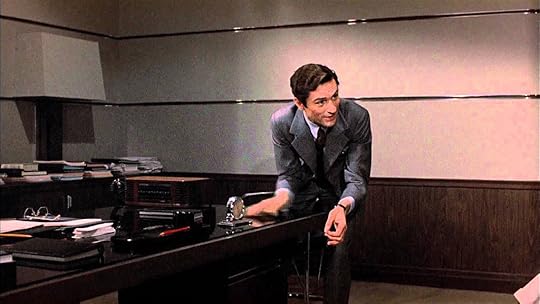
”Gli ultimi fuochi”, film di Elia Kazan nel 1976, romanzo di Fitzgerald. Pubblicato postumo, è ambientato a Hollywood negli anni in cui Fitzgerald cercava di mantenersi come sceneggiatore.
Gli ultimi racconti di Francis Scott Fitzgerald.
Tra gli ultimi.
Racconti degli ultimi dieci anni di vita, composti tra il 1932 e il 1939, poco prima della prematura morte (44 anni).
Il decennio perduto, come dice il titolo di uno dei quattro.
Racconti della maturità.
Maturità umana, maturità esistenziale e caratteriale.
Non certo di quella artistica, raggiunta ben prima.
Erano gli anni in cui Fitzgerald tentava la strada di sceneggiatore a Hollywood: e c’è molta Hollywood e molto cinema in queste pagine, a cominciare dal racconto più lungo.
Se una raccolta di quelli del decennio precedente prese il nome di racconti dell’età del jazz, verrebbe da pensare che questi siano racconti dell’età del blues, per l’umore che li pervade.
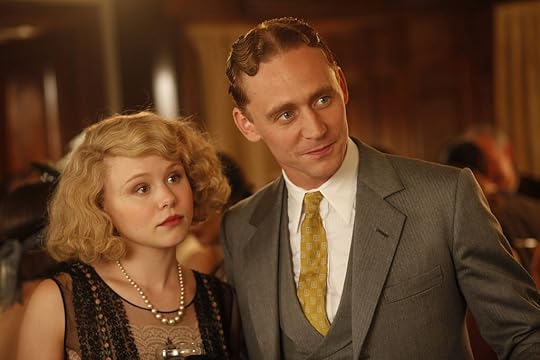
Alison Pill e Tom Hiddleston interpretano Zelda e Francis Scott Fitzgerald in “Midnight In Paris” di Woody Allen, 2011.
Potrei citare il senso di sconfitta, la lotta contro l’alcol, la depressione, l’oscura notte dell’anima….
Ma, non c’è nulla di triste deprimente o scoraggiante in queste pagine: c’è un grande talento, c’è Arte, c’è una grande abilità, un mestiere sempre più posseduto, c’è verità insieme all’amarezza, ci sono parole essenziali che ne evocano tante altre, c’è soprattutto una bellezza straziante.
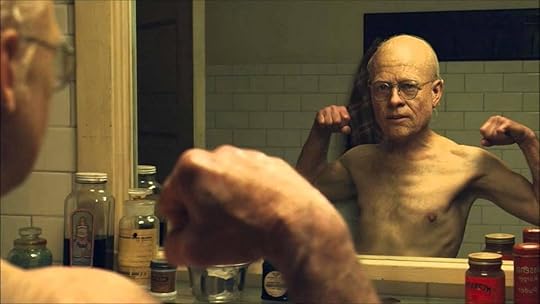
”Il curioso caso di Benjamin Button” film diretto da David Fincher nel 2008, racconto scritto da Fitzgerald nel 1922 e inserito nella raccolta “Racconti dell’età del jazz”.
”Gli ultimi fuochi”, film di Elia Kazan nel 1976, romanzo di Fitzgerald. Pubblicato postumo, è ambientato a Hollywood negli anni in cui Fitzgerald cercava di mantenersi come sceneggiatore.
Gli ultimi racconti di Francis Scott Fitzgerald.
Tra gli ultimi.
Racconti degli ultimi dieci anni di vita, composti tra il 1932 e il 1939, poco prima della prematura morte (44 anni).
Il decennio perduto, come dice il titolo di uno dei quattro.
Racconti della maturità.
Maturità umana, maturità esistenziale e caratteriale.
Non certo di quella artistica, raggiunta ben prima.
Erano gli anni in cui Fitzgerald tentava la strada di sceneggiatore a Hollywood: e c’è molta Hollywood e molto cinema in queste pagine, a cominciare dal racconto più lungo.
Se una raccolta di quelli del decennio precedente prese il nome di racconti dell’età del jazz, verrebbe da pensare che questi siano racconti dell’età del blues, per l’umore che li pervade.
Alison Pill e Tom Hiddleston interpretano Zelda e Francis Scott Fitzgerald in “Midnight In Paris” di Woody Allen, 2011.
Potrei citare il senso di sconfitta, la lotta contro l’alcol, la depressione, l’oscura notte dell’anima….
Ma, non c’è nulla di triste deprimente o scoraggiante in queste pagine: c’è un grande talento, c’è Arte, c’è una grande abilità, un mestiere sempre più posseduto, c’è verità insieme all’amarezza, ci sono parole essenziali che ne evocano tante altre, c’è soprattutto una bellezza straziante.
”Il curioso caso di Benjamin Button” film diretto da David Fincher nel 2008, racconto scritto da Fitzgerald nel 1922 e inserito nella raccolta “Racconti dell’età del jazz”.

November 20, 2020
3,5 *
August 8, 2015
Basil: the freshest Boy - A story of two halves. The first part is brilliant – a snubbed and bullied boy at college, deemed by everyone to be too “fresh”, needs to find two companions to go with him to New York to see a show. Fitzgerald does a masterful job of igniting all the tension that clings to the lonely and needy and makes us both feel and fear for Basil. Then the story collapses in on itself as Fitzgerald, no doubt forced to appease the commercial demands of the magazine he sold the story to, attempts to make of it an uplifting moral tale and it all goes flat. Shame.
Josephine: a woman with a past was written in 1930 when Fitzgerald was declaring himself emotionally bankrupt and on the evidence of this story you have to say he wasn’t far wrong. The first half of the story reads like a caricature of his early ebullient romantic love stories; the second half a product of the puritanical father he had become in relation to his daughter and as such he forces a moral on the story that the story all but rejects. Shoddy hack work.
Two Wrongs: It’s incredible how many times Fitzgerald wrote about his relationship with Zelda. All of his novels feature Zelda in one form or another and dozens and dozens of his short stories. It’s been said he was unable to write about anything except himself and this collection of short stories certainly bears out this theory. Two Wrongs is a story in which he takes the blame for Zelda’s descent into madness and as such contains some moving passages. Like the other stories in this collection it feels forced as he tries so hard to attain a moral understanding of what went wrong in his own life. He did this brilliantly in Gatsby by splitting himself in two when he was both the participant of the high romantic dream and the moral observer but unfortunately was never quite so successful again in dramatizing this dual nature of his, what’s been called the romantic egoist and the spoiled priest.
The Bridal Party: Lots of brilliant writing sets the story up nicely but once again it’s when Fitzgerald sets out to make his point that the story goes flat.
Crazy Sunday: Best story in the collection by a long shot. A kind of companion piece to The Last Tycoon with all Fitzgerald’s feelings and observations about Hollywood. And for once he doesn’t try to force a moral into the story.
Three Hours Between planes and The Lost Decade: Two very short flimsy stories.
Overall I’ve enjoyed Fitzgerald’s prose again but this is far from best short story collection.
Josephine: a woman with a past was written in 1930 when Fitzgerald was declaring himself emotionally bankrupt and on the evidence of this story you have to say he wasn’t far wrong. The first half of the story reads like a caricature of his early ebullient romantic love stories; the second half a product of the puritanical father he had become in relation to his daughter and as such he forces a moral on the story that the story all but rejects. Shoddy hack work.
Two Wrongs: It’s incredible how many times Fitzgerald wrote about his relationship with Zelda. All of his novels feature Zelda in one form or another and dozens and dozens of his short stories. It’s been said he was unable to write about anything except himself and this collection of short stories certainly bears out this theory. Two Wrongs is a story in which he takes the blame for Zelda’s descent into madness and as such contains some moving passages. Like the other stories in this collection it feels forced as he tries so hard to attain a moral understanding of what went wrong in his own life. He did this brilliantly in Gatsby by splitting himself in two when he was both the participant of the high romantic dream and the moral observer but unfortunately was never quite so successful again in dramatizing this dual nature of his, what’s been called the romantic egoist and the spoiled priest.
The Bridal Party: Lots of brilliant writing sets the story up nicely but once again it’s when Fitzgerald sets out to make his point that the story goes flat.
Crazy Sunday: Best story in the collection by a long shot. A kind of companion piece to The Last Tycoon with all Fitzgerald’s feelings and observations about Hollywood. And for once he doesn’t try to force a moral into the story.
Three Hours Between planes and The Lost Decade: Two very short flimsy stories.
Overall I’ve enjoyed Fitzgerald’s prose again but this is far from best short story collection.

December 22, 2019
Okay I read this once and rated it 1 ⭐️. Then looked at some other reviews that gave it a 3⭐️ and said just listen to it again and you will see the majesty. I thought okay since I was listening to it at 1.75x the speed, I’ll slow it down to 1.25x and do it again. The second time only reconfirmed that this story was pointless.
Yeah this dude was drunk for a decade but you wouldn’t have known that if Horus had not said it. Honestly I don’t know how he knew as he did say there was nothing outwardly about his demeanour that shouted “drunk”. I also don’t think everyone’s tells are loud but you’d need more than a hot second to see them if they are that subtle.
Either way this short story was not my favourite and isn’t worth the time to pick it up ever again. Read 3 Hours Between Planes Or Bridal Party instead. Way better.
Happy Reading
Jo
Yeah this dude was drunk for a decade but you wouldn’t have known that if Horus had not said it. Honestly I don’t know how he knew as he did say there was nothing outwardly about his demeanour that shouted “drunk”. I also don’t think everyone’s tells are loud but you’d need more than a hot second to see them if they are that subtle.
Either way this short story was not my favourite and isn’t worth the time to pick it up ever again. Read 3 Hours Between Planes Or Bridal Party instead. Way better.
Happy Reading
Jo

October 12, 2017
Wow... to lose a whole decade to drink is just absolutely astounding to me. This short story have me an understanding of what it might be like to see clearly for the first time after being in a blur. Honestly I wish the now sober man all the luck in the world. Also am glad the man whose point of view the story is from had the decency and common sense to not bring it up in an awkward or rude way.

November 19, 2019
I just didn't think this was good enough and such stars as I've given it are for the first story about bullying. The book reads like it is stories churned out for payday.
Slight possibility I'm being unfair: he wrote The Great Gatsby and nothing else is going to seem adequate.
Slight possibility I'm being unfair: he wrote The Great Gatsby and nothing else is going to seem adequate.
August 6, 2015
Basil: the freshest Boy - A story of two halves. The first part is brilliant – a snubbed and bullied boy at college, deemed by everyone to be too “fresh”, needs to find two companions to go with him to New York to see a show. Fitzgerald does a masterful job of igniting all the tension that clings to the lonely and needy and makes us both feel and fear for Basil. Then the story collapses in on itself as Fitzgerald, no doubt forced to appease the commercial demands of the magazine he sold the story to, attempts to make of it an uplifting moral tale and it all goes flat. Shame.
Josephine: a woman with a past was written in 1930 when Fitzgerald was declaring himself emotionally bankrupt and on the evidence of this story you have to say he wasn’t far wrong. The first half of the story reads like a caricature of his early ebullient romantic love stories; the second half a product of the puritanical father he had become in relation to his daughter and as such he forces a moral on the story that the story all but rejects. Shoddy hack work.
Two Wrongs: It’s incredible how many times Fitzgerald wrote about his relationship with Zelda. All of his novels feature Zelda in one form or another and dozens and dozens of his short stories. It’s been said he was unable to write about anything except himself and this collection of short stories certainly bears out this theory. Two Wrongs is a story in which he takes the blame for Zelda’s descent into madness and as such contains some moving passages. Like the other stories in this collection it feels forced as he tries so hard to attain a moral understanding of what went wrong in his own life. He did this brilliantly in Gatsby by splitting himself in two when he was both the participant of the high romantic dream and the moral observer but unfortunately was never quite so successful again in dramatizing this dual nature of his, what’s been called the romantic egoist and the spoiled priest.
The Bridal Party: Lots of brilliant writing sets the story up nicely but once again it’s when Fitzgerald sets out to make his point that the story goes flat.
Crazy Sunday: Best story in the collection by a long shot. A kind of companion piece to The Last Tycoon with all Fitzgerald’s feelings and observations about Hollywood. And for once he doesn’t try to force a moral into the story.
Three Hours Between planes and The Lost Decade: Two very short flimsy stories.
Overall I’ve enjoyed Fitzgerald’s prose again but this is far from best short story collection.
Josephine: a woman with a past was written in 1930 when Fitzgerald was declaring himself emotionally bankrupt and on the evidence of this story you have to say he wasn’t far wrong. The first half of the story reads like a caricature of his early ebullient romantic love stories; the second half a product of the puritanical father he had become in relation to his daughter and as such he forces a moral on the story that the story all but rejects. Shoddy hack work.
Two Wrongs: It’s incredible how many times Fitzgerald wrote about his relationship with Zelda. All of his novels feature Zelda in one form or another and dozens and dozens of his short stories. It’s been said he was unable to write about anything except himself and this collection of short stories certainly bears out this theory. Two Wrongs is a story in which he takes the blame for Zelda’s descent into madness and as such contains some moving passages. Like the other stories in this collection it feels forced as he tries so hard to attain a moral understanding of what went wrong in his own life. He did this brilliantly in Gatsby by splitting himself in two when he was both the participant of the high romantic dream and the moral observer but unfortunately was never quite so successful again in dramatizing this dual nature of his, what’s been called the romantic egoist and the spoiled priest.
The Bridal Party: Lots of brilliant writing sets the story up nicely but once again it’s when Fitzgerald sets out to make his point that the story goes flat.
Crazy Sunday: Best story in the collection by a long shot. A kind of companion piece to The Last Tycoon with all Fitzgerald’s feelings and observations about Hollywood. And for once he doesn’t try to force a moral into the story.
Three Hours Between planes and The Lost Decade: Two very short flimsy stories.
Overall I’ve enjoyed Fitzgerald’s prose again but this is far from best short story collection.

September 27, 2019
I had to read this 3 times before I properly understood it but it was worth it. Read it more than once, you’ll notice more every time.

May 8, 2022
Η Χαμένη δεκαετία βρέθηκε τυχαία στα χέρια μου. Δε γνώριζα τον Fitzgerald , ούτε είχα ακούσει το όνομά του.
Οι επτά μικρές ιστορίες του βιβλίου με μπέρδεψαν λίγο, γιατί προσπαθούσα να καταλάβω, πια ήταν η χαμένη δεκαετία, σε κάθε μία από αυτές. Οι ήρωές του, προσπαθούσαν να αγγίξουν το ανέφικτο, να κάνουν πραγματικότητα ένα όνειρο, να γίνουν αποδεκτοί, από το κοινωνικό σύνολο.
Τελικά κατάλαβα, πως, η χαμένη δεκαετία, είναι τα χρόνια που σπαταλάμε σε ανούσια πράγματα, αντί να επικεντρώνουμε τη προσοχή μας στο στόχο μας.
Για απαιτητικούς αναγνώστες, είναι ένα βιβλίο που αξίζει να διαβαστεί.
Οι επτά μικρές ιστορίες του βιβλίου με μπέρδεψαν λίγο, γιατί προσπαθούσα να καταλάβω, πια ήταν η χαμένη δεκαετία, σε κάθε μία από αυτές. Οι ήρωές του, προσπαθούσαν να αγγίξουν το ανέφικτο, να κάνουν πραγματικότητα ένα όνειρο, να γίνουν αποδεκτοί, από το κοινωνικό σύνολο.
Τελικά κατάλαβα, πως, η χαμένη δεκαετία, είναι τα χρόνια που σπαταλάμε σε ανούσια πράγματα, αντί να επικεντρώνουμε τη προσοχή μας στο στόχο μας.
Για απαιτητικούς αναγνώστες, είναι ένα βιβλίο που αξίζει να διαβαστεί.

September 7, 2023
I’m so over my boy Scott.

December 3, 2015
Δεν είναι κάτι ιδιαίτερο τα διηγήματα που περιλαμβάνει η συλλογή απλά συμβάλλουν στο να υπενθυμίζουν πώς είναι το γράψιμο να βγαίνει τόσο αβίαστα και φυσικά και εσύ να χάνεσαι μέσα σε αυτές τις λιτές ιστοριούλες, να ξαναγυρνάω στην παιδική σου ηλικία, να ταυτίζεσαι με όλους τους ήρωες μα και με το σκηνικό...
Πραγματικά σαν δεν διάβασα το βιβλίο, το έζησα!
Πραγματικά σαν δεν διάβασα το βιβλίο, το έζησα!

October 3, 2017
How we can lose ten years of our lives, and how our values change in time.

July 21, 2021
Fitzgerald is a fabulous writer, however this book didn't seem to grapple with me. I found it slightly off and at times all over the place!
November 2, 2024
Seis contos, muito heterogéneos em extensão, complexidade e interesse mas sempre com aquele ritmo frenético da Idade do jazz e do álcool onde esquecer o seu vazio.
December 13, 2024
All the Fitzgerald stories I have read recently have been about longing for past "happiness" if it ever truly existed. Kristi & Abby Tabby

October 18, 2011
Rivalità come quelle tra Francis Scott Fitzegerald e Ernest Hemingway non sono applicabili agli autori dei nostri giorni; l’unico paragone, per quanto banalissimo ed esasperante, è quello tra i vampiri di Lisa J. Smith e quelli di Stephenie Meyer, ma ad oltre ad avere in comune casi di “pedofilia” (ricordiamolo, i vampiri hanno oltre cento anni e si innamorano delle sedicenni…) e alcune frasi come “Questo genere l’ho inventato prima io” lanciate casualmente sulla home page del proprio sito, le due signore non sono andate oltre.
Tornando a chi ci sta più a cuore, il signor Scott e il signor Ernest – prima grandi amici, poi grandi rivali, in seguito uno succube dell’altro – hanno reso più eccitante la loro rivalità inserendo l’uno la caricatura dell’altro nei propri racconti e romanzi, oltre che la propria vita, sino a sconfinare nel mito.
La casa editrice Mattioli 1885, alle prese con la (ri)pubblicazione di grandi classici ancora attuali, non ha potuto fare a meno di tenere caldo un posto nel suo catalogo per questa raccolta di racconti scritti da Francis Scott Fitzegerald dal titolo Il decennio perduto. In essa vi sono quattro racconti dal sapore amaro, quasi come quando la fiamma sta consumando lo stoppino di una candela e rimangano quei pochi attimi di luce che necessitano una pronta reazione che spesso non avviene. Potremmo semplicemente dire che questi racconti rappresanto, perlomeno in parte, gli ultimi decenni vissuti dell’autore.
Nel primo, Pazza domenica, veniamo immersi in una festa hollywoodiana. Il protagonista, una sceneggiatore proprio come lo stesso Fitzegerald, fa una figuraccia colossale di fronte alla folla, esattamente come era accaduto a Scott nel ’32 quando si ubriacò di fronte ad illustri personaggi dello spettacolo.
Nel secondo, Finanziando Finnegan, parla un po’ di se stesso e un po’ di Hemingway. In particolare il racconto parla di un autore che il protagonista non ha mai occasione di incontrare (Scott ed Ernest si erano persi di vista per lunghi anni) e questo autore ha un talento enorme, solo che non è così produttivo e chiede sempre continui anticipi e ogni tanto tenta qualcosa di pericoloso, come un certo Hemingway.
Il terzo, Il decennio perduto, il racconto che fa da titolo alla raccolta, riguarda gli anni tra il 1930 e il 1940. Fitzegerald si chiuse in se stesso e, come racconta Nicola Manuppelli nell’introduzione al libro, l’autore confessò il proprio fallimento, il tramonto del rapporto sentimentale con la moglie, dell’amicizia con Hemingway. Tutto ciò lo logorò fino alla morte. Il decennio perduto va particolarmente apprezzato perché forse è il racconto che più si discosta dalla vita dell’autore, ma che comunque riesce meravigliosamente a dimostrare l’immagine distrutta che ha di sé. Un lettore fedele a Fitzegerald non può non leggerlo.
Il quarto, Un caso d’alcolismo, è quello che crea più pena nella mente del lettore. L’uomo che perde la virilità e l’indipendenza. Quasi come perdere la libertà.
L’antologico Il decennio perduto assomiglia a un diario romanzato della vita dell’autore, una cosa che in pochi sono in grado di fare. Fitzgerald, ovunque possa essere in questo momento, può consolarsi: pur avendo creduto di essere al di sotto di Hemingway, le sue opere sono ancora amate ed acquistate anche grazie all’Hollywood che non era riuscita ad apprezzarlo appieno, Intanto, i libri del caro Ernest stanno perdendo passo perché difficilmente apprezzabili dal (rimproverabile?) lettore medio odierno. In ogni caso, pochi incontri-scontri letterari possono vantare un tale livello di qualità. In fondo, uno “scontro tra Titani” è pur sempre uno spettacolo imperdibile per i comuni mortali.
Tornando a chi ci sta più a cuore, il signor Scott e il signor Ernest – prima grandi amici, poi grandi rivali, in seguito uno succube dell’altro – hanno reso più eccitante la loro rivalità inserendo l’uno la caricatura dell’altro nei propri racconti e romanzi, oltre che la propria vita, sino a sconfinare nel mito.
La casa editrice Mattioli 1885, alle prese con la (ri)pubblicazione di grandi classici ancora attuali, non ha potuto fare a meno di tenere caldo un posto nel suo catalogo per questa raccolta di racconti scritti da Francis Scott Fitzegerald dal titolo Il decennio perduto. In essa vi sono quattro racconti dal sapore amaro, quasi come quando la fiamma sta consumando lo stoppino di una candela e rimangano quei pochi attimi di luce che necessitano una pronta reazione che spesso non avviene. Potremmo semplicemente dire che questi racconti rappresanto, perlomeno in parte, gli ultimi decenni vissuti dell’autore.
Nel primo, Pazza domenica, veniamo immersi in una festa hollywoodiana. Il protagonista, una sceneggiatore proprio come lo stesso Fitzegerald, fa una figuraccia colossale di fronte alla folla, esattamente come era accaduto a Scott nel ’32 quando si ubriacò di fronte ad illustri personaggi dello spettacolo.
Nel secondo, Finanziando Finnegan, parla un po’ di se stesso e un po’ di Hemingway. In particolare il racconto parla di un autore che il protagonista non ha mai occasione di incontrare (Scott ed Ernest si erano persi di vista per lunghi anni) e questo autore ha un talento enorme, solo che non è così produttivo e chiede sempre continui anticipi e ogni tanto tenta qualcosa di pericoloso, come un certo Hemingway.
Il terzo, Il decennio perduto, il racconto che fa da titolo alla raccolta, riguarda gli anni tra il 1930 e il 1940. Fitzegerald si chiuse in se stesso e, come racconta Nicola Manuppelli nell’introduzione al libro, l’autore confessò il proprio fallimento, il tramonto del rapporto sentimentale con la moglie, dell’amicizia con Hemingway. Tutto ciò lo logorò fino alla morte. Il decennio perduto va particolarmente apprezzato perché forse è il racconto che più si discosta dalla vita dell’autore, ma che comunque riesce meravigliosamente a dimostrare l’immagine distrutta che ha di sé. Un lettore fedele a Fitzegerald non può non leggerlo.
Il quarto, Un caso d’alcolismo, è quello che crea più pena nella mente del lettore. L’uomo che perde la virilità e l’indipendenza. Quasi come perdere la libertà.
L’antologico Il decennio perduto assomiglia a un diario romanzato della vita dell’autore, una cosa che in pochi sono in grado di fare. Fitzgerald, ovunque possa essere in questo momento, può consolarsi: pur avendo creduto di essere al di sotto di Hemingway, le sue opere sono ancora amate ed acquistate anche grazie all’Hollywood che non era riuscita ad apprezzarlo appieno, Intanto, i libri del caro Ernest stanno perdendo passo perché difficilmente apprezzabili dal (rimproverabile?) lettore medio odierno. In ogni caso, pochi incontri-scontri letterari possono vantare un tale livello di qualità. In fondo, uno “scontro tra Titani” è pur sempre uno spettacolo imperdibile per i comuni mortali.
January 21, 2020
As most of you already know, the book is actually a collection of stories about unrelated people, with the only common theme being that they are all set in the 20s and 30s.
I personally enjoyed most of them, and think the book can actually be a fun time. I am the type of person that reads about 5-10 books a year, so I guess I am in no way an expert on bad or good books, but I still think there are some great qualities in this book.
One gripe I have about it, is that it isnt very good with wordplay, vocabulary, or anything to break the monotony of simple storytelling. Fitzgerald focused more on bringing out the moral dilemmas and self growth of the characters, which brings me to my next point.
This book is all about self growth. Without spoiling anything, each and every story talks about a character that is in a specific situation or faces a problem, and then shows how this person is changes by the events of the story. Ultimately, most of the final pages of each story end up eith the main character changing and rethinking their ideas. The reasoning behind this becomes more obvious, if you know that the last story of the book is autobiographical (again, no spoilers here, but it basically showcases his own self growth in a way)
To sum up, I would probably reccomend anyone who is interested to give this a chance. Basil's and Sosephine's story were the best for me, and I also found his last one really clever. Icertainly don't regret the time I spent reading this.
I personally enjoyed most of them, and think the book can actually be a fun time. I am the type of person that reads about 5-10 books a year, so I guess I am in no way an expert on bad or good books, but I still think there are some great qualities in this book.
One gripe I have about it, is that it isnt very good with wordplay, vocabulary, or anything to break the monotony of simple storytelling. Fitzgerald focused more on bringing out the moral dilemmas and self growth of the characters, which brings me to my next point.
This book is all about self growth. Without spoiling anything, each and every story talks about a character that is in a specific situation or faces a problem, and then shows how this person is changes by the events of the story. Ultimately, most of the final pages of each story end up eith the main character changing and rethinking their ideas. The reasoning behind this becomes more obvious, if you know that the last story of the book is autobiographical (again, no spoilers here, but it basically showcases his own self growth in a way)
To sum up, I would probably reccomend anyone who is interested to give this a chance. Basil's and Sosephine's story were the best for me, and I also found his last one really clever. Icertainly don't regret the time I spent reading this.

June 12, 2016
Livro com 6 contos:
- O 1º de maio - diletâncias na nova iorque de princípios séc XX no pós guerra
- o diamante do tamanho do Ritz - fantasia nas montanhas rochosas
- O menino rico - solteirão novaiorquino de boas famílias que se transforma num cínico prepotente
- a absolvição - rapazito que se confessa perante um padre que enlouquece
- três horas entre aviões - recordação de infância de um rapaz e de uma rapariga e que acaba por ser uma grande confusão
- a década perdida - alguém "regressa a nova iorque com memórias, mas pelos vistos não tinha estado ausente, tinha estado permanentemente alcoolizado
- O 1º de maio - diletâncias na nova iorque de princípios séc XX no pós guerra
- o diamante do tamanho do Ritz - fantasia nas montanhas rochosas
- O menino rico - solteirão novaiorquino de boas famílias que se transforma num cínico prepotente
- a absolvição - rapazito que se confessa perante um padre que enlouquece
- três horas entre aviões - recordação de infância de um rapaz e de uma rapariga e que acaba por ser uma grande confusão
- a década perdida - alguém "regressa a nova iorque com memórias, mas pelos vistos não tinha estado ausente, tinha estado permanentemente alcoolizado

September 23, 2021
Copy/Pasting my thoughts from The Curious Case of Benjamin Button
I'm listening to some short stories by Fitzgerald and I've come to the conclusion that someone should've bought the guy a puppy. Every story has this depressing edge to it. An unsatisfied life, a dashed hope, an unrequited love. I will say each has provoked a bit of deeper thinking, but regardless left me wanting to hit play on an episode of Mr. Rodger's Neighborhood for a palette cleanser.
I'm listening to some short stories by Fitzgerald and I've come to the conclusion that someone should've bought the guy a puppy. Every story has this depressing edge to it. An unsatisfied life, a dashed hope, an unrequited love. I will say each has provoked a bit of deeper thinking, but regardless left me wanting to hit play on an episode of Mr. Rodger's Neighborhood for a palette cleanser.

February 19, 2016
Interesting... I have got to say that I totally didn't get that Trimble was being serious when he said he was drunk. I thought it was some metaphor or something. But then I read the analysis for it and yup, homie was literally just drunk for ten friggen years. What a beauty.

December 31, 2019
Quite short but seems important when thinking about Fitzgerald's work, and his preoccupation with loss in general.

January 7, 2021
This very short story is indeed, as someone in my FSF class said, “poignant.” Tragically FS himself, in the end, did not follow through on his character Tremble’s resolution to stop drinking.

Read
August 8, 2021Deeply deeply moving. So short & potent but the ending provided one of those rare moments when something inside of you shifts. I feel my clothing anytime I think of it.

Read
September 18, 2021Read again
Displaying 1 - 25 of 25 reviews