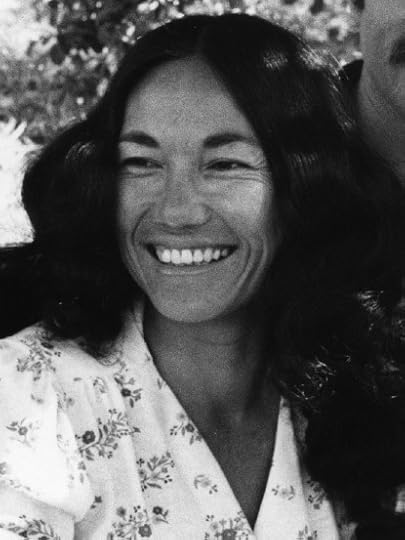
There's a lot of baggage associated with this title -- It pops up frequently on required reading lists for schools. Oh, the irony of being forced to read a book about people being forced against their wills. Also, the work was one of the first published narratives documenting the internment experience, and the author's intended audience, as she explains in the afterword, was not specifically for young readers (although, of course, she welcomes its popularity in classroom curriculum). I don't like the historical tendency in publishing to attach a "young reader" label to a work, simply because the narrator is a young person. That seems to be changing in the last few years, but when this work first hit the scene in the early 70's, it was instantly labeled a work for youth, and therefore missed an audience, for decades, and maybe still, that should have been familiar with it, especially since there remains a relative lack of Japanese-American internment narratives in print. The fist half of the work is an easily accessible description of life before and during the internment; but the second half is a mediation on the effects of the experience on the rest of her life, a pilgrimage to the desolate geography of the camp, and a reckoning with her father's memory. Young readers required to read this for a class are likely to lose interest at this point, and the adult readers who might find this narrative rewarding might never discover it as material appropriate for their demographic. The empathic turn has been too sharp for most readers, and requires a really deft teacher to pull them through. Parallels to current racist tendencies, as the author relates her narrative to 9/11, might be good opportunities to ease readers through the turn.