

What do you think?

Fleet of Worlds #1
Fleet of Worlds
Fleet of Worlds marks Larry Niven's first full novel-length collaboration within his Known Space universe, the playground he created for his bestselling Ringworld series. Teaming up with fellow SF writer Edward M. Lerner, Fleet of Worlds takes a closer look at the Human-Puppeteer (Citizens) relations and the events leading up to Niven's first Ringworld novel.Kirsten Quinn-Kovacs is among the best and brightest of her people. She gratefully serves the gentle race that rescued her ancestors from a dying starship, gave them a world, and nurtures them still. If only the Citizens knew where Kirsten's people came from….A chain reaction of supernovae at the galaxy's core has unleashed a wave of lethal radiation that will sterilize the galaxy. The Citizens flee, taking their planets, the Fleet of Worlds, with them.Someone must scout ahead, and Kirsten and her crew eagerly volunteer. Under the guiding eye of Nessus, their Citizen mentor, they explore for any possible dangers in the Fleet's path—and uncover long-hidden truths that will shake the foundations of worlds.At the Publisher's request, this title is being sold without Digital Rights Management Software (DRM) applied.
304 pages, Kindle Edition
First published January 1, 2007
About the author
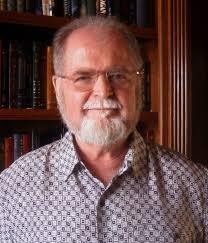
Larry Niven
685 books3,384 followersLaurence van Cott Niven's best known work is Ringworld (Ringworld, #1) (1970), which received the Hugo, Locus, Ditmar, and Nebula awards. His work is primarily hard science fiction, using big science concepts and theoretical physics. The creation of thoroughly worked-out alien species, which are very different from humans both physically and mentally, is recognized as one of Niven's main strengths.
Niven also often includes elements of detective fiction and adventure stories. His fantasy includes The Magic Goes Away series, which utilizes an exhaustible resource, called Mana, to make the magic a non-renewable resource.
Niven created an alien species, the Kzin, which were featured in a series of twelve collection books, the Man-Kzin Wars. He co-authored a number of novels with Jerry Pournelle. In fact, much of his writing since the 1970s has been in collaboration, particularly with Pournelle, Steven Barnes, Brenda Cooper, or Edward M. Lerner.
He briefly attended the California Institute of Technology and graduated with a Bachelor of Arts in mathematics (with a minor in psychology) from Washburn University, Topeka, Kansas, in 1962. He did a year of graduate work in mathematics at the University of California at Los Angeles. He has since lived in Los Angeles suburbs, including Chatsworth and Tarzana, as a full-time writer. He married Marilyn Joyce "Fuzzy Pink" Wisowaty, herself a well-known science fiction and Regency literature fan, on September 6, 1969.
Niven won the Hugo Award for Best Short Story for Neutron Star in 1967. In 1972, for Inconstant Moon, and in 1975 for The Hole Man. In 1976, he won the Hugo Award for Best Novelette for The Borderland of Sol.
Niven has written scripts for various science fiction television shows, including the original Land of the Lost series and Star Trek: The Animated Series, for which he adapted his early Kzin story The Soft Weapon. He adapted his story Inconstant Moon for an episode of the television series The Outer Limits in 1996.
He has also written for the DC Comics character Green Lantern including in his stories hard science fiction concepts such as universal entropy and the redshift effect, which are unusual in comic books.
http://us.macmillan.com/author/larryn...
Niven also often includes elements of detective fiction and adventure stories. His fantasy includes The Magic Goes Away series, which utilizes an exhaustible resource, called Mana, to make the magic a non-renewable resource.
Niven created an alien species, the Kzin, which were featured in a series of twelve collection books, the Man-Kzin Wars. He co-authored a number of novels with Jerry Pournelle. In fact, much of his writing since the 1970s has been in collaboration, particularly with Pournelle, Steven Barnes, Brenda Cooper, or Edward M. Lerner.
He briefly attended the California Institute of Technology and graduated with a Bachelor of Arts in mathematics (with a minor in psychology) from Washburn University, Topeka, Kansas, in 1962. He did a year of graduate work in mathematics at the University of California at Los Angeles. He has since lived in Los Angeles suburbs, including Chatsworth and Tarzana, as a full-time writer. He married Marilyn Joyce "Fuzzy Pink" Wisowaty, herself a well-known science fiction and Regency literature fan, on September 6, 1969.
Niven won the Hugo Award for Best Short Story for Neutron Star in 1967. In 1972, for Inconstant Moon, and in 1975 for The Hole Man. In 1976, he won the Hugo Award for Best Novelette for The Borderland of Sol.
Niven has written scripts for various science fiction television shows, including the original Land of the Lost series and Star Trek: The Animated Series, for which he adapted his early Kzin story The Soft Weapon. He adapted his story Inconstant Moon for an episode of the television series The Outer Limits in 1996.
He has also written for the DC Comics character Green Lantern including in his stories hard science fiction concepts such as universal entropy and the redshift effect, which are unusual in comic books.
http://us.macmillan.com/author/larryn...
Ratings & Reviews
Friends & Following
Create a free account to discover what your friends think of this book!
Community Reviews
Displaying 1 - 30 of 239 reviews

June 2, 2012
Known Space. Ringworld. These are concepts that every old-school Science Fiction enthusiast likely recognize instantly.
Opinion regarding Ringworld has always been somewhat divided, despite the cult status the novel has achieved. I, for one, absolutely loved it. It was a spectacular and grandiose example of sense-of-wonder mindbuggery at the time. Still is.
This series serves as a prequel to Ringworld. No surprise then, that the ratings for Fleet of Worlds are all over the place. It is the first in a (at this time) five book series dealing with events leading up to the Fringe War (which, of course, takes place during the Ringworld saga).
"Humans. Is that what we are?"
I don’t particularly care for the Citizens / Puppeteers. But then, I’m not supposed to. Their behaviour is fairly vindictive, and their version of taking the long view is absurd. That said, as far as invented alien races are concerned, they likely rank quite high in terms of originality. The novel provides quite a bit of insight into their caste system and politics. Another writer that used to do this kind of thing very well, especially in his Uplift series, is David Brin.
So, yes, the novel is mostly about Pierson’s Puppeteers and what makes their society tick. I have a disquieting feeling that the authors expect me to empathise at least a little with these gobshites (they can’t help the way they are; that’s just how they’re genetically wired et al) but that aint gonna happen. In the words of Diego: "And if you are Citizens, I wish you go straight to hell."
But is it good?
It’s very good. In fact, it was a lot better than I had hoped for on account of some of the reviews, which just goes to show. There is a lot of information and story being dealt with here, and yet the page count doesn’t balloon out of control. I’ve experienced the same efficiency with other Niven books as well, notably Protector, and also the already mentioned Ringworld. Admirable.
The net result is a fairly quick read with some gobsmacking sense-of-wonder moments (ahem – the Fleet of Worlds itself) and a lot of adventure and good ol’ alien intrigue.
Now, I know this is the first book in the series, and that the wrap-up of plot events may not be as satisfying as I’d hoped, but…
I don’t think this next bit is a spoiler – but you might
The restraint shown by the Colonists toward the end of the novel was sickeningly admirable. Here’s the thing: I’m not cynical, but humans aren’t that noble. Human nature would have called for at least some bloodshed. They probably did the morally right thing, but it wasn’t the realistic (read satisfying) thing, given the extent of the circumstances and preceding revelations.
Alternative 1: perhaps I’ve been jaded by reading too many Military SF novels….
Alternative 2: perhaps I have a really low emotional intelligence score….
So: 4 stars (but could easily have been 5)
Opinion regarding Ringworld has always been somewhat divided, despite the cult status the novel has achieved. I, for one, absolutely loved it. It was a spectacular and grandiose example of sense-of-wonder mindbuggery at the time. Still is.
This series serves as a prequel to Ringworld. No surprise then, that the ratings for Fleet of Worlds are all over the place. It is the first in a (at this time) five book series dealing with events leading up to the Fringe War (which, of course, takes place during the Ringworld saga).
"Humans. Is that what we are?"
I don’t particularly care for the Citizens / Puppeteers. But then, I’m not supposed to. Their behaviour is fairly vindictive, and their version of taking the long view is absurd. That said, as far as invented alien races are concerned, they likely rank quite high in terms of originality. The novel provides quite a bit of insight into their caste system and politics. Another writer that used to do this kind of thing very well, especially in his Uplift series, is David Brin.
So, yes, the novel is mostly about Pierson’s Puppeteers and what makes their society tick. I have a disquieting feeling that the authors expect me to empathise at least a little with these gobshites (they can’t help the way they are; that’s just how they’re genetically wired et al) but that aint gonna happen. In the words of Diego: "And if you are Citizens, I wish you go straight to hell."
But is it good?
It’s very good. In fact, it was a lot better than I had hoped for on account of some of the reviews, which just goes to show. There is a lot of information and story being dealt with here, and yet the page count doesn’t balloon out of control. I’ve experienced the same efficiency with other Niven books as well, notably Protector, and also the already mentioned Ringworld. Admirable.
The net result is a fairly quick read with some gobsmacking sense-of-wonder moments (ahem – the Fleet of Worlds itself) and a lot of adventure and good ol’ alien intrigue.
Now, I know this is the first book in the series, and that the wrap-up of plot events may not be as satisfying as I’d hoped, but…
I don’t think this next bit is a spoiler – but you might
The restraint shown by the Colonists toward the end of the novel was sickeningly admirable. Here’s the thing: I’m not cynical, but humans aren’t that noble. Human nature would have called for at least some bloodshed. They probably did the morally right thing, but it wasn’t the realistic (read satisfying) thing, given the extent of the circumstances and preceding revelations.
Alternative 1: perhaps I’ve been jaded by reading too many Military SF novels….
Alternative 2: perhaps I have a really low emotional intelligence score….
So: 4 stars (but could easily have been 5)

July 11, 2013
I found it satisfying through this book just to spend more time getting to know Niven’s Puppeteers, which for me are perhaps the most intriguing and entertaining aliens created in sci fi. The book helps fill a hole created by nostalgia over my experience with the Puppeteers in my youth through reading 1970’s Ringworld. This technologically advanced species is blessed with lots of creativity, but they are subject to emotions that make them shy, secretive, and anxiety prone. The impetus to feel empathetic for them is strong, but a comic element applies to their patently absurd appearance, with three bovine limbs tipped with hooves and two heads on ostrich-like necks. In this book their society is explored and their moral systems are ultimately questioned by a set of human colonists among the many they harbor on their worlds, raised from embryos on a human ship they say was found as a derelict hundreds of years previously.
As an odd turn for sci fi, the alien Nessus is effectively the main character of this prequel to Ringworld, which is set 200 years earlier. He is the same Puppeteer who assembled the mixed species band for heroic exploration of Ringworld. Here he has an important role in efforts to assure security for the passage of the “Fleet of Worlds”. A cluster of worlds are being moved from the galactic core to escape a cataclysm of supernovae. Lit by artificial suns, a large colony of humans tend to agriculture for both species and live in a molded utopian society in partnership with the kindly Puppeteers. Nessus has a special project harnessing the curiosity and risk-tolerant problem solving skills of human to help investigate the risks to the Puppeteers of any sentient species near the pathway of their worlds’ passage. He is considered insane by many of his species because of the risk-taking required in his work.
The drama in the plot comes from the humans pushing boundaries, trying to get to the bottom of what real human culture is like, where the home world is, and what really happened when their ancestors’ ship was discovered by the Puppeteers. Kristen is a key leader for these efforts and the closest to a human hero of the tale with her brilliance, persistence, and powers to persuade others to gamble on schemes to find the truth.
From this sketch of what the book is “about”, you can gather it’s a tale of ideas more than of exciting action or character development. Maybe not up to many readers’ appetites for apocalyptic thrills, edgy dystopia, or paranormal adventures . Yet it evokes in me some of that same sense of wonder and hopeful outlook I got over Niven’s best early work. Some of his collaborations with other writers in the recent decades haven’t left a great track record with me. But I’ll give this one with Edward Lerner a chance and will pursue the next three in the series (and a fourth which links the old series with the new). I feel anyone new to Niven could do fine reading the book without reading the Ringworld ones.

As an odd turn for sci fi, the alien Nessus is effectively the main character of this prequel to Ringworld, which is set 200 years earlier. He is the same Puppeteer who assembled the mixed species band for heroic exploration of Ringworld. Here he has an important role in efforts to assure security for the passage of the “Fleet of Worlds”. A cluster of worlds are being moved from the galactic core to escape a cataclysm of supernovae. Lit by artificial suns, a large colony of humans tend to agriculture for both species and live in a molded utopian society in partnership with the kindly Puppeteers. Nessus has a special project harnessing the curiosity and risk-tolerant problem solving skills of human to help investigate the risks to the Puppeteers of any sentient species near the pathway of their worlds’ passage. He is considered insane by many of his species because of the risk-taking required in his work.
The drama in the plot comes from the humans pushing boundaries, trying to get to the bottom of what real human culture is like, where the home world is, and what really happened when their ancestors’ ship was discovered by the Puppeteers. Kristen is a key leader for these efforts and the closest to a human hero of the tale with her brilliance, persistence, and powers to persuade others to gamble on schemes to find the truth.
From this sketch of what the book is “about”, you can gather it’s a tale of ideas more than of exciting action or character development. Maybe not up to many readers’ appetites for apocalyptic thrills, edgy dystopia, or paranormal adventures . Yet it evokes in me some of that same sense of wonder and hopeful outlook I got over Niven’s best early work. Some of his collaborations with other writers in the recent decades haven’t left a great track record with me. But I’ll give this one with Edward Lerner a chance and will pursue the next three in the series (and a fourth which links the old series with the new). I feel anyone new to Niven could do fine reading the book without reading the Ringworld ones.

August 30, 2014
I like to read science fiction novels that introduce original ideas, or that have interesting perspectives on psychology, history, or science, or that have interesting characters. Unfortunately, this novel had very little of this--it just did not grab my attention. I have enjoyed some of Niven's previous books, but this one was too--predictable, and the human characters just seemed cliche.
Many other reviewers mention that this book "fills in the details" of worlds that first appeared in other novels. As a stand-alone novel, this filling-in the details just does not help me at all.
Many other reviewers mention that this book "fills in the details" of worlds that first appeared in other novels. As a stand-alone novel, this filling-in the details just does not help me at all.

June 7, 2018
It's been a long while since I read anything of Niven's & this was a pretty good way to remember Known Space. It was interesting to take a tour of the Puppeteers, their home worlds, & generally learn more about them. Great central problem & well narrated. Makes me want to dust off some of my old paperbacks of his.
Fantastic Fiction is one of my go to places to quickly get a list of all the books an author has written & to see their series. I was surprised by what I found for Niven, though.
https://www.fantasticfiction.com/n/la...
Their listing for the Known Space series differs a lot from the GR one which is here:
https://www.goodreads.com/series/5022...
I've never read all the books in order, just as I picked them up over the years. I have no intention of trying at this late date. I don't think it matters too much anyway. Most of them seem to stand well enough alone. If I were new to the series, I would start at the beginning.
Fantastic Fiction is one of my go to places to quickly get a list of all the books an author has written & to see their series. I was surprised by what I found for Niven, though.
https://www.fantasticfiction.com/n/la...
Their listing for the Known Space series differs a lot from the GR one which is here:
https://www.goodreads.com/series/5022...
I've never read all the books in order, just as I picked them up over the years. I have no intention of trying at this late date. I don't think it matters too much anyway. Most of them seem to stand well enough alone. If I were new to the series, I would start at the beginning.

November 29, 2009
(In the summer of 2013, I re-read/relived Larry Niven's Ringworld series, which led to a re-read of several books in his Known Space universe. Now, far into autumn, am still on this Niven jag!)
The emotional impetus, and a strong one at that, for Fleet of Worlds derives from a moral question: how much interference may one race impose on another? In order of increasing imposition: FW tackles brainwashing, denial of technology, treasure sacking, breeding experiments, memory erasure, enslavement, extermination ... Under the veneer of hard SF gimmickry, a strong undercurrent of injustice and redemption drives the narrative.
In an earlier book, A Gift from Earth, Niven posed a similar moral question, but handled things differently, focusing on the SFnal elements and going for the gosh-wow! response. Here, perhaps by the influence of new co-author, Edward Lerner, the story does not lose sight of the moral issue, making for a stronger, more memorable book. This makes FW quite accessible, closer to real life than we may expect from escapist literature. (In the summer of going back through Known Space, the passion is a new dimension to the storytelling, giving it more impact.)
The puppeteers are real villains here, a race one can associate with the most insensate abusers in human history. However, the lovable puppets are an alien race, with alien sensibilities and with only a spattering of morals that intersect our own. Self-preservation and cowardice dominate their acts. In contrast, the humans in FW behave nobly, drawing upon the best of their nature to discover the extent of the puppeteer prevarication and responding with constraint. Nessus is back, crazy and conniving as he was in Ringworld, but oddly compassionate as well and devoted to his friends. He is, perhaps, the most memorable character in this universe.
FW draws significantly from events in the Niven short, The Borderland of Sol, serves as a prequel to Ringworld, and introduces the intriguing, very Niven-ish aliens, the Gw'oth, who play an important role later on in the Fleet of World series. So we have another puzzle piece to the mosaic of Known Space. Unfortunately, the external references may make this a frustrating read for those not acquainted with the related works. I appreciated FW more this re-read with its surprising depth and interconnectivity with other works, like a relational database. I gave this 5 stars the first time around, and raise the rating to 5-plus now.
The emotional impetus, and a strong one at that, for Fleet of Worlds derives from a moral question: how much interference may one race impose on another? In order of increasing imposition: FW tackles brainwashing, denial of technology, treasure sacking, breeding experiments, memory erasure, enslavement, extermination ... Under the veneer of hard SF gimmickry, a strong undercurrent of injustice and redemption drives the narrative.
In an earlier book, A Gift from Earth, Niven posed a similar moral question, but handled things differently, focusing on the SFnal elements and going for the gosh-wow! response. Here, perhaps by the influence of new co-author, Edward Lerner, the story does not lose sight of the moral issue, making for a stronger, more memorable book. This makes FW quite accessible, closer to real life than we may expect from escapist literature. (In the summer of going back through Known Space, the passion is a new dimension to the storytelling, giving it more impact.)
The puppeteers are real villains here, a race one can associate with the most insensate abusers in human history. However, the lovable puppets are an alien race, with alien sensibilities and with only a spattering of morals that intersect our own. Self-preservation and cowardice dominate their acts. In contrast, the humans in FW behave nobly, drawing upon the best of their nature to discover the extent of the puppeteer prevarication and responding with constraint. Nessus is back, crazy and conniving as he was in Ringworld, but oddly compassionate as well and devoted to his friends. He is, perhaps, the most memorable character in this universe.
FW draws significantly from events in the Niven short, The Borderland of Sol, serves as a prequel to Ringworld, and introduces the intriguing, very Niven-ish aliens, the Gw'oth, who play an important role later on in the Fleet of World series. So we have another puzzle piece to the mosaic of Known Space. Unfortunately, the external references may make this a frustrating read for those not acquainted with the related works. I appreciated FW more this re-read with its surprising depth and interconnectivity with other works, like a relational database. I gave this 5 stars the first time around, and raise the rating to 5-plus now.

November 10, 2012
Well, now, I'm going to have to read Ringworld!
Anyway, I really liked this book for a couple of reasons. One, it's a great read. Intrigue, interplanetary relations, action, conspiracy. The characters - human and non-human - were a lot of fun to read.
However, I am a little confused. If this was a prequel to Ringworld - as billed - shouldn't there be a prequel to this prequel? It certainly sounded like the humans and Citizens had met long before this. Or did I misunderstand that?
And the second reason I liked it? Cool to have a lead character with the same name as mine.
Anyway, I really liked this book for a couple of reasons. One, it's a great read. Intrigue, interplanetary relations, action, conspiracy. The characters - human and non-human - were a lot of fun to read.
However, I am a little confused. If this was a prequel to Ringworld - as billed - shouldn't there be a prequel to this prequel? It certainly sounded like the humans and Citizens had met long before this. Or did I misunderstand that?
And the second reason I liked it? Cool to have a lead character with the same name as mine.

August 31, 2008
I'd say this book is "interesting" rather than "good". It provides a lot of information about the Pierson Puppeteers, which is great for anyone interested in Niven's Known Space. However, it's kind of boring.

December 30, 2019
More fun with Niven’s known space universe. This one concentrates on Puppeteers’ dark history. Addictive. There are 4 more volumes in the series.

July 28, 2011
I've been a fan of Larry Niven's work ever since I discovered the anthology Tales of Known Space in a drugstore near my junior high school in the mid-70's. As I read Fleet of Worlds, co-written with Edward Lerner, I tried to weigh the novel on its own merits as a standalone work and as a work that's part of Niven's Known Space continuum of short stories and novels. On its own merits, it does present us with protagonists and antagonists that engage my interest, and a series of challenges for each. As a reader, I don't need Larry Niven's Ringworld or the short story "The Borderland of Sol" (Fleet of Worlds has characters from each of these) as antecedents. But reading this as part of the Known Space continuum, the novel was just kind of there. There are revelations that are startling, even horrifying, in their effect on other events in works set later in the timeline -- but the overall effect of the novel at its end is to think, "Oh, this sets up for a sequel, doesn't it?" At some point soon, I'm going back to Niven's works of the 60's and 70's to rediscover the excitement I had when reading those works in my youth.

September 11, 2025
I never read any of the Ringworld books, so I thought this would be a good introduction to the series since it was a prequel to Ringworld. The book did not disappoint. For one thing, I really enjoyed the writing style. There was nothing overly complex or innovative or edgy about it. It was just simple, easy going, well told narrative. There was drama and intrigue in the story. Clearly something had happened to the humans to have landed themselves on this Fleet of Worlds, subservient to the alien Citizens, and I was curious to find out what happened.
One of the things that I liked about the story is that ultimately the humans were the protagonists who’d had their past taken away from them, and the Citizens were the antagonists who had done their ancestors wrong, but the authors did a good job of presenting the Citizen perspective. For one thing, the Citizens were the masters of the humans, but they were benevolent masters who treated them well. Ultimately, it was revealed that the Citizens (or at least the ones that first encountered the humans and did some pretty terrible things to them) were monstrous, but they were the heroes of their own stories. They had an overzealous desire to keep themselves safe and avoid danger that made them do some awful things.
The buildup and reveal were well done. The only thing that I would say was a bit of a letdown was the ending. It didn’t deliver as well as I thought it could have, but overall this was an enjoyable read that I would recommend.
Carl Alves - author of The Traveler's Door
One of the things that I liked about the story is that ultimately the humans were the protagonists who’d had their past taken away from them, and the Citizens were the antagonists who had done their ancestors wrong, but the authors did a good job of presenting the Citizen perspective. For one thing, the Citizens were the masters of the humans, but they were benevolent masters who treated them well. Ultimately, it was revealed that the Citizens (or at least the ones that first encountered the humans and did some pretty terrible things to them) were monstrous, but they were the heroes of their own stories. They had an overzealous desire to keep themselves safe and avoid danger that made them do some awful things.
The buildup and reveal were well done. The only thing that I would say was a bit of a letdown was the ending. It didn’t deliver as well as I thought it could have, but overall this was an enjoyable read that I would recommend.
Carl Alves - author of The Traveler's Door

October 26, 2018
Interesting, but troubling. Rather light treatment of a ghastly crime.
March 9, 2017
As a long-time Ringworld fan, I was delighted to learn about the Fleet of Worlds books. Sure, Niven wrote it with someone else, someone I've never heard of, but it'll still be great, right? We can finally get to know the Puppeteers, one of the most interesting extraterrestrial races ever imagined. And since it's Niven, it'll have that sharpness, that wonderful creative flare that sets him apart. Engrossing characters! Exotic technologies! New worlds and ideas to explore!
No. No no no no no.
This is not that book, or (I'd guess) that series. Fleet of Worlds is a tedious slow burner that was almost certainly not written by Niven at all, based on the style of the prose. If he was involved in its production at all, he's lost his narrative voice entirely. It's messy; it includes all sorts of irrelevant details. Whoever edited this should quit editing.
Fleet of Worlds is a slow slog through a murky swamp, without even Bandersnatchi for company, lit only by a few ho-hum insights into the lives and thought processes of Pierson's Puppeteers. If you really want to know about them, look the species up on LarryNiven.net and save yourself the trouble.
Unless you're just a serious fan and want to read everything Niven's ever created, do not read this book. If you're just encountering Niven for the first time, start with Neutron Star, then Ringworld, Protector, Ringworld Engineers, Ringworld Throne, and Ringworld's Children.
Integral Trees is good, as is its sequel.
Everything in the The Magic Goes Away Universe is good.
The Mote in God's Eye and The Gripping Hand (its sequel) are his best work.
Most of the old short stories are also good. Start with any of that stuff. Whatever you do, please don't let this book ruin your opinion of a once-great writer, a true master in his day.
No. No no no no no.
This is not that book, or (I'd guess) that series. Fleet of Worlds is a tedious slow burner that was almost certainly not written by Niven at all, based on the style of the prose. If he was involved in its production at all, he's lost his narrative voice entirely. It's messy; it includes all sorts of irrelevant details. Whoever edited this should quit editing.
Fleet of Worlds is a slow slog through a murky swamp, without even Bandersnatchi for company, lit only by a few ho-hum insights into the lives and thought processes of Pierson's Puppeteers. If you really want to know about them, look the species up on LarryNiven.net and save yourself the trouble.
Unless you're just a serious fan and want to read everything Niven's ever created, do not read this book. If you're just encountering Niven for the first time, start with Neutron Star, then Ringworld, Protector, Ringworld Engineers, Ringworld Throne, and Ringworld's Children.
Integral Trees is good, as is its sequel.
Everything in the The Magic Goes Away Universe is good.
The Mote in God's Eye and The Gripping Hand (its sequel) are his best work.
Most of the old short stories are also good. Start with any of that stuff. Whatever you do, please don't let this book ruin your opinion of a once-great writer, a true master in his day.

December 5, 2008
This gets four stars from me, but if fractional stars were possible I'd have given it a 3.8.
Larry Niven's Fleet of Worlds is a welcome reversion to Niven's better writing style. His work had become rather weak in the past ten to fifteen years; it seemed that like so many writers, age was robbing him of his abilities and voice.
His many co-authors didn't help, either. Most of them weren't that good, and they brought him down. At his best, Niven used beautifully clear, diamond-like prose to convey startling hard-science concepts and speculation; his fantasy was equally clever and imaginative.
Compared to his best works, his many recent novels plodded. They were better than a lot of the crap that's coming out under the SF label lately, but they were disappointing nonetheless.
While Fleet of Worlds doesn't attain the heights of Niven's best work, it is a quite respectable book and definitely worthy of Niven's literary legacy. It ties in to plot elements from previous Known Space stories without exploiting or ruining those stories, and without being annoying. All in all, it works. I haven't heard of the co-author, Edward M. Lerner, before, but so far I'd rate him the best co-author Niven has worked with. Although some of his work with Pournelle was also quite good.
I'll definitely read this one again, and will probably buy it when I get the chance.
Larry Niven's Fleet of Worlds is a welcome reversion to Niven's better writing style. His work had become rather weak in the past ten to fifteen years; it seemed that like so many writers, age was robbing him of his abilities and voice.
His many co-authors didn't help, either. Most of them weren't that good, and they brought him down. At his best, Niven used beautifully clear, diamond-like prose to convey startling hard-science concepts and speculation; his fantasy was equally clever and imaginative.
Compared to his best works, his many recent novels plodded. They were better than a lot of the crap that's coming out under the SF label lately, but they were disappointing nonetheless.
While Fleet of Worlds doesn't attain the heights of Niven's best work, it is a quite respectable book and definitely worthy of Niven's literary legacy. It ties in to plot elements from previous Known Space stories without exploiting or ruining those stories, and without being annoying. All in all, it works. I haven't heard of the co-author, Edward M. Lerner, before, but so far I'd rate him the best co-author Niven has worked with. Although some of his work with Pournelle was also quite good.
I'll definitely read this one again, and will probably buy it when I get the chance.

November 26, 2018
This was a little bit of a slow read but still very interesting. I have not read his Ring series yet so I am looking forward to doing that after reading this prequel.

September 15, 2021
Interesting in parts but too much “gods” creating humans, and lots of ‘reproductive’ references. Nephilim. Narrator is clear.

December 3, 2008
I had forgotten I had loaned this book to my nephew until he returned it at the Thanksgiving Feast, and I welcomed it, because I am having trouble getting into the only book I brought up the beach with me. It is an interesting contrast to Cook’s Invasion, which I read earlier this week. Here, too, are invaders from space, traveling in impossibly fast spaceships, with the three humans arrayed against them having unlikely capabilities – but the difference is that here it works, because Niven is an excellent writer, and Lerner, whom I do not recall reading before, apparently is equally good. This is science fiction in the true sense, the grand old tradtion; the characters are surrounded by machines clearly beyond our time (hyperdrive spaceships, personal/matter teleporters, talking computers, food synthesizers, etc.), but it all makes sense here. We do not have to know how these things work, after all (I only have an idealized conception of how cars work but I can drive one, and I suspect I could fly a plane if I had to). The story is the thing; science fiction is simply a story about how people would act if these things were there, and the people in this book, unlike Cook’s, are very plausible and believable. (Which, by the way, is not true of the cover art, which clearly was drawn by someone who had not read the book, as it shows a scene that did not happen, in a place that was not visited, with the persons and space vehicles shown not all representative of the people in the story; why do publishers do this?)
A long time ago, Larry Niven & Herry Pournelle wrote a series of books about the Ringworld; the reason I had picked up this book in the first place (other than that I am apt to pick up any book I can get my hands on) is that the subtitle is “200 Years Before the Discovery of the Ringworld.” Actually, it is more than that, as the first part of the story takes place in 2197/98 and the remainder of the book takes place in 2560/52. The main plot of the story is that the Puppeteers learned in 2645 that a series of stars at the galaxy’s core had exploded, producing an expanding wave of deadly radiation that will destroy all life ahead of it; the Puppeteers’ response is to convert their planet, along with four smaller planets that they had scrounged from elsewhere over the past several centuries, into a “fleet of worlds” traveling with increasing speed out fo the galaxy. We know all this, of course, because of the Ringworld series, which discusses a different response to the same situation by other Puppeteers. The subplot of this story is that the Puppeteers happened to find an Earth colony ship in space and converted the colonists into helpful servants to grow their food, and three of the colonists over the course of the story become wise to their true past and set out to free not only themselves but also all of their fellow colonists. There are a couple things in the book that do not seem to hang together well; either I missed something of the editing process removed a few links, as there is a sequence of byplay between one of the Puppeteers and Old Earth society that does not get explained, since there is an elaborate account of how the people on the found ship prevented the Puppeteers (and their colonist descendents) from finding Earth Space. I rather suspect there might be a sequel in progress to this 2007 book, as the ending seems a bit abrupt and indecisive; when I was only a few dozen pages from the end I found myself slaying “How on earth are they going to wind this up in these few pages?” I am left with the feeling of “Is that all there is?” and I know there has to be more, as some changes were instituted on Earth whose outcome is never explained, and I cannot believe that the underlying intent was to bring the colonists home again, but they sail off at the end of the book, after rescuing still another alien race, with no idea of where home is. Nevertheless it is an excellent read and has been a happy way to pass a rainy day.
One of the interesting aspects of the book is the development of the Puppeteer characters, and indeed of the whole Puppeteer race itself. The Puppeteers are herbivores with two heads and three legs, along with a mane, and the authors do an excellent job of fleshing that out by showing us aspects of the culture, from how they build cities to how they mate (without getting into the less savory details in either case). We do not get that much about the human development (after all, it is a fairly small book and has to cover a lot of territory involving three different species), but we learn to like the colonists, although the authors pen a rather dark picture of the humanity to which the colonists want to be reunited.
A long time ago, Larry Niven & Herry Pournelle wrote a series of books about the Ringworld; the reason I had picked up this book in the first place (other than that I am apt to pick up any book I can get my hands on) is that the subtitle is “200 Years Before the Discovery of the Ringworld.” Actually, it is more than that, as the first part of the story takes place in 2197/98 and the remainder of the book takes place in 2560/52. The main plot of the story is that the Puppeteers learned in 2645 that a series of stars at the galaxy’s core had exploded, producing an expanding wave of deadly radiation that will destroy all life ahead of it; the Puppeteers’ response is to convert their planet, along with four smaller planets that they had scrounged from elsewhere over the past several centuries, into a “fleet of worlds” traveling with increasing speed out fo the galaxy. We know all this, of course, because of the Ringworld series, which discusses a different response to the same situation by other Puppeteers. The subplot of this story is that the Puppeteers happened to find an Earth colony ship in space and converted the colonists into helpful servants to grow their food, and three of the colonists over the course of the story become wise to their true past and set out to free not only themselves but also all of their fellow colonists. There are a couple things in the book that do not seem to hang together well; either I missed something of the editing process removed a few links, as there is a sequence of byplay between one of the Puppeteers and Old Earth society that does not get explained, since there is an elaborate account of how the people on the found ship prevented the Puppeteers (and their colonist descendents) from finding Earth Space. I rather suspect there might be a sequel in progress to this 2007 book, as the ending seems a bit abrupt and indecisive; when I was only a few dozen pages from the end I found myself slaying “How on earth are they going to wind this up in these few pages?” I am left with the feeling of “Is that all there is?” and I know there has to be more, as some changes were instituted on Earth whose outcome is never explained, and I cannot believe that the underlying intent was to bring the colonists home again, but they sail off at the end of the book, after rescuing still another alien race, with no idea of where home is. Nevertheless it is an excellent read and has been a happy way to pass a rainy day.
One of the interesting aspects of the book is the development of the Puppeteer characters, and indeed of the whole Puppeteer race itself. The Puppeteers are herbivores with two heads and three legs, along with a mane, and the authors do an excellent job of fleshing that out by showing us aspects of the culture, from how they build cities to how they mate (without getting into the less savory details in either case). We do not get that much about the human development (after all, it is a fairly small book and has to cover a lot of territory involving three different species), but we learn to like the colonists, although the authors pen a rather dark picture of the humanity to which the colonists want to be reunited.

February 12, 2017
Fleet of Worlds is set about 200 years prior to the events of Ringworld. My recommendation is to read Ringworld before reading this, even though you could read Fleet of Worlds without having read anything else in the Known Space universe.
Mainly because I think Fleet of Worlds is going to be more enjoyable if you've read Ringworld first, versus the other way around. Fleet of Worlds doesn't have a particularly strong plot.
Fleet of Worlds refers to the traveling planets of the Puppeteers. As noted in the Ringworld books, the Puppeteers are fleeing the core of their galaxy, which exploded.
The prologue of the book starts about 400 years before the main events take place. A ship crewed by humans exploring space, Long Pass, sends out a signal to an ice world, hoping there may be friendly sentient life. Unfortunately, it's hostile, and the crew is boarded.
Fast forward in time. Nessus and some Colonists are studying an alien race, the Gw'oth. The Colonists are human, but they're humans the Puppeteers have raised on their planets that are essentially slaves.
One Colonist, Kirsten, gets a spark of revelation during the study of the Gw'oth. She realizes how the Puppeteers are quick to destruction, and have manipulated her people and hid their history. This causes her to secretly investigate the origins of Long Pass and what the Puppeteers have really been doing.
The middle of the book is slow. The story switches between the Colonists and the Puppeteers. The Puppeteer povs provide background on their race, such as breeding, social customs, foreign policy, and is a great insight. However, as interesting as these parts were for my own knowledge about the universe, I found they slowed the story down.
Kirsten and the other Colonists provide much of the intrigue and action. I thought Kirsten was a strong female character. She constantly questions why. There wasn't much time for character development, but I liked the glimpses I got from characters.
There's some light focus on the morals of breeding another race, and hiding their origins, but it's never explored in depth. I would have liked Niven and Lerner to go into more depth as I think this would have also lent itself to more character development.
The ending had a lot of action and redeemed a lot of the slowness. Overall, if you're interested in learning more about the Puppeteers, then pick up this book.
Mainly because I think Fleet of Worlds is going to be more enjoyable if you've read Ringworld first, versus the other way around. Fleet of Worlds doesn't have a particularly strong plot.
Fleet of Worlds refers to the traveling planets of the Puppeteers. As noted in the Ringworld books, the Puppeteers are fleeing the core of their galaxy, which exploded.
The prologue of the book starts about 400 years before the main events take place. A ship crewed by humans exploring space, Long Pass, sends out a signal to an ice world, hoping there may be friendly sentient life. Unfortunately, it's hostile, and the crew is boarded.
Fast forward in time. Nessus and some Colonists are studying an alien race, the Gw'oth. The Colonists are human, but they're humans the Puppeteers have raised on their planets that are essentially slaves.
One Colonist, Kirsten, gets a spark of revelation during the study of the Gw'oth. She realizes how the Puppeteers are quick to destruction, and have manipulated her people and hid their history. This causes her to secretly investigate the origins of Long Pass and what the Puppeteers have really been doing.
The middle of the book is slow. The story switches between the Colonists and the Puppeteers. The Puppeteer povs provide background on their race, such as breeding, social customs, foreign policy, and is a great insight. However, as interesting as these parts were for my own knowledge about the universe, I found they slowed the story down.
Kirsten and the other Colonists provide much of the intrigue and action. I thought Kirsten was a strong female character. She constantly questions why. There wasn't much time for character development, but I liked the glimpses I got from characters.
There's some light focus on the morals of breeding another race, and hiding their origins, but it's never explored in depth. I would have liked Niven and Lerner to go into more depth as I think this would have also lent itself to more character development.
The ending had a lot of action and redeemed a lot of the slowness. Overall, if you're interested in learning more about the Puppeteers, then pick up this book.

February 22, 2013
Based on most of the hard science fiction writers' releases of new stories based on their classic works from the mid-20th century I had very little hope for this set of Niven works. The releases from Herbert, Clarke, and Asimov were really second rate pieces made for the benefit of their retirement plans and their heirs - not to mention their publishers. However, these novels covering the period of Known Space history from the exodus of the Puppeteers to the mystery surrounding the Ringworld are as good as Niven's original saga. This should not be totally surprising given that Larry's best work has always been done with a co-author. These books do not reach the level of "The Mote in God's Eye" but rather his co-author Edward Lerner supports and enables Niven to maintain the standards of his solo works.
The books in this series begins with "Fleet of Worlds" and expands to include the following other works:
Juggler of Worlds
Destroyer of Worlds
Betrayer of Worlds
Fate of Worlds
It is not necessary to be familiar with Niven's earlier work to read the first four novels but in order to fully understand "Fate of Worlds" it really is essentially that you read the four previous Ringworld books.
If you have never read Niven or classic hard science fiction you're in for some fun. For the rest of us it is like being a kid again!
The books in this series begins with "Fleet of Worlds" and expands to include the following other works:
Juggler of Worlds
Destroyer of Worlds
Betrayer of Worlds
Fate of Worlds
It is not necessary to be familiar with Niven's earlier work to read the first four novels but in order to fully understand "Fate of Worlds" it really is essentially that you read the four previous Ringworld books.
If you have never read Niven or classic hard science fiction you're in for some fun. For the rest of us it is like being a kid again!

October 21, 2012
It has been many years since I first read Ringworld and I've forgotten as much about it as I remember. One thing I do remember clearly is that I liked it very much and over the last few years I've been aching to return to Niven's Known Space universe. This first of four prequel books seemed like a great place to start...and it was! Niven and Lerner combine talents to create a novel with enough science to stimulate the minds of those who need "science" in their "science fiction" and with enough adventure for those looking for a good space opera. Fleet of Worlds places humanity in a subservient role and as we all know, humanity doesn't take kindly to that. In one short chapter after another the reader gets to experience political intrigue and the seeds of rebellion and in so doing gets to intimately know both the race humanity has deemed "The Puppeteers" as well as those who did not know they were dancing on the strings. This is clearly an introduction to a larger tale and yet works nicely as a mostly self-contained story. You could quit here, but I suspect that, like me, you'll want to continue on to see where the journey leads.

September 3, 2011
A new novel in the Known Space universe, “Fleet of Worlds” fills in some gaps in the story of the Puppeteers and the migration of their worlds (the “Fleet of Worlds”). It tells the previously unknown story of a society of humans living with the Puppeteers without knowledge of their heritage. The Puppeteers have some deep, dark secrets revealed. There are some excellent descriptions of Puppeteer society. We are also introduced to a younger Nessus, the Puppeteer featured in Ringworld.
It is a good story, and long awaited for any fan of Known Space. Unlike the third and fourth Ringworld novels, it really manages to capture the tone of the main Known Space novels. I hadn’t realized how much I missed the environment. Note, though, that you you will have a hard time following without at least having read Crashlander or Neutron Star (Crashlander reprints all the stories from Neutron Star).
http://www.books.rosboch.net/?p=1081
It is a good story, and long awaited for any fan of Known Space. Unlike the third and fourth Ringworld novels, it really manages to capture the tone of the main Known Space novels. I hadn’t realized how much I missed the environment. Note, though, that you you will have a hard time following without at least having read Crashlander or Neutron Star (Crashlander reprints all the stories from Neutron Star).
http://www.books.rosboch.net/?p=1081

January 30, 2014
This story takes place 200 years before the Ringworld series. There is conjecture as to whether this or the Integral Trees is the first book in the Known World collection. They all seem to fit but in somewhat confusing order. This books leads with humans being trained as scouts by the Citizens aka Puppeteers.
Considering I read some of the books relating to this over 40 years ago, I am astounded I remember as much as I did. The humans (Colonists) in this book are the reconstructed remnant of a colonist ramscoop sent out by Earth. They aren't aware of their origins or even that they are humans. This is a coming of age story for a segment of humanity that was raised from a gene bank by the Puppeteers.
The story is good as is the plot. Kristen and Eric are protégés of Nessus, a Citizen. They discover how they have been lied to and rebel.
I recommend the book but you may want to check our a Niven book list and read others prior to this.
Considering I read some of the books relating to this over 40 years ago, I am astounded I remember as much as I did. The humans (Colonists) in this book are the reconstructed remnant of a colonist ramscoop sent out by Earth. They aren't aware of their origins or even that they are humans. This is a coming of age story for a segment of humanity that was raised from a gene bank by the Puppeteers.
The story is good as is the plot. Kristen and Eric are protégés of Nessus, a Citizen. They discover how they have been lied to and rebel.
I recommend the book but you may want to check our a Niven book list and read others prior to this.
November 26, 2008
I finished this book, but it was slow going, and I can't say I really enjoyed it. I've read Larry Niven books in the past, when he partnered with Jerry Pournelle. Admittedly, that was quite awhile ago, so my memory of the books is no longer very vivid. However, I can definitely say I enjoyed the Niven/Pournelle books, and was usually eager to read the next volume.
This book, I dunno, just never captured my imagination or made me care about the characters. The writing was competent, but dull. Most of the time, reading the book seemed more like a job than a pleasure.
The other book I'm reading at present (A Fraction of the Whole) has made me remember how much enjoyment can come from creative flourishes such as unusual but apt metaphors, and unexpected turns of phrase. This book just plods along. I'm happy to have finished it, so I can move on to my next read.
This book, I dunno, just never captured my imagination or made me care about the characters. The writing was competent, but dull. Most of the time, reading the book seemed more like a job than a pleasure.
The other book I'm reading at present (A Fraction of the Whole) has made me remember how much enjoyment can come from creative flourishes such as unusual but apt metaphors, and unexpected turns of phrase. This book just plods along. I'm happy to have finished it, so I can move on to my next read.

March 25, 2013
I began reading this again because I've really been remiss in my ringworld, nay, known space fix. I've always loved Niven's worldbuilding and he's been a staple of sci-fi for me. I didn't know how well I'd like a new collaboration, although I had liked most of the Pournelle books and I thought the Barnes books were also quality.
So far, so good.
Getting into the puppeteers more deeply than I'd ever read, before, should have been a more puppeteer-centric experience. It was fine having a human slave revolt and the breaking apart of the fleet of worlds, but I really wanted more of the psychology and the cultural experience of the alien race. It was a competent book and it did much to develop the future history of the universe, so I don't really have any complaints on that score. I'll continue in hope it gets much better, of course.
So far, so good.
Getting into the puppeteers more deeply than I'd ever read, before, should have been a more puppeteer-centric experience. It was fine having a human slave revolt and the breaking apart of the fleet of worlds, but I really wanted more of the psychology and the cultural experience of the alien race. It was a competent book and it did much to develop the future history of the universe, so I don't really have any complaints on that score. I'll continue in hope it gets much better, of course.

June 27, 2013
3.5* (7/10)
I finished this last night, the 1st Niven I've read since Ringworld was new. It is a good intro to his "Known Universe" series. As space opera it has an interesting story, characters I liked and alien-human interactions that are adequately developed (thought not even to those of CJ Cherryh).
For me it lacked the page turning excitement I've come to expect from space opera by mature Sci-Fi authors. I did enjoy it enough to decide to keep reading the Fleet of Worlds series
I finished this last night, the 1st Niven I've read since Ringworld was new. It is a good intro to his "Known Universe" series. As space opera it has an interesting story, characters I liked and alien-human interactions that are adequately developed (thought not even to those of CJ Cherryh).
For me it lacked the page turning excitement I've come to expect from space opera by mature Sci-Fi authors. I did enjoy it enough to decide to keep reading the Fleet of Worlds series

August 24, 2011
I thought this was a very good Known Space novel. It fills in some interesting background on the Puppeteers culture and society, and individually for Nessus 200 years prior to RINGWORLD. The plot moves along at a nice pace, with Niven's trademark little bits of thought-provoking speculation peppered through-out, and it fits in comfortably with the rest of the Known Space universe timeline. My only minor complaint is that it seemed they were holding back too much information (or a resolution) for subsequent volumes.

September 9, 2017
I really like most of Mr. Niven's writing. But it was never quite explained how little horsies with two sock puppet heads, hoofs and a tongue (and curl up in a ball in terror when they see their shadow) could be so much further advanced technologically than humans. Come on... Reminds me of the book I read once where the role of humans and thoroughbred race horses was reversed. (with the exception that the intelligent horses had little monkey creatures to jockey for them) ha ha Now what was the name of that one....

July 26, 2021
This book is about one of the most original aliens I ever read. Horse like sentient beings. I don’t know how they ever managed to build their first robot. But I guess from then on things got easier.
Original story. Not fast paced, but not slow either. I would have liked a bit more tension.
Original story. Not fast paced, but not slow either. I would have liked a bit more tension.

August 18, 2022
Great story. One minor thing, though. This is a prequel, but if a reader hasn't read some of the previous Niven stories in this universe, it might be a little confusing at first, especially about the Citizens.

June 14, 2015
Rather enjoyable story that was entertaining to read. Interesting story development as a prequel series before ringworld.

Read
February 12, 2021It's been a long time since I read any of Larry Niven's books. I have volume upon volume on the shelves, but the last few years most of what he's written hasn't been all that great, even though he pairs up with different writers to try new things. That said, this one was actually not too bad. Not a classic, but readable and somewhat interesting.
The book opens with a ramship from Earth finding a roving ice world out in the middle of nowhere, galactically speaking. When they send a radio signal to the world to contact anything that might be living there, they are attacked by monstrous robots, scene over.
We cut to several hundred years later, on a scout ship crewed by Colonists, humans who are the descendants of the humans on the ramship, raised in ignorance of their true history, and owned by Citizens, the Puppeteers from the Tales of Known Space stories by Niven. The Puppeteers discovered that the Galactic Core was exploding, and would eradicate all life near their home worlds, so they used highly advanced technology to send their homeworld and colonies on a long journey to escape the catastrophe. When they were contacted by humans, at first, they captured their vessel to prevent them from reporting back to Earth on the location of the Puppeteer home world. Their treatment of the passengers and their descendents all logically follow from that.
The crew of the scout ship, Kirsten, Omar and Eric, and Citizen Nessus are on a mission to assess the planetary systems in the path of the migration, to see if any pose a danger now or in the future to the Citizen home worlds, the Fleet of Worlds. Kirsten discovers some odd things on the mission, that lead her to believe that she and her fellow Colonists have been lied to about their past, and most of the book details the crew's efforts to find out the truth.
One minor flaw in the book, if I remember my earlier Niven: When Beowulf Shafer is hired to investigate what could possibly have penetrated an impenetrable General Products hull, manufactured by the Puppeteers, he discovers that it was the tides from a black hole. The Puppeteers never conceived of tidal forces when they created the hulls because their home world had no moons, therefore no tides. In FoW, one scene clearly describes the tides on one of the worlds, caused by the combination of the other worlds' gravitational forces. Just a niggling inconsistency for me.
Over all, not a bad book to while away these chilly fall evenings.
The book opens with a ramship from Earth finding a roving ice world out in the middle of nowhere, galactically speaking. When they send a radio signal to the world to contact anything that might be living there, they are attacked by monstrous robots, scene over.
We cut to several hundred years later, on a scout ship crewed by Colonists, humans who are the descendants of the humans on the ramship, raised in ignorance of their true history, and owned by Citizens, the Puppeteers from the Tales of Known Space stories by Niven. The Puppeteers discovered that the Galactic Core was exploding, and would eradicate all life near their home worlds, so they used highly advanced technology to send their homeworld and colonies on a long journey to escape the catastrophe. When they were contacted by humans, at first, they captured their vessel to prevent them from reporting back to Earth on the location of the Puppeteer home world. Their treatment of the passengers and their descendents all logically follow from that.
The crew of the scout ship, Kirsten, Omar and Eric, and Citizen Nessus are on a mission to assess the planetary systems in the path of the migration, to see if any pose a danger now or in the future to the Citizen home worlds, the Fleet of Worlds. Kirsten discovers some odd things on the mission, that lead her to believe that she and her fellow Colonists have been lied to about their past, and most of the book details the crew's efforts to find out the truth.
One minor flaw in the book, if I remember my earlier Niven: When Beowulf Shafer is hired to investigate what could possibly have penetrated an impenetrable General Products hull, manufactured by the Puppeteers, he discovers that it was the tides from a black hole. The Puppeteers never conceived of tidal forces when they created the hulls because their home world had no moons, therefore no tides. In FoW, one scene clearly describes the tides on one of the worlds, caused by the combination of the other worlds' gravitational forces. Just a niggling inconsistency for me.
Over all, not a bad book to while away these chilly fall evenings.
Displaying 1 - 30 of 239 reviews