Abandoned as a boy in Kansas, Fatty Arbuckle found adulation in Hollywood in the early days of cinema. During his heyday he was more popular than Charlie Chaplin and became the first screen actor to make a million dollars a year. But in 1921 Fatty was accused of the rape and murder of an actress he had met in San Francisco.
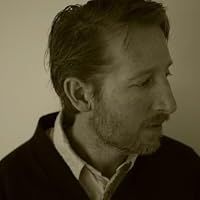
Jerry Stahl (born September 28, 1953) is an American novelist and screenwriter, He is best known for the darkly comedic tale of addiction, Permanent Midnight, which was revered by critics and an ever-growing cult of devoted readers, as one of the most compelling, contemporary memoirs. A film adaptation soon followed with Ben Stiller in the lead role, which is widely considered to be Mr. Stiller’s breakthrough performance. Since their initial paring, the two have become lifelong friends and collaborators.
One of Stahl’s mentors and greatest influences, the late American Novelist, Hubert Selby, Jr. had this to say about Permanent Midnight, “Absolutely compelling... Permanent Midnight is an extraordinary accomplishment... A remarkable book that will be of great value to people who feel isolated, alienated, and overwhelmed by the circumstances of their lives.”
Jerry Stahl has worked extensively in film and television.
Aquí tenemos al primer sacrificado públicamente y cancelado de forma sumaria en el mundo del arte y el espectáculo. Ese gordito que hemos visto en aquellas primeras películas del cine mudo que andaba siempre entre caídas tontas y batallas de tartas.
“Mi abogado me dijo que yo simbolizaba todo lo que se consideraba depravado y maligno de Hollywood. Nunca pensé que Hollywood fuese esas cosas: solo que los sueldos eran excesivos… Pero aquellos titulares vociferantes de la prensa no solo atacaban ferozmente a Fatty Arbuckle, atacaban a las películas, al mundo del espectáculo. Quizá Hollywood fuese tan perverso, escribió mi amigo Buster Keaton en una carta, que necesitaba un Cristo de 138 kilos, que muriese por sus pecados”
A quien no le ha pasado de joven no saber si lo que estaba leyendo eran hechos reales, o pura ficción que salía de la mente enfermiza del escritor. Saber distinguir ese detalle ya era un punto de madurez lectora. Me recuerdo con 14 años aprox. dudando sobre si una novela en que Goya el pintor tenía conversaciones con sus coetáneos, si esas conversaciones eran históricas o no…
Hoy día con la metaficción en que los autores mezclan su vida real con ficción, o la costumbre que han tomado muchos autores de hablar de su vida, nunca se sabe exactamente el terreno que pisamos.
Mi manía de no documentarme mucho antes de arrancar un libro para darme la oportunidad de disfrutarlo más desde el desconocimiento total (si es posible), hizo que aquí, hasta la página 100 pensara que eran hechos inventados, un tipo gordo este Fatty, tal vez basado en El gordo y el flaco, el mítico Oliver Hardy, algo así. Como digo hacia la página 100 comienza a contarnos que Fatty se encuentra con Chaplin, lo dirige, le deja la mítica ropa del bombín, pantalones y zapatos, todo ello gigante, y se crea el personaje de Charlot….habla también de su amistad con Buster Keaton…y yo me dije, esto ya no parece tan falso. Ahí ya ganó en mi interés y empezó a crecer (investigué un poco en Internet a Fatty Arbuckle, no mucho para evitar destrozar la trama y del libro).
En ese momento ya comencé a leer el libro con otros ojos: son hechos reales novelados. Lo cual ya estaba desde T. Capote más o menos trabajado por otros escritores. Una novedad importante: va narrado en primera persona, Jerry Stahl hace al prota Fatty narrador y protagonista de las conversaciones y vivencias y vida tragi-cómica que le toca. Esta tragicomedia aquí no lo uso como un género: es la vida de comedia que le tocó, dentro de una vida de tragedia que acabó por convertirle en el primer actor y personaje público en ser cancelado y "apaleado" públicamente por la vida de disipación y excesos de los actores de los EEUU, en una de sus tantas etapas puritanos impusieron tras la IGM. Un cabeza de turco inmerso en una trama de desprestigio y derribo propiciada por los políticos y guardianes de la moral pública.
Libro muy documentado y trabajado, y que nos permite conocer una etapa para mí un tanto desconocida como fue el comienzo del siglo XX (pre y post Primera G.M), los orígenes del cine, sus primeros estudios, actores, etc. Anécdotas de Keaton, Chaplin, Rodolfo Valentino. Interesantísimo.
Stahl does self-hate like nobody else. His somber wit is the perfect mouthpiece for silent film comedian Roscoe “fatty” Arbuckle’s heartbreaking tale. There’ve been many books about Arbuckle’s life, but Stahl’s account is unique because it’s a first person narrative as imagined from Arbuckle’s VOP, which is the most fascinating aspect of his story. Born dirt poor to violently abusive parents, Arbuckle had that self-hate that festers at the heart of abused kids who become adults. Young Arbuckle made the most of his 250-300 pound frame to cope with his awful life and developed his natural talent as a singer and physical comedian. Hollywood movies were silent and new to the world. Stahl captured the tone and the time period without a speck of sentimentality or victimhood, just honest lines like this from Arbuckle: “I’m incapable of feeling real pain in real time.” Stahl never shies away from Arbuckle’s emotional turmoil. For example, when the shit hit the fan in SF, Arbuckle was thrown in the slammer and Arbuckle said, “My sadness was massive-the whoosh of your life disappearing.”
The pace in “I, Fatty” jumps from elation to tragedy with the same energy as one of Arbuckle’s gags. The information about the much publicized death-rape incident of gold digger Virginia Rappe was handled masterfully: Stahl never veered from Arbuckle’s apologetic, shameful voice and the characters were never eclipsed by the business of plot points.
Arbuckle’s life was a heartbreaking seesaw of tears and laughter, sexual failures and epic success, drug addiction and sorrow. But, at the end of it all, when he won his trial, I applauded him because he never gave up, no matter how many people wanted him dead in Hollywood.
Through a syringe darkly. There's so little written on Roscoe Arbuckle that I'm grateful for anything, and I find that "fictionalized autobiographies" can sometimes reveal much more than the real thing. The first part of the book dealing with Roscoe Arbuckle's childhood rings very true, a shy, self-conscious, overweight boy who's mother is preoccupied with her own illness, she died when Roscoe was 12 years old. And a father preoccupied with getting drunk and verbally abusing and beating his son. So like many performers of the silent era Roscoe's comedy comes out of his personal tragedy. Also like many of Hollywood's early stars he started in Vaudeville at a young age. The parts of the book that covers Arbuckle's incarceration and trials for murder and rape also rings very true. An innocent man whose life is turned upside down, who's convicted in the tabloid press before he is ever given a trial and who's studio's, where he helped make his bosses millions and millions of dollars, abandonment of him. But it's the main body of the book, Roscoe's rise to fame and his years at the top that sounds false. The author, Jerry Stahl, himself a surviving heroin addict, makes Roscoe's life reads like the war stories you hear at AA and NA, surviving old-timers tales of horror and substance abuse. But what's sounds most incongruence and false is Arbuckle's constant self loathing throughout the book. Stahl's Roscoe always refers to himself and his accomplishments in the most demeaning and abusive ways imaginable. This self hatred seems impossible when we see Arbuckle's films or read what little we can about his life before his fall from grace. Stahl takes a classic tragic figure and makes us shake our head and say, "Poor bastard... but I guess he got what was coming to him." Yet another unfair judgment for Roscoe Arbuckle.
I can't even imagine the amount of research that went into the creation of this novel. It must have been enormous. It really pays off, though--the book is a splendid and hilarious and insightful read. If you are interested in the early days of Hollywood (like, the 1910s, I mean), or vaudeville, or really show business in general--or even if you aren't--I recommend this novel highly.
One of the fascinating things about the novel is that it brings Arbuckle to life in the first-person, a daring move that pays off in spades. Of course the idea is to build up a sympathy for him, but the detail into which Stahl goes is downright flummoxing! I would be really interested to read more about the research and writing process Stahl underwent in the process of writing this novel.
Friend Karen gave me this one (I've been trying to get her on GoodReads) and it was on the shelf for maybe a year or more before I finally read it, and boy what a bonehead I was for waiting so long. I'm really happy I read it. Sometimes I had to put it down and just smile about how charming and funny and mind-bogglingly interesting it was to me.
Suffice it to say, I'm extremely interested in getting to be more well-acquainted with Roscoe Arbuckle's cinematic career now. To the library!
An acerbic, harsh, funny and moving novel of silent comedic actor Roscoe Fatty Arbuckle. I have not read author Jerry Stahl before and was unfamiliar with his penchant for the degenerative dark side of humanity and the humour he can pull from that. This unique caustic wit allowed Stahl to raise Arbuckle up from the dusty past and let his voice finally be heard. Stahl did extensive research, as the bibliography shows, and places Arbuckle back up among the great comic pioneers where he belongs. But Stahl seems to get heavy handed with Abuckle's alleged drug addictions, to heroin (legal at the time and marketed by Bayer) and morphine, even using it as a device to force Fatty to tell his life story. There is no doubt he was an alcoholic and did use drugs to control pain after a horrifically botched job on a leg injury but no indication of this level of abuse. Since this is historical fiction, the author can take artistic license and include his required use of heroin that he jokes at his readings has to be included in all of his books. This never holds up the story just muddies it a bit.
Now that the questionable drug use issue is out of the way, I can get to the meat of this review. If you want a time capsule of the turn of the century and early Hollywood, then hold on for a wow of a ride. Starting with Roscoe's birth at a hefty 16 pounds, he is ostracized for his size from then on and suffers harsh abuse by his alcoholic father. Finding himself abandoned by his father as a boy, he finagles his way onto the vaudeville stage as boy singer of illustrated songs. Along the way from singer to comedian, he does an act with the pitcher Cy Young about the benefits of health, gets caught in the great San Francisco earthquake of 1906 (the only time "he and the great John Barrymore played the same roll") and has a pie fight across the Rio Grande with Pancho Villa. His Mack Sennett years, where he helps in the fledgling careers of Charlie Chaplin and Buster Keaton, teams up with Mable Normand and introduces pie fights to the world are like being included into an exclusive club. These times are written with a captivating, naive innocence that I didn't want to end. How much fun is it learn while filming in New York Arbuckle meets and dines with Enrico Caruso who compliments him on his singing. All these tidbits from the times added to the realism and enjoyment for this history and old movie junkie.
The touch of harshness and foreboding that Stahl layered in during Fatty's rise, added to the pull of the narrative although I admit I found myself not ever wanting to get to the night of the infamous party and his inevitable fall. Stahl does not shy away from explicit descriptions on what Arbuckle did try to do to revive Virginia Rappe. From here the reader is then pulled through the ensuing three trials in a horrified daze, shaking their head at the injustice of it all. Instances like Arbuckle walking up the steps of the court house for the second trial, where around 50 members of the Women's Vigilante Commission encircle him and, upon a signal and in unison, they all spit on him are dizzying yet mesmerizing. William Randolph Hearst's paper, which leads the relentless libelous pursuit against him, reported "Fatty made a most impressive centerpiece in the fountain." All of this culminates with the acquittal, along with the accompanying statement, after the third trial but sadly Arbuckle knows it doesn't matter. He valiantly tries to put his life back together, with support and help from Charlie Chaplin, Joe Schenck and his true friend Buster Keaton, but as a New York Times editorial said the day after his acquittal; "Arbuckle was a scapegoat, and the only thing to do... is to chase him off..." and they did. His response, "What do you do when the world thinks your a monster, and you know it's the world that's monstrous?", he did the best he could with the slices of pie he was given.
It is the ending that fell flat and prevented this from being five stars. It just felt rushed and a bit confused. Despite that, it is a powerful read that will have you looking up other players involved in Fatty's story or wanting to rent one or more of his movies to see this giant (no pun intended) of the silver screen. In other words you won't be ready to shut this book and forget Roscoe Arbuckle anytime soon!
This dark comedy covers the career and canceling of the actor Fatty Arbuckle. He was a contemporary of Buster Keaton and Charlie Chaplain, and started out in vaudeville. I found it interesting that he was called Fatty even though he weighed 250 lbs. He didn’t exactly have a 600 lb life. He became a millionaire acting in film for Paramount Pictures even though he had health problems and a resulting opioid addiction. His career ended after an incident with an actress in a hotel room where she died a few days later. Johnny Depp has bought the film rights to this book so we will see how he explores this character’s humanity. I think it will be much like his film on Ed Wood.
I recognize the sensationalism and problems with this book, but if that makes it a guilty pleasure, so be it. I am fascinated by the celebrity of early Hollywood, and Fatty Arbuckle in particular. I can't quite understand his charm, but Stahl re-imagines him successfully enough that I begin to. It's such n interesting story, so filled with grim and wonderful details, and so relevant to America's relationship with celebrity as a rise and fall kind of mythology. In Fatty's case the stakes were so high (pardon the pun) that imagining it from a first person perspective is great fun. All the facts are there, and now I want to go read a biography, and rent some his films. It is an utterly amazing piece of history and begs to be a movie. Where are you Chris Farley!
Assuming you know anything about the real life Roscoe Arbuckle the first question in your head is probably how does Stahl handle The Incident? Over a century later there still doesn’t seem to be any consensus on who did what to whom that fateful night in San Francisco and Jerry Stahl sort of splits the difference by having Fatty be a somewhat unreliable narrator. Despite the fact that he hates himself and isn’t shy about telling you why, throughout the book Arbuckle glosses over or downplays drunken or violent incidents and perpetually portrays himself as the victim—of his abusive father, bullies, movie moguls and, ultimately, the law. So when The Incident occurs it reads like a scene from a slapstick comedy, with our hero simultaneously being a victim of circumstance and poor decision making (my biggest complaint about the book is linking The Incident to Buster Keaton in a way I cannot unread and pray is a fictionalized detail). One aspect of the Arbuckle story I was unaware of was his long-standing heroin, alcohol and morphine addictions, so it makes sense that he would be an interesting subject for Stahl, who has been public about his own struggles with drugs.
Roscoe "Fatty" Arbuckle era un attore di comiche del cinema muto che negli anni tra il 1913 e il 1921 era più popolare perfino di Charlie Chaplin (fu infatti il primo attore cinematografico a strappare un contratto da più di un milione di dollari l'anno). La sua carriera fu stroncata improvvisamente da uno scandalo hollywoodiano (il primo della storia) che gli rovinò la restante vita. Letto diversi anni fa, lo recensisco solo ora perché mi è tornato improvvisamente alla mente dopo la lettura dei “Diari di Mary Astor” che raccontano uno scandalo di oltre un decennio successivo, e francamente di un caso molto meno interessante e grave di questo, che vide l’annientamento professionale, sociale e morale e alla fine dell’uomo stesso, con l’accusa di stupro ed omicidio (con tanto di orge, abusi di alcol e stupefacenti,…) di una giovanissima “starlette”( Virginia Rappe), a carico di un idolo cinematografico che poi risultò del tutto innocente al termine della procedura giudiziaria (1922). Una vicenda che quindi terminò in modo molto più tragico di quella della protagonista del “Mistero del falco” a fianco di Humphrey Bogart. Fatty infatti morì abbandonato da tutti (il solo Buster Keaton gli restò amico sino alla fine), alcolista e sul lastrico, alcuni anni dopo, nel 1933, a 46 anni. Anche allora il fango della stampa affamata di scandali (come il pubblico, del resto) difficilmente poteva essere lavato, anche dopo l’accertamento successivo dei fatti, o alle diverse verità emergenti dai processi . Ma ricordo che anche in questo caso rimasi molto deluso: in fondo gli ingredienti per scrivere un grande romanzo c’erano tutti, ma per farlo serve sempre un buon romanziere. E Stahl (pure se autore di cinema e tv abbastanza affermato) francamente proprio non lo è.
This fictional autobiography of Roscoe "Fatty" Arbuckle, classic comic silent movie star, was both wonderful and difficult to read. Wonderful because author Stahl does such an incredible job of getting into the head of Arbuckle with wit and humor, and difficult because despite being a well-paid movie star, Arbuckle's life was tragic, even before the murder charges and trials.
I am not really a fan of silent movies, but I can recognize the names and faces of the stars during this time period - Charlie Chaplin, Rudolph Valentino, Fatty Arbuckle. Until this book, I had never heard of Arbuckle's fall into infamy over false rape charges and three trials (the last one ending in an acquittal). Even with the desensitizing nature of the continual onslaught of sensational crimes these days, I felt great sympathy for Arbuckle's situation, particularly because it was compounded by his weight.
This is a great read, and inspired me to go look up some of the classic silent movies.
This fictional autobiographical story of the silent film actor Roscoe “Fatty” Arbuckle was on my to read shelf for 15 years. It was not what I imagined. Oddly it relates the metoo movement from the side of the (possibly) unfairly accused. It also illustrates the birth of Hollywood. I couldn’t put it down.
Roscoe "Fatty" Arbuckle is one of those celebrities who was once a major star, but is largely forgotten today. His rise and fall from celebrity grace is typical of the build-you-up-only-to-tear-you-down phenomenon in the world of gossip. However, unlike the 24/7 media world of today where every star has a chance to tell his/her side of the story, the more limited arena of newspaper reporting in the 20s and 30s never really gave Arbuckle a voice. This novel contrives a way for the silent film comedian to tell his "autobiography."
For those who don't know, Arbuckle was a huge star (literally and figuratively) of the silent screen. His lovable man/boy persona endeared him to millions of fans, much like Chris Farley did in the 90s. Also, like Farley, Arbuckle loved to party and often surrounded himself with people who took advantage of his good nature. During a weekend outing to San Francisco, a young actress and party girl died in Arbuckle's hotel room and he was accused of raping her. Smelling a great story, the press pounced on the cherub-turned-monster angle and never really looked at the facts which pointed to Arbuckle's innocence. Although acquitted of the crime, the scandal ruined his career. He didn't appear on screen for 10 years and died of a heart attack in 1933.
Jerry Stahl's book takes you through Arbuckle's life as he may have told it had he had the chance. Stahl effectively captures the voice of a man who was naive, undereducated, and deeply in need of love and positive reinforcement. His insecurities never abated even as he became one of Hollywood's biggest stars. And despite the scandal, he proved himself an unlikely survivor who found a way to continue in movies as a director under a pseudonym. When the scandal had finally blown away and Hollywood welcomed him back as a performer, however, he was too beaten down to continue and died young.
This story shows you how so little chances in the world. Almost a century before Britney and Lindsey, there were troubled stars and a gossip machine that preyed on them.
A very long time ago I watched a British TV series called 'Hollywood' which documented the early history of the American film history during the silent era. One of the episodes explored the notorious episode of the trials of Roscoe 'Fatty' Arbuckle, an iconic comedy star of the period who was accused of raping and killing Virginia Rappe. This was a rather fascinating story and one that has long brought attention from anyone interested in cinema history. The controversy had it all; sex, booze, a media frenzy, money, politics and tragedy; it's a story ripe with possibilities for retelling, and that is (in part) what Stahl has done with I, Fatty.
Taking the well-worn route of a fictional autobiography I, Datty is a rather enjoyable read that certainly eneavours to restore some of Arbuckle's reputation. It also is a pretty deep dive into the world of American vaudeville and the early film industry, and in the process Stahl ensures that he paints a very Rabelaisian picture of the period. Undoubtedly inspired by Kenneth Anger's legendary book and documentary film 'Hollywood Babylon', and the numerous legends of bootlegging, dope, sex and other scandals in pre-Hays Code America, I, Fatty makes damn sure that no reader will consider the period one of innocence and good morals.
The key to the novel's appeal to the reader, and important to its success, is how well one can engage with Stahl's characterisation of Arbuckle. Generally speaking his fictional Fatty has flaws and personality traits that arouse our interest and sympathy. The first half of the novel, where for the most of the narrative the reader follows Arbuckle during his truly awful childhood and his garishly picaresque experiences in vaudeville, is perhaps less successful than the second half. Truth be told the younger fictional Roscoe is a bit of a pain in the arse. It's not that he is a bad person, as written by Stahl. No, it's just that the central aspect of his personality, i.e. the severe psychological damage that the author has endowed him with as a result of Fatty's weight and his abuse from for his father, makes the protagonist of his 'autobiography' very self-indulgent. It might sound cruel, but for all the growing success Stahl's Arbuckle achieves in the first half of i, Fatty, it gets hard to continue to read him constantly refer to how bad things were for him. The fictional trauma becomes overwhelming for the narrator's life and whilst the reader won;t lose interest, it just becomes somewhat one note.
Where Stahl redeems himself in this aspect of the novel and in Arbuckle's persona is that for all the trials one cannot but admire Fatty's tenacity and his ability to document what went on around him. The author makes sure that whether you like or dislike Arbuckle early on, you still have to marvel at how his Fatty brings the period to life, makes the world of the 'autobiographer' vivid and interesting. This is due (indirectly) to Stahl's attention to the history of Arbuckle and his environment, and the language his protagonist uses when documenting his life. As one reads the book there is a growing sense of verite in Arbuckle's narrative, and whilst it is of course fictional, there is also an underpinning of psychological, emotional and cultural truth to the story. Stahl's Arbuckle lives and breathes in a 'real' world and in the process his 'reality' becomes valid to the reader.
The second half of the novel is dominated by the climax of Fatty's success in the Hollywood silent film era, followed by his downfall as a result of Virginia Rappe's death. As Stahl develops Arbuckle's narrative he endows his protagonist with a stoicism and a good humour that in some respects is not there earlier in the book. It's almost as if in the process of becoming hated by his audience the fictional Arbuckle finally begins to like himself, and this definitely has an impact on how the reader engages with the character. Additionally, the rich semi-fictional details woven into the fabric of the novel during this part of the text is both very interesting and bloody well told. There is so much going on in I, Fatty during the second half that one cannot easily disengage from Stahl's work. For example, the depiction of the infamous party where Arbuckle was supposed to have raped Rappe is a ribald one and it certainly clears Arbuckle of the crime itself. It doesn't however clear him or anyone else depicted in the revelant part of the book of their venal desires and behaviours. Even Fatty himself, who is shown to be a bit of an innocent, still has the stupidity of his behaviour hanging over his head.
It also is to the benefit of the book that Stahl gives his version of Arbuckle a more likeable persona in the second half of the book, and this is not just because his protagonist is depicted as being innocent of the crime the real Fatty was accused of. The most important character in the novel, aside from Arbuckle himself and his father is Fatty's first wife Minta Dufree. Earlier in the book Arbuckle courts his wife and then becomes, to be brutally honest, at least neglectful and at worst abusive to Minta. Stahl redeems Arbuckle as a character by giving him the understanding that he is lucky to have Minta, and that she is there for him. Pivotal to this development in the novel's narrative is the love making they share when under siege from those hounding Roscoe because of the Rappe arrest. It's very easy to dislike Stahl's vision of Roscoe whilst he mistreats Minta; during that time in the story when he is a good man for and with his wife the reader has their sympathies aroused further.
Putting aside the characterisation of Fatty Arbuckle, the other compelling aspect of this novel is Stahl's depiction of Hoilywood in the 1910s and 1920s. This is a vivid and fascinating fictional world that has all the bawdy honesty that one would hope for, especially if one is familiar with the history of the period and place. The reader gets to meet a slew of compelling characters, including Mack Sennett, Charlie Chaplin, Buster Keaton and William Randolph Hearst among many others. At times it gets a bit hard to follow, and because Stahl has written his Arbuckle narrating his story as if his audience knows much about the who, the what, the where and the when, well you just have to hang in there. It wouldn't hurt prospective readers of this book to did up some history of the silent film era so as to prepare for what comes along in I, Fatty.
In conclusion, I enjoyed this novel, and even now wonder if my three stars should not in fact be four. This is not a book that will be seen as a classic, however it is an engaging retelling of a notorious incident that has long overshadowed one of the most important personalities to have ever been in cinema. I, Fatty is a rewarding fictional version of the life of Roscoe Arbuckle, and whilst it may not appeal to all who read it I believe it deserves more attention because of both its subject and how Stahl has recreated his world.
Prior to this novel, I think my knowledge of Roscoe Arbuckle was limited to an episode of E! True Hollywood Stories that I watched about 20 years ago. I was familiar with the author from his memoir and the movie about his addiction. It appears he did what I do when I am writing something based on an actual person, which is research the hell out of it and then breathe life into the characters so the events take on a life they wouldn’t have with a strictly factual account of the events. I’ve slogged through books like that, and I much prefer his method.
I immediately trusted the narrative voice and believed the story he was telling. Maybe more so because I have also experienced what being a pariah does to your mental state. After being put through the ringer, you have a tendency of hypervigilance and the feeling it could all disappear again as it did before.
After I finished the book, I went through YouTube looking at old movies that Arbuckle had made and I found many people still believe he was a violent, depraved rapist, in spite of being exonerated. Even calls of “believe the women!” Ugh. Way to put 21st century standards on an event that occurred a hundred years ago. More like believe the spin machine that studios unleashed to protect their interests. I also read that a number of modern-day actors had attempted to get an Arbuckle movie made, only for them to die prematurely as well.
In all, an engaging and sympathetic portrait of a talented man who never got the respect he deserved.
If you don’t know who Roscoe “Fatty” Arbuckle was, or just know the name here’s the skinny. [From Wikipedia: The book is a fictionalized autobiography of Roscoe "Fatty" Arbuckle, the famous silent film comedian, and probes his early life in vaudeville, his rise to fame in the movies, and his crash into infamy following a false murder accusation (and three trials and eventual acquittal).]
This is a novel is remarkable considering the amazing job that Stahl does in climbing inside the mind of Roscoe Arbuckle to lay out this “memoir”. What makes the book as compelling and entertaining is the fact that is the structured around very real events. The book is laid out in short little bursts of story (1-5 pages each) as Arbuckle recounts his entire life in brief anecdotes. Many of the characters are real; you run into Charlie Chaplin, Buster Keaton, and other famous Hollywood types both onscreen and off. You also get to go on the roller coaster that was the scandal that took everything away from him at the height of his career. I’ve read some of Stahl’s other works and this is certainly his best. This may be my favorite book I read all summer. Seriously.
This is a great book. It's a fictional autobiography of the silent film star Roscoe "Fatty" Arbuckle, whose immense popularity came to a screeching halt when he was accused of raping and murdering an actress named Virginia Rappe. Fatty was acquitted, but his career never fully recovered.
Everything about this book is colorful. The setting of 1920s Hollywood combined with Fatty's narrative voice make for a great read. A lot of silent film luminaries - Charlie Chaplin, Buster Keaton, Mabel Normand, Mack Sennett - put in appearances; but it's Fatty's voice that makes this book so irresistable. The voice is at once slick, sarcastic and self-depracating. We're listening to a man who's funny because that's all he knows how to be. And his clownish exterior hides a lot of dignity and pain.
This was recommended to me, and I'm glad it was. I was a little dubious at the start, but perhaps that was more to do with the uncomfortable subject than anything else.
When Stahl gets into his stride the prose flows brilliantly, flavoured with period phrasing and sly humour. The story of Arbuckle's rise to fame, and the portrayal of what it might have been like to live that dream, is fascinating.
Of course, the train wreck that comes later is equally compelling and the cringeworthy inevitability of Arbuckle's fall from grace is masterfully conveyed.
Read this book and then take another look at our 'modern' celebrity culture.
Beautiful book. First fictionalised autobiography I've read. Heartbreaking , sad and funny. I didn't know who fatty was before this but now I've fallen in love with him. Scandals and media killed a career for the first time but not the last. This book has taught me to never judge without knowing all the facts. Loved the way the author has written this book! <3 I thank him for writing this ingenious masterpiece.
it's strange to classify this the way i did, but read it, and you'll understand.
this is definitely my fav jerry stahl book. if you live in los angeles (especially on the east side) or are interested in the history of cinema, you'll like it for that in addition to the interesting story of the rail-roading of this black and white movie star.
This is not a good book. If Arbuckle was really like this (whining about how Daddy didn't love him, he could never "please" a woman, nothing is really his fault ever, not to mentioning name-dropping as much as possible), no one would want anything to do with him, scandal or no. If you want to know the story, read the wiki entry and go from there.
This book opens with a Samuel Beckett quote,"There is nothing funnier than unhappiness". This pretty much sets the tone for the rest of the story. Finally , it seems, Fatty gets to tell his side and does so with a lot of humor. Fictional or not, it's a great read.
Roller-coaster ride first-person account of silent screen actor Roscoe Arbuckle’s life, as told by “the man himself.” Full of hilarious read-aloud lines and heaps of tragic events. Had to keep reminding myself this is a novel.
Roscoe “Fatty” Arbuckle (1887-1933) was an American silent film actor, director, and screenwriter. In 1916 at the age of 29, he was more popular than Charlie Chaplin (1889-1977), yet, today most people might know Chaplin’s name, but Arbuckle would be a challenging question on Jeopardy. I read about Fatty Arbuckle in an excellent biography about Buster Keaton (1895-1966) by James Curtis. Arbuckle’s rise and fall seemed like an intriguing story. Mr. Stahl’s novel is considered historical fiction that blends facts with conjecture. Reading such material is not new to me. Gore Vidal’s (1925-2012) Narrative of Empires, seven-volume, book series approached the American presidency in this manner, and I found it entertaining as well as illuminating. Such works can help make a subject matter more human.
The bulk of the book is narrated by Arbuckle. It is a sympathetic portrayal of a child, then man who was insecure and clueless about many mundane things. He was a very large baby and was constantly picked upon because of his weight throughout his life. Arbuckle was 5’7” and 375 pounds. His abusive father contributed a great deal to Arbuckle’s insecurities. He dropped out of school in the second grade and began working a variety of jobs. Arbuckle stumbled into theater work. It was nowhere near a healthy environment to grow up under.
He eventually fell into silent movies in a desperate effort to make a living. The portrayal of the industry in its infancy is consistent with what I’ve read in other nonfiction works. It was inhabited by a cornucopia of troubled risk-taking people and assisted in Arbuckle’s growing dysfunctional naivete. The reader will see that the movie industry during its formation was just as much a bullshit promotional machine as it is today. Abusive studio heads treated the actors and other employees as expendable cogs in a giant money machine unless they were fattening the executive’s bank account. Accumulating ungodly amounts of wealth as well as fame exacerbated Arbuckle’s disorders. Alcoholism as well as other dangerous drugs were rampant and the slapstick comic fit right in. ‘I, Fatty’ includes many colloquialisms from the early 1900s that I had to look up for clarification.
The insecure bumpkin Arbuckle portrayed in Mr. Stahl’s novel claims he stumbled into drug use because of others. Some of his excuses are critical that you believe he was that naïve. Arbuckle was having “Ah-ha” moments always too late. Some of his stories were difficult to believe. Mr. Stahl avoids any detailed creation of the court scenes by having Arbuckle remark that he was mostly in a fog during the three trials. Recalling his life, the comic presents the other people as props more than real people. Arbuckle, as portrayed in the novel, understood he was damaged goods but so was everyone else in this story. ‘I, Fatty’ is not a happy tale. It did not fulfill my expectations in getting a better understanding of the man.
It's the story of Roscoe "Fatty" Arbuckle. And I really like the title. It's a pretty straight telling of Fatty's story from his POV so it's not a biography, it's a novel. And, far as I can tell, it's a pretty good job of ventriloquism. It sounds like I imagine Fatty to sound, replete with the lingo of the past century's teens and twenties.
If you're familiar with the Fatty Arbuckle story in any way, you already know that he was accused of rape and exonerated after three trials. All that's here. But it's the back story that gets ya. His father abused him physically and emotionally, tortured him for simply being fat, and the trauma lingered with him for his entire life.
Thus, the usual things: alcoholism, drug addiction. Jerry Stahl gives Fatty a plain spoken, matter-of-fact voice to tell us about his tramas, so even as things get bad for him--the afforementioned accusation and trial--he never puts on the sad face, maintaining a sense of humor throughout.
So the novel can be funny while it's tragic, upbeat even when things are going down the shitter. It's compulsively readable and I sped through the 270 pages or so it took to get to the end. Since it's told from Fatty's POV, the end isn't the same as a traditional biography (he's alive in the end), so we don't get the skinny on how Fatty dies. I wish Stahl had included an epilogue that lets us know what happened, but he didn't.
Picked this book out because of my love for all things having to do with silent film, including the inevitable and tragic scandals that peppered the unfettered early cinema era, such as the Roscoe "Fatty" Arbuckle murder trial. What I got was an exceptionally amazing literary experience from an author I didn't know existed. Found out Stahl is a former addict which may explain his ability to write the sort of dancing and vibrating sentences that string a reader out and leave him/her gasping for more fantastical word crack. I could not put this book down. I lay like a street bum in my bed injecting this content into my brain well into the wee hours of the morning. You would have had to pry this volume out of my cold dead hands before I would have given it up. Now you may go beyond the lurid horrific events that occurred at the St. Francis Hotel in 1921, left a young woman dead, and crashed Arbuckle's career into a dead stop. Peek into the into (reasonably believable) invented mind and thoughts of the man who may or may not have been an intentional depraved killer. How did Stahl accomplish the total resurrection of this lost time? How did he bring the players back to to life, making them all hopelessly real. He must be a freakin genius. What else you got Jerry?
Ah, another book where I really wish that Goodreads had a rating system with half stars.
This book is not poorly written, but I always think that books like these are already like trying to walk up a steep hill; it's hard for any author to try to write a fictionalized autobiography about a dead person.
There are just things in it that really bothered me: - How come Al St. John is literally not mentioned at all? Like, he was Roscoe's nephew and starred in a lot of the Arbuckle/Keaton shorts... - The insistence on the bottle of champagne story (even if it wasn't a *rape*) - The choice to go with "Virginia Rappé was a slut" story (yes, I know this was essentially the defense in Roscoe's third trial, but I still don't like reading it)
Otherwise, I did really enjoy the first half of this story but once it hits the San Francisco party/Virginia Rappé affair, it becomes INCREDIBLY confusing. I can't blame this entirely on the author, because that whole trial is confusing. But... it just seems to spiral very quickly from there and like the only reason that this author wanted to write this story was because of the scandal. Which maybe would have been better handled if there wasn't like half a book of backstory? I don't know.
This entire review has been hidden because of spoilers.