Jump to ratings and reviews
Rate this book

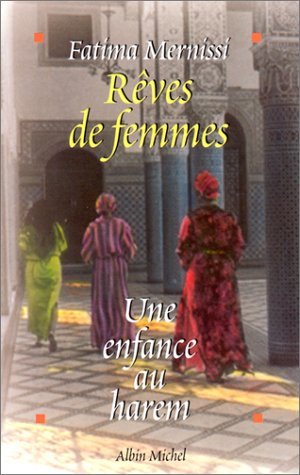
Rêves de femmes: Une enfance au harem

Rate this book
"Je suis née en 1940 dans un harem à Fès." Ainsi commence le récit de Fatima Mernissi, évocation d'une enfance dans la médina d'une des cités les plus prestigieuses du Maroc.
À travers le regard curieux et volontiers frondeur d'une petite fille, c'est à une plongée dans l'univers clos des femmes que nous convie l'auteur. Des plus traditionnelles aux déjà féministes, anciennes esclaves ou combattantes contre les Français ou les Espagnols, conteuses puisant leur répertoire dans Les Mille et Une Nuits , amoureuses des chanteurs égyptiens, elles rêvent sur les terrasses de Fès à un monde où il n'y aurait plus de barrières, où l'espace serait désormais ouvert.
Un récit enchanteur en forme de conte où le réel et l'imaginaire, le merveilleux, l'humour et le tragique tissent un quotidien borné aux limites du harem. Y filtre malgré tout le vent de l'histoire, de l'indépendance, et d'un avenir où leurs filles auront leur place et un destin à la hauteur de leurs rêves.

290 pages, Paperback

First published January 1, 1994

325 people are currently reading
8430 people want to read

About the author

Fatema Mernissi

49 books654 followers
AKA فاطمة المرنيسي

Mernissi was born into a middle-class family. She received her primary education in a school established by the nationalist movement, and secondary level education in an all-girls school funded by the French protectorate. In 1957, she studied political science at the Sorbonne and at Brandeis University, where she earned her doctorate. She returned to work at the Mohammed V University and taught at the Faculté des Lettres between 1974 and 1981 on subjects such as methodology, family sociology and psycho-sociology. She has become noted internationally mainly as an Islamic feminist.

As an Islamic feminist, Mernissi was largely concerned with Islam and women's roles in it, analyzing the historical development of Islamic thought and its modern manifestation. Through a detailed investigation of the nature of the succession to Muhammad, she cast doubt on the validity of some of the hadith (sayings and traditions attributed to him), and therefore the subordination of women that she saw in Islam, but not necessarily in the Qur'an.

As a sociologist, Mernissi did fieldwork mainly in Morocco. On several occasions in the late 1970s and early 1980s she conducted interviews in order to map prevailing attitudes to women and work. She did sociological research for UNESCO and ILO as well as for the Moroccan authorities. In the late 1970s and in the 1980s Mernissi contributed articles to periodicals and other publications on women in Morocco and women and Islam from a contemporary as well as from a historical perspective.

In 2003, Mernissi was awarded the Prince of Asturias Award along with Susan Sontag.

Mernissi was a lecturer at the Mohammed V University of Rabat and a research scholar at the University Institute for Scientific Research, in the same city.

Ratings & Reviews

What do you think?
Rate this book

Friends & Following

Create a free account to discover what your friends think of this book!

Community Reviews

5 stars
1,888 (30%)
4 stars
2,466 (39%)
3 stars
1,438 (23%)
2 stars
356 (5%)
1 star
96 (1%)
Displaying 1 - 30 of 678 reviews
Profile Image for Petra X.
2,456 reviews35.7k followers
May 6, 2015
Original review I bought this book as brand new. It looks brand new. It feels brand new. There is masses of underlining inside. The seller should be locked up and flogged on the soles of their feet.

'Proper' review (see comment 5) The book was pretty good, very informative about the goings on in a harem. The machinations and manipulations of the women to get what they want which they often do, except freedom. They are caged birds who sing on demand and are there to be petted and admired and fed delicacies, but not left to fly free. Although sometimes, in a guarded, sheltered, covered flock they might be allowed out for a visit here and there, but then brought back home and locked up again.

They deal with this by curtailing their dreams or else lying on the rooftop looking at the stars. To paraphrase Oscar Wilde, 'some of us are living in the gutter but we are looking at the stars', well they are on the rooftops. Ironically, their country cousins, whom they visit irregularly, do not suffer the same strictures - women are out and about on the farm, riding horses and generally being allowed a life. The author hated leaving the country to return to the enclosed world of women in the city.

Nothing, but nothing, no matter what luxury, or what travail, can ever make up for freedom of choice. I wonder what the Queen's views are of on this as she has great work, a 24 carat gold cage and is often allowed out, but not alone, and is guarded once back home?
Profile Image for Rowena.
501 reviews2,763 followers
March 8, 2016
“When you happen to be trapped powerless behind walls, stuck in a dead-end harem, you dream of escape. And magic flourishes when you spell out that dream and make the frontiers vanish. Dreams can change your life, and eventually the world. Liberation starts with images dancing in your little head, and you translate those images in words. And words cost nothing!”- Fatima Mernissi,Dreams of Trespass: Tales of a Harem Girlhood

I just recently came across Moroccan feminist and sociologist Fatima Mernissi and was sorry to learn that she passed away late last year. I’m so grateful to her for this text, for hearing her story. Someone once told me we are always born into the right place at the right time and Mernissi definitely was. Born in Morocco in 1940 during the transition between tradition and modernity, she was a witness to the war and colonialism by the French. As a sociologist, most importantly a feminist, she is able to present her story in a coming of age story situated in history. I believe she was meant to write this story and she writes it well and so beautifully, even inserting funny yet profound childhood observations:

“We knew that the French were greedy and had come a long way to conquer our land, even though Allah had already given them a beautiful one, with bustling cities, thick forests, luscious green fields, and cows much bigger than ours that gave four times as much milk. But somehow the French needed to get home.”

The concept of freedom, especially when it deals with women, is interesting to me because it means different things to different people. Is freedom about physical barriers? Do we have to construct our own freedom and how do we do so? Do we see freedom in the other? And even more interesting is to learn about feminists from non-Western countries and how other women practice feminism in cultures that might not even have that word in their vocabulary. I was quite struck by how feminism was done within the harem walls, in what people would say is a very unlikely place to practice feminism.

The harem was defined as the place where a man kept his family and sheltered them. It was both the place and the members. We are introduced to proxemics and boundaries within the harem, and we also learn more about the harem of Mernissi’s grandmother, Yasmina, in the countryside. The harem is a boundary for women and the boundary symbolizes something to overcome somehow in search of freedom. Some boundaries are invisible, others are concrete (or metallic) like the harem’s walls (or gate).

One of the ways feminism was practiced was through storytelling, often intergenerationally. In particular, Scheherezade seemed to be a very important literary figure in this world:

“However, words would save the person who knew how to string them artfully together. That is what happened to Scheherezade, the author of the thousand and one tales. The King was about to chop off her head, but she was able to stop him at the last minute, just by using words. I was eager to find out how she had done it.”

It was timely that I read this book just before reading Steinem’s “My Life on the Road.” In a sense, their lives are opposites, one grew up on the road, one behind a wall. Mernissi talked about the importance for women to not be restricted in their movements and I think Steinem would agree:

“I knew that if you moved around, your mind worked faster, because you were constantly seeing new things that you had to respond to.”

All in all, this account reiterates how powerful words are, how women do have that power to transform their own lives.

“You are going to transform this world, aren’t you? You are going to create a planet without walls and without frontiers where the gatekeepers have off every day of the year.”
Profile Image for Tahani Shihab.
592 reviews1,192 followers
February 13, 2021
سيرة ذاتية للكاتبة عن طفولتها وأهلها والمجتمع المغربي آنذاك. عن الحجاب والسفور، التعليم والجهل، وسلطة الرجال على النساء. والدتها وأثر تربيتها في تشكيل شخصيتها المتحرّرة المثقفة.

أوردت الكاتبة أسماء كثيرة لرائدات وناشطات في الحركة النسوية لتحرير المرأة. ومقاطع عن حياة هارون الرشيد، شهرزاد وشهريار وقمر الزمان. وحياة مغنيات منهم الراحلة أسمهان وأم كلثوم. فأسمهان المتمردة على تقاليد الأمراء والأميرات تُمثّل حُلم كل فتاة في ذاك الوقت، بينما الراحلة أم كلثوم تمثّل النموذج الذي يحترمه الرجل، لما في شخصيتها من رزانة ورجاحة عقل. وعرجت على ذكر الأوضاع الاقتصادية والاجتماعية والسياسية في المغرب.


اقتباسات


إن بعض الأشياء صادقٌ فعلاً، ولكن يجب ألا نبوح به. إنّ ما تبوحان به، وما تكتمانه سرًّا، لا علاقة له بالصدق والكذب.

الكلمات قادرة على إنقاذكم، إذا أتقنتم فَنَّ نسجها بمهارة.

عليك يا بنيتي أن تتعلمي التشكيك في معاني الكلمات، إذا كنت لا تبتغين أن تعيشي غبيّة.

في كل مرة تنوين خوض مغامرة ما، عليك أن تفكّري بالرسوّ، فلا أهمية للإقلاع، وعندما ترغبين بالطيران عليك أن تفكّري أولاً كيف وأين يجب أن ترسي.

الكلمات كالبصل كلّما نزعتِ قشرةً برزت معانٍ جديدةٌ، وعندما تبدئين باكتشاف عدّة معانٍ، يصبح كلٌّ من الخطأ والصواب عديم المعنى.

إن كلمة حريم ليست سوى اشتقاق لكلمة حرام التي تعني ممنوعًا ومحرمًا، وهي نقيض حلال.

السعادة هي ذلك التوازن بين ما تمنحينه وما تأخذينه.

عليك أن تتمرّدي بذكاءٍ، وأن تتأمّلي الموقف بعناية، وأن تحلّلي كلّ شيء. تمرّدي عندما تكونين واثقة من أنّك تمتلكين فرصًا للفوز.

هل الحريم بيتٌ يعيش الرجل فيه مع زوجاتٍ عدّة؟.

تذكّروا أنّ أحدًا لم يتمكن قطّ ـ وحتى وقتنا الحاضر ـ من إيجاد حلٍّ لمشكلةٍ دون طرح الأسئلة.
Profile Image for Rebecca.
86 reviews9 followers
August 22, 2008
Despite its appearance on every reading list related to Morocco, I’d resisted reading Mernissi’s recent recounting of growing up in Fez in the 1940s and ’50s. “A harem girlhood?” Exotic and titillating, I thought, but not likely a typical upbringing. Now that I’ve read this fascinating memoir, I realize that the western stereotype of “harem” – dancing girls who take turns pleasing a wealthy sultan – hardly matches the reality. In fact, Mernissi notes, the everyday domestic harem involves housing the women in an extended family together, in seclusion from the world. Mernissi’s mother, a grandmother and an aunt found ways to subtly subvert their oppression, taking their cue from the women of Scheherazade’s “A Thousand and One Nights” who “did not try to convince society to free them – they went ahead and freed themselves.” From throwing off the veil to creating opportunities for permission to venture beyond the front gate, their small subversions surely are the roots of the liberation Moroccan women enjoy today and are an important part of the country’s slow progression toward a more democratic and equitable society.
Profile Image for Jad .
36 reviews41 followers
June 1, 2012
اقرأ هذه الرواية، ثم شاهد فيلم "عصفور السطح" التونسي
Profile Image for Quo.
342 reviews
May 10, 2020
Dreams of Trespass: Tales of a Harem Girlhood is a coming of age story, set in Morocco during WWII, an account of Yasmina's attempt to decipher the cloistered world within and the greater world beyond the family home in Fez. The book almost seems a cross between an autobiography and an ethnographic study of French Colonial Morocco, just as the stirrings of an independence movement are in the air. It can't really be compared to The Diary of a Young Girl by Anne Frank but there are certain similarities in the manner in which it portrays a young girl at the onset of maturation, held captive at about the same time as the story set in Holland but fortunately with a much brighter outcome.


I read the very engaging work by Fatema Mernissi as a part of a program at my local library, via a National Library Foundation grant called "Muslim Journeys", a series of encounters that included discussions of five assigned books + lectures & films, each representing different Muslim countries. And while one has various notions of what life in a harem might entail, this tale is a warmly personal story detailing how a young girl deals with her very restrictive setting, while yearning to define her own reality in the midst of abundant social contradictions.

One example of contradictory manifestations comes with the realization that Princess Aisha, the teenage daughter of Morocco's King Mohammad V, is heard to give speeches in both Arabic & French and seen wearing both long caftans & short French dresses, with this combining of two worlds, two codes, two languages, two personalities seeming far more attractive than living in just one. In fact, this ability is spellbinding, like the sliding open of magic doors, enchanting the younger children, being encouraged by many more mature Moroccan women in Yasmina's circle but viewed as an exceedingly dangerous form of "trespassing" by her father & most men.


Moroccan men feel strongly that the "hudud", or boundaries, are sacred & meant to be observed as protective of Morocco's cultural identity & heritage and that if women began dressing provocatively, smoking cigarettes, running about with their hair uncovered & imitating Europeans, Moroccan culture would soon wither & disappear. However, when asked why young males went around wearing their hair like French soldiers & dressed like so many imitation Rudolf Valentino's, Yasmina's father was not able to answer that question.

There are many memorable characters within the book by Fatema Mernissi, including Chama, who possesses "charm books" filled with folk wisdom and who often stages complex plays for the women on the terrace of the house but who is dictatorial & prone to depression. The occasional visits to the "hamman" (bathhouse) and the terrace of their home are the only two areas where most women in Fez can feel truly free but Yasmina's time at her much less restrictive family home in the country is also a refuge for her, a time of feeling unfettered.

Throughout the book, there are countless images of flight and of developing wings and a character called Aunt Habiba, illiterate but robustly sensitive & loved by Yasmina (a stand-in for the author, Fatema), someone who while quiet, "held onto her wings, giving meaning to her life by dreaming about flight", something that encourages Yasmina. Imprisoned within the walls of the harem, the women went about dreaming of horizons without frontiers. Some women who view themselves as "modern" even embroider images of birdwings in flight, an image that is seen as very threatening for more traditional women.

In the view of Aunt Habiba:
When you happen to be trapped, powerless behind walls, stuck in a dead-end harem, you dream of escape. And magic happens when you spell out that dream & make the frontiers vanish. Dreams can change your life & eventually the world. Liberation starts with little images dancing in your head & you can translate those images into words & words cost nothing.
The beauty of Fatema Mernissi's novel is in its inspirational message, stressing the importance of having dreams, no matter who you are & what your situation might be.



This very enjoyable tale is accompanied by some very evocative black & white chapter-opening images by Ruth Ward. *I did have one area of uncertainty: having read that the author is fluent in Arabic & French, there was no mention of a translator for the English version of the book I read.
Profile Image for Repellent Boy.
633 reviews655 followers
October 22, 2021
Años 40, Marruecos, una niña empieza a descubrir el mundo que le rodea, y muchas preguntas le vienen a la mente: ¿por qué un hombre puede tener varias mujeres? ¿Por qué las mujeres no puede dejar la casa en ningún momento? ¿Por qué viven apresadas mientras los hombres tienen libertad para salir? Lo único que tiene claro es que ella no quiere tener la misma vida que el resto de las mujeres, ella quiere ser libre para vivir aventuras y descubrir todas esas cosas que le son vetadas.

En "Sueños en el umbral", Fátima Mernissi va a hablarnos de sus recuerdos, de como fue crecer en un harén rodeada de sus familiares y con unas normas tan estrictas orientadas hacia las mujeres. Como estas no podían salir de esas cuatros paredes y como el poquito de cielo que veían desde el patio era la única vía para imaginar un mundo exterior al que no tenían derecho, solo por haber nacido mujeres. Estas tradiciones machistas aferradas a una religión interpretada a conveniencia por los hombres entrará en choque con las costumbres occidentales de los franceses que han acupado la Marruecos de aquella época, ayudando a estas mujeres a fantasear con un mundo distinto, a tener esperanza y a luchar para que la mujer poco a poco consiga la libertad que tanto anhela.

Me ha gustado especialmente la descripción que Fátima hace de todas estas mujeres fuertes de su vida: su madre, cuyo único deseo en la vida era darle una educación igualitaria a su hija, con la esperanza de que esta consiga la libertad que ella no pudo tener; su abuela Yasmina, atrapada en un harén como una de las muchas mujeres de un mismo hombre, pero que tiene la suficiente fuerza para ganar sus batallas y cierta independencia; sus primas Malika y Chama de quien Fátima irá aprendiendo poco a poco los cambios de esta nueva sociedad que se abría camino en Marruecos y, por último, su tía Habiba, una viuda condenada a una pequeña habitación que casi nunca abandonaba, pero que a través de sus fantásticos cuentos conseguía inspirar deseos de aventuras a las mujeres de la casa.

Un detalle muy bonito que tiene el libro es que hace un repaso por diferentes mujeres de la historia que marcaron un antes y un después en la cultura marroquí y que dieron a las mujeres esperanzas. Un repaso desde la mismísima Shahrazad (Sherezade) a las actrices de moda de la época,mujeres valientes que se atrevían a reprensenter personajes femeninos que vivían aventuras y vidas muy diferentes a la realidad de estas mujeres.

En definitiva "Sueños en el umbral" es una historia bonita y dura, de esas que te enseñan cosas y que te hacen comprender un poco más el mundo que te rodea. Me hubiera gustado que no se centrara solo en la Fátima niña y poder descubrir como crece, cumple los sueños de libertad de su madre, hasta acabar siendo escritora. Pero bueno, eso podría ser otra novela. Una lectura muy recomendable.
Profile Image for DoctorM.
842 reviews2 followers
February 11, 2010
A lovely book on multiple levels. Mernissi's account of a girlhood in an upper-middle class family in Fez in the 1940s is both a luminous and gently affectionate memoir and a penetrating look at the idea of the harem, of a separate women's world within the household. Mernissi is very clear: the harems of her youth were not the lascivious fantasy-lands of the Arabian Nights or Orientalist painting, but communal spaces where the women of the household lived behind a "sacred boundary", where they lived in a society of their own. Mernissi's mother was a nationalist and a believer in women's freedom, and gave her daughter the strength to become a leading Moroccan academic and advocate of women's rights. Mernissi herself paints out harem life in its good points (mutual support and communal strength) and its bad (isolation, lack of privacy, enforced seclusion from the world). She is also very clear on the differences between urban life in Fez and the relative independence enjoyed by women on the family's rural lands. Mernissi's mother and aunts learn about the world only through clandestine listening to the radio and rumours from Egypt and Turkey and the alien Christian world across the Mediterranean, and Mernissi's childhood was spent amidst women who believed in the promise that a new world was possible while worried about what a loss of tradition might entail. Mernissi emphasises throughout the book the idea of borders, of the artficial separations running through society--- and especially the idea that, for the harem women, it was an act of trespass, something forbidden, to go outside their family courtyards. Mernissi's climactic point is clear enough: the mark of weakness is to be penned within borders, to be forced to stay in a narrow, enclosed world. A lovely and surprisingly powerful book, and highly recommended.
Profile Image for Rosanna .
486 reviews30 followers
Read
May 19, 2020
Può sapere, una bambina, cosa sia un harem?
La parola Harem è leggera variante di Haràm, il 'proibito', il 'vietato'. Ha a che fare con limiti e confini mentali soprattutto, non solo costituiti da mattoni pazientemente messi uno sull'altro.
Questa bambina vive all'interno di esso: mura alte e un unico portone, un guardiano e l'intero mondo fuori. E molti altri 'mondi interiori', dentro.
Ognuno di essi appartiene a ciascuna donna che lì con lei vive: la madre, la nonna, le zie, le cugine, le parenti vedove o ripudiate che nell'harem si rifugiano, trovandovi sostegno e protezione da parte dell'intera famiglia, purché si adeguino ai ritmi del gruppo.
Ecco cosa NON è un harem: un luogo dove esprimere la propria individualità, ma è anche un posto dove quella stessa individualità può comunque costruirsi tramite sogno e parole, lassù, sulla terrazza.
La bambina allora cerca parole, le proprie e quelle altrui, pone domande...
"Un harem è una casa dove un uomo vive con molte mogli?". Non solo.
"Un harem è una cosa che hanno tutti gli uomini sposati?". Non solo.
"Forse che un uomo deve avere qualcosa di grosso sotto la jallàbiyya per poter mettere su un harem?". Non solo.
"Un harem può avere più di un padrone?". Non solo.
Che può saperne una dolce bambina di cos'è un harem, mentre lo osserva 'vivere' dall'alto di quella terrazza proibita?
Le donne sanno cos'è, vivendosi dentro e fuori limiti e confini: realizzazione di se stesse o...morte.
La storia di Fatema finisce troppo presto, troncata di netto quasi alle soglie della sua adolescenza: no buono.
L'argomento è affascinante, un libro solo non basta ad esaurirlo e lo so, ma...non è bello rimanere prigioniere di quei muri!
Profile Image for dely.
491 reviews277 followers
January 17, 2019
English review below.

Bellissima e interessante autobiografia in cui l'autrice ci racconta della sua infanzia trascorsa in un harem marocchino durante gli anni 40. La voce narrante è quella dell'autrice da bambina e anche le osservazioni e il linguaggio sono quelli di una bambina, ma ciò rende il tutto molto scorrevole, divertente, ricco di magia ma mai infantile o banale. Ricco di magia perché si sa che i bambini osservano tutto con un'innata curiosità e un pizzico di magia. A creare un'atmosfera magica ci sono anche le storie de Le mille e una notte che le donne dell'harem si raccontano per intrattenersi e trascorrere le serate. Il luogo per cantare, raccontarsi storie o recitare i racconti di Sherazad sognando una vita libera, era la terrazza. Ascoltando questi racconti anche il lettore si immerge nell'atmosfera magica che regnava sul terrazzo, sotto il cielo stellato e l'aria profumata da fiori esotici.
L'impronta femminista dell'autrice si sente tutta, soprattutto nei consigli che alcune donne dell'harem davano a Fatema per farle capire in che gabbia dorata vivevano. Le insegnavano l'importanza dei desideri e dei sogni perché secondo loro era l'unico modo per ribellarsi e abbattere i muri (non solo fisici) che le imprigionavano: finché si sogna una vita migliore, ci si impegna anche a realizzarla. Il libro è ricco di citazioni molto belle da cui emerge la saggezza e il forte desiderio delle donne di una vita migliore e soprattutto senza costrizioni.
Il libro è anche istruttivo perché non soltanto ho imparato che un harem domestico non ha nulla a che vedere con gli harem imperiali a cui siamo soliti pensare, ma anche perché l’autrice ci mostra le differenze tra vita rurale e vita cittadina in Marocco durante quegli anni. In campagna le donne erano più libere, potevano uscire di casa, nuotare nel fiume, andare a cavallo. Parla anche dei coloni francesi e dei primi nazionalisti marocchini che permettevano alle mogli di vestire all'occidentale, non indossare il velo e che hanno lottato per rendere l’istruzione accessibile anche alle femmine. Altre parti interessanti sono state quelle dedicate all'hammam e alle schiave che arrivavano dall’Africa nera, ma ho amato ogni singolo capitolo.
È un libro che consiglio a chiunque perché è sia interessante che ben scritto. Nonostante sia un saggio, si legge quasi come un romanzo e avrei voluto fosse più lungo perché mi piaceva seguire le donne dell'harem di casa Mernissi ascoltando le loro storie.

English
I’ve read this book not only because in a group in which I'm a member Morocco has been chosen as country to be read for January, but also because this year I'll start a new challenge: to visit Africa through books, reading a book for every state.
I’m really glad I picked up this book because it has been a very pleasant surprise. The author tells us about her childhood during the 1940s in Morocco living in a domestic harem. A domestic harem is totally different from a royal harem we usually imagine. I didn’t know this so for me the book was also informative. The author also talks about the difference between life in the city and the countryside, where women had some more freedoms. She also tells us about French colonialism, and how the Moroccan nationalists left more freedoms to their wifes and daughters fighting also for female education.
In addition to being an interesting and informative book (non-fiction that reads nearly like fiction), it is also very well written and I liked the narrator that is the author as a child. The voice is that of a child and it is sometimes funny but never childish or trivial. It is also full of magic because we know that children look at everything with curiosity and a touch of magic. To add some magic to the story helped also the women of this domestic harem that met on the terrace of the house to talk and dream about freedom. Here they sang, told stories or performed the tales of The Book of the Thousand Nights and One Night. I liked that the book had this feminine feeling. I also liked the teachings these women gave to Fatema: to never stop dreaming because Dreams can change your life, and eventually the world. Liberation starts with images dancing in your little head, and you translate those images in words. And words cost nothing!
Profile Image for Ameera Almousa.
70 reviews216 followers
July 15, 2011
ولدت فاطمة في حريم فاس المدينة المغربية التي تقع على بعد خمسة آلاف كلم غرب مكة وألف كلم جنوب مدريد ,إحدى عواصم النصارى القساة ,مشاكلتهم مع النصارى كما يقول والدها وكما هو الشأن مع النساء حين لا تحترم الحدود ,وقد ولدت في فترة فوضى عارضة إذ أن النساء والنصارى كانو يحتجون على الحدود ويخرقونها باستمرار

على باب حريمها ذاته ,كانت النساء يُهاجمن " أحمد" البواب ويضايقنه باستمرار وكانت الجيوش الأجنبية تتوافق مجتازة حدود الشمال

يقول والدها بأن الله خلق الأرض وما عليها فصل بين النساء والرجال وشق بحرا بكاملة بين النصارى والمسلمين ذلك أن النظام والانسجام لا يتحققان إلا إذا احترمت كل فئة حدودها وكل خرق بؤدي بالضرورة إلى فوضى والشقاء ,غير أن النساء كن مشغولات باختراق الحدود مهووسات بالعالم الموجود خارج الأسوار يتوهن أنفسهن طيلة النهار متجولات في طرق خيالية وخلال تلك الفترة كان النصارى يجتازون البحر تباعا زارعين الموت والفوضى

غدت من يومها مُنشغلة بالبحث عن الحدود وقد استبد بها القلق حين أصبحت عاجزة عن تبين الخط الهندوسي الذي ينظم عجزها

عاشت طفولة سعيدة لأن الحدود كانت واضحة وكان أولها هي العتبة التي تفصل حجرة أبيها وأمها عن وسط الجدار ,لم يكن يسمح لها بإجتياز تلك العتبة للعب في وسط الدار خلال الصباح قبل استيقاظ أمها ,أي أنه كان عليها أن تعب دون ضجيج بين السادسة والثامنة صباحاً ,كانت تجلس على عتبة الرخام الأبيض البارد وتقاوم رغبتها في الالتحاق بأبناء أعمامها الأكبر منها يلعبون ثم تُكمل قصص داخل حدود الحريم المرئي واللامرئي بأمتزاج قصه رائعة عن لسان جدتها وربطها بواقع الحلم الحريمي

والواقع إن الحلم وحده مجرد من قدرة التحقق لا يغير العالم ولا يخترق الأسوار ولكنهُ ساعد الإنسان على الاحتفاظ بكرامته.
الكرامة هي أن تحلم حلماً قوياً يمنحك رؤية وعالما يكون لك فيه مكان,وحيث تغير مشاركتك ,مهما كانت محدوديتها شيئاً ما .
تكونين في حريم ,حين لا يحتاج العالم إليك.
تكونين في حريم , حين تهمل مساهمتك ولا أحد يطلب منك شيئاً
تكونين في حر��م , حين يغدو كل ما تقومين به غير ذي فائدة
تكونين في حريم , حين تدور الأرض وأنت غارقة في الاحتقار واللامبالاة
شخص واحد يملك سلطة تغيير هذا الوضع وجعل الأرض تدور في النهر المعاكس وهذا الشخص هو أنتِ.
إذا قاومتِ الاحتقار وحلمتِ بعالم مخالف تتغير وجهة الأرض
ولكن ما عليك تجنبه بأي ثمن ,وهو أن يمتد هذا الاحتقار الذي يحيط بك إلى داخلك .!

مُلاحظة *

قد لايروق ذلك الكتاب لغير الناطقين بإحساس النساء .!
ولا المارين على خريطة العالم بإقصاء بلاد المغرب عن الوجود.


:$ كتسكنو حلمي كتسكنو قلبي

Profile Image for Kavita.
846 reviews458 followers
April 28, 2020
A pointless book. I can't imagine why the author thought this would be of any use to anyone. It is supposed to be a fictional autobiography of the author's childhood in a Moroccan household, which practised seclusion of the women - hence the harem business. The book is unstructured and simply jumps from one topic to the other without any sort of coherence. One moment you would be reading about the French invasion and the next moment, it is all about charms and spells.

There was no discernible plot in the book. It was just a collection of random anecdotes, some of which were quite interesting, but led nowhere at all. It might have worked if the characters were developed a little, but no attention was paid to that. This was just a rant against Moroccan patriarchy. Quite understandable, but not something I wanted to read. It could have been so much more and so much better if the author had told an actual story - her actual story!

A pet hate of mine is using childish voices to keep the quality of writing down. I dislike lengthy childish ruminations of life and issues and I do NOT think they add anything innovative to the discussion. It was quite annoying to read about dumb theories like the French going to wars because the taste of tea drunk with milk is horrible, or that Americans used short forms for everything because they wanted to go back to chewing gum. Perhaps this was meant to be funny but to me, it was just irritating. I don't want to read about dumb girl theories. I was genuinely interested in reading about a woman's journey from seclusion to feminism, but Mernissi really failed in this.

Even worse were the endless discussions about what a harem was. And the stupid theories about the world war. And boring discussions about the difference between boys and girls. Do I really look like I care? I wanted a plot, a story, great characters, a journey from A to B, not meaningless discussions by stupid children, half ranting, half political essay.

The ending was abrupt and ended with the protagonist suddenly realising that she was different from a male cousin. Congratulations. This was what I got after skimming through endless pages of traditional Moroccan beauty treatments!

One word - Boring.
Profile Image for Fatima Zahraa.
146 reviews66 followers
April 4, 2018
-تمّت-
كنت أتسائل وأنا أقرأ هذه السيرة الذاتية للكاتبة فاطمة المرنيسي -رحمها الله- هل فعلا كانت حياة جداتنا و أجدادنا بهذه الدرجة من البساطة ؟!
جعلتني أعيش فاطمة المرنيسي عالما لم أكن لأسمع عنه إلا في الأفلام الكلاسيكية القديمة .. تحكي الكاتبة هنا في هذه المذكرات حياة -الحريم- كيف كانت أيام الاستعمار و كيف كانت النساء تقضي أوقاتهن بعيدا عن كلّ هذا الترف الذي نعيشه الآن .
انتقلت بخفّة و سهولة من الأسطح لوسط الدار و من بيوت البادية و مزارعها إلى الكُتّاب... ويعود الفضل في ذلك لدقّة وصف الكاتبة لهذه الأماكن و طريقتها في إيصال جمالها لنا . :)
أعتقد أنه في هذه الرواية أو هذه المذكرات توجد تفاصيل كثيرة و مسميات لأشياء كثيرة سيكون صعبا أن يفهمها مجمل القراء لأنها خاصة بالمغاربة .

أحببت كثيرا جدتها الياسمين و قوّة شخصيتها و عنادها و راقت لي الحرية التي كنّ يعشنها نساء البادية بالمقارنة مع حياة نساء المدينة .

أوّل قراءة ل فاطمة المرنيسي رحمها الله و أتمنى أن لا تكون الأخيرة.
Profile Image for Christine.
7,213 reviews565 followers
December 28, 2015
I read this after reading Scheherazade Goes West - which expands on the differences shown here.

This is actually a wonderful book about Mernissi's childhood in a harem and a comparison of that harem with that of her grandmother. Instead of telling, Mernissi shows you the different lives of the women in each harem, and deepens the understanding or view of it.

You find yourself caught in the struggles of the women - in particular Chama and Mernissi's own mother.

And the ending phrase, is something everyone can get behind.
Profile Image for Salma.
404 reviews1,288 followers
December 22, 2009
يدور حول الحريم المغربي الذي نشأت فيه في الأربعينيات من القرن الماضي من وجهة نظر طفلة في السابعة من عمرها و عن العزل و الكبت الذي كان يمارس على النساء فيه، مما جعل أمها ذات مرة تضربها حين رأتها وضعت حجابا و هي صغيرة، محذرة إياها أن تقترف الحجاب مرة ثانية و أن عليها ألا تكون محبوسة مثلها و أن تتحرر من الحريم!!!

و هذا الكتاب من شأنه أن يجعل المرء يفهم سبب كتابات فاطمة المعادية للحجاب... فالسبب يكمن في نشأتها...

لكنها للأسف قد وقعت في كتابها هذا بالتكرار حد الملل و بدا أسلوبه باهتا و هو يتحدث بلسان طفلة في السابعة...

Profile Image for Nawal.
64 reviews273 followers
September 10, 2016
Un livre intéressant, bien loin de ce que nous pouvons imaginer d'un vrai harem, sans fioriture ni drame. Dans ce beau récit enchanteur de mille et une nuits à la marocaine, Fatima Mernissi nous fait voyager dans un vrai harem de Fès, au cours des années 40, tout en essayant d'attribuer une définition au mot harem.

La petite Fatima de 9 ans nous raconte "tout en posant des questions assez simples mais vraiment cocasses" la vie quotidienne de femmes étouffées dans un carcan de traditions obsolètes. Elle aborde la vie politique et sociale qui régnait à cette époque, Les nationalistes qui combattaient l’occupation Française, l’esclavage, la polygamie et réclamation de la modernité.

Dans son conte, elle parle aussi du Coran et de la religion et raconte comment on lui demandait de se contenter d’apprendre les versets sacrés sans se poser de questions; car personne ne va lui demander un jour son opinion!

Le récit est écrit dans un style fluide et pictural avec une profonde analyse psycho-sociologique. Les traits de plusieurs caractères sont très attachants. Maintenant, en guise de conclusion, un jugement de valeur qu’ autorise ma qualité de lectrice:

Fatima Mernissi aurait pu se suffire à raconter la vie telle qu’elle la voyait et de laisser un peu au lecteur l’intelligence de s’en imprégner à sa manière.

Profile Image for سارة درويش.
Author 7 books5,624 followers
December 11, 2015
أحببتها جدًا، أحببت الصورة التي نقلتها عن المجتمع المغربي آنذاك بتلك البساطة والوضوح.
أحببت فاطمة الطفلة وحسدتها على هذا العالم الثري بالتنوع الذي عاشته.
أحببت نصائح أمها أن لا تعرف التعاسة أبدًا ولا تعرف من الحياة إلا السعادة والانطلاق والبهجة والفرح.
أحببت شامة، والعمة حبيبة، والياسمين وشعرت وكأنني رأيتهم يومًا.
شعرت بالكثير من الحسرة على ذلك الترابط الذي لم يعد قائمًا، وعلى طرق إمتاع النفس والآخرين بأنفسهم بدلاً من الالتفاف حول التلفاز أو الكمبيوتر والاكتفاء بتلقي المتعة من آخرين بدلاً من أن نكون جزءًا منها معجونين بها.
حسرة أخرى راودتني بالمقارنة بأوضاع المرأة المصرية آنذاك وكيف كانت شعلة وحلمًا للنساء في جميع أنحاء العالم العربي وما وصلت إليه الآن.
نسيت أن أضيف أن هذه أمتع سيرة ذاتية قرأتها على الإطلاق.
Profile Image for Aziza.
35 reviews3 followers
February 2, 2014
I must admit that I am more of a fan of Fatima Mernissi herself than her books. The Morrocan feminist is an icon in her own country. Born in a 1940, she did indeed grow up in a harem and then went on to earn a Ph.D. in Political Science, teach sociology at Mohammed V University in Rabat, do research for UNESCO, and publish a handful of books and a multitude of articles. What is not to like? It is safe to say that she is the doyenne of scholarly research addressing the validity (or lack thereof) of the hadith regarding the subjugation of women. In addition, she looks like an elegant and wise grandmother, who is said to have a great sense of humor and lecture in Darrija, the local Moroccan dialect instead of MSA (Modern Standard Arabic, which is preferred by most intellectuals). In short, she is the kind of person many women (including me) would like to have tea with because she is an inspiration.

Her semi-autobiographical Dreams of Trespass is probably her best-known book in the USA due to its easy-going, humorous tone and insights into a culture the average Western reader knows little about. It is a description of harem life through the eyes of a nine-year-old girl also called Fatima, who is as playful and fun as she is questioning and probing. The precocious, smart girl grows up within the safe boundaries of her family home where her paternal grandmother Lala reigns supreme, while her maternal grandmother who lives out in the country is a free spirit allowed to roam the countryside on her own. Despite having various fellow co-wives, the latter seems happier than the domineering Lala.

Their grand-daughter questions the Hudud or frontiers that separate women from men, Christians from Muslims, the French from the Moroccans, and most of all what is considered Halal (pure) from Haram (forbidden or sinful). The very word “harem” is a variation of the word “haram”-That which needs to be protected at all costs. Sitting on the roof, Fatima often observes the contrasts between the world within and outside the confines of the harem. Her playful nature, games, and imagination are a way to deal with the restrictions imposed on her – An escape her mother, who seems to suffer most from being confined, no longer finds enough. From her highly sheltered world dominated mostly by men, Fatima struggles to find a balance between remaining loyal to her family and roots, while growing up into a modern, independent woman. The beauty of Moroccan architecture and the inventiveness and love among the women and children counter-balance the reality of living in virtual imprisonment, yet tellingly Mernissi seems to urge mostly her female readers for social change. A worthy message that no doubt has inspired many a modern Muslim woman, but lacking a real plot, not satisfactory as a literary novel.

Profile Image for Asma.
21 reviews9 followers
October 13, 2012
الوقوع في التناقض يعني أنكم عندما تطرحون سؤالاً تكون لديكم إجابات كثيرة جدا, وذلك لن يؤدي إلاّ لتفاقم تشوّشكم وقالت أيضاً العمة : وحين يقع المرء في تناقض, لا يشعر بأنّه ذكيُّ.. إلاّ أنكم إن أردتم أن تصبحوا راشدين, فعليكم أن تتعلموا كيف تتعاملون مع التناقض و لكن كيف ؟

صِحنا جميعنا متوسّلين لها ألا تتركنا معلّقين عند هذه النقطة, فقالت لنا : إنّ المرحلة الأولى هي التزوّد بالصبر

فالصبر هي الطريقة الوحيدة لتجاوز تناقض ما, وينبغي لكم أن تتقـبلوا أنكم في وقتٍ من الأوقات كُلما حاولتم الإحاطة بسؤالكم و استيعابه, تجلّى لكم بصورةٍ أقلُ وضوحاً من السابق , لأن الإجابات تتراكب بعضها فوق بعض , وتتشابك ليصبح كلًّ منها في اتّجاه, لكن ذلك ليس بمسّوغ لهجر أغلى هبة منحها الله للبشر ألا و هي العقل *

و تضيف العمة حبيبة: تذكروا أن أحداً لم يتمكن قط وحتى وقتنا الحاضر من إيجاد حل لمشكلةِ دون طرح الأسئلة


لقد تحدّثت العمّة حبيبة أيضاً عن الزمان و المكان, وعن كيفية تغير الأحاريم من مكانٍ إلى أخر .. من المغرب إلى إندونيسيا و من عصـرٍ إلى أخر

فعلى سبيل المثال حريم الخليفة العباسي هارون الرشيد خلال القرن التاسع في بغداد لا يمت بصلةٍ إلى حريمنا, إذ إن جواريه كنّ شابات ِمتعلمات حفظن كتب التاريخ و الخطط الحربية و الفقه , كي يتمكن من تسليته و الترويح عن بوساطة علمهن
كما رجال ذلك العصر لا يحبون صحبة النسوة الأمّيّات و غير المتعلمات
و لن يكون لديكم أيَّة فرصةٍ لجذب أنتباه الخليفة أن لم تبهروه بمعارفكم في الجغرافيا و علم الأنساب و القضاء وعادات البلدان الأجنبية و أعرافها, وغير ذلك من العلوم !

لقد كان الخليفة مهووساً بهذه المواضيع و كان يمضي في مناقشتها جلّ وقته الممتدّ بين جهادين

تضيف العمة حبيبة : مهما يكن من أمرٍ في عصرنا الحاضر فإنّ الأحاريم تعج بالنساء الأميات مما يدل على تعذر ابتعادنا عن العرف و التقاليد, بل أنهم مهزومون و مسحوقون أمام جحافل الجيوش الاستعمارية في العصر الذي كانت فيه الجواري متعلمات من الطراز الأول

كان العرب يتربّعون على قمة العالم, أما الأن فإن الرجال كما النساء يتدحرجون نحو هاويةٍ لا قرار لها , لكنّ تعطشنا للعلم هو إشارة إلى أننا على وشك الانبعاث و الخاص من ذلّ الاستعمار
Profile Image for Khulood Shkokani.
15 reviews374 followers
August 2, 2016
الشيء الوحيد المتأكدة منه بعد إنهاء هذا الكتاب هو أنه سيكون من أوائل الكتب التي سأهديها لإبنتي يوما ما.
وكما حلمت فاطمة "بيوم نخلق فيه عالما خاليا من الجدران والجنود، حراسه في إجازة طوال ايام السنة" سنحلم نحن بذلك، وسنحاول أن نشيد هذا العالم، ولو كان عالما صغيرا بحيط فينا بدائرة خاصة وضيقة.
فاطمة في هذه الرواية حلمت كأحلامنا، وتكلمت بكل ما يجوب بخاطرنا، وكل ما نخاف من أن نواجهه.
لا يمكنك ان تقرأ هذا الكتاب دون أن تخلق من نفسك شخصا آخر، بأحلام أكثر قوة ومتانة.
Profile Image for César Lasso.
355 reviews116 followers
March 21, 2015
Unas memorias literarias de la infancia de Fatema Mernissi en uno de los últimos harenes tradicionales de Fez, allá por los años 40 y 50 del siglo pasado. Hay mucho de recreación literaria, filosófica y antropológica, por lo que no sabemos bien cuánto fue real.

Cuando lo leí, disfruté muchísimo con las alegorías que contiene el libro y las referencias a la Sherezade de las Mil y una noches. Y al terminar la lectura, sentí admiración por la autora: ¿fue analfabeta hasta la adolescencia y luego se convirtió en una gran escritora y eminente socióloga feminista? ¿Fue monolingüe de árabe dialectal hasta la juventud y ahora escribe principalmente en francés y también en árabe clásico? ¿Escribió este Sueños en el umbral en inglés o lo escribió en francés y su traducción inglesa fue la primera en ser publicada?

Tengo pendiente la lectura de más obras de esta autora. Pero, desde luego, Sueños en el umbral fue un buen comienzo.
Profile Image for Sara.
76 reviews28 followers
April 5, 2017

"شخص واحد يملك سلطة تغيير هذا الوضع وجعل الأرض تدور في النهر المعاكس وهذا الشخص هو أنتِ.إذا قاومتِ الاحتقار وحلمتِ بعالم مخالف تتغير وجهة الأرض ولكن ما عليك تجنبه بأي ثمن ،وهو أن لا يمتد هذا الاحتقار الذي يحيط بك إلى داخلك .!"
تحكي لنا فاطمة عن طفولتها و عيشها في مجتمع الحريم المغربي ،هي الطفلة الشغوفة الفضولية تكشف الستار لنا عن ماوراء جدران الحريم حيث الرتابة و التشبث بالقوانين المجتمعية الصارمة. في بيت كبير يجمع الجدات و العمات و الزوجات و البنات من مختلف الطبقات ، منهن التقليديات و منهن اللواتي حاولن التحرر و التملص من قوانين الحريم خلسةً أو علنًا. أحببت بشدة شخصية شامة التي تكسر الحدود و تفرضُ ما يُنساب ظروف عصرها.
68 reviews3 followers
March 18, 2019
Wonderful memories about a young Moroccan girl’s childhood in the late 1940’s-1950’s. The traditions of Morocco begin to chafe against increasing Western influences. The author tells of how the competing factions of her extended family make decisions and shows how 3 generations of women’s lives have changed.
Profile Image for أسيل.
470 reviews307 followers
October 20, 2014

كثرة اللت والعجن لايصال الافكار والتصورات مرهقة
حاولت ان ادخل معها عالم نساء الحريم واحلامهن وسجنهن
لكن نفسي أبت ذلك وخاصة التكرار
Profile Image for Elizabeth.
747 reviews29.1k followers
August 19, 2011
A Moroccan Tree Grows in Brooklyn. Well, not quite. But there is something of the wistfulness of Francie in Fatima Mernissi, a young girl growing up within the confines of a harem in Fez. The idea of a harem in the 1940s is somewhat different than the stereotype, and the definition of the word is something that Mernissi goes into in great detail. Let's just say that there are no eunuchs waving palm fronds or scenes from The History of the World, Part I, or Scheherazade. Although, the tales of Scheherazade do feature prominently in the female culture of the harem.

I loved this book. It's absolutely fascinating. I love how Mernissi mixes her own lively childhood experiences of hiding in olive jars, trips to the hammam, homemade beauty treatments, her extended family's love of storytelling, the role of slaves in their home, and then contrasts it with the frustration her mother feels from living in a traditional household and being illiterate. The role of women during this time period sounds like a real challenge.

There are also some great observations about the American soldiers who arrived in Morocco during WWII. Apparently, they went right for the ladies.

A few quotes that I found striking:
"Once I asked Mina why she danced so smoothly while most of the wother women made abrupt, jerky movements, and she said that many of the women confused liberation with agitation. 'Some ladies are angry with their lives,' she said 'and so even their dance becomes an expression of that.' Angry women are hostages of their anger. They cannot escape it and set themselves free, which is indeed a sad fate. The worst of prisons is a self-created one." p.162

"'Mothers should tell little girls and boys about the importance of dreams,' Aunt Habiba said. 'They give a sense direction. It is not enough to reject this courtyard--you need to have a vision of the meadows with which you want to replace it.' But how, I asked Aunt Habiba, could you distinguish among all the wishes, all the cravings which besieged you, and find the one on which you ought to focus, the important dream that gave you vision? She said that little children had to be patient, the key dream would emerge and bloom within, and then, from the intense pleasure it gave you, you would know that that it was the genuine little treasure which would give you direction and light." p. 214

"Maturity is when you start feeling the motion of zaman (time) as if it is a sensuous caress." p.216
Profile Image for SilviaG.
437 reviews
December 16, 2021
Este libro está formado por un conjunto de relatos con los que la autora, desde su voz de niña, nos da a conocer su vida y experiencias de infancia dentro de un harem familiar de la ciudad de Fez.

Todo acontece durante los años 40 del pasado siglo. La ciudad está bajo el protectorado de las fuerzas francesas. Y las costumbres ancestrales de los habitantes contrastan con las nuevas formas de vida y pensamiento que llegan desde Europa.

La vida de Fátima transcurre entre los juegos y confidencias con su primo Samir, los cuentos de su tía Habiba, las visitas al hamman o a la casa de sus abuelos maternos.

Pero la vida dentro del harem es un microcosmos en si mismo. Por una parte, está la postura de la matriarca de la familia (la abuela paterna Lalla Mani) y de la mujer de su tio, fieles defensoras de las costumbres y la reclusión de las mujeres dentro de las paredes de la casa familiar. Y por otro, la lucha de la madre y la prima de Fátima por conseguir más libertades y poder disfrutar de las mismas oportunidades que los hombres.

Una radiografía desde dentro de la sociedad marroquí de principios del siglo XX.
Profile Image for Nan.
11 reviews
May 30, 2011
We were traveling to Fez so I thought I should read a bit about the life of woman in Fez. The book was an easy read and had many historic facts that helped me understand what a "modern" day harem is all about--this is not easily answered you find out. It weaves old Moroccan tails with current changes which was so entertaining. After I finished it, I suggested my husband read it even though it is somewhat a woman's story. To my surprise he finished it quickly and enjoyed it also. In Fez, we had a guide who walked us thru the Medina, turns out he is the son of the author Fatema's cousin and currently lives in the very Riad (house) that the book describes -- small world!
Profile Image for GHADEER.
115 reviews33 followers
September 20, 2010
كتاب ممتع جدا بلغة غاية في الجمال متوسطة مابين السهولة والتغلغل في العمق خيل لي اثناء قرائته أني اشاهد القفاطين المغربية والبيوت المزينة .. طبعا يحكي عن فترة ماقبل التحرير في المغرب وأستطاعت الكاتبة ان تنتقل من الوصف الحالم للوصف الساخر بكل سلاسة ... من خلال قصص قصيرة ذات مواضيع مختلفة لكنها تميزت بالغوص داخل نساء كتابها ومحاولة التعبير البسيط عن اقصى أحلامهن
اكثر ماجذبني في الكتاب هو التشابه في التشكيل المجتمعي بيننا وبين الحاصل في المغرب آنذاك ... وشعرت كثيرا ان النساء حول العالم وعلى اختلاف مستوياتهن العلمية يحملن التفكير ذاته
Profile Image for Mercedes Fernández Varea.
291 reviews102 followers
November 28, 2021
Reseña en un minuto

En este mes tan raro, en que he tenido que devolver a la biblioteca el último libro de Javier Marías, el cuarto de la serie de Almudena Grandes (DEP), deLillo y La piel de Sergio del Molino por incapacidad de lectura..., aunque fuera a trompicones no he querido perderme ese viaje por el mundo, Marruecos en este caso, la única lectura conjunta en que actualmente participo.

Curiosamente este libro lo había tenido en mí biblioteca de Alejandría desaparecida e incluso tuve la duda de si lo había leído y no lo había apuntado en mis listados.

Tras su lectura tengo claro que jamás lo llegué a leer porque no habría podido olvidar este libro, que llega a transmitir tantas cosas y de un modo tan bello, como un cuento de las Mil y una Noches, sobre lo que supone la falta de libertad.

El último párrafo con el que se cierra el libro..., brutal...
Profile Image for DubaiReader.
782 reviews26 followers
August 11, 2016
Semi-autobiographical.

This was a book I'd been meaning to read ever since I visited Morocco two years ago, so I was very happy that my English/Arabic book group chose to read it for this month's discussion.
Although it appears to be a memoir, the author's web site refers to it as a work of fiction and Wikipedia notes that this fact appears in the French (and Arabic) version, but not in the English one.

There are various sorts of harem around the world and the author describes two distinct types in her narrative. There is the rural farm where the author's mother was raised, which allows the women to leave the compound to shop, farm and ride horses, while the closed and gated harem in the city of Fez requires the women to have permission to exit and the gate is zealously guarded by a gatekeeper.
The author was raised in Fez, where the weekly trip to the hamam or local baths at the end of the street was pretty much the only reason allowed for exit.
One exceptional outing described in the book was a visit to the local cinema, where a morally acceptable film was showing. The women wore veils and sat together in a long row. Tickets were then purchased for the row in front and behind so no-one else could sit there and be unacceptably close.

In this closed environment the women entertained themselves with story-telling and plays. The divorced aunt, Habiba and Fatima's older cousin, Chama, were the leaders in these exploits. I got the impression that these happened fairly frequently and could often become somewhat uproarious.
The other source of entertainment was the weekly beauty session preceding the visit to the hamam. Various potions would be concocted with recipes handed down through generations and zealously guarded. Face masks, hair treatments and henna were all applied and not removed until they reached the baths.

I found all the descriptions of this enclosed life decidedly claustrophobic. Meal times were shared, bathing, entertainment and cooking were all communal. There was very little time that could be spent on one's own. There was reference to depression amongst some of the women too. But there were positive aspects as well; support was always available at times of need and the children were raised in an environment where there was constantly someone around for advice or assistance. Siblings and cousins all lived together, playing all sorts of games and getting into various scrapes.

Supposedly narrated by Fatima as an eight year old child, some aspects of this book seemed a bit too academic, but the overall picture was well described. The author left us with a detailed feel for the characters and the life they lived in that place and time.
Set in the early forties, this way of life is no longer the norm in Morocco. The protagonists foretold of a time when women would have freedom of choice, to be educated and perform a useful function in a more liberal society.

I found this a bit of a slow read and put it down part way through to read something lighter, hence the three stars. Interesting but not a page-turner.
Displaying 1 - 30 of 678 reviews

Can't find what you're looking for?

Get help and learn more about the design.