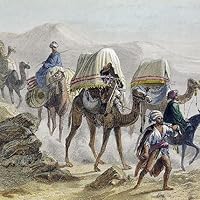
في فضاء واسع كالصحراء، و في أمكنتها البؤرية (الصخرة، الهاوية) أمكنة متفرّقة عدة، لا ينمو إلاّ الإحساس بالعزلة و الفردية... ففي الرواية الكثير من الدلائل التي تشير إلى أنّ الشخصيات تحاول، من خلال وجودها الفرديّ و عزلتها في الصحراء، أن ترتبط بالأرض ارتباطا رحميّا أشبه ما يكون الارتباط بالعودة إلى كهفية زمنيةـ مكانية، أي إن الشخصيات انفصلت عن الأم الأولى، ثم حاولت، من خلال السرد، العودة إلى ذلك الرحم، أعني الطبيعة، و هذه العودة بالضرورة عودة سيكولوجية
الناقد العراقي ياسين نُصير من دراسته حول : نزيف الحجر دراما الصحراء الذاتية
Ibrahim al-Koni (Arabic: إبراهيم الكوني) is a Libyan writer and one of the most prolific Arabic novelists. Born in 1948 in Fezzan Region, Ibrahim al-Koni was brought up on the tradition of the Tuareg, popularly known as "the veiled men" or "the blue men." Mythological elements, spiritual quest and existential questions mingle in the writings of al-Koni who has been hailed as magical realist, Sufi fabulist and poetic novelist. He spent his childhood in the desert and learned to read and write Arabic when he was twelve. Al-Koni studied comparative literature at the Maxim Gorky Literature Institute in Moscow and then worked as a journalist in Moscow and Warsaw. By 2007, al-Koni had published more than 80 books and received numerous awards. All written in Arabic, his books have been translated into 35 languages. His novel Gold Dust appeared in English in 2008.
الكتاب الثاني الذي اقراه لابراهيم الكوني هو كاتب من طراز خاص هو روائي الصحراء و الاساطير . الروايه لها ابعاد اسطوريه و قيم ومعاني روحية كثيرة حفل بها النص كانت لها القدرة علي الإستجابة لتأدية فعل الأسطرة المطلوب منه مثل الأيماء ، الحزن ، الهذيان ، اللحن ، الفضاء ، الخلاء ، الخفاء ، إني أعتقد أن إبراهيم الكوني روائي يتحرك من خلال أيدلوجية يؤمن بها وأفكار وقيم يتحرك من خلالها فالرواية بالنسبة له كما يقول " هي اللعنة والأثم والجنة المفقودة التي أفدناها بالخروج من الجنة ، واذا كانت الخطيئة هي قدر المبدع فإن الحرية لن تكون غنيمة تراجيدية
يبحث الإنسان عن الاستقرار.يبحث عن أرض صلبة يقف عليها و سقف متين يحتمي به . في الصحراء لا الأرض صلبة و لا السقف متين. في الصحراء الركون إلى الأرض موت و الحركة حياة. هكذا دأب أهل الصحراء على الترحال و تغيير الوطن بتغيّر الفصول. يقودهم في ذلك خبرة الأقدمين و الناموس. الرحيل هو الاستقرار. كأنهم يهربون من الموت بهروبهم من الأرض. هذه المرة سيختلف الحال..سيموت الزعيم الذي ما أراد يوما أن يكون زعيما..سيموت الزعيم الذي أراد أن يكون شاعرا..فقط. و سيبدأ بموته طقس ال تغيير. من سيخلف الزعيم و لا ولد له و لا ابن أخت( ابن الأخت إذا وجد هو المرشّح الأول للخلافة في ناموس قبائل الصحراء)؟؟ تحاور الكبار كثيرا و احتكموا في النهاية إلى رأي العراف. "اسئلوا الزعيم". نحرت القرابين و نامت العذراء عند ضريح الزعيم ليلة كاملة دهماء وحيدة. و عند الفجر بزغت النبوءات "امتلكتموني حيا .و سأمتلككم ميتا" . "تتركون ترابا و تهاجرون إلى تراب فلم المسير؟". هجعت القيبلة حيث أمرت النبوّة و بدأت فصلا جديدا يدعى فصل الاستقرار. و بدا البحث عن الماء..لكن الأرض تحتاج قربانا آخر ..تحتاج أن ترتوي لتُرويَ.. و حفر البئربدماء الحفار..و فزّ الماء دون توقّف..و نبتت الحياة على جنباته وامتدت و توسّعت..و أصبحت الحياة رطبة..و نديّة..و بنيت البيوت و الأسوار..و سميّ الوطن الجديد"واو الصغرى". يكتب ابراهيم الكوني الصحراء ..بعمقها و روحانياتها و ناموسها. لاسهل و لا بسيط في حياة الصحراء.و لا في لغة ابراهيم الكوني. يكتب فتغوص بعين خيالك في الامتداد الأصفر للصحراء..و تمتلأ بسحرها و عمقها . نصوص الكوني من القراءات التي تضيف إليك جدا..
تبدأ رواية واو الصغرى بوصول أسراب من الطيور المهاجرة للصحراء من أوطان الشمال واهل الصحراء يتفاءلون بقدومها ويخرجوا وراءها مسافات ايضاً عند هجرتها يبدأ احتفاء القبيلة بحلول الطير تغنى الشاعرات ويطلقن الزغاريد ابتهاجاً بهذا الحدث لكن تصاب القبيلة بالمسّ ويترنح النجع كله وتصيب حناجر الشاعرات بحة ويسكت الغناء
هذه المرة يكون قدوم الطائر يجلب النحس لانه طائر عجوز (( انطلق الطائر مسافة نحو وادي الرتم ، ارتفع إلى أعلى أشباراً وقطع إلى الأمام مسافة أشبار ، قبل أن يسقط أرضاً سقط سقطة مهينة فاندس منقاره النبيل في التراب )) وموت الطائر فأل سوء فهو يسبق موت زعيم القبيلة ، الذي بموته تحدث تغيرات جذرية وهامة في القبيلة
يتفق أكابر وحكماء القبيلة على بناء ضريح للزعيم و يعهد للعرافة مهمة صلة الوصل بينهم وبين الزعيم فيرفعوا لها السؤال الذي يحيرهم فتتوسد العرافة حجارة الضريح الليل كله لتأتيهم بوصية الزعيم في الصباح ضريح الزعيم يشدّ اهل القبيلة كوتد ويربطهم بالمكان .. فيتم العمل على حفر بئر للحصول على الماء وانعاش الزراعة والمحاصيل ، وبناء البيوت ، و تأتيهم القوافل والغرباء الذين يختاروا ديار الواحة للبقاء والإقامة فيها مقابل إتاوة موسمية ، وسنتّ شرائع تنظيم علاقتهم بالسكان الاصليين وتشهد تقاليدهم تحولات كبيرة منها التعامل بالمعدن المشئوم وهو العملات الذهبية وتطال التغيرات ايضاً النباتات الصحرواية والحيوانات والطيور المهاجرة التى تشبه حياتها حياة البشر الذين يهاجرون ويتطلعون للبحث عن موطن وأمل بحياة أفضل
حتى يأتي ذلك اليوم الذي يتجادل فيه اكابر القبيلة حول اسم الواحة ونيتهم في اطلاق اسم - واو الصغرى - عليها لكن أمّامّا المعمر يحذرهم بأن هذا الاسم يسلط عليكم سيف الزوال والفناء لوطنكم الجديد ويستلهم للواحة اسماً من المجهول هو - أرض الزعيم - فالزعيم هو أب الواحة ، الزعيم كان لميلادها سبباً ، هو صاحب الواحة لا يخفي الاكابر بهجتهم بالاسم ، لكن الاسم الذي تنقله القوافل للأوطان البعيدة هو اسم واو الصغرى :
الرواية ساحرة ، بلغتها ، وفلسفتها ، و الاجواء الصحراوية والاسطورية شخوصها : الزعيم و العراف ، أمّامّا و أغوللي ، المعمر و الحفار العاشق ، العرافة ، رائعة أخرى من روائع الكوني هذه الرواية خاصة لمن يحب أدب الكوني
This book is a treasure. The writing is so poetic that it took several sections before I realized (to my pleasant surprise) that there was a narrative story running through it. It felt great to be immersed in the world of New Waw--the nomads' society and their customs and beliefs. There's some anthropological interest here in that I knew nothing about the Tuaregs, but the portrait we're given is filtered through their mythology and to some extent (I expect) the authors' own fancy. I partly dove into Waw because its short length and short sections keep it from seeming daunting, but by the end I wished there was more (I believe another book by the author continues the story chronologically). Reading this makes me want to read more by Ibrahim al-Koni. More of his books should be translated and made available in English and more Anglophone readers should read him.
استرسل الكاتب في حديث شيق عن "طائر الغرنوق"، ذلك الطائر الذي يرى أهل الصحراء في عبوره علامة سماوية. كانت الأسراب تُحلق في فضاء أهل الخلاء بخفه، ثم يزداد تحليقها جاذبية، الى أن يتحول إلى هياج وجنون قبل أن تهبط على الأرض … فيتساءل إبراهيم الكوني بتساؤل يفوق جمال ذلك الطير حين قال: " هل التنازل عن مملكة السماء، واستبدالها بأحاضيضُ الأرض قاسٍ إلى هذا الحدّ؟ ".
طائر الغرنوق كان بمثابة محاكاة لأهل الصحراء في هذه الرواية .. وكأنه انعكاساً لهم. حيث الطائر لا يكف عن الهجرة، وأهل الصحراء لا يكفون عن البحث. اعتادوا على البحث المُضني عن شيء بعيد وغير ظاهر .. شيء حجبته الخلاء عنهم، فتاقوا لنيله طويلاً.
كما استرسل بالحديث عن السيل حين هجم كالمارد على الصحراء، وضرب بقوة وكأنه يأخذ القرابين منهم .. فهجرت القبائل منازلها وفرّت إلى الجبال. صمتوا طويلاً من هول السيل، ليتكلم هو بالنيابة عنهم طوال أيام مُتعاقبه.
رواية تعالى فيها الضجيج والصمت معاً، تنقّل الكاتب بين الشخوص بخفة الريح، وقصّ لنا حكاياتهم في العشق والصبر والخوف والانتظار الطويل. شخوص تمتهن قراءة النبوءات، وتقديم القرابين، ونحر الأضاحي، وبناء الأضرحة، وتعليق التمائم … والأكثر من هذا، إنهم يحسنون الجلوس طويلاً مأخوذين بصوت طائر الغرنوق الشجي وهو يغني .. تاركين خلفهم أغنامهم وليمة للذئاب، وإبلهم هاربه لأرض أخرى، وبيوتهم تلتهمها الريح.
Creo que me perdí un poco entre la arena y los espejismos.
La prosa de al-Koni es hermosa hasta el vómito. Es espléndida, cargada, refinada. Aporta a darle una sensación de misticismo a la narración y de nobleza a sus personajes, que, a final de cuentas, nos centramos en el líder de la tribu y sus ancianos. Acompañar a una nación nómada por el desierto me pareció interesantísimo y, para el final de la novela, da el giro que es la base para el resto de la trilogía, que me intriga. Por otro lado, al-Koni hace que su lector se pierda entre espejismos. Con ese estilo tan cargado, simbólico y metafórico hace que hable mucho y diga poco. Lo más probable es que sí diga mucho y es solo que yo soy tonto, pero hubo mucho que no entendí qué tenía de relevante. Y eso es mi principal problema con la novela. Se me hizo chicle.
First of all, this is amazing translation work. It came out lyrical and with the quiet magic of a good Garcia Marquez translation. The story itself is a complex metaphor, a myth, and a fatalistic warning. It will be interesting to see where the other two books go.
In Ibrahim al-Koni's novel, "The New Oasis," the sands shift beneath our feet as we explore the clash between tradition and change. Set against the vast backdrop of the Sahara Desert, the story centers on a Tuareg tribe forced to confront a new reality after the death of their leader.
The narrative unfolds within a deeply traditional society. The Tuareg, a nomadic people, have thrived for generations by following the ancient customs passed down through generations. This ingrained way of life dictates everything, from leadership roles to the very rhythm of their existence. The death of the leader, a man more comfortable composing poetry than wielding power, throws this tradition into disarray.
The tribal elders, clinging to tradition, thrust the mantle of leadership upon the deceased's heir, a man equally unsuited for the role. He embodies the artistic spirit, yearning for a life of poetry rather than the harsh realities of leadership. This internal conflict mirrors the larger struggle between tradition and the desire for a different path.
Adding another layer of complexity is the leader's love for a fellow poet. Their bond, forbidden by tradition, represents a yearning for personal fulfillment that clashes with societal expectations. The leader's forced choice between love and duty underscores the stifling nature of tradition, particularly for those who yearn for a life less dictated by custom.
The story takes a surprising turn when the leader's death seems to inspire a change within the tribe. They choose to abandon their nomadic lifestyle and settle down, forming a new community called New Waw, a name echoing the mythical Tuareg paradise. This shift can be seen as a symbolic rejection of the old ways, a yearning for a new beginning.
However, al-Koni doesn't offer a clear-cut resolution. Was the leader's death a catalyst for this change, or was it simply a convenient explanation for a pre-existing desire for a settled life? Furthermore, has the tribe truly embraced a new way of life, or are they simply recreating the old structures in a new location?
The desert itself serves as a powerful symbol throughout the novel. Its harshness and unforgiving nature are juxtaposed with the comfort and security of the oasis. The nomads' traditional way of life is intricately linked to the desert, raising questions about whether this drastic change can truly be permanent. Does the desert, with its inherent challenges and freedoms, still hold a pull for these newly settled people?
"The New Oasis" is a thought-provoking exploration of the human desire for stability versus the allure of the unknown. Al-Koni masterfully portrays the tensions between tradition and change, leaving readers to ponder the consequences of clinging to the past or embracing a new future. The story lingers long after the final page, prompting us to consider the choices we make and the weight of tradition in shaping our lives.
At the heart of the narrative is the unexpected death of the tribe's leader, which forces the tribe to confront a crossroads and a fork in the road. While some members yearn to continue their nomadic existence, others advocate for settling down and establishing a permanent community. This internal conflict mirrors the broader societal tensions between tradition and progress.
The novel's protagonist, a reluctant heir to the leadership, embodies the struggle between his personal desires and his tribal obligations. As he navigates the complexities of his new role, he grapples with the weight of tradition and the allure of a more settled life. Al Koni masterfully portrays the protagonist's internal turmoil, revealing the profound impact of societal expectations on individual choices.
The New Oasis also offers a poignant exploration of the relationship between humans and the natural world. The desert, once a symbol of freedom and adventure, becomes a source of both sustenance and constraint. The tribe's survival hinges on their ability to adapt to the harsh environment, while the encroachment of modernity threatens to disrupt their harmonious coexistence with nature.
Through vivid imagery and compelling characters, Al Koni paints a vivid picture of Tuareg culture and its rich traditions. He celebrates the beauty and resilience of the nomadic lifestyle while also acknowledging its challenges. The novel's exploration of the tension between tradition and modernity is both thought-provoking and timely, resonating with readers from all walks of life.
In conclusion, Ibrahim Al Koni's The New Oasis is a powerful and evocative novel that invites readers to consider the complex interplay between tradition and progress. By examining the experiences of a Tuareg tribe, Al Koni offers a universal exploration of identity, choice, and the enduring allure of the unknown.
المرة الأولى التي أقرأ فيها للكوني والثانية التي أقرأ فيها لأدباء ليبيين ، ولأنني من الصحراء وولائي لها ، فإن الفيض الفلسفي في واو الصغرى أخذني لأعيش وسط الصحراء الكبرى ، التسلسل المهيب من ورود الطيور التي سستبشر بها أهل الصحراء حتى تأسيس تان آمغار ، البحث عن الخصب في الخلاء بين السماء والأرض اللتين تجودان بهما ، معتقدات أهل الصحراء ونواميس الحياة الصحراوية الشيقة ، كل هذا أثار في نفسي هويتي الصحراوية .
تان آمغار لأن الترحال قدر أهل العبور، فإن الاستقرار في الأرض عنوان المعاناة وددت لو تواصلت الرواية أكثر، حتى يبين الكاتب سر تحذير الناموس من الالتصاق بالأرض...
تقوم أعمال "ابراهيم الكوني" بترجمة العوالم الميثولوجية ، و الفضاء الكوني بكل أبعاده المتجذرة بالطبيعه و الانسان و الحيوان . حيث تقوم النباتات و الظلال و الحيوانات بدور الكائنات الاجتماعية في حركة الوجود التي لم تتمخض عنها الحضارة بعد ، في بكارتها الأولى . "الكوني" يرفع الواقع الى مستوى الاسطورة فتغدو البلد الواقعية بلدا من خرافة . كما يستند الى لغة الكتب المقدسة و الملاحم الاسطورية العالمية . فتختلط و تتمازج الابعاد الارضية ، و الواقعية ، و السماوية ، الرمزية و الخرافية ... لغة ذات مستويات متعددة يتراكب فيها الوجودي و الصوفي و الإيمائي .
- بعض ما كتب في ("الحياة" اللندنية) عن "ابراهيم الكوني" .