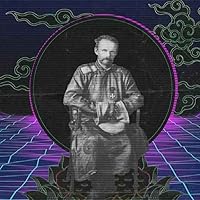
Initiation and Spiritual Realization is the closest thing to a work on 'spiritual direction' René Guénon ever wrote, touching as it does upon such vital topics as the transmission of initiatic grace, the various types and functions of the spiritual master, obstacles the aspirant is likely to encounter, different modes of contemplation, and the degrees of spiritual realization. A companion volume to Perspectives on Initiation, where Guénon had defined the nature of initiation and of the organizations qualified to transmit it, Initiation and Spiritual Realization was the first thematic collection of Guénon's articles to appear after his death. And one doctrine expressed in this book stands out as particularly that esoterism is not and cannot be a religion in itself, since to take it as such is to reduce it to an 'alternative' exoterism, and a heterodox one at that. Initiatic esoterism can only be legitimately and effectively practiced within the context of one of the established, revealed religions.
René Guénon (1886-1951) was a French author and intellectual who remains an influential figure in the domain of sacred science,traditional studies, symbolism and initiation.
A follow up to "Perspectives on Initiation" in which many issues are answered. A most welcome posthumous collection of articles. Although the article on conversions is one of the weirdest things I have read by Guénon...
Guenon's second book dealing specifically with the topic of initiation. We read Perspectives on Initiation last year, but would recommend others reading this one first!! Initiation and Spiritual Realization seemed to us to deal with a lot more of the topics relating to the mechanics and logic behind how initiation actually functions, whereas Perspectives on Initiation seemed more like a lot of topical rebuttals, and like.. quibbling about free masons and such. This text was a lot more helpful in getting to understand what initiation is and why it is important in the larger picture of proper hominid social functioning, the receding of initiation and the implications that has for involution, and how one might productively think about initiation in our present Kali circumstances. We'll plan to go back and revisit Perspectives on Initiation now that we've read Initiation and Spiritual Realization, and we expect to get a lot more out of the former now, with this chronologically later work in mind!
This is a great book about initiation and realization from the Perennialist perspective written by Rene Guenon, the original expounder of the Traditionalist movement. The author clarifies the meaning and application of initiation, defining initiation primarily as the transmission of spiritual influence. He also spends a lot of time to purify and separate it from false conceptions and connotations commonly attached to it as a result of a modern scholarship devoid of traditional commitment and metaphysical insight. The content is invaluable in its rigorous and objective treatment of initiation and spiritual realization as is common in all authentic spiritual traditions. The author himself being a spiritual master approaches the topic both with rigorous scholarship and with a deep and intuitive understanding of the traditional and spiritual significance of initiation, for he himself traversed the initiatic path and its hierarchical degrees. I do recommend this book along with Guenon's "Perspectives on Initiation" for anyone seriously interested in spiritual realization.
Gli argomenti trattati in questo insieme, separati da capitoli, sono abbastanza eterogenei tra loro. Vengono prese in esame 32 questioni legate al mondo della tradzione. L’interesse per alcuni temi trattati è molto alto, da parte mia, per altri invece ho fatto semplicemente fatica a “capire” quel che stavo leggendo. Il capitolo che mi è rimasto più impresso è La consuetudine contro la tradizione. Da quando l’ho letto cerco di usare la parola consuetudine laddove oggi si usa senza scrupolo la parola tradizione o tradizionale in qualsiasi ambito. Altri titoli che ho trovato particolarmente interessanti, perchè hanno in qualche modo chiarito curiosità e dubbi che avevo latenti : Necessità dell’exoterismo tradizionale, Sulla “glorificazione del lavoro”, Cerimonialismo ed estetismo, Follia apparente e saggezza nascosta, Il travestimento “popolare”.
citazione :
“ Se si vuole costruire un edificio bisogna prima d’ogni altra cosa prepararne le fondamenta; sono queste la base indispensabile sulla quale poggerà tutto l’edificio, comprese le sue parti più elevate, ed esse lo rimarranno sempre, anche quando l’edificio sarà terminato. ”
Like Perspectives on Initiation, this posthumous work of miscellaneous Guenon essays serves to broaden knowledge on the metaphysics of the initiatic process and the litany of contemporary errors on the subject. Much of the book serves as preparation for the last few chapters, which are relatively dense and draw from a number of different traditional forms, especially esoteric Islam.
By no means required reading, but if you're really into Traditionalism there is a bit to be learned here.
Il s'agit d'un recueil posthume de petits textes écrits par Guénon. La critique de la mentalité occidentale moderne se fait répétitive, mais les 5 derniers chapitres gagneraient à eux seuls la note de 5 étoiles pour le livre entier. Chapitres fortement recommandés: 10, 22, 23, 28-32.