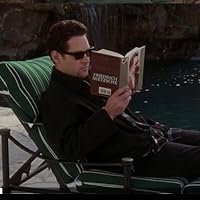
Pablo Neruda, born Ricardo Eliécer Neftalí Reyes Basoalto in 1904 in Parral, Chile, was a poet, diplomat, and politician, widely considered one of the most influential literary figures of the 20th century. From an early age, he showed a deep passion for poetry, publishing his first works as a teenager. He adopted the pen name Pablo Neruda to avoid disapproval from his father, who discouraged his literary ambitions. His breakthrough came with Veinte poemas de amor y una canción desesperada (Twenty Love Poems and a Song of Despair, 1924), a collection of deeply emotional and sensual poetry that gained international recognition and remains one of his most celebrated works. Neruda’s career took him beyond literature into diplomacy, a path that allowed him to travel extensively and engage with political movements around the world. Beginning in 1927, he served in various consular posts in Asia and later in Spain, where he witnessed the Spanish Civil War and became an outspoken advocate for the Republican cause. His experiences led him to embrace communism, a commitment that would shape much of his later poetry and political activism. His collection España en el corazón (Spain in Our Hearts, 1937) reflected his deep sorrow over the war and marked a shift toward politically engaged writing. Returning to Chile, he was elected to the Senate in 1945 as a member of the Communist Party. However, his vocal opposition to the repressive policies of President Gabriel Gonzalez Videla led to his exile. During this period, he traveled through various countries, including Argentina, Mexico, and the Soviet Union, further cementing his status as a global literary and political figure. It was during these years that he wrote Canto General (1950), an epic work chronicling Latin American history and the struggles of its people. Neruda’s return to Chile in 1952 marked a new phase in his life, balancing political activity with a prolific literary output. He remained a staunch supporter of socialist ideals and later developed a close relationship with Salvador Allende, who appointed him as Chile’s ambassador to France in 1970. The following year, he was awarded the Nobel Prize in Literature, recognized for the scope and impact of his poetry. His later years were marked by illness, and he died in 1973, just days after the military coup that overthrew Allende. His legacy endures, not only in his vast body of work but also in his influence on literature, political thought, and the cultural identity of Latin America.
Pablo's love for Matilde Urrutia was undoubtedly the deepest and longest-lasting of his life. From 1949 until the poet's death in 1973, they shared a quarter of a century together, moving from the passion of the early years to the calm, mature love of later life. Together they built a life they loved. Matilde was his redhead, his "perrita", as he affectionately called her. She inspired some of his most beautiful love poems, Los versos del capitán and Cien sonetos de amor. For a time, their love had to remain secret because Pablo Neruda was married. Between political secrecy and a hidden love affair, life was not easy for them, but their bond proved unbreakable.
Pablo's letters were written in a rush. They contain beautiful words, but also clichés, spelling mistakes and, at times, little notes scribbled on hotel stationery, old envelopes and whatever paper happened to be available. They are not the best love letters I have ever read, but perhaps they are the most spontaneous, and that is what makes them feel so genuine.
I read a bilingual Portuguese-Spanish edition. The letters in Spanish are facsimiles of the originals. The book also contains an excellent introduction and very helpful notes. Without them, the reading experience would have been much more difficult, especially since many of the letters are undated and contain references to people and political and literary events I knew little about. Publishing the book in a bilingual edition was an excellent decision. Some passages work much better in Spanish. In Portuguese, they can sometimes sound a little awkward, but in Spanish they feel perfectly natural. I was fortunate enough to be able to read them in the original language.
This couple had a great desire to have children. Matilde became pregnant several times but sadly lost every baby. While they were in Capri, she received confirmation of a new pregnancy. They were overjoyed and decided to ask the Moon to marry them, because their love was still secret and it was not possible for them to marry openly on Earth.
Many years later, in the autumn of 1966, after the death of the woman to whom Pablo was still legally married, they were finally able to have a civil wedding. But that night in Capri could never be repeated. It remained uniquely theirs, preserved forever in their memories.
Letter from Pablo Neruda to Matilde from Capri (1952):
"You are my home, my country, the center of my life. Without you, these islands are nothing but stone and wind."
Is there anything more beautiful a man could say to a woman?
I will continue reading Pablo Neruda and his poetry. I will read it in Spanish. Oh, Don Pablito, what a poet you were, and you, Matilde, were the woman who changed your "maridito"'s life for the better. I loved getting to know this couple, who together reached heaven on earth with heart, love, body and soul. Thank you, Matilde and Pablo, for making me believe that, somewhere between jealousy, tenderness and joy, love can last until death.
carece por completo de lo que yo pensaba que tendría de sobra, "amor". Insistente, dependiente, infantil y egoísta. Podría haber disfrazado todos sus defectos con una prosa un poco más romántica en sus cartas. Increíblemente decepcionante.
Páginas que sólo te llevan a desear ser la 'perra' de alguien. Un amor que comenzó de una forma negativa (como unos cuernos) termina siendo la razón de vida de Neruda hasta su lecho de muerte.
Esto te pone a pensar: ¿hay reglas para esto? A veces el verdadero amor (ese que te domestica) llega a destiempo. A veces hiere a personas muy valiosas, pero a veces - en casos muy específicos - termina valiendo la pena. La vida es muy corta para no pasarla con quién te da la gana.
Pablo, aún cuando no te seguiré los pasos, me hiciste querer ser la Pantoja de mi esposo. Alguien que despierte en él ese sentido de humor negro, tan lleno de confianza, sensualidad y complicidad.
Y lo grande - y lo hermoso - es que escribiste estas cartas sin querer publicarlas. Tan sólo eras tú, la tinta y tu Matilde.
Encontré este libro de pura casualidad en una librería. De esos que se encuentran años en las estanterías, con uno o dos observadores al paso. Mi novio insistió en llevármelo y que privilegio tuve, un amor así no se contempla en todas las flores. Pablo Neruda mostró su más filo hilo íntimo de cariño, admiración y amor por Matilde, la mujer del color. La belleza del mar, de la luna, de la casa, del día a día, enriquecen su obra. Este libro es vida en todos sus pilares y pese a las dicultadades políticas y sociales de aquellos años en aquellas tierras, nos da la certeza de que cuando late el corazón con firmeza y fuerza por aquel nombre que los pájaros recitan en noches de sol, vale la espera para el encuentro. Vale el amor. 💌
"Amor mío, esta no es una carta sino un beso. Te lo doy a través de la tierra y seguiré besándote a través del mar. Tuyo."
Cartas de Amor é uma uma janela aberta para a relação de Pablo e Matilde. Para as preocupações e necessidades de um romântico apaixonado, de um romance clandestino, da necessidade de outrem. Neruda escreve para a sua musa, seu amor, com a beleza de um poeta no seu quotidiano intenso. Esta edição está belíssima, com imagens das cartas, escritas em diversos papéis, demonstrando as viagens de Pablo pelo mundo e diferentes hotéis, com as suas deambulações e ilustrações. Uma leitura perfeita para qualquer romântico (como eu).
Es precioso poder ver el amor de Neruda y Matilde a través de las cartas de este. El apelativo "perra" me ha parecido muy curioso y a la vez bonito al entender que era por el amor tan profundo que le tenía a los perros. Además, hay frases preciosas que el poeta dedica a Matilde y me siento afortunada por haber podido leerlas.
Uma leitura mais leve do que pensei. Bom para conhecer melhor a parte pessoal do autor, as vivências com a sua última esposa. Um amor muito atribulado que desconhecia. Bons registos das cartas enviadas, lamento que não tivesse também as cartas de resposta.
“Juntos somos lo que la gente pobre no alcanza jamás: el cielo en la tierra. Te aprieto a mi corazón, amor mío, con cuerpo alma y amor.” Es un libro con una hermosa edición , sin duda todas las cartas son muy lindas. Con momentos más memorable que otros. Dejando claro un amor que permaneció oculto de la mayoría pero que finalizó por hacerse público. En este libro nos encontramos con como fue la vida de Neruda y Urrutia desde cuándo se conocieron hasta la muerte del escritor. Es interesante todo el contenido de las cartas. Los lugares a los que viajaron , los compromisos del escritor por Europa y la entonces URSS. También las diferentes momentos en los cuales el aprovechaba para enviarle un mensaje fueron interesantes , cada momento libre que tenía lo aprovechaba. Me gustó hubo cartas que me gustaron más que otras. Es un libro que si te interesa saber acerca de este romance y de cómo fueron viviendo, encontrandose ,etc. te puede llegar a interesar.
Me encantan las cartas de amor, más si me cuentan de amores prohibidos, si se escriben con poesía y se atraviesan el tiempo. Es un libro para los lectores que amamos a Neruda.
"Me he dedicado a largos exámenes médicos, ayer me examinaron cinco profesores a la vez. No sé hasta ahora su diagnóstico, por mi parte sé que tú me faltas y esa es una enfermedad grave."
Más bien se trata de una especie de fetiche para los fanáticos del autor. Yo, desconocedor de su biografía, no he disfrutado de la lectura; quizá si hubiese tenido más información sobre ellas podría haberlas leído con más gusto.
Asimismo, se podría pensar que un autor famoso por su obra de gran sensibilidad, haría de una carta de amor un pequeño pedazo de poesía romántica. Sin embargo, es un compendio vacío, que no aporta nada y que resulta incluso insulso.
Solo recomiendo poseer esta obra como coffee table book que poner en el salón para que tus invitados ojeen mientras están esperándote.
It is very interesting to see the development of this relationship, a love story that will endure until Neruda's death. The informality and inspiration of many of these little letters and notes is touching. Besides constituting the love letters of ne of the geatest poets of the 20th century, these are also a valuable tool for his biography.