

What do you think?

Rwanda: écrire par devoir de mémoire
The Shadow of Imana: Travels in the Heart of Rwanda
Reflections on the Rwandan Genocide Along with nine other African Writers, Veronique Tadjo was invited to visit Rwanda to bear witness to the genocide that took place in 1994 - wiping out one million Tutsis and moderate Hutus during a hundred days of barbaric violence. A poet and a storyteller, the author consistently achieves the right tone that challenges our preconceptions. From the unexpurgated story of a young woman reliving the horrors of the massacre to dialogues between strangers meeting across the past, and finally to her own reflections. Her prose alternates between raw and poetic, but always remains discreet, respectful and dignified. The one thing that comes through her narrative voice is a ray of hope. The translator Veronique Wakerley lectures in French at the University of Zimbabwe and is particularly interested in the literature of the first part of the twentieth century.
119 pages, Paperback
First published August 31, 2000
About the author
Véronique Tadjo
78 books62 followersVéronique Tadjo (born 1955) is a writer, poet, novelist, and artist from Côte d'Ivoire. Having lived and worked in many countries within the African continent and diaspora, she feels herself to be pan-African, in a way that is reflected in the subject matter, imagery and allusions of her work.
Born in Paris, Véronique Tadjo was the daughter of an Ivorian civil servant and a French painter and sculptor. Brought up in Abidjan, she travelled widely with her family.
Tadjo completed her BA degree at the University of Abidjan and her doctorate at the Sorbonne in African-American Literature and Civilization. In 1983, she went to Howard University in Washington, D.C., on a Fulbright research scholarship.
In 1979, Tadjo chose to teach English at the Lycée Moderne de Korhogo (secondary school) in the North of Côte d'Ivoire. She subsequently became a lecturer at the English department of the University of Abidjan until 1993.
In the past few years, she has facilitated workshops in writing and illustrating children's books in Mali, Benin, Chad, Haiti, Mauritius, French Guyana, Burundi, Rwanda and South Africa.
She has lived in Paris, Lagos, Mexico City, Nairobi and London. Tadjo is currently based in Johannesburg, where since 2007 she has been head of French Studies at the University of the Witwatersrand.
Tadjo received the Literary Prize of L'Agence de Cooperation Culturelle et Technique in 1983 and the UNICEF Prize in 1993 for Mamy Wata and the Monster, which was also chosen as one of Africa's 100 Best Books of the 20th Century, one of only four children's books selected. In 2005, Tadjo won the Grand prix littéraire d'Afrique noire.
(from Wikipedia)
Born in Paris, Véronique Tadjo was the daughter of an Ivorian civil servant and a French painter and sculptor. Brought up in Abidjan, she travelled widely with her family.
Tadjo completed her BA degree at the University of Abidjan and her doctorate at the Sorbonne in African-American Literature and Civilization. In 1983, she went to Howard University in Washington, D.C., on a Fulbright research scholarship.
In 1979, Tadjo chose to teach English at the Lycée Moderne de Korhogo (secondary school) in the North of Côte d'Ivoire. She subsequently became a lecturer at the English department of the University of Abidjan until 1993.
In the past few years, she has facilitated workshops in writing and illustrating children's books in Mali, Benin, Chad, Haiti, Mauritius, French Guyana, Burundi, Rwanda and South Africa.
She has lived in Paris, Lagos, Mexico City, Nairobi and London. Tadjo is currently based in Johannesburg, where since 2007 she has been head of French Studies at the University of the Witwatersrand.
Tadjo received the Literary Prize of L'Agence de Cooperation Culturelle et Technique in 1983 and the UNICEF Prize in 1993 for Mamy Wata and the Monster, which was also chosen as one of Africa's 100 Best Books of the 20th Century, one of only four children's books selected. In 2005, Tadjo won the Grand prix littéraire d'Afrique noire.
(from Wikipedia)
Ratings & Reviews
Friends & Following
Create a free account to discover what your friends think of this book!
Community Reviews
Displaying 1 - 27 of 27 reviews

December 13, 2018
NESSUN TESTIMONE DEVE SOPRAVVIVERE
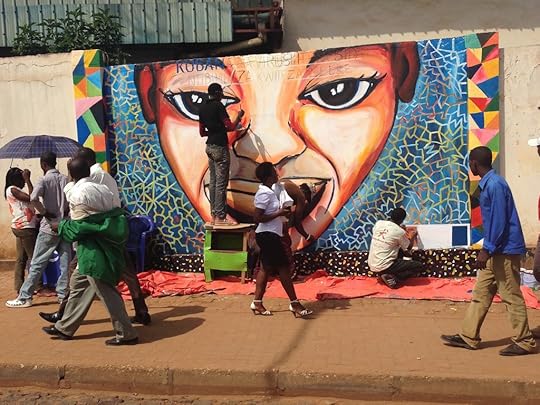
Qui e a seguire opere dello street artist rwandese Bonfils Ngabonziza.
Anche queste scarse cento pagine di Véronique Tadjo sono frutto del progetto collettivo “Écrire par devoir de mémoire” come Murambi, il libro delle ossa di Boubacar Boris Diop, Il grande orfano di Tierno Monénembo, Mietitura di teste di Abdourahman Waberi (gli altri testi tradotti in italiano che conosco): il festival Fest’Africa invitò nel 1998 una dozzina di artisti africani, tra cui il cineasta del Ciad Koulsy Lamko, a soggiornare in Rwanda, entrare in contatto con la realtà del post genocidio dei tutsi, e produrre un’opera entro un lasso di tempo (un anno dopo).

Véronique Tadjo è l’incarnazione vivente del panafricanismo: figlia di un diplomatico della Costa d’Avorio e di madre francese, è nata a Parigi, cresciuta ad Abidjan, la capitale della Costa d’Avorio, è tornata a studiare nella capitale francese, e poi ha vissuto e lavorato in varie città e nazioni africane: al momento del primo viaggio in Rwanda, 1998, viveva in Sud Africa, e per recarsi nel più piccolo paese dell’immenso continente nero, non trovando un volo diretto, opta per il percorso aereo Johannesburg-Parigi-Bruxelles-Kigali, con corsa tra un terminal e l’altro, smarrimento del bagaglio.
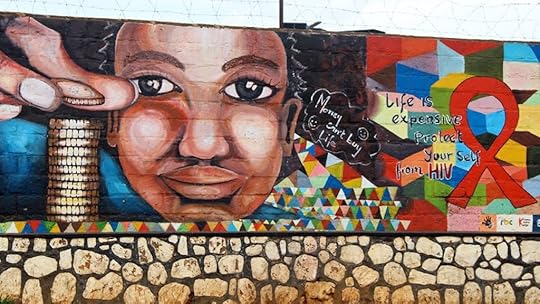
I viaggi in Rwanda sono stati due. Nel corso dei quali, oltre il tour dei luoghi del genocidio, gli incontri con sopravvissuti e carcerati, con vittime e carnefici, le testimonianze, Tadjo ha tenuto seminari di scrittura e disegno per ragazzi.
Alla fine è nato questo breve testo, sospeso tra prosa e poesia, tra testimonianza diretta e narrata, tra finzione letteraria e documento, nel tentativo di mescolare il ricordo alla vita, di integrare la memoria all’esistere.

Sì, sono andata in Ruanda ma il Ruanda è anche a casa mia. I rifugiati si trovano in tutto il mondo. E io ho paura quando a casa sento parlare di appartenenza, di non-appartenenza. Dividere. Creare stranieri. Inventare l’idea del rigetto. Come si impara l’identità etnica? Da dove emerge questa paura dell’Altro che porta con sé la violenza? Dove sono nascosti i semi dell’odio?
PS
Aucun témoin ne doit survivre. Le génocide au Rwanda è il documento prodotto da Alison Des Forges per Human Rights Watch e pubblicato dall’editore francese Karthala nel 1999, quasi mille pagine che rappresentano probabilmente la ricerca più completa ed esauriente sul genocidio dei tutsi.
PS
Imana è l’Essere Supremo, è Dio.
Un proverbio rwandese dice che anche se passa le sue giornate altrove, Dio ritorna ogni notte a dormire sulle colline del Rwanda: il 6 aprile 1994 la notte è scesa così velocemente che Dio non ce l’ha fatta a tornare in Rwanda e ha lasciato il paese nelle mani del diavolo per i cento giorni a venire. Così si legge in La morte non mi ha voluta di Yolande Mukagasana.
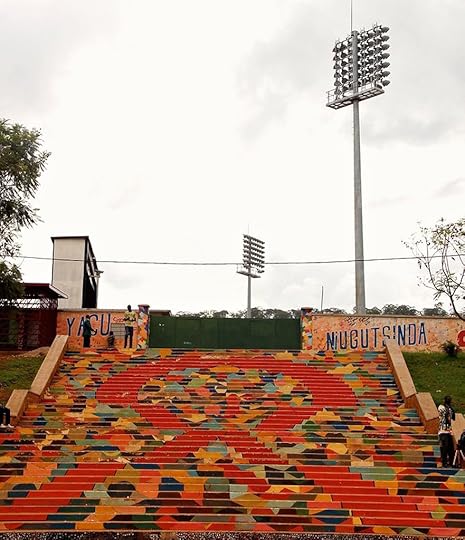
Qui e a seguire opere dello street artist rwandese Bonfils Ngabonziza.
Anche queste scarse cento pagine di Véronique Tadjo sono frutto del progetto collettivo “Écrire par devoir de mémoire” come Murambi, il libro delle ossa di Boubacar Boris Diop, Il grande orfano di Tierno Monénembo, Mietitura di teste di Abdourahman Waberi (gli altri testi tradotti in italiano che conosco): il festival Fest’Africa invitò nel 1998 una dozzina di artisti africani, tra cui il cineasta del Ciad Koulsy Lamko, a soggiornare in Rwanda, entrare in contatto con la realtà del post genocidio dei tutsi, e produrre un’opera entro un lasso di tempo (un anno dopo).
Véronique Tadjo è l’incarnazione vivente del panafricanismo: figlia di un diplomatico della Costa d’Avorio e di madre francese, è nata a Parigi, cresciuta ad Abidjan, la capitale della Costa d’Avorio, è tornata a studiare nella capitale francese, e poi ha vissuto e lavorato in varie città e nazioni africane: al momento del primo viaggio in Rwanda, 1998, viveva in Sud Africa, e per recarsi nel più piccolo paese dell’immenso continente nero, non trovando un volo diretto, opta per il percorso aereo Johannesburg-Parigi-Bruxelles-Kigali, con corsa tra un terminal e l’altro, smarrimento del bagaglio.
I viaggi in Rwanda sono stati due. Nel corso dei quali, oltre il tour dei luoghi del genocidio, gli incontri con sopravvissuti e carcerati, con vittime e carnefici, le testimonianze, Tadjo ha tenuto seminari di scrittura e disegno per ragazzi.
Alla fine è nato questo breve testo, sospeso tra prosa e poesia, tra testimonianza diretta e narrata, tra finzione letteraria e documento, nel tentativo di mescolare il ricordo alla vita, di integrare la memoria all’esistere.
Sì, sono andata in Ruanda ma il Ruanda è anche a casa mia. I rifugiati si trovano in tutto il mondo. E io ho paura quando a casa sento parlare di appartenenza, di non-appartenenza. Dividere. Creare stranieri. Inventare l’idea del rigetto. Come si impara l’identità etnica? Da dove emerge questa paura dell’Altro che porta con sé la violenza? Dove sono nascosti i semi dell’odio?
PS
Aucun témoin ne doit survivre. Le génocide au Rwanda è il documento prodotto da Alison Des Forges per Human Rights Watch e pubblicato dall’editore francese Karthala nel 1999, quasi mille pagine che rappresentano probabilmente la ricerca più completa ed esauriente sul genocidio dei tutsi.
PS
Imana è l’Essere Supremo, è Dio.
Un proverbio rwandese dice che anche se passa le sue giornate altrove, Dio ritorna ogni notte a dormire sulle colline del Rwanda: il 6 aprile 1994 la notte è scesa così velocemente che Dio non ce l’ha fatta a tornare in Rwanda e ha lasciato il paese nelle mani del diavolo per i cento giorni a venire. Così si legge in La morte non mi ha voluta di Yolande Mukagasana.

January 1, 2021
"Josephine n’a pas voulu me dire si elle était hutue ou tutsie. J’ai eu honte de le lui avoir demandé. (...).
"Aujourd’hui, ce qui m’importe, c’est de ne plus avoir peur pour mes enfants, pour ma famille. Vivre en paix car le Rwanda est mon pays, ma patrie. Le plus dur, c’est quand on pense à tous ceux qui sont morts et que l’on ne reverra plus jamais. C’est dur même si on n’a perdu personne car c’est un deuil collectif qui restera sans doute en nous jusqu’à la fin de notre vie. Mais peut-être que nos enfants, eux, pourront vivre en liberté, sans peur. Eux, ils pourront peut-être revivre.” (from the chapter Le deuxième voyage).
A very difficult read. I too have visited Rwanda. Two decades after the genocide, life seemed to flow normally in the streets of Kigali, industrious men and women going about their life. At the hotel des Mille Collines, some young people were swimming in the pool and drinking coke. But coming from other parts of the continent, I could feel the silence, the hidden grief walking in the street, the eyes glazed, the curiosity subdued.
I have read a lot about the 1994 genocide, but every single page of this book tears at the heart. The author sees with her eyes and heart and keeping anonymity, recounts the visions of horror, of betrayal and hatred, of murder, fear and anger of many individuals. She also however adds rays of light, of humanity reborn, of small actions of love, forgiveness, compassion.
Almost 27 years on, the healing is still ongoing. Some say not enough was done to reconcile and conciliate, no justice was had, and that regret resentment and mourning are still poisoning the lives of many individuals, but hope has to prevail for the many new born after 1994. I remember my guide telling me please not to use the words Hutu and Tutsi, but to use the word Rwandan. Not easy to forget for any of us who stood looking on in 1994. The progress of this small country is promising as are their new hopeful and increasingly educated and entrepreneurial generations. But will it be enough?
PS. I have just read this article on the Guardian https://www.theguardian.com/world/202...
Why are European nations so intent in trying to excuse their failings?
"Aujourd’hui, ce qui m’importe, c’est de ne plus avoir peur pour mes enfants, pour ma famille. Vivre en paix car le Rwanda est mon pays, ma patrie. Le plus dur, c’est quand on pense à tous ceux qui sont morts et que l’on ne reverra plus jamais. C’est dur même si on n’a perdu personne car c’est un deuil collectif qui restera sans doute en nous jusqu’à la fin de notre vie. Mais peut-être que nos enfants, eux, pourront vivre en liberté, sans peur. Eux, ils pourront peut-être revivre.” (from the chapter Le deuxième voyage).
A very difficult read. I too have visited Rwanda. Two decades after the genocide, life seemed to flow normally in the streets of Kigali, industrious men and women going about their life. At the hotel des Mille Collines, some young people were swimming in the pool and drinking coke. But coming from other parts of the continent, I could feel the silence, the hidden grief walking in the street, the eyes glazed, the curiosity subdued.
I have read a lot about the 1994 genocide, but every single page of this book tears at the heart. The author sees with her eyes and heart and keeping anonymity, recounts the visions of horror, of betrayal and hatred, of murder, fear and anger of many individuals. She also however adds rays of light, of humanity reborn, of small actions of love, forgiveness, compassion.
Almost 27 years on, the healing is still ongoing. Some say not enough was done to reconcile and conciliate, no justice was had, and that regret resentment and mourning are still poisoning the lives of many individuals, but hope has to prevail for the many new born after 1994. I remember my guide telling me please not to use the words Hutu and Tutsi, but to use the word Rwandan. Not easy to forget for any of us who stood looking on in 1994. The progress of this small country is promising as are their new hopeful and increasingly educated and entrepreneurial generations. But will it be enough?
PS. I have just read this article on the Guardian https://www.theguardian.com/world/202...
Why are European nations so intent in trying to excuse their failings?

January 3, 2021
This is a moving meditation on the Rwandan genocide by renowned African writer Veronique Tadjo. The book isn't a historical book on the genocide but rather a collection of impressions and testimonies about the genocide which Tadjo pulled together from two trips she made to the country. They are an assemblage of snippets of people's life stories, interviews and Tadjo's own reflections, all poetically rendered. The overarching feeling is of a book that portrays the deep imprints left by the genocide on people and Rwandan society. Tadjo skilfully manages to navigate the contentiousness around the memory of the Rwandan genocide by giving voice to a host of individuals without putting clear labels or categories on them, thereby underscoring a situation of shared trauma. The book is a haunting tribute to the victims of the genocide.

December 17, 2013
«Sì, ricordare. Testimoniare. È quanto ci resta per combattere il passato e ripristinare la nostra umanità.»
«Non abbiate paura di sapere», dice una sopravvissuta. E dunque non abbiate paura, informatevi, anche se, come tutti i genocidi, quello in Ruanda del 1994 è stato terribile e le cose che si vengono a sapere dai sopravvissuti sono agghiaccianti. Ma bisogna ricordare, bisogna testimoniare, perché possiamo riavere indietro la nostra umanità e perché certe cose non si ripetano più. Perché, dice Véronique Tadjo, quanto è successo in Ruanda ci riguarda tutti, e non intende certo che riguarda tutti in quanto africani (l’autrice è ivoriana), ma riguarda tutti noi in quanto esseri umani.
Insieme ad altri scrittori, Tadjo è stata invitata in Ruanda nel 1998, solo 4 anni dopo il genocidio, nell’ambito del progetto collettivo “Rwanda: écrire par devoir de mémoire” (“Ruanda: scrivere per dovere di memoria”), organizzato dal festival Fest’Africa. Da quell’esperienza (è stata due volte in Ruanda) ha tratto questo libro, scritto nel 2000 e tradotto in italiano nel 2005 da Ilisso come L'ombra di Imana.
All’inizio del libro l’autrice parla di quello che vede, dice che il Ruanda sembra un paese come tanti altri, che appena arrivata non vede niente di strano, tutto sembra normale. Ma poi fa parlare i protagonisti della Storia, dai sopravvissuti ai carnefici ai testimoni a chi non c’è stato in quel terribile periodo. Come Karl, proveniente da un paese non meglio specificato, sposato con una ruandese, che proprio poco prima del genocidio era andato nel suo paese d’origine a trovare la famiglia, e in seguito ha perso di vista la sua famiglia ruandese, moglie e figli, per poi ritrovarli dopo un po’ di tempo in un campo profughi. La moglie è malata, non vuole che il marito la tocchi, e dagli esami si scoprirà che ha l’AIDS, contratto dopo essere stata violentata a turno da soldati Hutu in cambio della vita dei figli. Come Tonia Locatelli, infermiera italiana che ha denunciato l’inizio delle violenze e poco dopo è stata trovata assassinata.
Perché le violenze in Ruanda sono state violenze di stato, la radio diffondeva messaggi di odio e incitava a uccidere. Agli Hutu sono stati regalati soldi, armi e alcool e sono stati incoraggiati a uccidere. Ai Tutsi veniva detto di rifugiarsi nelle chiese, nei luoghi pubblici, dove sarebbero stati protetti, e invece proprio lì venivano massacrati a decine di migliaia. Secondo stime ruandesi ufficiali, i morti sono stati 1.174.000 in 100 giorni, mentre altre fonti parlano di 800.000 vittime. In ogni caso numeri impressionanti in un arco di tempo tutto sommato brevissimo, poco più di tre mesi. Alcuni di questi, pare il 20%, erano Hutu, perché anche chi si opponeva al genocidio veniva ucciso proprio come i Tutsi.
Una delle cause del genocidio, riporta Tadjo, fu che i Tutsi non erano considerati provenienti dall’Africa Centrale, bensì dall’Etiopia. Non esistono prove di questa teoria, ma durante il genocidio molti morti furono gettati nelle acque del fiume Kagera «perché tornassero in Etiopia».
Il governo lanciò una campagna di disinformazione, sostenendo che si trattava di esplosioni di violenza tribale. Molti credettero a queste false informazioni, soprattutto fuori dal Ruanda, perché i modi dei governanti Hutu erano così gentili ed eleganti che sembrava impossibile credere che volessero davvero porre in atto qualcosa di così terribile come un genocidio. Inoltre, nello stesso periodo in Sudafrica Nelson Mandela veniva eletto presidente, e l’attenzione del mondo era focalizzata su questo evento, sulla fine dell’apartheid. Ci fu un intervento della Francia, che però consentì a molti Hutu responsabili delle violenze di scappare servendosi dei corridoi umanitari.
La memoria è importante. È quanto abbiamo di più prezioso e dobbiamo fare in modo di tenerla viva. Questi fatti sono avvenuti appena 30 anni fa, ce ne dobbiamo ricordare tutti i giorni della nostra vita affinché non accadano mai più, così come ci dobbiamo ricordare degli altri genocidi del Novecento. Per questo vi consiglio con forza di leggere questo libro, che tra l’altro è molto breve e, a parte alcuni passaggi, nemmeno particolarmente crudo rispetto a tanta letteratura sul genocidio. Alcuni passaggi, sì, sono molto molto forti. Ma è un libro che va letto e vi esorto, tutti, a farlo.

December 9, 2015
As part of the initiative "Rwanda: writing as a duty to memory" 10 African authors travelled to Rwanda in 1998 to put the memories in writing and explore how genocide happens - and unavoidably how it affect everyone. Tadjo is a poetic writer, so this is prose pieces, impressions, personal stories and thought pieces - and this little book does a great job of putting pieces together and even though the picture it paints is one of terror & atrocities, it is still an important endeavour. It is also a very readable book: It does not wallow in the horrible suffering. In topic and in part in presentation it reminds me of Svetlana Alexievich's Voices from Chernobyl: The Oral History of a Nuclear Disaster Both are oral histories of terrible times - but they are also different: Voices of Chernobyl is a lot more journalistic and presents the stories or the truths that the people involved can bear to tell (harsh but very well done). Tadjo used other means, a more poetic way of conveying the stories, and actively reflects on the situation and how life can go on afterwards.

January 8, 2021
Observations et réflexions intéressantes sur le génocide au Rwanda et son impact immédiat sur la société rwandaise par l'auteure ivoirienne Véronique Tadjo, quelques années seulement après les évènements, ce qui permet d'avoir un regard sur une société en pleine mutation.
Le livre commence de façon hésitante, comme un journal de voyage, une série d'observation avec des courtes phrases en staccato. Ce n'est que quand Tadjo commence a raconter les histoires des personnes qu'elle rencontre, que son style et son talent entrainent le lecteur dans les vies brisées par la cruauté.
Le livre commence de façon hésitante, comme un journal de voyage, une série d'observation avec des courtes phrases en staccato. Ce n'est que quand Tadjo commence a raconter les histoires des personnes qu'elle rencontre, que son style et son talent entrainent le lecteur dans les vies brisées par la cruauté.

Read
March 12, 2021Not exactly the book I read for french class but by the same author

April 29, 2008
This is the first book I read on the Rwandan conflict. It's deeply affecting. Tadjo pilgrimaged to Rwanda in 1998 as part of an effort to have the genocide and its aftereffects archived by a group of African writers; as such, it is a "fresh" look at the genocide and one feels the deep pain of the author and her subjects in a semi-autobiographical, quasi-memoir, metafictional effort. Tadjo writes: "Je partais avec une hypothèse: ce qui s'était passé nous concernait tous." [I was going with a hypothesis in mind: that what had transpired concerned us alll; my trans.] And she is right; this book also exists in English translation (the translation is good, not quite as affecting as the original but still worth the read).

April 15, 2018
Le Rwanda, quelques années après le génocide qui a submergé le pays.
Multitude de récits et de témoignages poignants recueillis auprès de survivants contraints de vivre dans les débris de vies perdues.
L'auteure nous rappelle que le travail de mémoire est bien complexe et que les lois et les enjeux politiques amènent aux intérêts personnels et à la destruction sous forme de haine interethnique.
Cet affreux génocide nous rappelle également la cruauté dont l'espèce Humaine est capable...
Il m'a semblé réellement important de lire ce livre à la fresque historique issu d'un groupement de neuf éditeurs africains.
Multitude de récits et de témoignages poignants recueillis auprès de survivants contraints de vivre dans les débris de vies perdues.
L'auteure nous rappelle que le travail de mémoire est bien complexe et que les lois et les enjeux politiques amènent aux intérêts personnels et à la destruction sous forme de haine interethnique.
Cet affreux génocide nous rappelle également la cruauté dont l'espèce Humaine est capable...
Il m'a semblé réellement important de lire ce livre à la fresque historique issu d'un groupement de neuf éditeurs africains.
December 9, 2017
Beautifully written account of the Rwanda genocide. A compelling blend of real stories, myths, thoughts on the horror of man’s cruelty toward man. A ray of hope in the darkness of the telling.
Highly recommended to anyone: short, powerful, beautiful and horrifying in what it describes.
Read in French.
Highly recommended to anyone: short, powerful, beautiful and horrifying in what it describes.
Read in French.
September 22, 2022
Veronique Tadjo reechoes the Rwandan genocide and the stories told through the eyes of its survivors.
The aftereffects of the conflicts and the need or not for reconciliation. Empathy is the tone of the conversation in a land where people are trying to forge ahead and leave the hurt of the past behind.
The aftereffects of the conflicts and the need or not for reconciliation. Empathy is the tone of the conversation in a land where people are trying to forge ahead and leave the hurt of the past behind.
March 19, 2019
Lucid mix of fact and fiction to try to capture something that in its very nature escapes description. At times I found it a bit choppy and difficult to follow as it jumps around quite a bit, but the sober yet surreal feeling that emanates ultimately creates a sense of wholeness.
March 8, 2021
I have read a number of related books on the Rwandan genocide, but, this one was different in the way Tadjo presents the stories of multiple victims. It still struck at the core of my heart for the way humans have treated other humans.
November 14, 2022
Impeccablement écrit, cet œuvre est une invitation à la réflexion. En montrant comment les vies des rwandais quotidiens ont transformé durant et après le génocide des Tutsis, Tadjo nous déstabilise et nous force à réconcilier avec notre propre nature.
March 15, 2024
A very visceral and poetic telling of the experiences and events that went on in Rwanda. It was difficult to digest but I think that is an important part in telling the truth, raising awareness, and crafting compassion.
September 3, 2020
Exceptionnel.
Read
February 13, 2021I want to read
January 9, 2022
Quelle claque !... Un livre tellement important que j'invite tout le monde à lire.

March 25, 2022
Harrowing read on the genocide in Rwanda, essential to really understanding the impact.
April 27, 2023
Telling the stories of men, women and children highlighting their sorrows, memories, pains and the hope to build back a country from genocide. A good read indeed

November 3, 2025
Really difficult and heavy to read, but so informative. I particularly liked that we got the perspectives from both sides.
October 21, 2020
Impossible to put to words.
April 20, 2012
I read this in French so I don't know how the translation reads, but in French the writing is very compelling. It's worth reading briefly about the history surrounding the genocide before tackling this book to get the full effect.

March 14, 2014
A reflection on the Rwandan genocide and its aftermath told through stories of the survivors, the murderers, prisoners and foreigners. A decent read, it is. I would have found it more touching if I'd not already read a lot about Rwanda.

July 25, 2011
An easy read on a difficult subject. Perfect timing for those who don't understand the potential threat presented by xenophobic violence in South Africa.

March 15, 2020
This is an important book, but I felt like it was a bit jumbled. Final book of my MA completed. Such a weird thought!
Displaying 1 - 27 of 27 reviews