In this gripping literary detective story, Kathi Diamant brings to light the amazing woman who captured Kafka's heart and kept his literary flame alive for decades. This was Dora Diamant, an independent spirit who fled her Polish Hasidic family to pursue her Zionist dreams, who persuaded Kafka to leave his parents and live with her in Berlin the year before he died. Based on original sources and interviews, including never-before-seen material from the Comintern and Gestapo archives and Dora's newly discovered diary, and letters, Kafka's Last Love illuminates the life of a literary "wife" who, like Véra Nabokov and Nora Joyce, is a remarkable woman in her own right.
چقدر خوشحال شدم وقتی فهمیدم کافکای محبوب و عزیزم در آخرین سال زندگی پربارش یک عشق بزرگ و واقعی رو تجربه کرده!و در ستایش آخرین عشقش گفته:"فقط کسی که دورا را بشناسد میداند که عشق یعنی چه!" کتاب برای علاقهمندان به کافکا میتونه بسیار دلچسب باشه و اونا رو بیشتر با روحیات و اخلاقیات این نویسنده بزرگ آشنا کنه.
«Haber vivido con Franz un solo día significa más que toda su obra, que todos sus escritos»Dora Diamant
El 13 de julio de 1923, en la localidad de Müritz sobre el mar Báltico, a la que había viajado con su hermana Elli, Kafka visita la colonia de vacaciones del Hogar Popular para niños judíos en donde trabaja una amiga suya, aunque son varias las chicas con las que se relaciona. Al ingresar en la cocina se topará con otra más, de unos veinticuatro años que en muy poco tiempo se transformará en el último amor de su vida: su nombre es Dora Diamant, Dymant o Dyamant. Su apellido ha sido siempre objeto de controversia entre biógrafos e investigadores, pero es lo que menos importa. Proviene de una familia jasídica polaca de Galitzia. Su figura y su forma de ser contrastan por un lado con la marmórea Felice Bauer o la ardiente Mílena Jesenská. Probablemente se trate de la mujer que Kafka idealizó mil veces en su mente y en la ficción, y la encuentra paradójicamente en el último tramo de su existencia. Ocho años antes, ya había soñado con la mujer perfecta, en una entrada de sus Diarios. La frase, ya de por sí esclarecedora si tenemos en cuenta que hace muy poco ha terminado su relación con Felice Bauer: «Por muy poca cosa que yo sea, no hay nadie aquí que me comprenda totalmente. Tener a alguien que me comprendiera así, acaso una mujer, significaría tener apoyo en todos los aspectos, tener a Dios». En la cocina, Dora está destripando un pescado y Franz la sorprende en la ardua tarea. Ella recuerda claramente la escena. Cuando él la ve, le dice a quemarropa: «¡Unas manos tan delicadas y tiene usted que hacer un trabajo tan cruento!» El tenor de la frase sorprende tanto a Dora que queda impactada y deslumbrada a la vez. Años más tarde, cuando Kafka ya había muerto, ella publicó un libro llamado “Mi vida con Franz Kafka” en el que seguía rememorando ese momento, definiéndose a sí misma como «como una criatura oscura, llena de sueños y presentimientos, directamente salida de una novela de Dostoievski». En esta extensa y detallada biografía, conocemos a fondo toda la vida de esta luchadora mujer que se llamó Dora Diamant a quien no sólo la muerte de su amado Franz Kafka la castigó duramente, sino también la constante persecución a la fue sometida primero por parte de los nazis (se había casado luego de la muerte de Kafka con el comunista Ludwig “Lutz” Lask), sino también por su difícil inserción en cuando huyó a Inglaterra donde se la identificó como “extranjera enemiga”, así también como sus denodados esfuerzos por lograr que su hija Marianne se recuperara de las graves afecciones renales. Vale la pena leer un libro tan largo, pero que contiene la esencia de la única mujer que amó verdaderamente a Franz Kafka. Tan grande fue su amor, que esta frase de Robert Klopstock, el médico que cuidó a Kafka hasta su muerte, lo resume cabalmente: «Solo quien conoce a Dora sabe lo que es el amor».
در حق کافکا هیچ چیز هولناک تر و بی انصافانه تر از آن نیست که او را فردی منفعل - آن هم انفعالی رویا گونه- محسوب کنیم که برای همیشه حکم ناکامی و شکست انسان را صادر کرده است. دورا دیامانت
حقیقت همیشه چاهی بی انتهاست. انسان باید مثل کسی که در برابر یک استخر شنا ایستاده، با جسارت و تهور تمام از فراز تخته شیرجه مرتعش تجارب و جزئی و روزمره شیرجه بزند و به اعماق آب فرو برود تا بار دیگر، خندان و از نفس افتاده به سطح دو چندان روشن امور باز گردد. فرانتس کافکا
کافکا، صادق هدایت و ژال پل سارتر یا حتی آلبر کامو در خوانش نسل گذشته ی ما دچار بدفهمی ها و کج فهمی هایی شده اند.جملاتی نظیر اینارو نخون افسرده میشی یا این کتاببا مال خودکشی و افسسردگیه ، عباراتی هساتند که به کرّات شنیده ایم. برای پی بردن به غلط بودن بنیادین این عبارات این کتاب رو بخونین. کتاب برای درک بهتر کافکا و همچنین شناخت جدیدی از برهه تاریخی جنگ جهانی دوم و سال های پیش از آن بسیار مفید است. نویسنده نثری روان وشیوا را برای نوشتن انتخاب کرده که با ترجمه ی عالی سهیل سمّی در فارسی این شیوایی و خوش خوانی حفظ شده است. جزییات و ارجاعات بسیار دقیق، و قابل اعتماد هستند و برای اطمینان بیشتر تمامی منابع نوینده که بیانگر نگاه دقیق و موشکافانه او هستند در پایان ذکر شده است که قطعا راهگشای خوانش های بعدی خواهند بود. کتاب در نسخه ترجمه شده به فارسی 550 صفحه است.
کتی دیامانت نوزده ساله ، نویسنده ی کتاب، اولین بار نام دورا دیامانت رو سر کلاس ادبیات آلمانی وقتی شنید که استاد ازش پرسید که آیا با دورا نسبتی داره یا نه و همین باعث شد تا کتی پیگیر ماجرا بشه. هرچند کتی اطلاعاتی مبنی بر وابستگیش با دورا پیدا نکرد اما تونست زندگی نامه مفصلی از دورا تهیه کنه.
دورا آخرین محبوب کافکفا بود. بسیاری از ناممکن ها برای کافکا با دورا ممکن شد. کافکا همیشه آرزوی ترک پراگ و دوری از خانواده ش رو داشت . ترس از زندگی مشترک به عنوان مانعی برای نوشتن اون قدر در وجود کافکا ریشه کرده بود که هر سه نامزدی پیشینش رو فسخ کرد. با تشویق های دورا، کافکا تو بدترین زمان ممکن -تورم حاد آلمان- به برلین مهاجرت کرد، با یک زن همخونه شد و همزمان در کمال ناباوری نوشت. این اولین باربود که کافکا درگیر رابطه ای عاشقانه بود که از راه دور نبود و اون رو مجبور به نامه نگاری های طولانی خودکاوانه و اعترافیش نمی کرد. غم انگیز اینجاست که تنها مدت کوتاهی بعد از این تجربه های شیرین، کافکا به خاطر وخیم شدن بیماری سل مجبور به بازگشت به پراگ و بعد وین شد کمی بعد در آغوش دورا فوت کرد. دورا به خواسته ی کافکا تعداد زیادی از آثار اون رو جلوی چشمانش از بین برد و بعد از مرگ بسیاری از اثارش رو حفظ کرد. تعداد زیادی از آثار کافکا هم توسط نازی ها در بازرسی از منزل دورا دایامانت یهودی ضبط و مفقود شد.
چند صفحه ی ابتدایی کتاب لحن داستانی و تخیلی داره اما با پیش روی ، لحن حالت مستند و واقعی به خودش می گیره. بدون شک تا قبل از مرگ کافکا ، کتاب جالب تر به نظر میاد هرچند بعد از مرگ کافکا هم ، دنبال کردن زندگی دورای یهودی و فعال سیاسی تو روزگار غلبه ی نازی ها خالی از لطف نیست.
The Mystery of Dora Diamant Kafka's Last Love By Kathi Diamant (Secker & Warburg)
Time has come for me to hit the Pile of Kafka and related books I have to read and first up is this incredible biography of Dora Diamant, or that may be Dymant or other variations used in this book of her life from growing up the daughter of very orthodox Jews in Bedzin Poland (Not far from Aushwitz). She was born in 1898 and by the time she met Kafka in 1924 she had managed to horrify her father enough for him to disown her and sit shiver for her when she ran away from home, so she could have her independance and not just become a good jewish stay at home mother of nine kids etc.. She headed for Germany for it's enlightened atmosphere and great Jewish theatre and Yiddish communities. She met Kafka at a holiday camp in Muritz in North Germany on the Baltic where he was convalescing nearby and came to give a talk to the kids at the camp. She fell deeply in love with Franz and not knowing who he was had a spiritual awakening with him, she then first became pen friends with him and then live in partner during his last year of life as his health deterioated through his TB. The book gives great details into what life was like for them in germany back then and Kafka's reaction to Hitlers arrest in the Beer hall Putsch, as well as many of there zionists friends support for Hitler's National Socialists at the time as they had common cause in wanting all the jews to go to Israel!! The descriptions of the last weeks of Kafkas life are heartrending and made me cry a few times, it also really informed me as to exactly what Kafka was like, unlike many other books on him. After Kafka Died Dora got remarried to Lutz Lask who was a famous German Communist and after the Nazi's came to power they fled to Russia where they had a daughter and he got arrested and sent to Siberia for being the wrong sort of communist, he managed to survive 15 years hard labour out there finally getting released a year after his wife had died. Dora managed to get out of Russia just before WW2 and fled first to Switzerland and then onto Holland and England with her now very sick daughter. On getting to London she was just in time for Internment in the Isle Of Wight for being an Alien, on her release from there she lived first in Manchester and then in London not far from here in west Hampstead, her house there was bombed in the blitz while she was in an air raid shelter! All this and more as her life is literally brought to life in Kathi Diamants excellently researched book, she truely led an hell of a life and died of Nephritis in 1954. Damn Kafka knew some extrodinary women, obviously attracted by his extrodinary talent.
My faithfulness to allow myself 30 minutes of personal reading each night is not conducive to a reader's delight of being absorbed into the time, places, and characters of a book. The day I have successfully defended my doctoral dissertation I will immediately lock myself away with a pile of to-be-read books not to emerge until I have the most severe reader's hangover imaginable. You know what I mean, don't you? It's the hangover when you terrifyingly find you are on a first name basis with the pizza delivery person, and the person at the liquor store starts trying to find out the name and phone number of your nearest relative because you walk into the store with bloodshot, swollen, tired eyes in the same sweatpants and t-shirt you've been wearing for the past month, sporting uncurled hair and unmakeup'd face, to buy your regular box of Shiraz making it very obvious you need an intervention. Until that precious time, I get 30 minutes a night to get shake hands with people I've never met and visit places I've never been.
Some books are easier to read in spurts than others. This is one of those spurtiest of books. It was just as if Dora Diamant herself, described as passionate, funny, loving, intelligent, and hospitable, welcomed me back for a visit, complete with tea and treats, ready to pick up our conversation where we left off. She was a lovely, generous host. I enjoyed our time together. Dora talked to me of her passionate love for Kafka. I found it tragic she lived a life of love within a few short months. Kafka's tuberculosis ended their life together much too soon. Or, was the amount of time just right? I struggle with the answer to that question. I think Dora struggles with that question as well. Dora and I smile knowingly at each other understanding that there is time, space, and place for everything, and the time to ourselves only deepens the treasures in our hearts that we hold for those who meant the most to us. I was happy to have these chats with Dora.
Dora also explained to me that she tried to temper Kafka scholars' tendency make Kafka much too serious, much too morbid. Dora explained that Kafka had a playfulness in all things. She said he loved to pretend as much as he took joy in noticing the every day of everything. Kafka, she insists, was not a serious person except about his writing. In writing, Kafka felt the heaviness of the world within him. Placing that heaviness onto paper took diligence, pain, suffering, and torment. Yet, all of this was done out of love. And, when he emerged the following day, he was ready to enjoy the importance of making the tea just right for his Dora an/or his guests. Kafka was Atlas in the flesh.
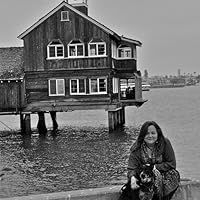
Back in reality, I met Dora's biographer, Kathi Diamant, at a book talk at one of the cutest bookstores in San Diego - The Upstart Crow at Seaport Village - during a beautiful Spring evening. She enthralled us group of book lovers with the journey that led her to write this tribute to Dora. She is passionate about her dedication to Kafka's greatest and last love. I firmly believe Dora called to Kathi to find her and tell her story. Kathi has remained faithful to Dora in all things, traveling to Germany, the Czech Republic, Russia, and Israel to look for the letters between Kafka and Dora, and Kafka's lost writings. It is a legacy Kathi knows Kafka and Dora meant the world to have. As her search continues, she takes groups of students to see and experience Kafka's and Dora's worlds. Kathi is a tremendously contagiously enthusiastic individual believing, as she wrote in the inscription she placed in my book, that we learn to love Kafka. It is not a love that is freely given. Kathi's book has opened the passage of curiosity so that Kafka and I can get to know each other. At present, it's a tentative flirtation. Yet, I hope to be one of the students in Kathi's group one day so that I may learn to love Kafka with a passion that time cannot diminish.
For more information about the Kafka Project, a project of San Diego State University, dedicated to the preservation of the archives and search for the letters and lost writings of Franz Kafka, as well as registration information for Kathi Diamant's wonderful literary tours, visit http://www.kafkaproject.com.
Painstakingly researched, Kafka's Last Love gives a lot of insight into who Kafka was, particularly in his last year of life when he met and fell in love with Dora Diamant. But that's only the first third of the book. What follows is an intriguing story of what happened to Dora following Kafka's death in World War II - traveling from war-torn Berlin to a declining Russia and eventually to England, but not to safety. A great read for anyone interested in Kafka and/OR a different perspective on World War II, as seen from the eyes of an intelligent, Jewish woman who cherished her memories of Kafka until the day she died.
Wow!!! Love this book! Kathi gets down to the heart of her research. A fabulous place to learn about Kafka & Dora's beautiful love that seems to have transcended time. Kathi does these fabulous tours where she takes people all around Europe tracking old and new research on both of these wonderful real-life characters. You can find out more here: http://www.kathidiamant.com/
Loved, loved, loved this book! It is a cross between a love story, and a terrific history lesson. Some friends and I were lucky enough to go on the author's tour of places in Europe that were significant in Kafka and Dora's lives. I think Kathi is now writing a book about her 20+ years of researching Dora and Kafka. Can't wait!
Intricate weaving of historcial incidences, dates, ansillary records and photographs into a thoughtful life account. Dynamic portraiture as unfolding judgements about the kafka legacy is being played out in Isreali Court.
کلاغها میگویند که یک کلاغ تک میتواند افلاک را نابود کند. در این باب هیچ شکی نیست، اما این مساله علیه افلاک نیست، چون معنای افلاک فقط این است « ناممکن بودن کلاغها »...!
This book presents the story of the life of Kafka from a different angle than is usually heard. The author writes about Dora's life and love affair with Kafka with sincerity and affection. Diamant is no scholar of Kafka, but anyone with an interest in the man's personal life and times will find this book valuable. The story is charming.
Empieza con la fuerza de Kafka, y termina como tiene que ser, centrada en su protagonista. Nos revela la historia de una mujer que no fue nombrada casi nunca en las biografías del escritor, a pesar de que fue quien lo acompañó en su último viaje, y debo decir, que aunque parecía una historia más sobre la mujer de "x o y hombre famoso", ella supo brillar sola, dejando a Kafka como un bello capítulo en su vida, pero no como la razón de su existir. La quinta estrella que otros le han negado, se la otorgó por ser uno de los libros biográficos mejor documentados.
I read about half of this book but just was not interested enough in Dora Diamant to finish it. The author joined our bookclub discussion by Zoom and although the story of the extensive research she has done on Dora was impressive and seems to have added considerably to the historical record of the last year of Franz Kafka's life as well as that of Dora, I did not find the writing compelling of the subject particularly interesting.
Yer yer dağınık bir anlatımı olsa da makul ve iyi bir biyografik derleme. Aynı özeni kitabın Türkçe basımında da görmeyi isterdim fakat yazım hatalarıyla doluydu. Tekrar baskı yapılırsa gözden geçirilmesi yerinde olur. Yazar bizi ilk bölümlerde Kafka'yla buluştururken kitabın ikinci yarısında Dora Diamant'ın Kafka sonrası yaşamını, Nazilerden kaçış yolculuğunu, kızı ve sevdikleriyle ilişkilerini anlatıyor. Kafka'nın sancılı yazma anları dışında hep karşımıza çıktığı şekliyle klasik kasvetli Kafka imajından ziyade çocuksu ve küçük şeylerden zevk alan bir kişiliğe sahip olduğu özellikle vurgulanıyor. Çocuklarla ilişkilerinin çok ayrıksı olduğu anlara dair etkileyici örnekler unutulmaz. Dora Diamant'ın Kafka'nın yaşamındaki etkisinin hiç yok olmadığını görüyoruz. Son günlerinde hasta haliyle bile Kafka'yla günlerine dair anılar kaleme almaya çabaladığını öğreniyoruz. Kitabın aslında büyük bir kısmı tarihe tanıklık etme işlevi görüyor. Diamant'ın hikayesi dönüp dolaşıp Kafka'ya gelse de, Kafka'ya dair bölümlerin kitabın belki de en fazla üçte birini oluşturduğunu hatırlatmakta fayda var. Nazilerle ilgili okuduğunuz her detay, her zamanki gibi bir kez daha üzecektir. Kısacası, yaşamı kültürle ve mücadeleyle geçmiş, etkileyici bir kişiliğe sahip bir kadının hikayesi var elimizde ve daha fazla ilgiye değer.