

What do you think?
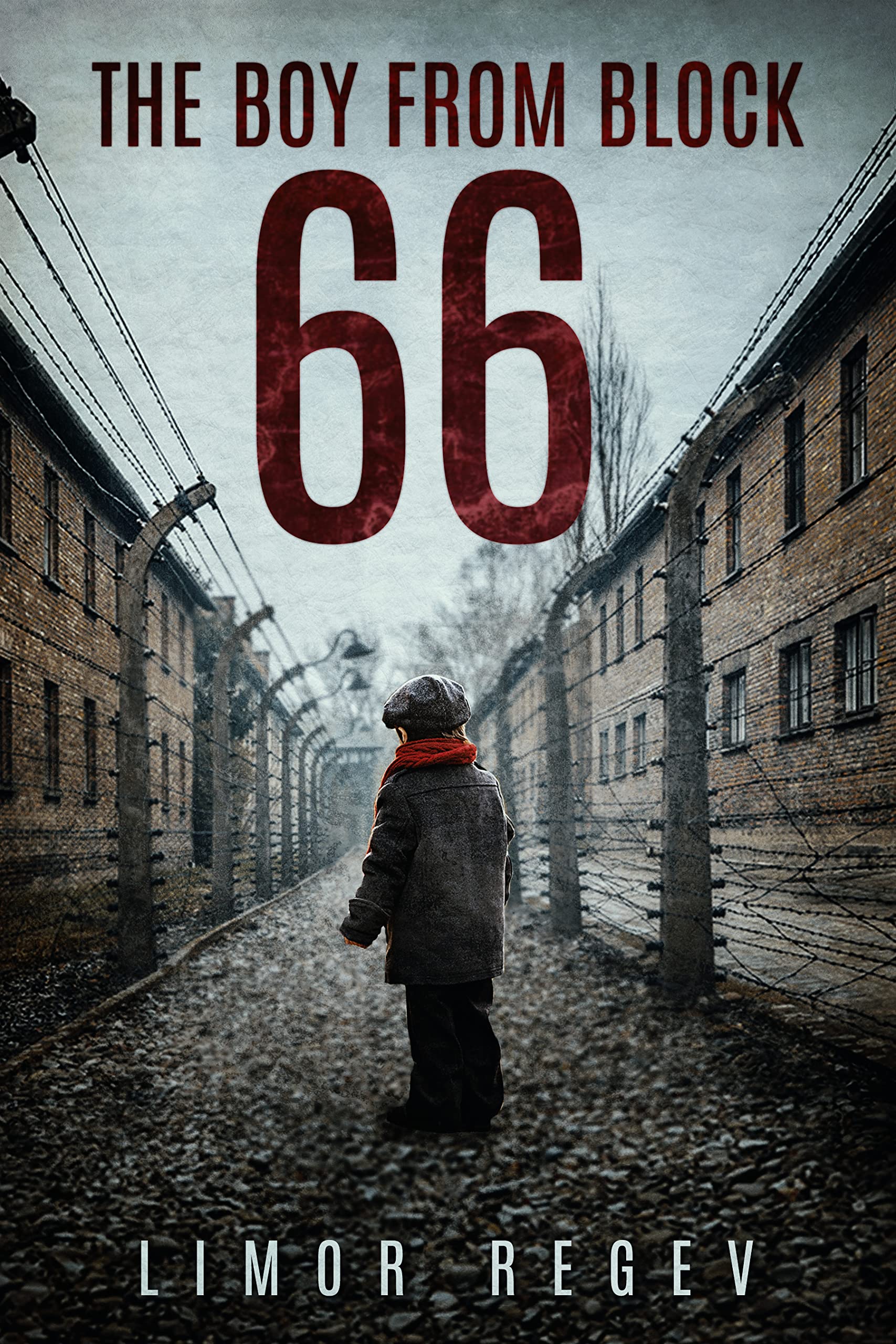
The Boy From Block 66: A WW2 Jewish Holocaust Survival True Story
He has endured more than any child ever should, but now he must survive Block 66.
January, 1945 . 14-year-old Moshe Kessler steps off the train at Buchenwald concentration camp. Having endured the horrors of Auschwitz-Birkenau, lost touch with his entire family, and survived the death march in the freezing European winter, he has seen more than his share of tragedy.
Moshe knows only one thing about Buchenwald. Everyone knows it.
If you want to survive, you have to get to Block 66.
The Germans are cruel and determined – but they are not prepared for Buchenwald’s secret resistance, which rises up with one mission only: to protect the camp’s children from harm.
This is the incredible true story of Moshe Kessler and Block 66 – the children’s block that was at the forefront of one of the most shocking and inspiring stories of Holocaust survival.
January, 1945 . 14-year-old Moshe Kessler steps off the train at Buchenwald concentration camp. Having endured the horrors of Auschwitz-Birkenau, lost touch with his entire family, and survived the death march in the freezing European winter, he has seen more than his share of tragedy.
Moshe knows only one thing about Buchenwald. Everyone knows it.
If you want to survive, you have to get to Block 66.
The Germans are cruel and determined – but they are not prepared for Buchenwald’s secret resistance, which rises up with one mission only: to protect the camp’s children from harm.
This is the incredible true story of Moshe Kessler and Block 66 – the children’s block that was at the forefront of one of the most shocking and inspiring stories of Holocaust survival.
243 pages, Kindle Edition
Published January 10, 2023
Ratings & Reviews
Friends & Following
Create a free account to discover what your friends think of this book!
Community Reviews
Displaying 1 - 30 of 538 reviews
June 25, 2022
True stories should always receive 5 stars. Especially stories told from the people who lived through and survived the Holocaust. My heart goes out to all of them for all they had to endure.

May 2, 2022
A very moving and heartbreaking story of a boy growing up and the war’s effect on him both on the outside and inside of a concentration camp. I’ve read a lot of WWII books and always learn more with each one. We all need to understand our history and not try to erase it, but learn from it, for f we don’t it will repeat itself, as you can see with the Ukrainian/Russian atrocities going on now.

August 29, 2023
This book I’ve been reading today is called “The Boy From Block 66” written by Limor Regev. Astonishingly, this book will stay with me for a long time. This author is a dedicated friend to Moshe and his family. This book and the movie are based on the first-hand accounts of the Holocaust. Moshe and his cousin Shani have survived three concentration camps by their wit and will and sometimes incredible good fortune. Antonin Kalina, he was a Czech Jew, he was a prisoner was involved with the underground movement, who they nicknamed him “Czech Schindlers” and Kalina manages to save 903 children from the block 66 from death marches. He was recognised name for Righteous Among the Nations by Yad Vashem. He died from cancer in 1990 at the age of 88. It was very emotional reading through the pain of Moshe, and other victims of other children, who lost childhood, loss of faith, & the countless losses too numerous to detail. I believe young, teens and adults should be required to read this in schools. Today, in our societies and communities, a lot of youth are so pampered and spoiled and it would be good for them to see how bad things can be and how good they have it. It shows what a human can endure and get through and still come out able to have a good life. As a result, what happened to him, Shani, and their families survived? You can decide

September 23, 2023
Understanding how the war impacted before and during the concentration camp for this young boy. “We were free but captive to the terrible sights we witnessed” I had never heard of this story until it popped up in my KU, it will stay with me a long time.

November 8, 2023
Another tragic story of a holocaust survivor who somehow managed to move forward with his life and prosper. Although the story is sad and touching, it’s not well written in that there are many times where things are repeated, and the story doesn’t seem to flow real well.
August 6, 2022
This is a gripping story about how even in the presence of much evil, good shows up in unexpected places. I had never heard of Block 66, the place where 900 Jewish boys were saved from certain death during World War II in Buchenwald concentration camp. A Czech prisoner of war, Antonin Kalina, took a great risk in protecting these young Jews by forming this special block. A powerful quote near the end of the book throws light on this, "It was there I saw how the good in man defeats the evil, and how one person’s courage can affect the fate of hundreds of children."
Moshe Kessler, one of the young rescued boys, shares his story and the horrors that he saw. He reflects after his release, "We were free but captive to the terrible sights we had witnessed, which would accompany us all our lives." But in amazing ways these boys, girls, men and women rebuilt their lives.
At times Kessler opens up about the doubts that arise in his heart about his faith. How God could allow these atrocities to happen? When Kessler grew up de didn't quite abandon his faith but he also didn't embrace it either, until years later when his mother passed away. He writes, "I realized that the only way I could preserve the memory of my childhood home - my father and brother, and now my mother as well - was to keep alive the embers in whose light I had initially grown up. I went back to praying in the mornings, going to synagogue on Saturdays and holidays, and believing in the importance of keeping the commandments. I felt I was coming home."
While I was reading this book I was also reading, The Handbook on the Pentateuch, by Victor Hamilton. In his insightful book he reflects on the unusual structure of the book of Numbers. One can't help but notice that inserted in the middle of the narrative in Numbers are the laws about the daily sacrifices, weekly sabbaths, monthly special days and yearly festivals. Then the narrative continues after this break. What is going on? Hamilton explains that this arrangement offers a powerful message. In the middle of the narrative of our lives is an anchor for us. As we encounter God in the daily, weekly, and monthly holy days we find where we belong. Kessler called it "coming home."
Moshe Kessler, one of the young rescued boys, shares his story and the horrors that he saw. He reflects after his release, "We were free but captive to the terrible sights we had witnessed, which would accompany us all our lives." But in amazing ways these boys, girls, men and women rebuilt their lives.
At times Kessler opens up about the doubts that arise in his heart about his faith. How God could allow these atrocities to happen? When Kessler grew up de didn't quite abandon his faith but he also didn't embrace it either, until years later when his mother passed away. He writes, "I realized that the only way I could preserve the memory of my childhood home - my father and brother, and now my mother as well - was to keep alive the embers in whose light I had initially grown up. I went back to praying in the mornings, going to synagogue on Saturdays and holidays, and believing in the importance of keeping the commandments. I felt I was coming home."
While I was reading this book I was also reading, The Handbook on the Pentateuch, by Victor Hamilton. In his insightful book he reflects on the unusual structure of the book of Numbers. One can't help but notice that inserted in the middle of the narrative in Numbers are the laws about the daily sacrifices, weekly sabbaths, monthly special days and yearly festivals. Then the narrative continues after this break. What is going on? Hamilton explains that this arrangement offers a powerful message. In the middle of the narrative of our lives is an anchor for us. As we encounter God in the daily, weekly, and monthly holy days we find where we belong. Kessler called it "coming home."

April 1, 2022
This book had me glued to the pages to find out what he went through. The beginning of the book talks a lot about his life and family, which is important for the background of his story. I have never read a book that had so much detail about this boy's harrowing experiences in different parts of the camp. The detail of his accounts had me turning page after page and imagining what his horrible experience was like. He is lucky to be alive....

March 22, 2023
This should be required reading for every high schooler. Limor and Moshe took me on a journey full of emotions. While this is an incredibly heavy subject, it is a beautifully written true story of survival and overcoming real oppression. Moshe is an inspiration, and his story will live on as long as we continue to share it with our younger generations.
October 12, 2023
Though you think you know about the Holocaust you really know nothing until you read this book. It is well written and easy to read. Very memorable and will not be easily forgotten
November 12, 2023
Any Holocaust survivor story is a moving story and this is no exception.
March 4, 2025
This book is both heartbreaking and informative—definitely worth the read! It tells the true story of a 13-year-old Czech Jewish boy and his fight for survival. The narrative follows his life before, during, and after World War II, highlighting not only the physical consequences of the Holocaust but also the deep psychological impact and the immense challenges he faced.
While the book could have been edited slightly better, the story itself is powerful.
While the book could have been edited slightly better, the story itself is powerful.

December 24, 2023
Moshe was a young boy. At the age of 13 he and his father were sent to Auschwitz on a train.
His mother and sisters were separated from him. He had to work very hard and fed very little.
" As long as you were useful, you were kept alive".
Moshe wanted to survive. He lived in the present, not the past. He along with other children worked in a vegetable garden, but were forbidden to eat any of it.
Moshe's life was saved when he moved to another camp.
when the war was almost over, Moshe and a few other ran into the fields and laid down. His life was spared there too.
Another life saving experience was when the boys were told to take off the yellow star and put on
shirts with red stars( Polish).
When he was liberated, his mother and two of his Aunts were the only family members that survived..
His mother and sisters were separated from him. He had to work very hard and fed very little.
" As long as you were useful, you were kept alive".
Moshe wanted to survive. He lived in the present, not the past. He along with other children worked in a vegetable garden, but were forbidden to eat any of it.
Moshe's life was saved when he moved to another camp.
when the war was almost over, Moshe and a few other ran into the fields and laid down. His life was spared there too.
Another life saving experience was when the boys were told to take off the yellow star and put on
shirts with red stars( Polish).
When he was liberated, his mother and two of his Aunts were the only family members that survived..
October 16, 2024
I feel horrible rating this 2*, because the story is obviously horrible. The book isn’t well written and things are repeated multiple times.

December 29, 2024
Heartbreaking reality of a boy who survived the Auschwitz concentration camps. This is a must read, educational book about the heartbreaking history of Europe…
We learn about the war in school and I have visited Auschwitz myself but it is hard to fully understand and wrap your head around what happened in these camps. This book allows the reader to connect to and visualise the reality. It educates the reader towards the build up to the war, living through the war as a Jewish boy and continuing with life after the war.
We learn about the war in school and I have visited Auschwitz myself but it is hard to fully understand and wrap your head around what happened in these camps. This book allows the reader to connect to and visualise the reality. It educates the reader towards the build up to the war, living through the war as a Jewish boy and continuing with life after the war.

March 12, 2026
This will open your eyes to what the nazis really were. Evil! sadistic! There has been several times in human history where I can’t believe atrocities of human nature were so evil as to want to wipe a whole group of people from culture. Even now we are dealing with this again now it is the Muslims wanting to eradicate everyone not Muslim. Jesus will return and those that believe on him will be caught up with him into heaven. Read the Holy Bible to see how the story ends.

Want to Read
March 16, 2024
January 10, 2026
A true story of depravity and decimation, followed up with hope and salvation. The storytelling wasn't perfect, but the story needed to be told. Another chilling example of how the Nazis killed without impunity.

March 19, 2023
This is a harrowing story of a thirteen-year-old boy's experience of the Holocaust. Moshe's survival in Auschwitz and Buchenwald tears at the heart, especially as he's separated from his mother and younger brother. This story is not as graphic as some I've read and I think Moshe did this on purpose. I believe his aim was to tell the human side of the Holocaust; of loss and grief and how a person can never really recover from such trauma. Since I have a grandson of Moshe's age when he entered Auschwitz, it did make me catch my breath. He describes the courage of those in the camp who risked their own lives to save others and he also describes the disdain and cruelty of lifelong neighbours who turned on his family.
A well deserved five stars.
A well deserved five stars.
August 15, 2024
I cried reading this book how could people treat other human beings so cruelly and all because of their religion.


December 31, 2024
The story of Moshe is really heartbreaking to hear. I’m not going to rate his story but rather the writing. Some things were misspelled and it was very repetitive at times. The beginning of the book and the end of the book seemed to drag on. I loved the story, but better writing would make it easier to read.
November 26, 2023
3.5, great personal journey, narrative format wasn’t for me.

Read
February 17, 2025I feel like I can’t rate/review true stories. Wow, what a story.

September 21, 2026
Ci sono storie che non possono essere dimenticate, pagine che hanno il dovere di restare aperte affinché l'orrore non si ripeta mai più.
“Il bambino del blocco 66”, scritto nel 2024 da Limor Regev, non è un semplice romanzo storico come tanti se ne leggono sul secondo conflitto mondiale; è la cronaca lucida e potente della vita vera di Moshe, un bambino strappato alla sua identità.
Il significato profondo di quest'opera ci mette di fronte all'atrocità massima: la spersonalizzazione forzata. Quando si viene spogliati di tutto, quando il nome lascia il posto a un numero e la diversità individuale viene annullata, l'essere umano diventa solo una massa collettiva.
Il libro scava nell'atrocità di come la fame e il terrore costante abbiano privato i prigionieri persino della capacità di provare emozioni, rendendoli spettatori di sé stessi in un mondo svuotato di umanità.
L'ho trovato un libro imprescindibile, scritto con un taglio così vivido che sembrava di vedere le scene scorrere davanti agli occhi. La forza di questa testimonianza è proprio la sua cruda sincerità. Moshe racconta la sua esperienza all'amica di sua figlia che si è occupata della stesura di questo libro descrivendo come la lotta per la sopravvivenza – giorno dopo giorno, ora dopo ora – avesse trasformato ogni persona in un involucro vuoto, segnato per sempre dalle scene a cui avevano dovuto assistere anche dopo la liberazione del campo.
A livello personale, questa lettura mi ha portata a riflettere molto sulla nostra fortuna attuale. Mettermi nei panni di un ragazzino a cui è stata rubata l'infanzia e l’adolescenza mi ha fatto capire quanto siano importanti le piccole certezze che oggi diamo per scontate. Non serve usare toni eccessivamente drammatici per spiegare quanto sia stato brutale perdere la propria essenza; la realtà raccontata da Moshe è abbastanza forte da lasciare il segno da sola. Mi ha spinto a pormi domande su cosa renda davvero "umano" un individuo e quanto sia fondamentale, oggi più che mai, custodire la memoria di chi è passato attraverso il buio profondo della v10l3n.z4 sistematica.
Lo consiglio a chiunque voglia arricchire la propria coscienza storica e a chi ritiene, come me, che il ricordo sia un atto di coraggio. Lo sconsiglio invece a chi cerca letture lievi e a chi non si sente pronto ad affrontare una riflessione onesta e cruda sulla disumanizzazione della gu3r-r4.
“Il bambino del blocco 66”, scritto nel 2024 da Limor Regev, non è un semplice romanzo storico come tanti se ne leggono sul secondo conflitto mondiale; è la cronaca lucida e potente della vita vera di Moshe, un bambino strappato alla sua identità.
Il significato profondo di quest'opera ci mette di fronte all'atrocità massima: la spersonalizzazione forzata. Quando si viene spogliati di tutto, quando il nome lascia il posto a un numero e la diversità individuale viene annullata, l'essere umano diventa solo una massa collettiva.
Il libro scava nell'atrocità di come la fame e il terrore costante abbiano privato i prigionieri persino della capacità di provare emozioni, rendendoli spettatori di sé stessi in un mondo svuotato di umanità.
L'ho trovato un libro imprescindibile, scritto con un taglio così vivido che sembrava di vedere le scene scorrere davanti agli occhi. La forza di questa testimonianza è proprio la sua cruda sincerità. Moshe racconta la sua esperienza all'amica di sua figlia che si è occupata della stesura di questo libro descrivendo come la lotta per la sopravvivenza – giorno dopo giorno, ora dopo ora – avesse trasformato ogni persona in un involucro vuoto, segnato per sempre dalle scene a cui avevano dovuto assistere anche dopo la liberazione del campo.
A livello personale, questa lettura mi ha portata a riflettere molto sulla nostra fortuna attuale. Mettermi nei panni di un ragazzino a cui è stata rubata l'infanzia e l’adolescenza mi ha fatto capire quanto siano importanti le piccole certezze che oggi diamo per scontate. Non serve usare toni eccessivamente drammatici per spiegare quanto sia stato brutale perdere la propria essenza; la realtà raccontata da Moshe è abbastanza forte da lasciare il segno da sola. Mi ha spinto a pormi domande su cosa renda davvero "umano" un individuo e quanto sia fondamentale, oggi più che mai, custodire la memoria di chi è passato attraverso il buio profondo della v10l3n.z4 sistematica.
Lo consiglio a chiunque voglia arricchire la propria coscienza storica e a chi ritiene, come me, che il ricordo sia un atto di coraggio. Lo sconsiglio invece a chi cerca letture lievi e a chi non si sente pronto ad affrontare una riflessione onesta e cruda sulla disumanizzazione della gu3r-r4.

November 11, 2025
Durante los últimos meses de la Segunda Guerra Mundial, Moshe Kessler, un niño judío de catorce años, llega al campo de concentración de Buchenwald tras sobrevivir a Auschwitz y a la marcha de la muerte.
Allí es enviado al Bloque 66, un barracón especial donde un grupo de prisioneros organiza una red secreta para proteger a los niños del exterminio.
Basada en hechos reales, El niño del bloque 66 es una historia sobre el horror, pero también sobre el valor, la esperanza y la humanidad que resiste incluso en los lugares más oscuros.
·
Nos encontramos con otra historia más de la segunda guerra mundial pero contada desde un punto de vista que no conocía y que incluye la resistencia secreta de Bunchenwald que tenía como objetivo proteger a los niños.
Hay una fuerza especial es esta lectura: no se trata solo del horror vivido, sino de niños obligados a crecer antes de tiempo. Me estremecí en las páginas, sintiendo la ira, el frío y la valentía de quienes no tenían derecho a decidir su destino. Y como siempre que las historias hablan sobre niños todo se vuelve más duro y te rompe por completo.
Las vidas que aquí se cruzan (las de Moshe y las de los que lo rodean) se convierten en retratos de lo que puede hacer el ser humano cuando se aferra a la vida con uñas y dientes. Esta novela no deja que olvidemos que quienes son útiles, viven y que quienes pierden su utilidad, se hacen prescindibles.
No es un libro fácil de leer. Exige que abramos los ojos y que recordemos. Me parece un libro muy necesario.
ENCONTRARÁS:
🕯️ Coraje
🌍 Inocencia perdida
📖 Historia de supervivencia y memoria
💔 Un testimonio necesario
Si buscas una lectura que te remueva por dentro, que te recuerde que la vida, aun en las peores circunstancias puede brotar de la esperanza, este libro es para ti.
Allí es enviado al Bloque 66, un barracón especial donde un grupo de prisioneros organiza una red secreta para proteger a los niños del exterminio.
Basada en hechos reales, El niño del bloque 66 es una historia sobre el horror, pero también sobre el valor, la esperanza y la humanidad que resiste incluso en los lugares más oscuros.
·
Nos encontramos con otra historia más de la segunda guerra mundial pero contada desde un punto de vista que no conocía y que incluye la resistencia secreta de Bunchenwald que tenía como objetivo proteger a los niños.
Hay una fuerza especial es esta lectura: no se trata solo del horror vivido, sino de niños obligados a crecer antes de tiempo. Me estremecí en las páginas, sintiendo la ira, el frío y la valentía de quienes no tenían derecho a decidir su destino. Y como siempre que las historias hablan sobre niños todo se vuelve más duro y te rompe por completo.
Las vidas que aquí se cruzan (las de Moshe y las de los que lo rodean) se convierten en retratos de lo que puede hacer el ser humano cuando se aferra a la vida con uñas y dientes. Esta novela no deja que olvidemos que quienes son útiles, viven y que quienes pierden su utilidad, se hacen prescindibles.
No es un libro fácil de leer. Exige que abramos los ojos y que recordemos. Me parece un libro muy necesario.
ENCONTRARÁS:
🕯️ Coraje
🌍 Inocencia perdida
📖 Historia de supervivencia y memoria
💔 Un testimonio necesario
Si buscas una lectura que te remueva por dentro, que te recuerde que la vida, aun en las peores circunstancias puede brotar de la esperanza, este libro es para ti.

March 21, 2025
Moshe is the most inspiring person I have ever read about. He made a last minute decision to separate from his mother and little brother that he would later learn saved his life as a 13yr old boy. He then experienced a whole year and half of horrific living conditions, abuse, labor, and starvation in three different concentration camps. All while never knowing his other family members fate. I can’t even wrap my mind around how he ever mentally survived this. This author wrote his story so well and it will be one that stays with me for a long time. I loved all the pictures that were included to help make it more real. The two that made me the most emotional were the one of his kids and grandkids going back with him to the gates of Buchenwald camp when he was 91, and the final picture of him and his best friend Shani in 2020 and their ID numbers tattooed on them upon entering camp. At the end the author wrote how as of 2024 Moshe was 93yrs old and swims twice a week. 🥹🥹🥹 Angel. What a hero!
“75 years after the end of the war, we still bear the ID numbers the Germans tattooed on our forearms. Two teenagers with two numbers that have joined us in a bond forever. A-4913 / A-4914”
“Although my mind has recovered, one wound remains open: the forced, quick and cruel parting from my childhood and my innocence. From the warmth of Mother’s protective embrace on the pier in Birkenau, I was thrust into an altered, adult reality. It was almost impossible to preserve the belief I had held as a child, in God, in the world, and in humankind. Over the years since the war, I have had to call on strong mental reserves to deal with the deep sense of deprivation of having my childhood stolen from me.”
“75 years after the end of the war, we still bear the ID numbers the Germans tattooed on our forearms. Two teenagers with two numbers that have joined us in a bond forever. A-4913 / A-4914”
“Although my mind has recovered, one wound remains open: the forced, quick and cruel parting from my childhood and my innocence. From the warmth of Mother’s protective embrace on the pier in Birkenau, I was thrust into an altered, adult reality. It was almost impossible to preserve the belief I had held as a child, in God, in the world, and in humankind. Over the years since the war, I have had to call on strong mental reserves to deal with the deep sense of deprivation of having my childhood stolen from me.”

February 2, 2025
2⭐️
Leggo libri su questo argomento da anni: attraverso questi libri e queste testimonianze la voce delle vittime e dei sopravvissuti non sparisce nelle pieghe del tempo.
Purtroppo è la prima volta che non ho apprezzato del tutto il libro, forse la modalità di scrittura, a volte ripetitiva, a volte poco profonda e poco dettagliata non mi ha permesso di gradire la testimonianza preziosissima di Moshe.
“I nazisti erano riusciti a sopprimere il desiderio innato di indipendenza nella psiche umana e a spegnere dentro di noi l’impulso a reagire e a batterci per la libertà. Avevamo tutti sviluppato la tendenza alla passività, lottavamo fondamentalmente solo per mantenerci in vita, corpo e anima.”
“I tedeschi erano riusciti a fare comportare molti di noi come bestie e non come esseri umani, nella lotta per la sopravvivenza.”
““Io non sono più capace di piangere” bisbigliai, un pó a me stesso, un pó a lei.
Non riuscivo a ricambiare l’amore che mia madre voleva così fortemente da me. Le mie emozioni erano morte là, sulla banchina di Birkenau, nel momento in cui ero rimasto solo, unico responsabile del mio destino.”
Leggo libri su questo argomento da anni: attraverso questi libri e queste testimonianze la voce delle vittime e dei sopravvissuti non sparisce nelle pieghe del tempo.
Purtroppo è la prima volta che non ho apprezzato del tutto il libro, forse la modalità di scrittura, a volte ripetitiva, a volte poco profonda e poco dettagliata non mi ha permesso di gradire la testimonianza preziosissima di Moshe.
“I nazisti erano riusciti a sopprimere il desiderio innato di indipendenza nella psiche umana e a spegnere dentro di noi l’impulso a reagire e a batterci per la libertà. Avevamo tutti sviluppato la tendenza alla passività, lottavamo fondamentalmente solo per mantenerci in vita, corpo e anima.”
“I tedeschi erano riusciti a fare comportare molti di noi come bestie e non come esseri umani, nella lotta per la sopravvivenza.”
““Io non sono più capace di piangere” bisbigliai, un pó a me stesso, un pó a lei.
Non riuscivo a ricambiare l’amore che mia madre voleva così fortemente da me. Le mie emozioni erano morte là, sulla banchina di Birkenau, nel momento in cui ero rimasto solo, unico responsabile del mio destino.”

September 29, 2026
I appreciate the harrowing life that Moshe had to endure as a young boy, being sent to a ghetto and then ultimately being shipped off to Auschwitz and him fighting for his right to live, however I do feel the book (rather than the important story) has missed the mark and almost done him an injustice. Multiple times through out the book there are spelling mistakes, repetition and also whole sentences being repeated, I’m not sure if this has happened due to a translation issue or my specific copy but it made it reading it difficult. Also the story telling aspect of it felt like the author had bullet points and just made those bullet points into sentences without much else.
I think the story is an important one to share, but I think that more could have been done to bring out the emotion of Moshe during his difficult time, he talked about focusing on needing to survive but at times it felt like a revelation was made but then it was onto the next story instead of focusing on how it made him feel.
I think the story is an important one to share, but I think that more could have been done to bring out the emotion of Moshe during his difficult time, he talked about focusing on needing to survive but at times it felt like a revelation was made but then it was onto the next story instead of focusing on how it made him feel.

November 28, 2025
The Boy From Block 66 is one of those rare books that doesn’t just tell a story—it takes hold of your heart and refuses to let go. Limor Regev brings Moshe's story to life with such honesty, detail, and raw emotion that you feel every moment right beside him: the fear, the hope, the resilience, and the unimaginable strength it took to survive.
What makes this book so powerful is that it’s not just a recounting of history—it’s a deeply human story about courage in the face of darkness. Regev honors Moshe's experience with compassion and clarity, making the horrors of the Holocaust painfully real while still allowing hope and humanity to shine through.
This is a book I will never forget. It breaks you, heals you, and leaves you with a profound appreciation for survival, memory, and the unshakeable power of the human spirit. If you only read one Holocaust memoir this year, make it this one.
Absolutely deserving of all 5 stars. A masterpiece.
What makes this book so powerful is that it’s not just a recounting of history—it’s a deeply human story about courage in the face of darkness. Regev honors Moshe's experience with compassion and clarity, making the horrors of the Holocaust painfully real while still allowing hope and humanity to shine through.
This is a book I will never forget. It breaks you, heals you, and leaves you with a profound appreciation for survival, memory, and the unshakeable power of the human spirit. If you only read one Holocaust memoir this year, make it this one.
Absolutely deserving of all 5 stars. A masterpiece.

March 5, 2024
"We were free but captive to the terrible sights we had witnessed, which would accompany us all our lives." This is Moshe Kessler's story. A boy growing up in Hungary (and back and forth as Czechoslovakia), an observant Jew surrounded by a large loving family. In 1944 Hitler had all Jews removed from Hungary to concentration camps. Upon arrival at Auschwitz, Moshe at 13 and 1/2 is immediately separated from his family. Moshe survives Auschwitz and then Buchenwald. When Buchenwald was liberated he weighed 77 pounds. Moshe's struggles after liberation are very honest and compelling - loss of family, loss of country, loss of faith.
His trauma is very well told in this unflinching and forthright story. A friend of his daughter, Limor Regev got Moshe to tell his story.
Told in an unembellished way, Block 66 is as heartbreaking as you would expect. The hatred, violence, brutality, and viciousness of the Nazis we have come to know. It is the hatred and apathy of neighbors, their willful blindness to what was happening exposed in this book that is so disturbing. It isn't that Hitler ordered 6 million Jews to be murdered; it is that Germans and others thought it was ok to do so.
His trauma is very well told in this unflinching and forthright story. A friend of his daughter, Limor Regev got Moshe to tell his story.
Told in an unembellished way, Block 66 is as heartbreaking as you would expect. The hatred, violence, brutality, and viciousness of the Nazis we have come to know. It is the hatred and apathy of neighbors, their willful blindness to what was happening exposed in this book that is so disturbing. It isn't that Hitler ordered 6 million Jews to be murdered; it is that Germans and others thought it was ok to do so.
Displaying 1 - 30 of 538 reviews