

What do you think?

الكتاب الأسود
يقول باموق في روايته «الكتاب الاسود» لقد انتهيت بالتفكير في قصة اخرى كانت فيها الطريقة الوحيدة لكي تكون نفسك هي بأن تتحول الى شخص آخر او تفتقد طريقك في قصة اخرى، والقصة التي اريد ان اكتبها في الكتاب الاسود تذكرني بقصة ثالثة او رابعة تشبه تماما قصة الحب التي نعرفها والذكريات التي تتداعى فتفتح كل واحدة على الاخرى.. ولكن في النهاية لا يوجد ما هو مذهل كالحياة، لا يوجد إلا الكتابة، إلا الكتابة، إلا الكتابة اجل بلاشك إلا الكتابة فهي عزاء الروح. ان ما يميز اورهان باموق عن غيره من الكتاب الاتراك هو ان الكتابة تعني الوجود بالنسبة له وهو وان كان لا يعني بالتأكيد انه الاكثر التزاما إلا انها الطريقة التي يعرف بها نفسه بإيجاز شديد، وحتى وان كانت الكتابة نوع من التعبير عن الذات او الحب او الاشارة الى التوافق مع الحياة واعطائها المعنى فإنه يبدو مع ذلك مغرماً بها كمهنة على المستوى الذي يعنيه ككاتب وكروائي وعلى صعيد آخر لا يرتبط بهذا التعريف البسيط عندما ترتبط الكتابة بموضوعات كالتاريخ او السياسة او الجمال او اي من الموضوعات المتعلقة بوجوده الانساني.
614 pages, Paperback
First published March 1, 1990
About the author
Orhan Pamuk
140 books10.9k followersFerit Orhan Pamuk is a Turkish novelist, screenwriter, academic, and recipient of the 2006 Nobel Prize in Literature. One of Turkey's most prominent novelists, he has sold over 13 million books in 63 languages, making him the country's best-selling writer.
Pamuk's novels include Silent House, The White Castle, The Black Book, The New Life, My Name Is Red and Snow. He is the Robert Yik-Fong Tam Professor in the Humanities at Columbia University, where he teaches writing and comparative literature. He was elected to the American Philosophical Society in 2018.
Of partial Circassian descent and born in Istanbul, Pamuk is the first Turkish Nobel laureate. He is also the recipient of numerous other literary awards. My Name Is Red won the 2002 Prix du Meilleur Livre Étranger, 2002 Premio Grinzane Cavour and 2003 International Dublin Literary Award.
The European Writers' Parliament came about as a result of a joint proposal by Pamuk and José Saramago. Pamuk's willingness to write books about contentious historical and political events put him at risk of censure in his homeland. In 2005, a lawyer sued him over a statement acknowledging the Armenian genocide in the Ottoman Empire. Pamuk said his intention had been to highlight issues of freedom of speech in Turkey. The court initially declined to hear the case, but in 2011 Pamuk was ordered to pay 6,000 liras in compensation for having insulted the plaintiffs' honor.
Pamuk's novels include Silent House, The White Castle, The Black Book, The New Life, My Name Is Red and Snow. He is the Robert Yik-Fong Tam Professor in the Humanities at Columbia University, where he teaches writing and comparative literature. He was elected to the American Philosophical Society in 2018.
Of partial Circassian descent and born in Istanbul, Pamuk is the first Turkish Nobel laureate. He is also the recipient of numerous other literary awards. My Name Is Red won the 2002 Prix du Meilleur Livre Étranger, 2002 Premio Grinzane Cavour and 2003 International Dublin Literary Award.
The European Writers' Parliament came about as a result of a joint proposal by Pamuk and José Saramago. Pamuk's willingness to write books about contentious historical and political events put him at risk of censure in his homeland. In 2005, a lawyer sued him over a statement acknowledging the Armenian genocide in the Ottoman Empire. Pamuk said his intention had been to highlight issues of freedom of speech in Turkey. The court initially declined to hear the case, but in 2011 Pamuk was ordered to pay 6,000 liras in compensation for having insulted the plaintiffs' honor.
Ratings & Reviews
Friends & Following
Create a free account to discover what your friends think of this book!
Community Reviews
Displaying 1 - 30 of 1,224 reviews

December 24, 2015
The Black Book is a story of losing and searching… Searching and never finding…
The Black Book is a book of memory and oblivion…
The past is a bottomless pit – everything disappears there without a sound or trace…
The Black Book is a book of memory and oblivion…
I thought of the pit which used to be right next to the building, the bottomless pit that had inspired shivers of fear at night, not only in me but in all the pretty children, girls, and adults who lived on all the floors. It seethed with bats, poisonous snakes, rats, and scorpions like a well in a tale of fantasy. I had a feeling it was the very pit described in Şeyh Galip’s Beauty and Love and mentioned in Rumi’s Mathnawi. It so happened that sometimes when a pail was lowered into the pit, its rope was cut, and sometimes they said that there was a black ogre down there who was as big as a house.
The past is a bottomless pit – everything disappears there without a sound or trace…

December 20, 2019
One of Pamuk’s first novels. First a sample of some of the wonderful writing from the very first page:
“Ruya was lying facedown on the bed, lost to the sweet warm darkness beneath the billowing folds of the blue-checked quilt. The first sounds of a winter morning seeped in from outside: the rumble of a passing car, the clatter of an old bus, the rattle of copper kettles that the salep maker shared with the pastry cook, the whistle of the parking attendant at the dolmus stop. A cold leaden light filtered through the dark blue curtains. Languid with sleep, Galip gazed at his wife’s head: Ruya’s chin was nestling in the down pillow. The wondrous sights playing in her mind gave her an unearthly glow that pulled him toward her even as it suffused him with fear. Memory, Celal had once written in a column, is a garden. Ruya’s gardens, Ruya’s gardens… Galip thought. Don’t think, don’t think, it will make you jealous! But as he gazed at his wife’s forehead, he still let himself think.”

The story: There’s not a lot of plot. Galip is a lawyer in Istanbul. His wife Ruya has disappeared leaving him a brief note. He hides her leaving from his family. Did she go back to her first husband whom she was married to for just a few years? Or could she have run off with his uncle, Celal, a nationally famous newspaper columnist? Celal too has disappeared. Very little of the book is about the actual search; instead it’s the mental process Galip goes through of trying to figure out where she is, often using mystical clues he finds in Celal’s old columns. While searching for his wife, her ex-, and the columnist, Galip starts assuming the columnist’s identity, writing his columns, wearing his clothes, living in his secret apartment (he has enemies from the ideas he has expressed), imitating his voice when he answers his phone calls. One persistent called threatens his life.
Instead of a lot of plot, we get essays about life in Turkey and Turkish culture from numerous columns written by Celal and from conversations such as when a group of reporters sit around the table and tell stories.

There ae many themes in the book but I think first it is a love story. Galip grew up with Ruya (they are cousins) and he has loved her since he was a child.
Another theme is identity and people trying to “be themselves.” There’s an extended story about a legendary Turkish prince who was so obsessed with trying to be himself that he would destroy books that had brought the ideas of others into his head. There is some talk about Doubles, “where people were at once themselves and their own imitations.”
Many people in the story want to be someone else. Galip want to be Celal. Celal wants to be Rumi, a famous Persian poet. Galip runs into an old girlfriend from school days and finds out she is still in love with him and fantasizes that she is Ruya. A brothel that Galip visits specializes in women who look, act and speak like American movies stars.

There are a lot of references to American films and movie stars from the era of Edgar G. Robinson, Clark Gable, Ava Gardner, Elizabeth Taylor. In Turkey’s wave of Westernization even mannikins had to look European, not Turkish. The columnist writes about how Western films even changed Turkish gestures.
Of course, all this about ‘be yourself” is related to Turkish identity, Turkey being a country that deliberately tried to Westernize starting in the late 1880’s through Mustafa Kemal Atatürk in the 1920’s.
Among the mystical clues Galip uses, another theme is about reading letters in peoples’ faces tied in with the ancient Hurufism sect. Kind of like astrology. And maps: Maps of the city and mystical codes inscribed by someone’s journey or by tracing an ant crawling over a map on a page. And faces you discern by superimposing maps over each other, such as maps of Istanbul, Cairo and Damascus. (And what are the odds of this: a novel I reviewed two weeks ago, The Tango Singer by Tomas Eloy Martinez, also talked about the main character looking for secret clues on a map of where a singer spontaneously performed in Buenos Aires.)
And it’s almost always snowing. Is that a theme? Perhaps Pamuk got the idea of writing his novel Snow after writing this book. It's also a love story to the city of Istanbul: it's beauty as well as its seediness.

I really enjoyed this book and the depth of thought on a wide variety of topics. Pamuk won the Nobel Prize in 2006. It’s a long book. The edition I read had a tiny font and hardly any margins and went for almost 500 pages; other editions in English are 700 or even 800 pages long, so it is an extensive read that can be a bit trying in places but generally I never felt it was getting repetitive or losing focus. I give it a 5 and I’m adding it to my favorites.
Here are links to my reviews of other books I’ve read by Orhan Pamuk:
My Name is Red
Snow
Silent House
A Strangeness in My Mind
Photos of Istanbul: top from cloudfront.net; middle from wendyperrin.com; bottom from gettyimages.com. Photo of the author from i.hurimg.com

August 7, 2017
The big issue from Orhan Pamuk 's , a Nobel Prize winning writer, novel is identity...who are we ? The setting Istanbul, Turkey, the largest city in the nation, straddling the bright blue waters of the narrow , and rather shallow , but still even today quite ...
crucial Bosphorus Strait, on both the continents of
Asia and Europe . This is the ultimate problem for its divided people, do we become westernized or remain with traditional, old customs ... They go see ancient Hollywood films, some 20 years old, at the movie theaters, ( no television then ) enamored by the stars, copy what is shown, clothes, manners, language, everything, the values from the past are no more . Galip Bey, mid -thirty, is an uninspired lawyer (not happy in the occupation), in his native, fast growing town, married to the beauty Ruya, a woman of the same age, he has known since childhood. Intelligent with a propensity for reading detective books, one after another, not interested in work, lately him too. His famous older cousin by more than twenty years Celal Bey, a newspaper writer with a column that all the city reads, in fact the whole nation and beyond the borders, he is the most read in the Middle East.. No surprise that Galip is a big admirer of his relative's sophisticated writing, has many enemies, though, dabbles in dangerous politics , he is also Ruya's half-brother. Turmoil consumes the people's daily lives there, political violence and killings in the streets, many urge a military coup to cleanse the atmosphere, bring unity and calm back ... circa 1960. Mysteriously Ruya leaves him, later Celal cannot be found either, have they run off together? Then begins the long search by the husband to discover where they are hiding. A "Heart of Darkness" voyage on land , as he walks through ominously deserted streets , lights fade in sunless places, shadows fall on filthy , evil smelling slums... observing apartments that are ready to collapse, citizens struggling to survive the ever expanding, chaotic megalopolis , its rapidly changing environment, the poor begging and stealing, death lurks by, but nobody cares . Galip has a feeling, a strange disturbing belief... he is not alone , someone is following, an evil eye, yet the threat is dismissed ... must go on, what occurs good or bad will happen , the dispirited man has to know the truth. He continues the seemingly fruitless odyssey.. A strange trip into Turkish history and the crisis in that magnificent country, what is its destiny? A book that both entertains and causes boredom to the reader, if a person wants to find the real Turkey, this is the book, but be patient, the story will delight and frustrate, the plot is not really important... the philosophy is. The author's love hate relationship with a city he was born in, is apparent.
crucial Bosphorus Strait, on both the continents of
Asia and Europe . This is the ultimate problem for its divided people, do we become westernized or remain with traditional, old customs ... They go see ancient Hollywood films, some 20 years old, at the movie theaters, ( no television then ) enamored by the stars, copy what is shown, clothes, manners, language, everything, the values from the past are no more . Galip Bey, mid -thirty, is an uninspired lawyer (not happy in the occupation), in his native, fast growing town, married to the beauty Ruya, a woman of the same age, he has known since childhood. Intelligent with a propensity for reading detective books, one after another, not interested in work, lately him too. His famous older cousin by more than twenty years Celal Bey, a newspaper writer with a column that all the city reads, in fact the whole nation and beyond the borders, he is the most read in the Middle East.. No surprise that Galip is a big admirer of his relative's sophisticated writing, has many enemies, though, dabbles in dangerous politics , he is also Ruya's half-brother. Turmoil consumes the people's daily lives there, political violence and killings in the streets, many urge a military coup to cleanse the atmosphere, bring unity and calm back ... circa 1960. Mysteriously Ruya leaves him, later Celal cannot be found either, have they run off together? Then begins the long search by the husband to discover where they are hiding. A "Heart of Darkness" voyage on land , as he walks through ominously deserted streets , lights fade in sunless places, shadows fall on filthy , evil smelling slums... observing apartments that are ready to collapse, citizens struggling to survive the ever expanding, chaotic megalopolis , its rapidly changing environment, the poor begging and stealing, death lurks by, but nobody cares . Galip has a feeling, a strange disturbing belief... he is not alone , someone is following, an evil eye, yet the threat is dismissed ... must go on, what occurs good or bad will happen , the dispirited man has to know the truth. He continues the seemingly fruitless odyssey.. A strange trip into Turkish history and the crisis in that magnificent country, what is its destiny? A book that both entertains and causes boredom to the reader, if a person wants to find the real Turkey, this is the book, but be patient, the story will delight and frustrate, the plot is not really important... the philosophy is. The author's love hate relationship with a city he was born in, is apparent.

April 19, 2019
YouTube kanalımda Kara Kitap'ı önerip postmodern romanı anlattım:
https://ytbe.one/5NOJQ_1hmps
"Uykulardasın şimdi bensiz uykularda
Hala İstanbul’dasın ama deniz yok dalgalarda" YYK
Sayısızca kültür, padişah, caz festivali, mimari ve sanat akımı, beyaz yaka, Suriyeli, Suriyesiz, kitap teması, şarkı ilhamı, cami, kilise, Rönesans'a yakışır insani proporsiyon, sonradan yine kendisine tepki olarak getirdiği barok bir öfke, askeri darbe, manevi arbede, mahalle kavgası, kavgalardan çok daha ateşli çiftleşme, dert, mutluluk, işkence, orgazm, kasvet, ütopya görmüş ve hala içinde barındırdığı çoğu canlısına göre kendisinden başka şehirlerin tebdil-i kıyafetine bürünmeye çabalayan kolektif bir varoluş salatasından -yani Proust'un kayıp zamanın izinde kaybedip aradıklarını, Paulo Coelho'nun Simyacı'yı yazarken arakladığı Takkeci İbrahim Efendi'nin hikayesi gibi bir arayıştaki esrarın sonucunu insanın yine kendisinde bulacağını bize pitoresk bir imgeyle alıcıyı harekete geçirme işlevinde buldurmaya çalışan- bir hafıza bahçesinden bahsetmeye çalışıyorum size : İSTANBUL
Hayatımın büyük bir kısmında İstanbul'un manevi basınç aurası altında gerek fiziksel gerekse de spiritüel mesafesinin çemberinde yaşadım. Türkiye'nin magması olan bu sıcaklığın verdiği, kendi merkezine çektiği bir İstanbulçekime, aynı Dünya'nın, çevresindeki Güneş, gezegen ve uydularının çekimine kayıtsız kalamadığı bir şekilde maruz kaldım. "O"ydu bizim hafıza bahçemizdeki en renkli ağacımız, "o"ydu Pessoa'nın dediği, düşünmenin yıkmak anlamına gelip de insanın düşünmeden önce parçaları -yani semtleri- algılayıp sonradan metropolitan bir tümevarımla şehrin bütününü düşünebileceğimiz bir bellek. Çünkü Pessoa'ya göre de, düşünce süreci, düşünülen şeyi parçalara bölmekle olurdu.
Yüzyüzeyken Konuşuruz, Sandal şarkısında, bu kitaptaki Galip'in tükenmek bilmeyen bir kısır döngüdeki zamanın süregelen kaybının izinde, İstanbul'daki dalgalara denizi yakıştırmanın telaşı içerisinde, uykularını, gerçeklik ile düş arasındaki Musil'in ruhun bulanık sendeleme denklemi gibi yalpalayarak renkli "Rüya"lar oteliyle taçlandırdığı bir İstanbul hayal etmişti. Aynı Orhan Pamuk'un gayesi gibi.
Şu anda bedenimin bulunduğu Batman, aklımın çarpık sokaklarının gezmeye çalıştığı, idam mahkumlarının son saniyelerinde çaresizce ve büyük bir arzuyla düşünmeye çabaladığı şehir algısını daha geniş bir algıyla beynimin önüne soyut çözünürlüklü bir görüntü olarak getirmeyi kendime askerlik idi edindiğim bir İstanbul ve çift haneli sayıyla sayabileceğim yıllardır ait olduğum ama bir türlü Maslow'un piramidinin en tepesindeki onu gerçekleştirme seviyesine erişemediğim bir İzmit düşüncesi ile Orhan Pamuk'un Galip, Celal ve Rüya üçgeni arasında spiritügeometrik bir bağıntı kurmak istedim.
Baş karakter Galip, doppelgänger etkisiyle bir Tourette sendromlusunun aniden çıldırmaya başlayıp, bağırıp çağırması gibi bir merakla keşfetmeye çalıştığı İstanbul'u, sevgilisini, amcasının kızını, kendisini -artık her ne derseniz- yine kendisinden fiziksel olarak çok uzakta bir Stockholm vatandaşının sendromu gibi kendisini rehine olarak aldığı İstanbul'da aşkı ve yine kendisini bulmak isteyen, Raskolnikov'un Napolyon, Hint Devrimi zamanında insanların Mao, Küba Devrimi zamanında insanların Castro olma idinde yanıp tutuşan gençlerinin akson ve dendrit uzaklıkları arasında mekik dokuttuğu esrarlı bir gerçeklik arayışında, imgelerini, Boğaz'ın sularının Anadolu ve Avrupa yakasındaki en güzel yalılara, en uç insan yapımı anılara, köprülerin eteklerinin altından geçen hidrojen ve oksijenlerin sadece hamdığı, piştiği, yandığı değil de, kelimelerin sevgi, nefret, hüzün, aşk, şaşkınlık, şehvet, öfke gibi duyguların sinestezik lunaparklarında İstanbul'un en esrarlı köşelerinde Kara Kitap'ın beklenen konserinde yerini alabilmek için bilet sırası kovaladığı, kimilerine göre bir Dünya klasiği niteliği taşıyan kimilerine göreyse Alaaddin'in Dükkanı'na gelip de Alaaddin'in elinde olmayan salt nesnel gerçekleri değiştirmesini bekleyen bir kalabalık ordusu önderliğinde kurgulamıştı. İşte böyle bir cümle gibiydi İstanbul.
Mimar Sinan, Yavuz Çetin, Bedri Rahmi Eyüboğlu, Gaye Su Akyol, Münir Özkul, Vedat Türkali, Fatih Sultan Mehmet, Ete Kurttekin, Flört, Atatürk, YYK, Vedat Milör, Nusret, Peyk, Ara Güler, Sabahattin Ali, Birsen Tezer, Orhan Veli Kanık, Sezen Aksu gibi sanatkarlarımız bu şehirdeki yürüyüşlerini aynı Galip'in İstanbul sokaklarında yüzlerin, tarihin, kitapların, semtlerin esrarını çözmek ister gibi gerçekleştirmişlerdi.
Kadıköy Yeldeğirmeni mahallesinin her sokağından uzakta denizin göründüğünü bilmek, Kuledibi'nde dolaşırken dümdüz bir sokakla karşılaşamayacağını tahmin edip de pitoresk ve bir o kadar da grotesk fotoğraflar yakalamayı şehvet edinen bir turistin varlığını Galip'e yakıştırmak, Kartal'dan Silivri'ye metrobüsle gidilemeyeceğinin bilincinde 500T hayalleri kuran bir İstanbulluyla, ecnebilerin Old Town diyerek turistik rant edindiği bir evrensel gezgin terminolojisiyle tefsirini 400 küsür sayfaya sığdırmak Orhan Pamuk'un harcı olmuş ise, sirkülasyon koridorları Boğaz'ın suları, giriş kapıları stratejik ve jeopolitik önemin diktatörlüğünde sabitleştirilmiş coğrafya dersi kitaplarındaki hudut bakımından komşuları, oturma odası, salonu Beşiktaş, Kuzguncuk, Sarıyer, Üsküdar, Eminönü, Kadıköy, mutfağı Karaköy, Beyoğlu, bir türlü sevilemeyen ev sahipleri Bağcılar, Esenler, Başakşehir, figürü Ruslara sıcak denizlere inme mastürbasyonunu mumyalatan, temeli eşsiz bir tarih, duvarları Darwin'in hiç de kıskanmayacağı bir şekilde, zamanla tarih kavramından Medusa'nın gözlerinin içinde kendilerine sorulduğunda büyüyünce taş olmak isteyen bakışların kıskanacağı bir brütlükte rant betonuna evrilen, milyarlarca yıl geçtikten sonra belki de en şanssız ev sahiplerini üzerinde ağırlamak zorunda bırakılan bir edebi-tarihi-mimari hafriyat kamyonunu, beynimizin nizamiye kapılarından dışarıda bir yerde düşünmemiz pek tabii ki de olanaksız olurdu sayın Pamuk, sen de haklısın.
Neyse ki, Galip gibi Hey Douglas da doğmuştu. El mi yaman, Beyoğlu mu yaman demişti. Boşuna değildi Light in Babylon'un çığırmaları, camilerden gelen dinsel sesle, evlerden yükselen -insel kelimesinin önüne c ya da t harfi koymamın kararsızlığında insanın ağzından çıkan titreşimlerin karşılaştırılması. Boşuna değildi "Mimaride hiçbir detay boşuna değildir, çocuklar." diyen hocamı hatırladığım bir yaz gününde İstanbul'un sosyolojik mimari altyapısını bu tarihi zaman denen kavramı ezel mertebesine ulaşabilme isteğinde elinde oynatabilen bir detayla anlatma becerisine sahip olan ve İTÜ mimarlığı 3. sınıfta yarım bırakan Orhan Pamuk'un bunca çabası.
https://ytbe.one/5NOJQ_1hmps
"Uykulardasın şimdi bensiz uykularda
Hala İstanbul’dasın ama deniz yok dalgalarda" YYK
Sayısızca kültür, padişah, caz festivali, mimari ve sanat akımı, beyaz yaka, Suriyeli, Suriyesiz, kitap teması, şarkı ilhamı, cami, kilise, Rönesans'a yakışır insani proporsiyon, sonradan yine kendisine tepki olarak getirdiği barok bir öfke, askeri darbe, manevi arbede, mahalle kavgası, kavgalardan çok daha ateşli çiftleşme, dert, mutluluk, işkence, orgazm, kasvet, ütopya görmüş ve hala içinde barındırdığı çoğu canlısına göre kendisinden başka şehirlerin tebdil-i kıyafetine bürünmeye çabalayan kolektif bir varoluş salatasından -yani Proust'un kayıp zamanın izinde kaybedip aradıklarını, Paulo Coelho'nun Simyacı'yı yazarken arakladığı Takkeci İbrahim Efendi'nin hikayesi gibi bir arayıştaki esrarın sonucunu insanın yine kendisinde bulacağını bize pitoresk bir imgeyle alıcıyı harekete geçirme işlevinde buldurmaya çalışan- bir hafıza bahçesinden bahsetmeye çalışıyorum size : İSTANBUL
Hayatımın büyük bir kısmında İstanbul'un manevi basınç aurası altında gerek fiziksel gerekse de spiritüel mesafesinin çemberinde yaşadım. Türkiye'nin magması olan bu sıcaklığın verdiği, kendi merkezine çektiği bir İstanbulçekime, aynı Dünya'nın, çevresindeki Güneş, gezegen ve uydularının çekimine kayıtsız kalamadığı bir şekilde maruz kaldım. "O"ydu bizim hafıza bahçemizdeki en renkli ağacımız, "o"ydu Pessoa'nın dediği, düşünmenin yıkmak anlamına gelip de insanın düşünmeden önce parçaları -yani semtleri- algılayıp sonradan metropolitan bir tümevarımla şehrin bütününü düşünebileceğimiz bir bellek. Çünkü Pessoa'ya göre de, düşünce süreci, düşünülen şeyi parçalara bölmekle olurdu.
Yüzyüzeyken Konuşuruz, Sandal şarkısında, bu kitaptaki Galip'in tükenmek bilmeyen bir kısır döngüdeki zamanın süregelen kaybının izinde, İstanbul'daki dalgalara denizi yakıştırmanın telaşı içerisinde, uykularını, gerçeklik ile düş arasındaki Musil'in ruhun bulanık sendeleme denklemi gibi yalpalayarak renkli "Rüya"lar oteliyle taçlandırdığı bir İstanbul hayal etmişti. Aynı Orhan Pamuk'un gayesi gibi.
Şu anda bedenimin bulunduğu Batman, aklımın çarpık sokaklarının gezmeye çalıştığı, idam mahkumlarının son saniyelerinde çaresizce ve büyük bir arzuyla düşünmeye çabaladığı şehir algısını daha geniş bir algıyla beynimin önüne soyut çözünürlüklü bir görüntü olarak getirmeyi kendime askerlik idi edindiğim bir İstanbul ve çift haneli sayıyla sayabileceğim yıllardır ait olduğum ama bir türlü Maslow'un piramidinin en tepesindeki onu gerçekleştirme seviyesine erişemediğim bir İzmit düşüncesi ile Orhan Pamuk'un Galip, Celal ve Rüya üçgeni arasında spiritügeometrik bir bağıntı kurmak istedim.
Baş karakter Galip, doppelgänger etkisiyle bir Tourette sendromlusunun aniden çıldırmaya başlayıp, bağırıp çağırması gibi bir merakla keşfetmeye çalıştığı İstanbul'u, sevgilisini, amcasının kızını, kendisini -artık her ne derseniz- yine kendisinden fiziksel olarak çok uzakta bir Stockholm vatandaşının sendromu gibi kendisini rehine olarak aldığı İstanbul'da aşkı ve yine kendisini bulmak isteyen, Raskolnikov'un Napolyon, Hint Devrimi zamanında insanların Mao, Küba Devrimi zamanında insanların Castro olma idinde yanıp tutuşan gençlerinin akson ve dendrit uzaklıkları arasında mekik dokuttuğu esrarlı bir gerçeklik arayışında, imgelerini, Boğaz'ın sularının Anadolu ve Avrupa yakasındaki en güzel yalılara, en uç insan yapımı anılara, köprülerin eteklerinin altından geçen hidrojen ve oksijenlerin sadece hamdığı, piştiği, yandığı değil de, kelimelerin sevgi, nefret, hüzün, aşk, şaşkınlık, şehvet, öfke gibi duyguların sinestezik lunaparklarında İstanbul'un en esrarlı köşelerinde Kara Kitap'ın beklenen konserinde yerini alabilmek için bilet sırası kovaladığı, kimilerine göre bir Dünya klasiği niteliği taşıyan kimilerine göreyse Alaaddin'in Dükkanı'na gelip de Alaaddin'in elinde olmayan salt nesnel gerçekleri değiştirmesini bekleyen bir kalabalık ordusu önderliğinde kurgulamıştı. İşte böyle bir cümle gibiydi İstanbul.
Mimar Sinan, Yavuz Çetin, Bedri Rahmi Eyüboğlu, Gaye Su Akyol, Münir Özkul, Vedat Türkali, Fatih Sultan Mehmet, Ete Kurttekin, Flört, Atatürk, YYK, Vedat Milör, Nusret, Peyk, Ara Güler, Sabahattin Ali, Birsen Tezer, Orhan Veli Kanık, Sezen Aksu gibi sanatkarlarımız bu şehirdeki yürüyüşlerini aynı Galip'in İstanbul sokaklarında yüzlerin, tarihin, kitapların, semtlerin esrarını çözmek ister gibi gerçekleştirmişlerdi.
Kadıköy Yeldeğirmeni mahallesinin her sokağından uzakta denizin göründüğünü bilmek, Kuledibi'nde dolaşırken dümdüz bir sokakla karşılaşamayacağını tahmin edip de pitoresk ve bir o kadar da grotesk fotoğraflar yakalamayı şehvet edinen bir turistin varlığını Galip'e yakıştırmak, Kartal'dan Silivri'ye metrobüsle gidilemeyeceğinin bilincinde 500T hayalleri kuran bir İstanbulluyla, ecnebilerin Old Town diyerek turistik rant edindiği bir evrensel gezgin terminolojisiyle tefsirini 400 küsür sayfaya sığdırmak Orhan Pamuk'un harcı olmuş ise, sirkülasyon koridorları Boğaz'ın suları, giriş kapıları stratejik ve jeopolitik önemin diktatörlüğünde sabitleştirilmiş coğrafya dersi kitaplarındaki hudut bakımından komşuları, oturma odası, salonu Beşiktaş, Kuzguncuk, Sarıyer, Üsküdar, Eminönü, Kadıköy, mutfağı Karaköy, Beyoğlu, bir türlü sevilemeyen ev sahipleri Bağcılar, Esenler, Başakşehir, figürü Ruslara sıcak denizlere inme mastürbasyonunu mumyalatan, temeli eşsiz bir tarih, duvarları Darwin'in hiç de kıskanmayacağı bir şekilde, zamanla tarih kavramından Medusa'nın gözlerinin içinde kendilerine sorulduğunda büyüyünce taş olmak isteyen bakışların kıskanacağı bir brütlükte rant betonuna evrilen, milyarlarca yıl geçtikten sonra belki de en şanssız ev sahiplerini üzerinde ağırlamak zorunda bırakılan bir edebi-tarihi-mimari hafriyat kamyonunu, beynimizin nizamiye kapılarından dışarıda bir yerde düşünmemiz pek tabii ki de olanaksız olurdu sayın Pamuk, sen de haklısın.
Neyse ki, Galip gibi Hey Douglas da doğmuştu. El mi yaman, Beyoğlu mu yaman demişti. Boşuna değildi Light in Babylon'un çığırmaları, camilerden gelen dinsel sesle, evlerden yükselen -insel kelimesinin önüne c ya da t harfi koymamın kararsızlığında insanın ağzından çıkan titreşimlerin karşılaştırılması. Boşuna değildi "Mimaride hiçbir detay boşuna değildir, çocuklar." diyen hocamı hatırladığım bir yaz gününde İstanbul'un sosyolojik mimari altyapısını bu tarihi zaman denen kavramı ezel mertebesine ulaşabilme isteğinde elinde oynatabilen bir detayla anlatma becerisine sahip olan ve İTÜ mimarlığı 3. sınıfta yarım bırakan Orhan Pamuk'un bunca çabası.

December 17, 2017
اسطنبول بمعالمها وتاريخها وناسها, هي أرض الحكايات لأورهان باموك
فكرة الرواية جميلة.. البحث والوصول للمعرفة بمعاني وأبعاد مختلفة
يجد غالب رسالة من زوجته تخبره فيها بمغادرة البيت
يبدأ البحث عنها وعن أخوها جلال الكاتب الصحفي الشهير
الفصول متبادلة في الرواية بين ذكريات وتحركات غالب وبين مقالات جلال اليومية
رسم باموك بمهارة متاهة من القصص والحكايات لشخصيات وأحداث في اسطنبول قديما وحديثا
يدور فيها غالب أثناء البحث فيتعرف على نفسه ويكتشف خبايا الناس والمدينة
سرد مختلف وموضوعاته وتفاصيله غزيرة ومتنوعة
فكرة الرواية جميلة.. البحث والوصول للمعرفة بمعاني وأبعاد مختلفة
يجد غالب رسالة من زوجته تخبره فيها بمغادرة البيت
يبدأ البحث عنها وعن أخوها جلال الكاتب الصحفي الشهير
الفصول متبادلة في الرواية بين ذكريات وتحركات غالب وبين مقالات جلال اليومية
رسم باموك بمهارة متاهة من القصص والحكايات لشخصيات وأحداث في اسطنبول قديما وحديثا
يدور فيها غالب أثناء البحث فيتعرف على نفسه ويكتشف خبايا الناس والمدينة
سرد مختلف وموضوعاته وتفاصيله غزيرة ومتنوعة

February 21, 2008
this is a rare example of a reread for me. I don't reread books very often, not because I don't want to, blahblahblah....
My experience of reading this one was a good example of a certain kind of reader's disease. The kind where even though you are trying to focus your attention on the story, the language, etc your eyes start to water and you kind of glaze over in your mind, turning pages and sort of dimly registering the story. It's not "reading",per se, but it's not skimming either. It's not bullshitting your way through the book- it's more that when you read a lot your brain (or at least mine) kind of gets blurry when the story or the language doesn't exactly burst out at you.
I think it also makes a difference when the writer's particular style doesn't mesh well with your own individual brain chemistry. His way of seeing is somewhat at odds with yours. It's not a philosophical difference so much as its about...instincts of perception, if you will. The pacing of the story, the level of and type of detail, the way he describes a room or how much of it, the length and construction of sentences....all that kind of stuff. I don't think it's pretentious or posuer-ish to continue reading even if the writer's style means you're going to miss most of what's happening. Sometimes you can uncover a jewel even in the midst of confusion or mistakes. And besides, some people just *have* to finish a book once they start it. I'm one of them.
Also, consider the fact that many of the places where the modern reader reads are not particularly conducive to the intimate, erotic, spiritual practice of reading a book. Consider, just for starters, the din of airports, buses, commuter rails, subways, bars, restaurants, living rooms with the tv on, so on and so forth. There is usually a trickle of white noise coming in from at least one direction- there has got to be some of the magic drained out of the experience. I would venture that long, prolonged investments in concentration could be harder to come by now than ever. More comprehension gets shaved off while, ironically, the abundance and availability of material is richer than ever. And then there's the next hundred and seventy nine pages to go...
So...I kind of shortchanged the book a little bit.
I think it's excusable to sort of pass something like this off, as long as you did make a decent effort. Hell, not everything can be easy to understand, right? This is leisure reading, after all. I was not told there would be any math on this exam. I will not put my pencil down.
Anyway, apropos of nothing, I picked this up again recently and it's a whole new experience. The scales have fallen from my eyes. There are still some stumbling blocks here and there- Pamuk is a writer for whom I have great respect, and I absolutely loved "The New Life"- but all in all the tale is beginning to fill in for me and I'm really participating in it in a way I hadn't before. It's funny, since so much of this very provocative, philosophically savvy, eerily clean novel has to do with preoccupations of identity. I deliberately phrased it like this because there's very strong self-reflexive aspect to the proceedings. The main character is trying to relocate his vanished wife through the medium of the collected newspaper columns of his cousin, her former husband, who has also vanished, who has written a great deal about the identity of Turkey in the (post) modern world, not to mention his own consciousness and psychic disorientation, and so obviously there's a deeply meta-narrative project in place. You can imagine how sticky and obfuscating this kind of thing gets when, for whatever reason, the co-ordinates of your consciousness aren't really aligned with the text. it's a delicate balancing act anyway, moreso when the author is stepping into some very seductive, Borgesian metaphysical landscapes.
Now I that, about three years later, I can dip back into it with pleasure and profit I am pleased to say that The Black Book, at maybe about 65% done at least, is a very, very worthwhile tome. It has the narrative of a noir: meditative, crisp, somewhat chilly and slightly spare. It has the political significance of Pamuk's status as a player on the Turkish literary scene (if you're actually reading this you should really acquaint yourself with his works and days) and especially when you consider the story's being set in 1980, the significance of this is explained rather neatly in Maureen Freeley's translator's afterward- a little too neatly, if you ask me. And, philosophically, it is very beautifully investigated, well prosed, and that's difficult to do well. Philosophy is an incredible thing. Sometimes its relationship to literature can be a bit awkward and bumbling. Sometimes it adds a moral and existential resonance to a story which is intriguing and enticing on its own merits. Pamuk handles this beautifully-
There's quite a few quotable gems here. Many of them go on at length, necessarily. Here are a few of the shorter ones:
"He felt happy, on the verge of a revelation- the secret of life, the meaning of the world, shimmering just beyond his grasp- but when he tried to put this secret into words, all he could see was the face of the woman who was sitting in the corner watching him."
"He surveyed the dome, the columns, the great stone structures above his head, longing to be moved but feeling stuck. There was the vaguest of premonitions...but this great edifice was as impenetrable as stone itself. It did not welcome a man in, nor did it transport him to a better place. But if nothing signified nothing, than anything could signify anything. For a moment he thought he saw the flash of blue light, and then he heard the flutter of what sounded like the wings of a pigeon, but then he returned to his old stagnant silence, waiting for the illumination that never came."
"For what is reading but the animating of a writer's words on the silent film strip in our minds?"
There's some phenomenal set pieces, too. Paumk's Istanbul is there in its 'there-ness' but it still has a universal quality, albeit a somewhat dour, crystalline, noir-ish ambience...
It got three stars for a muddled, uncomprehending first read which was decidedly my fault and now it's getting four stars for coming off the bench and working nicely...
My experience of reading this one was a good example of a certain kind of reader's disease. The kind where even though you are trying to focus your attention on the story, the language, etc your eyes start to water and you kind of glaze over in your mind, turning pages and sort of dimly registering the story. It's not "reading",per se, but it's not skimming either. It's not bullshitting your way through the book- it's more that when you read a lot your brain (or at least mine) kind of gets blurry when the story or the language doesn't exactly burst out at you.
I think it also makes a difference when the writer's particular style doesn't mesh well with your own individual brain chemistry. His way of seeing is somewhat at odds with yours. It's not a philosophical difference so much as its about...instincts of perception, if you will. The pacing of the story, the level of and type of detail, the way he describes a room or how much of it, the length and construction of sentences....all that kind of stuff. I don't think it's pretentious or posuer-ish to continue reading even if the writer's style means you're going to miss most of what's happening. Sometimes you can uncover a jewel even in the midst of confusion or mistakes. And besides, some people just *have* to finish a book once they start it. I'm one of them.
Also, consider the fact that many of the places where the modern reader reads are not particularly conducive to the intimate, erotic, spiritual practice of reading a book. Consider, just for starters, the din of airports, buses, commuter rails, subways, bars, restaurants, living rooms with the tv on, so on and so forth. There is usually a trickle of white noise coming in from at least one direction- there has got to be some of the magic drained out of the experience. I would venture that long, prolonged investments in concentration could be harder to come by now than ever. More comprehension gets shaved off while, ironically, the abundance and availability of material is richer than ever. And then there's the next hundred and seventy nine pages to go...
So...I kind of shortchanged the book a little bit.
I think it's excusable to sort of pass something like this off, as long as you did make a decent effort. Hell, not everything can be easy to understand, right? This is leisure reading, after all. I was not told there would be any math on this exam. I will not put my pencil down.
Anyway, apropos of nothing, I picked this up again recently and it's a whole new experience. The scales have fallen from my eyes. There are still some stumbling blocks here and there- Pamuk is a writer for whom I have great respect, and I absolutely loved "The New Life"- but all in all the tale is beginning to fill in for me and I'm really participating in it in a way I hadn't before. It's funny, since so much of this very provocative, philosophically savvy, eerily clean novel has to do with preoccupations of identity. I deliberately phrased it like this because there's very strong self-reflexive aspect to the proceedings. The main character is trying to relocate his vanished wife through the medium of the collected newspaper columns of his cousin, her former husband, who has also vanished, who has written a great deal about the identity of Turkey in the (post) modern world, not to mention his own consciousness and psychic disorientation, and so obviously there's a deeply meta-narrative project in place. You can imagine how sticky and obfuscating this kind of thing gets when, for whatever reason, the co-ordinates of your consciousness aren't really aligned with the text. it's a delicate balancing act anyway, moreso when the author is stepping into some very seductive, Borgesian metaphysical landscapes.
Now I that, about three years later, I can dip back into it with pleasure and profit I am pleased to say that The Black Book, at maybe about 65% done at least, is a very, very worthwhile tome. It has the narrative of a noir: meditative, crisp, somewhat chilly and slightly spare. It has the political significance of Pamuk's status as a player on the Turkish literary scene (if you're actually reading this you should really acquaint yourself with his works and days) and especially when you consider the story's being set in 1980, the significance of this is explained rather neatly in Maureen Freeley's translator's afterward- a little too neatly, if you ask me. And, philosophically, it is very beautifully investigated, well prosed, and that's difficult to do well. Philosophy is an incredible thing. Sometimes its relationship to literature can be a bit awkward and bumbling. Sometimes it adds a moral and existential resonance to a story which is intriguing and enticing on its own merits. Pamuk handles this beautifully-
There's quite a few quotable gems here. Many of them go on at length, necessarily. Here are a few of the shorter ones:
"He felt happy, on the verge of a revelation- the secret of life, the meaning of the world, shimmering just beyond his grasp- but when he tried to put this secret into words, all he could see was the face of the woman who was sitting in the corner watching him."
"He surveyed the dome, the columns, the great stone structures above his head, longing to be moved but feeling stuck. There was the vaguest of premonitions...but this great edifice was as impenetrable as stone itself. It did not welcome a man in, nor did it transport him to a better place. But if nothing signified nothing, than anything could signify anything. For a moment he thought he saw the flash of blue light, and then he heard the flutter of what sounded like the wings of a pigeon, but then he returned to his old stagnant silence, waiting for the illumination that never came."
"For what is reading but the animating of a writer's words on the silent film strip in our minds?"
There's some phenomenal set pieces, too. Paumk's Istanbul is there in its 'there-ness' but it still has a universal quality, albeit a somewhat dour, crystalline, noir-ish ambience...
It got three stars for a muddled, uncomprehending first read which was decidedly my fault and now it's getting four stars for coming off the bench and working nicely...

August 31, 2017
Biraz konuşalım.
Orhan Pamuk serüvenim yedi yıl önce, doğduğum evin balkonunda ailemin kütüphanesinden çekip aldığım Yeni Hayat ile başladı. Eski bordo kapaklı bir kitaptı, ilk cümlesini bizzat yaşayacağımı düşünmemiştim hiç, yaşadım.
Daha derinlere inmeden belirtmek istiyorum ki, bu platformu ve buradaki insanları seviyorum. Yorumlara, inceleme yazılarına önem veriyorum. Buranın edebiyat ile dolu olmasını istiyorum. Yazarları kendi hayatlarından, edebi kişilikleri dışında yaptıkları yorumlardan ayrı tutmanın zor olduğunu da biliyorum. Ne kadar zor olsa da -ki şu durumumda zor görünmüyor bana- yapacağım bunu. Yazarın edebi kişiliği, kitapları ve Kara Kitap dışında bir şey ise okumak istedikleriniz; bunu, bu satırlarda bulamayacaksınız.
Pamuk’un Kara Kitap yolculuğu 1985 sonbaharında başlıyor. Masumiyet Müzesi’ni gezenlerin inceleme fırsatı buldukları üzere (ah lütfen İstanbul’daysanız gidin, gidin, gidin!); yazar kitaplarını el yazısı ile defterlere yazmayı tercih ediyor. Sonrasında zor okunan bu yazı dizgiye gidiyor ve sayfalanıyor. Pamuk, kitaplarını yazarken bu defterleri genellikle Ay/Yıl olarak sınıflandırıyor ve kendi deyimiyle ‘düşünceleri ilerleyemediği, tıkandığı’ zamanlarda çizimler de yapıyor. Bu çizimlere Kara Kitap’ın Sırları adlı kitap ile ulaşabilirsiniz.
Kara Kitap 1990 şubatında tamamlanıyor.
Columbia Üniversitesi’nde üzerine dersler verilen, büyük yankı uyandıran, olumlu-olumsuz birçok eleştiriye konu olmuş, Nobel jürisini en çok etkileyen O. Pamuk eseri olan Kara Kitap nedir, ne yapar, ne düşündürür?
Roman, bir aile tasviri ile başlar. Pamuk’un kendi açıklamalarından da takip edilebileceği üzere en büyük ilham kaynağı, içinde büyüdüğü kalabalık ailesidir. Zira Melih Amca karakterini kendi dayısından esinlenerek yazmıştır. Kara Kitap’a sadece bir aşk romanı demek yanlış olur. Kara Kitap sadece Galip-Rüya-Celal karakterlerini ya da Rüya’nın terk edişi üzerine Galip’in arayışını, Celal’in köşe yazılarını konu almaz. Kara Kitap, İstanbul’u anlatır, bir kahraman olarak hikayeye davet eder şehri. Bunun için ‘James Joyce’un Dublin’e yaptığını; Orhan Pamuk da İstanbul için yapmıştır’ derler.
‘Nişantaşı dolmuşuna yürürken dünyanın hiçbir belleğe sığmayacak geniş olduğunu düşündü, bir saat sonra Nişantaşı’nda apartmana doğru yürürken de, insanın anlamı rastlantılardan çıkardığını..’
Sonlara yaklaştıkça dikkatimi çeken noktalardan biri, romanın ilk bölümlerinin hikayenin tamamı için anahtar niteliğinde olduğuydu. ‘Boğaz’ın Suları Çekildiği Zaman’, ‘Alaaddin’in Dükkanı’ bölümleri ilk elli sayfa içinde yer alıyor. Siz daha ‘nolduk şimdi Orhan Pamuk okuyorum değil mi, hani Nobel falan??’ derken aslında önemli köşe yazıları başlamış oluyor.
Bu bölümler üzerine Rüya ‘on dokuz’ kelimelik terk mektubunu bırakır, Galip’in arayışı Celal’in köşe yazıları, İstanbul sokakları, telefondaki sesler ile başlar. Bu arayışın sadece Rüya için olmadığını kısa sürede anlarsınız. Tahsin Yücel, Kara Kitap’ı eleştiren yazısında ‘Galip’in karısını aradığı, hatta özlediği söylenirse de çoğu kez kadıncağızla hiç mi hiç ilgisi bulunmayan şeylerle uğraştığını’ söyler.
Galip’in arayışı Rüya ile kısıtlanamaz, ‘kendini aramak’ ise asla son bulmaz. Bunu belki de şöyle ifade etmiştir kahraman : ‘Soğuk kış gecelerinde, ‘Sonunda ayakta kalabildim!’ derken kendime, içimin boşalmış olduğunu da bilirdim.’
Galip’in kendi kimlik arayışı, her insanın bir başkası olma çabasının olduğu, ‘bir başkası olduktan sonra, bir daha bir başkası, bir daha bir daha başkası ola ola, ilk kimliğimizin mutluluğuna dönebileceğimizi sanmanın boş bir iyimserlik’ olduğu sona kadar takip eder sizi ve düşüncelerinizi.
İstanbul’u özletir -eğer bir süredir uzaktaysanız-.
Dünya Edebiyatlarına başka bir pencereden bakmanızı sağlar (bkz. 140sf), hikayelerinizi düşündürür, ‘aşktan çok yalnızlığın, hikayenin kendisinden çok hikaye anlatmanın üzerinde durduğunuzu’ hissettirir, berberin iki sorusunun cevaplarını ararsınız en sonunda : ‘Kendiniz olmakta güçlük çekiyor musunuz?’, ‘İnsanın yalnızca kendisi olabilmesinin bir yolu var mıdır?’
Bazı kitaplar bende ‘eve dönmüşlük’ hissi yaratıyor, tıpkı bazı insanların yaptığı gibi, unutmak istedikleri için hafızalarında sayfaları birbirine karışan kitaplar gibi. Fakat ‘bir süre sonra aramak bulmaktan daha önemli bir iş olup çıkıyor’.
Kara Kitap yazılırken, üç eserden fazlaca etkilendiğini belirtmiş Pamuk : Mantıku’t-Tayr, Mesnevi ve Hüsn ü Aşk. Bu yönüyle Doğu ve Batı arasında köprüler kuruyor yine. Fakat şu sözü de kazımak lazım zihinlere : ‘Bir elde öztürkçe sözlük, diğer elde gramer kitabı, benim kitaplarım, hele Kara Kitap, hiç anlaşılamaz!’
Update’lerimden birinde o gece hiç uyumadığımı, sadece Kara Kitap ile ilgilendiğimi yazmıştım. Okumalarımda beni en çok içine alan kısımlar da o gece okuduğum bölümlerdi. ‘Günahlarının vicdan azabından uyku uyuyamayan bir hayalet…’ gibi.
Kitabı belli aralıklarla kapatıp düşündüğümde, kalkıp aynaya baktım. ‘Tuhaf olan şey, yüzümdeki harfleri okuduktan sonra artık büsbütün kendim olacağıma iyimserlikle inanabilmem.’
‘Aynaya Girdi Hikaye’ bölümü, anlatılması zor. Omzumdan hostesin uzattığı peçete ile fark ettim gözyaşlarımı. Fakat aldırmadım, izin verdim onlara.
Kısa hayatlarımızda kaç şans yakalıyoruz ki böyle bütün geceyi Galip gibi bir karakter ile geçirecek, birlikte okuyacak, birlikte ağlayacak, ertesi sabah da yine onunla uyanıp kitapları konuşacak…
Sonlarda artık Şehzade’nin hikayesini de öğrenmiş oluyorsunuz. Aklınızda uzun ve derin bir sessizlik oluyor. Tekrar, tekrar, tekrar okuyorsunuz son cümleyi : ‘Hiçbir şey hayat kadar şaşırtıcı olamaz. Yazı hariç. Yazı hariç. Evet, tabii, tek teselli yazı hariç.’
Bu yorum Kara Kitap’ı elime almam için beni cesaretlendiren sevgili Biron Paşa ve -benim gibi- bütün hastalıklı zihinlere ithafen yazılmıştır.
Orhan Pamuk serüvenim yedi yıl önce, doğduğum evin balkonunda ailemin kütüphanesinden çekip aldığım Yeni Hayat ile başladı. Eski bordo kapaklı bir kitaptı, ilk cümlesini bizzat yaşayacağımı düşünmemiştim hiç, yaşadım.
Daha derinlere inmeden belirtmek istiyorum ki, bu platformu ve buradaki insanları seviyorum. Yorumlara, inceleme yazılarına önem veriyorum. Buranın edebiyat ile dolu olmasını istiyorum. Yazarları kendi hayatlarından, edebi kişilikleri dışında yaptıkları yorumlardan ayrı tutmanın zor olduğunu da biliyorum. Ne kadar zor olsa da -ki şu durumumda zor görünmüyor bana- yapacağım bunu. Yazarın edebi kişiliği, kitapları ve Kara Kitap dışında bir şey ise okumak istedikleriniz; bunu, bu satırlarda bulamayacaksınız.
Pamuk’un Kara Kitap yolculuğu 1985 sonbaharında başlıyor. Masumiyet Müzesi’ni gezenlerin inceleme fırsatı buldukları üzere (ah lütfen İstanbul’daysanız gidin, gidin, gidin!); yazar kitaplarını el yazısı ile defterlere yazmayı tercih ediyor. Sonrasında zor okunan bu yazı dizgiye gidiyor ve sayfalanıyor. Pamuk, kitaplarını yazarken bu defterleri genellikle Ay/Yıl olarak sınıflandırıyor ve kendi deyimiyle ‘düşünceleri ilerleyemediği, tıkandığı’ zamanlarda çizimler de yapıyor. Bu çizimlere Kara Kitap’ın Sırları adlı kitap ile ulaşabilirsiniz.
Kara Kitap 1990 şubatında tamamlanıyor.
Columbia Üniversitesi’nde üzerine dersler verilen, büyük yankı uyandıran, olumlu-olumsuz birçok eleştiriye konu olmuş, Nobel jürisini en çok etkileyen O. Pamuk eseri olan Kara Kitap nedir, ne yapar, ne düşündürür?
Roman, bir aile tasviri ile başlar. Pamuk’un kendi açıklamalarından da takip edilebileceği üzere en büyük ilham kaynağı, içinde büyüdüğü kalabalık ailesidir. Zira Melih Amca karakterini kendi dayısından esinlenerek yazmıştır. Kara Kitap’a sadece bir aşk romanı demek yanlış olur. Kara Kitap sadece Galip-Rüya-Celal karakterlerini ya da Rüya’nın terk edişi üzerine Galip’in arayışını, Celal’in köşe yazılarını konu almaz. Kara Kitap, İstanbul’u anlatır, bir kahraman olarak hikayeye davet eder şehri. Bunun için ‘James Joyce’un Dublin’e yaptığını; Orhan Pamuk da İstanbul için yapmıştır’ derler.
‘Nişantaşı dolmuşuna yürürken dünyanın hiçbir belleğe sığmayacak geniş olduğunu düşündü, bir saat sonra Nişantaşı’nda apartmana doğru yürürken de, insanın anlamı rastlantılardan çıkardığını..’
Sonlara yaklaştıkça dikkatimi çeken noktalardan biri, romanın ilk bölümlerinin hikayenin tamamı için anahtar niteliğinde olduğuydu. ‘Boğaz’ın Suları Çekildiği Zaman’, ‘Alaaddin’in Dükkanı’ bölümleri ilk elli sayfa içinde yer alıyor. Siz daha ‘nolduk şimdi Orhan Pamuk okuyorum değil mi, hani Nobel falan??’ derken aslında önemli köşe yazıları başlamış oluyor.
Bu bölümler üzerine Rüya ‘on dokuz’ kelimelik terk mektubunu bırakır, Galip’in arayışı Celal’in köşe yazıları, İstanbul sokakları, telefondaki sesler ile başlar. Bu arayışın sadece Rüya için olmadığını kısa sürede anlarsınız. Tahsin Yücel, Kara Kitap’ı eleştiren yazısında ‘Galip’in karısını aradığı, hatta özlediği söylenirse de çoğu kez kadıncağızla hiç mi hiç ilgisi bulunmayan şeylerle uğraştığını’ söyler.
Galip’in arayışı Rüya ile kısıtlanamaz, ‘kendini aramak’ ise asla son bulmaz. Bunu belki de şöyle ifade etmiştir kahraman : ‘Soğuk kış gecelerinde, ‘Sonunda ayakta kalabildim!’ derken kendime, içimin boşalmış olduğunu da bilirdim.’
Galip’in kendi kimlik arayışı, her insanın bir başkası olma çabasının olduğu, ‘bir başkası olduktan sonra, bir daha bir başkası, bir daha bir daha başkası ola ola, ilk kimliğimizin mutluluğuna dönebileceğimizi sanmanın boş bir iyimserlik’ olduğu sona kadar takip eder sizi ve düşüncelerinizi.
İstanbul’u özletir -eğer bir süredir uzaktaysanız-.
Dünya Edebiyatlarına başka bir pencereden bakmanızı sağlar (bkz. 140sf), hikayelerinizi düşündürür, ‘aşktan çok yalnızlığın, hikayenin kendisinden çok hikaye anlatmanın üzerinde durduğunuzu’ hissettirir, berberin iki sorusunun cevaplarını ararsınız en sonunda : ‘Kendiniz olmakta güçlük çekiyor musunuz?’, ‘İnsanın yalnızca kendisi olabilmesinin bir yolu var mıdır?’
Bazı kitaplar bende ‘eve dönmüşlük’ hissi yaratıyor, tıpkı bazı insanların yaptığı gibi, unutmak istedikleri için hafızalarında sayfaları birbirine karışan kitaplar gibi. Fakat ‘bir süre sonra aramak bulmaktan daha önemli bir iş olup çıkıyor’.
Kara Kitap yazılırken, üç eserden fazlaca etkilendiğini belirtmiş Pamuk : Mantıku’t-Tayr, Mesnevi ve Hüsn ü Aşk. Bu yönüyle Doğu ve Batı arasında köprüler kuruyor yine. Fakat şu sözü de kazımak lazım zihinlere : ‘Bir elde öztürkçe sözlük, diğer elde gramer kitabı, benim kitaplarım, hele Kara Kitap, hiç anlaşılamaz!’
Update’lerimden birinde o gece hiç uyumadığımı, sadece Kara Kitap ile ilgilendiğimi yazmıştım. Okumalarımda beni en çok içine alan kısımlar da o gece okuduğum bölümlerdi. ‘Günahlarının vicdan azabından uyku uyuyamayan bir hayalet…’ gibi.
Kitabı belli aralıklarla kapatıp düşündüğümde, kalkıp aynaya baktım. ‘Tuhaf olan şey, yüzümdeki harfleri okuduktan sonra artık büsbütün kendim olacağıma iyimserlikle inanabilmem.’
‘Aynaya Girdi Hikaye’ bölümü, anlatılması zor. Omzumdan hostesin uzattığı peçete ile fark ettim gözyaşlarımı. Fakat aldırmadım, izin verdim onlara.
Kısa hayatlarımızda kaç şans yakalıyoruz ki böyle bütün geceyi Galip gibi bir karakter ile geçirecek, birlikte okuyacak, birlikte ağlayacak, ertesi sabah da yine onunla uyanıp kitapları konuşacak…
Sonlarda artık Şehzade’nin hikayesini de öğrenmiş oluyorsunuz. Aklınızda uzun ve derin bir sessizlik oluyor. Tekrar, tekrar, tekrar okuyorsunuz son cümleyi : ‘Hiçbir şey hayat kadar şaşırtıcı olamaz. Yazı hariç. Yazı hariç. Evet, tabii, tek teselli yazı hariç.’
Bu yorum Kara Kitap’ı elime almam için beni cesaretlendiren sevgili Biron Paşa ve -benim gibi- bütün hastalıklı zihinlere ithafen yazılmıştır.

March 18, 2018
Dile kolay, tam sekiz ayda bitirmişim Kara Kitap'ı. Anormal olabilir, ama normal de olabilir. Normal bir kitap da değil bu zaten.
Evet, bazı kitapları aylarla ölçülen sürelerde okuyorum bazen; fakat hakikaten, o kitaplar zihnimde apayrı bir yer ediniyor kendilerine. (Çoğu kişi için de geçerli bir durum bu bence.) Ve bu kitap da o kitapların kategorisine girince, içimde, içinden çıkılamayacak bir durum oluştu. İçinde tamamen kaybolup Galip'in, Celâl'in, Rüya'nın ve İstanbul'un karlı sokaklarının içinde ben de yitip gittim.
İlk sayfasına, "Galip bir Rüya görüyor, içinde Celâl de var" diye bir not düşmüşüm, sanırım yaklaşık beş ay önce falan, henüz 100. sayfa civarındayken: Bakış açınızı bir derece bile değiştirseniz bambaşka bir renk, his ve algı göreceğiniz bu kitaba dair söylenebilecek binlerce doğru cümleden yalnızca biri, bu bence. Zaten Galip'in Rüya'sının -ve tüm diğer bilindik ve sıradan rüyaların- aynı zamanda bir ayna olduğunu da düşününce, Celâl'in tüm çalışmaları, çatışmaları ve kendisiyle atışmaları büyük anlam kazanıyor:
"Hiçbirimiz kendimiz olamayız. Herkesin seni bir başkası olarak görebileceğinden hiç kuşkun yok mu senin? Kendin olduğundan o kadar emin misin sen? Eminsen, kendin olduğuna emin olduğun o kişinin kim olduğundan emin misin?"
Ve bütün mutsuzlar ve yalnızlar için geçerli olan şey de onca köşe yazısı, kitap, polisiye roman, anekdot, efsane vesair içinde, yine kendini gösteriyor:
"[...]bir başkası olmak için yanıp tutuşan bütün mutsuzlar için hikâye anlatmak, kendi sıkıcı gövdeleri ve ruhlarından kurtulabilmeleri için keşfedilen bir hileydi."
Fakat mesela, aynı hikâyenin içinde ikinci bir başrol, ikinci anlamlar ya da insanların yüzündeki harfler ile kelimelerin içindeki kişilikler ortaya çıkınca, iş değişiyor. Herkes kendi hayatında yapayalnız bir başkahramana bürünmüşken, olası ikincil kişilikler -ya da tamamen gerçek ikincil hayatlar- her şeyi mahvediyor.
"Beyoğlu'nda bir muhallebiciye oturmuştum; sırf kalabalık içersinde olmak için; ama cumartesi akşamının o sonsuzluk saatini doldurmaya çalışan benim gibi biriyle göz göze gelirim diye kimseye de bakmıyordum: Benim gibi olanlar, birbirlerini hemen tanır ve küçümserler çünkü."
Her ne ise. Uzatmadan, saçma sapan lafları ve gereksiz çıkarımları bir kenara koyarsam, Türkçede yazılmış en muhteşem şeylerden birini -fazlasıyla geç de olsa- okumuş olmaktan büyük mutluluk duyuyorum.
İnsanın edebiyat algısını değiştiren kitaplardan, Kara Kitap.
Evet, bazı kitapları aylarla ölçülen sürelerde okuyorum bazen; fakat hakikaten, o kitaplar zihnimde apayrı bir yer ediniyor kendilerine. (Çoğu kişi için de geçerli bir durum bu bence.) Ve bu kitap da o kitapların kategorisine girince, içimde, içinden çıkılamayacak bir durum oluştu. İçinde tamamen kaybolup Galip'in, Celâl'in, Rüya'nın ve İstanbul'un karlı sokaklarının içinde ben de yitip gittim.
İlk sayfasına, "Galip bir Rüya görüyor, içinde Celâl de var" diye bir not düşmüşüm, sanırım yaklaşık beş ay önce falan, henüz 100. sayfa civarındayken: Bakış açınızı bir derece bile değiştirseniz bambaşka bir renk, his ve algı göreceğiniz bu kitaba dair söylenebilecek binlerce doğru cümleden yalnızca biri, bu bence. Zaten Galip'in Rüya'sının -ve tüm diğer bilindik ve sıradan rüyaların- aynı zamanda bir ayna olduğunu da düşününce, Celâl'in tüm çalışmaları, çatışmaları ve kendisiyle atışmaları büyük anlam kazanıyor:
"Hiçbirimiz kendimiz olamayız. Herkesin seni bir başkası olarak görebileceğinden hiç kuşkun yok mu senin? Kendin olduğundan o kadar emin misin sen? Eminsen, kendin olduğuna emin olduğun o kişinin kim olduğundan emin misin?"
Ve bütün mutsuzlar ve yalnızlar için geçerli olan şey de onca köşe yazısı, kitap, polisiye roman, anekdot, efsane vesair içinde, yine kendini gösteriyor:
"[...]bir başkası olmak için yanıp tutuşan bütün mutsuzlar için hikâye anlatmak, kendi sıkıcı gövdeleri ve ruhlarından kurtulabilmeleri için keşfedilen bir hileydi."
Fakat mesela, aynı hikâyenin içinde ikinci bir başrol, ikinci anlamlar ya da insanların yüzündeki harfler ile kelimelerin içindeki kişilikler ortaya çıkınca, iş değişiyor. Herkes kendi hayatında yapayalnız bir başkahramana bürünmüşken, olası ikincil kişilikler -ya da tamamen gerçek ikincil hayatlar- her şeyi mahvediyor.
"Beyoğlu'nda bir muhallebiciye oturmuştum; sırf kalabalık içersinde olmak için; ama cumartesi akşamının o sonsuzluk saatini doldurmaya çalışan benim gibi biriyle göz göze gelirim diye kimseye de bakmıyordum: Benim gibi olanlar, birbirlerini hemen tanır ve küçümserler çünkü."
Her ne ise. Uzatmadan, saçma sapan lafları ve gereksiz çıkarımları bir kenara koyarsam, Türkçede yazılmış en muhteşem şeylerden birini -fazlasıyla geç de olsa- okumuş olmaktan büyük mutluluk duyuyorum.
İnsanın edebiyat algısını değiştiren kitaplardan, Kara Kitap.

November 15, 2023
Catching up…
This is a Turkish novelist, originally translated by Guneli Gun, and again translated by Maureen Freely in this particular version. She shares a note at the back of the book, mostly talking about the turbulent times in Turkey – the time in which the author wrote this book. I wanted to start the review this way, with this information, because sometimes books can be lost in translation.
The protagonist, Galip, is a small-time Istabul lawyer, who returns from work to find that his wife, Ruya is gone without any explanation. As he begins to search, he discovers that a couple of days earlier her mysterious older half-brother, Jelal (who is Galip’s first cousin), also vanished.
As it turns out, Jelal is a powerful newspaper columnist who has been involved in political intrigues through encrypted messages in his columns.
Could this have something to do with his disappearance?
But…
What does this have to do with his wife?
Still…
Galip becomes convinced that she is probably hiding out with him in one of his many secret hideouts that Jelal has throughout Istanbul.
So…
He sets out looking for clues. In Jelal’s columns.
And…
Through discussions with people Jelal has known through the years.
As Galip goes deeper, so does the reader, and the story seems to get more and more complex.
And…
That is when the book seems to breakdown and take readers down a rabbit hole.
And…
This reader begins to ask…
What kind of a world are we being introduced to within these pages?
After a while, I wasn’t sure where we were headed, and what kind of mystery I was reading.
All I can say is venture very carefully through these pages.
This is a Turkish novelist, originally translated by Guneli Gun, and again translated by Maureen Freely in this particular version. She shares a note at the back of the book, mostly talking about the turbulent times in Turkey – the time in which the author wrote this book. I wanted to start the review this way, with this information, because sometimes books can be lost in translation.
The protagonist, Galip, is a small-time Istabul lawyer, who returns from work to find that his wife, Ruya is gone without any explanation. As he begins to search, he discovers that a couple of days earlier her mysterious older half-brother, Jelal (who is Galip’s first cousin), also vanished.
As it turns out, Jelal is a powerful newspaper columnist who has been involved in political intrigues through encrypted messages in his columns.
Could this have something to do with his disappearance?
But…
What does this have to do with his wife?
Still…
Galip becomes convinced that she is probably hiding out with him in one of his many secret hideouts that Jelal has throughout Istanbul.
So…
He sets out looking for clues. In Jelal’s columns.
And…
Through discussions with people Jelal has known through the years.
As Galip goes deeper, so does the reader, and the story seems to get more and more complex.
And…
That is when the book seems to breakdown and take readers down a rabbit hole.
And…
This reader begins to ask…
What kind of a world are we being introduced to within these pages?
After a while, I wasn’t sure where we were headed, and what kind of mystery I was reading.
All I can say is venture very carefully through these pages.

September 20, 2020
Read many years ago, this is one of the top three books by Pamuk which I love the most. The other two being My Name Is Red and Snow - obvious choices.
No one makes old and modern Turkey come alive on page like Pamuk.
A re-read is on the horizon.
No one makes old and modern Turkey come alive on page like Pamuk.
A re-read is on the horizon.

May 12, 2024
Этот роман, оформленный под детектив, имеет столько слоев и столько влияний и аллюзий, что просто диву даёшься, как удалось столь органично все эти нити переплести в единую ткань со сложным узором.
Детективная история поисков пропавшей жены Рюйи и двоюродного брата Джеляля - это для поддержания интереса и привлечения массового читателя, а все остальное для раздумий вникающего в детали и смысл читателя. Здесь вы найдете и скитания по городу, напоминающие "Улисса" Джойса; и Ибсеновские мотивы поиска ответа на вопрос: "Что значит быть собой", причем не только в отношении отдельного индивида, но и целой нации; и изучение всевозможных течений и ересей, похожие на Умберто Эко, но только суфийские (бекташи, хуруфиты); и изменение облика, влезание в чужую "шкуру", как это делали падишахи из "Тысячи и одной ночи"; и мотивы "Ада" Данте; - но вся эта схожесть абсолютно не лишает самобытности этот роман, не является простым повторением и более того, это делает Памука "самим собой", исходя из его понимания этого понятия.
Писателя волнует очень многое. Возьмём, например, взаимодействие/и противостояние Востока и Запада. Абсолютным откровением были робинзонады Дефо и Ибн-Туфейля (1110-1185), путешествия в потусторонний мир у Данте и Ибн-Араби (1165-1240) и другие примеры. Людей разных вер и культур волновали похожие сюжеты.
Без сомнений, главным героем является сам город Стамбул, столица четырех империй, город великой истории, и это не только улицы, но обширная сеть подземных коммуникаций со своей тайной жизнью, и виды на Босфор и узкие улочки, открывающиеся с самых высоких минаретов. Тем много, одна из них - суфийская философия, в частности, история Мевляны. Ещё одна тема - поиск или ожидание спасителя-мадхи, что может рассматриваться литературной перекличкой с "Братьями Карамазовыми" Достоевского. Но, очевидно, главной темой, главным поиском в романе является поиск самоидентичности и ответа на вопрос, что же означает "оставаться самим собой". В главе о Глазе, Джеляль отходит к выводу, что его взгляд был взглядом того самого Глаза, а значит, он сам стал этим Глазом и наблюдал за собой со стороны. Этот Глаз - как совесть, побуждала быть лучше, честнее, искать нравственный идеал. Вставная новелла о наследном принце, решившим сначала прочитать все книги, потом сжегшим их, пытавшемся стать свободным от чужих влияний, заимствований, мнений, приводит к мнению, что тогда наступит безмолвие. Наследник считал, что он становится самим собой, только когда диктует писцу. И если у Ибсена быть собой означало "отречься от себя", у Памука означает «Единственный способ для человека стать собой, — это стать другим, заплутаться в историях других», что в смысловом отношении близко, но все же есть нюансы - отречение от себя за счет изменения себя путем изучения и принятия мнения других.
Детективная история поисков пропавшей жены Рюйи и двоюродного брата Джеляля - это для поддержания интереса и привлечения массового читателя, а все остальное для раздумий вникающего в детали и смысл читателя. Здесь вы найдете и скитания по городу, напоминающие "Улисса" Джойса; и Ибсеновские мотивы поиска ответа на вопрос: "Что значит быть собой", причем не только в отношении отдельного индивида, но и целой нации; и изучение всевозможных течений и ересей, похожие на Умберто Эко, но только суфийские (бекташи, хуруфиты); и изменение облика, влезание в чужую "шкуру", как это делали падишахи из "Тысячи и одной ночи"; и мотивы "Ада" Данте; - но вся эта схожесть абсолютно не лишает самобытности этот роман, не является простым повторением и более того, это делает Памука "самим собой", исходя из его понимания этого понятия.
Писателя волнует очень многое. Возьмём, например, взаимодействие/и противостояние Востока и Запада. Абсолютным откровением были робинзонады Дефо и Ибн-Туфейля (1110-1185), путешествия в потусторонний мир у Данте и Ибн-Араби (1165-1240) и другие примеры. Людей разных вер и культур волновали похожие сюжеты.
Без сомнений, главным героем является сам город Стамбул, столица четырех империй, город великой истории, и это не только улицы, но обширная сеть подземных коммуникаций со своей тайной жизнью, и виды на Босфор и узкие улочки, открывающиеся с самых высоких минаретов. Тем много, одна из них - суфийская философия, в частности, история Мевляны. Ещё одна тема - поиск или ожидание спасителя-мадхи, что может рассматриваться литературной перекличкой с "Братьями Карамазовыми" Достоевского. Но, очевидно, главной темой, главным поиском в романе является поиск самоидентичности и ответа на вопрос, что же означает "оставаться самим собой". В главе о Глазе, Джеляль отходит к выводу, что его взгляд был взглядом того самого Глаза, а значит, он сам стал этим Глазом и наблюдал за собой со стороны. Этот Глаз - как совесть, побуждала быть лучше, честнее, искать нравственный идеал. Вставная новелла о наследном принце, решившим сначала прочитать все книги, потом сжегшим их, пытавшемся стать свободным от чужих влияний, заимствований, мнений, приводит к мнению, что тогда наступит безмолвие. Наследник считал, что он становится самим собой, только когда диктует писцу. И если у Ибсена быть собой означало "отречься от себя", у Памука означает «Единственный способ для человека стать собой, — это стать другим, заплутаться в историях других», что в смысловом отношении близко, но все же есть нюансы - отречение от себя за счет изменения себя путем изучения и принятия мнения других.

June 1, 2022
CRITIQUE:
An Album, a Gallery, a Museum, an Encylopaedia, or the Book of Life?
For much of Orhan Pamuk's novel, he writes about the neighbourhood and community in which one of his protagonists, Galip, lives.
Galip's grandfather built a multi-storey (multi-story?) apartment building called the City-of-Hearts Apartments.
Initially, the apartments were all occupied by his extended family. Only later were they "colonised by small clothing manufacturers, insurance offices, and gynaecologists who did abortions on the sly." The family shopped not far away at Alaadin's shop in Nisantasi. "The family owned two concerns at the time: the White Pharmacy in Karakoy and a candy shop in Sirkeci that later became a patisserie and then a restaurant."
The family is a collective, much like the broader community in which they live.
Pamuk paints a picture of this collective community, which represents Istanbul (and modern Turkey (1)) itself. Each of the objects and places occupies a position in the novel's fictional album, gallery, or museum. Their descriptions, in turn, are assembled in the novel, almost like entries in an encyclopaedia, so while the novel isn't particularly big or maximalist, it is encyclopaedic:

The Golden Horn at sunset [Source: https://idsb.tmgrup.com.tr/2019/02/06...]
Lists of Phenomenal Observations
In a way, an encyclopaedia is a list of observations about phenomena or things that have been arranged in alphabetical order. Each entry is a synopsis or sketch of the phenomenon or thing's essence or being. (2)
"The Black Book" is just such an encyclopaedia with respect to the city and inhabitants of Istanbul, as experienced by the two narrators, although it's not set out in alphabetical order.
Here are some of the lists of people, places and things in "The Black Book" that stood out for me. They capture the diversity of life in Istanbul:

Apartment buildings on cobbled street in Istanbul [Copyright: Orhan Pamuk]
Self and Other
Pamuk's observations reveal much about Turkish culture and Turkish identity.
However, many other aspects of the novel focus specifically on the Turkish self, especially to the extent that it models itself on foreign or Western cultural influences.
Like Buenos Aires in Manuel Puig's "Betrayed by Rita Hayworth", Turkish society was increasingly influenced by Western culture, particularly the values and mannerisms communicated by the Hollywood film industry, Cadillacs and detective fiction during and after "the great westernising wave":
To the extent that Turks consumed these cultural products, they would assume new, untold identities. Secretly deprived of their true identity, they would become empty mannequins.
Galip's wife, Rüya, is an obsessive fan of American detective novels, has lost her Turkish identity, has paid "no heed to our history and the traditions that bind us to our past," and has abandoned Galip, leaving only a nineteen word farewell letter.
Parted from Rüya, Galip searches for her and his lost identity on the streets and in the apartments of Istanbul.
"That's Cinnamon, That's Hollywood"
Loss of identity is facilitated by the tendency to believe that our "real" identity is incomplete, and that we must supplement it with something or somebody else, we must remake ourselves in somebody else's image, we must become a lookalike:
This type of identity is completed by imitation, rather than enhanced self-consciousness or self-awareness. We want to imitate and become somebody else, somebody other than ourselves.
Paint It Black
Invariably, in modern times, this other person is Western European or American. The West saw the red door of Turkey and wanted to paint it black ("no colors anymore"). The East was turned into the slave of the West. Turkey had to enter the garden of its memory, and restore its identity:
In contrast, authenticity is being true to yourself, being true to the person you really are, and refusing to become someone else:
FOOTNOTES:
(1) In December, 2021, Turkiye's President Recep Tayyip Erdogan issued a communique, tweaking the country's internationally recognised name from "Turkey" to "Turkiye".
(2) Turkish doesn't have a verb to be in the same way that English does. Instead, Turkish uses suffixes to convey states of being. These suffixes can be used with nouns (I am a teacher, Sila is a student) or adjectives (I am sick, Sila is here).
Source: https://turkishteatime.com/turkish-gr...

Galata Tower [Source: A.Savin (WikiCommons) - Own work, FAL, https://commons.wikimedia.org/w/index...]
SOUNDTRACK:
An Album, a Gallery, a Museum, an Encylopaedia, or the Book of Life?
For much of Orhan Pamuk's novel, he writes about the neighbourhood and community in which one of his protagonists, Galip, lives.
Galip's grandfather built a multi-storey (multi-story?) apartment building called the City-of-Hearts Apartments.
Initially, the apartments were all occupied by his extended family. Only later were they "colonised by small clothing manufacturers, insurance offices, and gynaecologists who did abortions on the sly." The family shopped not far away at Alaadin's shop in Nisantasi. "The family owned two concerns at the time: the White Pharmacy in Karakoy and a candy shop in Sirkeci that later became a patisserie and then a restaurant."
The family is a collective, much like the broader community in which they live.
Pamuk paints a picture of this collective community, which represents Istanbul (and modern Turkey (1)) itself. Each of the objects and places occupies a position in the novel's fictional album, gallery, or museum. Their descriptions, in turn, are assembled in the novel, almost like entries in an encyclopaedia, so while the novel isn't particularly big or maximalist, it is encyclopaedic:
"The world was a brand new encyclopaedia, waiting to be read from start to finish..." (128)
"The more he saw, the more he realised that everything he ever dreamed about 'our city' was actually real; this fact alone told him that the world was a book. Entranced by the book of life, he spent ever longer hours wandering around its streets, delighting in the new faces, new signs, and new stories he found before him with every turn of the page..." (165)
The Golden Horn at sunset [Source: https://idsb.tmgrup.com.tr/2019/02/06...]
Lists of Phenomenal Observations
In a way, an encyclopaedia is a list of observations about phenomena or things that have been arranged in alphabetical order. Each entry is a synopsis or sketch of the phenomenon or thing's essence or being. (2)
"The Black Book" is just such an encyclopaedia with respect to the city and inhabitants of Istanbul, as experienced by the two narrators, although it's not set out in alphabetical order.
Here are some of the lists of people, places and things in "The Black Book" that stood out for me. They capture the diversity of life in Istanbul:
The Apartment
"For a long time he listened to the apartment's long-forgotten inner workings: the rattling of the radiators, the silence of the walls, the crackling of the parquet floor, the hissing faucets and waterpipes, the ticking of an unknown clock, and a strange moan wafting in from the air shaft."
"...all these tables, curtains, lamps, ashtrays, chairs, and even that pair of scissors on the radiator had been drained of the meaning and goodwill that had once bound them together."
Alaadin's Shop
"In the distance was Alaadin's shop amid the toys, magazines, balls, yo-yos, coloured bottles, and tanks glimmered a light that was just the same shade as Rüya's complexion, and he could just see it reflected on the white pavement outside."
"After a lifetime telling stories, I wanted to sit back and listen to Alaadin tell me tales about the cologne bottles, revenue stamps, illustrated matchboxes, nylon stockings, postcards, artists' drawings, sexology annuals, hairpins, and prayer books that I had seen in his shop once upon a time, only to have my memories of them vanish without a trace."
The Street Vendor
"At his feet, spread out on a large cloth on an empty stretch of pavement, was a selection of objects that soon had Galip transfixed: two elbow-shaped pipes, assorted records, a pair of black shoes, a broken pair of pliers, a lamp base, a black phone, two bedsprings, a mother-of-pearl cigarette holder, a broken wall clock, a stack of White Russian banknotes, a brass faucet, a figurine of a Roman huntress - the goddess Diana? - an empty picture frame, an old radio, a pair of doorknobs, a sugar bowl."
"...the things he then pulled out of the box did not surprise him either: a melon hat, assorted sultan's turbans, caftans, canes, boots, stained silk shirts, fake beards in various colours and sizes, wigs, pocket watches, glassless glasses, caps, fezzes, silk cummerbunds, daggers, Janissary medals, wristbands, and any number of odds and ends from Erol Bey, owner of the famous Beyoglu shop that supplied costumes and equipment for all domestically produced historic films."
Sounds of the Night
"As you wait, you listen to the familiar sounds of night: a car passing through the neighbourhood, swishing through the puddles at the side of the street and over the cobblestones you know so well; a street door closing, somewhere nearby; the hum of the old refrigerator; dogs barking in the distance; a foghorn wafting in from the sea; the sudden clatter of the pudding shop's metal shutters."
Signs and Whispers
"...whispering about pyramids, minarets, Cyclopes, mysterious compasses, Freemason's symbols, pictures of lizards, Selcuk domes, and White Russian banknotes with special marks on them..."
Memories and Mysteries
"...Beyoglu bandits, poets who lose their memories, magicians, songstresses with double identities, and lovers whose hearts never mend..."
"Seeking out shady deals, strange mysteries, phantoms, people who've been dead for a hundred and twenty years, combing through mosques with broken minarets, ruins, condemned houses, abandoned dervish lodges, consorting with swindlers and heroin dealers, decking yourselves out in gruesome disguises, masks, these glasses..."
Arcades and Neighbourhoods
"...together we explored handsome stone office buildings, old shops, glass-covered arcades, and filthy theatres and wandered all over the Covered Bazaar; we crossed bridges, venturing into dark streets and neighbourhoods no one in Istanbul has ever heard of and other neighbourhoods so poor they have no pavements, stepping through the dust, the mud, the filth."
The Turkish Flaneur
"...he walked back the same way, passing trucks, orange sellers, horse carts, old refrigerators, moving vans, rubbish dumps, and the graffiti-covered walls of the university..."
"...he walked past old wooden houses squeezed in between ramshackle apartment houses with rusting balconies, long-nosed fifties trucks, tires that now served as children's toys, bent electricity posts, pavements that had been torn up and abandoned, cats crawling through rubbish bins, old women in head scarves smoking cigarettes at their windows, travelling yogurt sellers, sewage diggers, and quilt makers."
Courtyards and Playgrounds
"The din of the market, the beeping horns, the shouts and cries coming from the playground of a distant school, the knocking of hammers, the hum of engines, the screeches of sparrows and crows in the courtyard trees, the passing minibuses, the growling motorcycles, the opening and shutting of nearby windows and doors, the rattling of office buildings, houses, trees, and parks, and the ships moving through the sea, entire neighbourhoods, the entire city."
Associations and Names
"So many associations: midnight blue, darkness, beatings, identity cards, the woes of being a citizen, rusting waterpipes, black shoes, starless nights, scowling faces, metaphysical inertia, misfortune, being a Turk, leaking faucets, and, of course, death."
"Tell them we know the names of the queers, priests, bankers, and whores who organised the international conspiracy that sent us reeling into poverty..."
Telling Stories
"That night at the nightclub, I looked around the table at all those whores, waiters, photographers, and cuckolded husbands telling stories, and I wanted to shout out, Oh, you wretched and defeated creatures! You little, lost, forgotten souls! Do not fear. No one is ever himself, no one! Not even the kings, sultans, celebrities, film stars, and happy creatures with whom you long to change places! So walk away from them. Set yourselves free! It's only when they're gone that you'll discover the story they pretend is secret. Kill them all off? Invent your own secrets, solve your own mysteries on your own!"
Apartment buildings on cobbled street in Istanbul [Copyright: Orhan Pamuk]
Self and Other
Pamuk's observations reveal much about Turkish culture and Turkish identity.
However, many other aspects of the novel focus specifically on the Turkish self, especially to the extent that it models itself on foreign or Western cultural influences.
Like Buenos Aires in Manuel Puig's "Betrayed by Rita Hayworth", Turkish society was increasingly influenced by Western culture, particularly the values and mannerisms communicated by the Hollywood film industry, Cadillacs and detective fiction during and after "the great westernising wave":
"The way we Turks laughed, wiped our noses, walked, looked askance, washed our hands, opened bottles - over time, [we] began to lose our innocence..."
"Their stock of little everyday gestures was 'life's great treasure,' but slowly and inexorably, as if in obedience to a secret and invisible master, they were changing, disappearing, and a whole new set of gestures was taking their place...It's because of those damn films..."
"...They were discarding their old ways - each and every thing they did was an imitation...the way they opened windows, kicked doors, held tea glasses, and put on their coats; these anonymous learned gestures, these new nods, winks, polite coughs, angry fits, and fistfights, the way we rolled our eyes now, the extraordinary things we did with our eyebrows, these new affectations might make us seem tougher or more elegant but they were also robbing us of our rough-hewn childishness."
To the extent that Turks consumed these cultural products, they would assume new, untold identities. Secretly deprived of their true identity, they would become empty mannequins.
Galip's wife, Rüya, is an obsessive fan of American detective novels, has lost her Turkish identity, has paid "no heed to our history and the traditions that bind us to our past," and has abandoned Galip, leaving only a nineteen word farewell letter.
Parted from Rüya, Galip searches for her and his lost identity on the streets and in the apartments of Istanbul.
"That's Cinnamon, That's Hollywood"
Loss of identity is facilitated by the tendency to believe that our "real" identity is incomplete, and that we must supplement it with something or somebody else, we must remake ourselves in somebody else's image, we must become a lookalike:
"I don't look enough like the person I want to resemble. Or, I do look something like that person, but I need to try harder..."
This type of identity is completed by imitation, rather than enhanced self-consciousness or self-awareness. We want to imitate and become somebody else, somebody other than ourselves.
Paint It Black
Invariably, in modern times, this other person is Western European or American. The West saw the red door of Turkey and wanted to paint it black ("no colors anymore"). The East was turned into the slave of the West. Turkey had to enter the garden of its memory, and restore its identity:
"[It is the story of] an old and unhappy Istanbullu who falls in love with a hero in a Western novel, eventually convincing himself that he is that hero, and his author too..." (177)
"...You become someone else when you read a story..." (275)
"...What did it mean to read a text if it did not mean entering into the garden of its author's memory?" (321)
"If you want to turn your world upside down, all you have to do is somehow convince yourself you might be someone else." (327)
"To live in an oppressed, defeated country is to be someone else." (390)
In contrast, authenticity is being true to yourself, being true to the person you really are, and refusing to become someone else:
"I must be myself."
"Once upon a time, there lived in our city a Prince who discovered that the most important question in life was whether to be, or not to be, oneself." (416)
"Like the Prince, I tell stories to become myself." (417)
FOOTNOTES:
(1) In December, 2021, Turkiye's President Recep Tayyip Erdogan issued a communique, tweaking the country's internationally recognised name from "Turkey" to "Turkiye".
(2) Turkish doesn't have a verb to be in the same way that English does. Instead, Turkish uses suffixes to convey states of being. These suffixes can be used with nouns (I am a teacher, Sila is a student) or adjectives (I am sick, Sila is here).
Source: https://turkishteatime.com/turkish-gr...
Galata Tower [Source: A.Savin (WikiCommons) - Own work, FAL, https://commons.wikimedia.org/w/index...]
SOUNDTRACK:

December 3, 2017
A post-modern masterpiece in the vein of the best of Calvino or Borges, ‘The Black Book’ is the novel in which Pamuk was able to force his literary star and create a work of art luminosity blazed forth and heralded a new star of Turkish literature; Kemal had poetry, but Pamuk has something even more important-originality.
The dominant themes in the novel are ones which often recur in Pamuk’s novels; identity, Westernisation and Istanbul, combined with a sense of playfulness and erudition. Let’s start with Istanbul. Few other novelists have imbued the cities in which the stories are set with such importance; in ‘The Black Book’, Pamuk paints Istanbul is a dull, dolorous monochrome, a city of constant snowfalls, of darkness and deceit, a city in which a web of conspiracies and conflagrations. This stands in stark contrast to the bright incandescence with which Istanbul is normally depicted, but is important it establishing the mental state of the narrator, Galip. Galip labours through a series of identity crises throughout the novel; he spends most his time searching for his cousin, the newspaper journalist Celal, who feels may (or may not have) run away with his wife, Rüya. Pamuk references Proust-specifically Marcel’s obsession with Albertine-on several occasions throughout the novel and Galip’s search for Rüya, his fixation with her perceived unfaithfulness and the unreliable depiction of her character all parody Marcel’s search for Albertine following her death. Another source of parody for Pamuk is the genre of detective fiction-as the narrator states
“Galip had once told Rüya that the only detective book he’d ever want to read would be the one in which not even the author knew the murderer’s identity. Instead of decorating the story with clues and red herrings, the author would be forced to come to grips with his characters and his subject, and his characters would have a chance to become people in a book instead of just figments of their author’s imagination.”
Clues constantly serve as red herrings and inconsequential events or people suddenly become vitally important-or not important at all-instead the conventions of detective fiction; the femme fatale and the cuckolded husband are turned on their heads-the reader is unsure as to whether it is Galip searching for Celal or Celal searching for Galip, or how much of the novel is a figment of Galip’s imagination or, more to the point, how aware Galip is that he is just a figment of another’s imagination, the author, who makes a late appearance (or does he?) in the novel. Is it the realisation of this which is at the core of Galip’s struggle with his identity, or is it the gradual coalescene of Galip with Celal, until Galip begins writing Celal’s stories and have conversations with malevolent mad-men as Celal? This uncertainty creates a sense of unreliability throughout the narration, as reality and fantasy merge to become virtually indistinguishable, in fact, given that the whole thing is a work of fiction, is what is real even relevant?
Pamuk further explores post-modern concepts and techniques via Celal’s newspaper articles which are interspersed throughout the novel. At times it feels like the articles are long drawn at clues which will allow Galip to find Celal, however this may be more a product of Galip’s warped mindset and self-obsession-the articles themselves are the high-points of the novel. Celal rails against plagiarism, yet many of his articles are plagiarised from other novels-for example, the pastiche of the ‘Grand Inquisitor’ chapter from ‘The Brothers Karamazov’. He is critical of imperialism, yet his articles perpetuate negative Western attitudes to the orient-like the narrator Galip, Celal’s articles are unreliable and duplicitous , yet are off-set with a lyrical verve which draws the reader in, as they are gradually ensconced within the wonderful web of deceit and uncertainty which Pamuk weaves across the novel.
The dominant themes in the novel are ones which often recur in Pamuk’s novels; identity, Westernisation and Istanbul, combined with a sense of playfulness and erudition. Let’s start with Istanbul. Few other novelists have imbued the cities in which the stories are set with such importance; in ‘The Black Book’, Pamuk paints Istanbul is a dull, dolorous monochrome, a city of constant snowfalls, of darkness and deceit, a city in which a web of conspiracies and conflagrations. This stands in stark contrast to the bright incandescence with which Istanbul is normally depicted, but is important it establishing the mental state of the narrator, Galip. Galip labours through a series of identity crises throughout the novel; he spends most his time searching for his cousin, the newspaper journalist Celal, who feels may (or may not have) run away with his wife, Rüya. Pamuk references Proust-specifically Marcel’s obsession with Albertine-on several occasions throughout the novel and Galip’s search for Rüya, his fixation with her perceived unfaithfulness and the unreliable depiction of her character all parody Marcel’s search for Albertine following her death. Another source of parody for Pamuk is the genre of detective fiction-as the narrator states
“Galip had once told Rüya that the only detective book he’d ever want to read would be the one in which not even the author knew the murderer’s identity. Instead of decorating the story with clues and red herrings, the author would be forced to come to grips with his characters and his subject, and his characters would have a chance to become people in a book instead of just figments of their author’s imagination.”
Clues constantly serve as red herrings and inconsequential events or people suddenly become vitally important-or not important at all-instead the conventions of detective fiction; the femme fatale and the cuckolded husband are turned on their heads-the reader is unsure as to whether it is Galip searching for Celal or Celal searching for Galip, or how much of the novel is a figment of Galip’s imagination or, more to the point, how aware Galip is that he is just a figment of another’s imagination, the author, who makes a late appearance (or does he?) in the novel. Is it the realisation of this which is at the core of Galip’s struggle with his identity, or is it the gradual coalescene of Galip with Celal, until Galip begins writing Celal’s stories and have conversations with malevolent mad-men as Celal? This uncertainty creates a sense of unreliability throughout the narration, as reality and fantasy merge to become virtually indistinguishable, in fact, given that the whole thing is a work of fiction, is what is real even relevant?
Pamuk further explores post-modern concepts and techniques via Celal’s newspaper articles which are interspersed throughout the novel. At times it feels like the articles are long drawn at clues which will allow Galip to find Celal, however this may be more a product of Galip’s warped mindset and self-obsession-the articles themselves are the high-points of the novel. Celal rails against plagiarism, yet many of his articles are plagiarised from other novels-for example, the pastiche of the ‘Grand Inquisitor’ chapter from ‘The Brothers Karamazov’. He is critical of imperialism, yet his articles perpetuate negative Western attitudes to the orient-like the narrator Galip, Celal’s articles are unreliable and duplicitous , yet are off-set with a lyrical verve which draws the reader in, as they are gradually ensconced within the wonderful web of deceit and uncertainty which Pamuk weaves across the novel.
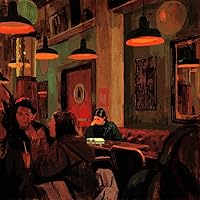
January 12, 2012
His wife has left him and he is roaming the streets of his big elusive city trying to decipher the mystery of her departure, to read the answers on the streets and in the faces of the strangers. And he suspects from the start that solving the mystery would not bring him any relief. However, it might just get him closer to understanding who he is.

This novel is like a city it is devoted to. It cannot be easily put into a box of any categorisation. It is a love story or maybe more the story of longing for love. It is a search but it is not easy to decide for what. It is comprised of a myriad of illusively connected tales. In this respect, it is clearly inspired by 1001 nights and that delicious tradition of the eastern story telling when the overall thread of a plot is not as relevant as the vibe keeping these stories alive. On the other hand, it treats the city as a metaphor of human thoughts, it is meandering. And this reminded me of Modiano Patrick. What he has done for Paris, Pamuk is doing here for Istanbul. And those who love the city would not regret escaping into its streets through this book.

How is that possible to preserve one’s self? That is the preoccupation of the novel. How to stick to it under pressure of external influences and internal changes? Is it even possible? Is it a good thing? And it is not the question only about a person, it is the question about a city while it tackles the constant change. It is a question of a nation (as much as I hate this word). Is it the only way to be yourself is to shut yourself in the empty palace and burn all the books so no thoughts, that are not yours would influence your inner selfhood? There is a tale about doing just that. Or on the other hand, does one need to totally merge with another personality, replace your own selfhood with someone”s else? And where are those famous boundaries?
“The only way for a person to become herself is to become the other, get lost in the story of this other.”
The shadow of a Sufi poet Farid ud-Din Attar, of the 12th century is always on the background. Famously, he wrote a story about 30 birds that were looking for a magic Simorgh, the god and the king who would solve all their problems. After the long quest, they reached the mountain Qaf where he was supposed to be and the birds learned that they themselves were the Simorgh.
“If Simorgh unveils its face to you, you will find
that all the birds, be they thirty or forty or more,
are but the shadows cast by that unveiling.
What shadow is ever separated from its maker?
Do you see?
The shadow and its maker are one and the same,
so get over surfaces and delve into mysteries”
(quoted based upon the translation by Sholeh Wolpé)
Reflections as shadows and the mirrors that reveal something deeper than the appearances, the symbolism of this poem spills into the novel.

Pamuk has managed to bridge the Western and Eastern storytelling tradition. Moreover, he manages to challenge the existence of this artificial separation. Rumi, Hurufism, Dostoyevsky and Proust share the pages in these stories. And the writing is very special, detached but moving and very lyrical, a poetry in prose by parts.
There is this an anxiety in the novel about something irreversibly disappearing, melting away. I think we all feel it sometimes. It is often being replaced with something new, but it is not how it feels. “It is appeared to be that to see how the world has changed it is sufficient to comprehend that you yourself have become a different person”.

There are places on this globe where I feel this transience more acutely. And Istanbul is the one of them. This novel is drenched in the memories and in nostalgia for something which has not happened yet, but is in the process. It was so sad to find out that they are again converting some museums that used to be churches centuries ago into mosques. It has started another circle of time. Anyway I think I know how these places survive for so many centuries. They keep changing, but stubbornly they keep preserving something that other cities have long lost.

This novel is like a city it is devoted to. It cannot be easily put into a box of any categorisation. It is a love story or maybe more the story of longing for love. It is a search but it is not easy to decide for what. It is comprised of a myriad of illusively connected tales. In this respect, it is clearly inspired by 1001 nights and that delicious tradition of the eastern story telling when the overall thread of a plot is not as relevant as the vibe keeping these stories alive. On the other hand, it treats the city as a metaphor of human thoughts, it is meandering. And this reminded me of Modiano Patrick. What he has done for Paris, Pamuk is doing here for Istanbul. And those who love the city would not regret escaping into its streets through this book.
How is that possible to preserve one’s self? That is the preoccupation of the novel. How to stick to it under pressure of external influences and internal changes? Is it even possible? Is it a good thing? And it is not the question only about a person, it is the question about a city while it tackles the constant change. It is a question of a nation (as much as I hate this word). Is it the only way to be yourself is to shut yourself in the empty palace and burn all the books so no thoughts, that are not yours would influence your inner selfhood? There is a tale about doing just that. Or on the other hand, does one need to totally merge with another personality, replace your own selfhood with someone”s else? And where are those famous boundaries?
“The only way for a person to become herself is to become the other, get lost in the story of this other.”
The shadow of a Sufi poet Farid ud-Din Attar, of the 12th century is always on the background. Famously, he wrote a story about 30 birds that were looking for a magic Simorgh, the god and the king who would solve all their problems. After the long quest, they reached the mountain Qaf where he was supposed to be and the birds learned that they themselves were the Simorgh.
“If Simorgh unveils its face to you, you will find
that all the birds, be they thirty or forty or more,
are but the shadows cast by that unveiling.
What shadow is ever separated from its maker?
Do you see?
The shadow and its maker are one and the same,
so get over surfaces and delve into mysteries”
(quoted based upon the translation by Sholeh Wolpé)
Reflections as shadows and the mirrors that reveal something deeper than the appearances, the symbolism of this poem spills into the novel.
Pamuk has managed to bridge the Western and Eastern storytelling tradition. Moreover, he manages to challenge the existence of this artificial separation. Rumi, Hurufism, Dostoyevsky and Proust share the pages in these stories. And the writing is very special, detached but moving and very lyrical, a poetry in prose by parts.
There is this an anxiety in the novel about something irreversibly disappearing, melting away. I think we all feel it sometimes. It is often being replaced with something new, but it is not how it feels. “It is appeared to be that to see how the world has changed it is sufficient to comprehend that you yourself have become a different person”.
There are places on this globe where I feel this transience more acutely. And Istanbul is the one of them. This novel is drenched in the memories and in nostalgia for something which has not happened yet, but is in the process. It was so sad to find out that they are again converting some museums that used to be churches centuries ago into mosques. It has started another circle of time. Anyway I think I know how these places survive for so many centuries. They keep changing, but stubbornly they keep preserving something that other cities have long lost.

May 23, 2014
رواية الكتاب الأسود –برأيي الشخصي- هي أفضل ما كتبه الروائي التركي أورهان باموك حتى الآن. لن أكتب هنا عن رأيي بتفاصيل الرواية أو تقييمي لخباياها لا أريد ذلك، فهناك العديد من الأسرار التي تعلمتها والتي سأحتفظ بها لنفسي، ولكني سأذكر هنا 7 نقاط أساسية عن هذه الرواية (الرقم 7 سحري في غالبية الثقافات) :
1. مثل قصص التصوف العظمى التي تدور حول خروج الإنسان في رحلة طويلة للبحث عن الله والبحث عن نفسه، فإن هذه الرواية تدور حول رحلة مشابهة..
2. خورخي لويس بورخيس.. إيتالو كالفينو.. كاتبان نخبويان مهمان للغاية في تاريخ الأدب.. أهمية هذه الرجلين هي في اعادة اكتشافهما لفن "القصة الفلسفية القصيرة".. هذه الرواية مليئة مليئة مليئة بالقصص الفلسفية القصيرة.. ولا شك لدي أن باموك هو أحد أفضل تلاميذ بورخيس وكالفينو
3. يقول الإيرلندي جيمس جويس صاحب رواية "يوليسيس" أن يوليسيس هي موسوعة بالمعنى الحرفي حول إيرلندا وعاصمتها دبلن (مسقط رأس جويس)، ويقول الأمريكي بول أوستر أنه يحاول كتابة "روايات ميتافيزيقية" حول مدينته نيويورك... حسناً "الكتاب الأسود" (رواية باموك حول مسقط رأسه أسطمبول) يجمع بين كونه موسوعة-ويكيبيديا، وبين كونه رواية ميتافيزيقية
4. لاحظتم حتى الآن أني ذكرت عدد لا بأس من الروائيين (جويس..كالفينو..بورخيس) السبب بسيط: وهو أن باموك يعيد كتابة الآخرين باستمرار.. المعجزة هي أنه فعل ذلك بشكل مستمر ونضالي ومتصاعد أثناء الرواية حتى وصل في النهاية لاكتشاف صوته الخاص به كروائي مستقل.. فقط في النهاية.. في نهاية رحلة البحث الطويلة
5. في العمق.. أعني صدقاً في العمق.. لا توجد هناك حبكة مهمة في هذا الكتاب.. أحداث الرواية عادية جداً.. ولكن في العمق.. أعني صدقاً في العمق.. فإن هذه الرواية عبارة عن شراب مسكر أو مخدر.. يخدر وعي القارئ. لماذا؟ لأنها مبنية حول تجربة القراءة بحد ذاتها.. بين صفحات "الكتاب الأسود" ستقوم أيها القارئ بقراءة الصفحات والكلمات والفقرات، وستقوم بقراءة الكثير من قصص الكتاب الآخرين التي أعاد باموك كتابتها، وستقرأ كيف يقرأ الآخرون أثناء قيامهم بالقراءة، وستقرأ عن رحلة الإنسان في البحث عن الله ونفسه عبر القراءة...الخ
6. في مراحل مختلفة من حياتنا.. هناك مناطق مظلمة وبقع غامقة : قصة حب فاشلة، أو إذلال علني أمام الناس، أو خيانة صديق، أو ضياع مستقبل مهني وفي نفس الوقت هناك مناطق أقل ظلمة ولكنها تظل رمادية مثل : يوم مزاجي طويل وكئيب، أو صبيحة شتائية ثقيلة.....الخ. هذه الرواية تمتلك مزاجاً رمادياً.. انها حفلة في رمادية مزاج الانسان
7. في نهاية الرواية.. في نهاية الرحلة.. يكتشف أورهان باموك صوته الخاص به ككاتب.. أما بطل روايته فإنه يكتشف أيضاً الحقيقة التي يبحث.. تنتهي الرواية ولا تنتهي رحلتنا نحن القراء مع أورهان باموك.

May 2, 2013
مع أسمي أحمر - في الحقيقة بعدها - تعتبر الكتاب الأسود أجمل روايات باموق ومن أهم الأعمال الروائية في التاريخ. يبدو الكتاب للوهلة الأولى بمثابة مسارين منفصلين - حكاية بحث غالب عن رؤيا ومقالات جلال "ثم غالب" - إلا أن الكثير في حكاية غالب لا يمكن فك طلاسمه إلا من خلال مقالات جلال، ولا تكمن المشكلة "المتعة" عندما تسبق المقالات دلالاتها في الحكاية بل عندما تسبق الحكاية مقالات فك دلالاتها. ولذلك فقط مع فولكنر و"إلى حد ما" كونديرا تعتبر القراءة الثانية لباموق متعة جديدة فريدة وغير مكررة.
بخصوص المقالات فكل واحدة منهم عمل فني قائم بذاته، غالباً جلال هو أعظم كاتب صحفي قرأت له في حياتي، فالفصل الثامن أو المقالة المعنونة "المسلحون الثلاثة" - على سبيل المثال - آية في الجمال، وطريقة عرض نصائح الكُتاب الثلاث لجلال عمل فذ - جرب أن تقراءها بصوت مسموع.
الكتاب الأسود هو تقريباَ الرواية الوحيدة التي لا يظهر بها أهم أبطالها ومع ذلك تشعر - في نهاية الرواية - أنك تعرف عنهم كل شىء بل تتخيل وجوههم وروحهم، رؤيا هي محبوبتي التي لم أراها ولم تظهر حتى بالرواية.
يبقى في الأخير الإشارة إلى أنه يوجد فيلم تركي عن هذه الرواية! لا أعرف كيف قدموها على الشاشة وواحد من أهم أبطالها مقالات مكتوبة.
بخصوص المقالات فكل واحدة منهم عمل فني قائم بذاته، غالباً جلال هو أعظم كاتب صحفي قرأت له في حياتي، فالفصل الثامن أو المقالة المعنونة "المسلحون الثلاثة" - على سبيل المثال - آية في الجمال، وطريقة عرض نصائح الكُتاب الثلاث لجلال عمل فذ - جرب أن تقراءها بصوت مسموع.
الكتاب الأسود هو تقريباَ الرواية الوحيدة التي لا يظهر بها أهم أبطالها ومع ذلك تشعر - في نهاية الرواية - أنك تعرف عنهم كل شىء بل تتخيل وجوههم وروحهم، رؤيا هي محبوبتي التي لم أراها ولم تظهر حتى بالرواية.
يبقى في الأخير الإشارة إلى أنه يوجد فيلم تركي عن هذه الرواية! لا أعرف كيف قدموها على الشاشة وواحد من أهم أبطالها مقالات مكتوبة.

November 19, 2018
Το Μαύρο Βιβλίο είναι ένα από τα λίγα βιβλία που μπορούν να αλλάξουν τον κόσμο.
Μέσα από αυτό το μυστηριακό ταξίδι, ο Ορχάν Παμούκ μας μαθαίνει τον τρόπο για να γνωρίσουμε τον εαυτό μας (αρκεί βέβαια να το διαβάσει κανείς τρείς φορές, όσες και οι διηγήσεις της "ιστορίας του πρίγκηπα" από τον Γκαλίπ).
Μέσα από αυτό το μυστηριακό ταξίδι, ο Ορχάν Παμούκ μας μαθαίνει τον τρόπο για να γνωρίσουμε τον εαυτό μας (αρκεί βέβαια να το διαβάσει κανείς τρείς φορές, όσες και οι διηγήσεις της "ιστορίας του πρίγκηπα" από τον Γκαλίπ).

November 6, 2007
I hope that Orhan Pamuk really enjoyed writing The Black Book, because I definitely did not enjoy reading it.
It is ostensibly the story of Celal, a columnist for a major Turkish daily who has disappeared or ran away, told through the eyes of the his friend and brother-in-law, Galip. When Galip’s pulp detective novel-loving wife (Celal’s sister) disappears as well, Galip turns into something of a detective himself, and the plot thickens. And then, it slows to a tedious crawl.
Whatever the story is here, it becomes something of an afterthought, taking a back seat to page after page of postmodern quasi-philosophical musings on the nature of identity. The plot pulls its head up out of the ground from time to time, introducing a few new twists and intrigues which, were they part of a tighter, more focused novel may actually have been interesting, perhaps even thrilling. But as it was they just ended up getting lost in the larger symphony of postmodern tangents whose meaning or purpose in this novel I almost certainly did not fully understand. Man, this was a tough slog of a read.
With all that being said, though, now that some time has elapsed since I read it last year, I can look back with the sugar-coated spectacles of hindsight and identify some things about it that I eventually came to appreciate, such as the portraits of some of the quirky minor characters, and the overall structure of the novel, which is punctuated with the columns of the missing columnist, columns which are eventually ghost-written by Galip, who takes up the pen when he realizes Celal will not return.
I also enjoyed some of the descriptive atmospheric passages about Istanbul, where Pamuk sort-of poetically depicts the various neighborhoods his protagnist travels through, from the seedy and worn to the posh and comfortable. There are also some pretty memorable passages from Celal’s columns, including a little fantasia about what lies at the bottom of the Bosporus, a passage that ended up being one of the most memorable of the entire novel.
I read this book during a trip to Turkey (yes, I was one of *those* people), which included a few days in Istanbul, and something about being in the place where a novel is set does add something meaningful to the experience, even if it is an excruciating one at the time.
It is ostensibly the story of Celal, a columnist for a major Turkish daily who has disappeared or ran away, told through the eyes of the his friend and brother-in-law, Galip. When Galip’s pulp detective novel-loving wife (Celal’s sister) disappears as well, Galip turns into something of a detective himself, and the plot thickens. And then, it slows to a tedious crawl.
Whatever the story is here, it becomes something of an afterthought, taking a back seat to page after page of postmodern quasi-philosophical musings on the nature of identity. The plot pulls its head up out of the ground from time to time, introducing a few new twists and intrigues which, were they part of a tighter, more focused novel may actually have been interesting, perhaps even thrilling. But as it was they just ended up getting lost in the larger symphony of postmodern tangents whose meaning or purpose in this novel I almost certainly did not fully understand. Man, this was a tough slog of a read.
With all that being said, though, now that some time has elapsed since I read it last year, I can look back with the sugar-coated spectacles of hindsight and identify some things about it that I eventually came to appreciate, such as the portraits of some of the quirky minor characters, and the overall structure of the novel, which is punctuated with the columns of the missing columnist, columns which are eventually ghost-written by Galip, who takes up the pen when he realizes Celal will not return.
I also enjoyed some of the descriptive atmospheric passages about Istanbul, where Pamuk sort-of poetically depicts the various neighborhoods his protagnist travels through, from the seedy and worn to the posh and comfortable. There are also some pretty memorable passages from Celal’s columns, including a little fantasia about what lies at the bottom of the Bosporus, a passage that ended up being one of the most memorable of the entire novel.
I read this book during a trip to Turkey (yes, I was one of *those* people), which included a few days in Istanbul, and something about being in the place where a novel is set does add something meaningful to the experience, even if it is an excruciating one at the time.

January 13, 2017
Masal, dağları aşan, zorlu patikalardan geçen, tek gözlü devlerle boğuşan Galip’in öyküsü. Beyoğlu uzak dağlar, Rüya’nın olabileceği her yer ve ona giden yollar, zorlu patikalar, Galip’in hüzünle ve gizlice nefret ettiği aile büyükleri tek gözlü devler.
Bir kurmacanın yanında da başarılı bir ders kitabı Kara Kitap. Edebiyat teorisine dair sayfalarca anlatılacak kuru bilginin kurmacaya dökülmüş hali. Bana kalırsa başarısı biraz da burdan sebep. Mümkün mertebe spoiler vermekten kaçınarak şunu diyebilirim: Kitap evvela, orijinal metin ve yaratıcı yazar yoktur, insanlığın tarih boyunca tekrarlayadurduğu hikayeler vardır savı üzerine kurulmuş. Celâl Salik’i bu kadar iyi tanıyan, okuma yazması olmayan hayranı Karslı attarın da tanıdığı Celâl değil, yüzyıllardır duyduğu, dinlediği ve şahit olduğu ve hatta belki de dahil olduğu öyküleri onun tekrar tekrar anlatması bu tanıdıklığı veren. Kitabın epigraflarından biri gibi: Aslolan, “Hikayeci değil, hikaye”. Tam da bu yüzden, Kara Kitap öğretici bir kitap. Edebiyatın tek başına müthiş bir öğretmen ve kurmacanın hakikati izhar ettiğini sanan diğer disiplinlere kıyasla, bana kalırsa, hakikate olmasa bile ona yaklaşmaya en muktedir alan olduğuna bir delil. Kara Kitap’ın güzelliği, her saniye okuruna bir kurmaca olduğunu hatırlatmasından geliyor, gerçekliğini, yalanını açık ettiği yerden kazanıyor. Saim’in dediği gibi: "Hiçbir şey hayat kadar şaşırtıcı olamaz! Yazı hariç." Kitabın ikinci savıysa, ben aslında bir başkasıdır üzerine. Bu kısım okurken aklıma, Descartes’ın meditasyonlarına B. Russell’ın (o olmayabilir emin değilim) yönelttiği eleştiriyi getirdi, düşünmekle vardığımız yer, düşünen şeyin olduğudur, bunun “ben” olduğu da nereden çıktı? Galip’in düşüncelerinin gerçeği var ettiği, hakikati taşımadığını kabul ettiği -bence bu hakikate teslim olunan anlardan biridir- yerde, en azından enformasyon anlamında gerçeğe sahip olduğu andır, onun deyişiyle, “...gerçeği bildiğimi bilmiyordum.”
Kitabın sonunda, modernist yazında sıkça kullanılan bir teknikle karşılaşıyoruz, conclusion değil de closure: Tıpkı bir hikayenin ortasından, dank diye başlar gibi (in medias res), aceleye getirilmiş, bilhassa bağlanmamış ve yazarın bizle artık nihayet, “okuyucum” diyerek rabıta kurduğu bir son. Bitmemiş aslında daha doğrusu, tükenmemiş, tüketilmemiş, tıpkı Şeyh Galip’in Hüsn-ü Aşk’ının Kara Kitap’ta yeniden üretilmesi gibi, yeniden okunmaya, yeniden yazılmaya, yeniden yaratılmaya hep açık bir hikaye Kara Kitap.
Orhan Pamuk’tan ne zaman bir roman okusam, onun kurmaca olduğunu okurun kafasına vura vura anlatmasına rağmen sahiciliğine inanasım tutuyor. Esasen buna rağmen değil de, tam da bu yüzden. Masumiyet Müzesi’ni okurken, romandaki mağazanın Bebek’teki bir apartmanın giriş katı olduğunu hayal edip, Füsun’un ve Kemal Basmacı’nın nasıl göründüklerini, gerçekten de yaşamışlardır belki, deyip merak edip duruyordum. Ya da Sessiz Evde huysuz ihtiyarın ansiklopedisinin bir cildine ulaşıvermek ihtimali beni cezbediyordu. Şimdi, Celâl Salik’in köşe yazılarını gazeteden okuyabilmenin küçük de olsa bir ihtimal olduğunu aklımdan geçirmeden edemiyorum. Pamuk’u bu yüzden, okuyucularını yalanlarıyla kendine birer mürit kılan Celâl gibi (tabi o kadar olmasa da, olmasın da (gülücük) ) bir anlığına da olsa, sahici ve inandırıcı buluyorum.
Kara Kitap’ı okuyana kadar, Pamuk iyi bir yazar ama büyük bir yazar değil diyordum. Artık Pamuk’la aynı çağda yaşadığım için mutluyum.
Bir kurmacanın yanında da başarılı bir ders kitabı Kara Kitap. Edebiyat teorisine dair sayfalarca anlatılacak kuru bilginin kurmacaya dökülmüş hali. Bana kalırsa başarısı biraz da burdan sebep. Mümkün mertebe spoiler vermekten kaçınarak şunu diyebilirim: Kitap evvela, orijinal metin ve yaratıcı yazar yoktur, insanlığın tarih boyunca tekrarlayadurduğu hikayeler vardır savı üzerine kurulmuş. Celâl Salik’i bu kadar iyi tanıyan, okuma yazması olmayan hayranı Karslı attarın da tanıdığı Celâl değil, yüzyıllardır duyduğu, dinlediği ve şahit olduğu ve hatta belki de dahil olduğu öyküleri onun tekrar tekrar anlatması bu tanıdıklığı veren. Kitabın epigraflarından biri gibi: Aslolan, “Hikayeci değil, hikaye”. Tam da bu yüzden, Kara Kitap öğretici bir kitap. Edebiyatın tek başına müthiş bir öğretmen ve kurmacanın hakikati izhar ettiğini sanan diğer disiplinlere kıyasla, bana kalırsa, hakikate olmasa bile ona yaklaşmaya en muktedir alan olduğuna bir delil. Kara Kitap’ın güzelliği, her saniye okuruna bir kurmaca olduğunu hatırlatmasından geliyor, gerçekliğini, yalanını açık ettiği yerden kazanıyor. Saim’in dediği gibi: "Hiçbir şey hayat kadar şaşırtıcı olamaz! Yazı hariç." Kitabın ikinci savıysa, ben aslında bir başkasıdır üzerine. Bu kısım okurken aklıma, Descartes’ın meditasyonlarına B. Russell’ın (o olmayabilir emin değilim) yönelttiği eleştiriyi getirdi, düşünmekle vardığımız yer, düşünen şeyin olduğudur, bunun “ben” olduğu da nereden çıktı? Galip’in düşüncelerinin gerçeği var ettiği, hakikati taşımadığını kabul ettiği -bence bu hakikate teslim olunan anlardan biridir- yerde, en azından enformasyon anlamında gerçeğe sahip olduğu andır, onun deyişiyle, “...gerçeği bildiğimi bilmiyordum.”
Kitabın sonunda, modernist yazında sıkça kullanılan bir teknikle karşılaşıyoruz, conclusion değil de closure: Tıpkı bir hikayenin ortasından, dank diye başlar gibi (in medias res), aceleye getirilmiş, bilhassa bağlanmamış ve yazarın bizle artık nihayet, “okuyucum” diyerek rabıta kurduğu bir son. Bitmemiş aslında daha doğrusu, tükenmemiş, tüketilmemiş, tıpkı Şeyh Galip’in Hüsn-ü Aşk’ının Kara Kitap’ta yeniden üretilmesi gibi, yeniden okunmaya, yeniden yazılmaya, yeniden yaratılmaya hep açık bir hikaye Kara Kitap.
Orhan Pamuk’tan ne zaman bir roman okusam, onun kurmaca olduğunu okurun kafasına vura vura anlatmasına rağmen sahiciliğine inanasım tutuyor. Esasen buna rağmen değil de, tam da bu yüzden. Masumiyet Müzesi’ni okurken, romandaki mağazanın Bebek’teki bir apartmanın giriş katı olduğunu hayal edip, Füsun’un ve Kemal Basmacı’nın nasıl göründüklerini, gerçekten de yaşamışlardır belki, deyip merak edip duruyordum. Ya da Sessiz Evde huysuz ihtiyarın ansiklopedisinin bir cildine ulaşıvermek ihtimali beni cezbediyordu. Şimdi, Celâl Salik’in köşe yazılarını gazeteden okuyabilmenin küçük de olsa bir ihtimal olduğunu aklımdan geçirmeden edemiyorum. Pamuk’u bu yüzden, okuyucularını yalanlarıyla kendine birer mürit kılan Celâl gibi (tabi o kadar olmasa da, olmasın da (gülücük) ) bir anlığına da olsa, sahici ve inandırıcı buluyorum.
Kara Kitap’ı okuyana kadar, Pamuk iyi bir yazar ama büyük bir yazar değil diyordum. Artık Pamuk’la aynı çağda yaşadığım için mutluyum.

February 16, 2022
یکی از منتقدین در وصف کتاب سیاه میگه که "اگر روزی از من پرسیده شود که اصولا نوشتن به چه دردی میخورد جواب من این خواهد بود: خلق آثاری مثل کتاب سیاه "
- چه حسی داره که کاملا اتفاقی نزدیک ترین افراد زندگیتون رو از دست بدید اما وقتی دارید دنبالشون می گردید خودتون رو پیدا کنید؟
- غالب با دختر عموش رویا ازدواج کرده و در استانبول زندگی میکنند. رویا که به مطالعه داستان های جنایی علاقه منده با دست نوشتهای کوتاه که با "بهت خبر میدم" تموم میشه بدون اطلاع قبلی خونه رو ترک کرده، وقتی که غالب به فکر فرو میره و گذرا گذشته رو برسی میکنه متوجه میشه رویا همیشه طوری رفتار میکرد که انگار میخواست از دست اون فرار کنه و بره به یک دنیای دیگه. جستجوی غالب از نزدیکترین فرد به رویا شروع می شه، جلال -که یکی از مهمترین روزنامه نگارهای ترکیه است و برادر بزرگتر و ناتنی رویا- ولی اثری از جلال هم نیست و روزنامه که هر روز یک نوشته از جلال چاپ میکنه با غیبت غیر منتظره اون شروع به باز چاپ نوشته های قدیمیاش کرده. غالب با توجه به اینکه جلال به بودن فردی در کنار خودش نیازمنده و اونها همزمان ناپدید شدن حدس می زنه که اونها هر جایی که هستند باهم اند. غالب که از طرفداران سر سخت نوشته های جلال هست و همه رو با جزئیات توی خاطرش داره به امید پیدا کردن سرنخی برای پیدا کردن اونها شروع به مرور نوشته های جلال و خاطرات مشترک اش با رویا می کنه. اون بدون اطلاع ناپدید شدن جلال و رویا به اطرافیان و پلیس شروع به گشتن شهر و سر زدن به مکان هایی میکنه که احتمال داره اونها اونجا باشند. نوشته های جلال سرشار از داستان هایی هست که شخصیت هاشون انگار دارن از خودشون فرار میکنن و رویای اینو دارن که جای یکی دیگه باشن، اونی که ازشون بهتره. برای غالب این رویای همیشگی جلاله که رفته رفته بیشتر بهش علاقه و حسادت پیدا میکنه. به مرور پرسه زدن های توی شهر و برخورد با آدم های عجیبی که شبیه به نوشته های جلال هستند غالب رو با مسائل بنیادی تری روبه رو میکنه، بحران هویت، سوالی که با پیشروی داستان پر رنگ تر میشه، یه دوراهی بزرگ و اساسی، از خودمون و زندگی مون راضی هستیم یا همیشه توی رویاهامون به یه ورژن کاملا متفاوت و قوی تر از خودمون فکر میکنیم که کپی برداری شده است از اونی که همواره تحسینش میکنیم و بی نهایت دوردست به نظر میرسه؟ هر آدمی بهتره که خوش باشه یا توی آرزوی شبیه شدن به یکی دیگه پیوسته در حال سوختن؟
پرسه زنی های غالب همینطور ادامه پیدا میکنه تا اینکه از یه جایی به بعد دیگه پیدا کردن جلال و رویا اهمیتش کم و کمتر میشه.
- کتاب پر از خرده روایت ها، تلمیح به انواع و اقسام مضامین تاریخی و عرفانیه، از جنگ های صلیبی و سلطان محمد فاتح تا روابط مولانا و شمس و فرقه حروفیه و ... طوری که انگار موازی این کتاب در حال خوندن یک مجموعه داستان کوتاه بسیار جذاب هم هستید. این روایت ها که نوشته های جلال توی روزنامه هست در بخش هایی مجزا و یکی درمیون با سیر اصلی داستان قرار گرفته.
- پاموک میگه که وقتی برای جلو بردن متن کتاب به مشکل میخورد توی دفترچه همراهش شروع به خط خطی های بی هدف می کرد، حالا که دوباره اون طرح هارو مرور میکنه متوجه میشه که چقدر شبیه کوچه پس کوچه های استانبول و کانون مرکزی کتابه، هزارتویی که انگار انتها نداره...


- نام گذاری شخصیت های داستان های پاموک همیشه با دقت و ظرافت هست. غالب به عنوان شخصیت اصلی داستان که انگار دچار یک سرگشتگی و شیدایی هست و رفته رفته توی مسیر پیدا کردن همسرش به خودش غالب میشه و خود واقعی اش رو پیدا می کنه. همسرش هم که اسم رویا براش انتخاب شده شخصی که از بچگی مورد علاقه غالب بوده و همیشه توی رویاهاش رویایی که تقریبا دست یافتنی نیست ولی بعد از ازدواج هم دوباره از دستش میده و کل شهر رو دنبالش می گرده احتمالا بعد از این فقط توی رویای غالب پیدا بشه، یه رویای همیشگی و پایان ناپذیر. جلال هم که همواره و شدیدا مورد ستایش غالب بوده و هست. جلال هم که به معنای شکوه و عظمت و...
- این کتاب به قدری جالب و ساختارمند نوشته شده که شاید بعضی از قسمت هاش نیاز به مطالعه با دقت و چندباره داشته باشه ولی یک کتاب نسبتا کوتاه وجود داره که بعد از اتمام مطالعه بهتون توی درک بهتر داستان کمک می کنه

اسرار کتاب سیاه که به برسی روند نوشتن پاموک می پردازه و نکات جالبی داخلش هست و پیشنهاد میشه.
- نوشته های پاموک برای من سرتاسر لذت و زیبایی هست. با هر کتابی که ازش میخونم انگار که دارم به یک سفر معنوی دور ودراز می رم و وقتی از سفر برمیگردم قطعا اون آدم قبل نیستم. کلی بزرگتر شدم و دید وسیع تری نسبت به اطرافم دارم. اما در بین کار های پاموک کتاب سیاه برای من جایگاه خاصی داره به عبارت ساده تر بهترین کتابی هست که تا به امروز مطالعه کردم و فکر نمیکنم حالا حالا ها رقیب پیدا کنم واسش خوشحالم توی دوره ای زندگی می کنم که پاموک هم زنده است و هنوز در حال نوشتنه امیدوارم که عمر طولانی تری داشته باشه و بازهم باعث شگفت زدگی من بشه!
"به آینه نگاه کردم و از تصویر روی آن تک تک حروف و کلمات روی چهره ام را خواندم. آینه شبیه یک دریا بود ، ساکن و آرام. و چهره ی من درمانده و ناتوان از اینکه به تو ثابت کند دنیای بی قهرمان هم وجود دارد، دنیایی که مـن قبولش دارم ، دنیای من، من. منی که هیچ وقت نتوانستم به تو ثابت کنم همـه ی آن قهرمانها تو خالی اند، ساختگی اند، ساخته ی ذهـن یک نویسنده انـد فقـط نویسنده هایی که عقده ی قهرمانی همیشه روی دل خودشـان مـانـده. منی که هیچ وقت نتوانستم به تو ثابت کنم اگر بزک روی عکس آن مجلـه هـا را بردارند اگر رنگ و لعابش را بکنند، آنها هم یکی می شوند مثل بقيه، مثـل مـن. منی که هیچ وقت نتوانستم به تو ثابت کنم تو هم می توانی درست مثـل مـن بـه وجـود دنیایی بی قهرمان باور کنی، یا حداقل دنیایی که... دنیایی که قهرمانش من بودم."
- چه حسی داره که کاملا اتفاقی نزدیک ترین افراد زندگیتون رو از دست بدید اما وقتی دارید دنبالشون می گردید خودتون رو پیدا کنید؟
- غالب با دختر عموش رویا ازدواج کرده و در استانبول زندگی میکنند. رویا که به مطالعه داستان های جنایی علاقه منده با دست نوشتهای کوتاه که با "بهت خبر میدم" تموم میشه بدون اطلاع قبلی خونه رو ترک کرده، وقتی که غالب به فکر فرو میره و گذرا گذشته رو برسی میکنه متوجه میشه رویا همیشه طوری رفتار میکرد که انگار میخواست از دست اون فرار کنه و بره به یک دنیای دیگه. جستجوی غالب از نزدیکترین فرد به رویا شروع می شه، جلال -که یکی از مهمترین روزنامه نگارهای ترکیه است و برادر بزرگتر و ناتنی رویا- ولی اثری از جلال هم نیست و روزنامه که هر روز یک نوشته از جلال چاپ میکنه با غیبت غیر منتظره اون شروع به باز چاپ نوشته های قدیمیاش کرده. غالب با توجه به اینکه جلال به بودن فردی در کنار خودش نیازمنده و اونها همزمان ناپدید شدن حدس می زنه که اونها هر جایی که هستند باهم اند. غالب که از طرفداران سر سخت نوشته های جلال هست و همه رو با جزئیات توی خاطرش داره به امید پیدا کردن سرنخی برای پیدا کردن اونها شروع به مرور نوشته های جلال و خاطرات مشترک اش با رویا می کنه. اون بدون اطلاع ناپدید شدن جلال و رویا به اطرافیان و پلیس شروع به گشتن شهر و سر زدن به مکان هایی میکنه که احتمال داره اونها اونجا باشند. نوشته های جلال سرشار از داستان هایی هست که شخصیت هاشون انگار دارن از خودشون فرار میکنن و رویای اینو دارن که جای یکی دیگه باشن، اونی که ازشون بهتره. برای غالب این رویای همیشگی جلاله که رفته رفته بیشتر بهش علاقه و حسادت پیدا میکنه. به مرور پرسه زدن های توی شهر و برخورد با آدم های عجیبی که شبیه به نوشته های جلال هستند غالب رو با مسائل بنیادی تری روبه رو میکنه، بحران هویت، سوالی که با پیشروی داستان پر رنگ تر میشه، یه دوراهی بزرگ و اساسی، از خودمون و زندگی مون راضی هستیم یا همیشه توی رویاهامون به یه ورژن کاملا متفاوت و قوی تر از خودمون فکر میکنیم که کپی برداری شده است از اونی که همواره تحسینش میکنیم و بی نهایت دوردست به نظر میرسه؟ هر آدمی بهتره که خوش باشه یا توی آرزوی شبیه شدن به یکی دیگه پیوسته در حال سوختن؟
پرسه زنی های غالب همینطور ادامه پیدا میکنه تا اینکه از یه جایی به بعد دیگه پیدا کردن جلال و رویا اهمیتش کم و کمتر میشه.
- کتاب پر از خرده روایت ها، تلمیح به انواع و اقسام مضامین تاریخی و عرفانیه، از جنگ های صلیبی و سلطان محمد فاتح تا روابط مولانا و شمس و فرقه حروفیه و ... طوری که انگار موازی این کتاب در حال خوندن یک مجموعه داستان کوتاه بسیار جذاب هم هستید. این روایت ها که نوشته های جلال توی روزنامه هست در بخش هایی مجزا و یکی درمیون با سیر اصلی داستان قرار گرفته.
- پاموک میگه که وقتی برای جلو بردن متن کتاب به مشکل میخورد توی دفترچه همراهش شروع به خط خطی های بی هدف می کرد، حالا که دوباره اون طرح هارو مرور میکنه متوجه میشه که چقدر شبیه کوچه پس کوچه های استانبول و کانون مرکزی کتابه، هزارتویی که انگار انتها نداره...
- نام گذاری شخصیت های داستان های پاموک همیشه با دقت و ظرافت هست. غالب به عنوان شخصیت اصلی داستان که انگار دچار یک سرگشتگی و شیدایی هست و رفته رفته توی مسیر پیدا کردن همسرش به خودش غالب میشه و خود واقعی اش رو پیدا می کنه. همسرش هم که اسم رویا براش انتخاب شده شخصی که از بچگی مورد علاقه غالب بوده و همیشه توی رویاهاش رویایی که تقریبا دست یافتنی نیست ولی بعد از ازدواج هم دوباره از دستش میده و کل شهر رو دنبالش می گرده احتمالا بعد از این فقط توی رویای غالب پیدا بشه، یه رویای همیشگی و پایان ناپذیر. جلال هم که همواره و شدیدا مورد ستایش غالب بوده و هست. جلال هم که به معنای شکوه و عظمت و...
- این کتاب به قدری جالب و ساختارمند نوشته شده که شاید بعضی از قسمت هاش نیاز به مطالعه با دقت و چندباره داشته باشه ولی یک کتاب نسبتا کوتاه وجود داره که بعد از اتمام مطالعه بهتون توی درک بهتر داستان کمک می کنه
اسرار کتاب سیاه که به برسی روند نوشتن پاموک می پردازه و نکات جالبی داخلش هست و پیشنهاد میشه.
- نوشته های پاموک برای من سرتاسر لذت و زیبایی هست. با هر کتابی که ازش میخونم انگار که دارم به یک سفر معنوی دور ودراز می رم و وقتی از سفر برمیگردم قطعا اون آدم قبل نیستم. کلی بزرگتر شدم و دید وسیع تری نسبت به اطرافم دارم. اما در بین کار های پاموک کتاب سیاه برای من جایگاه خاصی داره به عبارت ساده تر بهترین کتابی هست که تا به امروز مطالعه کردم و فکر نمیکنم حالا حالا ها رقیب پیدا کنم واسش خوشحالم توی دوره ای زندگی می کنم که پاموک هم زنده است و هنوز در حال نوشتنه امیدوارم که عمر طولانی تری داشته باشه و بازهم باعث شگفت زدگی من بشه!
"به آینه نگاه کردم و از تصویر روی آن تک تک حروف و کلمات روی چهره ام را خواندم. آینه شبیه یک دریا بود ، ساکن و آرام. و چهره ی من درمانده و ناتوان از اینکه به تو ثابت کند دنیای بی قهرمان هم وجود دارد، دنیایی که مـن قبولش دارم ، دنیای من، من. منی که هیچ وقت نتوانستم به تو ثابت کنم همـه ی آن قهرمانها تو خالی اند، ساختگی اند، ساخته ی ذهـن یک نویسنده انـد فقـط نویسنده هایی که عقده ی قهرمانی همیشه روی دل خودشـان مـانـده. منی که هیچ وقت نتوانستم به تو ثابت کنم اگر بزک روی عکس آن مجلـه هـا را بردارند اگر رنگ و لعابش را بکنند، آنها هم یکی می شوند مثل بقيه، مثـل مـن. منی که هیچ وقت نتوانستم به تو ثابت کنم تو هم می توانی درست مثـل مـن بـه وجـود دنیایی بی قهرمان باور کنی، یا حداقل دنیایی که... دنیایی که قهرمانش من بودم."

November 9, 2018
Una explosión narrativa, perturbadora y, por momentos, confusa. Historias dentro de historias como infinitas mamushkas, lecturas complementarias que modifican la historia como espejos raros, cambios abruptos de narrador y la escritura laberíntica de Pamuk, hacen de esta lectura una experiencia estimulante y agotadora al mismo tiempo. Una experiencia que podría distanciar a algunos lectores de otras obras del autor. Espero que no sea así. (Y, al pasar, recomiendo "Me llamo Rojo". Uno de mis libros favoritos de Pamuk. Uno de mis libros favoritos, a secas)
Con la identidad como tema principal, el autor explora una cantidad de tópicos exuberante: la maravilla del lenguaje, la memoria, el amor, el amor no correspondido, el desamparo, el doble, el impostor, la frustración y el desencanto con la propia existencia. Y todos parecen finitos y pasajeros, excepto la escritura.
"Si, por supuesto, excepto la escritura, el único consuelo"
Con la identidad como tema principal, el autor explora una cantidad de tópicos exuberante: la maravilla del lenguaje, la memoria, el amor, el amor no correspondido, el desamparo, el doble, el impostor, la frustración y el desencanto con la propia existencia. Y todos parecen finitos y pasajeros, excepto la escritura.
"Si, por supuesto, excepto la escritura, el único consuelo"

November 5, 2020
Muhteşem!!
Kitap okumakla alâkalı tanımlama yaparken insan ne diyeceğini bilemez, ne dese az gelecekmiş gibi hisseder. Kara kitabı bitirip kapattığımda bu tanımlamayı zihnime tekrar yapabilmenin mutluluğunu fazlasıyla yaşadım. Sanırım 20 sene daha okumakla alâkalı çelişkili düşüncelere daldığımda bunu düşünmem yetecek. Kitabı okurken o kadar sert hislere kapıldım ki, okuyarak bu hazzı yaşamanın bu kadar bedelsiz olması ve farkındalığın bu kadar düşük olması ve üstüne Orhan Pamuk kalemine bu kadar pespaye ve çürümüş fikirlerle yaklaşılması yine İnsan nedir, ne değildir sorularını zihnimde çınlatmaya başladı.
Kıymetli okur- yazar insanlar, okuma ehliyeti diye bir şey var ve bunu maalesef bu kitabı okuma sürecinde idrak ettim. Bazı yazarlar, bazı kitaplar yoruma, beğenmemeye, eleştiriye açık değildir. Bu ayrıştırıcı söylemi özellikle kendim için yazdım ki uzun vadede ben de hâd bileyim.
Saygılar.
Kitap okumakla alâkalı tanımlama yaparken insan ne diyeceğini bilemez, ne dese az gelecekmiş gibi hisseder. Kara kitabı bitirip kapattığımda bu tanımlamayı zihnime tekrar yapabilmenin mutluluğunu fazlasıyla yaşadım. Sanırım 20 sene daha okumakla alâkalı çelişkili düşüncelere daldığımda bunu düşünmem yetecek. Kitabı okurken o kadar sert hislere kapıldım ki, okuyarak bu hazzı yaşamanın bu kadar bedelsiz olması ve farkındalığın bu kadar düşük olması ve üstüne Orhan Pamuk kalemine bu kadar pespaye ve çürümüş fikirlerle yaklaşılması yine İnsan nedir, ne değildir sorularını zihnimde çınlatmaya başladı.
Kıymetli okur- yazar insanlar, okuma ehliyeti diye bir şey var ve bunu maalesef bu kitabı okuma sürecinde idrak ettim. Bazı yazarlar, bazı kitaplar yoruma, beğenmemeye, eleştiriye açık değildir. Bu ayrıştırıcı söylemi özellikle kendim için yazdım ki uzun vadede ben de hâd bileyim.
Saygılar.

October 21, 2018
Bütün Orhan Pamuk romanları, aslında Kara Kitap'ta açılmış bir parantezdir. O geniş parantez içlerinden herhangi birini Kara Kitap'ın bütününden daha fazla sevme ihtimaliniz her zaman olsa da, eğer tek bir Orhan Pamuk romanı okuyacaksanız, o elbette Kara Kitap olmalıdır.

February 26, 2026
The Black Book is a map of the territory where I live as a writer — a territory where identity is not a fortress but a manuscript, constantly added to and rewritten by other hands. In Pamuk's world, Istanbul is not a city. It is an enormous, dusty book read by rain and fog, where every alleyway is a crossed-out line and every house holds the traces of someone's text. The novel's hero, Galip, is not a detective but the most miserable reader in the world. He has lost his beloved story — his wife Rüya — and now tries to find her by leafing through the pages of other people's lives, newspaper columns, and old encyclopedias. He is searching not so much for his wife as for an author for his own life, because his draft seems unfinished and meaningless.
The idea of the double here is not a plot device but a state in between. You are not you, but not him either. You exist in the crack between two reflections, in a space where you can try on someone else's biography like a coat. The entire book becomes an attempt to erase one's own handwriting and forge another's, in order to understand whether such a boundary exists at all — or whether we are merely collages of quotations overheard on the streets of Istanbul. This is an honest and brutal novel about identity. It shows that we do not become ourselves so much as pass through an endless corridor of other people's selves, until only an echo remains.
And yet Pamuk does not know how to stop. He writes like a man afraid of silence, filling every pause with new layers of Istanbul dust, new reflections on what it means to be a self. One could say this is a symptom rather than a flaw: the hero wanders through a labyrinth, and the author makes the reader wander alongside him. Every surplus page is another false door, another reflection that leads nowhere. But there is another conclusion: a hundred pages here are simply unnecessary. A hundred pages of the author's own bewilderment, unedited and published as is. There is courage in that, but there is also weakness. The Black Book is uneven and excessive. It makes an impression, but does not always live up to its own ambitions.
The idea of the double here is not a plot device but a state in between. You are not you, but not him either. You exist in the crack between two reflections, in a space where you can try on someone else's biography like a coat. The entire book becomes an attempt to erase one's own handwriting and forge another's, in order to understand whether such a boundary exists at all — or whether we are merely collages of quotations overheard on the streets of Istanbul. This is an honest and brutal novel about identity. It shows that we do not become ourselves so much as pass through an endless corridor of other people's selves, until only an echo remains.
And yet Pamuk does not know how to stop. He writes like a man afraid of silence, filling every pause with new layers of Istanbul dust, new reflections on what it means to be a self. One could say this is a symptom rather than a flaw: the hero wanders through a labyrinth, and the author makes the reader wander alongside him. Every surplus page is another false door, another reflection that leads nowhere. But there is another conclusion: a hundred pages here are simply unnecessary. A hundred pages of the author's own bewilderment, unedited and published as is. There is courage in that, but there is also weakness. The Black Book is uneven and excessive. It makes an impression, but does not always live up to its own ambitions.

March 7, 2008
A man’s search for his wife and her journalist ex-husband becomes intertwined with the latter’s bizarre articles/columns turning this book into a bewildering hall of mirrors of Dostoevsky styled feverish monologues, storytelling sessions like a Dinesen or Potocki tale, and Borgesian labyrinths of history and literature (and fake detective tale). Each chapter is its own unit; a short story, mock essay, or monologue. This book is exasperating, annoying, thrilling, and provocative at different points and the landscape of Pamuk’s Istanbul is world of threatening phone calls, gangsters, wise journalists, eschatological hints, melancholy, shadowy doubles and disguises, an underground chamber of mannequins, crows, and flickering identity; a gothic and alluring epic labyrinth or inferno.

March 12, 2014
*Available from KOBOBOOKS
The book, in a nutshell, traces the protagonist’s search for his wife and, subsequently, also his cousin. There is indeed a vague plot resembling a detective novel here, but that is hardly the point of the novel. The real point of the novel is Turkey, as Galip’s search for Ruya takes him around Istanbul meeting various people who he thinks might help him find her, and via this process the novel morphs into an examination of identity, both individual and national.
On one level, Pamuk reflects on the Turkish dilemma of being caught between Asia and Europe, of how to be both modern/secular without becoming purely a poor copy of the West. On another level, Pamuk reflects on what it means to be oneself, delving into Ottoman culture and sufi beliefs to mull on this question.
You will note that I have avoided stating that Pamuk answers these questions or proffers any solutions to them. The novel often appears to approach an answer only for readers to find that answer taken away from them. In her Afterword to this edition of the novel, its translator, Maureen Freely, states, “The poet Murat Nemet-Nejat has described Turkish as a language that can evoke a thought unfolding.” This seems to describe Pamuk’s approach here as well: the novel is, or becomes, an exploration of Galip’s (and Pamuk’s) evolution of thought towards an ever receding conclusion, brought only to an artificial end by the end of the book.
The other aspect of the novel that so enchanted and struck me was its references to Turkish history and literature. Pamuk discusses this in an interview with the Paris Review:
The book, in a nutshell, traces the protagonist’s search for his wife and, subsequently, also his cousin. There is indeed a vague plot resembling a detective novel here, but that is hardly the point of the novel. The real point of the novel is Turkey, as Galip’s search for Ruya takes him around Istanbul meeting various people who he thinks might help him find her, and via this process the novel morphs into an examination of identity, both individual and national.
On one level, Pamuk reflects on the Turkish dilemma of being caught between Asia and Europe, of how to be both modern/secular without becoming purely a poor copy of the West. On another level, Pamuk reflects on what it means to be oneself, delving into Ottoman culture and sufi beliefs to mull on this question.
You will note that I have avoided stating that Pamuk answers these questions or proffers any solutions to them. The novel often appears to approach an answer only for readers to find that answer taken away from them. In her Afterword to this edition of the novel, its translator, Maureen Freely, states, “The poet Murat Nemet-Nejat has described Turkish as a language that can evoke a thought unfolding.” This seems to describe Pamuk’s approach here as well: the novel is, or becomes, an exploration of Galip’s (and Pamuk’s) evolution of thought towards an ever receding conclusion, brought only to an artificial end by the end of the book.
The other aspect of the novel that so enchanted and struck me was its references to Turkish history and literature. Pamuk discusses this in an interview with the Paris Review:
“I went with my wife to the United States in 1985, and there I first encountered the prominence and the immense richness of American culture. As a Turk coming from the Middle East, trying to establish himself as an author, I felt intimidated. So I regressed, went back to my ‘roots’. I realized that my generation had to invent a modern national literature… I had to begin by making a strong distinction between the religious and literary connotations of Islamic literature, so that I could easily appropriate its wealth of games, gimmicks, and parables. Turkey had a sophisticated tradition of highly refined ornamental literature… There are lots of allegories that repeat themselves in the various oral storytelling traditions—of China, India, Persia. I decided to use them and set them in contemporary Istanbul… So I set all these rewritten stories in Istanbul, added a detective plot, and out came The Black Book. But at its source was the full strength of American culture…”It is this state of interstitiality, of in-betweeness that I find most compelling and interesting about this work: the drawing from the richness of the well of Turkish culture without being slavish to tradition nor betraying it all the while trying to interpret it in a way that speaks authentically to the contemporary state so embedded in a culture/technology that is inherently Anglo-Saxon/American.
October 27, 2015
I get it. Not all authors write in the same style, the same proficiency, the same genre, nor the same level of whatever readers want in each of their books. That is why there are novels that are more successful than others within their work. Perhaps, therefore, there should be no real sympathy for me here, but Orhan Pamuk's The Museum of Innocence was by far one of my all-time-favorites, a definite 5 Star. Sadly, I have read the more if guys works, increasingly desperately trying to find one that is even clear to such greatness; the closest has been a pathetic 3.5 Stars. Le sigh. Although I hate to admit it, finding another work from Pamuk very similar in personal preference to The Museum of Innocence will be difficult, since I have noticed that it is the least politically centered. It is there if choose, asking with his Turkish background, cultural notes, etceteras, that has become guys trademark, but starkly less so. More so, it focuses far more on psychological and physiological ideas, romance and true love. Which I obviously have a weakness for. Accepting but not quite accepting this, we shall move on to The Black Book. Honestly, my least favorite from Oamuk so far. Almost completely revolving around politics, which were honestly confusing for me to fully comprehend.
The main characters. Galip, the narrator. Ruya, his wife whom disappears early on in the story, never outweighing the reader with her voice. Celal, her brother, a famous political newspaper columnist, who secretly suffers from an undefined memory disorder. Other notable characters include thorities trying to find Celal, as well as a devoted reader, stalkerishly knowledgeable regarding the intimate miniature and nuances in Celal's life; possibly violent and trying to locate Celal whom had disappeared asking with Ruya. This this man is actually speaking to Galip, whom becomes an extremely unreliable narrator as he puts himself into Celal's shoes. Literally. He soon send to even forget which is the real him, what is real and what is a dream or his imagination. Along with the reader.
The focus of this novel ends up being identity. For example, everything we do is essentially an imitation of someone else, something else- whether a fictional character, sometime we know, someone we do not. Who is, of course, imitating someone else or something else. And so on. A barber asked Celal a couple questions that changed his life and therefore play an important part in the story: "Do you have trouble being yourself?"; " Is there a way a man can be only himself?" The answer- at least according to The Black Book- is "No".
The chapters in this book alternate between Celal's columns and the story presently taking place with Galip searching for him and his wife Ruya. I far preferred the columns, as they were beautifully and lyrically written, straightforward with none of the mystical confusion found in the other chapters, with far more interesting content.
My favorite was the one titled, "Alaaddin's Shop", which tells the shopkeeper's story; his older-than-time store that sells everything from rare toys to old comics, chocolate bars to pink backgammon dice, pencil sharpeners shaped like Dutch Windwills to archived newspapers, sexology annuals to prayer books. Being the only fully stocked marketplace in his town for so many years, Alaaddin certainly has much to tell.
My second favorite column was that which told the story of a young Prince Enfendi. He was so enamored with the idea of staying true to oneself that he dedicated his entire life to it. Alas, this is a very difficult thing to do. Impossible if you were to take it literally. The Prince hope to live without any influence from anyone. He threw away all the books he had so as to not be influenced by greater minds. He no longer meet with anyone he had an affinity for, to avoid influence. He hired servants to extinguish all unique scents within his vicinity for fear of eliciting nostalgic memories. He began to see woman whom he specifically disliked, so he could not be influenced by his desire to fulfill her desires. Unfortunately, he found himself caring more than ever for these women, as they were his only link to the outside world. Prince Enfendi was left with nothing but his devoted scribe, who transcribed his dying words.
The main characters. Galip, the narrator. Ruya, his wife whom disappears early on in the story, never outweighing the reader with her voice. Celal, her brother, a famous political newspaper columnist, who secretly suffers from an undefined memory disorder. Other notable characters include thorities trying to find Celal, as well as a devoted reader, stalkerishly knowledgeable regarding the intimate miniature and nuances in Celal's life; possibly violent and trying to locate Celal whom had disappeared asking with Ruya. This this man is actually speaking to Galip, whom becomes an extremely unreliable narrator as he puts himself into Celal's shoes. Literally. He soon send to even forget which is the real him, what is real and what is a dream or his imagination. Along with the reader.
The focus of this novel ends up being identity. For example, everything we do is essentially an imitation of someone else, something else- whether a fictional character, sometime we know, someone we do not. Who is, of course, imitating someone else or something else. And so on. A barber asked Celal a couple questions that changed his life and therefore play an important part in the story: "Do you have trouble being yourself?"; " Is there a way a man can be only himself?" The answer- at least according to The Black Book- is "No".
The chapters in this book alternate between Celal's columns and the story presently taking place with Galip searching for him and his wife Ruya. I far preferred the columns, as they were beautifully and lyrically written, straightforward with none of the mystical confusion found in the other chapters, with far more interesting content.
My favorite was the one titled, "Alaaddin's Shop", which tells the shopkeeper's story; his older-than-time store that sells everything from rare toys to old comics, chocolate bars to pink backgammon dice, pencil sharpeners shaped like Dutch Windwills to archived newspapers, sexology annuals to prayer books. Being the only fully stocked marketplace in his town for so many years, Alaaddin certainly has much to tell.
My second favorite column was that which told the story of a young Prince Enfendi. He was so enamored with the idea of staying true to oneself that he dedicated his entire life to it. Alas, this is a very difficult thing to do. Impossible if you were to take it literally. The Prince hope to live without any influence from anyone. He threw away all the books he had so as to not be influenced by greater minds. He no longer meet with anyone he had an affinity for, to avoid influence. He hired servants to extinguish all unique scents within his vicinity for fear of eliciting nostalgic memories. He began to see woman whom he specifically disliked, so he could not be influenced by his desire to fulfill her desires. Unfortunately, he found himself caring more than ever for these women, as they were his only link to the outside world. Prince Enfendi was left with nothing but his devoted scribe, who transcribed his dying words.

June 24, 2011
[…] the dividing line between Being and Nothingness was sound, because everything that passed from the spiritual to the material world had its own sound; even the ‘most silent’ objects made a distinct sound when knocked together. The most advanced sounds were, of course, words; words were the magic building blocks of the exalted thing we called speech and they were made up of letters. Those wishing to understanding the meaning of existence and the sanctity of life and see God’s manifestations here on earth only had to read the letters hidden in the face of men.
*
[...] at the end of the day there was nothing to be gained by reminding people that everything that had ever been written, even the greatest and most authoritative texts in the world, were about dreams, not real life, dreams conjured up by words.
*
For nothing can be so surprising as life. Except for writing. Except for writing. Yes, of course, except for that only consolation, writing.
*
[...] at the end of the day there was nothing to be gained by reminding people that everything that had ever been written, even the greatest and most authoritative texts in the world, were about dreams, not real life, dreams conjured up by words.
*
For nothing can be so surprising as life. Except for writing. Except for writing. Yes, of course, except for that only consolation, writing.

June 14, 2016
За goodreads искам само да вмъкна нещо извън ревюто ми за сайта. "Черна книга" бе първата ми борба с Орхан Памук през 2010 г.; започвах я 6 или 8 пъти, началото ми харесваше, четох отделни глави в рамките на 2 години. Изводът ми е, че за всяка книга си има времето, особено за автор с качествата на Памук. Грешка! Орхан Памук не е автор, а роден Писател.
С четвъртия си роман „Черна книга” Орхан Памук прави първите си големи стъпки към сериозната литература, поставяйки задачата да отговори чрез книгата на един от най-екзистенциалните въпроси „Възможно ли е да останем верни на себе си?”. Живот ли е животът, изживян в стремеж да приличаме на другиго, и можем ли изобщо да имаме своя чиста и оригинална същина или съществуването ни винаги е нечие чуждо подражание? В превод на Гюлчин Чешмеджиева „Черна книга” е част от каталога на издателство „Еднорог”.
Опитвайки се да открие отговора на въпроса възможно ли е да бъдем верни на себе си, Орхан Памук слива реалност и въображение, повеждайки читателите към живота на главния герой в книгата - Галип, който търси изчезналата си любима жена Рюя. Галип е сигурен, че жена му е избягала при братовчед му – известният журналист и колумнист Джелял, от вестник „Миллиет”. В един момент Галип сякаш спира да търси изчезналата си съпруга и започва да търси Джелял, надявайки се, че чрез неговото намиране ще намери и Рюя. Паралелно с това обаче Галип влиза в кожата на изчезналия журналист и дори се представя за него пред дългогодишните му фенове, читатели, колеги и издатели.
Галип обръща гръб на работа, роднини и приятели, посвещавайки ежедневието си в търсене на Рюя, Джелял и на себе си. Той заживява в празния апартамент на журналиста и четейки статиите му и папките с материали, се опитва да присвои спомените му; защото какво друго е четенето, казва Памук, ако не придобиване на нечия чужда памет? „Четенето означава да погледнеш вътре в огледалото; който знае „тайната” зад огледалото, минава оттатък, а който не е осведомен за тайната на буквите, не намира там нищо освен собственото си блудкаво лице. Малко чети, но с любов, тогава ще изглеждаш по-начетен от оня, който чете много, но насила.”
„Черни книга” е построена като приказка в приказка и история в историята, породени от ефектът, който се получава от две срещуположни огледала. В повествованието си Орхан Памук редува блуждаенията на Галип със забравени легенди и истории, не случайно заради което от „Ню Йорк Таймс” пишат по-късно, че Памук разказва като Шехерезада.
В четвъртия си роман Памук започва да плете една нишка, която проследилите цялото му творчество ще следват до последната му книга, напомняйки за свои герои от предишни творби. В „Черна книга” той споменава вече известния истанбулски богаташ Двевдет бей от първия си роман, тук е включен и енциклипедистът Селяхаттин, както и тайнствената къщата на джуджетата в Юскюдар от „Безмълвния дом. Тук е и павилионът на Аляаддин, който 30 години Памук не се уморява да описва все по-цветущо и да намира в него все нови и нови детайли.
Памук разглежда разпадането на личността и идентичността първо от желанията на хората да приличат физически на други, след което и придобиването на тяхно държание, манталитет и речник. Орхан порицава глупците, водещи се по модата, които не купуват дрехи с цел удобство или нужда, а единствено с желанието да придобият чужда самоличност. Чрез тънка ирония той описва трудното и сякаш невъзможно бягство на турците от ориентализма към западните порядки, тласнати от консуматорски мотиви и загърбвайки традициите на своите земи. Памук разглежда голяма част от хората като несигурни в себе си същества, объркани от околната среда и вечно недоволни от себе си, които се удовлетворяват единствено, ако заприличат на някой друг – вече успял.
„Клиентът не иска да носи палто, което вижда ежедневно на гърба на хилядите мустакати, кривокраки, черни и изсушени съотечественици в Турция; той иска да облече сако, каквото носи красив и непознат човек, пристигнал от далечна и неизвестна страна, та да може да повярва, че със сакото се е променил и той, станал е друг.
Друга силно засегната тема в „Черна книга” е авторският почерк в изкуството, която с далеч по-голям замах Памук разглежда в „Името ми е Червен”. В „Черна книга” нобелистът подема тезата си, че „Единственото истинско изкуство, е изкуството да твориш подобия”. Посредством героя си Джелял, чийто есета и статии във вестника са заимствани чужди мисли и подражания, Орхан застава зад мисълта на Тахир-юл Мавлеви, че писането безусловно започва с подражание на вече написаното. Това е съвсем естествено. Нима и децата не проговарят, подражавайки на възрастните?
Неминуемо пишейки за журналист, който често използва идеи от чужди произведения, „Черна книга” прелива с препратки както към древни класици, така и към съвременни европейски. Разбира се неотменно тук присъства и Мевляна с неговото „Масневи” – очевидно една от най-вдъхновяващите книги за Орхан Памук, който използва нейни цитати в редица свои произведения, а според мен именно тя е и в основата на „Името ми е Червен”.
„В четвърти том на „Масневи” Мевляна разказва за мравката, пъплеща по черновите. Насекомото отначало вижда арабските букви, образуваните по тях цветя, след това – градината, създадена от молива, после вижда, че ръката движи молива, а ръката се движи от разума. И после тя забелязва, че и умът се раздвижва от друг нечий ум.”
Най-често задаваният въпрос в книгата и нейна същина се появява малко след втората й половина и Орхан е категоричен, че „Човек никога не може да си бъде той”. Най-голямата пречка за човека да бъде верен на себе си са другите хора от обкръжението му. Турчинът разказва с примери, че най-голямото удоволствие за хората е да накарат другите да заприличат на тях.
„В тези прокълнати земи най-важният въпрос е човек да бъде верен на себе си, докато този въпрос не се разреши по подобаващ начин, всички сме осъдени на разруха, поражение, робство. Всички, неуспели да намерят начин да бъдат верни на себе си, са осъдени на робство, всички родове – на безродие, всички народи – на изчезване, унищожение”.
Журналистическата кариера на Памук със сигурност му дава една сериозна основа за „Черна книга”, правейки я ярка, цветуща и откровена, разкривайки пред читателите борбите на всеки един журналист, който ежедневно търси теми, с които да занимава читателското внимание. В турския вестник „Миллиет” Джелял списва колонката „Ако щете вярвайте, ако щете – не”, където през годините често върти едни и същи теми, понякога алогични, но пише усърдно под натиска да запълва рубриката си .
„Джелял, принуден си да дадеш на читателите исканите чудеса. Пиши им, че денят на спасението наближава; пиши им, че дните, в които се нареждат пред махленската чешма с пластмасови бидони в ръка и чакат да потече вода, скоро ще свършат; пиши им, че гимназистките, избягали от вкъщи, ще могат да станат кинозвезди, без да попадат в публичните домове на Галата; пиши, че след едно много скорошно чудо вече няма да има непечеливши билети от държавната лотария, пияните мъже няма да бият жените си, след деня на чудото към влаковете за предградията ще прикачват празни вагони, пиши, че един ден по всички градски площади, както в Европа, ще свири духова музика; пиши, че един ден всеки ще стане известен и герой и много скоро всеки ще може да спи с всяка жена, която поиска, включително и с майка си и ще може да продължава да възприема жената, с която е спал – по магически път, - като ангелска девственица и сестра. Пиши им, че най-после са открити документите, разкриващи историческа тайна, която от векове ни подтиква към нищета. Посочи им техните врагове, че да им олекне – нали са намерили кого да обвиняват за нещастието и мизерията си.
„Черна книга” е написана с характерната за Памук монотонност и дълги описания от съществителни, превръщайки я в истинска и стойностна литература, чиято философия обаче е отвъд редовете и смисълът не се чете, а се осъзнава. Орхан описва по блестящ начин загубата на зелена химикалка нейде из Босфора. „Знаеш ли къде е паднала зелената писалка в Босфора – тя не е изчезнала”. И какъв по-хубав завършек за една „Черна книга”, в която можем да прочетем, че: „Малко живеем, малко виждаме, малко знаем; поне да си помечтаем.”
С четвъртия си роман „Черна книга” Орхан Памук прави първите си големи стъпки към сериозната литература, поставяйки задачата да отговори чрез книгата на един от най-екзистенциалните въпроси „Възможно ли е да останем верни на себе си?”. Живот ли е животът, изживян в стремеж да приличаме на другиго, и можем ли изобщо да имаме своя чиста и оригинална същина или съществуването ни винаги е нечие чуждо подражание? В превод на Гюлчин Чешмеджиева „Черна книга” е част от каталога на издателство „Еднорог”.
Опитвайки се да открие отговора на въпроса възможно ли е да бъдем верни на себе си, Орхан Памук слива реалност и въображение, повеждайки читателите към живота на главния герой в книгата - Галип, който търси изчезналата си любима жена Рюя. Галип е сигурен, че жена му е избягала при братовчед му – известният журналист и колумнист Джелял, от вестник „Миллиет”. В един момент Галип сякаш спира да търси изчезналата си съпруга и започва да търси Джелял, надявайки се, че чрез неговото намиране ще намери и Рюя. Паралелно с това обаче Галип влиза в кожата на изчезналия журналист и дори се представя за него пред дългогодишните му фенове, читатели, колеги и издатели.
Галип обръща гръб на работа, роднини и приятели, посвещавайки ежедневието си в търсене на Рюя, Джелял и на себе си. Той заживява в празния апартамент на журналиста и четейки статиите му и папките с материали, се опитва да присвои спомените му; защото какво друго е четенето, казва Памук, ако не придобиване на нечия чужда памет? „Четенето означава да погледнеш вътре в огледалото; който знае „тайната” зад огледалото, минава оттатък, а който не е осведомен за тайната на буквите, не намира там нищо освен собственото си блудкаво лице. Малко чети, но с любов, тогава ще изглеждаш по-начетен от оня, който чете много, но насила.”
„Черни книга” е построена като приказка в приказка и история в историята, породени от ефектът, който се получава от две срещуположни огледала. В повествованието си Орхан Памук редува блуждаенията на Галип със забравени легенди и истории, не случайно заради което от „Ню Йорк Таймс” пишат по-късно, че Памук разказва като Шехерезада.
В четвъртия си роман Памук започва да плете една нишка, която проследилите цялото му творчество ще следват до последната му книга, напомняйки за свои герои от предишни творби. В „Черна книга” той споменава вече известния истанбулски богаташ Двевдет бей от първия си роман, тук е включен и енциклипедистът Селяхаттин, както и тайнствената къщата на джуджетата в Юскюдар от „Безмълвния дом. Тук е и павилионът на Аляаддин, който 30 години Памук не се уморява да описва все по-цветущо и да намира в него все нови и нови детайли.
Памук разглежда разпадането на личността и идентичността първо от желанията на хората да приличат физически на други, след което и придобиването на тяхно държание, манталитет и речник. Орхан порицава глупците, водещи се по модата, които не купуват дрехи с цел удобство или нужда, а единствено с желанието да придобият чужда самоличност. Чрез тънка ирония той описва трудното и сякаш невъзможно бягство на турците от ориентализма към западните порядки, тласнати от консуматорски мотиви и загърбвайки традициите на своите земи. Памук разглежда голяма част от хората като несигурни в себе си същества, объркани от околната среда и вечно недоволни от себе си, които се удовлетворяват единствено, ако заприличат на някой друг – вече успял.
„Клиентът не иска да носи палто, което вижда ежедневно на гърба на хилядите мустакати, кривокраки, черни и изсушени съотечественици в Турция; той иска да облече сако, каквото носи красив и непознат човек, пристигнал от далечна и неизвестна страна, та да може да повярва, че със сакото се е променил и той, станал е друг.
Друга силно засегната тема в „Черна книга” е авторският почерк в изкуството, която с далеч по-голям замах Памук разглежда в „Името ми е Червен”. В „Черна книга” нобелистът подема тезата си, че „Единственото истинско изкуство, е изкуството да твориш подобия”. Посредством героя си Джелял, чийто есета и статии във вестника са заимствани чужди мисли и подражания, Орхан застава зад мисълта на Тахир-юл Мавлеви, че писането безусловно започва с подражание на вече написаното. Това е съвсем естествено. Нима и децата не проговарят, подражавайки на възрастните?
Неминуемо пишейки за журналист, който често използва идеи от чужди произведения, „Черна книга” прелива с препратки както към древни класици, така и към съвременни европейски. Разбира се неотменно тук присъства и Мевляна с неговото „Масневи” – очевидно една от най-вдъхновяващите книги за Орхан Памук, който използва нейни цитати в редица свои произведения, а според мен именно тя е и в основата на „Името ми е Червен”.
„В четвърти том на „Масневи” Мевляна разказва за мравката, пъплеща по черновите. Насекомото отначало вижда арабските букви, образуваните по тях цветя, след това – градината, създадена от молива, после вижда, че ръката движи молива, а ръката се движи от разума. И после тя забелязва, че и умът се раздвижва от друг нечий ум.”
Най-често задаваният въпрос в книгата и нейна същина се появява малко след втората й половина и Орхан е категоричен, че „Човек никога не може да си бъде той”. Най-голямата пречка за човека да бъде верен на себе си са другите хора от обкръжението му. Турчинът разказва с примери, че най-голямото удоволствие за хората е да накарат другите да заприличат на тях.
„В тези прокълнати земи най-важният въпрос е човек да бъде верен на себе си, докато този въпрос не се разреши по подобаващ начин, всички сме осъдени на разруха, поражение, робство. Всички, неуспели да намерят начин да бъдат верни на себе си, са осъдени на робство, всички родове – на безродие, всички народи – на изчезване, унищожение”.
Журналистическата кариера на Памук със сигурност му дава една сериозна основа за „Черна книга”, правейки я ярка, цветуща и откровена, разкривайки пред читателите борбите на всеки един журналист, който ежедневно търси теми, с които да занимава читателското внимание. В турския вестник „Миллиет” Джелял списва колонката „Ако щете вярвайте, ако щете – не”, където през годините често върти едни и същи теми, понякога алогични, но пише усърдно под натиска да запълва рубриката си .
„Джелял, принуден си да дадеш на читателите исканите чудеса. Пиши им, че денят на спасението наближава; пиши им, че дните, в които се нареждат пред махленската чешма с пластмасови бидони в ръка и чакат да потече вода, скоро ще свършат; пиши им, че гимназистките, избягали от вкъщи, ще могат да станат кинозвезди, без да попадат в публичните домове на Галата; пиши, че след едно много скорошно чудо вече няма да има непечеливши билети от държавната лотария, пияните мъже няма да бият жените си, след деня на чудото към влаковете за предградията ще прикачват празни вагони, пиши, че един ден по всички градски площади, както в Европа, ще свири духова музика; пиши, че един ден всеки ще стане известен и герой и много скоро всеки ще може да спи с всяка жена, която поиска, включително и с майка си и ще може да продължава да възприема жената, с която е спал – по магически път, - като ангелска девственица и сестра. Пиши им, че най-после са открити документите, разкриващи историческа тайна, която от векове ни подтиква към нищета. Посочи им техните врагове, че да им олекне – нали са намерили кого да обвиняват за нещастието и мизерията си.
„Черна книга” е написана с характерната за Памук монотонност и дълги описания от съществителни, превръщайки я в истинска и стойностна литература, чиято философия обаче е отвъд редовете и смисълът не се чете, а се осъзнава. Орхан описва по блестящ начин загубата на зелена химикалка нейде из Босфора. „Знаеш ли къде е паднала зелената писалка в Босфора – тя не е изчезнала”. И какъв по-хубав завършек за една „Черна книга”, в която можем да прочетем, че: „Малко живеем, малко виждаме, малко знаем; поне да си помечтаем.”
May 14, 2021
کتاب سیاه رو به راحتی میتوانید نادیده بگیرید.ملغمه ای بی سر و ته و اعصاب خورد کن که به کتاب دیگر پاموک "زندگی نو " تنه میزند. کتاب در واقع چرک نویسی است که رد پای آن در آینده شاهکارهای پاموک مثل " نام من سرخ " و "شوری در سر" را در خود جای میدهد.
Displaying 1 - 30 of 1,224 reviews