

What do you think?

Moments of Reprieve
This collection of 15 short stories reflect life and death in Auschwitz during the Second World War. Each story features a different protagonist, all survivors of the horrors of life in a concentration camp. They explore the costs of survival and the nature of common morality.
176 pages, Paperback
First published January 1, 1981
About the author
Primo Levi
191 books2,505 followersPrimo Levi was an Italian Jewish chemist, writer, and Holocaust survivor whose literary work has had a profound impact on how the world understands the Holocaust and its aftermath. Born in Turin in 1919, he studied chemistry at the University of Turin and graduated in 1941. During World War II, Levi joined the Italian resistance, but was captured by Fascist forces in 1943. Because he was Jewish, he was deported to the Auschwitz concentration camp in 1944, where he endured ten harrowing months before being liberated by the Red army.
After the war, Levi returned to Turin and resumed work as a chemist, but also began writing about his experiences. His first book, If This Is a Man (published in the U.S. as Survival in Auschwitz), is widely regarded as one of the most important Holocaust memoirs ever written. Known for its clarity, restraint, and moral depth, the book offers a powerful testimony of life inside the concentration camp. Levi went on to write several more works, including The Truce, a sequel recounting his long journey home after liberation, and The Periodic Table, a unique blend of memoir and scientific reflection, in which each chapter is named after a chemical element.
Throughout his writing, Levi combined scientific precision with literary grace, reflecting on human dignity, morality, and survival. His later works included fiction, essays, and poetry, all characterized by his lucid style and philosophical insight. Levi also addressed broader issues of science, ethics, and memory, positioning himself as a key voice in post-war European literature.
Despite his success, Levi struggled with depression in his later years, and in 1987 he died after falling from the stairwell of his apartment building in Turin. While officially ruled a suicide, the exact circumstances of his death remain a subject of debate. Nevertheless, his legacy endures. Primo Levi’s body of work remains essential reading for its deep humanity, intellectual rigor, and unwavering commitment to bearing witness.
After the war, Levi returned to Turin and resumed work as a chemist, but also began writing about his experiences. His first book, If This Is a Man (published in the U.S. as Survival in Auschwitz), is widely regarded as one of the most important Holocaust memoirs ever written. Known for its clarity, restraint, and moral depth, the book offers a powerful testimony of life inside the concentration camp. Levi went on to write several more works, including The Truce, a sequel recounting his long journey home after liberation, and The Periodic Table, a unique blend of memoir and scientific reflection, in which each chapter is named after a chemical element.
Throughout his writing, Levi combined scientific precision with literary grace, reflecting on human dignity, morality, and survival. His later works included fiction, essays, and poetry, all characterized by his lucid style and philosophical insight. Levi also addressed broader issues of science, ethics, and memory, positioning himself as a key voice in post-war European literature.
Despite his success, Levi struggled with depression in his later years, and in 1987 he died after falling from the stairwell of his apartment building in Turin. While officially ruled a suicide, the exact circumstances of his death remain a subject of debate. Nevertheless, his legacy endures. Primo Levi’s body of work remains essential reading for its deep humanity, intellectual rigor, and unwavering commitment to bearing witness.
Ratings & Reviews
Friends & Following
Create a free account to discover what your friends think of this book!
Community Reviews
Displaying 1 - 30 of 97 reviews

March 17, 2016
16 Well written stories, which Primo Levi wrote more than 30 years after Survival in Auschwitz (alternate title 'If this is a man'), but that can be read as a companion piece.
These stories are less horrific, and not as poignant as his initial memoir of Auschwitz was.
However there was one story that grabbed me by the throat : 'Lorenzo's return'. We already met Lorenzo in 'If this is a man'. Now Primo Levi tells us what happened to him. Although Lorenzo was a good man, who probably saved Primo Levi and others from starvation, his fate was not a happy one.
Lorenzo is the kind of guy who I find very inspirational - an ordinary, unremarkable man who has deep compassion for others and who would give away everything to save someone- and I won't forget him soon.
Also very interesting, was the last 'Story of a Coin'. Primo Levi found a coin in Auschwitz dated 1943, with the inscriptions 'Getto', 'Quittung über 10 Mark' and 'Der Aelteste der Juden in Litzmannstadt'. The other face has the Jewish star. For years he didn't pay any attention to it, but now he tells us the history of the coin. And that was the ghetto of Lodz in Poland and its controversial president, Chaim Rumkowski.
(You can still buy such a coin, to look at while reading this story : http://www.ma-shops.com/shops/search....)
These stories are less horrific, and not as poignant as his initial memoir of Auschwitz was.
However there was one story that grabbed me by the throat : 'Lorenzo's return'. We already met Lorenzo in 'If this is a man'. Now Primo Levi tells us what happened to him. Although Lorenzo was a good man, who probably saved Primo Levi and others from starvation, his fate was not a happy one.
Lorenzo is the kind of guy who I find very inspirational - an ordinary, unremarkable man who has deep compassion for others and who would give away everything to save someone- and I won't forget him soon.
Also very interesting, was the last 'Story of a Coin'. Primo Levi found a coin in Auschwitz dated 1943, with the inscriptions 'Getto', 'Quittung über 10 Mark' and 'Der Aelteste der Juden in Litzmannstadt'. The other face has the Jewish star. For years he didn't pay any attention to it, but now he tells us the history of the coin. And that was the ghetto of Lodz in Poland and its controversial president, Chaim Rumkowski.
(You can still buy such a coin, to look at while reading this story : http://www.ma-shops.com/shops/search....)

May 25, 2013
Primo Levi’s life was saved by these things
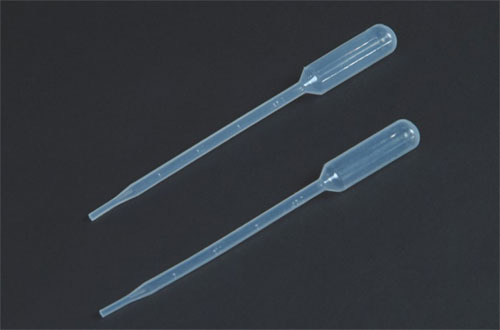
He was a Jewish prisoner in Auschwitz but he was working as a chemist in the laboratory attached to the huge chemical plant there. (They didn't pay him very well. In fact, they didn't pay him at all.) In January 1945 he was looking around for something, anything, he could steal from the lab to trade for bread. Like all other prisoners, he was starving. He saw a dozen pipettes. He had no idea if anyone would trade for them but what the hell. He went to see a Polish male nurse who worked in the infirmary. Although most prisoners in Auschwitz were killed, still many were kept alive to do essential work, so there was an infirmary. The male nurse wasn’t much interested in the pipettes but what the hell, they might come in useful. But it was late in the day, there was no bread left. So he offered half a bowl of soup.
Who could have left half a bowl of soup in that reign of hunger? Almost certainly someone who had died half way through the meal.
Primo takes the soup back to his barracks and shares it with his friend Alberto. The two Italian Jews discuss whether they can risk eating the soup. The person who’s soup this was had most likely died a couple of hours ago of scarlet fever, which was at the time the Auschwitz disease of the week. That would be why someone else hadn't already eaten it. It was infected, probably. Alberto wasn’t bothered, he’d had scarlet fever as a child, but Primo hadn’t. But the starving tend to bend the rules on such matters so Primo ate the soup too. And a couple of days later he got scarlet fever. So a week later, when the order came to destroy Auschwitz and move all prisoners back into Germany, Primo was in the infirmary. Now, the order was to liquidate all prisoners who couldn’t walk, but in the chaos of the last days of Auschwitz this order was overlooked or ignored – well, those in the infirmary, they’ll all be dead soon, let’s not waste bullets on them. Something like that. On the 18th January 1945 the SS herded about 60,000 prisoners out of the camp on one of the famous Death Marches. One of them was Alberto. Hardly any of them survived. On the 25th January the Red Army entered Auschwitz, and Primo, who had managed not to die in the preceding week, was rescued. Because of the pipettes.
He was a Jewish prisoner in Auschwitz but he was working as a chemist in the laboratory attached to the huge chemical plant there. (They didn't pay him very well. In fact, they didn't pay him at all.) In January 1945 he was looking around for something, anything, he could steal from the lab to trade for bread. Like all other prisoners, he was starving. He saw a dozen pipettes. He had no idea if anyone would trade for them but what the hell. He went to see a Polish male nurse who worked in the infirmary. Although most prisoners in Auschwitz were killed, still many were kept alive to do essential work, so there was an infirmary. The male nurse wasn’t much interested in the pipettes but what the hell, they might come in useful. But it was late in the day, there was no bread left. So he offered half a bowl of soup.
Who could have left half a bowl of soup in that reign of hunger? Almost certainly someone who had died half way through the meal.
Primo takes the soup back to his barracks and shares it with his friend Alberto. The two Italian Jews discuss whether they can risk eating the soup. The person who’s soup this was had most likely died a couple of hours ago of scarlet fever, which was at the time the Auschwitz disease of the week. That would be why someone else hadn't already eaten it. It was infected, probably. Alberto wasn’t bothered, he’d had scarlet fever as a child, but Primo hadn’t. But the starving tend to bend the rules on such matters so Primo ate the soup too. And a couple of days later he got scarlet fever. So a week later, when the order came to destroy Auschwitz and move all prisoners back into Germany, Primo was in the infirmary. Now, the order was to liquidate all prisoners who couldn’t walk, but in the chaos of the last days of Auschwitz this order was overlooked or ignored – well, those in the infirmary, they’ll all be dead soon, let’s not waste bullets on them. Something like that. On the 18th January 1945 the SS herded about 60,000 prisoners out of the camp on one of the famous Death Marches. One of them was Alberto. Hardly any of them survived. On the 25th January the Red Army entered Auschwitz, and Primo, who had managed not to die in the preceding week, was rescued. Because of the pipettes.

July 16, 2013
Collection of stories written after 1975, not really captivating, I must say. Only the first section, with especially The Homecoming of Lorenzo, and The King of the Jews, are nicely done. But perhaps that is because they are related to Levi's camp experiences. The other stories include rather fantastical visionary tales, and random stories. Conclusion: Levi is at his best when he directly tells about his camp experiences.

June 6, 2019
"Haunting" is a word too readily given to any work even tangentially related to the Holocaust. Primo Levi's Moments of Reprieve is indeed that, but so much more besides. Levi's work is a rare feat of tonal balance and perfect resonance. It's wonderful storytelling that tells of its atrocious subject matter with a detachment and investment that only an actual survivor can manage. It avoids the saccharine bill-boarding of Spielberg's Schindler's List (overrated, sorry) and chooses a different side then, say, Jerzy Kosinksi's The Painted Bird (brilliant but almost debilitating in its savage evisceration of the human animal) opting instead to detail the sparse but very real moments of emotional cognizance that imply a shared humanity between oppressor and oppressed. And all of this in under 150 pages.
I don't have much else to add save that even for a brief work this is one to take slowly. Genocide, and the Jewish Holocaust specifically, are not subjects (for me at least) to dive in and consume. I have to pace myself and, in the words of Amos Oz, take little sips. But overall it's a consummate work of a brilliant mind resistant to the lugubrious decay that the subject matter so often dredges up. Levi was a gift, I see that now, and look forward to his words with great expectation but with more than a little trepidation given how well he writes of the horror of Nazi Germany. But this is buoyed more than slightly by his artistic and philosophic bent that can make even the darkest hours shine more than they might otherwise.
I don't have much else to add save that even for a brief work this is one to take slowly. Genocide, and the Jewish Holocaust specifically, are not subjects (for me at least) to dive in and consume. I have to pace myself and, in the words of Amos Oz, take little sips. But overall it's a consummate work of a brilliant mind resistant to the lugubrious decay that the subject matter so often dredges up. Levi was a gift, I see that now, and look forward to his words with great expectation but with more than a little trepidation given how well he writes of the horror of Nazi Germany. But this is buoyed more than slightly by his artistic and philosophic bent that can make even the darkest hours shine more than they might otherwise.

March 16, 2016
Holocaust literature is all a reader needs to confirm his belief that existence is pointless, meaningless, cruel, and short. However, Primo Levi tried to raise a smile in spite of that fact in this collection of fifteen terse tales of notable moments of compassion, novelty, humanity, or noteworthiness at Auschwitz. In these elegant stories, Levi keeps the surrounding horrors outside the frame, and sketches various characters whose subversive courage and whose canniness kept them and others alive, including Levi himself. At some stage, I might swallow several vodkas and embark on If This is a Man. Until then, I will take these brief moments of reprieve.

March 23, 2011
Primo Levi has written extensively about the Holocaust and his experiences in Auschwitz; If this is a man, The True, If not now, when?, The Wrench, The Drowned & The Saved.. But this is the first book I've come across of his in all my reading life. I first read briefly about Primo Levi not long ago in Bob Carr's "My Reading Life", but was prompted to seek Levi out after a conversation with Shellie(Layers of Thought) on GR. Shellie being the first person I had spoken to who had read and recommended Levi to me. Moments of Reprieve was the only book of Levi's my college library held - so I borrowed it. The local library did not stock any.
Compared to other Holocaust books and memoirs I've read Moments of Reprieve does not shock me overly, perhaps because of previous exposure to similar material (although I hope that is not the case because that can breed apathy) - but I think perhaps because Levi's focus is primarily on individuals that he knew or knew of, in Auschwitz. Individuals who despite their collective circumstances at finding themselves in a concentration camp were still able to behave like decent human beings - with compassion and virtue.
The moments that Levi writes about here are not so terribly tragic (and he says that in the introduction)- those more sinister events he wrote about in earlier books. These moments are vignettes, small scenes, like dreams, although precisely clear and lucid. Fully fleshed out and filled with details, but still minor incidents captured like short films -moments in Levi's memories that stand out above the greater picture of horror that was Auschwitz; & that which was the Holocaust - that unspeakable evil that must be spoken about and remembered. Small snapshots of selflessness - these are what Primo documents; images that haunted him after the trauma. He writes about the people he met there who for one reason or another made a difference in the camps by their actions & kindness, so that life was bearable.
To bear witness, is a Jewish form of Remembrance of the Holocaust & for the memory of those lost in it. Moments Of Reprieve I believe was Primo's way of bearing witness for those individuals that he perhaps did not mention in earlier books.
It is said that Levi committed suicide in 1987 and had survivor's guilt and the latter may well be true. Trauma of any kind can haunt the human mind forever. Trauma of the camps, the unexplained horror, the loss of friends, family, home, society & even country: basically everything previously known was lost, the idea of it is of such magnitude as to be mind shattering. Even the loss of a loved one under most normal circumstances can be impossible for many people to recover from, so I personally cannot imagine how many of the survivor's mentally adjusted after the camps, even though I did grow up next door to a neighbour who was a survivor; Irma, it did take her many years to seemingly fully re-enter society again. One thing I know I will never forget the sight of the tattooed number on her arm. It's one thing to see photographs. It's another to be faced with reality.
Survivors, like Irma, and like Primo would have memories surface - the horror stricken and also the small mercies that are documented within this book. Memories are difficult things to control. You can turn them off. Shut them down. Freud called it repression. You disassociate. Many do this to survive. Primo faced them and wrote about his experiences. The trouble is with keeping the tap open you run the risk of being overwhelmed. Drowning you in the dark thoughts of memory, repeatedly.
While I'm no expert and postulate with little real evidence, it seems possible that Primo found it impossible to hold back the memories. This slim volume is a testament to Levi's belief in the rightness of virtue and that humans do have the capacity for goodness and purity even in the direst of circumstances, despite Levi himself saying that this was the exception not the rule in the camps.
The fates of many of the people in this book remains unknown. Sadly he didn't know everyone's real name, so he could not trace them to assuage his fears for them. Writing these stories would have seemed the decent thing to do, in fact the only remaining thing to do where there are no remains to be found - to bless, pray or cry over. These people had no funerals, and there were no rituals of closure for those remaining. Valerio, Leon Rappoport, Eddy, Tischler, Lilith, Bandi, Lomnitz, Joulty, Hirsch, Janek, Elias, Wolf, Grigo, Vladek, Otton, Ezra, Frau Mayer, Alberto, Mertens, Fraulein Dreschsel, Avrom, Joel Konig, Cesare, Lorenzo, and Chaim Rumkowski whose face appears on a coin from Litzmannstadt ghetto. I mention their names because I could not do justice to their individual stories. For that read Primo's book.
I will mention Rumkowski, the last story in the book. Rumkowski's story is a warning to us all - he was not a "bad" man, not a Nazi, but a Jew. He was subject to the pitfalls of power & seduced by it. He was not a "MONSTER" but intoxicated by Nazi promises, and sent many to their death by co-operation in running the ghetto in Litzmannstadt.
Primo writes; Like Rumkowski, we too are so dazzled by power and money, as to forget our essential fragility, forget that all of us are in the ghetto, that the ghetto is fenced in, that beyond the fence stand the Lords of Death, and not far away the train is waiting.
That's a frighteningly sobering thought and one that should make one assess what side of the fence you are on at any given point in your life. While no one want to be on that death train, no one should morally want to be one of the lords who is in charge of the selection. Unlike Rumkowski we should be ever alert to how our actions effect other people.
*************************************************************************
Library borrow. (the edition I have has a different cover image).
I have 24 hrs reprieve to finish this before really getting stuck into writing my end of term assignment. Lucky it's not a big book.
Compared to other Holocaust books and memoirs I've read Moments of Reprieve does not shock me overly, perhaps because of previous exposure to similar material (although I hope that is not the case because that can breed apathy) - but I think perhaps because Levi's focus is primarily on individuals that he knew or knew of, in Auschwitz. Individuals who despite their collective circumstances at finding themselves in a concentration camp were still able to behave like decent human beings - with compassion and virtue.
The moments that Levi writes about here are not so terribly tragic (and he says that in the introduction)- those more sinister events he wrote about in earlier books. These moments are vignettes, small scenes, like dreams, although precisely clear and lucid. Fully fleshed out and filled with details, but still minor incidents captured like short films -moments in Levi's memories that stand out above the greater picture of horror that was Auschwitz; & that which was the Holocaust - that unspeakable evil that must be spoken about and remembered. Small snapshots of selflessness - these are what Primo documents; images that haunted him after the trauma. He writes about the people he met there who for one reason or another made a difference in the camps by their actions & kindness, so that life was bearable.
To bear witness, is a Jewish form of Remembrance of the Holocaust & for the memory of those lost in it. Moments Of Reprieve I believe was Primo's way of bearing witness for those individuals that he perhaps did not mention in earlier books.
It is said that Levi committed suicide in 1987 and had survivor's guilt and the latter may well be true. Trauma of any kind can haunt the human mind forever. Trauma of the camps, the unexplained horror, the loss of friends, family, home, society & even country: basically everything previously known was lost, the idea of it is of such magnitude as to be mind shattering. Even the loss of a loved one under most normal circumstances can be impossible for many people to recover from, so I personally cannot imagine how many of the survivor's mentally adjusted after the camps, even though I did grow up next door to a neighbour who was a survivor; Irma, it did take her many years to seemingly fully re-enter society again. One thing I know I will never forget the sight of the tattooed number on her arm. It's one thing to see photographs. It's another to be faced with reality.
Survivors, like Irma, and like Primo would have memories surface - the horror stricken and also the small mercies that are documented within this book. Memories are difficult things to control. You can turn them off. Shut them down. Freud called it repression. You disassociate. Many do this to survive. Primo faced them and wrote about his experiences. The trouble is with keeping the tap open you run the risk of being overwhelmed. Drowning you in the dark thoughts of memory, repeatedly.
While I'm no expert and postulate with little real evidence, it seems possible that Primo found it impossible to hold back the memories. This slim volume is a testament to Levi's belief in the rightness of virtue and that humans do have the capacity for goodness and purity even in the direst of circumstances, despite Levi himself saying that this was the exception not the rule in the camps.
The fates of many of the people in this book remains unknown. Sadly he didn't know everyone's real name, so he could not trace them to assuage his fears for them. Writing these stories would have seemed the decent thing to do, in fact the only remaining thing to do where there are no remains to be found - to bless, pray or cry over. These people had no funerals, and there were no rituals of closure for those remaining. Valerio, Leon Rappoport, Eddy, Tischler, Lilith, Bandi, Lomnitz, Joulty, Hirsch, Janek, Elias, Wolf, Grigo, Vladek, Otton, Ezra, Frau Mayer, Alberto, Mertens, Fraulein Dreschsel, Avrom, Joel Konig, Cesare, Lorenzo, and Chaim Rumkowski whose face appears on a coin from Litzmannstadt ghetto. I mention their names because I could not do justice to their individual stories. For that read Primo's book.
I will mention Rumkowski, the last story in the book. Rumkowski's story is a warning to us all - he was not a "bad" man, not a Nazi, but a Jew. He was subject to the pitfalls of power & seduced by it. He was not a "MONSTER" but intoxicated by Nazi promises, and sent many to their death by co-operation in running the ghetto in Litzmannstadt.
Primo writes; Like Rumkowski, we too are so dazzled by power and money, as to forget our essential fragility, forget that all of us are in the ghetto, that the ghetto is fenced in, that beyond the fence stand the Lords of Death, and not far away the train is waiting.
That's a frighteningly sobering thought and one that should make one assess what side of the fence you are on at any given point in your life. While no one want to be on that death train, no one should morally want to be one of the lords who is in charge of the selection. Unlike Rumkowski we should be ever alert to how our actions effect other people.
*************************************************************************
Library borrow. (the edition I have has a different cover image).
I have 24 hrs reprieve to finish this before really getting stuck into writing my end of term assignment. Lucky it's not a big book.

Read
February 20, 2012This is a companion piece to If this is a Man. A set of further anecdotes from Levi's time in Auschwitz that fill in some of the background, for instance there is mention of the factories where some of the inmates worked - Auschwitz was a sprawling tumble of interlinked camps, and not everybody got to die in gas chambers, others were worked to death in light industrial factories. Also a story in which a prisoner gets hold of a violin, too odd a story maybe to have been invented. No way as powerful, even taken together, as If this is a Man since it doesn't have the same narrative drive.

May 3, 2024
This book comprises short stories about the human figures that Primo Levi encountered in Auschwitz, the people that he got to know and how those people influenced him and made them memorable.
The astonishing revelation is that Primo Levi ate a bowl of frozen soup along with his bunkmate, Alberto. The soup was left over because the person eating it died during the meal. Levi never had scarlet fever when he was a child, but Alberto had. The soup was contaminated with scarlet fever and so Levi was in the sick bay when the time came to evacuate the camp, where the inmates who could walk were taken on a death march to the West, whereas the sick were left to the Russians.
The stories are wonderful and I marvel at how generous some inmates of Auschwitz were to their fellow prisoners. When the Germans left, some of the prisoners decided to walk back to Italy.
Remarkable and recommended.
The astonishing revelation is that Primo Levi ate a bowl of frozen soup along with his bunkmate, Alberto. The soup was left over because the person eating it died during the meal. Levi never had scarlet fever when he was a child, but Alberto had. The soup was contaminated with scarlet fever and so Levi was in the sick bay when the time came to evacuate the camp, where the inmates who could walk were taken on a death march to the West, whereas the sick were left to the Russians.
The stories are wonderful and I marvel at how generous some inmates of Auschwitz were to their fellow prisoners. When the Germans left, some of the prisoners decided to walk back to Italy.
Remarkable and recommended.

December 31, 2018
I've been wanting to sink my teeth into Levi for a long time now and I finally have. And a beautiful book to be my 75th of the year, the book that marks the end and successful completion of my target.
I was absorbed completely in this. He is a gifted writer and as a survivor of the Holocaust, how can you not have the upmost respect for him? Levi is thoughtful and each of the characters and stories he tells in this seem so deeply moving and powerful that I am sure I will not forget this book, or any of his others when I come to read them. I agree with Calvino - Levi is vitally important.
I was absorbed completely in this. He is a gifted writer and as a survivor of the Holocaust, how can you not have the upmost respect for him? Levi is thoughtful and each of the characters and stories he tells in this seem so deeply moving and powerful that I am sure I will not forget this book, or any of his others when I come to read them. I agree with Calvino - Levi is vitally important.

January 24, 2010
So this is the first Primo Levi book that's left me disappointed. Moments of Reprieve is a sort of collection of deleted scenes from Levi's most famous work, If This is a Man, an account of his internment at Auschwitz, and before we get to Moments, it's important to consider why If This is a Man was such a success. Though that book was translated as Survival in Auschwitz for the benefit of the American market, the original title gives you a sense of what makes it so involving: Levi's attempt to work through the confusion and guilt that Auschwitz had left him, the sense of being something both above and below his captors. Levi would later recall how cathartic the writing of that book had been, how he felt himself "become a man again, a person like everyone else, neither a martyr nor a wretch nor a saint, but one of those people who has a family and looks to the future, not the past", and his ability to reconcile so many different selves is one of the marvels of that book. Most prison camp memoirs are either incoherent with rage and grief or are clear, calm recitals of facts that (quite understandably) aim to recount a season in hell without having to relive it. It's a rare book that can return to the abyss without being consumed by it, and a rarer one still that can do so without self-dramatizing, through modest, sincere self-presentation. Conflicted, meek, loyal, kind, forthright, humiliated, resilient, faithful to science, uncertain of himself and mankind, Levi comes across as a kind of Leopold Bloom in Auschwitz, and he emerges as another figure of the triumph of one of the highest human virtues, real decency, over unimaginable incitements to hatred and despair.
After that, then, you would figure there isn't much more to be said, and before he wrote this book, Levi would've agreed with you. In the introduction, he notes that having finished his memoir of the camp, he was ready to return to being a chemist, but that success as a writer and surprisingly imperishable memories of his ordeal compelled him to write this collection of 'bizarre, marginal moments of reprieve', accidental incursions of life into the nullity of Auschwitz. These moments are presented in a mixture of vignettes, some about brief, prevailing incidents of camp life -- a Spanish gypsy asks Levi to transcribe a letter to his lover, Levi and a friend attempt to hide a care package of chocolates, a stool pigeon mocks a strong, silent German prisoner for attempting to conceal a bad case of lice -- while others are concerned with more uplifting stories about refugees outside the camp in wartime.
The problem is that, counterintuitive as this may sound, Levi doesn't write well about subjects other than himself. This may seem strange, given how virtually every other writer needs to fixate less upon themselves, but Levi is so honest with himself and so good at using his own struggles as a prism to illuminate the world that you seldom tire of listening to him talk about himself and his fascinations. When he writes about other people, however, his sympathy betrays him, and I think a throwaway remark of his in The Periodic Table may explain how. Levi mentions that he made a terrible salesman because he identified too much with his customers - that if they were skeptical and diffident, he became skeptical and diffident, and if they were excited about a product, he'd let them sell a product to him. In the non-camp stories here this manifests as seeing good people as they see themselves, resulting in a lot of flat, pat humanist homilies about virtue in wartime that do the worst thing one can do to a story of a good person - make it trite. Levi seems to be doing little more than relaying other people's stories, but most people aren't natural storytellers, and too many of these stories end up reading like feel good pieces in a local newspaper. The stories of camp life, on the other hand, seem to suffer from Levi fighting to resist his impulse to sympathize and overcompensating somewhat. I think I understand why he does this -- he realizes he might forgive too much -- but he's uneasy in the role of accuser; he is too much of a modern Italian, genial, cosmopolitan, generous, to play a role that demands an ancient Roman, someone righteous, stern and terse. This is hardly a character flaw, but it does dilute the serum of this book.
Beyond that, the camp vignette does not play to Levi's strengths as a writer. It was hard for me not to be thinking of Kolyma Tales as I read this, and while I don't think there's any shame in not comparing to Varlam Shalamov -- I don't know if there's ever been a writer on this earth who can match Shalamov in gravity and impact -- Levi does not have the same genius for capturing the essence of camp life, the mix of the mundane and the infernal, in a single image or remembered phrase; this is just not his mode. The result is that all these stories, cast adrift from Levi himself, seem random and somewhat forced at the same time, like Levi has all the burden of remembrance with none of the freedom to release it that he granted himself in If This is a Man. I love Primo Levi, he wrote two of the great memoirs of his century, but this is not a book that does him justice.
After that, then, you would figure there isn't much more to be said, and before he wrote this book, Levi would've agreed with you. In the introduction, he notes that having finished his memoir of the camp, he was ready to return to being a chemist, but that success as a writer and surprisingly imperishable memories of his ordeal compelled him to write this collection of 'bizarre, marginal moments of reprieve', accidental incursions of life into the nullity of Auschwitz. These moments are presented in a mixture of vignettes, some about brief, prevailing incidents of camp life -- a Spanish gypsy asks Levi to transcribe a letter to his lover, Levi and a friend attempt to hide a care package of chocolates, a stool pigeon mocks a strong, silent German prisoner for attempting to conceal a bad case of lice -- while others are concerned with more uplifting stories about refugees outside the camp in wartime.
The problem is that, counterintuitive as this may sound, Levi doesn't write well about subjects other than himself. This may seem strange, given how virtually every other writer needs to fixate less upon themselves, but Levi is so honest with himself and so good at using his own struggles as a prism to illuminate the world that you seldom tire of listening to him talk about himself and his fascinations. When he writes about other people, however, his sympathy betrays him, and I think a throwaway remark of his in The Periodic Table may explain how. Levi mentions that he made a terrible salesman because he identified too much with his customers - that if they were skeptical and diffident, he became skeptical and diffident, and if they were excited about a product, he'd let them sell a product to him. In the non-camp stories here this manifests as seeing good people as they see themselves, resulting in a lot of flat, pat humanist homilies about virtue in wartime that do the worst thing one can do to a story of a good person - make it trite. Levi seems to be doing little more than relaying other people's stories, but most people aren't natural storytellers, and too many of these stories end up reading like feel good pieces in a local newspaper. The stories of camp life, on the other hand, seem to suffer from Levi fighting to resist his impulse to sympathize and overcompensating somewhat. I think I understand why he does this -- he realizes he might forgive too much -- but he's uneasy in the role of accuser; he is too much of a modern Italian, genial, cosmopolitan, generous, to play a role that demands an ancient Roman, someone righteous, stern and terse. This is hardly a character flaw, but it does dilute the serum of this book.
Beyond that, the camp vignette does not play to Levi's strengths as a writer. It was hard for me not to be thinking of Kolyma Tales as I read this, and while I don't think there's any shame in not comparing to Varlam Shalamov -- I don't know if there's ever been a writer on this earth who can match Shalamov in gravity and impact -- Levi does not have the same genius for capturing the essence of camp life, the mix of the mundane and the infernal, in a single image or remembered phrase; this is just not his mode. The result is that all these stories, cast adrift from Levi himself, seem random and somewhat forced at the same time, like Levi has all the burden of remembrance with none of the freedom to release it that he granted himself in If This is a Man. I love Primo Levi, he wrote two of the great memoirs of his century, but this is not a book that does him justice.

June 27, 2013
Primo Levi was an Italian Jew who began his career as a chemist, but was sent to Auschwitz, and after the war, became a highly-regarded Holocaust memoirist. This book reads more like short stories than a fluid narrative, and the concept behind the title is that it's meant to capture the moments of reprieve amidst the darkness of Auschwitz. The thing is, Primo Levi was an atheist, so his idea of a moment of reprieve was a Jew picking the lice off his head and putting it in a Nazi uniform. I applaud the act, but it's not the same as the acts of faith depicted in Orthodox memoirs. Still, there's one line that I think I'll remember for the rest of my life, "All problems have solutions. If something that appears to be a problem doesn't have a solution, it's just a pseudo-problem."
July 28, 2021
A beautiful book from a gifted writer. In spite of the title's implication, I was still astonished that it contained so much light and hope. Levi is humbly aware of his own fragility, which makes his perceptions and inferences all the more penetrating. "The delicate investigator of movements of the spirit, vibrant as an oscillating circuit..." This is a short book, but it is worth taking your time with it. Primo Levi is "vitally important." He is essential.
This was one of my favorite passages:
Actually Ezra wasn't really meshuge. He was heir to an ancient, sorrowful, and strange tradition, whose core consists in holding evil in opprobrium and in "hedging about the law" so that evil may not flood through the gaps in the hedge and submerge the law itself. In the course of the millennia, around this core has become encrusted a gigantic proliferation of comments, deductions, almost manically subtle distinctions, and further precepts and prohibitions. And in the course of the millennia many have behaved like Ezra throughout migrations and slaughters without number. That is why the history of the Jewish people is so ancient, sorrowful, and strange.
This was one of my favorite passages:
Actually Ezra wasn't really meshuge. He was heir to an ancient, sorrowful, and strange tradition, whose core consists in holding evil in opprobrium and in "hedging about the law" so that evil may not flood through the gaps in the hedge and submerge the law itself. In the course of the millennia, around this core has become encrusted a gigantic proliferation of comments, deductions, almost manically subtle distinctions, and further precepts and prohibitions. And in the course of the millennia many have behaved like Ezra throughout migrations and slaughters without number. That is why the history of the Jewish people is so ancient, sorrowful, and strange.

November 16, 2015
Unlike his other books regarding the holocaust and camp internment, this is a book of Levi's ability to find some modicum of humor amid the horror. Looking back 40 years after writing In Survival in Auschwitz, the author found there were memories that surfaced that brought hope and exhibited the survival to find some meaning, perhaps a ray of sunshine peeking through the insanity.
Each chapter is dedicated to a particular person or incident. Many of these characters did not survive, and some Levi did not know what happened to them.
He tells of Ezra, an Ortodox Jew who despite the fact he was dying of starvation insisted on fasting on Yam Kippur.
A chemist before his encampment, during his stay at Auschwitz, he was given a job of making and measuring chemical compounds. Sick with scarlet fever, his life was saved.
He tells the story of small acts of courage and revenge. For example, some people forced to care for the laundry of the guards, picked lice off the bodies of the dead and carefully sewed them in the folds of the collars of the uniforms.
Each chapter is dedicated to a particular person or incident. Many of these characters did not survive, and some Levi did not know what happened to them.
He tells of Ezra, an Ortodox Jew who despite the fact he was dying of starvation insisted on fasting on Yam Kippur.
A chemist before his encampment, during his stay at Auschwitz, he was given a job of making and measuring chemical compounds. Sick with scarlet fever, his life was saved.
He tells the story of small acts of courage and revenge. For example, some people forced to care for the laundry of the guards, picked lice off the bodies of the dead and carefully sewed them in the folds of the collars of the uniforms.

December 18, 2007
My first completed read of the year, Moments of Reprieve, aptly described in its missive as a discovery of 'bizarre, marginal, moments of reprieve' charts the stories of a myriad variety of people, mostly Jews who Primo Levi had come across during his stay at Auschwitz. Among many others, a juggler, an almost mute worker, a mirror chemist, a helpful SS officer, are all bound in a conflict, both that ravaged their internal beings as well as the external world they inhabited in times where sense failed. Primo Levi, like what he is well known for in his holocaust works, tells the tales of harrowing times in quiet, unaffected prose, and thus sharing an intimate experience with the reader than just a book.

November 23, 2017
A short book in the series of chronicles that Levi left us of his experiences in Auschwitz. Rather than documenting the horrors documented in 'If This is a Man', 'Moments of Reprieve' recalls in fifteen brief sketches of memory, glimpses of humanity in the grotesque inhumanity of the death camp.
I do wonder if Primo Levi suffered from a survivor's guilt. I found his most haunting prose on the final page, 'we too are so dazzled by power and money as to forget our essential fragility, forget that all of us are in the ghetto, that the ghetto is fenced in, that beyond the fence stand the lords of death, and not far away the train is waiting.'
I do wonder if Primo Levi suffered from a survivor's guilt. I found his most haunting prose on the final page, 'we too are so dazzled by power and money as to forget our essential fragility, forget that all of us are in the ghetto, that the ghetto is fenced in, that beyond the fence stand the lords of death, and not far away the train is waiting.'

October 7, 2017
"Pensavo anche alla essenziale ambiguità dei messaggi che ognuno di noi si lascia dietro, dalla nascita alla morte, ed alla nostra incapacità profonda di ricostruire una persona attraverso di essi, l’uomo che vive a partire dall’uomo che scrive: chiunque scriva, anche se solo sui muri, scrive in un codice che è solo suo, e che gli altri non conoscono; anche chi parla. Trasmettere in chiaro, esprimere, esprimersi e rendersi espliciti, è di pochi: alcuni potrebbero e non vogliono, altri vorrebbero e non sanno, la maggior parte non vogliono né sanno." (Decodificazione, p. 228)

June 10, 2010
While these stories are not as compelling as Levi's more famous memoirs, they are still important. Here he's a witness to the stories of others, individuals that he couldn't get out of his mind. Each story is short, each focuses on one person and the quality that got that person through such horrendous times.

February 25, 2011
A collection of short essays about moments during author's time in Auschwitz. They show a little humanity at the worst of our inhumanity. Many were very moving and some came with a little humor. All were very touching and in a way gave hope for allof us in our worst times.

January 6, 2016
Incredible portraits of some of the complicated characters Levi encountered or heard about in the camps. He brings out the humanity in people who commit evil, and more so than in his prior two Auschwitz memoirs, shows the glimmers of goodness and hope that peaked through in hell.
July 29, 2016
Levi is one of the great chroniclers of the Holocuast having lived at the centre of it yet was able to maintain an objective commentators view of what happened. This book, whilst little more that the bits picked up off the cutting room floor, is an excellent complement to If This Is A Man.

July 10, 2022
Again, beautiful prose, yet proves the hope and resilience of humanity even in the most brutal brutal times. Only gave 3 because i didn’t enjoy it as much as his other stuff, still incredible.

April 8, 2019
Some of these essays were fascinating but I think, to be fair, it's best to revisit this one at a later time. Also, given that it's a trilogy — which I've not thoroughly researched myself as this was meant to be an introduction — I may try a standalone before coming back to Moments of Reprieve.

March 29, 2020
So, so moving. Starkly beautiful. This memoir captures and proves that in the darkest of times, the human spirit is an amazing thing. A simple act of kindness can be the difference between life and death - and Primo Levi shows us just how many people were willing to risk their own lives in order to help save others.

May 28, 2020
tonal whiplash (probably intentional) occurs so often that the literary effect is eventually number to non-existence, but this is still a good book! i would recommend using it like a supplement to Survival in Auschwitz, as Levi will periodically make explicit reference to his other major works throughout this episodic venture

June 21, 2023
A sort of semi-fictional coda to his Auschwitz memoirs in which a cluster of vignettes which didn’t fit into those earlier narratives are investigated through the prism of the short story form (having said that, at least a couple of them read more like essays). The common theme is explained perfectly by the collection’s title. The writing is precise and unsentimental.

July 30, 2023
These are short stories by Primo Levi, recalling people and events from the Holocaust, mostly from Auschwitz, or at least in Nazi-occupied Europe.
I feel it is inappropriate to calmly write a book review, when the only fitting response for a reader on holiday in beautiful Wales, overlooking the sea, is not to write a review, but to weep; or at least to remember and vow never, never to forget.
I feel it is inappropriate to calmly write a book review, when the only fitting response for a reader on holiday in beautiful Wales, overlooking the sea, is not to write a review, but to weep; or at least to remember and vow never, never to forget.
April 20, 2018
3.5 stars

December 31, 2023
A very good read. Very absorbing. Very simplistic and down to earth writing. My first by the author. Looking forward to reading more ofhis works.

April 29, 2018
Brief, compelling sketches of people the author encountered while a prisoner in Auschwitz. This is a follow up to his earlier books If This Is a Man / The Truce, which I now have to read.
January 10, 2018
If there was ever a writer who should be read by everybody it is Primo Levi, and although this is not his finest work (I'd have to go for either 'If this is a Man' or 'The Truce'), it still says more about the Holocaust than anything written by practically anyone else. I personally believe Levi to have been one of the greatest people ever to have lived. To have emerged from Auschwitz, to have described his loss of hope and humanity, and his return, all without rancour, rage, or remorse is miraculous; but then to have lived an honourable by insignificant life for many years, before revealing the profound beauty of his spirit, is beyond my comprehension.
When I first read him, I was expecting, in a rather voyeuristic way, graphic detail, and polarised characters. Instead, I saw a decent man trying to make sense of the madness in which he found himself, as insightful and detached as any good scientist should be. Here, he goes a stage further, and amidst the horrors of Auschwitz, he finds some brief anecdotal moments of respite from the suffering. He describes how those who would kill one another over a scrap of bread could just occasionally rediscover some atavistic essential decency - the sharing of a mushroom, of a soup bowl - anything. And in 'The Quiet City', in 6 taut pages, he describes better than I have ever seen how the Germans allowed this to happen, 'trying not to see and keeping silent about what they did see'. I don't believe that anyone has ever put this any better.
This is compulsive reading.
When I first read him, I was expecting, in a rather voyeuristic way, graphic detail, and polarised characters. Instead, I saw a decent man trying to make sense of the madness in which he found himself, as insightful and detached as any good scientist should be. Here, he goes a stage further, and amidst the horrors of Auschwitz, he finds some brief anecdotal moments of respite from the suffering. He describes how those who would kill one another over a scrap of bread could just occasionally rediscover some atavistic essential decency - the sharing of a mushroom, of a soup bowl - anything. And in 'The Quiet City', in 6 taut pages, he describes better than I have ever seen how the Germans allowed this to happen, 'trying not to see and keeping silent about what they did see'. I don't believe that anyone has ever put this any better.
This is compulsive reading.
Displaying 1 - 30 of 97 reviews