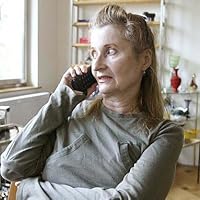
Sevgi Soysal, hayatında yol açtığı derin sarsıntılara rağmen sadece bir seyircisi olduğunu söylediği 12 Mart’ta sanık sandalyesine oturtulmuş bir tanıktı. Şafak, bu tanıklığın, gerçekçi olduğu kadar şiirsel bir hikâyesidir. Baskınlara, sorgu ve işkenceye karşı insanın sesini duyurduğu için bir kuşağa Sevgi Soysal’ı sevdiren bu roman, hem bir döneme tanıklık eden hem de bireysel tepkileri tüm karmaşıklığıyla yansıtan bir edebiyat başyapıtı olarak hâlâ güncelliğini korumaktadır.
Sevgi Soysal was born in Istanbul in 1936. She grew up in Ankara with her father, an architect-bureaucrat originally from Salonica, and her German mother. She studied archaeology in Ankara, continuing her education in that field as well as theater at Göttingen University.
Soysal’s first volume of short stories, Tutkulu Perçem (Passionate Bangs), was published in 1962, the same year that Soysal began working for the Turkish national television and radio (TRT). She went on to write Tante Rosa, a novel of interconnected stories based upon the life and personality of her aunt, Rosel. Her novel addressing male-female relationships and the issue of marriage, Yürümek (Walking), was banned upon charges of obscenity. In 1974 Soysal won the prestigious Orhan Kemal Award for Best Novel for Yenişehir’de Bir Öğle Vakti (Noontime in Yenişehir), which she had written while in prison. Her novel Şafak (Dawn), in which she criticized the coup of 12 March by way of the story of a woman exiled in Adana, was published in 1975. Her memoirs of prison life, originally published in the newspaper Politika, were published in a single volume as Yıldırım Bölge Kadınlar Koğuşu (Yıldırım Area Women’s Ward) in 1976. In another book of short stories, Barış Adlı Çocuk (A Child Named Peace), Soysal describes with great literary aplomb the social and political changes during that time, often based upon keen observations of her personal experiences.
Soysal was diagnosed with cancer, which resulted in her death on 22 November 1976. She left behind an incomplete novel, Hoşgeldin Ölüm (Welcome, Death!).
A masterful critic of social injustice, gender inequality, and militarism, Sevgi Soysal’s writings are essential to understanding Turkey since the 1960’s. The fact that Soysal’s complete works continue to attract a devoted readership is proof of the power of her writing, as well as her lasting influence upon both the Turkish public and the intelligentsia.
Soysal’s early stories and essays are of an existentialist bent, as they emphasize the anxiety of the individual vis-à-vis society. In her later works, Soysal’s focus shifts to that of the relationship between the individual and society and to various social issues. Soysal stands out as an author who refused to meet the constricting social demands of her time, most especially those concerning gender. Soysal never flinched when it came to challenging the conformism that she observed in society, including that within the oppositional leftist movement, though she herself took a keen interest in contemporary leftist ideology. In her works, whether memoirs of prison life in Ankara, or the novel-in-stories, Tante Rosa, or any of her other works, Soysal addresses the loopholes, the hitches and glitches in the dominating system with sharp intelligence and scathing irony. Female protagonists who are not afraid to reckon with themselves, or to question their own actions and how those actions are dictated by society, always hold a prominent place in Soysal’s work. These are characters who do not hesitate to embark upon adventures, to live their lives rather than remaining pent up or static, even though they often know that their lust for life will inevitably lead them into certain pitfalls. Whether within the context of prison or the leftist movement, as a newspaper columnist or as a “housewife,” Sevgi Soysal never failed to criticize, with her ironic wit, both herself and the social pressures that constrict the individual, and to reveal the inner workings of daily oppression.
Turkish journalist Yıldırım Türker says that for him, Sevgi Soysal is “a tulle of shrewd attitude, rebellious joy, and intelligence glistening with the sheen of compassion, through which I viewed the world in my early youth.”
Lately reading an essay of Salman Rushdie on censorship, expounding to his readers that for many of us liberty and freedom of speech come as naturally and unnoticed like the air we breathe, this novel, even if set in the early seventies and published in 1975 comes across as written yesterday. It is a trenchant remonstrance not to take personal, political and artistic freedom for granted, even if one is living in a part of the world that is less inclined than the current Turkish authorities to silence writers, journalists and artists, wielding the law against them as a weapon, prosecuting and jailing them.
Having been imprisoned and exiled for her left wing political views after the military coup in 1971(*), the Turkish novelist Sevgi Soysal (1936-1976 ) enrols in the apparently longstanding troublesome relationship the Turkish authorities at diverse periods in the history of the state maintain with some of its writers and intellecuals (Orhan Pamuk, Aslı Erdoğan, Ahmet AltanI Will Never See the World Again).
Wall painting showing the symbols of Adana on the ceilings of Optiumum Outlet Center in Yüreğir, Adana – Turkey
Get yourself out of this. Now! You must choose your battles carefully, very carefully indeed. As carefully as love. You must be open to all battles, see the beauty in the world and its importance. But you must choose the ones you wish to fight. What use will beautiful sentences do me in here? Beauty knows no shadows. It has no place in here.
Rushdie writes that At night, as we fall asleep, we assume we will be free tomorrow, because we were free today. The creative act requires not only freedom but also this assumption of freedom..This novel gives an illustration of the impact on individual lives when that assumption of waking up as a free person is upended.
The novel takes place during one night when a gathering at a dinner party in a house in the south-Eastern Turkish town of Adana is raided by the police and three of those present are taken to the police headquarters for interrogation: Oya, a journalist who was sent to Adana into exile after being imprisoned for a year in Ankara as a political prisoner (as Sevgi Soysal was herself); Mustafa, a teacher who also spent time in prison because of his left wing political activities and was recently released, and Ali, Mustafa’s uncle, a worker and the host of the dinner. During the long night of interrogation they reflect on their lives and beliefs while they are at the mercy of the police . In a stream of consciousness narrative their thoughts wander over past and present traumatising experiences of detainment, humiliation, torture and violence, over feelings of isolation, reflecting on their own revolutionary élan, wishes of reform and defeatism. Oscillating between their reflections and impressions, Sevgi Soysal reveals their different ideological and psychological struggles, vulnerabilities and doubts, intermingled with the points of view of other family members, fellow prisoners they knew in the past and the thoughts of officials and police officers who impose their own agenda, whether or not they abuse their power to guarantee the social and economic order according to martial law or to secure their own position in the hierarchy.
Soysal’s direct and austere prose skilfully draws the reader into the minds of the characters. Touching on power balances between men and women, the dynamics within the family and marriage, the contrasts between town and countryside, the various and contradicting loyalties of people depending on the multiple groups they belong too, torn between traditional and modern ideas, she is strikingly frank and open on sexuality and the body (one of her books was banned for obscenity), making a powerful feminist point through conveying Oya’s anxiety that her period might start and her interrogator might see the blood stains, realising that if we see our own bodies as shameful, if its untold secrets are mysteries even to us, if we censor our thoughts, lest they be judged evil, how are we ever to stand up for our beliefs?. Her depiction of the violence inflicted on the prisoners and how it is varied according to their origin, sex or class is harrowing. Nonetheless the brutality of these scenes, Sevgi Soysal’s realistic evocation of life in prison is interspersed with moments of humour, light, resilience and courage; her prose breathes an indomitable spirit.
The title of this novel can be read literally as well as metaphorically: once the night is gone and dawn arrives, Sevgi Soysal leaves it open what will become of her three protagonists- in some way their uncertain future conjures up questions on what might become of Turkey in the future, once the darkness of the depicted age will lighten up.
The introduction of the translator sheds a light on Sevgi Soysal’s personal activism and experience in prisons, making the fictional rendering of them in the novel even more poignant. Reminiscent of Oriana Fallaci’s A Man (on the detention and subjection to torture of Alexandros Panagoulis, the Greek politican and poet who fought against the Regime of the Colonels (1967-1974)), this book is a powerful testimony that legality isn’t synonymous to legitimacy with regard to human rights.
Oh, the mistakes you can make, when longing for a friendly face grows too strong.
Thanks to Archipelago and NetGalley for giving me the chance to read an ARC of this novel.
(*) In March 1970, senior army officers, concerned by the uncontrolled spread of political violence and a revolt in Kurdish regions of eastern Turkey and fearing that political divisions would spread to the army itself, delivered a warning to the government and a year later forced prime minister Demirel’s resignation. During the next two years, Turkey was ruled by supraparty coalitions of conservative politicians and technocrats who governed with the support of the army and who were primarily concerned with restoring law and order. Martial law was established in several provinces and was not completely lifted until September 1973; there were armed clashes with guerrillas and many arrests and trials; extremist political parties, including the WPT and the Islamic-based National Order Party (NOP), were shut down; and the constitution was amended to limit personal freedoms. Unlike in 1960–61, however, there was no sweeping political reorganization; the constitution, parliament, and major political parties remained. In 1973 the army withdrew to the barracks when its candidate for the presidency was defeated, leaving government once more to the politicians (from www.britannica.com).
One of the finest books I have ever read. An essential text of international feminism and also a gripping novel about life under a police state. Incredible.
Sevgi Soysal ne yazdıysa okumak lazım. Hem yetenekli hem de çok cesur bir yazar. Ülkemizde ne yazık ki hala tartıştığımız sorunları müthiş bir gözlem gücü ve tahlil kabiliyeti ile edebiyat sanatının güzelliğinden ödün vermeden ele almış. Üstelik kitapları yayımlandığında sanatçılar üzerindeki baskı devam ediyordu.
Şafak kitabında 1970'li yıllarda sıkıyönetim sürerken bir eve yapılan polis baskınını ve bu olayın karakterler üzerindeki izlerini takip ediyoruz. Zamanda geriye dönüşler, iç konuşmalar, doğa tasvirleri gibi ayrıntılarla iyi kurulmuş bir metin var elimizde. Yazar her biri ayrı eğitim seviyesi ve ekonomik sınıftan gelen karakterlerin düşünce yapısını yansıtan diyalog ve iç konuşmaları çok iyi yazmış. Hiçbir şey sırıtmıyor. Adana şehrinin o zamanki sosyal ve siyasi düzeninin anlatımı da oldukça etkileyiciydi.
Hapishane koşullarını ve o dönemde yaygın işkence yöntemlerini anlatan sayfaları nedeniyle okuması zor oldu benim için ama bunların edebiyat sayesinde kayıt altına alınmış olması önemli.
Türk edebiyatının değerli eserlerinden bir tanesi, soranlara tavsiye ederim bundan sonra.
24 saaten az bir zaman dilimine sığdırılmış, zaman kısıtlamasına rağmen karakter ve olay örgüsü son derece güçlü ve etkileyici bir kitap. Baskınla başlayan kurgunun etrafında dönem şartları ve siyasi durum çok net aktarılmış. Karakterlerin aklından geçen düşüncelerle hikaye güçleniyor ve derinleşiyor. Gerekli görmediğim tek bölüm çingenelerden bahsettiği bölümdü. O da belki o dönemdeki Adana'yı anlamamız için gerekliydi.
keske insan haklari, dusunce ozgurlugu, tutuklu haklari, ozel hayatin gizliligi, kadinin toplumdaki yeri ve daha bu gibi bir cok konuda olumlu gelismeler kaydetmis olsak ve bu kitabi baska bir ulkenin bambaska zamanlarina ait karanlik ve hic geri gelmeyecek gecmisi seklinde okumus olsaydim. ama o donemden bugune hicbir seyin degismedigini uzulerek utanarak korkarak okudum.
hikayenin net bir başlangıcı ve sonu olmadan, sanki kamera biraz buraya dönmüş ve bakmışız gibi yazılmış olması bence bu kitabın en özel tarafı. karakterlerin geçmişi hatırlayarak boşlukları doldurmaları, bu sayede onları daha iyi tanıyabilmemizi de çok sevdim.
Kitaptaki karakterler içime işledi adeta. Bu karakterleri kesinlikle Sevgi Soysal'ın cezaevindeyken yakından tanımış olduğunu düşünüyorum. Bu derin tanıklıklar için cezaevine girmek zorunda kalmış olması da bambaşka bir ironi esasen. Sevgi Soysal bir psikolog titizliğinde ele alıyor karakterleri; onların gözünden görmemizi sağlıyor erkekleri, kadınları, cinselliği, parayı, hayat mücadelesini, çelişkileri, aşkı ve her şeyi... Sevgi Soysal tıpkı Sabahattin Ali gibi içime işleyen yazarlar arasındaki yerini çoktan aldı.
Boş bir çuval gibi "...Hep kayısı ağaçlarıyla dolu bir bahçeydi kurtuluş. Bu bahçede, yeni çiçek açmış bir ağacın gölgesinde uyuyordu. Ne kendim, ne Güler, ne arkadaşlarım, ne konuşulmuş sözler, ne de sıkılmış yumruklar. Öyle, boş bir çuval gibi uyumak.." "...İnsan sıcaklığına, dostluğuna karşı durmamacasına artan özlem ne hatalar yaptırabilir kişiye..." COP "...Erkeklik organının yüklenebileceği en çirkin görevi yüklenen cop.....Gözlerinin önünde bayağı tiksindirici biçimler alıyor cop. Kötü, hasta beyinlerin bu aracı, olabilecek en iğrenç erkeklik organına dönüştürdüklerini anımsıyor. Doğayı bile en çirkine dönüştürebilen kafalar! Onların erkeklik organı. Olabilecek en çirkin, en adi biçimde. Cop.../....Bak Oya... Aslında cinselliği doğal karşılarım ben. Yakın zamana dek bunu hiç büyütmedim, mesele de yapmadım. Gereği kadar önem verdim bu konuya. Aşırı kapalı, şartlanmış da değilim. Ama o üç herif, copu zorla makatıma sokmaya kalktıklarında, doğa da, cinsellik de korkunç şeyler olarak göründüler gözüme. Cinsellik insanın en bayağı yanıymış gibi. Cinsellik olmasa, beni döverler evet, elektrik verirler, tırnaklarımı sökerler... her ne ise... ölesiye acı çektirirler, acıdan delirtebilirler... Ama bunlar atlatılabilir, bunlardan sonra, şimdi duyduğum tiksinti duyulmaz asla. Böyle utanılmaz. Üç erkek, erkek demek belki yanlış, birlikte, birbirlerinden güç alarak bastırdılar copu. Delice bir acıydı, ama tiksinti, utanç daha fazlaydı. Kadın ve erkek ayrımı, bana oynanan oyunların en kötüsüydü. Kadın olmam en büyük ihanet gibi geliyordu bana. Adamlar kendilerinden geçmişlerdi. Sanki benim kim olduğum, ne olduğum önemli değildi onlarca. Üçü de, yüzyılların en çirkin erkeklik organının sahibiydiler sadece, ona yüreklerinin en iğrenç işlevini yüklemişler, buna kaptırmışlardı kendilerini. Sonra istekleri olunca... bayıltmadan önce... bir alkış sesi duydum... Sonra biri... ‘Cooooooop!’ diye bağırdı. Aynı, hani maçlarda, çılgın kalabalığın, kendinden geçerek, ‘Goooooool!’ diye bağırışı gibi... aynen...” MENEKŞE "...Neşeyi ve öfkeyi hiçten yaratabilen bu kadınları sevecek. Ama en çok Menekşe’yi. Çünkü Menekşe sövgülerin ve düşmanlık çemberinin önemsizliğini kanıtlayıverdi Oya’ya. Daha ilk sabah. İlk dendi çayı özleten Menekşe az soma, cezaevi mutfağının usullerini daha kavramamış olan Oya’yı daha da rahatlatacak. Yeni demlediği çaya buyur ederek.../... Alamanya var ya, fabrikasında iş buldum. Kocayı kodunsa bul. Sonra bir erkek deliliği geldi bana. Bi gözel erkek görmeyeyim dayanamamak geldi. Orda fabrikanın ustabaşısına vuruldum. Adam bana yüz vermiyor, hep ‘niht şöyn’ deyip duruyor. ‘Du şvarz’ yani ‘sen kara’ deyip duruyor. Bana göz karalığı gelmiş. Paydosta adamı kapı arasına sıkıştırdım. ‘Kuss’ dedim. ‘Kuss’ yani öpmek. Adam beni itti... Ben de onu yaraladım..." YATAKLAR "...Damından lağım damlayan, her yanı bebe pisliğine bulanmış hapishanede yataklar apayrı bir dünya. Temizliğine özen gösterdikleri tek yer. Yatakları bir anlamda evleri gibi. Yatakların ötesiyse, sokak. Sokağın temizliği ya da pisliği ilgilendirmiyor onları, dışarıyı benimsemeye alışık değiller..." “..Bu dünyanın adaleti mi olurmuş kızlar? Bir ..cık verirsin işin hallolur..." ZAFER, ÇİĞDEM, SEMA, MENEKŞE, GÜLLÜ, FİRDEVS,CEVDET "...Oya, Zafer’in isterik çığlıklarını, onun kara çorapları karşısında ak bir zambak gibi duran Çiğdem’i, kanlı külotunu bütün bir toplumun suratına çarpan Sema’yı, kırığını lahana tarlasına gömen Menekşe’yi, genel kadın Güllü’yü, Firdevs’i, Cevdet’i düşünmek özgürlük isteğini azaltıyor. Düşündükçe, özgürlük de, suçsuzluk da üstünde rahatlıkla hak iddia edebileceği şeyler olmaktan çıkıyor..." ZEKAİ BEY "...Bir çakmak, bir sigara tablası, iyi bir dolmakalem günlerce oyalar, mutlu kılardı Zekâi Bey’i. Böyle şeylerle insanlardan çok ilgilenir, onlara bayağı bağlanırdı. Ama hep değişmeleri, yenilenmeleri gerekiyordu bu ufak şeylerin. Zekâi Bey’in mutluluğu için.../...Karısı aklına gelince yüzü karardı Zekâi Bey’in. Karataş ilçesinde toprakları var diye, evlendirmişti anası bu kadınla. Ama bunca zaman, yılda bir-iki teneke zeytinyağından başka bir şey görmedik Allah için. Buna karşılık bu ölü doğmuş kadının ablak yüzüne, mora kaçan esmer tenine, durmadan bel ve bilmem ne ağrılarından sızlanan bet sesine her gün katlanın ak zorundaydı. Karısı oflaya puflaya zar zor kalkardı sabahları. Yastığın üstünde kalan kara, kaim, yağlı saç telleri geldi gözünün önüne, midesi bulandı. Yine de haftada bir yatardı karısıyla. Öyle. İşinde, adamlarına zılgıt çekmeye karar verdiği günler, odasına daldığı gibi hışımla, gereğini düşünerek..." SUSMANIN ZORLUĞU "...Ölmeyi göze almak. Çok söylenmiş, bilinen bir cümle. Ölmeyi göze alanlar çıktı. Ama susmayı göze almak. Yeterince durulmadı bunun üstünde. Deneyi yoktu bu işin. Susmanın nasıl zor olabileceği bilinmiyordu. İnanç ve dürüstlük, yüreklilik, susmak için yeterli sanılıyordu. Susmamak diye bir şey olmaz sanılıyordu. Çok doğaldı susmak. Ama sonra, oralara götürülenlerin hepsi, çok acı bir biçimde öğrendiler ki, susmak, inanmakla, dürüst ve yürekli olmakla, yalnız bunlarla gerçekleşmiyor..." GÜZELLİK VE ÇİRKİNLİK NEDİR?"...Bir duyguyu daraltmaktır çirkinlik. Bir duygu yayıldıkça güzeldir oysa. Güzel şeyler dar yerlere sığmaz. İnsanların mutluluğu gibi. Nice çoğaltırsan özünü onca iyi. Onca az bulaşırsın kötüye, çirkine..." ADANA "...Adana’nın dış mahallelerinden, çevre kasaba ve köylerinden akan karaltılar, Kuruköprü Meydanı’ndan Küçük Saat’e doğru süzülüyorlar. Orda, Küçük Saat’in çevresinde toplanıp bekliyorlar. Kendi şafaklarını; bir günlük ekmeği çıkaracakları herhangi bir işi bekliyorlar. Kaldırımlara, kapalı işyerlerinin merdivenlerine oturmuş, umutlarını şafağa bağlamışlar. Bir an önce ağarsa gün, bir an önce başlasa emek avı. Adana bereketinden paylarına ya ırgatlık, ya amelelik ya da günübirlik bir iş düşse, öğle güneşi altında domates, biber, kırmızı turpla çiğneyebilseler pidelerini. Daha ne olsun? Adana şafağı beklemeye değer.../...Güneş Çukurova’daki görevini bitirdi çoktan. Pamuk ırgatları tarlalara salındı. Kepenklerle sabahtan korunan yatak odalarında da şafağa koşturan beyler var. Az sonra Chevrolet İmpala arabalarına kurulup pamuklarının başına gidecekler. Bir tutkun gibi, uykularını terk ederek. Çünkü toprak tutkunluk ister. Mülklerine kıskanç bir düşkünlükle vurgunlar çünkü. Yemyeşil, portakal, mandalina ağaçlı bahçeler içindeki villaları bile umurlarında değil. Gönülleri dönüm dönüm topraklarda. Bitmek tükenmek bilmeyen, bire bin veren yavuklularında. Gözlerinden, sabah keyiflerinden, her şeylerinden sakınırlar onu. Hiç kimseyle, hiçbir şeyle paylaşmazlar. İyi ve yeterince sakınılarak, uğruna canlar feda edilerek sevilince apak milyonlar veren toprak, aşktır, sevdadır. Ve villanın beyi nice geç yatmış olursa olsun, sevdalısına koşacak şafakta, onun değerini bilemeyen, kaba, sevdasız, inançsız ve sevgisiz ırgatlardan sakınacak mülkünü. Kepenklerin ardındaysa ev kadınlarının, çocuk irisi oğulların uykuları bölünmeyecek. Kepenkler kapalı, güneş ev içlerine doğmuyor..." HAYATİ "...Şafakla dağılıyor Hayati’nin uykusu. Sağdaki patikaya sapıyor. Palmiyelere, sonbahar çiçeklerine can sıkıntısıyla bakıyor. Ağacı, çiçekleri pek sevmez Hayati. Şu parkı tümüyle betonlasalar memnun olacak. Bir yıldız çiçeği de olsa, canlılara bekçilik etmenin zorluğunu bilir. Hem sevse ne olacak? Yatak sever o, temiz çarşaflı, yorganı yeni kaplanmış. Gıcır gıcır naylon örtü serilmiş sofraları, sofralara getirilen bol kırmızı biberli çorbaları. Sımsıcak, mis gibi yağ kokan çorba. Ağzı sulandı Hayati’nin. Az sonra, gündüz bekçisi gelince, itfaiyecilerin karşısındaki çorbacıya gidip çorba içecek. Bol bol kırmızı biber ekecek dumanın üstüne..." HEMŞERİLİK "...Çiçeksiz, sevgisiz, çıplak ve çirkinlik dolu yaşamında hemşerilik sığınılabilecek çok az şeyden biri...é "...Nöbet değişimlerinde, sayımlarda kışlanın taş duvarlarında yankılanan, binlerle, on binlerle çarpılan postal seslerini unutma. Mahkeme dönüşlerini, tahliyesi reddedilenlerin içlerine gömüverdikleri umutları, işkenceden gelenlerin bir de kendi kendilerine sürdürdükleri işkenceyi, ezilmiş, horlanmış kişiliklerin toparlanmak, eskisinden sağlam olmak için çektikleri sessiz doğum sancılarını, uzun gecelerdeki sohbetleri, bir bardak çaya, kahveye duyulan sevinci, mektup dağıtımında çarpan yürekleri, mektupsuzların dış dünyaya duydukları kırgınlığı, alışmamak, unutmamak, sinmemek, tükenmemek çabalarını, dostlarla paylaşılan acıları unutma. Her şeyi yeniden düşünmek, sevmek, inancını bilemek duygusunun verdiği mutluluğu, temiz, yararlı, bekletilmiş kini unutma... Bütün bunları, daha nice şeyleri unutacak mısın? Bir soru ve bir umut. Bir inanç ve kuşku. Hepsi vardı davranışlarında..." DENGEYİ KORUMAK İÇİN "...Kendisine uygulanan zorbalık çemberi içine kendi çizdiği bir yaşama çemberi sıkıştırarak kendi cenderesini uygulamak..." "...Ya bundan sonraki sınavlarda kalırsam bir güzel? Hatta sınav şansım bile olmazsa? Doğru ya, sınav bile bir şanstır benim gibi biri için. Yavaş yavaş sınav dışı bir yaşamda bulursam kendimi?..."
ne kadar özel bir yazar olduğunu kitaba başlar başlamaz tekrar hatırlattı. anlattığı hikaye aslında zayıf gibi görünüyor ama bence kitap gücünü hikayenin zayıf olmasından alıyor. sıkı yönetim zamanıyla ilgili okuyabileceğimiz belki de en "light" hikaye, ki bu haliyle bile çok ağır. kurgu olarak çok orijinal buldum. kitabı baskın, sorgu ve şafak olarak üç bölümde yazmış ve o temaya dayanarak ana karakterlerin dışında mini öyküler de sokmuş. şafak bölümündeki çingene hikayesini biraz gereksiz buldum, olmasa da olurmuş ama okuması yine de çok zevkliydi. bazı karakterlerin hikayelerinin bir sonu olmamasını ayrıca beğendim, çünkü anlatılan hikaye bizim hikayemiz ve hala bu hikayeyi yaşamaya devam ediyoruz hepimiz. maalesef.
Every month my goal is to read at least one book from another country translated from another language. I have not done as well on that this year but I keep plugging away.
Dawn is set in Turkey during the 1970s. The author had always written about women's lives in her country. She had lived as freely as possible writing novels, journalism, translating plays, working in radio and TV. She married three times. She also spent time in prison. She died in 1976 from breast cancer at age 40.
Dawn was first published in Turkey in 1975. It is a novel based on the author's eight months spent in prison, charged with spreading communist propaganda and with obscenity. Then she spent a period in exile from her home city.
Turkey had a "modern" period from 1923 to 1971. Women could vote and run for office, sharia law was ended, and it felt like equality. 1971 marked the end of such freedoms when the military seized control and instituted martial law.
Oya, the journalist protagonist in Dawn is serving out her exile in a small city in southern Turkey after a year in prison. She is lonely in her hotel, followed by police whenever she leaves it, and shunned. A young man befriends her and invites her to a gathering at his uncle's home. She goes with trepidation. Sure enough, the door is broken down by police and all the men at the gathering are taken to jail, as is Oya.
Though the story takes place over only 24 hours, we are introduced to the characters and their personal histories, to the long-suffering women in the household with all their sorrows and discontents. During a night and day in jail we are made aware of the tensions and inconsistencies between various levels of police.
This is a harrowing portrait of a society under repression. The prison and jail scenes include both torture of and solidarity among the prisoners, including the women. Though the translation is easy to read, the story is not.
Freedom is such a precious condition constantly challenged around the world. Reading Dawn made me value the freedoms we have in America. At the same time it heightened my awareness of how important it is to protect those freedoms and especially to protect women.
You know in the Taylor swift song “happiness” when she’s like, “I hope she’ll be a beautiful fool / who takes my spot next to you / no I didn’t mean that / sorry I can’t see facts through all of my fury”? This book felt like that - the characters all have these raw, real emotions of selfishness and fear and lust, and they also have the self-awareness to reflect on where these emotions are coming from and understand why they’re feeling them. And what I found extra interesting is that these characters are revolutionaries and prisoners, who are normally portrayed as heroes and martyrs, but in this book, all this emotion and self reflection just make them feel really human.
Aslında yazım ve biçem olarak çok beğendiğim bir roman oldu ama ben darbelerle yüzleşmek dışında hiçbir şey yapılmayan 2005-2010 döneminin bir çocuğuyum. Hatırla Sevgili'sinden Çemberimde Gül Oyası'na, Uçurtmayı Vurmasınlar'ından Darağacında Üç Fidan'ına her şeyi ama her şeyi tükettim. O dönem (özellikle de 28 şubat sonrasında) bulunması gereken bir öcü vardı ve bulunmuştu, suyu iyice çıkana kadar ezilerek kullanılmıştı; yetmemiş gibi sonrasında bir de parodi darbe gördük geçirdik; haliyle bu konu artık benim için etkileyici bir konu olmaktan çıktı. Normal bir 32. Gün bölümü izler gibi oldum okurken.
Hatta tüm bu içerikleri sindirip özümsemenin postmoderninden parodisine sıkıyönetimi görmenin "Darbe kötüdür, sıkıyönetim iyi bir şey değildir."i toplumsal hafızamıza yalnızca yüzeysel bir şekilde yerleştirdiğini düşünüyorum. Şu an bu kavramlar birer cellat olmanın ötesinde yalnızca bir korku unsuruna dönüştürülmüş öcü'ler. Gerçekten varlar mı yoksa uyumamız için bizi tehtit eden bir anne uydurması hayali ürünler mi, bilmiyoruz.
Ayrıca yıllardır mumbar diye bildiğim şeyin adının bumbar çıkması bir tık şok etti beni.
In many of the reviews and analysis of this book I have read, safak is often described as having characters who represent the socialist realist ideal of typicality, that is to say the main characters all stand in for social classes. Oya and Mustafa are the petite bourgeois trying to imagine themselves as revolutionaries, while the police and Zakai bey are the reactionary forces and the bourgeoisie. Ali is supposed to be the idealized every man. But I found the book to be quite the opposite. The characters are described with such emotional detail that I couldn't find myself seeing them as stand-ins for classes at all. They were such fleshed out characters, especially in their emotional ambivalence, their being in the world, that they felt more like individuals than almost any book I've ever read. The honesty of thinking to yourself in your head, of noticing small details, of the way the world seems in quiet moments. There was nothing Didactic or Reductive about this book despite how it is often classified in the genre of 1970s Turkish engaged literature. I instead agree with Murat belge's analysis that the books ontology offers a Marxist decentering of the subject. At least I think that's what he says. Really such a beautiful and sensitive novel. One that places you into a single night, a single moment in historical time, but if you books I have read ever have. In the way that Balzac was in the right time the right place to capture the transformations in early capitalist French society through the portrayal of his characters, being the ultimate realist for lukacs by enacting the totality of capitalism in its early transparency,can we say the same of Soysal, showing her individuals nonetheless enacting class roles at the period of industrialization in the 1960s, the formation of the real industrial working class, seeing the crystallization of modern social classes in being able to portray them effortlessly while all the while satisfying lukacs requirements for realism? This must all be worked out somewhere in a literary magazine in turkey in the 1970s, for sureeeeeee
Content Warnings Graphic: Confinement, Police brutality, Torture, and Injury/injury detail Moderate: Sexual violence
Prison strips one of dignity, especially when used as a tool against political dissidents. It changes both the gaoler and the confined. I am amazed by Sevgi Soysal's ability to strip humanity down to its essentials. The yawning uncertainty, suspicion of betrayal, the mind's susceptibility to focusing on trivial details, gnawing fear, mixture of guilt and shame with succumbing to torture, changing allyship, psychological power threats - the experience is a breaking down of self and convenant with society. Dawn is a character study of the individuals involved in the raid and a reflection of the kaleidoscope of human nature. Oya is naturally the one the reader hews to (given the author's closeness in biography) but every character is given an unflinching nuanced perspective. Usually dawn heralds new hope but at the novel's close, the bruised characters are wobbling toward an uncertain future.
Şafak was originally published in Turkish in 1975. The English translation from Turkish by Maureen Freely was released by Archipelago Books on 15th November 2022. Maureen Freely writes in her translator's note "Like Orhan Parmuk's Snow, it is the Turkish tragedy writ small. In contrast to Snow, it subjects that tragedy's scars and fissures to a female gaze." Indeed, I found Oya's worry about her period arriving at an inopportune time when she is confined and Sema's recounting of her torture with a truncheon the most hard-hitting.
"Bir işi kuralına uygun ve öğretildiği gibi yapmak o işin korkunçluğunu yapanın gözünde azaltır. Hatta yok eder, diye düşünüyor Mustafa. Zor olan amatörlüktür. Bilgisiz bir işkenceci, sadece öfkeyle, hınçla davranan ham işkenceci yorulur, hatta azap çeker, ruh hastası olur. Ama profesyonel, kuralına uygun davranan, değil yorulmak, azap çekmek, tam tersine becerisiyle övünür. İşidir bu, iyi bildiği işi. Her imzalanan ifadeyle, işini başarmışların kıvancını duyar."
kitaba girmem uzun sürdü, bir ayda bitirmişim. ama kitabın içine girdikten sonra bayıldım. sevgi soysal bir sürü farklı kesim ve meslekten insanları ne kadar iyi tanıyor ve ne kadar iyi aktarmış sayfaya. müthiş bir yazar ve insan. gencecik yaşta ölmeseydi, kim bilir daha neler neler yazacaktı.
Now her time in Adana is coming to an end. And with it, this life that had been forced on her. To tell the truth, she had fought off tyranny by being hard on herself in little ways. In the days of so-called freedom soon to come, she would need to be hard on herself in new ways. It was prison and exile that taught her how to resist, work with others, and protect humanity. But now her circumstances were changing. She had to find a way to bring her fine ideas about freedom and humanity into lived experience...
This is a stunning novel in an even more stunning translation written by a lesser known Turkish feminist writer- who enjoys cult status in Turkey- and the translation by Maureen Freely is a brilliant achievement. This is one of the few novels I have read over the last year that I have found riveting and one that has moved me immeasurably. The plot involves a single night in prison spent by three persons- including a journalist and a teacher- who are caught in a sudden raid by the local police on a congregation gathered together in the house a factory worker. The writer shows great panache in telling the story through different angles i.e. from the point of view of each of the arrested individuals including the host, and the story weaves in and out of the flashbacks of memory of the different characters involved in the lock up. The one night that turns out at dawn with the aura of freedom as the individuals are suddenly released in a manner similar to the way they were arrested. The unfolding of the story is symbolic in the way oppression can curb down human dreams and spirits, but never eliminate it in its entirety, and the way these human virtues can be mended and rebuilt through the supreme human qualities of memory and imagination. The novel reaches its culmination point with freedom- freedom that cannot be suppressed by way of brutal oppression. The oppressive force must wilt in the face of the superior virtues of human thought and kindness. Fantastic read, highly recommended!
I know so little about Turkey although I’ve been there as a tourist. When one reads a book about people being taken into prison suddenly after sitting around in the house of friends talking about politics, one realizes how different life can be under a fascist government. Tourists go to so many countries not knowing about the lives of ordinary people there. Dawn by Sevgi Soysal who was a political prisoner herself is a stream of consciousness novel of many characters both victims of the raid and their oppressors. Fluidly translated by Maureen Freely, it is set in Adana, a large city in south central Turkey with a long and ancient history. Now, however, and for many years there has been a fierce drive to control people’s political beliefs and to oppress workers and women, teachers and journalists. Turkey has a huge prison population and most are political prisoners. The novel gives the reader a feeling for what life could be like and how anyone could be named a political prisoner. At times it was hard to read because if the violence and torture. Part of the world does live under these conditions. The narrow minds of police regarding political discussions and how they must be rooted out is revealed in this novel. The feelings of prisoners down to the sudden sexual desires after being released of one of the victims is also depicted. I wavered between a 3 star and a 4 for this book but I feel it is an important book and I admire Sevgi Soysal for writing it. Besides the Archipelago edition I read was such a pleasure to hold and leaf
Keyfi baskınlar, işkenceler ve sair eziyetlerin her dönemde popülerliğini koruduğunu, hem Şafak'ı okurken hem Boğaziçi Üniversitesi öğrencilerinin "haklı" protestosunu hükümete yalakalık yapacağız diye eziyete dönüştüren kolluk kuvvetlerinde açıkça görebiliyoruz. Sene ister 1980 olsun ister 2021, empati yoksunu, hayatta karşı olan başarısızlığının ve mutsuzluğunun acısını gücünün yettiği insanlardan çıkaran bireylerin güvenlik güçlerine dahil edilmesinin sonuçları ortada. Şafak; keyfi bir baskını, baskını haklı çıkarmak için yapılan mecburi ama acımasızlığı keyfi bir sorguyu ve suçsuz oldukları için haliyle şafak vakti salıverilen bir grup insanı anlatıyor. Bugün tüm dünyada güvenlik güçlerinin gereksiz şiddet kullanması, tarihin tekerrür etmesinden ziyade, bu meslek grubundaki insanların kendilerini ifade etme şeklinde psikolojik bir inceleme gerektirecek düzeyde problem olduğunu düşündürüyor bana. Umarım gelecekte bu olaylar, sadece kitaplarda kalır. =)
uzun bir süre sevgi soysal okumam sanıyordum, iyi ki ama iyi ki okumuşum bu kitabı. mümkünse herkes okusun. sorgu bölümünde gözyaşlarımı zor tuttum, o kısmın "oya" odaklı olması daha da duygusaldı. bazı hikayeler keşke tanıdık gelmese bizlere.
"Sorgu sanık açısından önemli değil, sorgucu açısından önemli daha çok. Almak, bilmek istedikleri bir şey varsa, varlığı söz konusuysa ya da; malzemenin kotarılması için önemli sorgu. Burda bambaşka bir şey önem kazanıyor sanık için. Özgürlük ya da özgürlüğünü yitirmek sorunundan çok, daha değişik bir şey. İnsanlığını, insanca olmayan durumlarda korumaya çalışmak. İnancını..."
Sevgi Soysal'ın kendisini ayrı dilini ayrı sevdiğim için her kitabına zaten pozitif ayrımcılık yaparak başlıyorum. Bu kitabını da bir çırpıda okudum çok akıcıydı. 12 Mart döneminin 'gerginliğini' çok iyi anlatmış. Keşke devamı olsaydı dediğim romanlarından. ♥️
Kitabın başında Semih Gümüş'ün Şafak için yazdığı bir inceleme var. Onun başlığı bence kitabı çok iyi tanımlamış: "Şafak ve Politik Bireyin Sancısı". Kitaptaki karakterlerin politik fakat sancılı, çelişkili düşüncelerini okumayı çok sevdim. Sevgi Soysal'ın karakterleri gri bırakmasını ve bu grinin ton ayarını çok sevdim, 12 Mart dönemini bir propagandaya çevirmeden anlatmasını, ideolojileri ve o ideolojilere mensup insanları romantize etmeden de savunabilen anlatısını, edebî anlamda tatmin eden cümlelerini, özellikle Baskın bölümünün kurgusunu... Ben bu kitabı epey sevdim. Türk edebiyatından iyi bir şey okumak beni ekstra mutlu ediyor. 💚
Oya ve Mustafa'nın salıverildikten sonra farklı yollara ayrılıp bundan sonraki özgürlükleri hakkında benzer kaygılı şeyleri düşündükleri cümleleri çok anlamlıydı. Oya'nınkinin bir kısmını bırakıyorum buraya.
"Şimdi yakınlaşan sözde özgürlük günlerinde kendi baskılarını yenilemesi gerek. Kendisine direnme, örgütlenme, kişiliğini koruma olanağı veren tutukluluk ve sürgün gibi durumlar kalkıyor. Kolayca soyutlaşabilen özgürlük ve insanca yaşama kavramlarını bir yerinden yakalamalı. Yoksa tavırsız, savaşsız, şaşkın bir yeni Oya olmak öyle kolay ki. Üstelik kavgayı, direnmeyi sürdürdüğünü sanarak. Çünkü artık karşı çıkılacak şeyler eskisi kadar somut, elle tutulur olmayacak. Doğruyla yanlışın ayırt edilmesinin zorlaşacağı gibi. Sapmak, sürdürmek yakın, çok yakın. Eski Oya'yı, onun alışkanlıklarını unuttu, bıraktı mı gerçekten? Yoksa buna zorlandığı için öyle mi sandı? Artık zorlanmayınca ne olacak? Şimdi, özgürlüğe yeni bir adım attığı bu sabahta, sevincini azaltan bu korku. Bundan sonraki Oya'dan korku." (sayfa 223)
24 saatlik bir süreci ele alıyor kitapta. Adana’da, 12 mart döneminde geçiyor. Sevgi Soysal’ın tarzı gereği, zamanda, mekanda ve kişilerde akıştayız. Birçok farklı kişinin aynı anı anlatışı ve kişilerin anılarında dolaşışı romanın tümünde sürüyor. Tarihi olarak da sıkıyönetim zamanlarının ve Adana’nın atmosferinin de tadına bakıyoruz. Ben kitabı sevdim, zaten Sevgi Soysal’ı çok severim. Bir tek (az geçen) yerel diyaloglarda biraz yapay bi koku aldığım oldu.
Ich hätte mehr von der Geschichte der Hauptakteurin erwartet und nicht soviel Hintergrund von anderen. Fühle mich jedoch in meinen Vorurteilen bestättigt.
“Bir duygu yayıldıkça oysa. Güzel şeyler dar yerlere sığmaz. İnsanların mutluluğu gibi. Nice çoğaltırsan özünü onca iyi. Onca az bulaşırsın kötüye, çirkine” *
“She loves mornings. Loves all new starts. Though she knows that no good can come from a new start that hasn’t been thought through. If there’s not enough trust, or enough forethought. If it wasn’t your choice to start with. So many reasons to be wary of making yet another new start now. It’s visible from the way she walks. Does she look like a woman striding toward a new dawn? Life has undone her. She is limping toward a setting sun.”
A window into the hardships and oppression faced by leftists in 1970s Turkey — but equally so, a window into oppression around the world and the perils of state violence, torture, and abuse of power.