Since the 1979 publication of The Writings of Robert Smithson , Robert Smithson's significance as a spokesman for a generation of artists has been widely acknowledged and the importance of his thinking to contemporary artists and art critics continues to grow. In addition to a new introduction by Jack Flam, The Collected Writings includes previously unpublished essays by Smithson and gathers hard-to-find articles, interviews, and photographs. Together these provide a full picture of his wide-ranging views on art and culture.
I mean there wasn’t a chance in hell I wasn’t gonna be into the work of someone who built their entire view of art off of growing up in post-industrial New Jersey, reading Borges and pulp sci-fi and watching Corman movies, was there?
The only Smithson book you need. Extremely strong writing that jumps off the rails in the very best way, into uncharted, tripped out heaving briny waters of time and space. These essays are artworks- The Domain of the Great Bear, The Monuments of Passaic New Jersey... even the Jack Flam intro is illuminating and great.
"ruins melt and merge into new structures, and you get this marvelous and energetic juxtaposition occurring - with accident a large part of the whole process."
Absolute incredible wisdom for the ages, artists, architects...
From robertsmithson.com:
Some Void Thoughts On Museums by Robert Smithson (1967)
Tomb furniture achieved apparently contradictory ends in discarding old things all the while retaining them, much as in our storage warehouses, and museum deposits, and antiquarian storerooms. - George Kubler,The Shape of Time: Remarks on the History of Things
History is a facsimile of events held together by flimsy biographical information. Art history is less explosive than the rest of history, so it sinks faster into the pulverized regions of time. History is representational, while time is abstract; both of these artifices may be found in museums, where they span everybody’s own vacancy. The museum undermines one’s confidence in sense data and erodes the impression of textures upon which our sensations exist. Memories of ‘excitement’ seem to promise something, but nothing is always the result. Those with exhausted memories will know the astonishment.
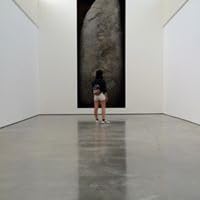
Visiting a museum is a matter of going from void to void. Hallways lead the viewer to things once called ‘pictures’ and ‘statues.” Anachronisms hang and protrude from every angle. Themes without meaning press on the eye. Multifarious nothings permute into false windows (frames) that open up into a variety of blanks. Stale images cancel one’s perception and deviate one’s motivation. Blind and senseless, one continues wandering around the remains of Europe, only to end in that massive deception ‘the art history of the recent past’. Brain drain leads to eye drain, as one’s sight defines emptiness by blankness. Sightings fall like heavy objects from one’s eyes. Sight becomes devoid of sense, or the sight is there, but the sense is unavailable. Many try to hide this perceptual falling out by calling it abstract. Abstraction is everybody’s zero but nobody’s nought. Museums are tombs, and it looks like everything is turning into a museum. Painting, sculpture and architecture are finished, but the art habit continues. Art settles into a stupendous inertia. Silence supplies the dominant chord. Bright colors conceal the abyss that holds the museum together. Every solid is a bit of clogged air or space. Things flatten and fade. The museum spreads its surfaces everywhere, and becomes an untitled collection of generalizations that mobilize the eye."
Totally into this. Not a huge land art fan, but Smithson's on another wavelength than your typical Judd or De Maria. He was the real deal, had a vision and you can tell from the way he wielded the pen. Such a trip, and not like any of the other books I've been reading this summer, which were trips in their own right, but of a more literary variety. This was a bit more theory-heavy, which I'm not usually too hot on, but that is all just a testament to Smithson's verve and spirit. His New Jersey roots bring out something special in the work I guess. Hope to see Spiral Jetty before I die!
I don’t want to exaggerate but this book has abruptly change everything I thought of knowing about art and politics and artists. I read it one year ago and I still think about it daily.