Jump to ratings and reviews
Rate this book

Orbitor #1

Orbitor: Aripa stângă

Rate this book
Part visceral dream-memoir, part fictive journey through a hallucinatory Bucharest, Mircea Cărtărescu's BLINDING was one of the most widely heralded literary sensations in contemporary Romania, and a bestseller from the day of its release. Riddled with hidden passageways, mesmerizing tapestries, and whispering butterflies, BLINDING takes us on a mystical trip into the protagonist’s childhood, his memories of hospitalization as a teenager, the prehistory of his family, a traveling circus, secret police, zombie armies, American fighter pilots, the jazz underworld of New Orleans, and the installation of the Communist regime. This kaleidoscopic world is both eerily familiar and profoundly new. Readers of BLINDING will emerge from its strange pilgrimage shaken, and entirely transformed.

350 pages, Paperback

First published January 1, 1996

379 people are currently reading
6843 people want to read

About the author

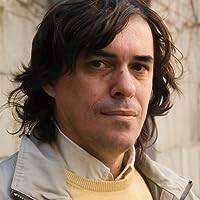
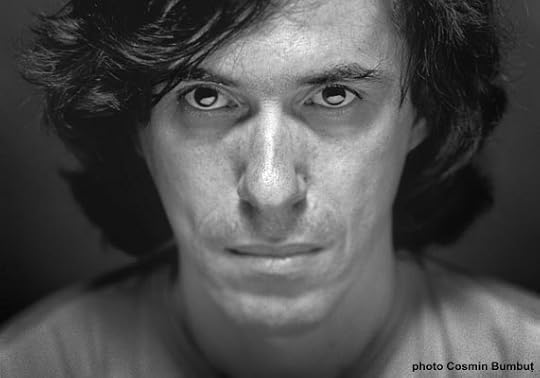
Mircea Cărtărescu

121 books2,245 followers
Romanian poet, novelist, essayist and a professor at the University of Bucharest.

Born in Bucharest, he graduated from the University of Bucharest's Faculty of Letters, Department of Romanian Language And Literature, in 1980. Between 1980 and 1989 he worked as a Romanian language teacher, and then he worked at the Writers Union and as an editor at the Caiete Critice magazine. In 1991 he became a lecturer at the Chair of Romanian Literary History, part of the University of Bucharest Faculty of Letters. As of 2010, he is an associate professor. Between 1994-1995 he was a visiting lecturer at the University of Amsterdam.

Among his writings: "Nostalgia" (a full edition of the earlier published "Visul"), 1993, "Travesti" 1994, "Orbitor" 2001, "Enciclopedia zmeilor" ("The Encyclopedia of Dragons") 2002, "Pururi tânãr, înfãsurat în pixeli" ("Forever young, convolved in pixels") 2002, "De ce iubim femeile" bestseller ("Why do we love women") 2004.

Ratings & Reviews

What do you think?
Rate this book

Friends & Following

Create a free account to discover what your friends think of this book!

Community Reviews

5 stars
1,042 (44%)
4 stars
729 (31%)
3 stars
374 (16%)
2 stars
125 (5%)
1 star
66 (2%)
Displaying 1 - 30 of 341 reviews
Profile Image for Vit Babenco.
1,777 reviews5,734 followers
November 24, 2025
In Blinding Mircea Cărtărescu manages to create his own fabulous reality which is as weird, colourful and enigmatic as Hieronymus Bosch's triptych The Garden of Earthly Delights.
The protagonist, a half man half moth – at least mentally – wandering in “the continuum of reality-hallucination-dream, an inextricable triple empire” keeps filling the blank pages with the chimerical visions of his biography…
A purulent night wrapped every corpuscle into being, in a dark and hopeless schizophrenia. The universe, which was once so simple and complete, obtained organs, systems, and apparatuses. Today, it’s as grotesque and fascinating as a steam engine displayed on an unused track at a museum. It demonstrates its rods and levers under a bell jar. And until the bell of our minds is incorporated into the universal desolation, it will function as an internal organ reflecting the whole, the way a pearl reflects the martyred flesh of an oyster.

In the universe like this, everything is possible… Moving through his past, the hero blends biology with mysticism, metaphysics with entomology and neurology with phantasmagorias… And he populates the oneiric land of The Arabian Nightmare by Robert Irwin with the creatures and monsters taken from the worlds of Hieronymus Bosch and E.T.A. Hoffmann.
The universe at that time consisted of the three rooms in our home and a few annexes, extended like spider legs, with an ambiguity all the greater for their distance. There was a first zone, semi-real, where I could move by myself, more or less safely, after which followed the city streets, which my parents created by walking between real and foreign places. Only my mother and father, between whom I walked through fortresses and basilicas, depots and castles of water scraping clouds like flames on yellow heavens, only my gigantic masters and friends, clasping my fingers in their great, warm hands, talking quietly over my head and pulling me through round piaţas with fabulous statues in the center, could pacify the endless dominions of chaos. Like a reflex arc, like the engram of memory, like the melting of marble steps under millions of feet, some streets, the ones we took more often, solidified, they gained a consistency, they were colored in familiar shades, detaching from the unreal gray that surrounded them.
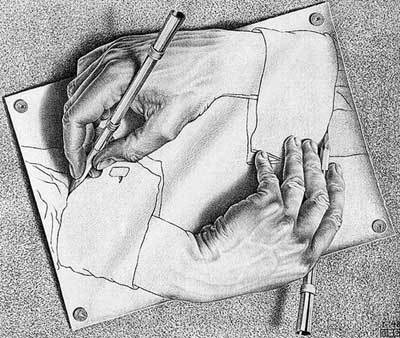
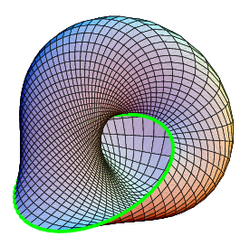
The universe is made of indivisible opposites… Reverie can’t exist without reality… Time is the opposite of space and they are one.
Profile Image for Gaurav Sagar.
203 reviews1,704 followers
September 12, 2025


Blinding unfolds a grandiose universe with its pages acting like membranes made up of cosmic dust, containing everything which is alive (or not), the onus lies on the divine being, the reader who has to create a vibrating, pulsating universe out of the raw materials of the cosmos; and the universe which is thus crafted brims with life wherein everything- all animate and inanimate objects- beats and quivers in unison to the heartbeat of that universe emanating from its core. It is like as if the reader is thrown into an eternal and pious sea of nothingness wherein nothing have been created yet and therein lies every probable possibility which may exist as per the laws of nature or should we say cosmos, and the reader may carve out his or her own existence out of it though it may eventually lead to inexistence and thereby becoming one with the eternal sea of nothingness, perhaps mirroring our lives unfurling themselves from existence to nothingness. As if we, the readers are invited to see and observe the mystic shadows of our own lives through phantasmagorical world of Mircea (Cărtărescu).


Page over page over page, our world is a book made of onion skin. And this skin has veins, and nerves, and glomeruli of stinking sweat.


The universe of Blinding is surreal, ghostly, dreamlike and hallucinatory in nature wherein memories, dreams, imaginations, hallucinations and emotions are woven together over the thread of temporal existence so that anything seems to be plausible there and yet everything remains real. The book forces you to contemplate upon the very nature of your dreams, memories, imaginations, emotions and hallucinations too, for that matter, to question what they essentially are; only to be contended by a triumphant, evocative but questioning deliberation that aren’t all these just manifestations of your existence, neither confirming anything nor denying anything either.


The author conjures up an enigmatic universe wherein everything breathes through the cosmic gills as if every object of your world (the world which you happen to touch upon consciously or subconsciously through your acts, dreams, imaginations and perhaps hallucinations) appears to be personification of your traits, your being as if all these objects are made up of your own flesh sucking in and pumping out your blood and lymph, and your entire world is just extension of your body and soul, your being. The surreal universe comprises of grand domes and statues which beam with life, and they exist in a ethereal soup of cosmos wherein the surface of these enigmatic structures is as alive as you are, and it may contour itself to reflect life. The author takes you through these cosmic manifestations of divine proportions and you traverse through them with bated breath, awestruck by their enormity and dazzled by their vivacious existence.


Fascinated and deathly tired, the Friar suddenly sensed that everything was alive, that everything lives, and that the universe does not all operate like clockwork. Instead, it is a malleable architecture like the human body, a temple skin, a basilica of scratches, a cenotaph of snot, with no right angles or durable materials, where the person creates his dreams, thoughts and illusions, his time and his language like a cell secretes a hair or the crystal horn of a nail. And still, the least important cell in the universal body receives through angel hormones and neural visions, the imperious commandments of God.


source


The magical universe becomes one with you so much so that when any part or object of this mysterious (as mysterious as our real universe is) world is severed it pains you as if your own body parts have been torn apart, this (seemingly) bizarre world of yours unfolds itself first time the moment you take birth and will contract itself to inexistence when you die. The author takes you to the deep crevices and fissures of the brain of Mircea, where lives a mythical being having wings like a butterfly, existing in the world wherein the grandiose domes of the buildings of Bucharest appear to be mirroring human bodies, a woman body, vibrating with life. The journey through the fantastical, hallucinating but sinistral world wherein erotic adventures intermingle with intellectual orgies, traverse you the domains of heaven and hell exuding the feelings hopping from bliss to disgust.


The hallucinatory universe of Mircea (Cărtărescu) is a multiverse of own kind wherein various universes are nested into one another, wherein skull of some (un)ordinary being may act as portal to other universes or other regions of the same universe, which may be separated from one another both spatially and temporally. In that perplexing but dazzling universe past, present and future may perhaps exist in the shape of a butterfly in which we exist somewhere between past, and future represented by its two wings. The author emphasizes upon the importance of the past as if the darkest secrets of our existence may be uncovered in the past. We may look into our future if we get hold of our past, as if the key to our future lies in our past.


The core of that dazzlingly enigmatic microcosm of life lies in Bucharest receiving nutritional sap from the being of Mircea quivering with the fear through the bombings of Romanian wars, the communist rule and thereafter. Mircea hops through his memory lane from memories and emotions of childhood to vagaries and fancies of adolescence and thereafter to expectations, regrets, and resurrections of adulthood. No matter which path you may take if you rise beyond the ordinary, all those forkinfg paths lead to the center of the universe of Mircea where lies a metaphysical inferno, the navel of the cosmic being, the blackhole of cosmic dance which containes each and everything that exist or not exist in the universe, the universe taking shape from the parents of Mircea, his mother, their ancestors and the stories which have been passed on from generations to generations, and there lies Mircea too, the author who is part of the universe and yet everything emanates from him. To carve out the future, Mircea pens down the cosmic flux of memory, dream and imagination with a understanding that we can only perceive past but not the future. We understand that past does not reside in any spatial space to get access to it, it lies in temporal space but we can’t access it as it lies spatially unacessible bygone times. The only way we may peep into our past is through its manifestations which are memories, dreams, thoughts and stories; in a way we exist between our past and future, just like the body of a butterfly exists between its two wings.


We all have a memory of the past, but who of us can remember the future? And yet, we exist between the past and future like a vermiform body of a butterfly, in between its two wings. We use one wing to fly, because we have sent our nerve filaments out to its edges, and the other is unknown, as though we were missing an eye on that side. But how can we fly with one wing? Prophets, illuminati, and heretics of symmetry foresaw what we could and must become. But what they saw per speculum in aenigmate we will all see clearly, at least as clearly as we see the past. Then even our torturous nostalgia will be whole, time will no longer exist, memory and love will be one, the brain and the sex will be one, and we will be like angels.


Mircea Cărtărescu posits that idea that our past holds key to our future, it raises a few important questions about memory, imagination, dreams and truth per se. At times, what we perceive as our trips down the nostagic lanes of reminisces may be manifestations of our imagination infused with some vague elements of our memory, and these manifestations keep on reincarnating themselves in our mental space so that over time they become our memories. On the other hand, our dreams may be linked to our memories wherein our subconscious mind might interact with conscious mind and images from the deep cervices of our subconscious mind may express themselves through dreams and become part of our reality of our conscious mind though our reality emanates as much from subconscious mind as from the conscious one.


source


The revelation about our reality questions the very nature of truth as if what we conceive as truth may actually be our version of truth which our mind has accepted over the years by hallucinating and imaginative repetitions. So, what can we say about our very universe, is it real, a hallucination or a simulation (we are just miniature reproduction of some other universe of higher dimesnions), perhaps we may never know since our reality comprises of everything- real, unreal, our reality may be (as Mircea Cărtărescu says) a paricular case of unreality. It further digresses me towards the notion of history with a postmodernist perspective, we traditionally maintain that our history is factual and sacrosanct, in other words it is objective and historical knowledge is unchallengeable. While the postmodernist perspective attacks the purely objective historical account which is accepted as a natural process and proposes that our historical process is a subjective interpretation and thereby gets always influenced by the perspectives and biases, and is fluid not fixed, and hence questions our very idea of truth, also underlies the way Michael Foucault affected our interpretation of history.


I have been hopping across various books while reading Blinding, these books include Barley Patch by Gerald Murnane and 1984 by George Orwell. These various books and authors offer intriguing perspectives on various aspects of human life viz. Murnane is more concerned about what happens in background of our mental space since by exploring the possibility lies there while Mircea Cărtărescu explores the sacred regions of human consciousness wherein our myths, dreams, imaginations, memories amalgamate to produce our versions of truth traversing on the line demarcating the real from unreal. George Orwell raises some pertinent questions about veracity of truth, our past and its believability since those in power keep on influencing it while Cărtărescu says that our truth takes form out of our past and thereby our conceivable future based on it. Overall, these authors work on the basic principle of human existence that stories form an essential part of our existence.


Blinding briefly touches upon the cinema and its influence on us, in the background of war-ravaged Romanian landscape in way that cinema may open up new possibilities to us wherein the cinematic universe may appear to us a manifestation of our imagination but not improbable at all, on the contrary perhaps it is the extension of our reality. The narrator (Mircea) takes us through the dreamy and fantastical world of his mother wherein she finds existential refuge in the world of cinema and projects herself in the character of a movie thereby raising her life to the mythical levels. There have been many such episodes of hallucinating reality wherein the reality has been raised to mythical levels by infusing the elements of dream, fantasy and surrealism to provide hypnotic experience to the reader.


source


Mircea Cărtărescu has a deep and obsessive fascination with the idea of symmetry, as we see that the entire trilogy follows the outline of a butterfly. The human body we know follows the bilateral symmetry in its anatomy. The enigma that lies at the heart of the book is what does it means to be alive, what does it mean to be, to exist. Our lives take birth out of eternal chaos as we know that entire cosmos originated out of ethereal chaos only to become one with it. So perhaps it signifies that the chaotic elements of universe collide with each other, and we take birth, we carve out our existence to experience our womb, the universe, through the umbilical cord of consciousness, and eventually becoming one with chaos so that new life may take birth from the ethereal soup of nothingness.


The shape of butterfly may be interpreted in multiple ways, one we have already observed that may represent our past and future signifying its wing while its body mirrors our present. The author, on the other hand, intended that it underlies the lives of Mircea and his parents: left wing for his mother while the right wing for his father and perhaps he resides in the vermiform body. It may also mirror our DNA structure wherein the wings of the butterfly are connected to us just like two strands of DNA compliments each other just like our past and present or our maternal and paternal parents do, and these strands act as carriers of life which transcend the barrier of death and traverse from generations to generations. The book transcends beyond the common human logic (and beyond the common literature too, and follows the path of postodernism, though the author may not accept it, imbibing and reflecting simultaneously the traits of metafiction wherein the creator is being created from the creation) to include everything which is part of universe, in the cosmic being of the narrator underlining the metaphor that he is the universe.


and Mircea (which Mircea?) writing a demented, endless book, in his little room on Uranus, and Funcanelli howling at the bottom of inferno, naked in the tougues of fire, and Voila, and Montevido, and New Orleans, and the ice of Antartica, and the pearls of universes strung on a metaphysical cord, and fractals, and national history with heroes and monuments, and Witold Czartoryski, the 18th cenruty Polish poet who saw through Costel's eyse without his knowking or consent, and we ourselves, Monsieur Monsu, Fra Armando, me, Cecilia, and Melaine, and Vasilica, and especially you, Maria (in hundreds of forms); and this nut, and this chair, and this glass lamp, and Tantava and everything, and all of it.......So there was a time we didn't feel alone at all: we were one with the universe, we were one with all that was given to us to perceive and experience


source


The book, just like the great pieces of literature, forces you to look into the abyss of your past wherein your own shame resides and out of it the spiders made up of haunting memories crawl out through the web of time to stir your soul with nostalgic Humm, but as soon as your eyes rise up to look away from the hallucinatory pages of the book by shedding off the weight of dreamy emotions from the bygone days, the sentimental fervor swells up in your hazy and meditative eyes and just when the river of passion is about flow down a sense of strange humiliation stops the holy water precisely on the brink, a chilly uneasiness runs down your spine as if someone catches you off guard in your sacred and personal moment.


As soon as you reach the very last pages of this dreamlike, hallucinatory and outstanding piece of fiction, unusual but not unknown, a trepidation engulfs your soul making you realize that while you are leaving the surreal and fantastic chaos of Blinding, the dreamlike and venerated universe, which is made up of flesh, perhaps your own flesh, crumbles to nothingness and a nostalgic and tormenting silence surrounds you making you numb for some time. The universe has been crafted by an extraordinary and cautious creator using his own blood and flesh for a conscientious reader by blurring fact and fiction, and therefore the universe disintegrates in the (eternal) absence of a reader or perhaps we should say that the sacred universe annihilates itself so that some other assiduous reader may come across the book and carve a new universe out of the sea of nothingness, of course, from his or her own blood and flesh. The poetic rumination on childhood, adolescence of the author and his mother and their relationship is profound enough to push me off out of slumber and nudged me to write something after around a year though as verbose and futile it is as other such expeditions are, perhaps mirroring life itself.


I am chaos I am order,
I am despair I am exultation,
I am fire I am water,
I am tree I am obelisk,
I am earth I am sky,
I am the Sun I am the Moon,

I am fragment I am the whole,
I am extinct I am existing,
I am created I am annihilated.

I am body I am soul,
I am devil I am god,
I am heaven I am hell.

I am consciousness I am un(sub)consciousness,
I am existence I am non-existence,
I am being I am nothingness.

I am dead I am alive,
I am death I am life,
I was ever I will be ever.

I am finite I am infinite,
I am what universe comprises of,
I am what universe does not comprise of,
I am the universe.


Profile Image for William2.
856 reviews4,031 followers
May 28, 2025
Highbrow literary fantasy! Phantasmagorical bildungsroman. Almost psychedelically vivid story running a hypnotic razor’s edge throughout between dazzling and vomit-inducing imagery. But no dialogue—not in Part 1—no social hubbub, no characters, no sex—a fascination with sex parts, yes, but no coitus or buggery, just these fleshy emblems of solitary inertness.

We are in the head of this asocial narrator barreling through his little world in Bucharest Romania from birth to early young manhood. It’s non chronological yet it isn’t fragmented. In fact, the story moves with a stunning continuity from scene to scene. Every now and then the author lets us know how old the narrator is at that moment, but this is a constantly changing, swirling through time. The use of non-chronology is masterful.

The narrator tells the story of his people, the Badislavs. The Badislavs are Bulgarians who set out from the Rhodope Valley to found the village of Țânțăraș between the Argeș and the Saba in Mutenia, România—but not before they are set upon by a graveyard’s worth of Game of Thrones-like walking dead, all jangling femurs and crying skulls and ringing clavicles and xylophone ribs and decaying flesh. The people hide in their old church which the ghouls try to burn down with a collective breath of fire. But the pious old priest circumvents the evil by calling down a semi-translucent host of angels in whose veins the ichor can be seen to flow. It’s the Old Enemy again, the Unclean One, and he still can’t hold a candle to the superior might of Grace. It’s a good fight. Those who loved Harry Potter in their youth might find this nourishing adult fare. Bear in mind, however, that it’s serious literary fiction.

We are led then into a vast interpersonal cosmology. The narrator mentions the ovaries once in his agglomeration of the micro- and macroscopic, our galactic connections to our past and future selves; usually it’s the gonads that prevail. The section is unabashedly dualistic, as all writing is a running set of oppositions, a thing being nothing without its fellow. (Zen by contrast finds dualism at the root of all human suffering.) The narrator is fascinated by the testicles; he can’t stop mentioning them. Now he’s going on about chakras and plexuses. This is usually where I get off the fantasy train. Let’s see how much longer I can bear up.

But then, perhaps the author realized his nonsensical flights were beginning to tire his reader, we return to beautiful Bucharest. A glint of light from car windshields on a blindingly hot day, the various city stinks, a flour mill whitening its own tired brick facade, textures of dirt, fabrics, masonry, flesh, clouds; his mother leaving the textile mill half deaf from the noise; a butterfly-shaped mole on her thigh remembered. Nothing is really happening just this idle walking around but it’s dazzling to read. We meet Anca who like the narrator flashes through multiple times of life, multiple ages in a few pages of this kaleidoscopic story. She is shaved and tattooed on her head at a tender age by the strange Herman. Her mother, the sign of her shitty life to come, locks her away in horror for a year or two. Then she’s caring for her grandchildren and meeting the young Mircea, the narrator, whose coming she dreamed of—foretold?—long ago.

Mircea fancies his world has been conceived on the instant out of whole cloth for his sole delectation, constructed by some god for him alone. “I move slowly along a predestined path, while all around me someone creates my existence. Yes, I was sure: my life was constructed. Second by second, a metaphysical artist invented billions of details and made captivating and exuberant scenery, iridescent surfaces beyond which was perhaps a uniform radiance, or the indescribable.” (p. 106-107) The phantasmagoria is made possible by an unrelenting welter of over-description. This is an august rhetorical device that goes back at least to Russian Formalism and is known as defamiliarization, or ostranenie, for its estranging effect on the reader.

In Part 2 the book broadens to multi-generational saga. It’s 1955 and we meet the 17-year-old Maria, Mircea’s future mother in Bucharest where she’s lived for about a year. She works with her younger sister, Vascilica, in the deafening sewing factory. They’re wretchedly poor but scrape by. They sleep in the same bed. They attend the cheaper movie houses where they’re pawed by grease monkeys. We know Romania was then part of the USSR’s Warsaw Pact, that there was little in the way of consumer goods, and diets were poor. There was no vote, just the monolithic Communist Party; it was a police state. But so far there’s no mention of the comprehensive tyranny under which the characters live. Yet this dysfunctional place is the fabulist world of the novel. Can it be considered a deep irony placing such a fabulist tale in a place of such enormous material want? Bulgakov did the same thing in The Master and Margarita. The nightclub sequence is a magic beyond my meager powers of summary; you must read it. Then the bombing of Bucharest begins; it’s April 1944, and it’s as if the author now has two times unspooling simultaneously side by side yet utterly fluid and whole.

Halfway through here’s my question. How can one sustain fabulism at this intensity for 464 pages? The author is brilliantly talented. I guess the paucity of realism is getting to me. It’s like fireworks. They’re beautiful but after five minutes you’ve seen it all. This argument is of course completely unfair. Certainly a staunch fabulist could make a similar claim about a realist novel. As Federico Fellini, largely a fabulist, once put it, I paraphrase: A work of art is only what it is. Therefore, the critic is usually wrong. Bearing that proviso in mind, I press on . . . But realism, it occurs to me, as more of the novel’s totalitarianism slowly become foregrounded—the realism of Mr. and Mrs. Nicolae Ceaușescu!—is the very cyanide from which the author seeks escape.

As soon as the author went to New Orleans—Cedric’s story—he lost me. It’s at that point that the deep narrative gumbo lost coherence and the suspense became muddled by the insistent welter of over-description. There’s not a sympathetic character in N.O. either; everyone’s a freak. As you can see, though, there’s a lot to like about the novel. I’m glad I read it, but for me it was 209 pages too long.
Profile Image for Kris.
175 reviews1,621 followers
December 5, 2013
Review below is published in The Quarterly Conversation, Issue 34: http://quarterlyconversation.com/blin...


In the opening pages of Blinding: The Left Wing, Mircea Cărtărescu proffers his intent in writing the mammoth, trilogy of which The Left Wing constitutes the first portion and which has been described by some as a dream-memoir or a poetic autobiography:

But today, at the midpoint of my life’s arc, when I have read every book, even those tattooed on the moon and on my skin, even those written with the tip of a needle on the corners of my eyes, when I have seen enough and had enough, when I have systematically dismantled my five senses, when I have loved and hated, when I have raised immortal monuments in copper, when my ears have grown long awaiting tiny God, without understanding for a long time that I am just a mite burrowing my sewer pipes through his skin of old light, when angels have populated my head like spiro bacteria, when all the sweetness of the world has been consumed and when April and May and June are gone—today, when my skin flakes beneath my ring like thousands of layers of onion paper, today, this vivacious and absurd today, I try to put my disorder into thought.

Cărtărescu’s first volume, built around childhood memories and family stories of his protagonist, Mircea, provides vivid descriptions of Bucharest, a beloved city that emerges from a surreal landscape, whose future is uncertain. Yet it also weaves in dreams and memories, obscuring the lines between hallucinations and reality throughout. His prose reflects his work as a poet—his eye for color and texture, his predilection for striking imagery.

At length, The Left Wing becomes a wildly imaginative, detailed cosmology, a search for metaphysical truth, an attempt at a religious doctrine that privileges creation and connection among beings and planes of existence. Cărtărescu borrows liberally from a host of sources: Eastern Orthodox Christianity, Romanian folk belief, Proustian reflections on memory, Hindu and Gnostic beliefs, Voodoo, chaos theory, physiology and the science of the body, among many others. This wide variety of influences contributes to the visionary sensibility of this volume, but it also weighs it down with lengthy digressions and esoteric descriptions. In some passages, the flood of words threatens to obscure Cărtărescu’s central themes.

As befits a work of poetic cosmology, The Left Wing has a tripartite structure. In Part One, the narrator, Mircea, introduces us to his Bucharest, a surreal landscape that combines beauty and squalor. In Part Two, Cărtărescu expands his narrative to see Bucharest through the eyes of Mircea’s mother Maria and his aunt Vasilica. They arrive in the city as innocent teens, fresh from their small village. Cărtărescu depicts a loud, bright, swirling jazz-age Bucharest, a party that is interrupted abruptly by World War II bombers. Part Two also contains several long, mythic passages, including one told by the jazz musician Cedric about his eerie ritualistic experiences in New Orleans. In Part Three, Mircea returns to center stage, as he relates two tales of his hospitalizations in Bucharest, one when he was five and one when he was in his teens. These stories contain some hints of the Iron Curtain, with shadowy authority figures haunting the corridors, feeding Mircea’s sense of paranoia. The story of the second hospitalization also resonates with earlier episodes, particularly with aspects of Cedric’s story, which continues in a long, complicated final story blending religious rites and metaphysics with convoluted theses about the relationship among the act of creation, the future, and God’s existence. Throughout, Mircea presents “my mole-like wanderings along the continuum of reality-hallucination-dream, an inextricable triple empire.”

The book has a complex structure, with multiple narrative threads and perspectives appearing (and disappearing) throughout the volume. Transitions are abrupt, narratives cut off, only to be continued 100 pages later. What holds it together is Cărtărescu’s imbrication of themes, symbols, recurring episodes, and signs. It demands careful reading and re-reading, especially given Cărtărescu’s predilection for esoteric, lengthy passages drawing on religious symbolism, or painstaking descriptions of the human circulatory system.

The central theme that emerges out of this madness is connection—connections between a dream Bucharest and a waking Bucharest, between Mircea and his mother, Maria, between his present and his family’s past in the rural landscape of Romania, even between himself and a universe of other souls. Mircea feels a deep connection to Bucharest, one which he characterizes as physiological as well as spiritual:

With its demented and chaotic traffic, its industrial platforms, where every piece of every machine was consumed long ago, both physically and morally, its universities and libraries where lichen blossomed in a thousand colors and species, its statues (ah, its statues!) that stop you cold, its Dâmboviţa and Colentina like capillaries knitted from cholesterol, its central cubist apartment blocks crystallized around melancholy-saturated residents, its women with tattooed hips wandering the streets at random, shaded by flowering lindens—the city would become my own artificial body.

Throughout, Mircea uses physiological imagery to build up a holistic system joining his body to Bucharest. The city Cartarescu imagines here is surreal, one in which Mircea imagines a line of crucified Christs strung on the powerlines, where statues come to life, where buildings take on the appearance of the body (in one case requiring crews to construct a bra for one particularly voluptuous building). Mircea’s Bucharest is a system as described by chaos theory, in which borders are permeable and in flux. All elements are interconnected in an intricate web:

How strangely everything was starting to connect! I had always hoped my life would go differently than anyone else’s, that it would have a meaning, a meaning that perhaps I couldn’t grasp, but that was visible from somewhere high up, like a pattern in an immense field. Nothing ought to be accidental. Every person I ever met and every toothache and every grain of dust seen in a ray of light (or unseen, but there with its unsteady geometry to plug a corner of my life’s endless fractal) and even the vaguest feeling of hunger or anxiety were only colored dots in a carpet rolling and unrolling within itself, wrapping me like a silk cocoon or like the mottled strips that wrap mummies. And even I, a mummified butterfly, was just another figure, dotting the canvas with the wool of my blood.

Mircea’s quest for connection holds together the myriad strands of The Left Wing. Some forms of connection center on him, particularly the connections between Mircea and his family’s past, as seen in his carrying on his mother, grandmother, and grandfather’s uncanny talent for dreaming. This ability to connect with the future through dreams is just as much a family trait as is Mircea’s face, which resembles his mother’s “thin and kind face”, inherited in turn from her mother. Characters appear and reappear throughout The Left Wing, providing the reader with opportunities to trace connections among people, which may seem like chance, or may be ruled by fate. The underground caverns of Bucharest, crowded with statues and tombs, do not simply connect parts of the city, but instead act as conduits connecting those who hold their secrets with access to a mysterious, spiritual dimension. Some of The Left Wing’s characters seek to understand the connections between the physical and spiritual worlds, as seen in the figure of Cedric, the jazz musician who relates to Maria, Mircea’s mother, tales of his own spiritual journey under the streets of New Orleans, where he was introduced to scores of people from all over the world, meeting in underground vaults to share their quest to connect, to understand the relationship of the spiritual with the physical. Mircea’s desperate cry to discover meaning in the connections in his life is one echoed by Cedric and many others throughout The Left Wing.

The surreal nature of The Left Wing comes in part from the porous walls between dreams and reality. Hallucinations resonate with memories, which in turn reflect the future. Mircea observes these dreams, but he also feels them. They are visceral. These connections are central to Mircea’s worldview. Drawing on chaos theory, he describes a complex world in which all elements are connected, no single being is isolated. The smallest event in one part of the world can have extraordinary consequences on the other side of the world. “The entire world was a mesh of gears,” he writes, “where the rotation of the most miniscule grains of sand in the bottom of the ocean produced, at the other end, a devastating earthquake; the wing of a butterfly in the Antilles caused a tornado in Kansas.”

In this classic description of the butterfly effect, Mircea provides his justification for exploring Bucharest and New Orleans, past and present, in one volume. He also presents a paranoid vision of the world, one that supports conspiracy theories as well as more positive forms of interconnection.

The butterfly itself is a multivalent symbol, one that suits Cărtărescu’s purposes admirably. In ancient Greek and Gnostic thought, it symbolizes a soul, the metamorphosis from caterpillar to cocoon to butterfly representing transformation. In Christian thought, the cocoon signifies death, and the rebirth as a butterfly resurrection. In European folk belief, the butterfly was often related to fertility. And in more recent scientific and philosophical thought, the so-called butterfly effect signifies the interconnections among phenomena and the striking impact of seemingly insignificant changes on physical phenomena like weather systems.

Cărtărescu incorporates all these meanings into his trilogy, which itself is structured as a butterfly, with a left wing, a body, and a right wing. Cocoons appear in dream-sequences, extraordinary multicolored butterflies are caught behind ice in the Danube River, Mircea’s mother Maria comes across a naked woman and a huge butterfly in an elevator in Bucharest. Butterflies also appear as rings, birthmarks, and even as patterns seen in Mircea’s spinal marrow.

In the final passages of The Left Wing, Cărtărescu concludes with a lengthy call for a new religion, one that puts humans in the position of giving birth to God, bound in a determinist circle of creation:

God has not died, rather he has yet to be born. All of us, already illuminated by his foreknowledge (because our flesh is the herald, our flesh is the good news), being only the supposition of our future being, we will one day be him, he will one day be born in us, so that he can someday give us birth. And just as the poet is preceded and formed by the form without words of his poems, God himself is born from the center of his creation so that he may create it. All worlds exist to be existed. All are pregnant with their own gods, the monads are women heavy with statues of light, starry, blossoming trees, and in the ovaries of flowers, are void and happiness. All creators are the creatures of their creatures and are born to create them, in unfissurable duality.

Visionary, surreal, convoluted, far-reaching (perhaps overreaching), Cărtărescu’s first volume concludes with a spiritual call-to-arms, in which creativity and fertility are one and the same. This vision imparts beauty to this destiny, but there are also intimations throughout of power misused, of violence, of beings struggling for connection in the face of obstacles. One wonders where this metaphysical journey will lead in the two subsequent volumes.

(Editor’s note: Throughout the first volume of the Blinding trilogy has been referred to at The Left Wing to differentiate it from the title of the trilogy as a whole)
Profile Image for Juan Nalerio.
707 reviews160 followers
October 3, 2023
¿Hasta dónde puede llegar un autor con la ficción?
Cegador 1 – El ala izquierda es una novela posmoderna que rompe el molde. Encontramos sueños, mitos, cuestiones filosóficas, elementos de biología, sexo explícito poético, estatuas, y muchas, muchas mariposas. Es la aventura de la vida de Cartarescu.

Este volumen narra los orígenes de su familia, la relación con sus progenitores, especialmente con su madre, la infancia del rumano en su querida y gris Bucarest, en un bloque de apartamentos en la calle Stefan cel Mare.

Mircea narra con inspiración continua, no revisa lo que escribe y llena hojas y hojas de maravillosa poesía en prosa, sin plan, sin saber a dónde se encamina el libro.
El autor es deudor del existencialismo e ironía de Kafka, del realismo de Flaubert y del realismo mágico de los latinoamericanos. La novela es un continuum de realidad-alucinación-sueño sin límites de espacio ni de tiempo ni de imaginación. Una obra total.

Habiendo leído previamente Solenoide, la otra gran obra de MC pensé que sabía con qué me iba a encontrar, pero me equivoqué, me enloquecí, subrayé párrafos, busqué todas las mariposas monstruosas que aparecen, fui para atrás y para adelante, consulté a la filósofa Hypathia, indagué en la web y todavía no sé qué acabo de leer. De lo que sí estoy seguro es que en junio 2023 estaré leyendo el Cuerpo, la segunda parte de esta obra magna.

Mi ejemplar de "El ala izquierda" fue firmado por Mircea Cartarescu en Montevideo el 30/09/2023. Un momento único y emocionante en mi vida de lector.
Profile Image for Katia N.
706 reviews1,102 followers
December 24, 2023
“Because you get reality from a story, not a substance, You could be carved in stone and not exist, lost somewhere inside endless dunes. But if you are a phantom in a dream, then the great light of the dream justifies you, constructs you. And there, in the story twisting in the mood of a person sleeping, you are truer than a billion inhabited worlds.”

Mircea Cantarescu really makes his readers work. I could not read this book fast. Entering this book is like diving into fragmentary layers, narratives with beautiful and and savagery images, memories and hallucinations. The novel functions in 3 dimensions: reality-hallucinations-dreams. The dimensions are far from linear, and a very thin curtain separates one from another, if any. The first impression is that it is beautiful and poetic, but it is one big mess. But then suddenly, if one persevere, one could see that all these pieces and narrative structures are closely connected. And it is a kind of revelation by itself. One need to work hard, but pieces are actually coming together in a puzzle! This is definitely not always the case within surreal, oneiric literature, in my experience.

His style is partly explained by his way of writing. He writes at average 2 pages a day by hand, without drafting and does not change his text since then. In the recent interview to “Music and literature” he says: "I always feel embarrassed when having to discuss my crazy method of writing, because I know that nobody believes me. Even I have a hard time believing that I wrote a 1,500-page novel, over fourteen years, by hand, and that the manuscript, gathered in four big notebooks, is as clean as if I copied it, page by page. Better stated: it’s as if the text has always been there, but covered over by white paint, and my only work is to erase that paint, revealing the manuscript beneath." The article provides kind of proof - a copy of a page of his notebook. It is striking that he sees his writing like something revealed to him rather than solely created by him. And it is very evident in this novel. In fact there is a scene when a character is walking closely to this border between his world and the reality of the writer, his creator:

“Costel looked, like a sleepwalker, at his left hand:his fingers were shrinking into his palm. In a flash, he realised that he had left the Story, that he had reached the songs, where everything was crosshatched, a world barely formed, its space and time still budding. He continued moving forward, until there was nothing left of him but the forward movement. The world now was dirty and diaphanous, like modelling clay when you’ve mixed all the colours together, all the figurines, all the trees. Soon, any property would be reabsorbed into a final matrix: the night. Which also dissipated into the unthought, the unwritten, the nonexistent. Into the white page, above which i lean, and which i will no longer desecrate with the obscene see of my pen.”

There is something Borgesian in this scene. But also there is a tangible palpability of this transition between non-existence and existence which I have not seen even in Borges’s universe…

So, now, coming back to the usually anticipated question “what is the book about?”. It is partly autobiographical, about the character called Mircea growing in Bucharest in the 50s of the prior century. The society behind the iron curtain infested with ideology and penetrated to the bones by the security forces. It is about his mother and her youth, her experience of Bucharest’s bombing and preceding jazz age. It is an impression of a romanian village in the 40s. According to the novel, they were more happy to be surrounded by the Germans than by the Russians who replaced them:

“For a time, there were always Germans in the village. … People didn’t love them of hate them; they became used to them. Only in the years that followed, when the German soldiers were replaced by Russians, did the villages begin to miss them and speak of them fondly.” …”Germans had treated the locals well. They paid for what they drank and ate, down to the last penny, and they played with children and give them chocolate. The charm of their blue eyes would stay with the Tantavans, in contrast to the Russians, who behaved like wild beasts. Rapes and robberies came one after another, and not even the movies with dumb, evil German characters, nor the slogans … would change their conviction, often repeated, if under their breath:”The Germans, you know, they was what they was, but they were good people. But God save you from an angry Russian”

A rare acknowledgement that not only the defeated side in the war committed the monstrous acts was refreshing.

But mentioning just this “realistic” themes of the novel would diminish it to a tiny fraction of what it is. Moreover, it won’t convey the atmosphere and spellbinding power of this work. Realistic bits are weaved around myths, allegories and philosophic metaphors. Some of the visions are quite bleak and visceral. Certainly the majority of the are unorthodox. On a philosophic level, Cantarescu constantly makes parallel between a human body in all its sophistication and physicality and the universe. They serve as a model for each other. There is a lot of neurologic and medical vocabulary. He uses the body as a map, as a space and as a Russian doll of different realities. He uses the shaven tattooed head of a girl as a history where the drawings are drilling down to any level of details available, but diving into very deep risk crossing the point of no return.

Bucharest is the character in the novel. That was another feature I loved. I’ve never been in this city, but I felt like walking its streets. The New York Trilogy and all the books by Orhan Pamuk come to mind.

The author also explores the question of God and the creation. His theology is a bit confusing and not fully realised. There is a certain global conspiracy through space and time which is facilitating the creation of a God who later would write them into the world. I have had a gut feeling that he would connect this to Mircea. And I would not like it. He did not in this book which was a relief. “Who reads a poor story of our lives? Of course Him, the Writer. And he reads it once, in the moment he writes it. For the duplication of worlds is a process of writing/reading, as though the umbilical cord connects them, and through the cable, simultaneously. reading and writing cross from both ends, because if he blows his Spirit through the tube, inflating our bubble or soap, we, in turn, reflect his face in it s curve, and through the tube we can see his zirconia, larynx.” It is a beautiful image, but I think this story line would be farther developed in the following two books which are not translated into English - it is a shame!

It so happened that I’ve read quite a few “surreal” novels this year without planning to. I put “surreal” into quotation marks as this novel certainly would fail any categorisation. I’ve read The Last Lover which was fascinating bundle of narratives with superb imagery. I’ve read Will Eaves's Murmur who managed to blend the theory of consciousness and the dreams of Alan Turing’s avatar. At the end, I’ve read The Geography of Rebels Trilogy: The Book of Communities, The Remaining Life, and In the House of July & August The author there also, as Cantarescu, sees her writing as something revealed to her on the page. In her case - through the voices of the medieval saints, the writers long dead and others. But this novel is the most coherent of them all without loosing the magic the imagery. It is a beautiful and ambitious work. Though one need to work hard to reveal this beauty.

“What every person had intuited at some point on their lives somehow, suddenly, became clear: that reality is just a particular case of unreality, that we all are, however concrete we may feel,only the fiction of some other world, a world that creates and encompasses us.”

PS

1) The translation into English by Sean Cotter is brilliant. It is a masterpiece of its own. It was recently announced that he is translating “Solenoid”, the last and the most ambitious Cantarescu’s novel. It has been already translated into main European languages. As usual, English is the last (well, apart from Russian i guess). The novel has been recently nominated on Prix Medicis Etranger in France.

2) The literature and Music interview:

http://www.musicandliterature.org/fea...
Profile Image for Cosimo.
443 reviews
November 8, 2020
A luce spenta

“Vedevo nel vetro giallo, sotto la tripla fioritura del fantasmatico lampadario, il mio viso affilato come una lama e i miei occhi cerchiati di viola. L’ombra dei baffi incipienti metteva in risalto l’asimmetria della bocca, che era di fatto quella di tutto il volto. Nascondendone la parte sinistra su di una foto, si sarebbe creduto di vedere un giovane aperto e volitivo, dai lineamenti quasi belli. L’altra metà avrebbe però sorpreso e spaventato: l’occhio qui è spento e la bocca tragica, l’assenza di speranza si diffonde su tutta la guancia come un eczema”.

Questo libro definisce un nuovo e esclusivo immaginario: organico, pluridimensionale e metamorfico. Il lettore è un maldestro prigioniero, lo scrittore un animista estraneo e schizofrenico, un custode di corpi e menti soggette a decomposizione e ristrutturazione, attraverso il tempo e la memoria. Una farfalla si riproduce a livello neurale, un'ombra rubata maledice il canto, un ragno tesse la sua tela epistemica, un circo delle meraviglie dissemina orfani di emozioni, la periferia svanisce e si moltiplica, la città si innalza e diviene invisibile. Cartarescu dolorosamente riconosce: “questo libro illeggibile, che non dice nulla, che non vale nulla, non vuole nulla e non significa nulla, percorri insieme a esso, simile a una barca a vela, il piano trasparente del nostro mondo”. Questo testo è denso e malinconico e fantasioso e ha infinite prospettive, è intertestuale nei riferimenti poetici e poliedrico nella composizione. Iterativamente formato, come la crisalide, sempre in mutamento, immemore della forma passata, spaventato dal contenuto futuro. Cartarescu sussurra aneddoti infantili e episodi cerebrali in un clima sotterraneo, nel quale cercare la sorgente di tanta inquietudine e miseria, seguire l'eco di ciò che non esiste, ascoltare l'urlo dentro a un sogno già decaduto, disconoscersi e negarsi fino all'anestesia sensoria, all'isterica epifania, alla cognizione del sanguinante nulla. Il luogo letterario è incognita e indagine, viene trasfigurato e violato nel testo con l'immaginazione, accoglie, espone e interpreta un nuovo senso per antiche domande, immagini deformate con codici inediti, linguaggi ribelli per cosmiche disperazioni. L'altro e l'identico hanno la stessa maschera, la differenza è fuori gioco per simbiosi o proiezione. I genitori, la scuola, gli amici, le strade di Bucarest: la narrazione si sviluppa per associazioni estreme e impreviste, mette in tensione la trama nella descrizione, resiste a lasciarsi comprendere fino in fondo, estinguendo tracce di chiarezza e rifugiandosi invece nella duttilità del modello e della simmetria (specie tripartita). La lingua di Cartarescu germoglia e genera conoscenza enciclopedica, storia ed ermeneutica; ibridando, mescolando, saldando mondi paralleli e complesse opposizioni. E così si dispiega la prosa in una visione dell'inesistente, in un'etica dell'inabissarsi e nascondersi, nell'oscillazione fra materia e pensiero, cronaca e sogno, fede e saccheggio. Misticismo, tormento, dissezione, malattia. Mutilazione del vivere che è ancoraggio nervoso: poter percepire sulla pelle il mistero della consapevolezza, di una coscienza che prega e regredisce e insieme sperimenta e inventa e delira, come un fiume inaccessibile, un gioco a perdere, un documento innominabile. Cartarescu non trova profondità in alcuna soluzione e dall'anatomia poetica emigra verso una primavera artificiale, un enigma onirico e totalitario a scadenza ignota e ci porta con sé, nella nostra pluralità interiore: incapaci, folli, annientati.

“Nonostante tutto noi stiamo fra il passato e l’avvenire come un corpo vermiforme di farfalla tra le sue due ali. Possiamo utilizzarne una per volare, perché abbiamo inviato i nostri filamenti nervosi fino alle sue estremità; quanto all’altra, non la conosciamo, quasi fossimo privati dell’occhio che guarda dalla sua parte. Ma come possiamo volare con un’ala sola? Profeti, illuminati, eretici della simmetria, potrebbero prefigurare cosa potremmo e cosa dobbiamo diventare. Orbene, ciò che essi vedono per speculum in aenigmate, tutti noi lo vedremo chiaramente, almeno chiaramente quanto vediamo il passato. Allora la nostra torturante nostalgia sarà piena e intera, il tempo non esisterà più, la memoria e l’amore si confonderanno come si confondono cervello e genitali e noi, noi saremo identici agli angeli”.
Profile Image for Jack Tripper.
531 reviews351 followers
July 8, 2018
It's been three months since I'd read this, and I've thought about reviewing it several times, but I'd always chicken out. How do I even begin to describe this book? I can't, really, but I have to write something about this brilliant novel.

It's partially a memoir, detailing Cărtărescu's formative years growing up in Bucharest, only it will suddenly shift into a hallucinatory dream narrative periodically, with little or no warning. Anything can happen: warrior angels from the sky can suddenly appear to do battle with zombies, for instance, right in the middle of a realistic section about a traveling caravan. The line between the real and imaginary is razor thin, reminiscent of Bruno Schulz at times. Dreams melded with memory. Sometimes it can be hard to tell where reality ends and the fantastic begins. You may be exploring an underground tomb when it slowly changes into a vast, fog-filled cavern that seems to stretch beyond the length of Bucharest, filled with countless grotesque statues. The novel also jumps around in time throughout the author's life, and will even jump to before he was born, with stories of his ancestors.

It's both a novel and a collection of stories, and it's definitely not something to be read quickly. You have to be in the right frame of mind, and can't just plow through (or at least I couldn't). Sometimes I'm in the mood for a fast read, where I can speed through, only worrying about plot and not really absorbing any extraneous information. With Blinding: The Left Wing I had to soak up every word, and it took me nearly a month to read, in fits and starts, but it was worth it. This was one of the best pieces of fiction I've read in recent memory. It can be very dense, and at times I'd struggle with it, trying to parse every bit of symbolism or allusion, but when I learned to just not think so much, approaching an almost meditative state, it became a much easier and more enveloping read.

Anyone in the mood for a metaphysical journey of unbound imagination and beautiful writing that verges on poetry would do well to check out Blinding: The Left Wing. There are a number of mindblowing philosophical ideas here that are seemingly just tossed in willy-nilly, ideas that other authors would spend an entire novel exploring. Here's hoping that parts two and three will get an English translation in the near future.

5.0 Stars.
Profile Image for Ajeje Brazov.
944 reviews
November 16, 2020
Tikitan!
Cos'è il potere? Quante sfaccettature ha in sè, il sostantivo potere? La parola potere ha così tante, infinite, definizioni, interpretazioni, insomma il potere è quanto di più significato allargato, ampliato, si possa dire di una parola. Così mi pare di essere in una stanza di una ipotetica biblioteca, mia immaginaria, così immensamente infinita, data dalla foschia immanente e perpetua che tutto ammanta e vi sono scaffalature altissime ed a profusione in tutte le direzioni, che paiono senza fine. Queste scaffalature hanno una miriade di cassetti, ognuno con un'etichetta sopra, per esempio: "Potere.1" "Potere.2" ecc...
Tikitan!
Così mi metto a pensare a tutti i poteri che l'umanità ha utilizzato, il quadro finale non è dei migliori: pensiamo ai poteri oscuri, quali quelli totalitari, che hanno creato guerre, violenze, oppressioni; oppure al potere costituito che tutto gestisce e tutto obbliga; o ancora al potere di decidere cosa fare, il potere di fare di un altro essere vivente ciò che si vuole, pensiamo alle schiavitù passate e presenti. Ma ci sono anche poteri che ci contraddistinguono per bellezza e luce, come il potere dell'Amore, dell'Amicizia, il potere della Solidarietà col prossimo, sia umano che animale e vegetale e... Nel mentre mi accorgo che un cassetto, in là nella foschia in una direzione che non conosco, è aperto, mi dirigo alla meta e così scorgo un foglio con su scritta la definizione di un potere che... Il potere della creatività, dell'immaginazione...
Tikitan!
Ecco il libro che ho appena concluso ha in sè tutto ciò che è questo potere, ne è la sublimazione massima. Quando questo potere di creazione/immaginazione suprema, viene poi supportato da una capacità narrativa tale da rendere il tutto così Abbacinante, uno cosa deve fare se non abbagliare per contro cercando di carpirne l'essenza più pura ed intrinseca?!
Tikitan!
Un capolavoro assoluto per forma, contenuto, spessore, poeticità, per le visioni oniriche di un sogno, dei sogni, che non sono altro che lo specchio di noi stessi riflessi negli altri e poi in altri ed in altri ancora e così via come nel Nastro di Möbius fatto di specchi rifrangenti ed abbacinanti!

Profile Image for Alberto Villarreal.
Author 16 books13.5k followers
May 6, 2025
Qué viaje es leer a Mircea Cărtărescu. He leído muchos de sus libros, pero quería guardar su trilogia para el final porque sabía que sería retadora. No voy a fingir que entendí de todo el libro, ni siquiera creo que el mismo autor entienda todo lo que escribió. Ahí van pensamientos sueltos sin ninguna reflexión previa:

- Me encanta que es un escritor de temas recurrentes: su ciudad, su familia, la divinidad.
- Creo que la literatura a veces tiene que ser esto: un sueño febril.
- Siempre siento que Mircea es más poeta que narrador.
Profile Image for trovateOrtensia .
238 reviews267 followers
November 9, 2018
...cerco di rimettere disordine nei miei pensieri...

Da una decina di giorni mi propongo di scrivere qualche parola su questo libro, che ho trovato veramente notevole. Il problema è che non so da che parte incominciare. Anche volessi raccontarne la semplice trama (cosa che in genere non amo fare) incontrerei difficoltà quasi insormontabili.
Di cosa racconta? Dell’infanzia del protagonista a Bucarest. Pietoso e inadeguato tentativo di sinossi, questo.
Mi avvicinerei forse di più se dicessi che il bambino solitario che dalla sua finestra scrostata osserva una Bucarest-selva oscura è il punto di partenza per una vertiginosa e lisergica ricostruzione del passato e delle figure che lo popolano? Forse. Ma si può parlare di ricostruzione del passato, o di storia di un’infanzia e di una città, quando la città è un labirinto di specchi deformanti e rotti, una distesa di edifici da periferia industriale e di sotterranei in cui minerale ed organico si fondono come in un quadro di Max Ernst? O quando la storia è ridotta in pezzi, frantumata come un mosaico alieno le cui tessere sono state pestate e polverizzate e poi consegnate alla ricostruzione di un autore per il quale ricordare è discendere nelle “catacombe dell’immaginario”?
E poi, chi racconta questa storia? Chi nella storia dice “io”, se l’identità stessa per questo Anti-Marcel che impugna la penna è un fragile tremolio di maschere organico-neurali che si distaccano l’una dopo l’altra, e che ci lasciamo dietro come pelli di serpenti che si disseccano al sole, o fragili bozzoli di farfalle stellate? E che potrei dire, poi, dell’abbacinante Farfalla?

Ecco, vi avevo avvertito. Ho fallito. Non riesco a scrivere un commento a questo libro.

“Il passato è tutto, l’avvenire è niente, il tempo non ha un altro senso. Viviamo su un pezzo di calcare estratto dalla sclerosi multipla del cosmo”.
Profile Image for Ellis ♥.
996 reviews10 followers
July 13, 2023
Vi è mai capitato di non sentirvi abbastanza intelligenti per leggere un determinato libro?
A me è successo proprio con questo primo libro della trilogia Abbacinante, ne posticipavo la lettura da mesi... Se da un lato la curiosità mi incoraggiava verso di esso, appunto per l’aura di complessità che lo circonda, a frenarmi c’era sempre quel sentirmi inadeguata.
Di non essere all’altezza.
Per fortuna ha avuto la meglio la mia testardaggine e ho fronteggiato questo spauracchio, che dirvi?! Ne è davvero valsa la pena anche se, ancora adesso che ho portato a termine la lettura, provo una forte sensazione di straniamento. Talmente tanto forte da sentire la necessità di prendermi una piccola pausa prima di gettarmi a capofitto sul prosieguo della trilogia; molte delle intuizioni dell’autore sono condivisibili e per questo richiedono una particolare riflessione.
Riassumerne la trama è arduo, tante troppe cose sono condensate in questo romanzo e non starò qui ad annoiarvi elencandole sterilmente.

Forse nel cuore più profondo di questo libro non c’è nient’altro che un urlo giallo, abbacinante, apocalittico...

Mircea Cărtărescu sa essere talvolta brutale e nichilista, ma anche malinconico e delicato; la sua è una penna impeccabile e implacabile imbevuta di lirismo. Ciò che più mi ha impressionata è stato il suo stile di scrittura composto da un lessico baroccheggiante e descrittivo che vira con consapevolezza verso la poesia – in effetti Cărtărescu nasce come poeta e solo successivamente si dedica alla prosa - e il simbolismo immaginifico; devo ammettere che alcuni termini utilizzati non li conoscevo ed è stato insolito tornare alla mia vecchia abitudine di stilare un elenco di questi lemmi, tirare fuori il vocabolario e consultarlo… Sono ripiombata ai tempi del liceo.
Il leitmotiv è l'allegoria della farfalla che conseguirà il suo completamento nei due romanzi che seguiranno dando origine alla triade, ma un’altra tematica essenziale è il concetto di memoria, inteso come una componente indivisibile dell’essere umano plasmabile a proprio piacimento.
Un libro fuori dagli schemi dal momento che non c’è linearità né omogeneità nell’esposizione; un libro “a strati” laddove pensieri, considerazioni e reminiscenze si mescolano formando una sorta di caos ordinato in cui sta al lettore sforzarsi di districarvisi e impegnarsi a unire i “punti”.
Un romanzo avulso dai vincoli della narrativa, che non può e non vuole essere inquadrato in un’epoca ben definita data la presenza di diversi salti temporali tra i giorni nostri e il passato. Volutamente fumoso e introspettivo, sottilmente autobiografico, dalla trama dinamica e fitta di cui unico punto fermo è Bucarest, città caleidoscopica in continuo divenire. Il ventaglio dei personaggi è ampio e poliedrico tanto quanto oniriche ed eccentriche lo sono alcune delle situazioni presentate.
Non trovavo un libro così brillante e geniale da un pezzo, potrei decantarne le lodi ancora e ancora, ma direi che mi sono già dilungata abbastanza!
Profile Image for Daniele.
304 reviews68 followers
November 25, 2022
Le visioni, i sogni, sono realtà. Quella che chiamiamo comunemente 'realtà' non è che la superficie delle cose. La vita allucinatoria è vera quanto la vita 'reale'.

Da questo estratto di un'intervista fatta a Cartarescu, avrei già dovuto capire a cosa andavo incontro, purtroppo però l'intervista l'ho letta a posteriori... :)
Detto questo, quest'opera è un viaggio allucinante (altro che abbacinante!!) nella mente, nei ricordi e nei sogni di Cartarescu.
Attraverso questi sogni, ricordi, visioni, scopriamo la storia dei suoi antenati, conosciamo aneddoti della sua infanzia e impariamo a conoscere sua madre (in secondo piano il padre, che da come ho capito verrà raccontato nel terzo volume).
Sullo sfondo la Bucarest dell'era Ceausescu, alternata ad altre città, compresa un'umida e oscura New Orleans.

Per quanto mi riguarda è stata una lettura faticosa, specialmente all'inizio quando cercavo di trovare un significato a tutto, ma ahimè senza riuscirvi. Dopo di che mi sono abbandonato alla prosa (ricca, carica) senza per forza cercare un senso e qualcosa è migliorato.
Resta il fatto che per me leggere deve essere anche un piacere, non una fatica, poi tendenzialmente sono per altri tipi di scrittori. Cartarescu lo metto sul podio insieme a Borges e Cortazar, autori amati da tanti e dei quali riconosco la grandezza, ma che leggendoli mi fanno sentire scemo (e magari lo sono pure :)...).

Nonostante ciò.... leggerò sicuramente anche gli altri due volumi, primo perché sono masochista, secondo perché non escludo che possa apprezzarli di più dopo questo primo impatto violento col primo libro, il tempo di riprendermi e mi ci ributto!


Poiché non è descrivendo cose andate che si scrive il passato, ma parlando dell'aria nebbiosa che da esso ci separa; del modo in cui il mio cervello di oggi avviluppa i miei cervelli posti in scatole craniche sempre più piccole, fatte di ossa e di cartilagine e di membrane; della tensione e dell'equivoco che regna fra la mia mente di adesso e quella di un secondo fa, e quella di dieci anni fa; della loro interazione, dell'ingerenza dell'una nella formazione delle immagini e nelle emozioni dell'altra. Quanta necrofilia nel ricordo!

La memoria delle mie lacrime ha trent'anni. Non sono totalmente sano di mente. La solitudine mi sussurra all'orecchio, insieme disperata e rassicurante, come un tempo gli intestini di mia madre, che sentivo da dentro l'utero. Il gorgoglio di caverna con una sorgente sotterranea della sua vescica. Ogni tanto c'è un tram che passa o, nelle profondità della notte, un cane randagio che abbaia, o qualcuno che parla forte, e tutti questi rumori ricordano alla mia pelle (poiché, naturalmente, a quell'epoca sentivo con la pelle, come i ragni, quasi fossi stato interamente avvolto nel mio timpano) l'eco lontana della voce di mio padre, in una stanza miserabile in cui non esistevo ancora.

Il mio messaggio è incifrato in me, è me, come l'ostia è il Redentore stesso, e le parole di questo messaggio, che è rivolto esclusivamente a te, sono le mie dita, le mie labbra, i miei reni, la mia milza, le mie vertebre e il mio intestino crasso. Com'è strano vivere nella storia altrui, come se si fosse una creatura sognata, interamente prodotta dal cervello eppure completa, con una personalità e desideri, con gli occhi castani striati di verde, ma che nonostante tutto non ha una interiorità, non pensa, non vede, non sente, non sa di esistere. Essere un personaggio secondario nel romanzo di un altro, non farsi vedere nella propria complessità di pianeta gigantesco ma soltanto per recare una lettera su un vassoio. Al diavolo il tuo cuore e la tua vulva e la tua fede! Hai consegnato il messaggio? Non ricomparirai mai più, né in questo libro né in nessun altro. Eppure, com'è gradevole essere il messaggero di un'annunciazione...

Il me di oggi ingloba il me di ieri, che comprende quello di ieri l'altro, e così via a ritroso, sicché non siamo altro che un'immensa sequenza di bambole russe celate l'una nell'altra, ognuna gravida di quella che l'ha preceduta, ma nascendo comunque da essa, scaturendo da essa come un'aura, così che il nucleo è sempre più tenebroso e le superfici più diafane, e sulla superficie tersa del mio corpo esattamente da questo istante luccica già la luce blanda che sarò da qui a un'ora, poiché il nostro corpo non è null'altro che luce chiaroveggente del futuro. Dalle tenebre verso la luce, dal piombo verso il cristallo, dal piattume verso la levitazione, dal tutto verso il nulla si affina il tragitto assurdo del nostro modo di vivere, per finire in una sfrangiatura di vacuità. L'io di ogni attimo è legato a quello precedente tramite un vigoroso cavo ombelicale, con due arterie e una vena, trasportando gli ineffabili eritrociti della causalità.

La realtà non è che un caso particolare dell'irreale, e noi tutti siamo, per quanto ci paia di sentirci concreti, solo la finzione di chissà quale altro mondo, che ci crea e ci contiene...
Profile Image for L.S. Popovich.
Author 2 books454 followers
December 29, 2019
Monsu held the butterfly uterus in the open palm of his right hand. Its skin fibers gently pulsed. In the end, it took flight, not through the mechanical beating of lepidoptera, but by undulations within the gelatinous medium, the way transparent beings on the bottom of the ocean proceed dreamlike through the abyss. P. 458

This book is nuts. In ways reminiscent of snatches of William S. Burroughs. But Cărtărescu's approach to the novel appears to stem from a deep appreciation for poetry. His habitual use of arcane scientific terms can only be intentional, geared toward, one would hope, precise observation and the enhancement of photo-realistic depictions alongside the dreamlike, demented transformations and unholy images recorded by the detached narrator. It's enchanting, unnerving and brilliant. But it would be easy to pick apart his hastily conjured juxtapositions. Death and birth, death and sex, death and lust, death and dreams, and lots of skeletons, both sentient and inanimate, human and animal, all cut a jig through the tormented landscape of post-war Romania. Wallpapered with more butterflies than the books of Nabokov, the texture and tone puts me in mind of a wild Dia de los Muertos procession, an exaggerated show of fanciful horror. Every ingredient under the sun makes it into his witch's brew, concocted for sheer entertainment. Even the above quotation, while elegant in its imagery, requires a leap of faith. You must suspend your disbelief and turn off your critical faculty. The only way to enjoy this luscious prose is to 'see it' rather than 'read it.' Flaws of logic make way for jungles of interpretation and labyrinths of the imagination.

Blinding thrives on impressionism. It follows its omniscient eye through uncanny valleys of hospital nightmares and filthy streets, where coupling ghosts wreak havoc alongside childish phantasms. He stirs in helpings of philosophy and sprinkles in holy relics. The author challenges your mind while delighting the senses. Many will be offended, as he does not shirk away from fluids and acts often better left in the dark, but his brand of magical realism casts wide nets, roping in astral projections, macrocosmic wombs, and ending in an unwelcome exegesis. Luckily, Mircea eases the reader into his madness, describing lengthy family and community rituals, focussing his intense author's lens on the finest of details, tackling every topic you can think of, while descending into moments of traditional coming-of-age narration. Truly this is how I would have liked My Struggle by Karl Ove Knausgård to read. This is more imposing, acerbic writing. You can learn from his fantastic gravitas, whereas Realism so often strikes me as pointless reiterations of thoughts and emotions that are all too familiar. If done right, this is not always the case, of course.

Once again, prepare for long descriptions, flights of fancy, and an uncontrolled narrative. This will obviously rub many readers the wrong way. It cannot be called autobiography unless you consider Dante's Inferno autobiographical as well. Nor is it strictly a dream diary. Much effort went into the craft of the sentences, even if the scattering of the themes and watering down of the plot inevitably followed. It is also a remarkable feat of translation that we can read this in English and still be astounded at the density of invention on display.

This novel is a bold experiment and a delight to read. It sustains a high pitch of aesthetic value and political relevance. It relishes, celebrates and shames human anatomy, religion symbols, and urban squalor. Like Pessoa, Cărtărescu lives vicariously through dreaming. Welcome to his madhouse, watch your step, when you come out the other side, the world may not look quite the same...
Profile Image for Declan.
144 reviews2 followers
October 18, 2020
On those nights when the wind blows around my home and the rain seems to be about to come through the roof, I take off my shoes and rest my feet on a low table and sit on a sofa and read books which, if I'm lucky, take me away from the overly insistent weather pushing, without any convincing purpose, against my windows and make my way down a street that I have never visited or, if I have been there, one that I have forgotten or seen in a way that is wholly different from the way the writer describes it because we can never see it in the same way; her and me; him and me. or whoever it was who once saw what I once saw and found all those other associations and memories: that time he lived nearby and spent hours each night, looking out of the window, with his feet on a radiator, seeing what wasn't there and moving inwards, into the mind that could see the erotic possibilities of a shadow on a curtain or transform his thoughts into the realm of myth, especially family myth and legend; the stories passed from, perhaps, an uncle - in his best, well worn, suit - to a nephew on the quietest of quiet Sunday afternoons, near that hay-filled barn, record of the farmer's immense capacity for work, when each story was like a stone passed from hand to hand, becoming polished, changed; it's weight felt and appreciated so that each ancestor was no longer human, in this telling, but had become an angel or a priest who must sacrifice the shadow of a young boy, or perhaps you are that boy or one who knows him, or one who knows the woman with the tattooed skull which none can see now because her hair has grown and we have so far to go: through other's lives and hospitals and New Orleans and always, always, always, we must have butterflies nearby so that they can be eaten or reproduce with a woman or mark our change, our unavoidable change and progress towards our unavoidable merging; our inevitable return to elemental form and we become what Mircea Cărtărescu tells us we already are: one small unit of the whole, interconnected macrocosm.
Profile Image for Evi *.
395 reviews306 followers
December 23, 2023

Abbacinata
Dovendo scrivere di Abbacinante. L'ala sinistra non si sa, davvero, da dove cominciare.
Perché dire che è la rievocazione a rebours della prima parte della vita dell'autore, tra finzione e sogno dove quella che comunemente chiamiamo ‘realtà’ non è che la superficie delle cose, dove la vita allucinatoria è vera quanto la vita reale e tutto sullo sfondo di una Bucarest fatiscente e di fine regime, significherebbe allinearlo a decine di altri libri con uguali intenti.
Vagamente, perché no, allinearlo anche alla Recherche proustiana, sebbene in salsa bucarestina, perché ad esempio le parti (bellissime) dedicate a Maria la madre di Mircea (Cartarescu) occupano buona parte del libro.
Ma sarebbe una riduzione e cercargli un modello sarebbe fargli da pessimo sponsor perché la "memoria" in Cartarescu non solo va indietro negli anni, come è normale che sia, ma risale oltre lo stato pre-embrionale, memoria che precede la memoria.

È il me di oggi che ingloba il me di ieri, che comprende quello di ieri l'altro

È anche una memoria universale che si domanda: "come sarebbe stato il mondo se nessuno ci fosse vissuto" e si stupisce all'idea che sarebbe esistito anche se nessuno l'avesse visto o abitato, uno sguardo da nessun luogo.

È come un viaggio psichedelico, narrazione che fa esplodere la testa, una congestione brusca e concentrata del cervello che crea un'estasi mentale.
Perché le percezioni della realtà in questo straordinario romanzo vengono talmente amplificate che aprono brecce come se lo stesso autore scrivesse sotto effetto di sostanze e ne trasmettesse i suoi parti mentali, cosa che invece non è assolutamente vera perché Cartarescu non è Dick, Cartarescu non è Rimbaud o Baudelaire... Cartarescu scriveva del tutto sobrio e pulito nella solitudine di una mansarda di 30 mq, rischiarata solo da una semplice lampada, con affaccio sulla sua evocativa città Bucarest.
Pertanto che il contenuto di questo romanzo sia frutto di una mente assolutamente lucida, è ancora tutto più pazzesco.

Ma davvero non riesco a trasmettere cosa rappresenta questo libro dalle caratteristiche appunto ineffabili.
Lo stesso autore lo definì un libro illeggibile.
Con Cartarescu si entra in una ipertrofia di immagini e descrizioni che arrivano anche a lambire il linguaggio della fisiologia come strumento di descrizione "letteraria".
Come funziona il cervello umano, dissezionato nelle sue parti nelle sue facoltà di conoscere e percepire il reale.
È un po' come se camminassimo nel nostro cervello che diventa quasi un luogo geografico e davvero un medico o meglio un biologo potrebbero avere un'arma in più per decifrare il mondo di Cartarescu che però persegue un percorso narrativo ben preciso, con il suo affollarsi di aneddoti di vita di personaggi di storie, bellissimi.
Perché Abbacinante è una trilogia di cui, il primo volume unico che per ora ho letto, intende ricostruire l'origine di sé e del mondo:

Abbacinante. L'ala sinistra.
Abbacinante. Il corpo.
Abbacinante. L'ala destra.

Da leggere rigorosamente nell'ordine seguendo la forma del corpo di una 🦋 farfalla

Pur essendo uno dei nomi che meriterebbero il premio Nobel, più di molti altri che lo hanno ricevuto o che lo riceveranno, Mircea Cartarescu per paradosso è invece un autore che rischia di rimanere sconosciuto o poco conosciuto.
Avrà fatto uno sgarbo a Stoccolma come Philip Roth, ma io credo che da tempo le sorprese della letteratura non arrivino più da occidente ma dall'est, europeo.

Non sono ascesa alle 5 stelle piene perché in alcune parti mi sono sentita sopraffatta da overdose di bellezza e sollecitazione mentale e sensoriale, forse è necessaria anzi - doverosa - una rilettura che permetta l'abbandono totale nel suo abbraccio o forse è necessario il completamento della trilogia.
E avrei già voglia di ricominciarlo.
Abbacinati è esattamente lo stato in cui l'autore ci lascia, mai titolo fu più giusto.
Profile Image for Alessandra.
162 reviews26 followers
November 1, 2022
C'è troppo da dire e non so da dove iniziare.
Però, so che la lettura è stata un atto mistico e che è un privilegio leggere un romanzo come Abbacinante.
So che voglio rileggerlo (non subito, ma a breve).
So che è un romanzo che potrei leggere per tutta la vita e puntualmente avere la sensazione di leggere un romanzo mai letto prima, perché potrei trovarci dentro sempre nuove immagini e terrificanti e dolcissime e malinconiche e nostalgiche.
Quindi torno al principio: non so che dire. Solo che qui c'è tanta bellezza.
Profile Image for Javier Ventura.
193 reviews111 followers
October 9, 2022
Podría decir que Cartarescu nos ofrece la mirada caleidoscópica de su infancia en un Bucarest Crepuscular, que vaya usted a saber qué puñetas significa eso, pero queda del carajo.
Lo cierto es que esta novela (primera parte de tres) recoge básicamente las ensoñaciones, delirios y alucinaciones de los recuerdos inconscientes y profundos del autor. Todo es onírico, todo es metafórico. No vamos a encontrar al Cartarescu realista/costumbrista que a mí personalmente me gusta.
La primera parte de la obra es una reflexión abstracta de la interrelación de las moléculas, la mente, el cuerpo y el universo, el tiempo y el espacio, los recuerdos y la nostalgia; todo desde una perspectiva cósmica y existencialista, científica, metafísica y mitológica. Te cagas.
La segunda parte parece que se va a normalizar un poco, y tiene hasta argumento; que aquí habla de su madre y no habrá querido abusar. Pero no se emocionen, que aún queda lo bueno. Una tercera parte más larga, más retorcida, más absurda, que te destruye las pocas neuronas que te quedaban haciendo sinapsis desde antes de empezar a leer este auténtico azotamentes.
Solenoide es fascinante. Cegador es una exageración, y ha podido conmigo.
Cartarescu, esta vez no.
Profile Image for Ubik 2.0.
1,071 reviews292 followers
March 23, 2016
Farfalle di tutte le fogge, dimensioni e colori.

Questo è uno dei casi in cui il mio proposito di scrivere un commentino a TUTTI i libri che ho il piacere (o il dispiacere) di leggere, mi mette in difficoltà.

Perché sarebbe il genere di romanzo che a me proprio non va giù, con quello stile liquido, autoreferenziale, ostentato, privo o quasi di impalcatura, che induce (a me) perdite di concentrazione a volte della durata di pagine, tanto da costringere a tornare indietro o ad attendere ansiosamente e in apnea un punto, da cui riprendere fiato e slancio, per ritrovare un filo conduttore a cui aggrapparsi.

Ma perché allora non piantarlo lì, come mi par di capire abbiano fatto in diversi (com’è possibile, solo una trentina di voti e pochissimi commenti per un autore di cui si sta parlando intensamente da mesi e in vari gruppi?)

Perché all’improvviso, o meglio dapprima (forse l’esodo dei Badislav?) proprio all’improvviso, ma poi ogni volta a soddisfare un’impaziente attesa… si aprono pagine, episodi, capitoli di una spiazzante bellezza visionaria che non trovano analogie nella mia esperienza di lettore, tanto sono vertiginosamente affascinanti.

E così abbiamo la donna dell’ascensore ed Herman il gobbo tatuatore di crani, il bombardamento di Bucarest e l’ospedale con i reparti labirintici e i grotteschi ricoverati, la spedizione dei bambini fino al pianerottolo dell’ottavo piano e, formidabile, il funerale del vecchio Catana. Il tutto all’interno di una suggestiva metafora ricorrente (il profilo bucarestino che man mano scompare dietro il palazzo in costruzione) e di un’immagine ancor più frequente e significativa rappresentata da farfalle di tutte le fogge, dimensioni e colori.

So bene che si dovrebbe cogliere il libro nella sua complessa totalità, ma confesso di non esserci riuscito, perdendo senza dubbio vari collegamenti e “accontentandomi” di godere del fascino degli episodi come quelli sopra citati, benché alternati a digressioni filosofico-anatomico-esitenziali di cui mi è in (buona) parte sfuggito il senso.

Me ne stavo così, abbandonandomi a queste folli montagne russe, finché a un certo punto in sottofinale, è acccaduto come se l’autore avesse voluto scrollarsi via i lettori mediocri, in grado (come il sottoscritto) di cogliere solo a sprazzi il talento di cui, a dire il vero, sembra compiacersi; ed è allora che Cartarescu piazza un pirotecnico delirio terminale di una cinquantina di pagine, da cui non si esce nel pieno possesso delle proprie già abbacinate facoltà mentali…
Profile Image for Fidel.
Author 1 book111 followers
August 13, 2020
La infancia y el sueño son los mayores aliados de la poesía, porque propugnan la divergencia y la fe. Y de la poesía como cosmovisión, como manifestación estética, todos hemos formado parte siendo niños y seguimos en mayor o menor medida formando parte, aun cuando esta termine de pronto, pues tras el velo de nuestros párpados continúa sucediendo lo extraordinario. Así, todos los grandes narradores son niños atrapados en un cuerpo extraño que se deteriora mucho más deprisa de lo que lo hacen sus sueños; todos y cada uno de los grandes narradores son a su vez grandes poetas. La poesía no es un artefacto, sino una luz, una mirada. Se puede ser poeta sin haber escrito un verso jamás, siempre que uno sea capaz de ver la belleza del mundo y de reconstruirla para sí mismo y para los otros.

Había que vivir cada verso con una intensidad absoluta porque cada uno de ellos proporcionaba una aclaración, una iluminación interior en mi vida miserable, en mi habitación, con bombillas mortecinas y muebles viejos.

El propósito de esta magna obra de Cartarescu es recordarnos ese poeta que habita nuestras entrañas, por más que nuestro cuerpo perezca entre inexplicables parálisis y enfermedades. Es unir lo aparentemente dual del mundo en una sola esencia, en un manto ecuménico. Así ocurre en forma y fondo, y así Cegador se despliega en la siguiente morfología: el ala izquierda, la madre; el corpus, nosotros, y el ala derecha, el padre. La historia se entreteje a través de las antenas de mariposas que no son sólo hermafroditas, sino que son mitad hembra y mitad macho, tan aterradoras como espléndidas; efímeras y eternas, a un tiempo, pues de su corta existencia surge lo divino.

En cada instante en que descomponemos la realidad para hacerla más comprensible, nos engañamos; consagrando nuestra vida a lo material, nos decepcionamos. Tan sólo persiguiendo la respuesta por medio de esa gran hipótesis que es cada creación nos sentimos realizados, plenamente vivos, y esa es la única justificación que podemos hacer del arte.

Porque el misterio es el padre de una serie interminable de misterios, y las soluciones son siempre parciales, autodevoradoras… Pero piensa en todo simultáneamente, de forma distraída y soñadora, hasta que los hemisferios converjan y las dos imágenes ligeramente distintas –racional y sensual, analítica y sintética, diabólica y divina, masculina y femenina- se superpongan. De repente, ese tapiz de manchas desaparece y, en miles de dimensiones, podemos pensar claramente, por un instante o durante milenios, el rostro irreproducible de la Divinidad.

La memoria y los sentidos no son invulnerables a la mentira. La única verdad plena es el futuro; y el único futuro posible nace de la ceguera; no de una que ensombrezca, que apague, sino de una que ilumine con plena fuerza el interior, como cuando cerramos los ojos y los fosfenos desfilan brillantes representando nuestra alma: una ceguera provocada por un disco luminoso tan potente como para hacernos olvidar, de una vez por todas, todo aquello que nos han forzado a creer; una ceguera que nos permita renacer y verlo todo de nuevo con otros ojos: partir hacia el hogar que nunca ha dejado de aguardarnos.

Cuando venga lo perfecto, desaparecerá lo parcial.
Cuando yo era niño, hablaba como niño, pensaba como niño, razonaba como niño. Al hacerme hombre, dejé todas las cosas de niño. Ahora vemos en un espejo, en enigma. Entonces veremos cara a cara...
Profile Image for María Carpio.
396 reviews351 followers
July 1, 2024
Todo es una alegoría que busca el símil primordial entre el Dios creador y el Escritor. Así, con mayúsculas, como lo pone el autor. Este libro, parte de una trilogía (Cegador) es como el documento literario de la génesis de la ficción de Cartarescu, extrapolada de una interpretación onírica, fantástica y delirante de la génesis misma de la Creación. Es como el testimonio de la revelación del autor de esa teogonía y cosmogonía surgidas de su mente y de sus entrañas, pero que en un juego de metaficción, resulta ser el origen del todo, de Dios, del cosmos, del hombre. Y de la alteridad, como lo mencionará casi al final del libro, cuando de ese caldo de simiente, mezcla de semen y cerebro, tiempo y espacio, nazca la deidad, pero dividida, así como la dualidad constante a la que hace alusión en toda la obra: el bien y el mal, el cerebro y las gónadas, el ying y el yang. Sí. Cartarescu reescribe el mito primigenio desde una ficción particular, llena de imágenes e ideas asociadas, altamente alegóricas y líricas, tomando fundamentos de las doctrinas del Cristianismo, El Hinduismo y el Budismo, y las transforma en una sopa primal en la que entra una especie de bestiario entomológico y patológico de insectos y seres enfermos y deformes, pasillos infinitos y laberínticos de hospitales, enfermedades que atacan al propio protagonista, un yo ficcionado de Mircea, que vaga por la Bucarest posguerra y comunista y en la que su madre es protagonista primordial, como primordial es la matriz que va a dar a luz al dios-escritor en un ritual descarnado y extremo, un ritual cegador. Y es que esto, la matriz, la madre realista y la madre fantástica/mística y mitológica le dan el relevo metafísico a la realidad ficcionada y autoficcionada de esta novela. Hay ecos enormes de Solenoide (otra de sus novelas magnas) en toda la narración, como el propio personaje de su yo ficcionado de niño, la enfermedad y los hospitales como el pasaje hacia otro mundo, la mezcla de realismo y realismo fantástico (aunque tenga de referente al realismo mágico latinoamericano, lo que hace Cartarescu es distinto), las referencias al horror cósmico lovecraftiano pero transformado en algo más monstruoso-místico que cósmico, el submundo bajo la ciudad, y toda la descripción de la vetusta ciudad de Bucarest durante la época del Comunismo, una ciudad llena de recovecos que llevan hacia lo desconocido.

Pero esta novela, pese a llevar tópicos de Solenoide y de Cartarescu en general, aún es otra cosa. Aún tiene una narrativa propia y un imaginario diferente y particular. Todas las capas que tiene, quizás resueltas todas a través de lo onírico y de la fuerza del subconsciente, están en continuo diálogo con varios elementos narrativos y de estructura (la mariposa como gran esqueleto) y con referentes literarios presentes en el mismo origen de la novela: La divina comedia es como la base no sólo simbólica sino hasta estilística (en ciertas partes) de la cual El Ala izquierda (o quizás toda la trilogía Cegador) es un reflejo deforme. Sí, deformado, monstruificado, pero que en varias partes guarda incluso un ritmo análogo, un lenguaje análogo.

En toda esta cosmogonía y teogonía, en la que los referentes cristianos son muchos (quizás debido a la formación del autor), la noción de una deidad creadora y a su vez creada por el hombre, en un ciclo infinito, replica la idea del escritor/creador que crea su ficción y es creado por ella a la vez. Esto cierra tanto la idea de la génesis del cosmos desde el huevo primigenio (presente en varias religiones y creencias ancestrales así como en una de las escenas alegóricas de esta novela) como la de la autoficción de Cartarescu: él escribe un universo ficcionado pero a la vez, ese universo le da a luz a él. Cartarescu es parido por las entrañas de su propia ficción. He ahí el juego metaficcional.

Entre las alegorías potentes de las partes finales está la imagen de este caldo de semen/cerebro como el simiente de Dios y de la vida, que fecunda al útero que sale de una mujer negra en un ritual en el que se van germinando los gemelos (dualidad de la deidad y del escritor/creador). Ese caldo que contiene el espacio-tiempo-cerebro-sexo (en capítulos anteriores nos hablaba de la equivalencia exacta del cerebro y los organos genitales; aquí materializa esas ideas, les da carne y forma). Y finamente, la idea de la luz cegadora como metáfora del conocimiento primordial, más que de la deidad misma, que es lo que da el nombre a esta trilogía. La idea madre que asienta el autor es que hay algo que desconocemos y que solo sabremos por esa luz cegadora, o sea, al dejar de ver el mundo de la materia. De ahí que quien abre el camino a las entrañas del Misterio (con mayúsculas, el misterio mayor de la existencia) a Mircea, el yo ficcionado del autor, es el masajista ciego, a quien la secta de Los Conocedores ha revelado la verdad de las cosas pero dejándole ciego. La luz de la oscuridad es el agujero negro del Todo. En la parte final, el disco en el que están observando todo el ritual de la teogonía o el nacimiento del dios-escritor es una plataforma parecida a los círculos del infierno de Dante y que el narrador llama “el disco cegador”. De ahí que también en una parte el narrador diga que está escribiendo un libro ilegible, refiriéndose a esta novela y rompiendo la cuarta pared. Esto es un diálogo directo con el lector, casi como un tranquilizante: sí, este es un libro ilegible, no es que tú no lo entiendas. Más o menos como ese conocimiento que no poseemos y por eso no entendemos el libro. Es un juego literario finalmente. Mircea, el personaje, no es El mesías en sentido literal ni figurado, quizás sí en sentido literario, pero aún creo que seguirá jugando con la ficción en el resto de la trilogía, así que quedará por ver qué es exactamente lo que sale de ese huevo primigenio incubado por un útero volador salido de la mujer negra sacrificada en el ritual, y que ha sido fecundado por el caldo simiente…

(También hay alusiones borgeanas constantes, como lo laberíntico y la voluntad literaria argumental y estética de lo metafísico. Esto se evidencia en una parte en la que dice "jardines con senderos que se bufurcaban". Un guiño al cuento de Borges "El jardín de los senderos que se bifurcan", y quizás al propio Borges, con el personaje del masajista ciego, que sería también una especie de Virgilio guiando a Dante (Mircea) en el Infierno y Purgatorio).

La técnica de Cartarescu, por más fluido de conciencia o del inconsciente que use, consiste en utilizar el pasadizo como dispositivo literario en sentido real y figurado. A través de estos pasadizos misteriosos el autor empata la trama realista con la fantástica, técnica similar utilizada en Solenoide pero que en esta novela está presente en casi toda la narración.

Para concluir, puedo decir que es una novela abigarrada, con un estilo narrativo complejo y a veces excesivo, pero con una impronta completamente única, no vista. Parecería que solo Cartarescu puede hacer algo así. Puede llegar a ser incomprensible, pero no porque tenga un lenguaje subjetivo y se desgrane en conceptos y abstracciones, sino por todo lo contrario, por tratar de darle cuerpo, sangre, huesos y quitina a las abstracciones. Por el recurso infinito de la metamorfosis de la carne y del insecto (kafkiana, también, pero distinta por la crudeza y la visualidad), porque está llena de descripciones fantásticas casi imposibles de imaginar, sí, un bestiario imposible. Pero, a la vez, el cruce con el realismo social (quizás esto último en menor medida que en Solenoide) y esa encrucijada entre la literatura realista y la fantástica, que, como en la cruz de San Andrés (que también es un símbolo usado en esta novela como en Septología de Fosse) junta dos caminos, dos polos irreconciliables y los hace fundirse en una misma ficción, que a la vez se bifurca, como el jardín de los senderos que se bifurcan.
Profile Image for SurferRosa.
110 reviews33 followers
September 29, 2016
Per quanto io, in generale, poco abbia letto e poco ne sappia di narrativa e letteratura (e quindi il buon senso mi suggerirebbe di astenermi dal pronunciare giudizi di ampio respiro, cosa che invece sto per fare) quest'opera Abbacinante di Mircea Cartarescu (qui nella sua prima parte, L'ala sinistra) mi è sembrata tanto nuova nel panorama letterario contemporaneo - che, ripeto, in realtà ignoro in larga parte, ergo mi accingo a scrivere cazzate - da interrogarmi sul motivo di questa sensazione di novità, sul perché mi avesse fatto quest'effetto.
Ebbene, mie adorate lettrici, la risposta che mi sono dato - non so se farsi domande e darsi risposte senza paletti di sostegno sia un'attività sana - è che Abbacinante è così nuovo perché è estremamente vecchio.
Leggere Cartarescu è un po' come ritornare a quell'età in cui si ricercava un sapere universale, in cui un entomologo, o un chimico, o un mineralogo, si improvvisava anche paleontologo, storico, biologo, alchimista e, dulcis in fundo, ovviamente letterato, producendosi di conseguenza in un testo spesso ingenuo ma documentato e ricco di suggestioni diversissime.
Cartarescu è un pre-cartesiano, in lui la scissione tra scienza e metafisica non si è compiuta e procede nella sua narrazione inseguendo una concezione totale della vita e dell'uomo, non separa biologia e anima, non separa sogno e veglia, non separa realtà e fantasticheria. Così ho potuto leggere le magnifiche, fantastiche descrizioni della città di Bucarest come un universo vivo e palpitante, una struttura fatta di carne e di ossa e di terminazioni nervose, ho potuto viaggiare sulle ali di gigantesche variopinte farfalle nella memoria dei personaggi del romanzo, nelle rievocazioni di eventi tanto reali quanto immaginari e mitologici, ho potuto scoprire pagine stranissime, che vanno dal testo sapienziale (sì, spesso rimbalzano eco di Vecchio Testamento), fino alle visioni lovecraftiane di città e paesaggi ciclopici e impossibili, con paesaggi del di dentro e dell'altrove che scorrono assieme al flusso della memoria individuale e della Storia, quasi che l'autore, consapevole della fallacia dei nostri sensi e della nostra memoria, abbia scelto di procedere con sicurezza in una zona volutamente a metà strada tra reale e fantastico - ma, in fondo, ditemi un po' voi quali territori calpesta il ricordo se non proprio questi.
Niente facili scappatoie nel non-senso però: Cartarescu sa ancora chiamare le cose col loro nome, sia quelle reali che quelle fantastiche, così è in grado di raccontare episodi kitsch e truculenti, come quello demoniaco nella prima parte di questo libro (episodio di gusto e impianto gotico ma, ohibò, un gotico trasversale, che odora già di oriente, di terra di confine) calandoli in una realtà fisica in cui ad esempio quelle piante che incontriamo tutti i giorni quando usciamo di casa e di cui ignoriamo il nome - tutt'al più le chiamiamo erbacce - vengono chiamate col loro nome, a volte sembra di leggere il Pascoli del serpinello o del pan porcino. E' questo ricongiungimento fra realtà fisica e cultura letteraria che produce queste pagine spericolate che sono (o almeno a me sembrano) qualcosa di nuovo.
Ma questo procedimento per cui questa idea di narrazione all'antica rende obsoleto il resto della narrativa contemporanea, caratterizza tutti gli episodi del romanzo, ad esempio il racconto del lungo periodo che il protagonista Mircea passa in ospedale, delle lunghe sedute di massaggi al volto, è sempre percorso da una sottotraccia fantastica, costantemente in agguato e pronta a prendere il sopravvento sulle minute e precise descrizioni dell'ambiente ospedaliero o, riavvolgendo il nastro, la narrazione dell'arrivo e dei primi tempi delle sorelle Maria e Vasilica a Bucarest.
Non ho invece apprezzato appieno le ultime pagine del libro, cioè la parte finale del racconto di Cedric, dove un certo kitsch precedentemente gustoso mi è parso muovere più di un passo falso in un new age un poco irritante.

In attesa di leggere il terzo capitolo dell'opera (L'ala destra, di recente pubblicazione sempre per Voland), aggiungo ancora che, nella mia irredimibile e inscalfibile cialtronaggine, ho letto prima Il corpo (la seconda parte) della qui presente Ala sinistra* e mi è sembrato superiore. Oserei dire che questa Ala sinistra mi è quasi parsa una prova generale de Il corpo che, di conseguenza, mi pare a posteriori una versione riveduta e migliorata dell'Ala sinistra (stiamo tuttavia parlando di tantissima roba in quanto Il corpo viaggia ad altezze stratosferiche).

*Dovrei probabilmente parlare col mio analista (che non ho) di questa faccenda che non riesco mai a leggere un'opera divisa in più parti, o tomi, nell'ordine stabilito**.
**A pensarci bene potrei provarci con la Recherche di Proust a leggere nell'ordine giusto***.
***Confesso che già mentre lo scrivevo, sapevo benissimo che non leggerò mai la Recherche di Proust.
Profile Image for Tyrone_Slothrop (ex-MB).
839 reviews113 followers
August 2, 2017
Aura e Choc, Cervello e Farfalla.

Sublime e osceno, illimitato e microscopico, divino e carnale, paradisiaco e orgiastico.... Questa opera incredibile e vertiginosa racchiude dentro di sè ogni opposizione, ogni dicotomia, tentando di comunicare l'incomunicabile, portandoci su strade lisergiche e allucinate verso un Tutto troppo immenso per essere contenuto da un uomo. Cartarescu è un vortice, una piena di visioni, di pensieri, di percezioni irreali e di memorie solide - procede creando un "continuum realtà-allucinazione-sogno-memoria" dove eventi reali si mescolano con memorie immateriali, incubi tremendi, storie orribili, deliri lisergici, costruzioni mentali sconvolgenti. Un'esperienza che squassa il lettore dalla mente fino agli organi genitali, dove elementi fondamentali (non simbolici, ma reali, materiali, pulsanti e avidi) sono la Farfalla e il Cervello. Farfalla che non è altro che noi, nel nostro Io, dove l'ala sinistra è il passato, il corpo vermiforme il presente, l'ala destra l'avvenire - questo insetto vola continuamente nel romanzo, inquietante, vitale, terribile... Cervello come agglomerato di nervi e neuroni (Cartarescu conosce ogni parte anatomica dell'encefalo e del suo funzionamento e la butta nel suo frullatore di visioni stomachevoli), come luogo della coscienza, del pensiero, ma anche come materia organica che oscuramente ci collega verso altri spazi non fisici... E su tutto questo, c'è anche l'elaborazione della memoria personale, gli edifici di Bucarest, la storia della madre e della sua famiglia che si sposta in Valacchia, i lampi della propria storia infantile che perseguitano l'autore, la sofferenza dell'autore chiuso in una mansarda a massacrarsi la mente su un libro impossibile... E ciò finisce in un incubo vudu che muove da New Orleans e arriva nel centro del Tutto, dentro l'Uno, insopportabile da immaginarsi, davanti al quale il nostro essere particolare non può che rigettare... Qui c'è Pessoa con le sue parole sul nulla chiuso dentro una stanza, Pynchon e la sua paranoia cosmologica, Borges e il suo concetto inumano di Aleph, Proust e la sua analisi infinita della memoria, Joyce e le sue pagine vertiginose ed esplosive..... Grazie all'Uno al di sopra del bene e del male, non sono panteista - quella di Cartarescu è una visione mentale troppo insostenibile per un cervello solo....
Profile Image for Alees .
49 reviews69 followers
April 23, 2023
Per speculum in aenigmate

description

Emergo ora dall’ultimo vertiginoso capitolo dell’ala sinistra.
Da questa Bucarest allucinata, stroboscopica, macchiata dai colori onirici di uno spazio distorto, frammentato e aguzzo che lacera il velo del reale e scopre la fragilità del tangibile, l’esistenza che ne contiene un’altra e un’altra e un’altra, nelle spirali concentriche della conchiglia dell’essere, dove il confine tra oggettivo e soggettivo si ibrida per sfumare nel paradosso.
L’abisso che contiene sé stesso.
Immagino la mente di Cartarescu come un’opera di Escher, Le mani che disegnano, un luogo dalle prospettive impossibili, contaminato da percezioni derealizzanti, un luogo dove tutto è ancora possibile. Perché in questo libro niente è ancora possibile nell’esatto momento in cui tutto è ancora possibile. Prendete uno specchio e infrangetelo. E adesso fatelo in pezzi ancora più piccoli. Buttateli a terra, e in ogni minuscola scheggia riflettente osservate il vostro mondo distorcersi ed emanciparsi in una creatura organica familiare e sconosciuta. Il risultato è come una biologia delle emozioni, qualcosa di nuovo e straniante. Ecco, meglio di così non so dire dell’Ala sinistra. Posso solo aggiungere che la prosa è stupefacente, mai letto niente che lontanamente gli si avvicinasse negli ultimi anni, se non Foster Wallace per le altezze e qualità. Quando si riesce a distillare il concetto di "proteina angelica" si entra a buon diritto nel mito.
Profile Image for Jose Carlos.
Author 16 books703 followers
July 15, 2019
Cegador, I: viaje al Big Bang del Universo narrativo de Mircea Cărtărescu

Algo me llama poderosamente la atención de los comentarios de quienes han leído la novela de Mircea Cărtărescu, El ala izquierda, Cegador, I, publicada por Impedimenta. La mayoría, lectores que mantienen blogs, la gente del Instagram literario, ciertos sectores de la crítica, coinciden en dos cosas: el libro, más que el libro la manera de escribir del rumano, es extraordinaria, y no han entendido muy bien, algunos insisten en que no han comprendido nada, de lo que dice. No deja de ser curioso que, a pesar de no vislumbrar lo que Cărtărescu nos quiere decir —como cegados por el descomunal entramado de Cegador, I— reconozcan, aun así, la infinita calidad literaria que atesora el libro y además, que de entre una prosa anclada en unos recursos complejísimos, eso hay que reconocerlo, tales como el onirismo, lo que denomino el estilo gore-lírico, junto a una especie de literatura patológica, y otros aspectos que iré comentando, no hayan conseguido extraer el motivo o motivos principales que nutren Cegador, I. De todo esto os hablo hoy, todavía hechizado e hipnotizado por el influjo de las palabras del rumano. Vaya por delante una cosa: no puedo decidirme, aún, y manifestar que Cegador, I es la obra maestra de Cărtărescu, aunque lo sospecho. Y no puedo hacerlo porque el peso de Solenoide es aplastante y porque Cegador, I es una parte incompleta que conforma una trilogía.

En Cegador, I hay momentos superiores a Solenoide, algo que jamás hubiera podido creer, como por ejemplo ese capítulo extraordinario que narra la lucha entre las fuerzas del bien y del mal en un pueblo perdido y que significa el origen de la familia del protagonista, Mircea, o los acontecimientos acaecidos en Nueva Orleans, o los sucesos del ascensor, o la semana de estancia del protagonista en la guardería…, pero necesito completar la lectura del tríptico para afirmar mi veredicto, que de momento dejo levemente en el aire. Insto a Impedimenta para que se den prisa, se lo ruego de rodillas, lo imploro, y que nos traigan lo antes posible los dos volúmenes que faltan.

Porque seamos sinceros y claros: desde alguna novela de Kadaré simplemente imposible de repetir (El accidente, por ejemplo, o Spiritus, ambas en Alianza Editorial), o el Austerlitz de Sebald (en Anagrama), yo no había leído nada como esto en un autor europeo. Y cuando digo esto me refiero a Solenoide y Cegador, I.

Y cuando digo que no he leído en un autor europeo, salvo Kadaré y Sebald, nada como Cegador, I en muchísimo tiempo, me estoy refiriendo a una complejidad que es producto de un entrelazamiento narrativo que podría definir como cuántico, además de fractálico. Porque en Cegador, I todo tiene relación con todo, unas partes se refieren a otras, desde lo micro a lo macro, y la función metaliteraria es tan abrumadoramente abismal que todo el libro se convierte en un cono de succión, en un agujero negro que envuelve al lector hasta desorientarlo por completo (bendita desorientación, por cierto), y expulsarlo después en la página final tras haber atravesado por un continuo de literatura fascinante y conmovedora.

Un continuo de literatura, me parece una expresión que define muy bien este primer volumen de Cegador, dado que siempre literaturiza lo mismo, lo haga el autor de una forma o de otra, da igual, Cărtărescu nos habla de los mismos asuntos, pero los presenta de tantas y tan diferentes formas —que además sufren mutaciones y sub mutaciones—, que su lectura es como formar parte de una gloriosa secta, en este caso la secta de los lectores que intentan comprender las claves del rumano.

Parece, como decía más arriba, que mucha gente no termina de entender las claves de esta primera entrega del tríptico. Es lógico, la estructura y la escritura del libro no ayudan, no por su complejidad, que también —es un texto difícil—, sino porque la estructura de este volumen, entiendo, deberá complementarse con los otros próximos dos libros.

Cegador, I se presenta como una trilogía que reproduce las partes de una mariposa. De manera que el primer volumen sería el ala ubicada en el lado izquierdo del lepidóptero. Este lado se divide en tres partes, y cada parte en capítulos. Los capítulos se conectan internamente entre ellos, algunas historias que empiezan en un capítulo reaparecen más tarde, otras no, pero todo acaba formado ese continuo de literatura, espacio y tiempo.

Por lo tanto, no estamos ante una novela, aunque a primera vista nos pueda parecerlo, sino ante la reproducción de una galaxia literaria, con sus capítulos que son como supernovas fulgurantes, sus agujeros de gusano que conectan partes del principio con partes del final, con alteraciones espacio-temporales, con una reproducción en papel y repleta de letras, del principio del Universo.

Cegador, I es un ejemplo de lo que califico como Big Bang narrativo (igual que sucede en las dos novelas de Kadaré que mencioné antes, Spiritus y El accidente), en donde el conglomerado de los materiales que el rumano coloca sobre el escritorio, ultra concentrados, comprimidos, estallan para extenderse a lo largo de 422 páginas que conforman una primera constelación. Después, vendrán las otras dos galaxias, esos dos volúmenes que restan y que espero se relacionen entre ellos por túneles narrativos como sucede en este libro en más de una ocasión, al estilo, por ejemplo, del entrelazamiento cuántico.

Califiqué a Solenoide como un libro escrito con un tipo de realismo mágico que denominé realismo mágico de Muntenia, pero en esta ocasión me veo obligado a cambiar el término, porque Cegador, I se sostiene sobre una concepción literaria de gore-lírico, ayudado por lo que llamo, también, literatura patológica (en similitud con esa anatomía patológica médica que se ocupa del estudio de biopsias, muestras tumorales, autopsias…).

El estilo gore-lírico que pone en marcha Cărtărescu se cimenta en la continua aparición de ambientes sórdidos, tanto externos como internos. En los externos siempre encontramos esa Bucarest herrumbrosa y decadente, plagada de lugares angustiosos, abandonados, derruidos, subterráneos, con pasillos interminables, con cúpulas enormes y agorafóbicas, cristalinas y opacas en su cegadora luminiscencia, con pasajes inquietantes, hospitales terroríficos, salas de disección equipadas con herramientas y ganchos y escalpelos inquisitoriales y de tortura, junto a salas infantiles pavorosas, que además están sujetas a un tiempo alterado, inhumano e irreal.

Lo gore, se concreta en la multitud de enfermos deformes, en la aparición de tumores, lesiones cutáneas, enfermedades incurables, enanos y jorobados, pacientes aquejados de males que los deforman grotescamente, una parada de los freaks que sufre incluso Mircea, el protagonista, aquejado de una especie de hemiplejia que le deforma el rostro.

Y también aparecen los ciegos, porque aquí la ceguera es un acceso al conocimiento, reflejada en el masajista que trata al muchacho Mircea de su parálisis facial, por ejemplo, y que al estilo de Ernesto Sabato forma parte de un grupo de elegidos que previamente lo cegó de una manera brutal y medieval. Aunque no lo olvidemos, el masajista fue cegado, precisamente, cuando accedió al conocimiento del origen de la creación.

Aquí, acabo de mencionar dos de los temas fundamentales del libro: el acceso al conocimiento y el misterio de la creación. Ya sea la creación del ser humano, ya sea la creación literaria. La literatura es, para Cărtărescu, la puesta en marcha de mundos con personajes que se saben precisamente eso, personajes, escritos por un ser superior. Esto es lo que tratan de comprender los protagonistas de Cegador, I.

Los personajes del libro habitan esa galaxia-libro, ¿pero quién los ha creado? Es evidente, un autor. Y desde ese mundo microscópico de la prosa se abre toda una reflexión que se dirige al macrocosmos que habitamos en nuestra realidad: nosotros soñamos y escribimos un texto sobre unos personajes que, así, toman vida, pero a nosotros nos está escribiendo un Dios superior, que está siendo escrito por otra deidad que, a su vez, y en el continuo de literatura y creación, está siendo escrito por otro Dios, y ese por otro, y por otro…, en una puesta en abismo ascendente que alcanza el infinito.

Tratar de comprender este misterio constituye el peregrinaje principal de los personajes del libro, una idea unamuniana, si se quiere, pero que mezclada con la concepción macro cósmica alcanza mucho más allá que la novela Niebla (Cátedra) del bilbaíno. El vasco nos presentó a un personaje que visitaba a su autor para quejarse porque no quería morir, y el escritor iba a matarlo de una indigestión. Cărtărescu no presenta a un personaje luchando contra su destino literario, sino a todo un mundo, un Universo complejo que se desparrama más allá de las páginas que lo contienen, más lejos del propio libro, toda una humanidad de personajes que va a la búsqueda de encontrar y reconocer a su autor.

En Cegador, I, no se trata de esos Seis personajes en busca de autor (Alianza Editorial) pirandellianos, el problema de comprender la existencia y tratar de encontrar a un creador válido es el de toda una humanidad de millones de seres y de lugares conformados de palabras. Conseguirlo, es obtener el conocimiento, destapar los misterios, hallar, finalmente, la verdadera almendra de la creación.

Y esa almendra central, o huevo cósmico, dado que Cegador, I reproduce el Universo a escala micro, consiste en desvelar los enigmas del nacimiento, porque solo en el origen se encuentra el Dios conformador de todo. Y si hablamos de creación, es imposible obviar a la madre, ella es el núcleo, la persona que nos ha traído al mundo. Por eso, gran parte de Cegador, I se centra en el personaje de la madre de Cărtărescu, aproximándose con ello a una especie de autobiografía psicodélica cargada de momentos simbólicos reflejados con una lírica muy peculiar.

La madre, por tanto, es otro de los temas que trata la novela, pero una madre vista como ese motor primigenio, entendida como una incógnita, como un misterio eleusino, como una Deméter nutricia que nos da la vida y luego nos sigue alimentado, protectora y vivificadora. Pero como dadora de vida, la madre lleva aparejada la muerte con ella, y es también una Perséfone, una Proserpina. Obviamente, la madre del autor se identifica con la tarea creativa del escritor, que otorga y quita la vida de los personajes que construye, de modo que el escritor es una especie, también, de amable Deméter y de cruel asesino que domina el mundo de los muertos, como Proserpina.

La autoría, la idea de creación literaria dadora de existencia y aniquilación, la reflexión metaliteraria que este concepto acarrea, es el planeta sobre el cual se construye y orbita Cegador, I.

Así que hemos profundizado, limado, retirado la carne y dejado el hueso literario de la obra al descubierto para comprender de qué materias se compone. Hemos llevado a cabo un trabajo de anatomía patológica literaria, hasta adentrarnos en las mismas hélices de ADN de la novela para concluir que sus temas determinantes son la creación literaria entendida como la construcción de un Universo, la búsqueda de identidad de los personajes extrapolable a nuestra propia identidad, la comprensión del autor como una madre y, a la vez, como un habitante de un inframundo en donde juguetea con la vida y con la muerte. Ese es el misterio que necesitamos alcanzar y decodificar.

Cărtărescu, en su lucidez, sabe que la mejor forma para descifrar estos misterios es mediante el vehículo de los sueños, algo muy presente en su obra y que, como ya he comentado en otros artículos sobre el rumano, bebe de una tradición literaria de las letras rumanas de finales de los años 60, cuando se empleó esta técnica, llamada onirismo, para tratar de burlar al control estatal escribiendo en un lenguaje literario que pusiera las cosas difíciles a los censores.

Los sueños, igual que la presencia de los insectos, y en concreto de las mariposas, son formas de conectar las narraciones que componen la novela; ejercen como puertas de acceso a otras dimensiones que, a su vez, explican diferentes cuadros narrativos que se nos han planteado. Los insectos, por supuesto, forman parte del gore-lírico, y muchas veces se insertan en escenas terroríficas que, gracias al imaginario sensorial del rumano, se atenúan con descripciones poéticas sorprendentes.

Todo, en Cegador I, y al igual que en Solenoide, resulta sorprendente. Por eso afirmaba no haber leído prácticamente nada así, nada igual, siendo Cărtărescu, además, un autor que no quiere hacer ciencia ficción, ni literatura de terror —de hecho, se encuentra a años luz de esa intención—, pero que se nutre de estos géneros dándoles un toque tan personal que los desfigura. Al leer las páginas de Cegador, I no se tiene en absoluto la sensación de estar leyendo algo pavoroso, aunque no puedo evitar encontrar similitudes entre el rumano y el horror cósmico lovecraftiano que, sin embargo, no se me aparecen durante la lectura, sino tras una posterior reflexión.

Alcanzamos, así, el meollo del asunto, la clave definitiva de Cegador, I: los personajes, todo ese Universo en busca de su autor, lo acaban encontrando. Es más, se produce una anagnórisis en el pasaje del masajista ciego, que reconoce al joven Mircea como su futuro autor, porque en esto radica el mayor retruécano, o salto, o vuelta de tuerca de la novela. Los personajes no es que busquen a su autor, lo que hacen es crear al autor que luego los escribirá. Y Cegador, I se detiene en el mismo instante en que Mircea ha sido alumbrado al mundo literario y conformado como escritor.

Mircea, como autor, nace de un huevo cósmico que previamente necesita de un sacrificio ritual, en una decena de páginas finales alucinógenas, pero que están describiendo lo que sería el Big Bang del Universo de los personajes cartaresianos. Es el golpe de gracia al volumen: en un instante cuántico que va más allá de toda concepción lógica del tiempo y del espacio, serán los personajes quienes alumbren al escritor que los escribirá, ungido ahora con esa luz del conocimiento, porque ya ha entendido, una luz cegadora que ilumina todos sus chacras y brilla como un diamante de luz sobre su cabeza, igual que la corona aureolada de los santos o del mismísimo Dios.

Cărtărescu ha entendido, en efecto. Está en posesión del conocimiento que lo llevará a escribir Cegador, I y el resto de los volúmenes, y toda su obra. Hemos asistido a un doble nacimiento del escritor: desde el interior de su madre, y desde sus propios personajes.

Y todo esto, sumamente complejo, esta literatura de alto voltaje, no sería posible sin un elemento crucial para nosotros, los lectores españoles: el descomunal trabajo de traducción llevado a cabo por Marian Ochoa de Eribe, que resuelve la complicación de este Universo poniéndolo en palabras que reflejan la enorme carga de talento del rumano, con toda su fuerza y su potencia, su lirismo, su gore, sus descripciones médicas y entomológicas, con un grado de maestría ante el cual solo resta terminar aquí esta crítica como homenaje a la traductora de Cegador, I; traductora que se ha metamorfoseado en el propio Cărtărescu como en su momento (y qué suerte tenemos los españoles en estos casos) Ramón Sánchez Lizarralde fue Kadaré o Miguel Sáenz se transformó en Thomas Bernhard, Sebald o en Günter Grass.

Toda la obra que Impedimenta ha publicado de Cărtărescu lleva el sello de Marian Ochoa de Eribe, y solo podemos congratularnos por ello. Por eso, porque necesito reconocerlo urgentemente, hoy acabo la columna mencionándola a ella, porque de su trabajo se desprende este Cărtărescu y este Cegador, I, tan magistrales como ilimitados.
Profile Image for Deniz Balcı.
Author 2 books813 followers
October 31, 2017
Mircea Carterascu, edebiyatı daha derin bir kanaldan takip eden okuyucular için oldukça tanıdık bir isim aslında. Ülkemizde eserleri henüz yakın zamanlarda çevrilmiş olsa da, kendisi hakkında söylenen büyük ve koyu puntolu, olumlu cümleler; uzun süredir çalınıyor kulaklarımıza. Bu yüzden bayağıdır okuma listemdeydi. Hatta bu kitabı, ilk çıktığında almış ve o zaman okuma girişiminde bulunmuştum; fakat fazla yoğun bulduğumdan odaklanamamış, rafa kaldırmıştım.

"Orbitor" yapısı gereği daha önce benzerini okumuş olamayacağınız ‘ender’ romanlardan biri. En azından ben kendi okuma serüvenimde karşılaşmadım. Yazar, otobiyografik kazılarını, Romanya’nın toplumsal travmalarıyla; Bükreş’in belleğini, ülkenin çağlar öncesinden sırtladığı arketipleriyle iç içe geçirerek bir anlatıya dönüştürmüş. Gerçekten roman, hayretler uyandırıcı bir kapsama sahip. Bunu üçlemenin ilk cildi için söylüyorum elbette, serinin diğer halkaları nasıl bir bütüne işaret ediyor açıkçası ben pek tahmin edemiyorum.

Ne anlatıyor bu roman derseniz, kısaca şunu söyleyebilirim: Öncelikle yazarda, Proust gibi yazarlardan alışık olduğumuz biçimde kendini anlatma durumu var. Çocukluğunu, ergenliğini, gençliğini bilincinden çekip çıkarttığı anımsamalarla aktarıyor en basit tanımla. Ancak bu Knausgard’ın yaptığı gibi tertemiz bir kronolojiyle karşımıza çıkmıyor. Orbitor’da her şey kesik kesik, paramparça; hatta bazen gerçekdışı bir yapıya bürünüyor; bazen de yazar kendi kişisel tarihinden vazgeçip aile fertlerinin geçmişine gidiyor ve bunu yaparken de okuyucuyu asla uyarmıyor, ee haliyle kafalar biraz karışıyor. Tüm bu insan hayatlarını anlatmanın yanında Cartarescu, Doğu Bloku'na dahil olan dönemin Romanya’sının da çok güzel bir portresini çiziyor. Arka planda zaman zaman tanıklık ettiğimiz bu siyasi kodlar, eserin bizim açımızdan gerçeklikle bağlarını güçlü kurmasını sağlıyor.

Üç bölüm olan romanın ilk ve son bölümü Mircea’nın anlatıcı olarak kendisinin olduğu; anlattıkları açısından da daha çok kendisine döndüğü bölümler. Ancak bir nevi romanın merkezini oluşturan ikinci bölüm yazarın annesinin hayatına odaklanıyor ve burada anlatıcı kendisi olmaktan çıkıyor. Karakterlerine bırakıyor romanı. Bu bölümde açıkçası ilk başlarda zorlandım, ne-nerede-kim-niye-nasıl soruları ile boğuştum durdum. Ancak sabredince, bir vakit sonra karakterler ve olaylar kendi kendine bir ray bulup yoluna girdi.

Tüm bunları bir kenara bırakırsak roman ‘kozmos’ ile alakalı. Keşke bu alanla daha yakın bir ilişkim olsaymış diye hayıflanmadım değil okurken; ancak ne yazık ki kitaba rağmen, hala çok ilgi alanıma giren bir konu olmadığından, okurken de ekstra okuma yapmamayı, kafamdaki bilgilerle yetinmeyi tercih ettim. Carterascu, roman boyunca iç ve dış kozmosun içindeki insanın anlamsızlığını ve tüm bu anlamsızlığa rağmen, insanın biyolojik yapısından kaynaklanan, kendi kendine uyarılan bir canlı olmasının getirdiği mutsuzluğu pesimist ama bir o kadar da realist bir yaklaşımla ele alıyor. Günlük hayatta yaşadığımız birçok şeye insanın biyolojik yapısı üzerinden neden-sonuç ilişkisi getiriyor. Kozmolojinin omurga olduğu eserde bu yaklaşım, insanın organik sistemini ‘olması gerektiği’ derecede ciddiye alıyor, hatta belki okuyucuya ilahi sorgulamalar yaptırırken bir yandan kendisini değersiz hissettiriyor.

Çok anlaşılmaz ya da saçma yorumlar yapmak istemiyorum zira eseri tamamen anladığımı düşünmüyorum. O yüzden daha iyi kavramış bir insanla yapacağım bir muhabbeti iple çekiyorum. Bu yazdıklarım, olumlu ya da olumsuz eserle alakalı görüşlerimdi. Eleştiri getirebileceğim birkaç nokta var: O da çeviri konusunda. Çevirmen aslen Romanyalıymış, sonradan Türkçe öğrenmiş ve ilk bu eseri çevirmiş. Zannedersem bundan kaynaklı bir eksiklik oluşmuş olabilir. Carterascu’yu ve çevirmeni yeterince tanımadığımdan net bir şey söylemek istemem ama anlatı zaman zaman ciddi bozukluklara girip çıkıyor. Açıkçası zaten kitabın genel yapısının akıldakalırlığa pek uygun olmaması ve okumamı böyle şeylerle bölüp süreci daha da zorlaştırmayı hiç istemediğimden bu tarz hataları göz ardı ettim. Fakat bu derece ciddi ve yoğun bir eserde daha iyi bir çeviriyle editörlüğün olması gerektiğini Ayrıntı Yayınları daha sonra masaya yatıracaktır diye umuyorum.

Başka bir nokta ise kelebek imgesinin "Orbitor" için muazzam bir leitmotif olması. Hatta edebiyat tarihindeki en görkemli leitmotif çabası olabilir. Orbitor’un anlamı gibi, gerçekten ‘göz kamaştırıcı’. Dünya içinde dünya, sistem içinde sistem, varlık içinde varlık…

Okuyun demeyeceğim. Çünkü kendim beğendim mi, sevdim mi, nereye koyuyorum eseri, hala bilmiyorum.

Puanım yazarın fikir ve dil işçiliğine, eserin kapsamına ve özgünlüğüne, okumuş olmanın getirdiği tatmine.

8/10

"Saat neredeyse akşam altı, geç ve boğucu bir yaz... Tam, bin dokuz yüz seksen altı sene önce Yahudiye'den bir peygamber çıktı. Otuz üç sene sonra çarmıha gerildi fakat üç gün sonra dirildi ve göklere yükseldi. Fakat ondan önce geri döneceğine dair söz verdi. Şimdiye kadar dönmedi. Hala şaşkın bir şekilde bakmış olduğum ellerimin olmasını, bu ertelemeye borçluyum. Henüz bir an içinde değiştirilmedim ve henüz yeni bir toprak ve yeni bir gökyüzü görmedim."
Profile Image for Eddie Watkins.
Author 48 books5,557 followers
Read
October 8, 2014
Of course it was my fault. I eagerly anticipated this. I had it on order for a long time. I finally received it. It felt good in the hands, as all Archipelago books do. I read a page or two, furtively, at work. My anticipation to dive right in heightened, but since really diving in to a book while sitting at my desk at work is impossible I stoked my anticipation by googling M. Cartarescu, just to see what he looked like.


Oh no not this fucking guy again... I remembered the face but not the name. How could I have spent so much time eagerly squirming in anticipation of reading this book when I had had such a disastrous experience with his Nostalgia not that long ago? Answer: it was so disastrous I hid the book away in a closet and expunged the experience from my memory, and I was so easily seduced by the promotional squibs promising proliferating gothic urban dreamscapes, hidden passageways, mind-bending descriptions, imagination galore, etc., by the very fact that the dude is Romanian (I even remember thinking when I first saw this book "maybe this is the guy I wanted the dude who wrote Nostalgia to be"). What a bumbling bad memory erasing idiot I am!

I do not like Mircea Cartarescu. I do not like Mircea Cartarescu. I do not like Mircea Cartarescu. I do not like Mircea Cartarescu. I do not like Mircea Cartarescu. I do not like Mircea Cartarescu. I do not like Mircea Cartarescu. I do not like Mircea Cartarescu. I do not like Mircea Cartarescu. I do not like Mircea Cartarescu. I do not like Mircea Cartarescu. I do not like Mircea Cartarescu. I do not like Mircea Cartarescu. I do not like Mircea Cartarescu. I do not like Mircea Cartarescu. I do not like Mircea Cartarescu. I do not like Mircea Cartarescu. I do not like Mircea Cartarescu. I do not like Mircea Cartarescu. I do not like Mircea Cartarescu. I do not like Mircea Cartarescu. I do not like Mircea Cartarescu. I do not like Mircea Cartarescu. I do not like Mircea Cartarescu. I do not like Mircea Cartarescu. I do not like Mircea Cartarescu. I do not like Mircea Cartarescu. I do not like Mircea Cartarescu. I do not like Mircea Cartarescu. I do not like Mircea Cartarescu. I do not like Mircea Cartarescu. I do not like Mircea Cartarescu.

Maybe now I'll remember.

I am not saying that he is not a good writer. In fact I think he is a very fine writer. What I object to is what consider his inauthentic imagination. His use of the imagination is like a parody of the imagination, as if he's trying so hard to be Mr. Dark, Mr. Bad Dreams, Mr. I Wish I Was Born Bruno Schulz But Since I Wasn't I Will Fill Up Page After Page With My Dark Labyrinthine Dreams So That Maybe Readers Will Be So Inundated By My Obviously Fertile Imagination That They Will Assume It Must Be Authentic.

Thing is I still want to like this guy because I like what he represents - the darkness, the Romanianness, the crowded urban nightmares - and I actually liked the first few pages, before the cheap dark dream storm hit. I just wish he would stop "representing" and start "being".

No rating because I did not get too far before abandoning.

Profile Image for Antonomasia.
986 reviews1,488 followers
July 30, 2016
"Yessss!" *fistpump* - was how I felt on finishing the last page, yet some of the book was as amazing and fulfilling as I found Mason & Dixon and Life: A User's Manual. Like both those books, it leads you down corridors of marvellous digression; you just have to go with it and be in the moment. (Which in all three is easiest if your general knowledge fits its favoured specialisms. In Blinding, medical and neuroscience vocab is the thing.*) It’s more explicitly psychedelic than Perec or Pynchon, a narrative like falling into a succession of fractals, not always sure where the current one began. Some of these are windows into episodes of Cartarescu's or his forbears' lives, which are realist stories of human experience for a few, or dozens of pages before spinning off into the deeply fantastical. It can be mesmerising - I read in chunks of about 70 pages - and sometimes so rich that it was necessary to take several days between feasts – and then left it for about six weeks and read 200 in a day. (It's also another book featuring the phrase and time "the midpoint of life's arc", which I've managed to read at almost exactly the right time: also Joanna Kavenna's Inglorious, and Dante, whose phrase it is. It's the age when Cartarescu wrote Blinding, in the early 1990s, just after the fall of Ceaucescu.) I wrote most of this post in April & May and have added bits relating to the later part of the book – it still emphasises the first half to 2/3 a bit.

Sometimes a bad trip would be a better description than fractals - there are a number of strong horror scenes. Seldom have we seen Eros and Thanatos in such an obscene embrace, says a quote on the back from a German newspaper. I assumed it hyperbole at first, but 100 pages in I would have been happy to put my hand on a stack of the darkest filthiest books I'd read, and, carefully noting that "seldom", say they weren't joking after all. Blinding is far more beautiful and interesting, and less malicious than the chillingly methodical human violence in Bataille or de Sade or American Psycho.

I sometimes have a craving for certain types of horror but, visually, I know I just can't hack it with most post-1970 full-on horror films. (I sometimes read about weird stuff like pre-modern earthquakes and epidemics, or "list of significant wolf attacks". Folk horror and natural disasters are the thing, I suppose. ) The early part of Blinding fulfilled this craving amazingly. I'm not sure if I was just in the right frame of mind or if it was due to a quality of the writing: I read material which I somehow felt I'd always wanted but previously, otherwise not been able to take. Among my favourite parts of the whole book, certainly the most exhilarating, was about Cartarescu's Bulgarian ancestors in the eighteenth and nineteenth century, how they came to travel to Romania, and their religion, a brutal atavistic paganism under the veneer of Orthodox Christianity. (The story includes rumoured human sacrifice, opium poppy addiction, zombies and battles between angels and demons.) Fantastical though it is, it felt like what I had really been looking for when I tried to do a dissertation about "pagan survivals" in late medieval English religion... Due to a very slight familial connection with Romania, the book prompted the epiphany that I sought some cultural or mystical explanation for a sense of darkness going back generations, which I had tried to distil into an academic project.

Later in Blinding, a long story of a New Orleans voudou underworld contains features which remind that behind the iron curtain, you didn't get memos about post-colonial theory; the imagery draws unapologetically on decades-old pulp, gone surrealist, virtuosic, and so vivid I remember it in pictures as if I'd read a comic, not words.

And everywhere, even creeping into realist sections, biological description which sometimes becomes body horror. This pervasive awareness of the biological and internal and potential horribleness resonated deeply - must be because of a common experience of pain and illness, added to the knowledge of terminology and physiology. It's a set of thought processes that's usually ticking away in the background but which I hardly ever articulate any more because I don't talk to other people who think in those terms... Cartarescu makes me re-aware of its presence and brings it to the surface. If I was writing, these passages would be a significant influence.
In the last third of the book, the body horror becomes more extreme and combines with a kind of medical horror which surreally spins off spells that Cartarescu spent in hospital as a kid (for unknown reason) and a teenager (for facial paralysis). Hospitals of the 50s and 60s probably weren’t very nice anywhere, but the disturbing kids in the children’s ward can’t help but bring to mind the Romanian orphans who were all over the news twenty years ago, and both episodes are Breughelian and oppressive and disquieting in a way that made me long to read a more conventional narrative and not something which seemed like unprocessed trauma shifting in and out of hallucination. Even so the novelty of the surreal/intellectual construction and the apparent abandon of the writing (controlled under the surface) were impressive.

Cartarescu is masterful in creating the fantastical from psychological states and this weaves into his lonely yet intimate relationship with Bucharest, growing up in it, often simply staring out at it from a teenage bedroom. (And nurturing a considerable ego.
I was a lonely boy, no strength, no joy
In a world of my own at the back of the garden
I didn't want to compete or play out on the street
for in a secret life I was a Roundhead general


Sometimes the writing is like Iain Sinclair hermitting with some medical textbooks and a fuckload of drugs... the sense implicit in psychogeography, of being physically part of the city, or grandiosely overseeing it, becomes both explicit and refreshed by new language. (You get the feeling that if Cartarescu ever went entirely mad, he'd be the type to say he was god.) One of Sinclair's hobbyhorses is the gentrification of the East End, and Cartarescu is writing of a city it's easier to understand as half-lost: Ceaucescu had a swathe of beautiful older Bucharest razed and modernised in the 1980s. Occasionally I would look up pictures of the architecture after reading urban sections of the book, and the narrative became visually clearer. (Not just the confused grafts I dreamed up otherwise, of Mike Leigh terraces and tower blocks, British kids with Raleigh Choppers and tight t-shirts, and bits of the curiously-titled 70s Russian classic film The Irony of Fate, or Enjoy Your Bath.)

Although there are women who work, or who are transgressive and agentic, there is sense in which maleness and femaleness in the book feels very traditional, but not “traditional” in the way Brits or Americans generally mean, Victorian or 1950s, clean and prim – this is more sexual and rustic. It’s not like the straitlaced egalitarianism associated with imagery of Russian communism. To use the most accessible reference**, it feels like a twentieth century descendant of the culture of The Rite of Spring. There is also a lot of concentration on the biologically female, and on the author’s mother. This is only volume 1 (subtitled The Left Wing - the whole is conceptualised as a butterfly; I believe The Right Wing, volume 3 has some focus on his father) so it’s really too early to consider how concepts like this are handled in the work as a whole.

Blinding is, as most other posters have said, a difficult book to explain – just as it’s difficult to explain why or how, despite the horror and tiringness of some of the later parts of volume 1, I’d be raring to pick up volume 2 right now if it were already available in English. Even as it is, it's a hugely impressive piece of translation work that I would guess involved dozens of hours with specialist dictionaries, and which still sounds most utterly like surreal art.


Archipelago Books
I'd seen them on Goodreads plenty of times and the covers looked like the epitome of everything boring about highbrow. (Blinding was the first book which souned so great I didn't care.) I imagined a big shinily, cheaply laminated textbook-size volume, the usual dark cover and abstract painting in the middle. This is the first one I've knowingly held. It's small for a book, almost square and a little narrower than my outstretched hand. The cover is a cardboard version of laid paper as used in writing gift sets, and the whole thing looks like it might contain art pictures or smutty or bizarre photos à la Taschen. And it is very comfortable to hold. (Blinding would also be pretty good as an ebook so you can look up words without breaking your stride.)


* I think it makes a big difference with books like these; I didn’t much like Whatever Happened to Harold Absalon? a recent British experimental novel of modest proportions, but I’m sure it would have made a difference if I’d been familiar with the engineering material in it.

**Just in case anyone knows what I’m on about, I was thinking of the binary opposition systems in the archaeological theory of Ian Hodder re. archaic European cultures; the version I know relates to Saami culture, but others' accounts of pre-Christian Slavic communities indicate similar meaning-systems.
Profile Image for Markus.
271 reviews93 followers
November 20, 2020
So viel nur, so viel möchte ich werden: ein Buchstabe in einem Buch, eine aus Asche gemachte Schneeflocke …

Die moderne Hirnforschung (wie auch die Quantenphysik) untergräbt immer mehr unser Verständnis von Wirklichkeit. Was wir als Realität bezeichnen wird uns durch Differenzen in den Aktionspotentialen der Nervenzellen vorgegaukelt und ist Fiktion. Dabei ist es völlig egal, ob wir beobachten, träumen, halluzinieren oder unsere Vorstellung durch ein fesselndes Buch anregen. Ob wir den Mond sehen, träumen oder ihn uns bildlich vorstellen, am Ende der Signalkette feuern dieselben Neuronen im Sehzentrum unseres Hinterhauptlappens. Ich habe keinen Zweifel daran, dass der Mond auch dann existiert, wenn wir nicht hinsehen, aber es ist unmöglich zu erfahren, wie er tatsächlich aussieht. Anzunehmen ist, dass er gar nicht aussieht. Himmelblau und purpurrot, den Geruch von Mottenpulver oder Beethovens Neunte gibt es nur im Kopf als "Qualia". Draußen in der Welt gibt es weder Form noch Farbe noch Klang, nur irgendetwas uns nicht zugängliches. Kluge Köpfe haben dazu eine glaubhafte, aber nicht ganz schlüssige Erzählung über Felder und Teilchen entwickelt, Modelle, auch Fiktion.

Realisten mögen bedenken, dass dies nur ein Update althergebrachter philosophischer Welterklärung ist: Platos Höhlengleichnis 2.0 oder Kant und sein Ding an sich, abgelöst von biologischen und physikalischen Modellen, aber unzugänglich wie eh und je. Wenn wir in die Welt hinaussehen, sehen wir eigentlich in uns hinein und sehen in uns ein Abbild der Welt. Dabei sind wir selbst wie die Achse eines Scharniers, das Abbild und Abgebildetes in einer verwirrenden Symmetrie trennt, ein Schmetterling mit schillernden Flügeln.

"Die Wissenden" ist der erste Teil einer Trilogie mit dem Namen Orbitor, was auf rumänisch soviel wie blendend bedeutet. Es folgen die Bände Der Körper und Die Flügel. Die Übersetzung der Titel ist wenig hilfreich. Wörtlich übersetzt heißen die drei Teile: Linker Flügel, Der Körper und Rechter Flügel. Schmetterlinge spielen im Buch eine bedeutende Rolle.


[Der Engelsturz - Ausschnitt aus dem linken Flügel des Triptychons "Der Heuwagen" v. Hieronymus Bosch]

Natürlich drängt sich auch das Bild eines Triptychons auf. Denn der 15-jährige Mircea, der zufällig den gleichen Vornamen wie der Autor trägt, sitzt auf dem Bettkasten und sieht durch ein großes, dreiflügeliges Fenster hinaus. Wenn es finster wird verschwimmt in dem Altarbild des Fensters sein Spiegelbild und das des Zimmers, ein leichengrünes Aquarium, mit der leuchtenden Silhouette Bukarests. Manchmal streift er auch durch die Straßen und Hinterhöfe, die Stadt scheint auch ein Teil von ihm zu sein, seine Eingeweide oder sein Blutkreislauf. Die Atmosphäre zwischen Plattenbau-Ästhetik und blumig-rostigen Relikten eines vergangenen Jugendstils ist beeindruckend und bedrückend zugleich.

Der Erzähler erinnert sich an verschiedene Stadien seiner Jugend, an seine Träume und Wachbilder und daraus entsteht so etwas wie eine Familiensaga. In der Handtasche seiner Mutter findet der kleine Mircea eine Haarlocke, ein zerrissenes Foto, ein Präservativ, eine Zahnprothese, Krempel, der sich in Taschen von Müttern so ansammelt. Die Artefakte eröffnen ihm die Imagination vergangener Zeiten, die Geschichte seiner Mutter Maria, und sogar der Urgroßeltern, kleiner Bauern in Tîntava, einem Nest am Rande seiner Träume oder vielleicht aus einem dreiteiligen Buch. In einer infernalen Halluzination flieht die Sippe der Badislavs aus Bulgarien über die Donau in die Walachei, nachdem ihr Dorf anlässlich einer außer Kontrolle geratenen, überreichen Mohnkapselernte in eine Schlacht zwischen Dämonen und Engeln geraten war und dabei abgefackelt wurde. Bei der Beschreibung des Spektakels würde selbst abgebrühten Fans von Fantasy und Special-FX die Kinnlade herunterfallen - aber zurück zu den Bauersleuten in Tîntava:

... ohne auch nur einen Augenblick lang zu ahnen, dass sie im Grunde auf ein kleines graues Fleckchen im rechten Scheitellappen eines Urenkels ihre Häuser gebaut und den Boden bestellt hatten und dass ihr gesamtes Dasein und Streben auf dieser Welt genauso vergänglich und illusorisch waren wie das Stückchen Anatomie in dem Gehirn, das sie erträumte …


Verarbeitung von Sprache im Gehirn, Abbildung aus Neuroanatomie von Natalie Garzorz

Ist es nicht erstaunlich, dass jetzt das gleiche Stückchen Anatomie im Neocortex deines Gehirns zu dem kleinen grauen Fleckchen wird, auf dem die Ahnen Mirceas ihre Häuser gebaut und den Boden bestellt haben, ohne auch nur einen Augenblick lang zu ahnen, dass …
Wenn du dich beim Lesen vergisst und du beginnst in die Geschichte hineinzufallen, und plötzlich erinnert dich der Erzähler in einem Nebensatz, dass die Figuren nur die Ausgeburt einer Kohorte verrückter Neuronen in deinem Hirn sind, die sich alles ausdenkt (egal, ob deine oder seine Neuronen), jedenfalls reißt er dich aus deinem Traum und dir wird bewusst, dass du in einer Seifenblase gefangen warst, dann ist das fies, aber wirkungsvoll.

Gerade die realistische Literatur ist Illusion, nicht umsonst macht Literatur bis zurück zu Cervantes oder Tausendundeine Nacht immer wieder den Entstehungsprozess ihrer selbst sichtbar und relativiert das Erzählte. Und hier wird die Genese des Erzählten nicht nur als Idee, sondern sogar auf der anatomischen Ebene als biologischer Prozess sichtbar gemacht.
Grandios auch der Satz, in dem Maria den Knopf des Aufzugs drückt und in ihrem Fingernagel spiegelt sich das Gesicht des Autors, der gerade diese Seite schreibt:

Der Zeigefinger, in dessen lackiertem Nagel der riesige orangefarbene Himmel samt den ringsum versammelten Gebäuden für einen Augenblick gespiegelt erschien, mittendrin Mirceas schmales Gesicht, tief über diese Seite des Buches gebeugt wie über ein goldenes Aquarium berührte ganz sacht die konkave Oberfläche des Schaltknopfs und drückte ihn bis auf die Ebene der Platte durch.

Fast alles spielt auf der Metaebene: wird geträumt, von jemandem erzählt, imaginiert oder halluziniert. Die Schichten durchdringen sich und

dann ist es schlicht unmöglich, (wenn man nicht höllisch aufpasst) herauszufinden, wo auf der wie ein Spinnennetz dreidimensionalen und endlosen Karte deines In-der-Welt-Seins du mit deiner Angst und Faszination dich befindest: in der Sackgasse der Illusion, auf der Landstraße der Träumerei, im Gedächtnispark, am Bahnhof der Halluzination, im Realitäts-Viertel der Stadt. (oder im digitalen Spinnennetz in einer Buchbesprechung).

Die Erzählstimme wechselt unvermittelt vom Erzähler, der in seiner Dachstube (!) an diesem unlesbaren Buch schreibt zu Mircea als Embryo im Uterus seiner Mutter, zum 5-jährigen oder zum 15-jährigen Mircea, zu Maria oder zu anderen Charakteren wie Cedric, einem schwarzen Jazzmusiker, der Maria von einer unglaublichen Geschichte aus New Orleans berichtet. Die Erzählzeiten gleiten in- und übereinander und das alles geschieht so organisch und selbstverständlich, wie ich es in den besten postmodernen Romanen noch nicht erlebt habe. Postmodern also, auch nichts Neues mehr, aber Cărtărescu schafft tatsächlich ein neues Level - wenn man bedenkt, dass die Originalausgabe schon 1996 erschienen ist - und wie konnte ich das übersehen?

Die Sprache - Puristen werden die Nase rümpfen - ist von exzessiver Bildhaftigkeit und Opulenz. Vor dem dritten Auge der Leserin, des Lesers entsteht eine Wunderkammer aus phantastischen Bildern, mythischen Assoziationen, biologischen Analogien, sexuell aufgeladener Symbolik, synästhetischen Metaphern, extravaganten Fremdwörtern, neuroanatomischer Fachsprache … und immer wieder Schmetterlinge nebst anderem Gekreuch und Gefleuch, Würmer, Larven und Maden - in einem nie versiegenden Quell obszönen blauen Samens aus der Spitze meines Kugelschreibers. (Angeblich schreibt Cărtărescu mit der Hand und ohne jede Korrektur). Manche Abschnitte sind auch ganz realistisch, um dann wieder in surreale Phantasmagorien zu stürzen, die an die Opiumvisionen eines Baudelaire erinnern. Das Lesen ist nicht immer einfach, aber ein Erlebnis - wenn man's denn aushält.

Meine beiden Gehirnhälften zogen sich in ihrem beinernen Skrotum lustvoll zusammen.

"Ist das Kunst oder kann das weg?" oder "Was hat denn der geraucht?" waren meine ersten lästernden Kommentare. Anfangs war ich sehr misstrauisch und fast hätte ich das Handtuch geworfen. Nach 50 Seiten wurde mir klar, dass da mehr ist als manieristisches Imponiergehabe im Psychedelic Outfit. Nach 100 Seiten war ich gefangen und konnte nur noch atemlos lesen und staunen. Allerdings macht bekanntlich die Dosierung das Gift und die ist oft grenzwertig. Manchmal hätte es weniger von allem auch getan: weniger psychotrope Chemie, weniger Schmetterlinge und vor allem weniger Testosteron.

Von wegen weniger, es gäbe noch so viel zu sagen - über Treppenhäuser, Aufzüge und Statuen, über Rumänien und die Securitate, über Ödipus und Narziss, über Religion und Erlösung, über Identität und die Rolle der Sprache, über das Kontinuum zwischen Normalität und Neurose … aber das wird tatsächlich zu viel.

Und was ist der Sinn des Ganzen?
Ich meine Kunst genügt sich selbst. Wenn Kunst mehr Sinn hat, als ein Bild davon zu zeichnen, was unser Verstand nicht erklären kann, ist es entweder Kunsthandwerk (man kann es sich anstecken oder Tee daraus trinken), oder es handelt sich um fromme Belehrung oder Propaganda und kann weg. Wenn ein Roman wie dieser und all seine Metaphern, Träume und Visionen eine wohldefinierte Bedeutung hätte, auflösbar wie ein Kreuzworträtsel, wäre das zu billig und eigentlich uninteressant. Welchen Sinn haben die Mona Lisa von Da Vinci oder die Selbstbildnisse von Rembrandt? Sie bleiben geheimnisvoll, das ist ihr Reiz. Schreiben hat den Vorteil, dass ein Autor, der sein Selbstportrait schreibt, auch sein inneres Gesicht, ja sein ganzes inneres Tohuwabohu beschreiben kann, und das ist meines Erachtens genau das, was Cărtărescu wollte, und das ist ihm wohl gelungen. Wer den Klarblick hat oder glaubt, kein Tohuwabohu in sich zu haben, sollte von Kunst und Literatur besser Abstand nehmen und vielleicht Sach- oder Selbsthilfebücher schreiben.

In diesem Sinn hat mich das letzte Kapitel dann enttäuscht. In einem schon lächerlich bombastischen Superspreading Event aus diversen mystisch-magischen Traditionen wird eine allegorische Orgie zelebriert, die nicht nur unterirdisch spielt, sondern tatsächlich unterirdisch ist. Da fehlt mir das Augenzwinkern, jede wenn auch noch so subtile ironische Distanzierung, um als postmoderne Eklektik durchzugehen, und auch im Kontext eines inneren Selbstportraits ist das nicht mehr glaubwürdig.

Zusammengefasst und von dem missratenen Ende abgesehen ist dieser erste Band der Trilogie in allen Bereichen großartig, ein Erlebnis, aus der Literaturlandschaft herausragend und mit nichts zu vergleichen. Allerdings ist er auch schwierig zu beurteilen, ohne die anderen Teile gelesen zu haben, was ich sicher tun werde.
Ganz herausragend ist die Übersetzung von Gerhardt Csejka.
Dem Zsolnay Verlag ist die Titelübersetzung anzukreiden und ganz besonders das hinterfotzige Verschweigen selbst des geringsten Hinweises, dass es sich um den ersten Teil einer Trilogie handelt.
Displaying 1 - 30 of 341 reviews

Can't find what you're looking for?

Get help and learn more about the design.