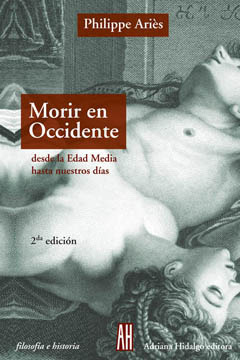
Despues de estudiar la historia de la vida privada y la institución familiar a lo largo de distintas épocas, Philippe Ariès, uno de los mas grandes historiadores del siglo veinte, consagró sus investigaciones a las actitudes del hombre occidental frente a la muerte. El libro da cuenta de las distintas y cambiantes concepciones de la muerte en este hemisferio, a través del tiempo; sitúa los cambios en un contexto y señala cómo cada concepción fue configurando sucesivas formas de convivencia social. Morir en Occidente reúne la parte esencial de los hallazgos de Ariès: cómo se ha pasado lenta, progresivamente, de la muerte familiar y «domesticada» de la Edad Media, a la muerte inhibida, maldita, interdicta de nuestros días. Huir de la muerte es la tentación de Occidente. «Ariès logra plasmar, en páginas memorables, ese lento y nítido proceso en el que se va perdiendo la familiaridad con la muerte.» La Nación «Es un texto clave como puerta de entrada al mundo de los muertos y de los vivos, escrito por un maestro de la historia de las mentalidades.» El País, Montevideo
Philippe Ariès (21 July 1914 – 8 February 1984) was a French medievalist and historian of the family and childhood, in the style of Georges Duby. He wrote many books on the common daily life. His most prominent works regarded the change in the western attitudes towards death.
Ariès regarded himself as an "anarchist of the right". He was initially close to the Action française but later distanced himself from it, as he viewed it as too authoritarian, hence his self-description as an "anarchist". Ariès also contributed to La Nation française, a royalist review. However, he also co-operated with many left-wing French historians, especially with Michel Foucault, who wrote his obituary.
During his life, his work was often better known in the English-speaking world than it was in France itself. He is known above all for his book L’Enfant et la Vie Familiale sous l’Ancien Régime (1960), which was translated into English as Centuries of Childhood (1962). This book is pre-eminent in the history of childhood, as it was essentially the first book on the subject (although some antiquarian texts were earlier). Even today, Ariès remains the standard reference to the topic. Ariès is most famous for his statement that "in medieval society, the idea of childhood did not exist". Its central thesis is that attitudes towards children were progressive and evolved over time with economic change and social advancement, until childhood, as a concept and an accepted part of family life, from the 17th century. It was thought that children were too weak to be counted and that they could disappear at any time. However, children were considered as adults as soon as they could live alone.
The book has had mixed fortunes. His contribution was profoundly significant both in that it recognised childhood as a social construction rather than as a biological given and in that it founded the history of childhood as a serious field of study. At the same time, his account of childhood has by now been widely criticised.
Ariès is likewise remembered for his invention of another field of study: the history of attitudes to death and dying. Ariès saw death, like childhood, as a social construction. His seminal work in this ambit is L'Homme devant la mort (1977), his last major book, published in the same year when his status as a historian was finally recognised by his induction into the École des hautes études en sciences sociales (EHESS), as a directeur d'études.
Kažkokiu būdu sugebėjau univere šitos knygos išvengti. Ir gerai, nes dabar pirmą kartą skaityti - keliagubas malonumas.
Knygą sudaro kelios ilgesnės studijėlės ir straipsniai; šie lietuviškam kontekstui yra praktiškai visai neaktualūs (pvz analizuojamas kažkoks nežinomas romanas, kurio 25-erių autorius buvo įsimylėjęs mirtį + antisemitas). Tačiau bendrosios studijos - labai. Ariesas labai kavoliškas (iš pradžių pagalvojau, tada ant galinio viršelio psl. perskaičiau, kad užsiiminėjo sąmoningumo istorija - che!), sykiu gana fukojiškas, tik neturi Foucault būdingo užsinešimo ant sistemos, prievartos ir galios instancijų. Dėl to yra švelnus ir priimtinas.
Iš esmės knygoje rašoma apie tai, kokiu būdu pas prancūzus keitėsi mirties samprata - nuo natūralios ir visai no-big-deal (Viduramžiais ir iki jų) iki vis didesnio spektaklio, su skausmo ir baimės gausingais proveržiais, iki - štilio XX a., kada mirtis išstumiama į ligonines, nutildoma, gedintys = isterikai (saugokimės), geriau niekam nežinot apie tą mirtį, net tam, kuri|s miršta. Tuos dalykus buvau girdėjusi ir anksčiau, tik niekada nežinojau, kad tai Arieso tyrimų įžvalgos. Kaip ir tai, kad Viduramžiais neegzistavo vaikystės samprata (iš jo kitos knygos). Bet - visiška tyla apie Antrąjį pasaulinį ir Holokaustą (ir kitus genocidus Europoje). Ar jie nekeitė mirties sampratos? Ar jų praktikuoti "laidojimo" papročiai netiko tyrimo medžiagai? Tas labai keista, turint omeny, kad knyga išleista 1975 m. - po Niurnbergo, po Resnais, jau ir po Hilbergo.
Anyway, pristatoma mirties sampratos kaita turbūt kažkiek galioja ir Lietuvai, nors kiek tiksliai - reiktų galvoti (kaip ir apie tai, kiek ją veikė totalitarinė sistema ir išsivadavimas iš jos). Nes mirties kaip ir ant kiekvieno kampo turim ("Akistata", 5 puslapis, visi interneto portalai su tuo kas ką kaip užmušė ir už ką ir kaip atrodė lavonai ir kaip atrodo žudikas). Bet mąstymo apie mirtį - nedaug; bandžiau surasti, kas iš LT filosofų, antropologų rašytų apie mirtį, tai teradau vieną abejotinos vertės knygelę apie meilę ir mirtį ir etnologų tyrinėjimus. Taigi - yra, bet neaišku, kas tai. Nu ir tikrai nelabai aišku.
کتابی که باید در ایران خواند و یاد گرفت چطور از تاریخ آنال و جامعهشناسی فرهنگ و فرهنگ روزمره و تاریخ اندیشهها میشود نترسید و به جای درآوردن سه جلد تاریخ مفاهیم، به مستندنگاری تاریخ مفاهیم در این سرزمین همت کرد. مرگ را اینطور کاویدن در یک فرهنگ کاری ضروریست. اما: ترجمه خوب نیست، مترجم پیاده است و در کار ترجمه اشراف ندارد. متن را بیشتر جاها ضایع کرده و از دادن پانویسهای ضرور و نگاشتن مقدمهای درخور محروم. از آنجا پیداست که خواسته حجم کتاب را با زندگینامه بیربط آریس حجیم کند که به هیچ دردی نمیخورد. چاپ و نسخهارایی نشر علم مثل همیشه خدا افتضاح است. فاجعه. نسخه روی نرم افزار ماکروسافت ورد بسته شده و چشمازار است. در فارسی یک متن داریم از قاسم هاشمینژاد که سیمای مرگ در متون قدیم را بازسازی کرده و هیچ به پای این متن نمیرسد و ناقص است و اصلن مسئلهای ندارد آقای هاشمینژاد که بخواهد پاسخ بدهد (این بیمسئلهبودن یا مسئلهی ساختگی مسئلهی اصلی ایشان است) ولی آریس دارد به تحولات آیینها و اتفاقات و مناسک و رفتارها و نگرشها و تلقیها میپردازد و حتی از تفسیر سیر تحول وصیتنام نیز فروگذار نمیکند.
This book is a collection of lectures concerning death and the place it has held in Western society throughout history. Because of the lecture format, the material is accessible and easy to follow. However, this also means that things are said in passing, and not much depth is given.
I was mostly fascinated, however, by the transition people have gone through in history, with how they approach their own deaths. People did not always fear death. How is it that with all the advances society has made in technology and sanitation that we have actually regressed in this area?
This book only reveals the beginning of Aries' knowledge on the subject of death, and I greatly anticipate delving into some of his other similar works.
به شدت خسته کننده و فاقد جذابیت. از اون دست کتاب هایی که به زحمت "قورتش" دادم. بعنوان انتقام هم بخش پایانی کتاب که بیوگرافی نویسنده بود رو نخوندم!! کتاب رو در آخرین روز امتحانات ترم چهار، تابستان 94، خریدم. امروز حدود یک ماه و نیم از آخرین امتحان ترم پنج می گذره!!
با این همه، این قسمت از کتاب برایم درخور توجه بود: امروزه فرد بالغ دیر یا زود این احساس را می کند که شکست خورده است. و تعدا افرادی که این احساس را زودتر تجربه می کنند رو به افزایش است. و در بزرگسالی در رسیدن به انتظارات دوره جوانی اش ناموفق بوده است. این احساس منشاء حال و هوای افسرده کننده ای است که در میان طبقات مرفه جوامع صنعتی، در حال گسترش است. این احساس به هیچ وجه با ذهنیت جوامع سنتی قرابت نداشت...اما انسان های ثروتمند، قدرتمند یا فرهیخته در اواخر قرون وسطی دیگر با این احساس بیگانه نبودند.
A classic. This book is easy to read and entertaining, especially considering its subject. Aries deals with changing attitudes toward death and mortality beginning in early medieval times through the present. His observations about the loss of ritual surrounding death, and our current "medicalization" of death in a way that neatly removes pain and suffering from everyday life, changed the way I think about life and death. It made me more willing to think about death in my daily life, rather than putting my head in the sand and pretending it's not there.
Using history and literature, Aries describes the evolution of death and dying from an accepted and inevitable human passage to today's denial and shunning of the dying. Insightfully and intelligently written.
Ariès, medievista francese, traccia la storia dell'atteggiamento verso la morte dal primo Medioevo fino ai giorni nostri (o meglio, fino "quasi" ai giorni nostri, dato che il saggio è del 1975 e manca, ovviamente, tutta la parte relativa alla digital death che caratterizza il rapporto con la morte di noi contemporanei). La tesi di fondo, che condivido, è che la morte, da addomesticata, sia diventata selvaggia. Sì, perché tecnicamente ammettiamo di poter morire, ma in verità, in fondo al nostro cuore, ci sentiamo immortali.
En esta obra colosal Philippe Ariés propone un recorrido historiográfico por las actitudes de Occidente ante la muerte. En su estudio por la Edad Media describe a la muerte más cercana al cotidiano, lo que él llama “la muerte doméstica” y la va comparando con modos de morir a lo largo de la historia occidental. Cuando llega al siglo XX se encuentra con una nueva forma: ya no se muere en la casa y no se decide tampoco morir, hoy morimos en el hospital y es la medicina quien lo decide. Su lectura, como bien indica al final, no tiene a los dispositivos de poder como actores principales más que como meras herramientas. Para él la iglesia en la Edad Media no representa el único factor a ser tomado en cuenta sino que, como Foucault, hay algo en lo micro, entre lo biológico y lo cultural que va cambiando estas formas. Morir en Occidente es un gran libro de introducción al pensamiento sobre la muerte en los tiempos que corren. No escatima en detalles y tampoco en las numerosas referencias bibliográficas.
Ci sono passaggi di questo volume folgoranti. Sarà che sulla morte riflettiamo sempre in funzione al suo toccarci personalmente, ma realizzare d'essere in uno stato temporaneo e relativamente nuovo del rapporto tre l'umanità e il morire è stato un risveglio brusco: si realizza, leggendo, che la morte, che per noi essere umani è un confine (una linea, un valico, un punto), ha una storia e una narrazione. Intelligente eppure scorrevole, mi sembra risulti evidente l'enormità del sapere di Ariès, in questa dissertazione che, sebbene per un aspetto singolo, ripercorre secoli di storia. Dal Medioevo fino alla seconda metà del Novecento, con una grande attenzione ai piccoli (grandiosi) mutamenti, l'autore racconta come è stato, com'è e (forse) come sarà morire. Dalla morte medievale che è momento di raccoglimento per la famiglia, gli amici e l'intera comunità (una morte pubblica e annunciata), a quella attuale della sedazione ospedaliera (celata sotto il tappeto, agli occhi del malato e dei suoi famigliari). Questo libro ha solo un difetto: la struttura. Suppongo che per organizzare in maniera uniforme e coerente tutta questa conoscenza sarebbero state necessaria migliaia di pagine (se non erro, questo libro esiste in un'altra versione, oggi fuori catalogo, che risponde a questa necessità). Purtroppo, la ripetitività di questa raccolta di interventi un po' la svilisce. Resta comunque un testo ammirabile. E, forse, è persino giusto che il mistero del morire semplicemente non possa essere trascritto facilmente.
I read this book for a class, and while I did enjoy it, discussing it in a critical setting brings to light so many faults that I couldn't give it an amazing rating. The argument, over all, is sound-ish, but his many tangents and lack of major historical events made it less compelling. When I say lack of major historical events,I mean that he devoted the majority of the first chapter to discussing death in the Middle Ages through the deaths of knights, yet only mentioned the Black Death that killed a third of Europe in one sentence. I would recommend this book, but only if you have some background in European history.
Aries does a remarkable job of tracing the shift of death perception and its role in society from the Middle Ages. His findings are fascinating, and i know for certain i will be looking up many of his research texts myself to go deeper!
It seems most of the negative commentary on this text is due to a dismissal of its lecture-to-essay format. I have to admit, I loved this format! I found the consistent summarizing a brilliant way to process such a subtlety of change in a huge body of thought--loved it!
ne esistono due versioni: una "divulgativa" (questa della BUR) ed una "scientifica"(se non erro della mondadori). Non essendo un antropologo mi è piaciuta di piú quella divulgativa e condensata(forse anche perché letta prima). Comunque, è un affascinante trattato antropologico su come la morte viene vissuta (perdonate l'ossimoro) a seconda dei contesti storici. Semplicemente illuminante!
Lijep prikaz promjenjenih paradigmi u shvatanju smrti. Najzanimljiviji dio mi je bio onaj o pogrebnim ritualima i brisanju mrtvih u suvremenom dobu. Aries poseže za primjerima iz daleke prošlosti malih i velikih ljudi s kojima dijelimo strah od umiranja.
hard read ngl!! Llevaba mucho tiempo sin que terminar un libro me resultase tan complicado. Obra plagada de digresiones temporales, que hacen de la lectura un campo de minas. Pese a que tiene reflexiones interesantes y una extensísima carga documental, no he conseguido conectar en ningún momento. 0/10.
تاریخِ مرگ: نگرشهای غربی در بابِ مرگ از قرونِ وسطی تاکنون / فیلیپ آریس / تهران: علم، چاپِ اول 1392 مرگ یادداشتِ مترجم عبارتِ «تاریخِ مرگ»، توسط مترجمِ این کتاب به عنوانِ آن افزوده شده است، تا خواننده بداند که با اثری روانشناسانه یا جامعهشناسانه مواجه نیست، بلکه با اثری تاریخی در بابِ مرگ مواجه است. [5] ضمیمهای نیز در شرحِ زندگی و آثارِ «فیلیپ آریس»، به کتاب افزوده شده است. [6]
مقدمه «فیلیپ آریس»، در سالِ 1973میلادی به دعوتِ دانشگاهِ «جان هاپکینز»، درس-گفتارهایی دربارهی تاریخِ نگرشهای متغیر دربابِ مرگ، در جوامعِ غربی و از قرونِ وسطی بهبعد، ارائه میکند. او طی حضورش در ایالاتِ متحده، از نظراتِ محققانِ آمریکایی در زمینهی تأثیرِ صنعتیشدن بر نگرشهای مربوط به مرگ نیز مطلع میشود. [7و8]
«آریس»، معتقد است: چهبسا نگرش دربارهی مرگ، گاهی باید در یک وضعیتِ مفهومیِ بدونِ زمان در نظر گرفته شود. زیرا دورههای زمانیای وجود دارد که در آنها تحولاتِ ذهنی نسبت به «مرگ»، تحولاتی آرام، ناپیدا و درونی بودهاند. [10]
وی، فصلِ اول از این اثر را دربارهی وضعیتی میداند که در آن زنجیرهای بلندمدت از «همزمانیها» موضوعِ بحث را پوشش دادهاند. نامِ این فصل، «مرگِ رامشده» است. [مطمئن نیستم که هنوز مطلب را درست متوجه شده باشم.]
اما در فصلِ دوم، تغییراتِ نگرشیای بررسی میشود که از قرنِ دوازدهمِ میلادی بهبعد دربارهی مرگ ایجاد شده است. یعنی تغییراتِ نگرشیای که «بیزمان» هستند. «آیریس»، مایل بوده که بداند معنای این تغییرات چه میتواند باشد. نامِ این فصل، «مرگِ خودِ شخص» است.
دو فصلِ پایانی نیز به نگرشهایی معاصر دربارهی «قبرستانها»، «آرامگاهها» و «ممنوعیتهای صنعتی» اختصاص دادهشده است. نام این دو فصل نیز «مرگِ تو»، و «مرگِ ممنوعه» است.
در دورهی «مرگِ رامشده»، با انسانهایی که فرصتِ پیش-آگاهی از مردنِ خویش را داشتهاند مواجه هستیم، حتا اگر مرگشان غیرمنتظره بوده باشد. مانندِ آنچه که در «پهلوننامهها» یا شرحِ حالِ راهبان حکایت شده است. [11و12] جالب است که در ایندوره، اغلبِ نشانههای پیشآگاهیدهنده، نشانههایی طبیعی و درونی بودهاند و نه فراطبیعی و سحرآمیز. و تلاش برای تأییدِ این درکِ پیشینی و خودانگیخته از مرگ، مرگی منتظر یا نابهنگام، حتا تا به امروز نیز ادامه داشته است. اما در این دوره، یعنی دورهی «مرگِ رامشده»، ظاهراً سویههای غلو-شده و اعجازی، یا زاهدانه و متظاهرانه، در این پیشآگاهی، کمتر نقش داشته است. [13] [...]
کتاب با آنکه از چهار فصل تشکیل شده است، می توان آن را به دو بخش تقسیم کرد. بخش نخست که شامل فصل اول کتاب است. دراین بخش نویسنده به تشریح نگرش سنتی درباره مرگ می پردازد. نویسنده اصلی ترین مشخصه این نگرش را پیش آگاهی به مرگ و داشتن انس و الفت با آن می داند. سه فصل بعدی کتاب یا همان بخش دوم کتاب به ردیابی تغییراتی می پردازد که مرگ را در زمانه ما اینچنین زشت و کریه و ترس آور ساخته است. در واقع آریس سعی می کند با دستاویز قرار دان ترس انسان معاصر از مرگ، جامعه معاصر را نقد کند. همان طور که در پیوست کتاب آمده، آریس دلبسته ارزش های محافظه کارانه است و به نظر می رسد از این طریق می کوشد به نقد روشنگری بپردازد. اما چند نکته. نکته اول: برای نقدی جدی به این کتاب، میتوان تنهایی دم مرگ نوربرت الیاس را خواند. الیاس در این کتاب که مضمونی مشابه با کتاب آریس دارد، نگاهی دیگر به مرگ کرده است. نکته دوم: از مورخان آنال کتاب های زیادی به فارسی ترجمه نشده است. تنها دو کتاب، یکی کتاب جامعه فئودالی از مارک بلوخ که در اون با نگاهی جامع به بررسی تاریخ قرون وسطی اروپا پرداخته و دیگری سرمایه داری و حیات مادی از فرنان برودل. این کتاب هم به نوعی تاریخ اقتصادی اروپاست. برای دوستان هم باید بکم مه این مکتب در فاصله دو جنگ جهانی تأسیس شد و از نخستین مروجان تاریخنگاری اجتماعیه که تا حالا فعالن و الان نسل چهارم اونا روی کاره. نکته سوم: آریس کتاب مهم دیگری هم دارد و آن سده های کودکی است که ای کاش آن هم روزی به فارسی ترجمه شود. نکته چهارم: برای آشنایی با مکتب آنال می توان به کتاب پیتر برک، انقلاب تاریخنگاری فرانسه، ترجمه کامران عاروان مراجعه کرد، در آن کتاب نویسنده در بارۀ تآثیر و تأثرات آریس حرف زده است. و اطلاعات خوبی هم درباه کل مکتب تاریخنگاری آنال به خواننده میده. و آخر اینکه طرح جلد کتاب خیلی قشنگه و ترجمه هم روان و نسبتاً خوبه. یکی از مشکلات معمول کتابهایی که از مورخان آنالی یا درباره اون ها ترجمه میشه، ترجمه های بد اوناست، اما این کتاب ترجمه خوب و روانی داشت و اصطلاحات تخصصی هم خوب ترجمه شده بودند. و اینکه به همه دوستایی که این کتابو خوندن حتما توصیه میکنم کتاب نوربرت الیاس را هم بخونن.
This was an interesting read that traces the genealogy of death customs (or more precisely, attitudes toward death) in western society from the early Middle Ages to the modern day (modern by 1974 standards—the year of publication). There are pressing questions to be asked about society’s relationship with death on the level of the individual and the level of spectacle, meaning how we treat our own mortality and how it’s tied up in socially acceptable rituals and customs surrounding death: What does our attitude towards death say of our attitude towards life? What does it say about our collective values? What lies on the other side of what is deemed uncouth or too morbid to confront?
There are no clear answers provided by the author, which I think is for the best. The analysis is well done, and places the reader in a position to probe these questions with the weight of their sociological lineage behind them.
La primera parte del libro es excelente y explica con detalle el camino de la muerte en occidente, desde la edad media hasta el presente. Un concepto que me quedó desde el comienzo fue la nocion de la propia muerte, cómo está documentado que en la historia era común anticipar la propia muerte. Otro importante es el vínculo de los niños con la muerte, que hace varios siglos era mucho mas común que ahora y no había tanto tabú ni ocultamiento de los más chicos con este tema.
Tiene mucha información bien documentada y abre muchas preguntas sobretodo desde un punto de vista histórico, que eso hace que el lector se haga sus propias preguntas sobre el tema, pero no profundiza desde un punto de vista muy filosófico o espiritual, es mas bien la recapitulación historia de los hechos sociales, de las naciones y las religiones respecto de la administración de la muerte.
This little work, really a long essay, is a fascinating overview of burying, dying, and funereal practices in America and Europe from ancient times into the Twentieth Century. The author tracks the dying experience from personal to a gathering of intimates to a sterile, lonely act in a modern hospital. Burying goes from a dispassionate "mystical trust" into graves which are readily exhumed for re-use, filling the charnel houses, which graves become more personal and pushed in on churches until pushed out of even the city.
The implications of the rise of embalming and plots reserved indefinitely... Fascinating, thought-provoking.
I really thought I would have a difficult time comprehending this material because it is so different from what I normally read. This was a required reading for my humanities course Death and Dying, but I am very pleased with what I have learned from it. The writing was clear and concise. The last chapter further confirmed my belief that feeling everything (even the negative) is so beautiful and necessary. Let us remove the taboo on death!
Très intéressant surtout jusqu'au XVIIIe siècle, je trouve qu'il est moins prenant après. Très fluide avec beaucoup d'exemples des différentes civilisations occidentales. Philippe Aries sait intéresser son public il évoque les coutumes, l'art, l'architecture on y trouve forcément son bonheur !!
Šią knygą perskaičiau studijų metu ir nuo to laiko ji visam laikui įstrigo mano galvoje. Ji pakeitė apeigų, laidotuvių, tradicijų ir pačios mirties suvokimą. Iki šiol einant pro bet kokias kapines vis iškyla kokia nors mintis iš knygos. Tikrai įdomu buvo stebėti kaip vakarų kultūra nuo mirties garbinimo(gerbimo) perėjo prie mirties ignoravimo. Kaip žmogaus kasdienybės pagerėjimas, medicina, mažas ir lėtas mirtingumas išstumia mirties sąvoka ir belieka tik "išėjimas", "užmigimas", kaip mirtis tampa estetiška, švari, nematoma.
It’s packed with references from all walks of life, from literature to obscure mythology. But above all, it is excruciating to read, the version I read has no less than 700 pages and each one was painful. I think it’s aimed for a more dedicated / academic reader.
It should not be possible for a book this small to put me to sleep on three separate occasions, but apparently, it is. Nevertheless, parts of this book were momentarily interesting; however, since the essays were so brief, what was truly missing was the depth and complexity that a discussion of this topic truly deserves. Overall, this collection feels like a bland introduction to the topic and certainly can not be the final say.