

What do you think?

Elementaire Deeltjes #37
Global Catastrophes: A Very Short Introduction
Life on earth will come to an end. It's just a matter of when. Global Catastrophes: A Very Short Introduction focuses on the many potential catastrophes facing our planet and our species in the future, and looks at both the probability of these events happening and our chances of survival.
Coverage extends from discussion of the likely consequences of the current global warming to the inevitable destruction of the earth in the far future, when it is enveloped by our giant, bloated sun. In between, other 'end of the world scenarios' will be examined, including the New Ice Age, asteroid and comet impact, supervolcanoes, and mega-tsunami.
About the Series Combining authority with wit, accessibility, and style, Very Short Introductions offer an introduction to some of life's most interesting topics. Written by experts for the newcomer, they demonstrate the finest contemporary thinking about the central problems and issues in hundreds of key topics, from philosophy to Freud, quantum theory to Islam.
Coverage extends from discussion of the likely consequences of the current global warming to the inevitable destruction of the earth in the far future, when it is enveloped by our giant, bloated sun. In between, other 'end of the world scenarios' will be examined, including the New Ice Age, asteroid and comet impact, supervolcanoes, and mega-tsunami.
About the Series Combining authority with wit, accessibility, and style, Very Short Introductions offer an introduction to some of life's most interesting topics. Written by experts for the newcomer, they demonstrate the finest contemporary thinking about the central problems and issues in hundreds of key topics, from philosophy to Freud, quantum theory to Islam.
152 pages, Paperback
First published May 27, 2016
About the author
Bill McGuire
19 books13 followersBill McGuire is an academic, broadcaster, activist and Amazon UK Top 100 popular science and speculative fiction writer. He is currently Professor Emeritus of Geophysical and Climate Hazards at University College London, a co-director of the New Weather Institute, a patron of Scientists for Global Responsibility, a member of the scientific advisory board of Scientists Warning and special scientific advisor to WordForest.org.
His books include: A Guide to the End of the World: Everything you Never Wanted to Know; Surviving Armageddon: Solutions for a Threatened Planet; and Seven Years to Save the Planet. His current non-fiction book is Waking the Giant: How a Changing Climate Triggers Earthquakes, Tsunamis and Volcanoes; ranked at number five in The Guardian's Top 10 'eco' books. His debut novel, Skyseed – an eco-thriller about climate engineering gone wrong – is published by The Book Guild.
His books include: A Guide to the End of the World: Everything you Never Wanted to Know; Surviving Armageddon: Solutions for a Threatened Planet; and Seven Years to Save the Planet. His current non-fiction book is Waking the Giant: How a Changing Climate Triggers Earthquakes, Tsunamis and Volcanoes; ranked at number five in The Guardian's Top 10 'eco' books. His debut novel, Skyseed – an eco-thriller about climate engineering gone wrong – is published by The Book Guild.
Ratings & Reviews
Friends & Following
Create a free account to discover what your friends think of this book!
Community Reviews
Displaying 1 - 30 of 50 reviews

July 18, 2018
كتاب علمي رائع يقدم المعلومة بطريقة سلسة ومميزة لكنه يرسم شديدة السوداوية لمستقبل الجنس البشري لم تعجبني

April 3, 2023
كتاب علمي رائع مبسط وسهل الفهم للمتخصصين وغير المتخصصين
بيعرض مستقبل البشرية والكرة الأرضية السوداوي بجدارة " من عمايلنا السودا" لكنها الحقيقة في كل الاحوال
بيعرض الكوراث السابقة والكوارث المحتمل حدوثها في المستقبل
من براكين لتسونامي لاحتباس حراري لعصر جليدي جديد وزلازل واعاصير وفيضانات وحتى هجوم فضائي من أجسام سماوية باحجام مختلفة من نيازك وكويكبات
مستقبل الارض سوداوي في كل الاحوال سواء تدخلنا في سير الطبيعة او لا لكننا نعجل بالنهاية والسواد ليس الا
وهذه طبيعة الكون وتكوينات المجموعات الشمسية والنجوم والكواكب
كتاب رائع استمتعت بيه جدا رغم اختلافي مع النقطة اللي بتتذكر تقريبا في اغلب الكتب العلمية وهو تطور الجنس البشري لكن في النهاية الكتاب فيه معلومات مهمة جداااا والخاتمة كانت رائعة وفي نهاية كل فصل في ملخص للبيانات والمعلومات المقلقة اللي بيعرضها في الفصل كله
بيعرض مستقبل البشرية والكرة الأرضية السوداوي بجدارة " من عمايلنا السودا" لكنها الحقيقة في كل الاحوال
بيعرض الكوراث السابقة والكوارث المحتمل حدوثها في المستقبل
من براكين لتسونامي لاحتباس حراري لعصر جليدي جديد وزلازل واعاصير وفيضانات وحتى هجوم فضائي من أجسام سماوية باحجام مختلفة من نيازك وكويكبات
مستقبل الارض سوداوي في كل الاحوال سواء تدخلنا في سير الطبيعة او لا لكننا نعجل بالنهاية والسواد ليس الا
وهذه طبيعة الكون وتكوينات المجموعات الشمسية والنجوم والكواكب
كتاب رائع استمتعت بيه جدا رغم اختلافي مع النقطة اللي بتتذكر تقريبا في اغلب الكتب العلمية وهو تطور الجنس البشري لكن في النهاية الكتاب فيه معلومات مهمة جداااا والخاتمة كانت رائعة وفي نهاية كل فصل في ملخص للبيانات والمعلومات المقلقة اللي بيعرضها في الفصل كله

October 19, 2016
وانا بقرأ الكتاب :D
upload pics
من اجمل و ابسط الكتب العلمية اللى ممكن تقراها بحياتك
upload pics
من اجمل و ابسط الكتب العلمية اللى ممكن تقراها بحياتك

August 27, 2018
من امتع الكتب العلمية 💜بدايةً في الفصل المتعلق بالاحتباس الحراري كنت قلقة جدا لأنه شيء ملموس لنا ويؤثر على حياتنا اليومية ولكن بعدها اعتدت على النظرة السوداوية وتصالحت معها وصرت اتوقع ماسيحصل مع الكاتب 😂 ختاما أقول جملتي المشهورة كلما يأست من بني البشر: إلهي أوقف دوران هذا العالم

March 18, 2016
"عشرة آلاف عام مرت
ومليار دمعة ذرفها الإنسان
غير أنه بالأسباب قد جَهِل
والآن تنتهي سيادة الإنسان للعالم..."
من أغنية <<في عام 2025>>
ثنائي الروك الأمريكي زيجر وإيفانز
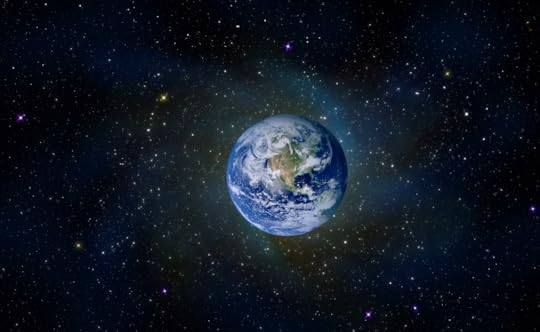
الأرض هذه الجوهرة الزرقاء الرائعة المتلألئة بين الكواكب في الفضاء المخملي الأسود...
أرضنا الجميلة المعطاءة المليئة بالخيرات والكنوز... أمنا الأرض التي دمرناها بأفعالنا!!
لكن المفآجئة بأن الاحتباس الحراري ليس بفعل الإنسان وحده.. وإنما للطبيعة اليد الطولى فيه...
الطبيعة تلك الوحش الكاسر المتربص لنا بالخفاء.. التي نخشى غضبها المدمر!!
الكتاب جيد جداً لمن يود معرفة ما ستؤول إليه أرضنا في ضوء كل المؤثرات الداخلية والخارجية وأنشطتنا المدمرة...
يحتوي أيضاً على الكثير من المعلومات عن الكوارث المدمرة التي وشهدها التاريخ.. وأيضاً مرفق بصور ومخططات إيضاحية..

July 29, 2020
"في أي مكان وأي وقت تُعطي الأرض وغلافها الجوي انطباعاً بأنهما مستقران وآمنان، غير أن هذه فكرة خاطئة تماماً في ظل تعرض كوكب الأرض لنحو ١٤٠٠ زلزال يومياً وثورة بركانية واحدة أسبوعياً، وكل سنة تتعرض المناطق الاستوائيه إلى ما يصل الى ٤٠ زوبعة وإعصاراً حلزونياً، بينما تحدث الفيضانات والانهيارات الأرضية في كل مكان بأعداد لا حصر لها"

July 14, 2015
كثير ممن قرأ هذا الكتاب أصابه إكتئاب حاد من هذا العالم الذي يتربص بنا وبمن سيأتي بعدنا ، فبدلاً من العيش في عالم تعيش فيه الغوريلا والباندا وطيور الجنة والشعاب المرجانية ، فقد يعيش أحفادنا في عالم ليس فيه إلا الفئران والصراصير مع توقع انقراض ٢٥-٥٠٪ من جميع أنواع الحيوانات في مطلع القرن الجديد بسبب الكوارث الطبيعية من داخل الكوكب وخارجه.
هناك أربع توقعات لطريقة نهاية العالم :
١- دمار شامل للكوكب وللجنس البشري إن ظلت جميع البويضات البشرية داخل نطاق كوكبنا الأرضي وذلك عندما تتحول شمسنا إلى نجم مستعر بعد ٥ مليارات سنة
٢- فقدان كوكبنا الأرضي بسبب كارثة
٣- فناء الجنس البشري بسبب مرض خبيث مع بقاء الكوكب
٤- نهاية العالم الذي نعرفه ، وهذا الذي تناوله الكتاب في حديثه على الأحداث الجيوفيزيائية التي قد توجه ضربة قاصمة لجنسنا البشري عن طريق أحد الكوارث الطبيعية الكبرى.
نحن معرضون للفناء من كل حدب وصوب ، فاصطدام جرم فضائي لا يجاوز قطره ٢ كم قد يمحو من الوجود ربع سكان الأرض كما محا كويكب قطره ١٠ كم الديناصورات قبل ٦٥ مليون سنة ، ويرى البعض أننا قد ننتظر نحو ألف سنة قبل أن يتلقى كوكبنا ضربة من الفضاء قد تمسح مدنا كلندن ونيويورك من الوجود كما محيت مدن أوروبية وشرق أوسطية من الوجود قبل ٣٠٠٠ سنة بسبب بعض الزلازل الأرضية ، شهدنا في عام ٢٠٠٤ تسونامي صغير "نسبيا" - مع الأعاصير السابقة - لكنه أدى لمحو ٣٠٠ ألف من سكاننا في طرفة عين ، ويتحدث العلماء عن كون ارتفاع درجات الحرارة سبباً آخر لحصول كوارث طبيعية بسبب رفعها لمستوى سطح البحر مما قد يسبب غرق المدن الساحلية.
إننا لا نزدهر ولا نحيا إلا عن طريق الصدفة الجيولوجية كما يقول المؤلف ، فكوكبنا ما هو إلا صخرة صغيرة تندفع بعنف وسرعة عبر الفضاء ، تدمره الحركات العنيفة لقشرته ، وكان في بداية تكونه أقرب في الشبه لأسوء صورة تخيلناها للجحيم منه إلى الكوكب الأزرق الخلاب الذي نعرفه اليوم ، وواهم من يعتقد أن الأرض مستقرة وآمنة، فهي تتعرض لأكثر من ١٤٠٠ زلزلال يوميا وثورة بركانية يوميا ، بالإضافة للأعاصير والفياضات والانهيارات الأرضية التي تفوق الحصر ، هذه الكوارث الطبيعية أودت بحياة ١٥ مليون إنسان في الألفية الماضية ، وبما أننا مقبلون على عصر جليدي جديد فإن ذلك سيصاحبه نزوح نحو الجنوب مما يؤذن بحروب وجود ، فمناخ الأرض الجديد لن يناسب عدد سكانها الذي سيبلغ ٨-١٠ مليارات سنة.
لنا في زلزال طوكيو يوكوهاما في عام ١٩٢٣ عبرة وعظة ، فقد أودى هذا الزلزال بحياة ٢٠٠ ألف نسمة وألحق أضراراً مادية جسيمة تقدر ب٥٠ مليار دولار ، وفي نظر البعض أنه كان سبب تأجيج نيران الإمبريالية وصعود الجيش وظهور الاستعمار الياباني الذي أدى إلى هلاك أضعاف من البشر في الحرب العالمية الثانية والذين قضوا إما في الحروب أو بسبب القنبلة النووية من قبل أعداء اليابان ، ولو تكرر زلزال مثل هذا في طوكيو فإن العالم كله سيتأثر لاسيما أن ٧٠٪ من كبرى الشركات اليابانية والعالمية موجودة فيها مع تفردها ب ١٣٪ من الناتج المحلي العالمي ، والذي قد يؤدي إلى سحب اليابانيين لاستثماراتهم في الخارج من أجل إعادة بناء بلادهم، وقد تتجاوز خسائر طوكيو ال٣،٣ تريليون دولار فينهار الاقتصاد العالمي و يتكرر ما حدث في وول ستريت الأمريكية في فترة الكساد عام ١٩٢٩ والذي أدى لإغلاق ١٠٠ ألف شركة أمريكية.
هناك أربع توقعات لطريقة نهاية العالم :
١- دمار شامل للكوكب وللجنس البشري إن ظلت جميع البويضات البشرية داخل نطاق كوكبنا الأرضي وذلك عندما تتحول شمسنا إلى نجم مستعر بعد ٥ مليارات سنة
٢- فقدان كوكبنا الأرضي بسبب كارثة
٣- فناء الجنس البشري بسبب مرض خبيث مع بقاء الكوكب
٤- نهاية العالم الذي نعرفه ، وهذا الذي تناوله الكتاب في حديثه على الأحداث الجيوفيزيائية التي قد توجه ضربة قاصمة لجنسنا البشري عن طريق أحد الكوارث الطبيعية الكبرى.
نحن معرضون للفناء من كل حدب وصوب ، فاصطدام جرم فضائي لا يجاوز قطره ٢ كم قد يمحو من الوجود ربع سكان الأرض كما محا كويكب قطره ١٠ كم الديناصورات قبل ٦٥ مليون سنة ، ويرى البعض أننا قد ننتظر نحو ألف سنة قبل أن يتلقى كوكبنا ضربة من الفضاء قد تمسح مدنا كلندن ونيويورك من الوجود كما محيت مدن أوروبية وشرق أوسطية من الوجود قبل ٣٠٠٠ سنة بسبب بعض الزلازل الأرضية ، شهدنا في عام ٢٠٠٤ تسونامي صغير "نسبيا" - مع الأعاصير السابقة - لكنه أدى لمحو ٣٠٠ ألف من سكاننا في طرفة عين ، ويتحدث العلماء عن كون ارتفاع درجات الحرارة سبباً آخر لحصول كوارث طبيعية بسبب رفعها لمستوى سطح البحر مما قد يسبب غرق المدن الساحلية.
إننا لا نزدهر ولا نحيا إلا عن طريق الصدفة الجيولوجية كما يقول المؤلف ، فكوكبنا ما هو إلا صخرة صغيرة تندفع بعنف وسرعة عبر الفضاء ، تدمره الحركات العنيفة لقشرته ، وكان في بداية تكونه أقرب في الشبه لأسوء صورة تخيلناها للجحيم منه إلى الكوكب الأزرق الخلاب الذي نعرفه اليوم ، وواهم من يعتقد أن الأرض مستقرة وآمنة، فهي تتعرض لأكثر من ١٤٠٠ زلزلال يوميا وثورة بركانية يوميا ، بالإضافة للأعاصير والفياضات والانهيارات الأرضية التي تفوق الحصر ، هذه الكوارث الطبيعية أودت بحياة ١٥ مليون إنسان في الألفية الماضية ، وبما أننا مقبلون على عصر جليدي جديد فإن ذلك سيصاحبه نزوح نحو الجنوب مما يؤذن بحروب وجود ، فمناخ الأرض الجديد لن يناسب عدد سكانها الذي سيبلغ ٨-١٠ مليارات سنة.
لنا في زلزال طوكيو يوكوهاما في عام ١٩٢٣ عبرة وعظة ، فقد أودى هذا الزلزال بحياة ٢٠٠ ألف نسمة وألحق أضراراً مادية جسيمة تقدر ب٥٠ مليار دولار ، وفي نظر البعض أنه كان سبب تأجيج نيران الإمبريالية وصعود الجيش وظهور الاستعمار الياباني الذي أدى إلى هلاك أضعاف من البشر في الحرب العالمية الثانية والذين قضوا إما في الحروب أو بسبب القنبلة النووية من قبل أعداء اليابان ، ولو تكرر زلزال مثل هذا في طوكيو فإن العالم كله سيتأثر لاسيما أن ٧٠٪ من كبرى الشركات اليابانية والعالمية موجودة فيها مع تفردها ب ١٣٪ من الناتج المحلي العالمي ، والذي قد يؤدي إلى سحب اليابانيين لاستثماراتهم في الخارج من أجل إعادة بناء بلادهم، وقد تتجاوز خسائر طوكيو ال٣،٣ تريليون دولار فينهار الاقتصاد العالمي و يتكرر ما حدث في وول ستريت الأمريكية في فترة الكساد عام ١٩٢٩ والذي أدى لإغلاق ١٠٠ ألف شركة أمريكية.

April 28, 2017
" in the year 9595 i'm kinda wondering if man's gonna be alive
he's taken everything this old earth can give
and he ain't put back nothing
woah woah "
(in the year 2525 song by Zager and Evans)
الكتاب بأختصار we are all going to die بطريقة أو بأخرى على المدى القريب أو البعيد بفعل الكوارث الطبيعية من زلازل و براكين و تسونامي أو بنيزك او كويكب ممكن ف رحلته يضرب الأرض
على الرغم من مدى البؤس اللي ف الكتاب إلا إني استمتعت بيه جداً!
he's taken everything this old earth can give
and he ain't put back nothing
woah woah "
(in the year 2525 song by Zager and Evans)
الكتاب بأختصار we are all going to die بطريقة أو بأخرى على المدى القريب أو البعيد بفعل الكوارث الطبيعية من زلازل و براكين و تسونامي أو بنيزك او كويكب ممكن ف رحلته يضرب الأرض
على الرغم من مدى البؤس اللي ف الكتاب إلا إني استمتعت بيه جداً!

April 3, 2020
يتحدث كتاب الكوارث العالمية للكاتب بيل ماجواير بأسلوب مميز عن كم كبير من الكوارث الكبيرة التي مرت بها الكرة الارضية و التي كانت خسائرها فادحة إلى حد تعجز معها المخيلة على مجارتها , فبعض الكوارث سوت بعض المناطق بالأرض , و اخرى احرقتها , و بعض منها دفع العديد من الفصائل الحيوية إلى الانقراض , مما يطرح تساؤلاً مهما , هل يا ترى نحن فعلاً في مأمن من كل هذه الكوارث لدرجة انه لا داع من أن نفكر في الأمر , ام اننا في خطر محدق ويتوجب علينا التحضير له ؟ ولكن ليس هذا هو حقيقة التساؤل الأهم , التساؤل الأهم هو هل يا ترى أزمة فيروس #كورونا هي أزمة إعلامية اكثر من كونها صحية ؟ فهذا الكتاب يتحدث عن مآس هائلة فاقت المآس الفيروسية حدثت منذ اعوام قريبة جداً مثل التسونامي و اعصار كاترينا والكثير من الزلازل والانزلاقات الأرضية ولكنها لم ترتق إلى هذا المستوى في التغطية الاعلامية ؟ هل يا ترى لأن هذا الفيروس يحدث وللمرة الأولى في اروقة العالم الأول ؟ مهما يكن الجواب فإن هذا الكتاب مميز جداً و يعيد الانسان لحجمه الطبيعي , مجرد عابر سبيل , تقيمي للكتاب 5/5 و هو كتاب يستحق القراءة حقاً لما فيه من معلومات مرتبة و منسقة و صادمة !
مقتطفات من كتاب الكوارث العالمية للكاتب بيل ماجواير
-----------------
المشكلة الكبرى في توقُّع نهاية العالم هي أننا لن نفرح بصحَّة هذا التوقُّع إن ثبتتصحته
----------------
لو افترضنا أن جنسنا سينمو ويستمر ملايين أو حتى مليارات السنين، فهذا يعني أن مَن منَّا على قيد الحياة اليوم لا بد أنهم ينتمون إلى جزء متناهي الصغر من البشرالذين كانوا يعيشون في بداية التاريخ البشري. ويجزم كارتر أن ذلك الأمر مستبعَد إلى أقصى درجة من الناحية الإحصائية. والأكثر احتمالًا أننا نمثل الآن عشرة بالمائة من الجنس البشري. بعبارة أخرى، سوف يفنى البشرقبل أن تُتاح لهم أي فرصة لينتشروا عبر الفضاء بأي عدد يُذكر بفترة طويلة.
------------------
مع أن الطبيعة غير خطرة في الأغلب، فإنها قد تنقلب إلى عدو مخيف، وقد خاضت البشرية معركة شبه مستمرةضد تقلباتها من فيضانات مغرقة، وعواصفمهلكة، وزلازل مدمرة، وثورات بركانية كارثية.
-----------------
ترى الغالبيةُ العظمى من السكان الذين حالفهم الحظ بالعيش في المناطق المزدهرة في أوروبا وأمريكا الشمالية وأوقيانوسيا؛ الكوارثَ الطبيعية الكبرى على أنها أحداث سريعة الزوال تحدث في أراضٍ غريبة بعيدة جدٍّا، مع أنهم هم أنفسهم ليسوا بمنأًى تامٍّ عن التعرُّضلتلك الكوارث
-----------------
الواقع أن كوكب الأرض مكان هشٌّ للغاية؛ مما يجعله محفوفًا بالمخاطر؛ فهو صخرة صغيرة تندفع بعنف وسرعة عبر الفضاء، تدمره الحركات العنيفة لقشرته، فضلًا عن تعرُّضه لتغيُّرات مناخية هائلة بسبب تغيُّر ظروفه الجيوفيزيائية والمدارية
-------------------
كوكب الأرض، مثله مثل الكواكب الشقيقة، يمكن أن يُنظر إليه باعتباره أحد الفائزين بالجائزة الكبرى في مسابقة اليانصيب؛ واحدًا من قطع الحطام الفضائي التسع التي نجحت من بين تريليونات الأجرام الأصلية في النمو والبقاء، في حين أبيدت البقية في اصطدامات مذهلة بعضها ببعض، أو اكتسحتها القلة المحظوظة الأكبر حجمًا بفعل مجالات جاذبيتها الأقوى والأشد تأثيرًا
--------------------
تحصد الفيضانات الساحلية الناشئة عن العواصف في الأغلب أرواحًا تفوق أي كارثة طبيعية أخرى، حيث لقي نحو ٣٠٠ ألف شخص حتفهم في . بنجلاديش عام ١٩٧٠ ، و ١٥ ألف شخصفي ولاية أوريسا شمالشرق الهند عام ١٩٩
------------------------
ضرب زلزال بلغت قوَّته ٧٫٢ درجات على مقياسريختر الحدَّ الغربي لصفيحة المحيط الهادي، ودمَّر مدينة كوبي اليابانية؛ ما أسفر عن مقتل ٦٠٠٠ شخصووقوع خسائر اقتصادية بلغ مجموعها ١٥٠ مليار دولار أمريكي؛ وهي الكارثة الطبيعية الأكثر تكلفة على الإطلاق. وبعد أربع سنوات من فاجعة كوبي، انزلق صدع شمال الأناضول إلى شرقي إسطنبول، فأسفر عن وقوع زلزال مدمر أتى على مدينة إزميت والمناطق السكنية المجاورة، وأودى بحياة أكثر من ١٧٠٠٠ شخص. وفي السادس والعشرين من شهر ديسمبر عام ٢٠٠٣ ، ضرب زلزال متوسط (بلغت قوَّته ٦٫٦ درجات على مقياس ريختر) مدينة بام التاريخية في جنوب إيران فسوَّاها بالأرض موديًا بحياة ٢٦٠٠٠ شخص، وبعدها بعام واحد ضرب زلزال عنيف بقوة ٩٫١٥ درجات على مقياس ريختر الساحل الغربي لجزيرة سومطرة؛ مما أسفر عن تسونامي آسيا المدمر.
-------------------------
وفي عام ١٩٧٠ تسبب زلزال آخر في سقوط قمة جبل نيفادوس هواسكاران في جبال الأنديز البيروفية بالكامل لتسقط على البلدات الواقعة أسفله، وتوديَ بحياة ١٨ ألف شخص في أربع دقائق فقط، وتمحوَ أي أثر لوجودهم على وجه الأرض. والأمطار الغزيرة أيضًا يمكن أن تكون عاملًا مؤثرًا للغاية في إحداث انهيارات أرضية؛ فعندما تسبب إعصار ميتش في هطول أمطار وصلت غزارتها إلى ٦٠ سنتيمترًا على أمريكا الوسطى في ٣٦ ساعة عام ١٩٩٨ ، فإنه تسبب في تحريك أكثر من مليون انهيار أرضي في هندوراس وحدها؛ مما أدى إلى قطع الطرق، ودفن الأراضي الزراعية، وتدمير المجتمعات السكنية.
--------------------------------
وقعت ١٥ مليون حالة وفاة على الأقل في الألفية الماضية بسبب الكوارث الطبيعية.
----------------------------
في عام ١٥٥٦ ، أسفر زلزالٌ واحد في مقاطعة شنشي الصينية عن وفاة أكثر من ٨٠٠ ألف شخص.
-------------------------------
هناك نحو ٣٠٠٠ أو أكثر من البراكين النشطة أو التي يُحتمل أن تنشط، يثور منها نحو خمسين بركانًا كل عام.
---------------------------
القصور الذاتي الهائل المتراكم في المنظومة لا يزال يعني أنه حتى لو عدنا إلى رشدنا وعملنا على تقليل الانبعاثات بنسب كبيرة في السنوات القليلة المقبلة، فستستمر درجات الحرارة ومستويات البحار في الارتفاع قرونًا قادمة؛ لذلك يبدو أننا لا محالة في طريقنا لمواجهة تغيرات هائلة في بيئتنا؛ بعضها نحو الأفضل، لكن معظمها ليس كذلك. المؤكد أن أطفالنا وأحفادهم سوف يجدون الأرضمكانًا مختلفًا جدٍّا عما هي عليه الآن
-----------------------------
ومن أكبر المشكلات التي سنواجهها النقصُ الحادُّ في المياه. في الوقت الحالي، يعيش ١٫٧ مليار شخص — أي ثُلث سكان العالم — في بلدان تفتقر إلى ما يكفيها من المياه الصالحة للشرب، وسيرتفع هذا الرقم ليجاوز ٥ مليارات شخص في غضون ٢٥ عامًا فقط؛ وهو ما سيشعل الصراع حول المياه في معظم أنحاء آسيا وأفريقيا. وإلى جانب هذا، من المتوقَّع أن ينخفض ناتج المحاصيل في المناطق المدارية وشبه المدارية، والكثير من المناطق القريبة من خطوط العرض المتوسطة؛ مما سيؤدي إلى اتساع رقعة الصحاري، ونقص الغذاء، وظهور المجاعات. وسيؤدي الصراع على الغذاء والماء إلى الهجرة الاقتصادية بأعدادٍ مهولة تفوق أي شيء نراه الآن؛ وهو ما سيؤدي بدوره إلى زعزعة الاستقرار ونشوب الصراعات في أجزاء كثيرة من العالم.
----------------------------
بحلول عام ٢١٠٠ ، من المتوقع أن ترتفع درجات الحرارة العالمية فوق اليابسة بنسبة تصل إلى ٨ درجات مئوية أو أكثر، مع ارتفاع مستوى سطح البحر إلى ٨٨ سنتيمترًا
-----------------------------
في عام ١٧٩٢ تدفق انهيار أرضي صغير نسبيٍّا من أحد جوانب بركان أنزين في اليابان إلى البحر، فولَّد الماء المزاح بسبب ذلك أمواج تسونامي بلغ طولها عشرات الأمتار اجتاحت السواحل المحيطة بذلك البركان؛ مما أسفر عن مقتل أكثر من ١٤ ألف شخص في قرى الصيد الصغيرة الواقعة على الشاطئ. وما إن مرَّ قرن من الزمان على تلك النازلة حتى سقط جزء من بركان جزيرة ؛ ريتر قبالة جزيرة بريطانيا الجديدة (بابوا غينيا الجديدة) في البحر، وذلك عام ١٨٨٨ مما ولَّد أمواج تسونامي وصل ارتفاعها إلى ١٥ مترًا، فاجتاحت التجمعات السكانية على السواحل المجاورة وأودت بحياة ٣ آلاف شخص.
------------------------------
في أعقاب زلزال لوما بريتا الذي ضرب شمال ولاية كاليفورنيا عام ١٩٨٩ كشف استطلاع رأي أجرته الهيئة الأمريكية للمسح الجيولوجي أن ١٣ بالمائة فقط من سكان سانتا كروز بحثوا عن ملاذ فوري، في حين أن ما يقرب من ٧٠ بالمائة إما تجمدوا في أماكنهم أو ركضوا إلى الخارج. وهذه مشكلة دائمة مع الزلازل؛ مهما تعلَّم الناس وتثقفوا حول الزلازل، عندما تبدأ الأرضفي الاهتزاز وقِطع الأثاث في التساقط هنا وهناك، تستولي على المرء الغريزة العمياء آمرةً إياه بالخروج من المكان في الحال. وللأسف، لا يؤدي ذلك إلا إلى زيادة عدد القتلى؛ إذ يكون أصحاب المنازل المذعورون والمندفعون إلى الشوارع وسط صيحات الخوف أهدافًا سهلة للمباني المنهارة وغيرها من الحطام المنهمر فوق الرءوس. ما ينبغي عليهم فعله أن يقبعوا تحت أقرب قطعة أثاث ثقيلة أو يحتموا تحت أسكفة مدخل مناسب.
------------------------
في بادئ الأمر كان هناك هدير خافت وعميق، سرعان ما تحول إلى هدير مرعب حين انشق الصدع الموجود أسفل خليج ساجامي، وأرسل موجات صدمة تشق الأرض شمالًا نحو المدينتين التوءمتين، فنالت من يوكوهاما أولًا، ولم يمضِ على ذلك ٤٠ ثانية حتىضربت قلب العاصمة نفسها. بلغت شدة الزلزال ٨٫٣ درجات على مقياس ريختر، وكان اهتزاز الأرضمن الشدة بحيث كان من المستحيل على المرء حينها أن يقف على قدميه. في غضون ثوانٍ، انهارت آلاف المباني التي كان العديد منها ذا جدران خشبية تقليدية وأسقف قرميد ثقيلة، فصارت أكوامًا من الأنقاض، لتُنهيَ حياة قاطنيها. وبعد الضوضاء والجلبة الناتجة عن انسحاق الصخور وانهيار المباني، انطلقت أصوات طقطقة أكثر هدوءًا — وإن كانت لا تقل رعبًا — للنيران؛ حيث بدأت الحرائق التي سببها انقلاب آلاف المواقد تلتهم الأخشاب التي بُنيت منها العديد من المباني. ثم جاءت رياح سريعة لتحرك مليون حريق صغير شكلت مجتمعةً جدرانًا من اللهب تلتهم كل ما في طريقها وسط الأنقاض أن يحتموا في المساحات المفتوحة، ولكن دون جدوى؛ إذ أحرقتهم العواصف النارية وهم أحياء. في منطقة واحدة من الأرض لقي ٤٠ ألف شخص مصرعهم حرقًا، وهؤلاء كانوا مكدسين في تلك المنطقة، حتى إنه قد عُثر على الجثث متفحمة في وضع الوقوف
--------------------------
عقب انفجار بركان توبا الهائل قبل ٧٤ ألف سنة، وقع العالم أسير شتاء بركاني لمدة ست سنوات على الأقل.
---------------------------
قد يودي اصطدام جرم كوني قطره كيلومتران بالأرض بحياة رُبع سكان العالم.
-------------------------
ربما تكون الاصطدامات التي وقعت قديمًا قد قضت على ما يصل إلى ٩٠ بالمائة من جميع أشكال الحياة على الأرض.
------------------------
لن يكون مستقبل أحفادنا حافلًا بكبار السن فحسب، بل سيكون مملٍّا قاحلًا. في واحدة من كبرى حالات الانقراض الجماعي في التاريخ، تتسبب أنشطتنا الحالية على وجه كوكب الأرضفي إبادة ما بين ٣٠٠٠ و ٣٠ ألفًا من أنواع الكائنات الحية سنويٍّا، من مجموعٍ لا يتعدى ١٠ ملايين نوع. قد يكون ثُلث النباتات المزهرة معرَّضًا للخطر، في حين أن ما بين ٢٥ و ٥٠ بالمائة من جميع أنواع الحيوانات قد يختفي قبل مطلع القرن الجديد. ومع تزايد هلاك أنواع الكائنات الحية، سرعان ما ستتخذ الحشرات والأعشاب الضارة والأمراض أماكنها لتعيش جنبًا إلى جنب مع الجنس البشري. فبدلًا من عالم تعيش فيه الغوريلا، والباندا، وطيور الجنة، والشعاب المرجانية، سيُضطر أحفادنا إلى أن يعيشوا في عالم ليس به إلا الفئران، والصراصير، والحسك، والقراص.
---------------------------
مقتطفات من كتاب الكوارث العالمية للكاتب بيل ماجواير
-----------------
المشكلة الكبرى في توقُّع نهاية العالم هي أننا لن نفرح بصحَّة هذا التوقُّع إن ثبتتصحته
----------------
لو افترضنا أن جنسنا سينمو ويستمر ملايين أو حتى مليارات السنين، فهذا يعني أن مَن منَّا على قيد الحياة اليوم لا بد أنهم ينتمون إلى جزء متناهي الصغر من البشرالذين كانوا يعيشون في بداية التاريخ البشري. ويجزم كارتر أن ذلك الأمر مستبعَد إلى أقصى درجة من الناحية الإحصائية. والأكثر احتمالًا أننا نمثل الآن عشرة بالمائة من الجنس البشري. بعبارة أخرى، سوف يفنى البشرقبل أن تُتاح لهم أي فرصة لينتشروا عبر الفضاء بأي عدد يُذكر بفترة طويلة.
------------------
مع أن الطبيعة غير خطرة في الأغلب، فإنها قد تنقلب إلى عدو مخيف، وقد خاضت البشرية معركة شبه مستمرةضد تقلباتها من فيضانات مغرقة، وعواصفمهلكة، وزلازل مدمرة، وثورات بركانية كارثية.
-----------------
ترى الغالبيةُ العظمى من السكان الذين حالفهم الحظ بالعيش في المناطق المزدهرة في أوروبا وأمريكا الشمالية وأوقيانوسيا؛ الكوارثَ الطبيعية الكبرى على أنها أحداث سريعة الزوال تحدث في أراضٍ غريبة بعيدة جدٍّا، مع أنهم هم أنفسهم ليسوا بمنأًى تامٍّ عن التعرُّضلتلك الكوارث
-----------------
الواقع أن كوكب الأرض مكان هشٌّ للغاية؛ مما يجعله محفوفًا بالمخاطر؛ فهو صخرة صغيرة تندفع بعنف وسرعة عبر الفضاء، تدمره الحركات العنيفة لقشرته، فضلًا عن تعرُّضه لتغيُّرات مناخية هائلة بسبب تغيُّر ظروفه الجيوفيزيائية والمدارية
-------------------
كوكب الأرض، مثله مثل الكواكب الشقيقة، يمكن أن يُنظر إليه باعتباره أحد الفائزين بالجائزة الكبرى في مسابقة اليانصيب؛ واحدًا من قطع الحطام الفضائي التسع التي نجحت من بين تريليونات الأجرام الأصلية في النمو والبقاء، في حين أبيدت البقية في اصطدامات مذهلة بعضها ببعض، أو اكتسحتها القلة المحظوظة الأكبر حجمًا بفعل مجالات جاذبيتها الأقوى والأشد تأثيرًا
--------------------
تحصد الفيضانات الساحلية الناشئة عن العواصف في الأغلب أرواحًا تفوق أي كارثة طبيعية أخرى، حيث لقي نحو ٣٠٠ ألف شخص حتفهم في . بنجلاديش عام ١٩٧٠ ، و ١٥ ألف شخصفي ولاية أوريسا شمالشرق الهند عام ١٩٩
------------------------
ضرب زلزال بلغت قوَّته ٧٫٢ درجات على مقياسريختر الحدَّ الغربي لصفيحة المحيط الهادي، ودمَّر مدينة كوبي اليابانية؛ ما أسفر عن مقتل ٦٠٠٠ شخصووقوع خسائر اقتصادية بلغ مجموعها ١٥٠ مليار دولار أمريكي؛ وهي الكارثة الطبيعية الأكثر تكلفة على الإطلاق. وبعد أربع سنوات من فاجعة كوبي، انزلق صدع شمال الأناضول إلى شرقي إسطنبول، فأسفر عن وقوع زلزال مدمر أتى على مدينة إزميت والمناطق السكنية المجاورة، وأودى بحياة أكثر من ١٧٠٠٠ شخص. وفي السادس والعشرين من شهر ديسمبر عام ٢٠٠٣ ، ضرب زلزال متوسط (بلغت قوَّته ٦٫٦ درجات على مقياس ريختر) مدينة بام التاريخية في جنوب إيران فسوَّاها بالأرض موديًا بحياة ٢٦٠٠٠ شخص، وبعدها بعام واحد ضرب زلزال عنيف بقوة ٩٫١٥ درجات على مقياس ريختر الساحل الغربي لجزيرة سومطرة؛ مما أسفر عن تسونامي آسيا المدمر.
-------------------------
وفي عام ١٩٧٠ تسبب زلزال آخر في سقوط قمة جبل نيفادوس هواسكاران في جبال الأنديز البيروفية بالكامل لتسقط على البلدات الواقعة أسفله، وتوديَ بحياة ١٨ ألف شخص في أربع دقائق فقط، وتمحوَ أي أثر لوجودهم على وجه الأرض. والأمطار الغزيرة أيضًا يمكن أن تكون عاملًا مؤثرًا للغاية في إحداث انهيارات أرضية؛ فعندما تسبب إعصار ميتش في هطول أمطار وصلت غزارتها إلى ٦٠ سنتيمترًا على أمريكا الوسطى في ٣٦ ساعة عام ١٩٩٨ ، فإنه تسبب في تحريك أكثر من مليون انهيار أرضي في هندوراس وحدها؛ مما أدى إلى قطع الطرق، ودفن الأراضي الزراعية، وتدمير المجتمعات السكنية.
--------------------------------
وقعت ١٥ مليون حالة وفاة على الأقل في الألفية الماضية بسبب الكوارث الطبيعية.
----------------------------
في عام ١٥٥٦ ، أسفر زلزالٌ واحد في مقاطعة شنشي الصينية عن وفاة أكثر من ٨٠٠ ألف شخص.
-------------------------------
هناك نحو ٣٠٠٠ أو أكثر من البراكين النشطة أو التي يُحتمل أن تنشط، يثور منها نحو خمسين بركانًا كل عام.
---------------------------
القصور الذاتي الهائل المتراكم في المنظومة لا يزال يعني أنه حتى لو عدنا إلى رشدنا وعملنا على تقليل الانبعاثات بنسب كبيرة في السنوات القليلة المقبلة، فستستمر درجات الحرارة ومستويات البحار في الارتفاع قرونًا قادمة؛ لذلك يبدو أننا لا محالة في طريقنا لمواجهة تغيرات هائلة في بيئتنا؛ بعضها نحو الأفضل، لكن معظمها ليس كذلك. المؤكد أن أطفالنا وأحفادهم سوف يجدون الأرضمكانًا مختلفًا جدٍّا عما هي عليه الآن
-----------------------------
ومن أكبر المشكلات التي سنواجهها النقصُ الحادُّ في المياه. في الوقت الحالي، يعيش ١٫٧ مليار شخص — أي ثُلث سكان العالم — في بلدان تفتقر إلى ما يكفيها من المياه الصالحة للشرب، وسيرتفع هذا الرقم ليجاوز ٥ مليارات شخص في غضون ٢٥ عامًا فقط؛ وهو ما سيشعل الصراع حول المياه في معظم أنحاء آسيا وأفريقيا. وإلى جانب هذا، من المتوقَّع أن ينخفض ناتج المحاصيل في المناطق المدارية وشبه المدارية، والكثير من المناطق القريبة من خطوط العرض المتوسطة؛ مما سيؤدي إلى اتساع رقعة الصحاري، ونقص الغذاء، وظهور المجاعات. وسيؤدي الصراع على الغذاء والماء إلى الهجرة الاقتصادية بأعدادٍ مهولة تفوق أي شيء نراه الآن؛ وهو ما سيؤدي بدوره إلى زعزعة الاستقرار ونشوب الصراعات في أجزاء كثيرة من العالم.
----------------------------
بحلول عام ٢١٠٠ ، من المتوقع أن ترتفع درجات الحرارة العالمية فوق اليابسة بنسبة تصل إلى ٨ درجات مئوية أو أكثر، مع ارتفاع مستوى سطح البحر إلى ٨٨ سنتيمترًا
-----------------------------
في عام ١٧٩٢ تدفق انهيار أرضي صغير نسبيٍّا من أحد جوانب بركان أنزين في اليابان إلى البحر، فولَّد الماء المزاح بسبب ذلك أمواج تسونامي بلغ طولها عشرات الأمتار اجتاحت السواحل المحيطة بذلك البركان؛ مما أسفر عن مقتل أكثر من ١٤ ألف شخص في قرى الصيد الصغيرة الواقعة على الشاطئ. وما إن مرَّ قرن من الزمان على تلك النازلة حتى سقط جزء من بركان جزيرة ؛ ريتر قبالة جزيرة بريطانيا الجديدة (بابوا غينيا الجديدة) في البحر، وذلك عام ١٨٨٨ مما ولَّد أمواج تسونامي وصل ارتفاعها إلى ١٥ مترًا، فاجتاحت التجمعات السكانية على السواحل المجاورة وأودت بحياة ٣ آلاف شخص.
------------------------------
في أعقاب زلزال لوما بريتا الذي ضرب شمال ولاية كاليفورنيا عام ١٩٨٩ كشف استطلاع رأي أجرته الهيئة الأمريكية للمسح الجيولوجي أن ١٣ بالمائة فقط من سكان سانتا كروز بحثوا عن ملاذ فوري، في حين أن ما يقرب من ٧٠ بالمائة إما تجمدوا في أماكنهم أو ركضوا إلى الخارج. وهذه مشكلة دائمة مع الزلازل؛ مهما تعلَّم الناس وتثقفوا حول الزلازل، عندما تبدأ الأرضفي الاهتزاز وقِطع الأثاث في التساقط هنا وهناك، تستولي على المرء الغريزة العمياء آمرةً إياه بالخروج من المكان في الحال. وللأسف، لا يؤدي ذلك إلا إلى زيادة عدد القتلى؛ إذ يكون أصحاب المنازل المذعورون والمندفعون إلى الشوارع وسط صيحات الخوف أهدافًا سهلة للمباني المنهارة وغيرها من الحطام المنهمر فوق الرءوس. ما ينبغي عليهم فعله أن يقبعوا تحت أقرب قطعة أثاث ثقيلة أو يحتموا تحت أسكفة مدخل مناسب.
------------------------
في بادئ الأمر كان هناك هدير خافت وعميق، سرعان ما تحول إلى هدير مرعب حين انشق الصدع الموجود أسفل خليج ساجامي، وأرسل موجات صدمة تشق الأرض شمالًا نحو المدينتين التوءمتين، فنالت من يوكوهاما أولًا، ولم يمضِ على ذلك ٤٠ ثانية حتىضربت قلب العاصمة نفسها. بلغت شدة الزلزال ٨٫٣ درجات على مقياس ريختر، وكان اهتزاز الأرضمن الشدة بحيث كان من المستحيل على المرء حينها أن يقف على قدميه. في غضون ثوانٍ، انهارت آلاف المباني التي كان العديد منها ذا جدران خشبية تقليدية وأسقف قرميد ثقيلة، فصارت أكوامًا من الأنقاض، لتُنهيَ حياة قاطنيها. وبعد الضوضاء والجلبة الناتجة عن انسحاق الصخور وانهيار المباني، انطلقت أصوات طقطقة أكثر هدوءًا — وإن كانت لا تقل رعبًا — للنيران؛ حيث بدأت الحرائق التي سببها انقلاب آلاف المواقد تلتهم الأخشاب التي بُنيت منها العديد من المباني. ثم جاءت رياح سريعة لتحرك مليون حريق صغير شكلت مجتمعةً جدرانًا من اللهب تلتهم كل ما في طريقها وسط الأنقاض أن يحتموا في المساحات المفتوحة، ولكن دون جدوى؛ إذ أحرقتهم العواصف النارية وهم أحياء. في منطقة واحدة من الأرض لقي ٤٠ ألف شخص مصرعهم حرقًا، وهؤلاء كانوا مكدسين في تلك المنطقة، حتى إنه قد عُثر على الجثث متفحمة في وضع الوقوف
--------------------------
عقب انفجار بركان توبا الهائل قبل ٧٤ ألف سنة، وقع العالم أسير شتاء بركاني لمدة ست سنوات على الأقل.
---------------------------
قد يودي اصطدام جرم كوني قطره كيلومتران بالأرض بحياة رُبع سكان العالم.
-------------------------
ربما تكون الاصطدامات التي وقعت قديمًا قد قضت على ما يصل إلى ٩٠ بالمائة من جميع أشكال الحياة على الأرض.
------------------------
لن يكون مستقبل أحفادنا حافلًا بكبار السن فحسب، بل سيكون مملٍّا قاحلًا. في واحدة من كبرى حالات الانقراض الجماعي في التاريخ، تتسبب أنشطتنا الحالية على وجه كوكب الأرضفي إبادة ما بين ٣٠٠٠ و ٣٠ ألفًا من أنواع الكائنات الحية سنويٍّا، من مجموعٍ لا يتعدى ١٠ ملايين نوع. قد يكون ثُلث النباتات المزهرة معرَّضًا للخطر، في حين أن ما بين ٢٥ و ٥٠ بالمائة من جميع أنواع الحيوانات قد يختفي قبل مطلع القرن الجديد. ومع تزايد هلاك أنواع الكائنات الحية، سرعان ما ستتخذ الحشرات والأعشاب الضارة والأمراض أماكنها لتعيش جنبًا إلى جنب مع الجنس البشري. فبدلًا من عالم تعيش فيه الغوريلا، والباندا، وطيور الجنة، والشعاب المرجانية، سيُضطر أحفادنا إلى أن يعيشوا في عالم ليس به إلا الفئران، والصراصير، والحسك، والقراص.
---------------------------

October 20, 2014
The winter is coming
ترن هذه العبارة المقتبسة من مسلسل Game of throne في ذهني مع كل نهاية فصل من فصول هذا الكتاب, فـ بيل ماغواير ومن خلال مقدمته القصيرة يرسم لنا سيناريوهات نهاية العالم الذي نعرفه والتي تصل كلها لنتيجة واحدة: شتاء قارص, صقيع, يدمر شطر كبير من الحياة على هذا الكوكب الجميل والمسمى بالأرض, كتاب مرعب بحق, الامر الجيد هو أنه مهما عمرنا في هذه الارض فإن احتمالات موتنا في ظروف طبيعية اكبر بكثير من احتمالات أن نشهد في اعمارنا القصيرة مقارنةً بعمر الارض واحدة من الكوارث التي يرسمها الكاتب .
اللهم احفظنا بلطفك ورحمتك انت خير الحافظين
ترن هذه العبارة المقتبسة من مسلسل Game of throne في ذهني مع كل نهاية فصل من فصول هذا الكتاب, فـ بيل ماغواير ومن خلال مقدمته القصيرة يرسم لنا سيناريوهات نهاية العالم الذي نعرفه والتي تصل كلها لنتيجة واحدة: شتاء قارص, صقيع, يدمر شطر كبير من الحياة على هذا الكوكب الجميل والمسمى بالأرض, كتاب مرعب بحق, الامر الجيد هو أنه مهما عمرنا في هذه الارض فإن احتمالات موتنا في ظروف طبيعية اكبر بكثير من احتمالات أن نشهد في اعمارنا القصيرة مقارنةً بعمر الارض واحدة من الكوارث التي يرسمها الكاتب .
اللهم احفظنا بلطفك ورحمتك انت خير الحافظين

March 24, 2012
3.5. We. are. all. going. to. die. Read on to find out why! I know nothing about science, but this was very approachable, and I learned several interesting things, but mostly can't get past the utter inevitability of our race's ultimate demise, and the resulting futility of doing anything. Like I said, a great read!

April 1, 2023
Global Catastrophes: A Very Short Introduction (2005) by Bill McGuire - originally published as A Guide to the End of the World: Everything You Never Wanted to Know (2002).
McGuire covers some geological, asteroidal, and climatological threats to human well-being. He doesn't consider most human-caused threats other than global warming. So you'll have to look elsewhere (such as Wikipedia) for nuclear warfare, biological warfare, unfriendly AI, and runaway physics experiments. Or see the longer anthology Global Catastrophic Risks (2008), edited by Nick Bostrom and Eliezer Yudkowsky.
The catastrophes McGuire describes could indeed "end the world" as we know it. Earth itself would likely keep spinning until the Sun eventually swells to a red giant and vaporizes it, but some or all of its delicate coating of human cargo could be wiped out a lot sooner.
The book is just over 20 years old as I write this review. 20 years is a long time in science; unsurprisingly, some passages in the book could use an update. McGuire updated the global warming material with his book Hothouse Earth: An Inhabitant's Guide.
Chapter 3 reviews Milankovitch theory (orbital climate forcing), an explanation for Earth's freeze/thaw cycles of the relatively recent geological past. McGuire wrote as if he expected the next glacial advance to occur right on schedule:
However, in Hothouse Earth McGuire walks that back, bringing his view in line with James Hansen, and with David Archer in The Long Thaw: How Humans Are Changing the Next 100,000 Years of Earth's Climate. Hansen could have had the earlier McGuire in mind when he wrote:
To understand Hansen's reference to "a single chlorofluorocarbon factory", see the Global warming potential article on Wikipedia. The chemical industry is able to synthesize durable greenhouse gases that trap thousands of times more heat than carbon dioxide does. The challenge today is to keep those gases from escaping into the atmosphere.
For more on the evolution of scientific thinking on future glacial advance, see:
* Peterson, Thomas C., William M. Connolley, and John Fleck. "The myth of the 1970s global cooling scientific consensus." Bulletin of the American Meteorological Society 89, no. 9 (2008): 1325.
McGuire spends a few pages on the Atlantic meridional overturning circulation (AMOC), which might weaken under a warming climate. McGuire's anglocentric interest is understable, since he lives in the UK. If the AMOC weakens, the traditionally mild British winters could become more like the winters in other parts of the world at the same latitude. For example Calgary, Alberta, Canada is at roughly the same latitude as London. However, global warming might counteract some or all of the cooling effect of a weaker AMOC, making Calgary warmer and keeping London about where it is now. A weakening AMOC could cause problems, but I suspect it's well down the list of things for Britons to worry about. I'd be more concerned about sea level rise inundating swaths of London and other coastal cities with all their port facilities, waves of climate refugees fleeing the tropics, and disruptions to food imports to a densely populated nation that can't grow more than half of its own food.
The rest of the book covers threats from the Earth beneath us and the sky above us. The coverage of tectonic threats (earthquakes, volcanoes, tsunamis) would benefit from discussion of the energies involved. McGuire doesn't mention details such as just how much energy a supervolcano eruption releases, and how this compares with the energy that humans use in their economy and activities. For that, see Energy in Nature and Society: General Energetics of Complex Systems by Vaclav Smil. For example, as destructive as these geological events are, they're driven by an average flux of heat from the Earth that is quite small compared to the heat reaching Earth from the Sun; according to Smil:
My view of asteroid threats is similar. We know future planet-killers are on their way, but the odds of major impacts in any given year are low. McGuire mentions the threat posed by 99942 Apophis. Around the time when McGuire wrote, preliminary orbital calculations gave a probability up to 2.7% that it would hit Earth on April 13, 2029. This briefly gave the asteroid a rating of 4 on the Torino impact hazard scale (still the highest rating ever assigned on that scale). However, with improved measurements, astronomers determined that Apophis has no chance of impacting Earth in the next 100 years.
Earth nevertheless could be hit by an immensely destructive asteroid or comet at any time, with little or no warning. However, I don't think it's worth worrying much about, because on our present trajectory we are virtually certain to cause extremely disruptive global warming over the coming decades. If we can't solve the global warming problem, then we might not even be around when the next big impact occurs, or human civilization might be so damaged that we wouldn't be able to mount an effective response. (Such as launching spacecraft able to dock with the asteroid while it is still far away, and nudge it off its collision course with Earth.) By analogy, imagine that your house is on fire, and you are also at risk of getting cancer in 50 years. It would make no sense to worry about the potential cencer when you're looking at the fire right now.
McGuire covers some geological, asteroidal, and climatological threats to human well-being. He doesn't consider most human-caused threats other than global warming. So you'll have to look elsewhere (such as Wikipedia) for nuclear warfare, biological warfare, unfriendly AI, and runaway physics experiments. Or see the longer anthology Global Catastrophic Risks (2008), edited by Nick Bostrom and Eliezer Yudkowsky.
The catastrophes McGuire describes could indeed "end the world" as we know it. Earth itself would likely keep spinning until the Sun eventually swells to a red giant and vaporizes it, but some or all of its delicate coating of human cargo could be wiped out a lot sooner.
The book is just over 20 years old as I write this review. 20 years is a long time in science; unsurprisingly, some passages in the book could use an update. McGuire updated the global warming material with his book Hothouse Earth: An Inhabitant's Guide.
Chapter 3 reviews Milankovitch theory (orbital climate forcing), an explanation for Earth's freeze/thaw cycles of the relatively recent geological past. McGuire wrote as if he expected the next glacial advance to occur right on schedule:
As I will explain shortly, the glaciers are still due to advance once again and we should expect our planet to be plunged into bitter cold within the next 10,000 years.
However, in Hothouse Earth McGuire walks that back, bringing his view in line with James Hansen, and with David Archer in The Long Thaw: How Humans Are Changing the Next 100,000 Years of Earth's Climate. Hansen could have had the earlier McGuire in mind when he wrote:
A few geologists continue to speak as if they expect Earth to proceed into the next glacial cycle, just as it would have if humans were not around. That glacial period would begin with an ice sheet developing and growing in northern Canada. But why would we allow such an ice sheet to grow, and flow, and eventually crush major cities, when we could prevent it with the greenhouse gases from a single chlorofluorocarbon factory? Humans are now “in charge” of future climate. It is a trivial task to avoid the negative net climate forcing that would push the planet into an ice age (moving conditions toward the left in figure 30). But it is not an easy task to find a way to stop the growth of atmospheric greenhouse gases, most notably carbon dioxide (which moves conditions toward the right in figure 30), as we have been discussing.
To understand Hansen's reference to "a single chlorofluorocarbon factory", see the Global warming potential article on Wikipedia. The chemical industry is able to synthesize durable greenhouse gases that trap thousands of times more heat than carbon dioxide does. The challenge today is to keep those gases from escaping into the atmosphere.
For more on the evolution of scientific thinking on future glacial advance, see:
* Peterson, Thomas C., William M. Connolley, and John Fleck. "The myth of the 1970s global cooling scientific consensus." Bulletin of the American Meteorological Society 89, no. 9 (2008): 1325.
McGuire spends a few pages on the Atlantic meridional overturning circulation (AMOC), which might weaken under a warming climate. McGuire's anglocentric interest is understable, since he lives in the UK. If the AMOC weakens, the traditionally mild British winters could become more like the winters in other parts of the world at the same latitude. For example Calgary, Alberta, Canada is at roughly the same latitude as London. However, global warming might counteract some or all of the cooling effect of a weaker AMOC, making Calgary warmer and keeping London about where it is now. A weakening AMOC could cause problems, but I suspect it's well down the list of things for Britons to worry about. I'd be more concerned about sea level rise inundating swaths of London and other coastal cities with all their port facilities, waves of climate refugees fleeing the tropics, and disruptions to food imports to a densely populated nation that can't grow more than half of its own food.
The rest of the book covers threats from the Earth beneath us and the sky above us. The coverage of tectonic threats (earthquakes, volcanoes, tsunamis) would benefit from discussion of the energies involved. McGuire doesn't mention details such as just how much energy a supervolcano eruption releases, and how this compares with the energy that humans use in their economy and activities. For that, see Energy in Nature and Society: General Energetics of Complex Systems by Vaclav Smil. For example, as destructive as these geological events are, they're driven by an average flux of heat from the Earth that is quite small compared to the heat reaching Earth from the Sun; according to Smil:
Global mean flux of less than 90 mw/m^2 is minuscule in comparison with the mean insolation of about 170 w/m^2...How does this matter? When discussing supervolcanoes, McGuire writes as if humans will forever be as powerless to stop them as our primitive ancestors were. But given the many thousands of years that might elapse between successive eruptions of a supervolcano, a technologically superior civilization should have plenty of time to extract geothermal energy from slowly upwelling magma before it can melt vertical kilometers of crustal rock above it all the way to the surface and erupt. If clever future humans can extract heat as fast as a rising magma plume supplies it, the plume should remain safely capped. Today's humans might have trouble pulling this off, but it should be easier than solving the human-caused global warming that looks set to wipe us out first.
My view of asteroid threats is similar. We know future planet-killers are on their way, but the odds of major impacts in any given year are low. McGuire mentions the threat posed by 99942 Apophis. Around the time when McGuire wrote, preliminary orbital calculations gave a probability up to 2.7% that it would hit Earth on April 13, 2029. This briefly gave the asteroid a rating of 4 on the Torino impact hazard scale (still the highest rating ever assigned on that scale). However, with improved measurements, astronomers determined that Apophis has no chance of impacting Earth in the next 100 years.
Earth nevertheless could be hit by an immensely destructive asteroid or comet at any time, with little or no warning. However, I don't think it's worth worrying much about, because on our present trajectory we are virtually certain to cause extremely disruptive global warming over the coming decades. If we can't solve the global warming problem, then we might not even be around when the next big impact occurs, or human civilization might be so damaged that we wouldn't be able to mount an effective response. (Such as launching spacecraft able to dock with the asteroid while it is still far away, and nudge it off its collision course with Earth.) By analogy, imagine that your house is on fire, and you are also at risk of getting cancer in 50 years. It would make no sense to worry about the potential cencer when you're looking at the fire right now.
November 5, 2017
ما سيكونُ سيكون
ما سيكونُ سيكون
المستقبل ليس مِلكنا لنراه
ما سيكونُ سيكون.
جاي ليفينجستون، وراي إيفانز
عرض جميل وسلس ومبسط من قبل (( بومة )) عن المستقبل البعيد واقعياً والقريب نسبة لمنظور العلم, استمتعت وخرجت بالمعلومات التي كنت اتوقع ان اجدها جزء جيد ومتقن في السلسلة
ما سيكونُ سيكون
المستقبل ليس مِلكنا لنراه
ما سيكونُ سيكون.
جاي ليفينجستون، وراي إيفانز
عرض جميل وسلس ومبسط من قبل (( بومة )) عن المستقبل البعيد واقعياً والقريب نسبة لمنظور العلم, استمتعت وخرجت بالمعلومات التي كنت اتوقع ان اجدها جزء جيد ومتقن في السلسلة

November 18, 2021
أولا
شكرا للمترجم أشرف عامر
شكرا : هنداوي / كلمات
***
هذا الكتاب الصغير يعطي معلومات جيدة وجميلة عن الكوارث المحتملة ان تصيب كوكب الارض وقسمها الى :
- كوارث مائية : الفياضانات وتسونامي والراكين المائية
- كوارث من باطن الارض : الزلازل والبراكين والانزياحات الطينية
كوارث من الفضاء: سقوط الاجرام والكويكبات على الارض او تصادم الارض مع كويكبات في المجرة
مع تاريخ موجز لابرز الحوادث والاحتماليات النسبية لحدوثها والاثر الذي ستخلفه والتهديدات التي تحملها
وذلك باسلوب بسيط وجميل و واضح مع ترجمة ممتازة
شكرا للمترجم أشرف عامر
شكرا : هنداوي / كلمات
***
هذا الكتاب الصغير يعطي معلومات جيدة وجميلة عن الكوارث المحتملة ان تصيب كوكب الارض وقسمها الى :
- كوارث مائية : الفياضانات وتسونامي والراكين المائية
- كوارث من باطن الارض : الزلازل والبراكين والانزياحات الطينية
كوارث من الفضاء: سقوط الاجرام والكويكبات على الارض او تصادم الارض مع كويكبات في المجرة
مع تاريخ موجز لابرز الحوادث والاحتماليات النسبية لحدوثها والاثر الذي ستخلفه والتهديدات التي تحملها
وذلك باسلوب بسيط وجميل و واضح مع ترجمة ممتازة

December 17, 2018
Well it's difficult to imagine that a book on Global Catastrophes is going to be a joyous walk in the park, marvelling at the wonders of life and nature... but damn(!) ... this book was depressingly complete. Focusing on natural catastrophes, (as opposed to specific man-made ones like nuclear winter), Bill McGuire still explores the many ways Earth, our solar system, and even our galaxy might try to kill us.
Most of this book is interesting, and well written with a few features of McGuire's writing which were a little grating as a scientist. The first is is inconsistent use of terms - example areas fluxuate from counties, or countries, to states; from USA, to Europe to India... this makes following his logic of which disaster is 'worse' is made more difficult. Whatever happened to 'an area the size of 12 Wales'? The second issue is the Richter & VEI scales being in the back of the book. I understand the principle of Appendices, but they weren't referred to early and would have been much better used in the first chapter as one of the pictures. Fortunately I checked the Appendices first but most readers are unlikely to do this.
Having said all that a good book, well written, by a clear expert in the field. If you are interested in the subject (or think you might be) pick it up.
Most of this book is interesting, and well written with a few features of McGuire's writing which were a little grating as a scientist. The first is is inconsistent use of terms - example areas fluxuate from counties, or countries, to states; from USA, to Europe to India... this makes following his logic of which disaster is 'worse' is made more difficult. Whatever happened to 'an area the size of 12 Wales'? The second issue is the Richter & VEI scales being in the back of the book. I understand the principle of Appendices, but they weren't referred to early and would have been much better used in the first chapter as one of the pictures. Fortunately I checked the Appendices first but most readers are unlikely to do this.
Having said all that a good book, well written, by a clear expert in the field. If you are interested in the subject (or think you might be) pick it up.

April 30, 2017
اعطيته 3 نجمات بسبب جودة اول 3 فصول الفصل الرابع والخامس عبارة عن تخيلات اكثر من انها مواد علمية .. طبعا يغلب على المؤلف النظرة التشائمية في تفسير النظريات العلمية وحتى التوقع للمستقبل .. اتفق معه ان خطر الارض يكمن في الاحتباس الحراري بالدرجة الاولى والبشر احد اهم اسباب الاحتباس الحراري ثم ياتي خطر الزلازل والبراكين بامر الله سبحانه وتعالى .. حقائق مدينة طوكيو مرعبه جدا من ناحية انها تحت خطر الزلازل خصوصا انني زرت المدينة واحببتها

November 20, 2017
Well, that was cheery.
Chapter 1: Planet Earth: in a nutshell
Chapter 2: Global warming: a lot of hot air?
Chapter 3: The Ice Age cometh
Chapter 4: The enemy within: super-eruptions, giant tsunamis, and the coming great quake
Chapter 5: The threat from space: asteroid and comet impacts
Chapter 1: Planet Earth: in a nutshell
Chapter 2: Global warming: a lot of hot air?
Chapter 3: The Ice Age cometh
Chapter 4: The enemy within: super-eruptions, giant tsunamis, and the coming great quake
Chapter 5: The threat from space: asteroid and comet impacts

February 18, 2019
True to the series title this is a very short introduction but no less interesting for it. I'm left with a thirst for more information and potential scenarios of mass destruction that I will definitely follow up. In truth, none of the issues dealt with were new to me, I was well aware of Toba, Pinatubo, Tunguska, Chelyabinsk, et al, and will certainly read more widely around the subject.

August 7, 2016
لم يلتزم او حتى يحاول الحياد تجاه القضايا المعروضة ، كما يعتمد كثيراً علي تفسيراته او بعض تفسيرات للدراسات مع الاخذ في الاعتبار ان بعض العلماء استطاعوا تفسير هذه الدراسات بطرق اخري بل احيانا بطريقة معاكسه

February 24, 2016
اقل ما يقال عن الكتاب انه اكثر من رائع ... اسلوب الكاتب والمترجم جميل جدا ويشد جدا من اول لحظة ..... كتاب رائع انصح بيه بشدة

March 30, 2021
مش فاهم نفسي عملت فيّ ايه عشان أعاقبها بعقاب مؤلم زي ده و أقرأ كتاب عن الكوارث العالمية 🙆

April 22, 2019
تلخيص جد مركز و ذكر لبعض الحقائق المفجعة الواردة في هذا الكتاب
كتاب: الكوارث العالمية. مقدمة قصيرة جدا
المؤلف: بيل ماجواير (بروفيسور فخري حول المخاطر الجيوفيزيائية و المناخ في جامعة لندن كوليج البريطانية)
بداية دعني افسد عليك فرحتك اليوم و اقول لك. نعم انت لست بأمان على الدوام و جنسنا سيفنى اجلا ام عاجلا و سيعاني احفادك إن لم تعاني انت قبلهم هه
من المعقول ان نقول إن العالم الى زوال، و ذلك في غضون نحو 5 مليارات سنة عندما ينفذ وقود شمسنا في نهاية المطاف.
بل هناك من يرى ان عالمنا سينتهي و يفنى جنسنا في وقت اقرب من ذلك في ظل تسارع ظاهرة الاحترار العالمي، و الانفجار السكاني و الهيمنة العسكرية بين القوى العظمى او الكوارث الطبيعية او مرض خبيث فجائي يبيد البشرية او حتى ربما الاخطار التي قد تنشئ مستقبلا جراء التقدم في مجال الذكاء الاصطناعي و الروبوتات و غيرها....
و من السيناريوهات التي يركز عليها هذا الكتاب هو ما قد يتعلق بما قد تفعله الطبيعة بنا سواء من تلقاء نفسها او بمساعدتنا.
يستعرض الكاتب في عدد من الفصول المخاطر التي تهدد الارض فمن امواج تسونامي العاتية التي تنشأ في الاغلب بسبب الزلازل التي تحدث تحت سطح الارض، و الانهيارات الارضية في المحيط.. الى الفيضانات التي تقع باعداد تفوق الحصر، و العواصف و الاعاصير ف كمثال اسفر اعصار اندرو جنوب ميامي خسائر بلغت 32 مليار دولار امريكي كأكثر الكوارث كلفة في تاريخ الولايات المتحدة بالاضافة الى الخسائر المفجعة في الارواح.
و الاحترار العالمي، فالعلماء يجمعون على ان الوضع يزداد سوءا ما لن نقلل من انبعاثات الغازات الدفيئة. فالارض تزداد سخونة بسرعة كبيرة في العقود الاخيرة، وبحلول نهاية هذا القرن من المتوقع ان يشهد كوكبنا ارتفاعا في درجات الحرارة اكثر مما كانت عليه و بنسب تصل الى 8 درجات مئوية او اكثر فوق اليابسة، مما سيحدث تغيرات هائلة في بيىة الارض و ليس فقط المناخ و الطقس، مع ارتفاع مستوى سطح البحر الى 80 سنتيمتر.
و ستزيد الفيضانات الساحلية حيث يتوقع ان يتضرر 200 مليون شخص عام 2080
احتمال ذوبان الغطاء الجليدي خلال 200 سنة و تغرق جميع المدن الساحلية في العالم من نيويورك الى لندن الى سيدني..
و تعتبر الزلازل ايضا هي الاشد تدميرا ففي كل عام يقع نحو 3000 زلزال تصل قوته 6 درجات على مقياس ريختر، و يتوقع ان يحدث زلزال كبير في طوكيو كمثال يكلف خسائر تتجاوز قيمتها 3،3 تريليون دولار و ربما يؤدي الى انهيار الاقتصاد الياباني و تضرر بالغ للإقتصاد العالمي.
اما البراكين مابين 1500 و ازيد من 3000 (براكين نشيطة او يحتمل ان تنشط) ، كل عام يثور نحو 50 بركانا، غالبا ما تطلق رماد و حطام لمسافة تبلغ 20 كيلومتر يمكن ان يكون مدمرا اذا يعيق حركة السفر و يتلف المحاصيل الزراعية و يسمم الثروة الحيوانية و يلوث موارد المياه.
و للعلم وقع بركان توبا الهائل قبل 74 الف سنة من المحتمل ان يكون عدد البشر في العالم قد انخفض الى بضعة ألالاف فقط بسبب تباعات الانفجار البركاني
و ربما التهديد الاخطر هو الذي يأتي من خارج الارض بسبب خطر الكويكبات و المذنبات، فتشير التقديرات انه يوجد نحو الف كويكب باقطار مختلفة لديها مدارات حول الشمس و قريبة من الارض، مما يجعل الاصطدام امرا محتملا في مرحلة ما في المستقبل. فقد يؤدي اصطدام جرم كوني قطره كيلوميتران بالارض بحياة ربع سكان الارض!! و قد وقعت اصطدامات قديما قضت على ما يصل 90٪ من جميع أشكال الحياة على الارض..
في الختام، فبالإضافة الى هذه المخاطر التي تتهددنا، فإن انشطتنا الحالية ستتسبب في اكبر حالات الانقراض الجماعي في التاريخ و ابادة ما بين 3000 الى 30000 الفا من الكائنات الحية سنويا من مجموع لا يتعدى 10 ملايين نوع (او اقل)، و قد ينقرض %50 من جميع انواع الحيوانات قبل مطلع القرن الجديد، فبدلا من عالم تعيش فيه الغوريلا و الباندا و طيور الجنة و الشعاب المرجانية، سيضطر احفادنا الى ان يعيشوا في عالم ليس فيه سوى الفئران و الصراصير و الحشرات، و نعمل بالموازاة على تقليل قدرة الكوكب على توليد انواع جديدة من المفترض ان تحيا مستقبلا.. و ربما قد يكون فات الاوان على اصلاح الاخطاء البيئية التي نرتكبها الان.
و كنصيحة هذا الكتيب قد يسبب لك اكتئاب حاد، لكن مهم جدا لمعرفة حجم المخاطر المحدقة بنا.
كتاب: الكوارث العالمية. مقدمة قصيرة جدا
المؤلف: بيل ماجواير (بروفيسور فخري حول المخاطر الجيوفيزيائية و المناخ في جامعة لندن كوليج البريطانية)
بداية دعني افسد عليك فرحتك اليوم و اقول لك. نعم انت لست بأمان على الدوام و جنسنا سيفنى اجلا ام عاجلا و سيعاني احفادك إن لم تعاني انت قبلهم هه
من المعقول ان نقول إن العالم الى زوال، و ذلك في غضون نحو 5 مليارات سنة عندما ينفذ وقود شمسنا في نهاية المطاف.
بل هناك من يرى ان عالمنا سينتهي و يفنى جنسنا في وقت اقرب من ذلك في ظل تسارع ظاهرة الاحترار العالمي، و الانفجار السكاني و الهيمنة العسكرية بين القوى العظمى او الكوارث الطبيعية او مرض خبيث فجائي يبيد البشرية او حتى ربما الاخطار التي قد تنشئ مستقبلا جراء التقدم في مجال الذكاء الاصطناعي و الروبوتات و غيرها....
و من السيناريوهات التي يركز عليها هذا الكتاب هو ما قد يتعلق بما قد تفعله الطبيعة بنا سواء من تلقاء نفسها او بمساعدتنا.
يستعرض الكاتب في عدد من الفصول المخاطر التي تهدد الارض فمن امواج تسونامي العاتية التي تنشأ في الاغلب بسبب الزلازل التي تحدث تحت سطح الارض، و الانهيارات الارضية في المحيط.. الى الفيضانات التي تقع باعداد تفوق الحصر، و العواصف و الاعاصير ف كمثال اسفر اعصار اندرو جنوب ميامي خسائر بلغت 32 مليار دولار امريكي كأكثر الكوارث كلفة في تاريخ الولايات المتحدة بالاضافة الى الخسائر المفجعة في الارواح.
و الاحترار العالمي، فالعلماء يجمعون على ان الوضع يزداد سوءا ما لن نقلل من انبعاثات الغازات الدفيئة. فالارض تزداد سخونة بسرعة كبيرة في العقود الاخيرة، وبحلول نهاية هذا القرن من المتوقع ان يشهد كوكبنا ارتفاعا في درجات الحرارة اكثر مما كانت عليه و بنسب تصل الى 8 درجات مئوية او اكثر فوق اليابسة، مما سيحدث تغيرات هائلة في بيىة الارض و ليس فقط المناخ و الطقس، مع ارتفاع مستوى سطح البحر الى 80 سنتيمتر.
و ستزيد الفيضانات الساحلية حيث يتوقع ان يتضرر 200 مليون شخص عام 2080
احتمال ذوبان الغطاء الجليدي خلال 200 سنة و تغرق جميع المدن الساحلية في العالم من نيويورك الى لندن الى سيدني..
و تعتبر الزلازل ايضا هي الاشد تدميرا ففي كل عام يقع نحو 3000 زلزال تصل قوته 6 درجات على مقياس ريختر، و يتوقع ان يحدث زلزال كبير في طوكيو كمثال يكلف خسائر تتجاوز قيمتها 3،3 تريليون دولار و ربما يؤدي الى انهيار الاقتصاد الياباني و تضرر بالغ للإقتصاد العالمي.
اما البراكين مابين 1500 و ازيد من 3000 (براكين نشيطة او يحتمل ان تنشط) ، كل عام يثور نحو 50 بركانا، غالبا ما تطلق رماد و حطام لمسافة تبلغ 20 كيلومتر يمكن ان يكون مدمرا اذا يعيق حركة السفر و يتلف المحاصيل الزراعية و يسمم الثروة الحيوانية و يلوث موارد المياه.
و للعلم وقع بركان توبا الهائل قبل 74 الف سنة من المحتمل ان يكون عدد البشر في العالم قد انخفض الى بضعة ألالاف فقط بسبب تباعات الانفجار البركاني
و ربما التهديد الاخطر هو الذي يأتي من خارج الارض بسبب خطر الكويكبات و المذنبات، فتشير التقديرات انه يوجد نحو الف كويكب باقطار مختلفة لديها مدارات حول الشمس و قريبة من الارض، مما يجعل الاصطدام امرا محتملا في مرحلة ما في المستقبل. فقد يؤدي اصطدام جرم كوني قطره كيلوميتران بالارض بحياة ربع سكان الارض!! و قد وقعت اصطدامات قديما قضت على ما يصل 90٪ من جميع أشكال الحياة على الارض..
في الختام، فبالإضافة الى هذه المخاطر التي تتهددنا، فإن انشطتنا الحالية ستتسبب في اكبر حالات الانقراض الجماعي في التاريخ و ابادة ما بين 3000 الى 30000 الفا من الكائنات الحية سنويا من مجموع لا يتعدى 10 ملايين نوع (او اقل)، و قد ينقرض %50 من جميع انواع الحيوانات قبل مطلع القرن الجديد، فبدلا من عالم تعيش فيه الغوريلا و الباندا و طيور الجنة و الشعاب المرجانية، سيضطر احفادنا الى ان يعيشوا في عالم ليس فيه سوى الفئران و الصراصير و الحشرات، و نعمل بالموازاة على تقليل قدرة الكوكب على توليد انواع جديدة من المفترض ان تحيا مستقبلا.. و ربما قد يكون فات الاوان على اصلاح الاخطاء البيئية التي نرتكبها الان.
و كنصيحة هذا الكتيب قد يسبب لك اكتئاب حاد، لكن مهم جدا لمعرفة حجم المخاطر المحدقة بنا.

February 1, 2023
This book explores a select set climatological, geological, and extraterrestrial impact disasters and their potential planet-wide repercussions. About half of the book deals with climate: global warming and the next ice age. [Those sound like completely unrelated topics, given global climate disruption is largely about a rise in average temperatures (which has been caused by human activities) and the coming ice age is about cooling (which is mostly because of factors outside our control -- e.g. our orbital path and axial tilt -- but there’s a discussion about how global warming might hasten (rather than stave off) the ice age.]
The other half of the book is about the more dramatic geological and extraterrestrial threats. There’s a chapter (ch.4) about volcanos, earthquakes, and the tsunamis they cause, and the last chapter (ch. 5) is about comet and asteroid impacts.
The book contains a great deal of thought-provoking information. There are two major criticisms to be leveled. First, it leaves some important items undiscussed – e.g. there’s nothing about the solar storms that I’ve heard constitute a planetary risk. (I do understand that technologically induced catastrophes are another book entirely.) Also, there’s little mention of the mitigative activities that are in place and what impact they might have. For example, I know NASA and others have developed technologies to not only monitor but also destroy impactors. (The author mentions monitoring but says nothing of mitigative activities.) I can’t condemn these omissions severely because this is a “very short” guide. The second criticism is potentially more concerning and that is that the tone isn’t the completely objective one we’re used to hearing on scientific subjects. I don’t fault the author for having some angst about climate change or super-volcanoes, but I am left to wonder degree of confirmation bias crept into the selection of research presented. (All “sky is falling” with no discussion of possible mitigative events or best-case scenarios sets my Spidey-sense a tingling.)
This is a fascinating look at catastrophes, though the complete doom and gloom tone of the author made me wonder whether confirmation bias might be at play (or maybe there was a presumption about what people who would read such a guide may want to hear.)
The other half of the book is about the more dramatic geological and extraterrestrial threats. There’s a chapter (ch.4) about volcanos, earthquakes, and the tsunamis they cause, and the last chapter (ch. 5) is about comet and asteroid impacts.
The book contains a great deal of thought-provoking information. There are two major criticisms to be leveled. First, it leaves some important items undiscussed – e.g. there’s nothing about the solar storms that I’ve heard constitute a planetary risk. (I do understand that technologically induced catastrophes are another book entirely.) Also, there’s little mention of the mitigative activities that are in place and what impact they might have. For example, I know NASA and others have developed technologies to not only monitor but also destroy impactors. (The author mentions monitoring but says nothing of mitigative activities.) I can’t condemn these omissions severely because this is a “very short” guide. The second criticism is potentially more concerning and that is that the tone isn’t the completely objective one we’re used to hearing on scientific subjects. I don’t fault the author for having some angst about climate change or super-volcanoes, but I am left to wonder degree of confirmation bias crept into the selection of research presented. (All “sky is falling” with no discussion of possible mitigative events or best-case scenarios sets my Spidey-sense a tingling.)
This is a fascinating look at catastrophes, though the complete doom and gloom tone of the author made me wonder whether confirmation bias might be at play (or maybe there was a presumption about what people who would read such a guide may want to hear.)

July 14, 2021
Global Catastrophes: A Very Short Introduction wasn't as an enjoyable read as I had anticipated, for a couple of reasons. First, the scope of the book is limited to natural disasters: global warming; a new ice age; volcanoes, tsunamis, and earthquakes; asteroid and comet impacts. While all those were interesting and compelling reading, author Bill McGuire states in the preface he would not be including possible disasters caused by advances in human technology: "advances in artificial intelligence and robotics [i.e., the Singularity that some scientist believe is inevitable], genetic engineering, nano-technology, and increasingly energetic high-energy physics experiments," as well as possible disasters from nuclear, biological, or chemical warfare. Rats! Those were precisely some of the doomsday scenarios I would have loved to have read about.
A second criticism I have with Global Catastrophes has to do with the author's discussion of global warming and climate change, which, ironically in light of the topics he left out, the author lays completely at the feet of human activity. Instead of just delineating the projected effects of global warming as a result of human action, with a prescription of what can realistically be done to ameliorate the harm, Mr. McGuire spends a lot of verbiage berating the reader at how stupid humankind is to let this happen. I would have appreciated Mr. McGuire stepping down off his (at times rather vitriolic) soapbox and just present the data and the best projected results. Given that he is Professor Emeritus of Geophysical and Climate Hazards at University College London, Mr. McGuire's passion is understandable, but it detracts from the objectivity and ultimately, the credibility of the book.
But, while I did not enjoy or appreciate being harangued by the author, I did find interesting the rest of the book--the discussion of catastrophic super-eruptions, gigantic tsunamis, massive earthquakes, and comet and/ or asteroid strikes, as well as the next ice age, which are all not a question of if, but when.
A second criticism I have with Global Catastrophes has to do with the author's discussion of global warming and climate change, which, ironically in light of the topics he left out, the author lays completely at the feet of human activity. Instead of just delineating the projected effects of global warming as a result of human action, with a prescription of what can realistically be done to ameliorate the harm, Mr. McGuire spends a lot of verbiage berating the reader at how stupid humankind is to let this happen. I would have appreciated Mr. McGuire stepping down off his (at times rather vitriolic) soapbox and just present the data and the best projected results. Given that he is Professor Emeritus of Geophysical and Climate Hazards at University College London, Mr. McGuire's passion is understandable, but it detracts from the objectivity and ultimately, the credibility of the book.
But, while I did not enjoy or appreciate being harangued by the author, I did find interesting the rest of the book--the discussion of catastrophic super-eruptions, gigantic tsunamis, massive earthquakes, and comet and/ or asteroid strikes, as well as the next ice age, which are all not a question of if, but when.

August 27, 2024
Catástrofes Globales es, como su título lo índica, una introducción a la mayor parte de las amenazas naturales a las que la humanidad está expuesta, eventos que pueden ocurrir de un día para otro y que pueden causar un cambio total en nuestras vidas o la existencia de toda la humanidad. Cuando lo lees, es como si todo aquello estuviera a kilómetros de distancia: megavolcanes, tsunamis monstruos, megaterremotos, meteoros y cometas asesinos, el calentamiento global, la nueva glaciación. Ninguno de nosotros espera que Yellowstone explote mañana y mande toda nuestro mundo civilizado a la jodida. Lees el libro con tu mente puesta en: "¿Qué pasaría sí?" y no en "esto va a ocurrir" En la noche iré a dormir tranquilo y no pensando en levantarme en un mundo al borde del apocalipsis. La gran misericordia de Dios se manifiesta en el hecho de que no sabemos, del todo, que pasará mañana.
Pero por ejemplo, hoy mismo los japoneses están esperando que en cualquier momento se desate el megaterremoto que solo aparece en las películas, el gobierno ya emitió la primera alerta y todo el mundo se quedó pasmado. En 2011 Japón estuvo "así" de un desastre a escala mundial y el problema no ha terminado, la planta nuclear de Fukushima está ahí, sigue activa y el terror en el corazón de algunos científicos que ya sospechan lo que "puede pasar", no en cien años, ni mil, sino tal vez mañana.
Catástrofes nos enseña que no tenemos la tranquilidad de la vida comprada. Mañana todo puede acabar y de la peor manera. Por ejemplo, los dinosaurios vivieron casi 200 millones de años sin problema y nadie imaginaba que algún día llegaría una visita mortal del cielo. Y llegó...
Pero por ejemplo, hoy mismo los japoneses están esperando que en cualquier momento se desate el megaterremoto que solo aparece en las películas, el gobierno ya emitió la primera alerta y todo el mundo se quedó pasmado. En 2011 Japón estuvo "así" de un desastre a escala mundial y el problema no ha terminado, la planta nuclear de Fukushima está ahí, sigue activa y el terror en el corazón de algunos científicos que ya sospechan lo que "puede pasar", no en cien años, ni mil, sino tal vez mañana.
Catástrofes nos enseña que no tenemos la tranquilidad de la vida comprada. Mañana todo puede acabar y de la peor manera. Por ejemplo, los dinosaurios vivieron casi 200 millones de años sin problema y nadie imaginaba que algún día llegaría una visita mortal del cielo. Y llegó...
September 7, 2026
The first chapter almost lost me for being a bit dry, but the second chapter is really why I picked it up in the first place.
I heard the author on Novara Media and was so intrigued I grabbed two of his books from the library, this being the first.
The problem with any book dealing with climate at this point is that even this feels a little dated. I actually DNRed Naomi Klein's "This Changes Everything" for the same reason. I like Naomi Klein, but when I started reading the book and hearing about projections for 2017 (just making up an example), I'm more curious to know if they occurred or not. I put it down because it felt out of date.
And in the interview I watched, McGuire stated he was surprised by how rapidly climate change is happening. It's a grimly fascinating interview that I'd highly recommend listening to if you have the chance.
This book goes a little wild and just talks about all the dangers to the planet: geological (earthquakes), volcanic, extraterrestrial (meteors and comets), etc. It's an overview that basically says, it may not have happened in the past few thousand (or even tens of thousands) of years, but it will happen again. And if it happens now, it would catastrophically mess with our civilization.
A decent quick read, but I'm hoping Hothouse Earth, written more recently, is better.
I heard the author on Novara Media and was so intrigued I grabbed two of his books from the library, this being the first.
The problem with any book dealing with climate at this point is that even this feels a little dated. I actually DNRed Naomi Klein's "This Changes Everything" for the same reason. I like Naomi Klein, but when I started reading the book and hearing about projections for 2017 (just making up an example), I'm more curious to know if they occurred or not. I put it down because it felt out of date.
And in the interview I watched, McGuire stated he was surprised by how rapidly climate change is happening. It's a grimly fascinating interview that I'd highly recommend listening to if you have the chance.
This book goes a little wild and just talks about all the dangers to the planet: geological (earthquakes), volcanic, extraterrestrial (meteors and comets), etc. It's an overview that basically says, it may not have happened in the past few thousand (or even tens of thousands) of years, but it will happen again. And if it happens now, it would catastrophically mess with our civilization.
A decent quick read, but I'm hoping Hothouse Earth, written more recently, is better.

February 21, 2024
طبقًا للكتاب قد تنتهي الحياة على الأرض بفناء الجنس البشري؛ عند تحول الشمس لنجم مستعر يدمر الكوكب بمن عليه! أو تهلك الحياة بسبب مرض خبيث، أو ربما عبر كارثة أخرى من صنع البشر أو الطبيعة؛ لتأتي على الجنس البشري بأكمله!
وجدير بالذكر أنه خلال ٤,٦ مليارت سنة هي عمر كوكب الأرض التقريبي: مرت الأرض بتحولات غير متوقعة، إذ نشأت من جراء تجمع اتسم بالحرارة الرهيبة، وتلا ذلك عصور جليدية حولت الحرارة إلى برد، ثم ذاب الجليد لتكتسي الأرض بدفء الحرارة، وتعلو وتيرة ذلك لتخلق الجدل حول دورها في ظواهر فتاكة، كالبراكين، وثوراتها العاتية، والزلازل، والأعاصير، وموجات تسونامي، وقد شهد التاريخ غرق مختلف بقاع الأرض كبيرها وصغيرها، بحمم البراكين أو بركام الزلازل أو بموجات الماء الهائلة، وربما لن تنجو الحياة البشرية من جراء ذلك.
فهل حقًا كان للبشر العامل الأبرز خاصة ما كان بفعل ثورتهم الصناعية في إثارة ما يُعرف بظاهرة الاحتباس الحراري؟ وهي الضالعة الأهم في قلقلة الكوارث الطبيعية السابقة من مكمنها نحو السطح؟ وهل من حل؟
أما عن الأخطار القادمة من خارج الأرض إذا اصطدم الكوكب بأحد المذنبات أو الكويكبات: ماذا أعددنا لها؟!
طبعًا يحمل الكتاب إحساسًا بالغ القتامة، وآراء قد لا تتسق مع قناعاتنا عن بداية ونهاية الكون، ولكنه على كل حال بمثابة جرس إنذار عن مسؤوليتنا فيما هو آت.
وجدير بالذكر أنه خلال ٤,٦ مليارت سنة هي عمر كوكب الأرض التقريبي: مرت الأرض بتحولات غير متوقعة، إذ نشأت من جراء تجمع اتسم بالحرارة الرهيبة، وتلا ذلك عصور جليدية حولت الحرارة إلى برد، ثم ذاب الجليد لتكتسي الأرض بدفء الحرارة، وتعلو وتيرة ذلك لتخلق الجدل حول دورها في ظواهر فتاكة، كالبراكين، وثوراتها العاتية، والزلازل، والأعاصير، وموجات تسونامي، وقد شهد التاريخ غرق مختلف بقاع الأرض كبيرها وصغيرها، بحمم البراكين أو بركام الزلازل أو بموجات الماء الهائلة، وربما لن تنجو الحياة البشرية من جراء ذلك.
فهل حقًا كان للبشر العامل الأبرز خاصة ما كان بفعل ثورتهم الصناعية في إثارة ما يُعرف بظاهرة الاحتباس الحراري؟ وهي الضالعة الأهم في قلقلة الكوارث الطبيعية السابقة من مكمنها نحو السطح؟ وهل من حل؟
أما عن الأخطار القادمة من خارج الأرض إذا اصطدم الكوكب بأحد المذنبات أو الكويكبات: ماذا أعددنا لها؟!
طبعًا يحمل الكتاب إحساسًا بالغ القتامة، وآراء قد لا تتسق مع قناعاتنا عن بداية ونهاية الكون، ولكنه على كل حال بمثابة جرس إنذار عن مسؤوليتنا فيما هو آت.

June 5, 2020
كتاب سهل وسلس في طريقة عرضة للأفكار يوضح الكثير من المخاطر الطبيعية التي تهدد كوكب الأرض
ومن أكثر الأشياء التي نستفيدها هي أن الإنسان لا يحتاج لكل هذا المجهود الجبار لدمار الكوكب،فالحياة الطبيعية للكوكب مهددة بالمخاطر لا تحتاج لمصائب البشر فوقها ،يقع الكتاب في خمسة فصول يعطينا نبذة عن الأرض في البداية ثم يوضح المشكلات الطبيعية المعرض لها الكوكب من ظاهرة الإحترار العالمي ومشكلة العصر الجليدي ويضعنا في مقارنة أنختار الجليد أم النار؟ ويعرض تاريخ الزلازل التي تعرض لها الكوكب وما سببته من مشكلات إقتصادية وإجتماعية وراح ضحيتها ملايين البشر ،ثم ينتقل إلى المخاطر الخارجية التي هي بدورها كفيلة للإطاحة بالبشر جميعاً.
كتاب رائع ويسلط الضوء على مشكلات مهمة أغلبنا يعرفها ولكن لا يفكرها فيها على محمل الجد.
ومن أكثر الأشياء التي نستفيدها هي أن الإنسان لا يحتاج لكل هذا المجهود الجبار لدمار الكوكب،فالحياة الطبيعية للكوكب مهددة بالمخاطر لا تحتاج لمصائب البشر فوقها ،يقع الكتاب في خمسة فصول يعطينا نبذة عن الأرض في البداية ثم يوضح المشكلات الطبيعية المعرض لها الكوكب من ظاهرة الإحترار العالمي ومشكلة العصر الجليدي ويضعنا في مقارنة أنختار الجليد أم النار؟ ويعرض تاريخ الزلازل التي تعرض لها الكوكب وما سببته من مشكلات إقتصادية وإجتماعية وراح ضحيتها ملايين البشر ،ثم ينتقل إلى المخاطر الخارجية التي هي بدورها كفيلة للإطاحة بالبشر جميعاً.
كتاب رائع ويسلط الضوء على مشكلات مهمة أغلبنا يعرفها ولكن لا يفكرها فيها على محمل الجد.

July 10, 2020
I am not very certain about the accuracy and veracity of the cataclysmic nightmares, only mentioned in the book, in the decades to come.
But, by and large, the book taught me a good deal of knowledge in terms of geophysics; at the very least, I understand more about how large an asteroid or comet is able to wipe out a quarter of popluation in the planet.
In the end, I would like to say that the epilogue of the book is very succinct and thought-provoking.
Recommend the book to anyone with an interest in the kinds of considerably lethal catastrophes, likely, happening on earth in the future.
um, I feel, also noteworthy is the sentence selected in the book: the aged population have an increasing sway over the younger...bouts of the feeling of depression...
But, by and large, the book taught me a good deal of knowledge in terms of geophysics; at the very least, I understand more about how large an asteroid or comet is able to wipe out a quarter of popluation in the planet.
In the end, I would like to say that the epilogue of the book is very succinct and thought-provoking.
Recommend the book to anyone with an interest in the kinds of considerably lethal catastrophes, likely, happening on earth in the future.
um, I feel, also noteworthy is the sentence selected in the book: the aged population have an increasing sway over the younger...bouts of the feeling of depression...

December 2, 2021
I've read perhaps a half dozen of the "A Very Short Introduction" series, and this by far was the best. McGuire is an able science communicator. He doesn't salt his prose with needless scientific jargon, and writes at a level where a broad spectrum of readers can appreciate what he's written. At the same time, he isn't dumbing it down. A precocious seventh grader or a person with an advanced degree in the humanities would find this palatable and informative.
The book deals with global warming, tsunamis, earthquakes, vulcanism and space impacts of meteors and comets...all those things that could make life for humans absolutely miserable, if not impossible. It's the stuff of disaster movies, clearly explained.
The book deals with global warming, tsunamis, earthquakes, vulcanism and space impacts of meteors and comets...all those things that could make life for humans absolutely miserable, if not impossible. It's the stuff of disaster movies, clearly explained.
Displaying 1 - 30 of 50 reviews