Real rating: 1.75 at its worst, 2.25 at its best
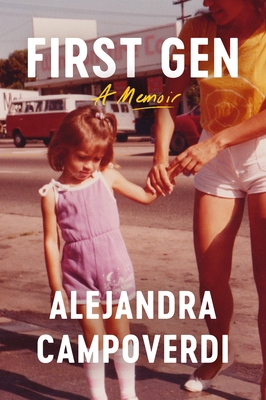
To be honest, apart from this being a memoir and having decent ratings, I wasn’t sure why I picked this book up for the good-reads hispanic heritage month challenge — I think it was the cheapest on amazon. I wanted to come in with an open mind, but I should’ve known better when she described herself as an Obama aide and congressional candidate before other achievements. The first chapter of my used copy was difficult to get through with the juvenile annotations, as seeing scribles of “red flag every two pages is rather distracting. But I’m not here to judge the previous owner, and was grateful they stopped halfway into the second chapter. I had a gut instinct from the prologue that my expectations of a book written by someone who prided themselves on being a political aide to a neoliberal president was correct.
The common motif that Campovedri continuously brought up was a phrase she seemed to coincide with herself: “First and Only”. I appreciate the constancy in use, however the consistency in meaning confused me, which began in her defining it, where the term clear states “and” but she says it includes first gens “or” people who are the only in their fields, which makes you wonder what the true definition is if the original is so wishy washy. The inconsistency comes to light when she describes Barack Obama as a “First and Only” which if you utilize it as a fact that he is the first and currently only black president, sure but he is not a first generation student, nor a first generation — both his white American mother, whom he grew up around, and his Kenyan father met while attending University, and his father went on to go to Harvard during his early years. This was during the seventh chapter where I took issue with this reoccurring motif because the use on Obama is questionable regarding his privilege and not being First Gen (what was defined as what the “First” referred to), but also how I felt that referring to someone as the “only” discounts the possibility of others making the achievement such as other family members or members of the community, and also isolates the community of those that make the achievement of being the first gen which Campoverdi’s accounts also disputes when she met other first gen Mexican classmates at Harvard. While I don’t want to discount the fact that she felt isolated as the first person in her family to achieve her feats, it really bugs me with the inconsistency or poor semantics of a term she really wants to push.
My next issue with the book is how a point or anecdote is made and is supposed to be some sort of big deal and never goes anywhere. One of the selling points of the book was that she had a boyfriend in a gang, and she leads up to reconciling with said boyfriend before going to the prestigious USC, and describes fantasy. But after saying she met him at a party she does not ever go anywhere with it. Many anecdotes in this memoir go exactly like this. One that irritated me was her story about going to Palestine (West Bank) and Israel, where she describes seeing the IOF bases then having to go through their military checkpoint that they control to go to Palestine and visiting a refugee camp and a divided city. Although I am admittedly and rightfully biased towards the plight of the Palestinian people against their colonial oppressors, I was frustrated that Campoverdi wrote down the inequality between the two and the main takeaway was that she got to see different perspectives and it made her see her place in the world. The next paragraph was not an elaboration on what perspective she gained but instead all the fun things she got to do. If she truly wanted to make it about herself, could’ve been an amazing moment where she goes back to the interview that the interviewer grills her on what countries she’s visited and talk about how she now has the opportunity to jump over a previous hurdle but doesn’t. Much of the anecdotes feel so self centerd at times, such as how she got slut shamed by a peer, and another classmate dogpiled onto her where she goes on about people not taking her seriously because she is pretty (which is awful to have people embarrass you in front of your class and I’ve been there with people not taking me seriously because of my looks) but it reminded me of the Adrianna Lima anecdote that became a joke copypasta on gay twitter about how kids chased her on the playground calling her pretty face, and that the complaint about how people think you’re pretty feel like such a “humble-brag” that she got oppressed for being pretty. She discusses this as sexism, but it still didn’t sit right with me and I had to re-read the entire passage again, where she boomerang’s back the classmates criticism, which rubbed me the wrong way because I wasn’t sure that the classmate could’ve been taken advantage of by the man who she had the affair with (although with further research Paula Broadwell doesn’t seem like the best person in the world and that she was active in cheating on her husband whom she had kids with). What bothered me most was about how she primed it with a much more concerning story — a friend who has a visible disability and was called a cripple by a professor, and instead of questioning how people in prestigious institutions perpetrate and get away abusing and harassing those at the bottom of the food chain, she makes this about herself, she enrolls in the class and she gets a whole section about herself. I think the story would’ve been less agitating to me if the orders were switched from: dogpiled in class for being pretty —> people at harvard suck and even professors will harass you in front of your peers because a disability which in this society has very few privileges is a much more cause for concern than being attractive and people being jealous.
I had to question thought my entire time reading this book, who is this book for? At times I thought it was for someone who was more privileged like me and did not have to have periods where there were no food, or navigate college all on my own. But then I see the resources and the genealogy chart and think it is for other first gens. A quarter into the final chapter I thought I had been through enough that I won’t be swayed by a review on my takes for the book definitely answered the questions. The overwhelmingly positive reviews were often from other white folks who are impressed by the accomplishments than the writings. The more critical ones were from other Latinx folks who didn’t feel their culture was represented as the author became more accomplished. But on recent review agreed with the hunch I had that this book is likely utilized to promote another future congressional campaign, where books are an unspoken requirement. It explained the need to make “First and Only” as a term happen like “Critical Race theory” so that she can claim she coined it. The same review questioned if it was ghost written since they listened to the audiobook and it felt disconnected, however I cannot attest to that as I’ve never seen her other work. But, it does frustrate me that the biggest accomplishments were working for Obama driving a BMW and going to Harvard, when going to college and working for a war criminal aren’t considered success stories or what we should all attain for if we want to move towards upward mobility. Reading about her work with the BRCA gene advocacy, specifically with Latinas is much more admirable in my opinion and it was barely written about. She is still very young in her career and is currently up to the minute doing things much more worth writing and advocating for. I think there were certain ways she presented herself that shoots herself in the foot with this book and her career where she prided herself on being an Obama aid for a rep campaign when people want someone who is hands on than a washington insider which her work with teaching incarcerated minors should’ve been who she presented herself as, while the Obama work would’ve been a footnote for such campaign. I think that this follows the curse of neoliberal self branding and the values that our late-stage capitalist society has forced upon us.
Lastly, because I don’t want to make this review longer than it should be if someone wants to read it, I find the Gen X/Y neolib references incredibly irritating. The first was the Hillary Clinton genogram example that the therapist used, which is the most white feminist cringe thing ever. I feel bad for dogging on it in reference for this book because it seemed to be a very revealing event in Campoverdi understanding her family and her roots. However, In my previous classes the main example used was Slavery specifically regarding epigenetics, Beyoncé even used such concept for Lemonade but I feel like Slavery would’ve been a much more profound example with empirical evidence rather than fan fiction about a war criminal. The other millennial cringe moment was the Lin Manuel Miranda Disney song reference but that’s just me being a hater.