Jump to ratings and reviews
Rate this book

Le chercheur d'or

Rate this book
"Du plus loin que je me souvienne, j'ai entendu la mer." Alors l'enfant raconte la mer qui roule depuis la nuit des temps contre la barrière de corail au large de son île Maurice natale. Il dit aussi la terre rouge et sèche, les feuilles coupantes des cannes à sucre, les heures passées en haut de l'arbre Chalta à écouter la nuit. Comme beaucoup de romans de Le Clézio, Le Chercheur d'or est d'abord un poème, un hymne à la beauté, aux éléments et à la vie. C'est aussi l'histoire d'Alexis et de sa soeur Laure, qui subissent le rêve fou de leur père : retrouver l'or du Corsaire, caché à Rodrigues. Mais l'or est en réalité en chacun de nous, ne demandant qu'à mûrir loin des utopies et des illusions. L'amour, puis la guerre de 14-18 qu'il rejoint en France, initient Alexis à cette vérité.

Célébrée en 1963 par le prix Renaudot pour Le Procès-verbal, puis en 1980 par le Grand Prix Paul-Morand décerné par l'Académie française pour Désert, la plume de Le Clézio s'affine encore ici, dans la droite lignée des romans d'apprentissage. --Laure Anciel

374 pages, Pocket Book

First published January 1, 1985

68 people are currently reading
1967 people want to read

About the author

J.M.G. Le Clézio

152 books650 followers
Jean-Marie Gustave Le Clézio, better known as J.M.G. Le Clézio (born 13 April 1940) is a Franco-Mauriciano novelist. The author of over forty works, he was awarded the 1963 Prix Renaudot for his novel Le Procès-Verbal (The Interrogation) and the 2008 Nobel Prize in Literature.

Ratings & Reviews

What do you think?
Rate this book

Friends & Following

Create a free account to discover what your friends think of this book!

Community Reviews

5 stars
392 (28%)
4 stars
473 (34%)
3 stars
349 (25%)
2 stars
108 (7%)
1 star
47 (3%)
Displaying 1 - 30 of 185 reviews
Profile Image for Jim Fonseca.
1,163 reviews8,486 followers
March 4, 2020
I’ll start my review with the author, J.M.G. Le Clezio, because it strikes me that he must be one of the least-known winners of the Nobel Prize (2008). His best-known work, Desert, has only 1500 ratings on GR. The Swedish Nobel Academy said the award was given for his lifetime of work (more than 30 novels) that was described as "poetic adventure and sensual ecstasy" and for being focused on the environment, especially the desert. The author, born in France in 1940, writes in French and spends his time in Albuquerque, Mauritius and Nice.

description

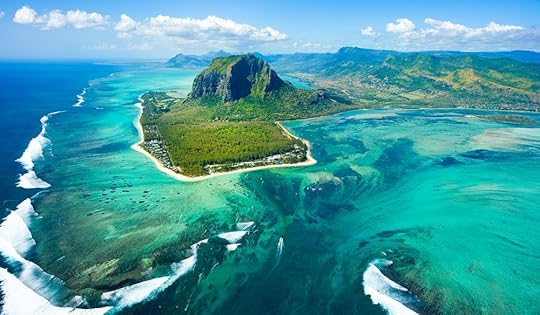
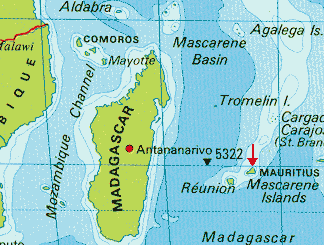
This book, The Prospector, is a many-themed book set in Mauritius, an island nation and former French colony in the Indian Ocean, about 700 miles east of Madagascar. If you ever dreamed of life on a tropical isle, a man and woman, living an isolated life, swimming naked, sleeping on the beach and spearing fish for food, here is a story for you.

The book has a couple of love stories, one between a brother and sister, so close from their isolated upbringing that some folks kiddingly call them "lovers" (but they aren't, physically). They are in love with this island where they grew up, the tropical valley of their youth. I can't think of another novel that is so closely tied to love of place.

description

The book is also a seafaring story - a substantial portion has the narrator on deck behind the wheel of a sailing ship describing the response of the ship and the wind in his hair. And the book is a story of a search for buried pirate treasure - literally step-by-step, clue-by-clue.

description

When the main character goes off to fight in World War I, it becomes a saga of the horrors of trench warfare, akin in its graphic depictions to Fields of Glory by Jean Rouaud. On top of all this, the book is also akin to a historical novel describing the brutal life of the various immigrant groups that were serfs/slaves on the island's sugar plantations in the early 1900's. It kept my attention and I learned a lot from it.

description

Top photo of Mauritius from www.worldatlas.com
Map from mauritiusattractions.com
Port Louis, the capital and largest city from cdn.cfr.org/Mauritius-Port-Louis
The author from telegraph.co.uk

Edited and pictures added 3/4/2020
Profile Image for Peiman E iran.
1,436 reviews1,088 followers
October 13, 2018
‎دوستانِ گرانقدر، این کتاب از 350 صفحه تشکیل شده است.. راویِ داستان <الکسی> نام دارد.. رویدادهایِ این داستان از سالِ 1892 میلادی آغاز میشود.. الکسی به همراه خانواده در جزیرهٔ موریس، زندگیِ آرامی دارد و عشق به دریا در زندگیِ آنها موج میزند و البته دریا را میتوان عنصری همیشگی در این داستان به شمار آورد
----------------------------------------------
‎همه چیز عادی و خوب است، تا آنکه پدرِ الکسی ورشکست شده و این موضوع سبب میشود تا پدر افسرده شده و روز و شب با خویش سخن بگوید... الکسی و خواهرش <لورا> از میانِ حرفهایِ پدر متوجه میشوند که دزدِ دریاییِ مشهوری به نامِ <کورسر> گنجینه ای افسانه ای و گرانبها از طلا را در جزیره ای به نامِ رودریگز پنهان کرده است
‎از همان دورانِ کودکی یافتنِ طلاهایِ پنهان شده در جزیره رودرگیز، ملکهٔ ذهنِ الکسی و خواهرش میشود... تا آنکه پدرِ الکسی از دنیا میرود
‎پس از مرگِ پدر، الکسی به جزیرهٔ رودریگز سفر میکند تا گنجِ افسانه ای را که پدرش سالها در موردِ آن صحبت کرده بود را پیدا کند... الکسی در تمامِ جزیره جستجو و کنکاش میکند، ولی نمیتواند گنج را بیابد... در همان دوران، الکسی با دختری به نامِ <اوما> که از بومیانِ جزیره است، آشنا میشود و هر دو به یکدیگر دل میبندند و بازهم زندگیِ الکسی رنگ و بویِ تازه میگیرد که البته پایدار نمی ماند و جنگِ جهانی اول آغاز میشود و الکسی همراه با جوانانِ دیگر به جنگ میرود
‎الکسی از جنگ بازمیگردد، ولی خبری از اوما نیست و متوجه میشود که اوما ناپدید شده است... الکسی شکست خورده و نا امید، نه گنج و طلاها را بدست آورده است و نه اوما دخترِ بومی را پیدا کرده است... در نتیجه با قلبی آکنده از درد و ذهنی ویران شده و نا امید، به جزیره ای که کودکی هایش را همراه با خواهرش در آن سپری کرده است بازمیگردد، تا خواهرش لورا را پیدا کند
‎دوستانِ گرامی، بهتر است خودتان این داستان را خوانده و از سرانجامِ این داستان و زندگی الکسی آگاه شوید
---------------------------------------------
‎امیدوارم این ریویو، در جهتِ شناختِ این داستان، کافی و مفید بوده باشه
‎<پیروز باشید و ایرانی>
Profile Image for Tony.
1,030 reviews1,912 followers
August 18, 2015
It begins here:

As far back as I can remember I have listened to the sea...

And it begins here:


The island of Mauritius.

It is Alexis L'Etang who listens to the sea. First on Mauritius in 1892, a multi-cultural boy on a multi-cultural island. But you know how these things go. Even there are racial strata. Alexis is not black. There are early lessons.

The idyllic life of Alexis is shattered, first by a storm, then by the death of his father. His family (Alexis, his mother and sister) is financially ruined, and beholden now to Uncle Ludovic, not so much a character as an abstract idea of harsh capitalism.

His father's legacy is a fool's quest: a cryptic map and notes by the legendary Unknown Corsair, a hidden treasure.

And so, when things seem bleakest for the family, Alexis quits his position with Uncle Ludovic and takes to the sea, to the nearby island of Rodrigues, to look for gold.

"On the west coast of the island at a spot where the sea pounds the coast there is a stream. Follow the stream to its source, where you will find a tamarind tree. Eighteen feet from the tamarind tree the stonework that hides an immense treasure begins."

Sounds adventurous, if self-centered, but Alexis is no Maqroll. He finds the Corsair's hiding places*, and he finds himself bewitched by the beautiful Ouma, a Manaf.

Ouma dives into the lagoon, harpoons an octopus for them to roast. She rubs sand over her black body, then his white one. A local custom.

It is Ouma who imparts what wisdom there is:

"Gold is worthless. You mustn't be afraid of it. It's like scorpions who only sting those who are afraid of it."

And:

"All of you out there, you desire gold above everything because there is nothing more powerful. You make war for it. People everywhere will because of this obsession."

Prescient she is. Soon there is indeed talk of war. Alexis signs up. Why not? He is at Ypres, he is at The Somme. There are no novices by that time. Eventually he is sickened. Typhoid. The doctor takes his temperature and squeezes his stomach, then says with a certain sadness, "In the end it's lice who win the war."

That's as much of the story as I'll tell, except to say that he finds himself on a beach wailing Ouma-ah! Ouma-ah! Kinda like Rocky and Adrian. It's told in a first-person somnambulist style - As I walk on the blood pounds in my head and I feel feverish. - which I'm told is a rich French literary tradition.

This is best read as a kind of reverse nesting doll, how a small story or vignette exposes a larger idea, and then a larger one.

Reading this, that stink bug of colonialism kept popping into my mind. Le Clézio draws a kindly colonial (Alexis' father) as distinct from the brutal one (Uncle Ludovic). Ouma teaches us they are one and the same.

_____ _____ _____ _____ _____
* Not saying if he found the treasure.
Profile Image for Tijana.
866 reviews287 followers
Read
June 5, 2016
Evokativan, gust lirizam koji, naročito u prvoj polovini knjige, podseća na književnu verziju ranih albuma o Kortu Maltezeu - i južna mora, i potraga za gusarskim blagom, i brat i sestra koji odrastaju u tom idilično-romantičnom pejzažu, i približavanje Prvog svetskog rata.
E, ali: dosadno do bola. Ne znam kako je to autoru pošlo za rukom, piše kao anđeo, ali do.sad.no. Mnogo mi je krivo i osećam se kao đak Galkjevič iz Ferdidurki (- Kako te to ne oduševljava, Galkjeviču, jesam li ti hiljadu puta objašnjavao da te oduševljava? - Ali kad to mene ne oduševljava!) i jedino što imam da kažem u svoju odbranu jeste da me smara kad neko svojim likovima od karakterizacije dodeljuje alegorijske funkcije i toliko, ali nije ni to dovoljno objašnjenje za ovako epsku dosadu od zapravo sasvim pristojne knjige :(
Profile Image for وائل المنعم.
Author 1 book479 followers
September 8, 2022
نوبل السبب، ما دفعني لقرأته كان حصوله على الجائزة رغم أني لم أسمع عنه من قبل، حدث ذلك مع ألفريده يلنيك وكان اكتشاف لروائية ممتازة أصبحت من كتابي الألمان المفضلين، أما لوكليزيو فللأسف أصابني بإحباط شديد.
لا أعتقد أن بعد قرأءتي لروائيين حداثيين مثل كونديرا وساراماجو وغيرهما، وكتاب كلاسيك كبار مثل تولستوي وديستوفسكي وغيرهما، أني على استعداد لقراءة عمل أدبي أكثر من نصف صفحاته وصف للطبيعة ومضمونه أشبه بحكم كليلة ودمنة. اتوقع من العمل الأدبي أن يقدم لي تحدي على مستوى أسلوب السرد واللغة والأفكار، أن يكون ممتعاً لعقلي وروحي، لكن للأسف هذه الرواية افتقدت لكل هذه العناصر.
على مستوى اللغة تبدو تقليدية - كما نقلها المترجم - وهناك استخدام لمفردات كثيرة. قد تكون أجمل لو قرأت بالفرنسية.
Profile Image for Jim.
2,413 reviews800 followers
July 20, 2012
This book by the 2008 Nobel Prize winner J M G Le Clézio is suffused with a combination of magic and a gentle irony. It begins with one of the most luminous childhoods imaginable, with young Alexis L'Étang and his sister Laure growing up in a remote corner of Mauritius with their dreamer of a father and their gentle mother. But if there is anything that life teaches us, it is that joys are fleeting. Alexis is gripped with the same ignis fatuus as his father: a feverish desire to dig up the mythical buried treasure of the 18th century pirate known only as The Corsair.

In his search for pirate gold, Alexis finds two treasures, his family and the love of a primitive Malaf girl on Rodrigues Island, where he digs for the treasure. These two treasures he loses, punctuated by the horrors of the First World War. I think back to these lines by Edna St Vincent Millay:
What now -- what now to me
Are all the jabbering birds and foolish flowers
That clutter up the world? You were my song!
Now, let discord scream! You were my flower!
Now let the world grow weeds!
This bitterness does not emerge in the course of The Prospector, but the withering irony of a life wasted hunting for an elusive treasure did hit me with the force of a blow to the head as I finished Le Clézio's wonderful novel.

There is a touch of this when Alexis thinks to himself:
Now I understand how deluded I was: history happened here [Mauritius] as it did everywhere else; the world was not the same anywhere. There have been crimes, transgressions, a war, and because of it our lives have come apart.
It is not just history -- World War I and its dire effect on the colonial peoples -- but nature herself. There are two great hurricanes in the novel, one on Mauritius in 1892 that destroys the L'Étang cottage at Boucan, and one on Rodrigues Island in 1922 that puts an end to Alexis's second attempt at seeking the treasure.

How many of us lose the treasures that are at hand looking for treasures that may not exist? Treasures that nature herself buries ever deeper in the muck of life to remind us of the madness of our dreams.
Profile Image for Kamakana.
Author 2 books415 followers
November 14, 2021
if you like this review, i now have website: www.michaelkamakana.com

291212: here is a book that uses no particular structural innovations, that on occasion slips to present tense, that sometimes has a certain awareness of its form- but none of this is noticeable, distracting, enervating. this work spurs my own nostalgia and thoughts and feelings of my childhood as the narrator recounts his own childhood idylls...

'boucan' is what/where he names his memories...

every christmas or so when i was a child- until we lived for a year of my father's sabbatical from u on the windward side of oahu, my freshman year at high school- we came to my mom's hometown of waimea on the island of kaua'i for a few weeks. every year, for a few weeks, i came to know the island life just as sugar cane was declining industry and tourism rising, came to know my cousins, my aunties, my uncles, my grandparents when we stayed at their house facing the beach...

those days seem longer in memory, more meaningful, even as i still go every february to my mom and dad's condo, on the same beach, even as i can look with a mature eye on this part of paradise, even as i can see how for my cousins it is just a small unexciting town in the middle of nowhere- except people from around the world come and look in your backyard. i do not lose this place through natural disaster or exile or poverty or war, such as this narrator alexis, i lose this through the natural passage of time, but this is no less irreversible...

so, i only read this today, i have only read this once, i can look at the photos here, i can skype my parents there, it is not too long until i visit- though i might call it return despite the fact most of my childhood was here in cold canada- but reading brings aching heart when i must recall who is no longer there, how the sleepy island has lost this or that magical distant isolation from our north american modern world, how my memories will meet with loss as soon as the flight from seattle or vancouver or san francisco, comes to the international airport of lihue, and that oppressive smell of the planes is overcome by the thousands of tropical smells of the island...

so, of this lyrical recall, this eden- plot is romantic, elegiac, not ultimately important as it becomes clear it is not the dreaming search for gold, it is recovery of past idylls, that draws alexis on to some kind of final acceptance of loss. do all great books cause similar effect for all readers, i do not know, i know only this does for me- for you? i do not know, i can only revel in the way his words do this for me. does not everyone, eventually and inevitably, come to sense nostalgia? here, there, wherever? i do not know...

so, images come of those times, images overlapping, images not less real if i can never date them with any certainty. moments all seem to be from my childhood, for in recall i am always again a child, even when we are talking about books written and read later, or my grandma or my grandpa are no longer alive and perhaps yet even then they ride in our car as we drive home... because of the latitude night falls just after supper and we are driving home on the two-lane blacktop from kapaa or anahola or just hanapepe... and to either side rise the walls of sugar cane and we are embraced in tropical night and breezes and a thousand scents...

i can only hope everyone has similar memories. if not, perhaps, you can follow them here in this book, find them as you lose them in fruitless search for some way home, find them recalled not in money or power, but find them here waiting forever...
Profile Image for Ben Jaques-Leslie.
284 reviews44 followers
February 19, 2013
Had I read this book when I was 16, I may have thought it a masterpiece. Now, I think it is boring and navel-gazing. In short, this is the story of a man of French decent who grew up on Mauritius. After recounting his childhood, the happiness of which is cut short by a hurricane and an evil uncle (seriously), he tries to recapture the magic of his boyhood for the rest of the book. He hunts buried treasure for years, goes to war, and has an affair with a beautiful woman. The affair is especially annoying. She is constantly appear, quickly disrobing, and then diving into a pool of water. The author is constantly describing her like this: "Ouma with her beautiful x-colored body," where x was brown, copper, coffee, and any other word he could think of. The moment when I actually audibly scoffed was when the narrator realizes that the valley is the universe and vice versa. Blah!
Profile Image for Sportyrod.
661 reviews75 followers
July 6, 2023
Exasperatingly long descriptions of location tied to reminscence put me to sleep many times over in the course of this two month read. This reading was done at either 6 pages at a time, or in long, painful slogs to just end it. Having said that there were many brilliant aspects of the book, however they weren’t enough to make up for the slow pace and repetition.

***Lots of spoilers***

Alexis’ early childhood is one of affluence and privilege. But his circumstances soon change, after the passing of his father (I think), forcing him, his mum and sister Laura into poverty, and they have to move from the coast to the highlands (of Mauritius).

I’m a bit vague here, but somehow he comes across some treasure map from his father’s files on an island in the region. So he hops on a ship, leaving his family destitute and for his sister to care for their sick mother (without telling his mum that he’s leaving), and spends years in search of buried treasures, while he spends his money arranging the dig. I don’t recall how he has enough money to survive living simply as a prospector, getting food and supplies delivered, and paying for trenches to be dug, but he manages quite well for himself. Can you detect any judgementality here…?

His sister Laura is very all or nothing, and decides not to communicate with him until he finally returns to where he belongs. Which kickstarts a huge dedication of wonderings of what Laura must think of the stars, the sound of the sea, the birds nesting at night, and so much more, for about 50% of the book.

He meets an indigenous girl (unsure of age but young), who is very pretty. They enjoy skinny dipping and spearfishing. Custom forbids their togetherness, so she often eludes him and appears when the coast is clear.

Eventually WWI happens and he enlists himself for reasons I didn’t understand. He goes to the trenches in Belgium and suffers. Then comes back to his hometown at the end, only to find his sister has changed. He ditches her yet again to return to the treasure island for more repetition and musing. But does not find his beauty anywhere. So he keeps on digging then comes back when his sister sends a letter saying mum is gonna die. So he goes back, she dies, the sister decides to go and live somewhere else (not sure where, maybe a convent), and that’s when he stumbles upon his lost love. She is going through a rough trot, having had her entire people move as refugees, only to be forced back when they set fire to a plantation when they are starving. So she stays with her people, gets on the ship, and bye bye.

The pros: it was beautifully written. You can feel every moment. 10/10.

Cons: too much detail in the moment, too much nostalgia, repetition, if I have to read “under the tamarind tree” one more time…, Alexis is selfish, this in itself isn’t so bad in a book. But I think Alexis is portrayed as the hero, when really he ditched his family in a time of need to go on an adventure. Sure he is in search of treasure to restore the family fortune, but is that heroic when his sister is in poverty and looking after a sick mum?

Overall, Le Clézio is exceptional at prettying up things to the finest detail. However, in doing so, it becomes a tedious read for people who need more than musing of what others would think of his adventures as a plot.

Around the world reading challenge for Mauritius, tick.
This entire review has been hidden because of spoilers.
Profile Image for Calzean.
2,770 reviews1 follower
March 13, 2020
Alexis grows up in a remote part of Mauritius with his dreamer father, caring mother and close sister. He loves the life, the environment, the sea, freedom and dreams. Life goes down the gurgler and the family is forced to move inland and a life of poverty. Alexis spends the rest of the book trying to recreate the happiness he had and lost and while the book spends a lot of time on his looking for mysterious hidden pirate treasure, I think the prospecting is really about relationships and happiness. There are some beautiful passages on the environment, the sea, sailing and seeing the beauty of nature for all of its glory.
The book also covers WWI trench warfare, sugar cane farming, exploitation of former slaves forced to work in the cane fields, hurricanes and a love story. And the writing just flowed so easily; the author's love of Mauritius shows.
Profile Image for David.
1,682 reviews
January 3, 2021
Jason set out looking for the famed Golden Fleece on his boat, the Argo. Alexis L’Etang, better known as Ali, set out in his mind looking for gold on his Argo.

Ali was eight. A cyclone destroyed his house in Mauritius taking away his father’s business that ruined the family. Ali was a dreamer, always wanting to find that fortune that would recover what the family lost. As a young adult, Ali set sail on the ship, the Zeta and looked for a lost treasure on a nearby island of Rodrigues. The search spans some thirty years.

J.M.G. Le Clézio tells a dreamlike tale that mixes youthful adventuring with head long ambition that climaxes with a world war. Ali never seems to lose that sense of adventure and the drive to find a lost treasure. At the same time, he seems painfully out of sync with the world.

His connections to people, like his mother, sister and even the mysterious love, Ouma are elusive and often left hanging. I found this frustrating and yet alluring. What will happen next, never seems to be the expected outcome. And yet, this dreamy feeling, set with the almost magical and exotic places fills the book with a beautiful awe.

The original title of this book is “Le Chercheur d’or” or “The Seeker of Gold” has a more enticing ring than this English translation, “The Prospector.”

Le Clézio won the Nobel Prise in Literature in 2008.

Not quite what I expected but pleasantly surprised. It was a good yarn
Profile Image for Edita.
1,584 reviews591 followers
July 6, 2016
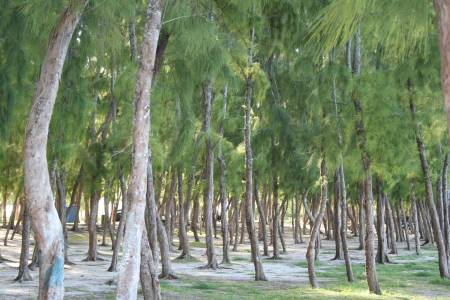
As far back as I can remember, the sound of the sea has been in my ears. Mingled with that of the wind in the needles of the sh-oaks, the wind that never stops, even when you leave the coast behind and cross the cane fields, it's the sound of my childhood. I can still hear it now, deep down inside of me, it accompanies me whenever I go. The slow, tireless sound of the waves breaking out on the coral reefs in the distance and then coming up to die on the sand of Black River. There's never a day I don't go down to the sea, nor a night that I don't wake up, sit up in my cot, back damp with sweat, pull aside the mosquito net and try to hear the tide, fretful, filled with a yearning I don't understand.
I think of the sea as a person- in the darkness- all of my senses are alert to better hear i coming, better welcome it. The giant waves leap over the reeefs, come crashing down into the lagoon, and the noise makes the earth and the air quake like a blast furnace. I can hear it, it's moving, breathing.
*
Nothing exists any more, everything stands still. This is all there is, what I' feeling, seeing, the sky so blue, the sound of the sea struggling against the reefs and the cold water flowing over my skin.
*
There would be the sea, the smell of the sea borne along on the wind, the sound of the sea and, shuddering, we would listen to its for gotten voice, saying don't leave again, don't' leave again...
*
Now I wish I could remember every detail about that day, so I could relive it, because that was one of the most important days of my life.
*
Now I understand what I've come in search of: it is a force much greater than my own, a memory that began before I was born.
*
Now it's as if all of that were part of some other life.
Profile Image for Walter.
116 reviews
June 14, 2009
Where have all the aesthetes gone?

That’s troublesome. It seems these days there are entertainers and artists; both forgoing the idea of beauty. What’s odd is that this time on Planet Earth is probably the softest time to be alive in its history and when, if one wanted, being into the pursuit of beauty is at its most accessible point to people. And yet for the most part, from popular entertainment to art there is rampant unhinged cynicism running around, lots of ugly, that I see bleeding into the minds of people. A little bit ago, someone asked what I thought the world needed, and I said, flowers. The gentlemen became sort of engaged, “YOU ARE A DREAMER!” Huh? Flowers are the sign of a dreamer...as if this is bad? Potted plants are available at your local greenhouse for a couple dollars. This struck me as sad, he did. Maybe it’s what people have in terms of expectation as to what life is, what it was going to be, or maybe they are still working off a base that never was; as Mason Cooley said, ”Cynicism is full of naive disappointments.”

The Prospector is beautiful. A work of an aesthete, glorious prose, but one that can think. As it answers why people like ugly, as at some point during this novel, about for the most part a childhood home, all the answers to modern day cynicism are present: the myth of independence.

As Charles de Gaulle said: “Authority doesn't work without prestige, or prestige without distance”. The author illuminates this true philosophical understanding of the human mind: it’s why God and childhood have such unforeseen and dangerous power.
Profile Image for Huy.
961 reviews
March 21, 2021
Đọc The Prospector khiến mình có cảm giác nó vừa giống vừa giống một cuốn tiểu thuyết nổi tiếng nhất của Clezio: Sa Mạc, nhưng ý tưởng lại gợi nhớ đến Nhà Giả Kim, chớ có lần tưởng rằng Clézio mượn nội dung từ Paulo Coelho, mà có khi là ngược lại, vì The Prospector được xuất bản lần đầu tại Pháp năm 1985 còn Nhà Giả Kim mãi năm 1988 mới được phát hành tại Brazil. Nhưng tài năng văn chương của Clezio có thể nói là vượt xa Coelho, vì cũng chung một ý tưởng về 1 chàng thanh niên vượt qua bao vùng đất, sa mạc mênh mông, đại dương bao la, trải qua bao biến cố để quyết tìm cho được kho báu, thì Prospector là một áng văn tuyệt vời đầy những khoảnh khắc khiến ta rung động chứ không mang lại cảm giác giáo điều, sáo rỗng như Nhà Giả Kim.
Cũng viết về những chuyến du hành như một chủ đề bất hủ trong những cuốn sách của ông, với Prospector, Clezio một lần nữa khẳng định khả năng của mình trong việc miêu tả cái nỗi bi ai đầy say đắm của những chuyến viễn du, mà ra đi là chết trong lòng một ít khi ta bỏ lại sau lưng nhiều điều thân thương quen thuộc, còn ở lại là vỡ tan thành trăm mảnh khi đôi mắt và con tim ta luôn khao khát tự do. Chuyến đi trong The Prospector không chỉ đơn thuần là sự xê dịch về mặc địa lý mà còn ẩn chứa trong đó sâu xa hơn là sự chuyển dời về mặt tâm hồn mà chỉ những nhà văn tinh tế như Clezio mới có thể viết về nó với những khoảnh khắc đầy mong manh của sự tan vỡ, về sự sống và người em song sinh của nó - cái chết,về nỗi khát khao cháy bỏng của việc lên đường, ông gieo vào lòng ta nỗi khao khát được du hành nhưng trong đó ta phải nhìn vạn vật không chỉ bằng đôi mắt mà còn với một trái tim đầy rung động trước vẻ đẹp của thế giới, của những điều không hoàn hảo, của những điều tạo nên và hủy diệt chúng ta, của những thứ chúng ta bỏ lại sau lưng và những điều ta đạt được trước mắt, mà ta phải trân trọng tất cả những điều đó, như cách Clezio đã tỉ mỉ kể lại chúng trong cuốn sách tuyệt vời này.
Profile Image for Sashko  Liutyj.
355 reviews40 followers
April 12, 2022
важко уявити більш вчасну книгу, ніж ця.
кілька років не додавав нічого у розділ "улюблене", а тепер ось.
дуже дивна, магічна і метафорична штука.
немає достатньо слів, щоб написати відгук.
Profile Image for Darryl.
416 reviews1 follower
July 7, 2011
This novel about a man's search for a lost treasure and personal fulfillment begins on the island of Mauritius in 1892, where the eight year old Alexis L'Estang lives with his parents and beloved older sister Laure in an isolated house, surrounded by rich foliage and close to the sea, which nurtures and draws him in every night. His older friend Denis, the son of the black cook who lives nearby, teaches him about the mysteries of the sea and the local flora in the mountainous forest above it. His father also passes on to him his dream to find the hidden treasure of the Unknown Corsair, through maps and stories.

The family's idyllic existence is disrupted by tragedy, causing it to sink into poverty, and Alexis is forced to take on responsibilities in advance of his years. However, he does not abandon his father's dream, and he eventually travels to the island of Rodrigues to seek the treasure that will ensure his family's good standing. There he meets Ouma, the love of his life, but his search is disrupted by the onset of the Great War, and he must abandon his search, and Ouma. Eventually he is able to return, as an older man whose dream and love have not been diminished by time, but his family's continued poverty and changes in the region cause his dual goals to become more distant and seemingly unachievable.

The Prospector is filled with evocative descriptions of the sea and island life, which was its main strength, along with the love that Alexis and Ouma shared for each other, and the description of the horrors of trench warfare. However, the other characters, especially Laure and Alexis' mother, were not portrayed as richly, and I had some difficulty in understanding Alexis' motivations and actions. Despite this, I thoroughly enjoyed, and would highly recommend, this beautifully told story.
Profile Image for Shaikha Alkhaldi.
453 reviews200 followers
November 12, 2021
الكنوز لا يمكن الوصول إليها.
الكنوز مستحيلة إنها "ذهب الأبله".
Profile Image for محمد أحمد خليفة.
239 reviews49 followers
May 25, 2022
رواية فذة، ذات مسارات حياة صيغت بإبداع مثقل بالتفاصيل والأحداث الجبارة الآسرة، تتغلغل مشاهدها في النفس والروح، فتثير المشاعر والأحاسيس الكامنة في نفس القارئ، وهي تروي مأساة حياة أسرة كاملة، من خلال بطلها الراوي، الذي يجول بنا العالم، فيحكي لنا عن طفولته مع أسرته، والإعصار الذي دمر مشروعات والده، ووضع أسرته بأكملها رهن الديون تحت ضرس عمه، ما أدى لانتقالهم لبلد آخر فقراء معوزين، ومن ثم يموت والده، الذي ترك له خرائط ومخطوطات عن كنز قديم ضائع، ثم رحلته العجيبة والغريبة في البحر، ووصفه لأحوال البحارة والحوادث التي تصادفها السفن البحرية في رحلاتها، وعن تلك السنوات التي قضاها في البحث عن كنز القرصان المجهول على جزيرة في أعالي البحار، وقصة حبه الغرائبية التي لازمته بعدها طوال فترات حياته وأينما حل، ثم اندلاع الحرب العالمية الأولى وتطوعه فيها كجندي مقاتل ثم عريف، ومآسي الحرب والقتل والدمار التي وصفها بتفصيل مرهق ومؤثر للغاية، وعن مرضه الذي أنجاه في نهايات الحرب، والذي تم تسريحه على إثره هو وجنود آخرين، وعن عودته لمقر عائلته الثاني بعد وفاة والده وملاقاته لأخته وأمه العجوز، ثم قراره بالإبحار إلى جزيرة الكنز المفقود وحبه الوحيد، ليجد أن كل شيء قد غيرته الحرب، وأن حبيبته وقبيلتها الجبلية المنعزلة قد صاروا أثرًا بعد عين، وأن الوادي الذي كان يحفل بعلامات العثور على الكنز قد جرفه السيل العرم، وأن العزم والروح قد دمرتهما الحرب ومصائبها الجسيمة، فيرجع لأخته ليشهد وفاة والدتهما، وتقرر أخته أن تكون بين الفقيرات المعوزات من العاملات في مزارع القصب، تعودهن وتمرضهن، أما هو فيلجأ لغابة قريبة، يعيش فيها حياة التوحش البدائية بعيدًا عن الناس، ويصف وجود حبيبته الغائبة معه، وكأنها حقيقة ملموسة، ثم يقرر ابن عمه الذي استولى على هذه المساحات الشاسعة من الأراضي أن يقطع أشجارها ليتوسع في مزارعه، فلا يجد سوى السفر عبر البحار حلًا لأحزانه، ويمضي في رحلة بحرية لا يدري أين يحط فيها رحاله، فالجزر لا حصر لها، لكن ما هو مهم حقًا أنه سيكون في مكان مع طيف حبيبته لا يخشى فيه أحد على الإطلاق، وليس هناك فيه حرب بين الرجال.
Profile Image for Eng. Mohamed  ali.
1,531 reviews146 followers
September 8, 2022
ممل ممل الى أقصى حد ,لا أعرف اذا كان ذلك بسبب أسلوب الكاتب أم ضعف فى الترجمة ,لكن الاكيد ان حظى سئ دائما مع تلك السلسلة المسماة بسلسلة الجوائز
Profile Image for Pamela.
690 reviews43 followers
October 12, 2009
One star for a Nobel Prize–winning author! Contentious, I know. However, I think the fact that I had to renew this book five times from the library says something about the enjoyability of this book.

First off, we get the dull, overlong setup of an idyllic childhood in Mauritius. On page 25, I know exactly where this is going to go: Alexis is going to travel the world, hoping to regain a sense of this childhood paradise. Sure enough, Le Clézio spends 300-plus pages doing exactly that: mooring Alexis on bleak landscapes so that he can indulge (and yes, I mean indulge) himself in metaphorical fantasies of primitivism and treasure-seeking. I GET IT: YOU'RE REALLY SEARCHING FOR THE PAST. So imagine my reaction when I finally read this line on page 322: "Everything I had done, everything I'd searched for, was all so that I could be there at the entrance to Mananava [a mysterious forest Alexis played in during his childhood:]."

Oh really. You don't say.
Profile Image for Elizabeth Grubgeld.
32 reviews1 follower
July 19, 2014
Can't decide what to make of this book. It seems to embody every cliche of the novel or memoir concerning a disaffected member of a colonial class: the idyllic lost childhood, the family's good relations with the indigenous people, the feckless father's loss of fortune and the family's decline into isolation and poverty, the other colonists who are rich and ruthless, the gorgeous indigenous woman, etc.
I cannot tell if I'm to take the narrator seriously or whether I'm to see this as a satire. I think it's the former, and that's what is troubling.
Profile Image for Barbara.
261 reviews19 followers
August 6, 2016
This novel is surprising slow for a story packed with childhood bliss, loss of fortune, death of family members, sea adventure, buried treasure, hurricanes, violent uprisings, an island love affair, WWI, loneliness and isolation. Wave after wave of beautiful prose washes over you, and the effect is sometimes mesmerizing but sometimes tedious. I found the overall effect to be sobering and depressing, but at the same time one of reverent celebration of nature and a primitive way of life.

3.5 stars.
Profile Image for Zahra saeedzade.
60 reviews60 followers
June 6, 2019

اگر از عشاق راستین طبیعت هستید این کتاب به شدت پیشنهاد میشه.
در صفحه ۷۳ تا ۸۴ کتاب تصویری از طوفان نشان داده که خدای طبیعت در برابرش سرتعظیم فرود اورد.
اینقدر واقعی که احساس می‌کردم من از شدت باران داره نفسم بند میاد. بهترین کتابی بود که تا به حال در مورد طبیعت و زندگی در ان خوانده بودم.
#جوینده‌ی_طلا #ژان‌ماری_گوستاو_لوکلزیو
#پرویز_شهدی #نشرچشمه
Profile Image for Mohamed.
105 reviews50 followers
February 8, 2016
لو قرات المقدمة القصيرة فى نهاية الغلاف من الخارج ,كان زمانى استفدت بالوقت اللى اتهدر ده فى الرواية :D
Profile Image for Leo.
4,984 reviews628 followers
July 30, 2021
I think it's a 3.5 stars for me. It was a slow going but beautiful written novel that is vivid abs engaging in its own right. It's a book I would really love to reread in the future as I think I would pick out something different every time I read it. However the story didn't struck me quite as much as I had hoped but I did enjoy it nevertheless
Profile Image for Юра Мельник.
320 reviews38 followers
July 8, 2022
Я не читав Алхіміка Коельйо, але ця книга, схоже, його цілковита протилежність по всіх параметрах
39 reviews
August 28, 2024
Ganska bra bok om ett fattigt liv på Mauritius. Huvudpersonen bestämmer sig för att leta efter en skatt som hans pappa tror sig hittat. Boken hade varit bättre utan delen där han tar värvning i armén under första världskriget
Profile Image for Roger Brunyate.
946 reviews740 followers
June 12, 2016
An Exquisite Dream

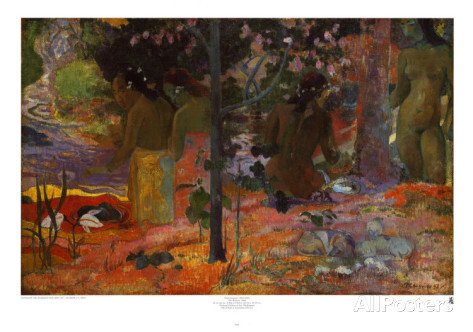
The title of this mesmerizing novel is misleading. The original French, Le chercheur d'or, means literally "the seeker for gold." The Prospector is an over-literal translation for such a poetic book, quite without metaphorical resonance. More important, it is a forward-looking word, whereas Le Clézio's protagonist is entirely concerned with looking back, trying to regain entry to an Eden from which he was expelled as a child. Fortunately the Gauguin pictures reproduced on both the paperback and hard-bound editions are perfect in their evocation of an almost unreal tropical paradise; if you respond to them, you are likely also to be drawn into the spell of this book.

The action, such as it is, is simply told. When the novel opens in 1892, Alexis L'Etang is a boy of seven, living on the coast of Mauritius, roaming the island with a native friend or sharing dreams with his beloved elder sister Laure. It is an idyllic life for a child, but it comes to an end when his father, a man of greater vision than business sense, is ruined by a devastating hurricane. After years of living in poverty, Alexis journeys by sailing ship to the distant island of Rodrigues, to pursue his father's tales of treasure concealed there by the Unknown Corsair. On the sea, and later living in a remote part of the island, he makes different discoveries from those he had expected. He also falls in love with a native girl, Ouma, who like him has turned back to nature after a convent education. World War I intervenes, and Alexis goes off to Ypres and the Somme, but returns to the islands to discover the true meaning of his quest.

Le Clézio does not so much describe things as evoke them by incantation. In reviewing Onitsha, his masterpiece, I thought that his fondness for the heroic roll-call came from Homer, but the first influences on the young Alexis are less elevated: the adventure stories of H. Rider Haggard, the author of She:
Zweeke the sorcerer said, "You ask me, my father, to tell you of the youth of Umslopogaas, who was named Bulalio the Slaughterer, and of his love for Nada, the most beautiful of Zulu women. Each one of those names was buried deep in me, like the names of living people.
Throughout the book, Alexis conjures with the sheer sound of naming things: islands, mountains, rivers, trees, plants, birds. The book is written entirely in the first person, with very little dialogue, giving the rhapsodic effect of a waking dream, even amid the horrors of the Western Front:
What do these rivers look like… the Yser, the Marne, the Meuse, the Aisne, the Ailette, the Scarpe? They are rivers of blood flowing under low skies, thick, heavy water carrying debris from the woods, burned beams, and dead horses.
Or here, near the end, when the author merges past and present in timeless simplicity:
Our life on Mananava, far from other people, is like an exquisite dream. […] At dawn we glide into the forest, which is heavy with dew, to pick red guavas, wild cherries, and cabbages, Madagascan plums, bullock's hearts, and bredes-songe and margosa leaves. We live in the same place as the maroons in Senghor and Sacalavou's time. Look there! Those were their fields. They kept their pigs, goats, and fowl there. And over there they grew beans, lentils, yams, and corn.
I have now read four Le Clézio books and some stories. All seem to be to some extent autobiographical, written out of a double loss—his family removed from their home in Mauritius, and the author not seeing his father for the whole of his early childhood. The books feature travel and hardship, young protagonists in pursuit of some quest. They are filled with an aching nostalgia for a lost past, and with awe of the wild and ancient places of the earth and the secrets they may hold. In some ways, Le Clézio is a century behind his time; besides Rider Haggard, you can see the influence of Kipling and especially of Conrad. But his currency is modern; he deals in dreams. Let him once work his magic, then see if you can cast off his spell.
Profile Image for Bettie.
9,978 reviews5 followers
Want to read
September 9, 2016
The cover is a detail from Paul Gauguin's 'The Bathers' 1898
Description: It is the turn of the century on the island of Mauritius, and young Alexis L'Etang enjoys an idyllic existence with his parents and beloved sister: sampling the pleasures of privilege, exploring the constellations and tropical flora, and dreaming of treasure buried long ago by the legendary Unknown Corsair. But with his father's death, Alexis must leave his childhood paradise and enter the harsh world of privation and shame. Years later, Alexis has become obsessed with the idea of finding the Corsair's treasure and, through it, the lost magic and opulence of his youth. He abandons job and family, setting off on a quest that will take him from remote tropical islands to the hell of World War I, and from a love affair with the elusive Ouma to a momentous confrontation with the search that has consumed his life. By turns harsh and lyrical, pointed and nostalgic, The Prospector is a parable of the human condition (Le Mond) by one of the most significant literary figures in Europe today.


Translated from the French by Carol Marks
For my grandfather, Léon
Opening: Boucan, 1892: AS FAR BACK as I can remember I have listened to the sea: to the sound of it mingling with the wind in the filao needles, the wind that never stopped blowing, even when one left the shore behind and crossed the sugarcane fields. It is the sound of my childhood.
Displaying 1 - 30 of 185 reviews

Can't find what you're looking for?

Get help and learn more about the design.