A moral cornerstone for aspiring and continuing teachers, this novel, written by a veteran of the vocation, has sold over a million copies and remains one of the most enduring achievements of modern Japanese literature. At the core, the challenges of teaching are the same the world over. Kenjiro Haitani's charming and profoundly moving reminder to keep faith with the kids is finally out in English.
It's a typical day at the elementary school when a beautiful young newlywed named Ms. Kotani, the new teacher, eagerly goes into class and leaves before the final bell sobbing. Her students include the silent boy Tetsuzo, whose hobby is collecting flies, and a girl, Minako, who could keep Ritalin in business all alone. Most of the school's teachers have never given these kids a chance, but Ms. Kotani will not give up so easily--even when her single-minded efforts start hurting her marriage.
Вроде бы книга для детей, но она очень мудрая. Кэндзиро показывает нам неординарных учителей, настоящих педагогов - 22-летнюю молодую учительницу Котани сэнсей, и ее коллегу Адачи сэнсей, и у каждого свой неповторимый педагогический стиль. Мне понравилось, как Котани поддержала Тэцудзо в его интересе к мухам. У него не было родителей, кто мог бы дарить ему любовь и заботу. Его воспитывал дедушка. Она не ожидала, что из интереса к мухам можно извлечь столько пользы - самое главное, она добилась отклика у мальчика, который не желал разговаривать и напоминал умственно отсталого мальчика. Она нашла научный справочник о мухах и научила ребенка их названиям, показала, как пользоваться им самостоятельно. Написание этикеток на баночки для мух стало способом обучения письму, неповторимый узор на крылышках вызвал интерес к их зарисовыванию, а систематизация его наблюдений привела к полноценной исследовательской работе, да так, что 6-летнего энтомолога пригласили на колбасный завод, когда там необъяснимо развелись полчища мух. Адачи-сэнсей сказал, что в таких мальчиках скрываются настоящие сокровища. Котани-сэнсей поняла, как многому она сама научилась сама, работая со сложным ребенком -первоклашкой. Дети в школе были сложные, жизнь в районе мусоросжигательного завода накладывала свой отпечаток. Котани-сэнсей просто сподвижник, у нее в классе очень сложные ученики, например, Минако, которая явно имеет ментальные особенности или может даже заболевания, которая лепечет, как младенец, писается прямо в классе, бродит во время уроков и не умеет даже есть с приборами. Она могла запросто залезть в чужую тарелку. Часто молодой учительнице приходилось отдавать свою порцию ученикам, оставаясь без обеда. Минако могла убежать с урока, всем мешала, но Котани сэнсей научила свой класс терпимости, хотя ей пришлось столкнуться с противодействием родителей учеников. Автор учит гражданственности и человеческим качествам. Забастовка детей в связи с переводом мусоросжигающего завода в другую местность, из-за чего дорога до школы займет 40 минут, - попытка научить защищать свои права и человеческое достоинство, солидарность путем организации движения по сбору подписей.
Раз уж читал на русском, то и обзор будет на русском. В общем, под конец понравилась мне книга очень. Несколько раз смеялся. Разок чуть не прослезился. Трогательная история о школьниках и учителях. О том, что учитель это не просто тот, кто заходит в класс на 45 минут, а потом обо всем забывает.
Outstanding and deeply touching little book about children (and also adults) and the importance of believing in them, supporting them and help their development, even the most confusing and difficult ones, children with disabilities or who come from poor backgrounds, because the reward is among the most precious a human being could ever experience. We must learn from children and their simple, but truly effective way of communicating and relating to the world. This is a little gem, among the Japanese contemporary literature, for those who still think that you never stop learning in life and even the youngest ones can teach you how to enjoy life and be a better person.
Добрый, искренний, прекрасный рассказ о прекрасных людях. Пропитан тонкостями восточной культуры- уважения к старшим, к ближним. Настоящий!!! Очень рада, что прочитала.
Для меня эта книга стала эдаким возвращением к чему-то важному, к чему-то, что было мною забыто и потеряно. Кажется, это доброта.. приятно найти то, что потерял.
I've read it sort of in two goes, so that might have contributed to my final opinion. It was really engaging in the beginning, with its quirky style and unusual story (the story of Mr. Baku's life will probably stay with me forever). In the end, it was still a beautiful story, but oddly artificial - it reminded me a lot of second-order Soviet books and movies about school and teaching. It's all a bit too polished, a bit too meaningful, a bit too orderly. And that kills the life in it. So now I am left wondering if there was any life to begin with.
I'd also like to point out that I really enjoyed how the physical book is put together. Some books really fit into your hands better than other.
A touching story that takes a look at the lengths teachers in impoverished schools are willing to go for the sake of their students.
Ms. Kotani is a young teacher who is ecstatic to start teaching her elementary students. Sadly, Ms. Kotani got more than what she bargained for when she is attacked by a young student and leaves her classroom in tears. Now aware that some students will need more assistance than others, Ms. Kotani makes it her own personal goal to help Tetsuzo manage his anger and explore his passions. To her dismay, the young boy’s passion happens to be raising, breeding, and studying flies, of all things. At first, Ms. Kotani is desperate for her to get rid of them, but she soon learns that she has many prejudices she needs to address if she is going to be the teacher that her students deserve.
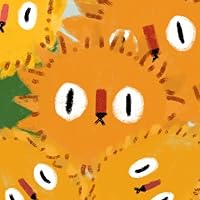
This is a random book that my sister happened to grab from a library book sale. I will admit that I’m reading this one for a reading challenge, and the prompt is “book outside your comfort zone.” I don’t read much translated fiction and I hardly read any books that were published in the 1970s, so this one definitely checked the box. Since I don’t read back of books, I was pleasantly surprised when I learned this was a school story, as the cover gave off serious horror novel vibes.
I was honestly blown away by the relevance of this book. Despite it being penned some time ago and it using some offensive language throughout, this book tells a timeless tale of teachers fighting battles for their students. This one almost reads as a series of short stories featuring the same characters and interconnected issues. We are constantly jumping through time and most chapters contain their own message and ideas that stand on their own while adding to the greater picture. It reminded me of the “Jungle Book” in that way.
Ms. Kotani and several of her colleagues go to great lengths to assist their students. Many of the kids that go to their school live in poverty and the school itself is located next to a refuse incineration plant that leaves constant pollution in the school’s wake. Ms. Kotani fights to include those with mental illnesses, raises money when the children are in need, and even goes as far as helping children bathe who can’t go to the bathhouse on their own. She is really the sweetest thing, and it warms my heart that people like her are in charge of our kids.
The way the kids rally together is also inspiring. Whether they are trying to catch a rat, supporting their classmate, hunting for pigeons, or fighting for their rights, these kids put their whole hearts and souls into everything that they do. The things these kids accomplish together is amazing, and a great reminder that the kids are alright. Our future is in their hands, after all.
There are a few rather negative things I want to address, so let’s get into it. Since this book was penned in the 1970s, it has some rather negative outlook on kids with disabilities and handicaps. The r-word is used, some teachers say some insane things about Ms. Kotani’s student, and physical abuse towards such kids is discussed in detail. It pains me to see such a negative outlook, but I’m glad to see the ways of the past trapped in paper. I am happy to report that Haitani seems to be very forward thinking with the way they have Ms. Kotani deal with the entire situation.
Corporal punishment is also very much present throughout the course of this book. This is always hard for me to read about, but just a forewarning for those that need it. Some animals, including frogs and dogs, are also severely injured and killed in this book.
And I guess I need to address the flies. I must say, I wasn’t a huge fan of the flies, but I certainly learned some things about them. There are depictions of soooo many flies in this book in all stages, so if you are bug squeamish, this probably isn’t the story for you. The cover does a great job of hinting at that, at least. I thought it was cool how an optionally mute kid like Tetsuzo can express so much through his flies. The research he does about flies was also fascinating to me, even if I don’t personally like them. I can’t say I like these insects, but they do add some interesting things to this book that I wouldn’t have ever thought up on my own.
Before I go, I wanted to take a moment to say that this one reminded me of the show “Abbott Elementary.” They both showcase teachers in poor neighborhoods who fight to get the very best for their students. I think if you appreciate the messages in that show, you would also appreciate the messages in this book (or vice versa).
Overall, I was surprised by this quirky little book that is “A Rabbit’s Eye.” I went into it with vastly different expectations, but am glad to say that I left this pleasantly surprised by the school story found within. At its heart, it’s a story about teachers and students helping one another. It shows that everyone can learn from one another, no matter how old or how knowledgeable they think they are. The flies are gross, but they are also fascinating. If you are a fan of school stories, prevailing underdogs, or TV shows like “Abbott Elementary,” I highly recommend checking this one out!
Поучительная и добрая книга. Она подойдёт для чтения как детям, так и взрослым -- каждый сможет вынести для себя немало уроков во время её прочтения. Автор рассматривает такие значимые темы как дружба, смелость, толерантность и терпимость к другим, честь, активная гражданская позиция, верность себе и своим идеалам, взаимопомощь и многие другие. Повествование построено простым языком и описываемые события являются вполне житейскими, отчего диалог между читателем и персонажами выстраивается легко и непринуждённо
Каждый участник истории вне зависимости от возраста обладает собственной харизмой, индивидуальностью, неповторимым взглядом на мир, однако их общими чертами можно назвать доброту, небезразличие, любознательность и сострадание к ближнему. Проживая несколько недель вместе с героями и узнавая их ближе, читатель неминуемо проникается симпатией к ним. Эти дети и некоторые взрослые умеют дружить, быть искренними и открытыми, признавать ошибки, проявлять интерес к ближнему, быть командой и помогать друг другу.
Весьма запоминающийся эпизод в этом плане с появлением особенной девочки в одном из классов школы. Неподдельный интерес и восхищение вызывает то, какой путь проходят дети: от удивления, непонимания и потешания до сочувствия, принятия и тёплой привязанности. Причём большую часть работы над собой дети выполняют самостоятельно, классная руководительница не стоит с палкой над ними, а создаёт условия для знакомства детьми с непохожей на них девочкой, предлагает им встретиться со сложностями. И класс отлично справляется с этой задачей.
В целом мне нравится подход учителей к обучению в романе "Взгляд кролика": они открыто говорят с учениками на самые разные темы, не пытаются обманывать детей или подавать информацию, предварительно подретушировав её, подать под "правильным" углом. Существует расхожее, хотя и ошибочное мнение, что дети ничего не понимают и в разговоре с ними нужно избегать сложных тем и понятий. Часто детям придумывают нелепые объяснения или присказки, не поясняя при этом сути вещей и не добавляя понимания. В этой же японской школе совсем другой подход.
Мне кажется, что он достаточно адекватный и щадящий по отношению к детям: ведь в доверительном диалоге ребёнок вместе с учителем рассуждает на волнующие его темы, ищет решения, имеет возможность определить для себя отношение к какому-то явлению и выражает свою точку зрения. Разговор с ребёнком не должен быть с позиции сверху-вниз, потому что он объективно может не обладать достаточными знаниями по какому-либо вопросу и не иметь равнозначного жизненного опыта (что очевидно), но это не делает его автоматически глупым, а его образ мышления незначимым.
Многочисленные эпизоды, из которых состоит полотно книги, прекрасно иллюстрируют мою последнюю мысль. Кажется, что для взрослых взаимодействие с детьми порой может стать откровением, хотя и обратное влияние велико и трансформирующе. Своими поступками и помыслами ученики производят реальные изменения в окружающем их мире, а также подают пример преподавателям и родителям. Ведь как говорится в предисловии:
"Не нужно быть Буддой, чтобы взглянуть в глаза кролику и увидеть мир его глазами".
В чём проблема литературы, описывающей производственный процесс? Чаще всего — концентрация на чём-то определённом, словно ничего другого не существует. Если это детектив, то расследуется одно преступление. Если книга про медиков, каждому случаю долгое и продолжительное описание отдельной главой или целой книгой. Если про школу — рассказ о буднях учителей, готовых заниматься разрешением проблем учеников, ни на что другое не обращая внимания. Если бы литература описывала действительность, кто бы стал читать, как полиция задыхается от обилия сваленных на неё дел, а перед глазами медицинского работника каждые десять минут появляется новый пациент. Читать о таком потоке быстро сменяющихся ситуаций мало кому будет интересно. Вот и среди учителей не может быть такого, будто можно полностью сконцентрироваться на определённом классе, а то и вовсе на единственном ребёнке. Что остаётся делать? Создавать произведение по мотивам имеющего или имевшего место быть, о прочем вовсе забывая.
У Кэндзиро Хайтани был продолжительный период преподавания в начальных классах. Он с полным правом мог писать, поскольку знает о школьных проблемах из собственного опыта. Будем считать, использовал для книги настоящие случаи, если не полностью, то частично. На этой основе должен был быть воссоздан тот мир, с которым читатель теперь сталкивается, начиная знакомиться со «Взглядом кролика». А это особый мир — пространство для молодой учительницы, только начавшей вхождение в профессию. Перед нею дети заводчан, имеющие особо тяжёлый склад характера. Есть среди них такие, кто живёт отлично от других — скорее всего в силу склонности к аутизму. Как до таких детей достучаться? Об этом Хайтани и предлагает задуматься. А так как у молодого учителя нет необходимости заниматься другими детьми, представленными в виде общей кучи, находится много времени для воспитательной работы с проблемными.
The story of Kotani sensei, a young teacher that starts her job in a primary school in Japan, "兎の眼" is a feel good story where many of the teachers care about the students, the students try their best, and, becoming a team with teachers that care for them, develop positively, even the ones "left behind" by society (because they are poor, or have more difficulty learning, etc., etc.). It is all a little bit like a fairy tale (come on, not all people with bad jobs, or badly paid jobs, are pools of knowledge that you can't learn at school, and everyone is too happy-go-lucky for my taste), but maybe because of this, you can't help but kind of care for the students and the teachers, and the parents of the students, and the ones that live in horrible conditions because of the processing plant. If you want to feel hopeful and believe the system is responsible for all the bad things, and not people (as if people didn't create/maintain the system) this is a great read for you.
The best: its hopefulness
The worst: its hopefulness
Alternatives: all the Japanese drama/manga around amazing teachers, like "Great Teacher Onizuka" or "3年B組金八先生" (Kinpachi-sensei)
Одна из лучших детских книг, что мне попадались. Добрая, забавная, умная. Написана простым, но очень красивым языком, который оценит и начитанный ребенок 10-14 лет, и взрослый. Идеальное чтение для детей, родителей и педадогов любого направления.
Этот роман очень наивный, но очень добрый и окрыляющий.. И я была очень удивлена, узнав, что японские чиновники тоже объединяют и закрывают школы как им заблагорассудится, наплевав на интересы людей. Раньше отчего-то казалось, что у них принято делать харакири немедля, если интересы людей были ими нарушены)
A very uplifting book. There are a lot of unanswered questions in the end, but it doesn’t leave you unsatisfied. You just think they’ll figure it out. Heartwarming story about kids and their teachers and parents who grow as people through empathy and unity.
Fantastic novel about the joys and hardships of teaching. Essential insight into the unique challenges of teaching kids with particular needs. Charming, beautiful, richly rewarding.
Heavily emphasize the moral quality of this book. There is a right and a wrong, and the author is telling you it. They are not showing, mind you; they are telling the story. I wanted more from the joint perspectives, it was the best part of the book! Moving around from teacher to student to different teacher kept the world alive and breathing. The drama felt historical and poignant and I loved the accuracy of the book’s depictions of characters and places. It is a shame the accuracy is so promotable, since the story itself then atomizes truthfully as an opinion piece about pedagogy. It affirmed a lot of my views and some times made me question them, but ultimately had little ideological movement and held onto its position fast.
I thought 2016 was the year of novellas for me, but it unwittingly transformed into the year of translations: so far I’ve read works from Chilean, Mexican, Danish, French, and in this case, Japanese authors. This story about a young, earnest, and kind-spirited teacher finding her footing in her first year of teaching the first grade introduces heartwarming lessons about judgment, class, and believing in youth. The young teacher, Ms. Kotani, finds advisership in the unorthodox teacher, Adachi, and adopts some of his approaches as her own as she tries to reach out to a reticent boy whose main hobby is breeding different species of flies. The school is situated right next to a disposal plant, and this serves as a backdrop for the novel in terms of the social issues it brings. I think a lot of new teachers and those who are in education programs would get a lot out of this novel (if they can appropriately identify Mrs. Kotani's blatant favoritism of Tetsuzo as problematic-- but then again, maybe it isn't as frowned upon in Japanese culture). I also think it is good for people to read this who have loose ties to the education community, in order to give them insight on the criticisms and obstacles new teachers face-- especially in a time where teachers are so disrespected and undervalued.
My biggest criticism of this novel is that it is very heavy-handed and at times contrived, but the translation may be culpable for this complaint (and I admit I am ignorant to the obstacles presented in translating from Japanese to English). Ms. Kotani's dialogue relaying the fly information read like a an excerpt directly copied and pasted from Wikipedia into the manuscript, surrounded by quotation marks-- it did not flow as plausible conversation. The best example of this is when both she and Mr. Achedie find out that Tetsuzo refers to one of his nameless breeds as “scuttle flies”— an actual documented nickname for them. Mrs. Kotani spews a litany of facts about them. I'm also still unconvinced that the title, which is derived from pg 86, is the most appropriate. I think it bears little weight on the novel as a whole. The ending and epilogue were not as satisfying as I wished, too. Though I am usually all for an ambiguous ending, a story like this felt like it should have clarity in its closure. Haitani introduces marital conflict between Ms. Kotani and her husband as a provocative subplot, but it never really gets resolved. I would like to have seen that developed more, as balancing work life and personal life as a new young teacher is an identifiable and pertinent issue among his target audience. Overall, Haitani's ambitions to illuminate the issues in the education system (in Japan and the US alike!) were successful, but the writing, pacing, and resolution of the story fell a little short.
Ms. Kotani is a young teacher whose first teaching job serves up more than she expected. The school district includes the families who live and work in the disposal plant, and their children – in some cases – require some special attention. One of Ms. Kotani’s pupils, Tetsuzo, is obsessed with flies, and this causes problems when one of the other children inadvertently feeds the flies he’s been breeding to the classroom frogs. Tetsuzo’s resulting outburst (in protest) is viewed by most staff as aberrant, violent behavior, but Ms. Kotani takes it upon herself to try to understand Tetsuzo better. In the process, she comes to understand the hardships of the children who live around the disposal plant, befriends them, and begins to make a difference in their lives. They respond to her methods, and the class learns how to care for each of its members – a valuable lesson for anyone of any age.
This deceptively simple story of Ms. Kotani’s struggles as a first-year teacher is hard to put down. Her dedication to her students goes beyond the call of duty – she takes time out of her own schedule to visit them at home, to meet with their parents, to help them with their studies (before and after school). It’s also interesting to note the cultural differences in the Japanese classrooms/schools (the students take more responsibility for their schools – cleaning the classrooms, serving school lunches, etc.). I found this somewhat strange, but also quite compelling – possibly because it made me wonder how accurately it reflected the actual educational system in Japan. Its author, Kenjiro Haitani, is an advocate for chidlren’s rights, and a former teacher himself. I’m still not sure what “A Rabbit’s Eyes” refers to.
I would give this more like 3 1/2 stars if that were possible. It is a story about a young teacher in Japan as she struggles with reaching 2 students with disabilities and injustices of the society. It is almost a coming of age for the teacher. She learns that for her one student (most likely autism or Asperger's) that she has to reach him through his special interest, flies. Through flies, she teaches him to write and draw. Through experiments that she encourages he gains more knowledge that he shares and uses to help others. Through another student with more severe disabilities she teaches her class and society that everyone deserves a chance and that everyone must support each other vs. try to remove others because they take more time or resources.
I liked the book until the end, where the ending including the epiloge, felt unresolved.
I found the book, while I was looking for a book about young teacher in the school (maybe someone have more suggestions related to the topic). When I succeeded to do it, I brightened up when I found out that the author is the Japanese. The book is penetrated by the Japanese outlook and virtue. The message is the accepting and understanding of other people, who can be completely different from what you used to, which is only a starting point. The aftertaste is subtle, although pleasant and I would even say life-affirming.