The olive groves of Belchite rise fed by the blood-soaked land left behind by the Spanish Civil War. Roving from the deep shadows of the war that changed the face of Spain to the financial wars of today's global economy, Los olivos de Belchite tells the story of how the past can plague our lives, and of the battles that must be waged once the fighting has ended. Multi-layered and impeccably paced, the novel unfolds at a galloping stride between Spain and the United Kingdom, between, vineyards and olive groves, merging periods and topics within the framework of an unexpected love story. Elena Moya's masterful tale is the saga of three women who confronted Franquismo and its vestiges.
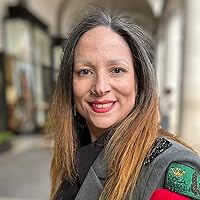
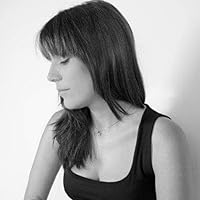
Elena Moya Pereira nació y creció en Tarragona, Cataluña, en los últimos años de la dictadura franquista. Se graduó en periodismo en la Universidad de Navarra y fue galardonada con una beca Fulbright para realizar un máster en periodismo financiero en Estados Unidos. Realizó una diplomatura en Creative Writing en el Birkbeck College, de la Universidad de Londres.
Trabajó en periódicos de Barcelona (El Periódico de Catalunya), Reno, y se estableció en Londres en 1998. Actualmente es reportera de negocios para The Guardian, tras haber trabajado en las agencias de noticias Bloomberg y Reuters.1
Desde 2012 escribe informes financieros para gestoras de fondos de inversión. Imparte conferencias sobre Economía y Finanzas, Periodismo y Literatura.2
En todos sus libros aporta una visión histórica donde visibiliza y reivindica a las mujeres como Victoria Kent, Clara Campoamor, Margarita Nelken y la Residencia de Señoritas.
A delicious love story is the excuse to explain the past and the present of Catalonia and Spain, and the bad influence of the Opus Dei sect in the lives of many people. Really enjoyable.
A very interesting read. From the moment I started this book I was hooked, I wanted to know where the lives of these people would lead them.
Elena describes the characters with wonderful detail, you can feel yourself really getting to know them. Her writing allows you to draw on every emotion including empathy for the characters situations. I like the way she put their thoughts in italics, as in life the hidden conversation going on behind the ‘heard’ version… how we say things and most of the time mean the complete opposite, the unsaid word.
Throw in the heritage of the Spanish history that is still haunting the characters to this day, of which I had no prior knowledge and you have both a fascinating learning experience as well as a cracking good yarn.
It has left me with lots of thoughts. I think the sign of a good book is that it is not lost from your thoughts the moment you close the last page, but lingers there for any number of reasons and affects the way you see your day to day life. I will certainly be giving it more thought.
This book was my fav of the books we’ve read in Spanish this semester. It has a lot of the drama and romance which I like in books I choose for myself and incorporates history which I find interesting. It was especially cool to see how the author portrays a lesbian relationship with the expectations of Spanish society after Franco’s rule.
This was much easier to read than the other Spanish books but it seemed like it was directly translated to Spanish so it used a lot of English idioms/sentence structure that I felt weren’t completely authentic to the Spanish language. Butttt this did make it easier for me to read since I’m not a native speaker.
I will say I hated the third act twist. It was soooo stupid and the resolution felt very abrupt and incomplete. But good story overall!
Me ha encantado. La combinación auténtica del mundo del vino, del aceite, Cataluña, Aragón y Londres con los entresijos familiares de la guerra civil, el Opus Dei y el amor sáfico me ha cautivado. El estilo de escritura no del todo, me resultaba algo forzado a ratos con tantos pensamientos entrecomillados, el desarrollo previo de los personajes de María y Jordi me restaba credibilidad pero por lo demás la historia me ha atrapado y me lo he leído en dos sentadas.
This entire review has been hidden because of spoilers.
Que vale que es hasta predecible , pero la historia de Basililda y soledad. Conchita y María me ha tenido en vela.
Una historia de familia , y secretos . De la guerra civil , cava , Olivos y lesbianas. Rozan poquito el tema del opus y quizás me hubiera gustado que indagaran más en ello, aunque Jordi le daría más protagonismo y creo, que ninguno necesita.
This entire review has been hidden because of spoilers.
Interesante novela en al que una historia de amor lesbiana se mezcla con recuerdos de la Guerra Civil Española y una crítica del Opus Dei. Rica en contenido autobiográfico. Es importante resaltar que el original fue escrito en inglés y que ésta es una traducción.
Me pareció una novela interesante ya que tiene contenido histórico a lo que fue la Guerra Civil Española y los años de la dictadura de Franco. Muestra como la sociedad estaba dividida en dos bandos y la destrucción de vidas por la guerra e ideologías.
Si bien la historia del libro me resultó entretenida y se lee bien, es bastante previsible y además no me gusta la forma en que la autora deja a la sociedad española, como si viviésemos hace 50 años y tuviésemos aun el pensamiento cerrado de la época franquista.
Novela costumbrista sobre la herencia de la guerra civil en los pueblos y familias españolas. Tiene una lectura agradable y cómoda, pero quizás mezcla demasiados temas....
Buen culebrón “suavecito”. Me gusta cómo mezcla las visiones de los protagonistas y te van conformando una historia desde varios prismas; tienes varias opciones para empatizar.
-Solo hay una cosa que no alcanzo a comprender, María, por muchas vueltas que le dé — dijo Conchita antes de llegar a la casa. - ¿Qué es, madre? - Que no coma jamón.
Lectura entretenida en la que la autora ha logrado combinar costumbre, vida en el pueblo, empresa familiar, Opus Dei y realidad en la banca. He pasado un buen rato con su lectura.
This book is a good introduction to important aspects of Catalan and Spanish history, especially the horrors of the 1936-39 Civil War, and is highly recommended for people unfamiliar with Spain and how its tragic past influences the present. For those of us who live here, however, it is more like a soap opera, reminiscent of the popular Spanish TV series Cuentame. The characters as introduced are almost absurdly clichéd, and only a few develop beyond stereotypes. Some parts of the story required serious suspension of disbelief. Several plot strands lead nowhere. The depiction of London and Barcelona are romantically rose-tinted. The Opus Dei priest is wonderfully slimy, while the wicked Duke is a great Baddie. Although written and first published in English, rather than formally translated from Spanish or Catalan, the text frequently betrays the fact that the author is non-native speaker; her use of language actually comes across as quaint, and does not diminish one's enjoyment of a basically chick lit tale of women battling against adversity, mostly in the shape of men(!)
Interesting subject matter - The wounds left by the Spanish civil war as it impacts on the life of Maria & those around her. This is something that I had never thought about or considered might still have left scars. The book also looks at clashes between various cultures - traditional spanish, modern spanish, Franco & the Reds, Gay & straight, etc. The book is told from the point of view of a number of different characters; Principally Maria the grand daughter - engaged to Jordi the old fashioned Catholic & Opus Dei member, but also her mother, Grandmother and Jordi. The writing was occasionally clunky and the book had a few typos. Despite the this it drew me in and I finished it in a few sessions. I want to understand more about the civil war now - especailly from the Spanish viewpoint - I've only read the stores of British & American supporterss & observers.
Kind of a slow start but once u get about 40% the way in, it starts 2 go pick up in all ways. I advise everyone reads it, especially anyone interested in understanding Europe.
Even though I don't have anything in common with the Spanish characters in this book (Opus Dei young people, they're not precisely the typical Catalan, you know), this novel struck home. It's a great depiction of how Spain is still living under the shadow of the civil war, and the many untold stories that will be lost in the years to come. I read it in Catalan, only finding out later that it was originally written in English. That made a lot of sense, because had it been written in Catalan, probably many characters would speak in Spanish, as a characterization device. Anyway, I'd recommend this book in any language.