The Condemned of Altona is an act of judgment on the twentieth century, which might have been an admirable era (the closing lines tell us) if man had not been threatened by 'the cruel enemy who had sworn to destroy him, that hairless, evil, flesh-eating beast--man himself. 'All the characters in the play are defendants, trapped inside the frame of the proscenium as securely as Eichmann within his glass cage in Jerusalem; their judge is the past, and its verdict is without mercy. Two death penalties are imposed, and one sentence of solitary confinement for life. The stage, as so often in M. Sartre's hands, becomes a place of moral inquisition, at once a courtroom and a prison.
Jean-Paul Charles Aymard Sartre was a French philosopher, playwright, novelist, screenwriter, political activist, biographer, and literary critic, considered a leading figure in 20th-century French philosophy and Marxism. Sartre was one of the key figures in the philosophy of existentialism (and phenomenology). His work has influenced sociology, critical theory, post-colonial theory, and literary studies. He was awarded the 1964 Nobel Prize in Literature despite attempting to refuse it, saying that he always declined official honors and that "a writer should not allow himself to be turned into an institution." Sartre held an open relationship with prominent feminist and fellow existentialist philosopher Simone de Beauvoir. Together, Sartre and de Beauvoir challenged the cultural and social assumptions and expectations of their upbringings, which they considered bourgeois, in both lifestyles and thought. The conflict between oppressive, spiritually destructive conformity (mauvaise foi, literally, 'bad faith') and an "authentic" way of "being" became the dominant theme of Sartre's early work, a theme embodied in his principal philosophical work Being and Nothingness (L'Être et le Néant, 1943). Sartre's introduction to his philosophy is his work Existentialism Is a Humanism (L'existentialisme est un humanisme, 1946), originally presented as a lecture.
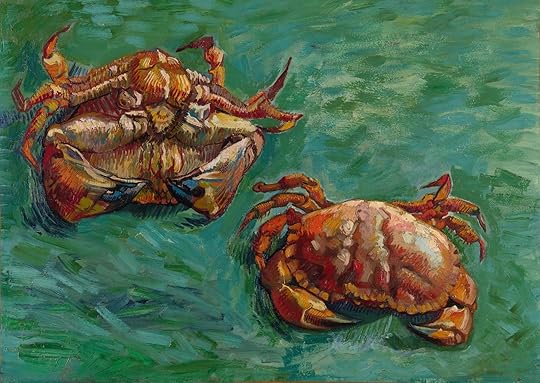
لوحة السراطين لفان جوخ في بيتٍ ذابلٌ كلّ شيءٍ فيه إلا الجنون وفي مدينةٍ أحرقت العالم ، ودمرّت حيواتٍ وحيوات تعيش أشباحٌ سجينة أنفسها والعالم تهذي بأدمغة من بارودٍ ودم
أنحنُ أحرار أم أسرى؟ هل نحن بالفعل مالكون لقياد حياتنا؟ وإن كنا كذلك فلأي مدى؟ وإلى أي مدى تكون مسئوليتنا عن أفعالنا كذلك؟
هل نحن بالفعل أحرار؟ أم أننا أحرار فقط في اختيار قيودنا؟ وبالتالي نحن أسرى إلى الأبد
في هذه المسرحية يحاول سارتر الإجابة معنا عن ذلك
تظهر وجودية سارتر وأفكارها واضحة عن مفهوم الحرية وتحمل المسئولية تشم فيها رائحة عرقه المغسول بدماء الحرب كان سارتر بين صفوف المقاومة الفرنسية في الحرب العالمية الثانية لقد عاني ويلات الحروب وذاق بشاعتها ولم تتركه تجربة الحرب كما كان
لذا كان يتوحد أحياناً مع شخصية فرانتز في المسرحية بل إن حديث فرانتز مع سراطين البحر طوال المسرحية كان محاكاة لبعض الهلاوس التي كانت تنتاب سارتر عنها
في هذه المسرحية كان سارتر يدين حكومته الفرنسية أكثر بكثير مما كان يدين ألمانيا النازية وفظائعها فوحشية الجنود في التعامل مع البلاد المحتلة وقت هتلر كانت رمزاً للوحشية التي تمارسها فرنسا مع الجزائر وهذا ما كان سارتر يحاول توصيله
الحوار كان فلسفيا خالصاً بنكهة اجتماعية سياسية والشخصيات كما هي عادة سارتر في غاية الإضطراب والتهيج النفسي فنجد ربّ الأسرة المحتضر الواشي والعنيد والحزين كذلك والأخت الغارقة في حبٍ محرّم لأخيها والأخ الغيور المعقد نفسياً والزوجة الحائرة والباحثة عن حقيقة أو معنى والأخ الأكبر المجنون والتي أحالته وحشية الحرب ووحشيته هو نفسه إلى شخص مخبول يغلق عليه غرفته لأكثر من 10 سنوات بلا رغبة في الاندماج مع المجتمع يحادث سراطينه ويعلق صورة هتلر فوق رأسه يوقف الزمن بين الأربعة جدران حوله ويختبيء مجازياً من ذنوبة وويلات الحرب ومادياً من محاكمته بتهمة تعذيب الأسرى في المعتقلات النازية و أنت طوال المسرحية مندمج معه في عواطفه تماماً تكرهه حيناً وتقع في حبه أحيان
تتطور الأحداث لتنتهي بقرار الابن الانتحار في وقت واحد مع أبيه حيث اكتشف أخيراً أنه كان مجرّد صورة باهتة منه وأن قدره كان قد خُط سابقاً ومأساته مرسومة على أفق دنياه و لذا يقرر حرق الصورة والأصل في وقتٍ واحدٍ ليترك ليني الأخت صاعدة إلى غرفته لتبدأ حدوتة أسير آخر ، وعزلة مجنونة جديدة
السراطين في المسرحية كانت هاجساً لدى سارتر لقد عانى الرجل من انهيارٍ عصبي وبقى يتخيل السراطين تزحف من حوله وتطارده طيلة الوقت وقد أتاحت له المسرحية وذكريات الحرب البشعة وفظاعات فرنسا ضد الجزائر استعمالها كرمز ذي نكهة مختلفة ومثلت للبطل سلالة جديدة ستملك الأرض وما عليها بعد فناء الجنس البشري ربما كانت رمزاً لألمانيا التي أرادت احتلال العالم والتفوق عليه بعنصرية ووحشية ربما لم يسبق أن كان مثلها على الأرض
درامياً كانت هذه المسرحية جيدة إنما ليست بجودة مسرحيات أخرى وعلى رأسها رائعته الجحيم
وإن امتازت المسرحية بحوارات ممتعة وشيقة وخاصة حوارات فرانتز مع ليني ،ثم مع جوهانا
كما كانت هناك سطور عميقة أختار منها
~~*~~ إنني أكره الضحايا حين تحترم جلاديها
~~*~~
ماذا يفعلون على الأرض أولئك الأقوياء بشكل عام لا يفعلون شيئاً إنهم أناس يعيشون بطبيعتهم في صداقة مع الموت إنهم يمسكون بمصير الناس بأيديهم
~~*~~
كان الأبرياء في العشرين من العمر ،كانوا الجنود وكان المذنبون في الخمسين ،كانوا أبائهم
This play features characters that evolve in an ambiguous and dark atmosphere. This fact may be called a bourgeois drama, but it is particularly long, too much for a performance. It's a play to read, more than a piece to see. The oath of the beginning is a parody that immediately sows doubt in the mind of the reader or spectator. Afterward, we will see that the characters cannot communicate with each other and that the couples are poorly matched (Johanna and Werner) or incestuous (Frantz and Leni). The theme of the lie is recurrent throughout the play. Frantz is an allegory of madness: he communicates with imaginary and fantastic characters, the eternal, hybrid nature, half men, half crabs. Through them, he expresses himself and testifies to a story where he was an actor. He even identifies with them. The crab becomes a symbol of unreason with its biased approach. Sartre recognizes that Frantz is a writer's voice and defines it as: "My main character is a former German officer, to whom I have lent a great deal (courage, sensitivity, culture, a Puritan morality) and who pretends to have gone to the crime to save his country from mortal danger. This act is all the more reprehensible: one can find explanations for it, not a single excuse, on the other hand, its voluntary sequestration, the eagerness to lie, and its so-called folly-which is only vain effort to embroil the mind - everything proves that he has long been aware of his crime and that he is exhausted in defending himself before invisible magistrates to hide the sentence of death he has already brought on himself". With a capital letter, the Father represents the very type of pater familias. He is a natural leader who regulates everything militarily through fear and fascination. It is authoritarian, attached to old-fashioned values, and castrates, preventing freedom of action under a protective exterior. In the play, he leads the game like an intra-diegetic playwright. Johanna is the wife and daughter-in-law, a stranger to family and home. She is less easy to handle, even if she does not escape the tragic fate of her siblings. Nevertheless, it reveals that his awareness brings events to the public's attention; she asks the right questions. Leni customizes the bridge between the complexity of the play and its spectators or readers, providing them with keys to interpretation. On the other hand, Werner illustrates submission to the Father, passive obedience, and unconditional filial respect. Yet his modern office represents Germany's reconstruction, like an airlock between family confinement and the outside world. Sartre utilizes the stage space and sets with originality, and the script is both developed and precise. Thus, Frantz's room resembles a cell, but its disorder reveals a hint of bourgeois luxury. The bathroom becomes a place where one hides, like in a skit. The clock plays the role of essential disturbance. The space division highlights the difficulty of exchanges; the doors are closed between the living room on the ground floor and the bedroom upstairs. The show illustrates the "bourgeois conventional" and conservative framework par excellence with its fake luxury; the room symbolizes the disintegrated universe of madness. The games of light are essential throughout the play. The sanctuary's theme is recurrent: all characters are confined to the family house and, therefore, within the family unit, except the Father. He can travel to Leipzig to meet the needs of his company. The Father wants to retain them even after his death by engaging them with the word given at the beginning. As for Frantz, he is in a state of voluntary sequestration, a minimal form of survival. Besides, the family configuration, particularly suffocating, is an opportunity for Sartre to propose a critique of the oppressive universe of bourgeois families, showing especially the disastrous consequences of paternal behavior. To conclude this masterful work, I very much want to take the academic approach of Sartre while quoting him: "None of us was hangman but, in one way or another, we were all accomplices of this or that policy that we would disavow today. We too are running away, and we are continually asking ourselves what role we have played - as small as it has been - in our history, which we do and which tears and deviates from actions that we must recognize. For ours. [...] how will the invisible magistrates - our little sons - judge us? In this sense, Frantz, an extreme case, a fugitive who relentlessly questions his historical responsibilities, should, if I am lucky, fascinate and horrify to the extent that we resemble him ". The author should highlight collective guilt and our proximity to monsters to demonstrate that everyone has a role in the world's theater. We should reflect not only on our history's responsibility but also on history's effect on our behavior and perhaps on its possible absurdity.
اردوگاه ها كافي نبود! كوره ها كافي نبود! جلادها كافي نبودند! تو با بخشيدن چيزي كه مال خودت نبود به ما خيانت كردي؛ هربار كه تو به زندگي يكي از افراد دشمن رحم ميكردي، ولو اينكه توي گهواره بود ، خون يكي از افراد ما را مي ريختي. تو خواستي بدون نفرت بجنگي و آنوقت با نفرتي كه مثل كرم به جانم افتاده است خونم را گنداندي. اي بد سرباز، فضيلت تو كو؟؟ شرافت تو كو؟؟ مقصر توئي! خداوند تو را نه از روي كارهايي كه كرده اي، بلكه از روي كارهايي كه جرات كردنش را نداشته اي محاكمه ميكند؛ از روي جنايت هايي كه ميبايست بكني و نكردي! مقصر تويي !
گوشهنشینان آلتونا نمایشنامهی بسیار خوبی در زمانهی بسیار بدی بود برای من. متاسفانه چنین نمایشنامه خوبی رو تو یکی از بی حوصلهترین و قعرترین دورههای زندگیم خوندمش و شاید اونطور که باید، تعمیق نکردم توش. حیف.
اما تا اونجایی که خوندم و فهمیدم و حس کردم، میتونم بگه که گوشهنشینان آلتونا برخلاف شاید خیلی از نمایشنامههای سارتر، بیش از اینکه شعارزده و خشک و تا حدی سختخوان و... باشه، خیلی حالت نمایشنامهای با خود گرفته بود. منظورم اینه که تو این نمایشنامه واقعا میشه سارتر رو در وهله اول به عنوان یک نمایشنامهنویس قلمداد کرد تا یه داستان نویس و فیلسوف.
اما گوشهنشینان آلتونا چه داستانی رو در دل خودش جا داده؟ یه داستان به درازای زندگی بشر. داستانی از جبر و اختیار، ظالم و مظلوم، دورهای باطل زندگی، رابطه پدر و فرزندان و... و چگونگیِ جایگشت تمامی این موارد. به نظر من این نمایشنامه خیلی زیبا "موقعیت انسانی" که سارتر و امثال او ازش حرف میزدن رو، به یکی از بهترین فرمهای ممکن به تصویر میکشه؛ موقعیتی که هر لحظه انسان باید توش تصمیم بگیره و خودش و روش زندگیشو، ابداع کنه. موقعیتی که توش یکی ظالم میشه و یکی مظلوم و این تو عنوان نه تنها ثابت نیستن و دائم در حال تغییرن، بلکه عدم قطعیت دارند. گویی یا همه مقصریم، یا هیچکدوم.
قبلا خونده بودمش، سال ۹۸ که سرباز بودم رو��ا فرصت میشد چند صفحه بخونم و شبها داخل برجک نگهبانی تو تاریکی و تنهایی جای فکر کردن به زندگی سخت اون روزهام به سرگذشت عجیب فرانتس فن گرلاخ فکر کنم. دوباره خوندمش و همچنان کتاب شدیدن منو درگیر میکنه و باعث میشه به شکل جدی با واژه وطن ، حدود جبر و اختیار انسان روبرو بشم. قضاوت کنندگان ما چطور قضاوتمان میکنن؟! بدون درنظر گرفتن شرایطمان؟! همین.
Wohlstandsnarren im Todes- und Schuldzuweisungsrausch.
Die Eingeschlossenen von Altona gehört zu Jean-Paul Sartres schriftstellerischem Spätwerk und erschien 1959. Nach dem Drama über die deutsche Großindustriellenfamilie erschienen, jenseits von essayistischen Arbeiten abgesehen, nur noch Die Troerinnen des Euripides (1965) und der autobiographische Roman Die Wörter (1964). Die Eingeschlossenen von Altona ziehen beinahe eine Summe aus den existentialistischen Bühnenstücken um Schuld, Freiheit und individuelle Rechtfertigungslehre. Entsprechend dicht und vielschichtig präsentiert sich das Drama:
Wir hätten den [Zweiten Welt-]Krieg gewinnen müssen. Unter Einsatz aller Mittel. Ich [Franz] sage: aller. Hm, was? Oder verschwinden! Glaub mir: ich hätte den soldatischen Mut gehabt, mir eine Kugel in den Kopf zu jagen, aber da das deutsche Volk diesen niederträchtigen Todeskampf hinnimmt, den man ihm auferlegt, habe ich beschlossen, meinen Mund zu behalten, um nein zu schreien. […] Nein! Nicht schuldig!
Das Theaterstück handelt offenkundig von Feigheit und Entschuldungsstrategien, die der Großindustriellensohn Franz praktiziert, um mit seinen eigenen Taten fertig zu werden. Seit dem Ende des Krieges lebt er eingesperrt in seinem Zimmer in der Villa seines Vaters, lässt sich von seiner Schwester, die ihn liebt, bedienen und hält Monologe, die er auf Tonband für die Nachwelt aufnimmt:
Jahrhunderte, hier ist mein Jahrhundert, einsam und ungefüge als Angeklagter. Mein Klient schlitzt sich mit eigenen Händen den Leib auf: was sie für weiße Lymphe halten, das ist Blut: keine roten Blutkörperchen: der Angeklagte stirbt an Hunger. Aber ich werde Ihnen das Geheimnis dieser vielfachen Durchbohrung nennen: das Jahrhundert wäre gut gewesen, wenn dem Menschen nicht aufgelauert worden wäre von seinem grausamen Feind, seit Menschengedenken, von jener fleischfressenden Spezies, die ihm den Untergang geschworen hat, von dem reißenden Tier ohne Fell, vom Menschen.
Hier entlastet sich ein Schuldiger durch Verallgemeinerung und Pauschalisierung, durch selbstauferlegtes Märtyrertum vom eigenen schlechten Gewissen. Was Sartres Drama aber wirklich auszeichnet, bleibt die enge, klaustrophobische Stimmung im Haus der von Gerlachs, der Mikrokosmos aus Eifersucht, Eitelkeit, Gier und Angst, die durchweg zwischen den Figuren herrschen. Einzig Irrationalität, das selbstreferenzielle Begehren, leitet die Handlungsmuster – ein Außen gibt es nicht mehr. Die Maschinerie der Libido hat sich je über den Geist hinaus verselbständigt:
[Leni an Franz:] Feigling! [Zur Decke:] Maskierte Bewohner der Zimmerdecke: der Zeuge des Jahrhunderts ist ein falscher Zeuge. Ich, Leni, seine blutschänderische Schwester, ich liebe meinen Bruder von ganzem Herzen, und ich liebe ihn, weil er mein Bruder ist. So wenig ihr auch nur eine Spur von Familiengefühl besitzt, so sicher werdet ihr uns rückhaltlos verdammen, aber ich pfeife darauf. [Zu Franz:] Du Armer. So muss man mit ihnen sprechen. [Zu den Krabben:] Er begehrt mich, ohne mich zu lieben. Er geht ein vor Scham, aber im Dunkeln schläft er mit mir … Nun? Ich habe gewonnen. Ich wollte ihn – ich habe ihn.
--------------------------------- --------------------------------- Details – ab hier Spoilergefahr (zur Erinnerung für mich): --------------------------------- ---------------------------------
Inhalt: Werner (W) und seine Frau Johanna (J) spekulieren mit Ws Schwester Leni (L) über den Gesundheitszustand ihres Vaters (V). Er hat Kehlkopfkrebs und hat noch 6 Monate zu leben. Er überträgt W sein die Geschäftsleitung des Werftunternehmens, da der älteste Sohn Franz (F) verstorben ist. J protestiert, denn mit dem Erbe wird W noch die letzte Freiheit genommen, vor allem will sie nicht in der Villa wohnen bleiben. V befiehlt das aber, denn, so kommt heraus, der verstorbene Sohn ist gar nicht verstorben, sondern versteckt sich vom Gesetz. V,F und J haben sich in eine Schuldlage gebracht. V hat den Nazis ein Gelände verkauft, auf dem sie ein KZ errichtet haben, als F einen entlaufenen Gefangenen versteckt, verrät er diesen vorsichtshalber an die Nazi, um seinen Sohn zu schützen, der so nur an die Front in Russland muss, wo er Zivilisten gefoltert hat. Von dort kehrt er zurück und schlägt einen alliierten Soldaten krankenhausreif, als dieser gegenüber der provozierenden L handgreiflich wird. Wieder muss F das Land verlassen, nämlich nach Argentinien, so die Vereinbarung, doch der Tod des Sohnes wird vorgetäuscht, seitdem lebt er zurückgezogen, unsichtbar für alle anderen in der der Familienvilla, behütet von seiner Schwester, die ihn liebt. Die Schuld des Vaters steht am Anfang, die der Schwester in der Mitte, und als dynamisches Element wird nach und nach die wahre Schuld des ältesten Sohnes thematisiert. W ist der unscheinbarste von allen, und J hat nur als Leiche im Keller begraben, ihren Wunsch von allen bewundert werden zu wollen. Sie war einst Schauspielerin in Hamburg. Die Krabben in der Zimmerdecke stehen für die Nachwelt, vor der auch J gut dastehen will, wie auch F. Eigentliches Thema des Dramas heißt aber, wie der Schuld ausgewichen wird und was es bedeutet, wenn böse Taten nicht durch manifeste Strafen gesühnt werden. Der Vater hat einen KZ-Insassen in die Hände seiner Häscher getrieben und kommt straflos davon, und Franz hat gefoltert ohne Konsequenz. Beide verlieren die Freude am Leben, bleiben aber am Leben, weil sie eine Ersatzsühne vortäuschen: V, dass er die Abwesenheit seines Sohnes erduldet; F, dass er sich einreden lässt, Deutschland liegt in Trümmern. Erst als F den Vater wiedersieht und J Franz sagt, dass Deutschland reich geworden ist, müssen sie Hand an sich legen und bringen sich am Ende des Dramas mit einem Porsche um, während Leni die Konsequenz aus ihrem Inzestbegehren zieht und sich in Franz‘ Zimmer einsperrt. Die Allegorie liegt auf der Hand: Deutschland, als kriegsführende Nation, als Angreifer, ist nun reich und wohlhabend, aber untot. Die Schuld wird nicht eingestanden und deshalb, so die Theorie Sartres, versinkt alles in Beliebigkeit und Todesversessenheit. Auf die verbrecherische Tat folgte keine Strafe – der Angriffskrieg wurde sogar belohnt. Thematisch hier wird Luthers Gnadentheorie, der eine klare Absage erteilt wird. --> 4 Sterne
"ای کودکان زیبا، شما از ما بیرون آمده اید، شما را دردهای ما ساخته اند. این قرن زن است و می زاید، آیا مادرانتان را میخواهید محکوم کنید؟" . "-پدر، شما مرا از خود میترسانید: شما از رنج دیگران رنج نمیبرید. -من وقتی از رنج دیگران رنج خواهم برد که وسیله رفع آن رنج را داشته باشم." . "خداوند تورا نه از روی کارهایی که کرده ای، بلکه از روی کارهایی که جرئت کردنش را نداشته ای محاکمه میکند: از روی جنایت هائی که میبایست بکنی و نکردی!" .
"گوشه نشینان آلتونا" میشه گفت آخرین نمایشنامه ایه که سارتر نوشته، اعتراف میکنم با بقیه چیزایی که ازش خوندم فرق داشت، بهتر بود. هرچند که علاقه چندانی به کتابهایی که حول محور جنگ جهانی دوم نوشته میشه ندارم، اما این کتاب اتمسفری رو درست کرده بود که در عین عجیب و غریبی مکالمه ها و بعضی جنون ها، امکان نداشت تا ذهنتو به خودشون درگیر نکنن. نمیدونم، اگر مثل من آدمای دیوونه رو دوست داشته باشین احتمال زیاد ازش خوشتون میاد، سارتر و کامو دیگه برا من نقطه امن محسوب میشن، حرف هاشون هر چند هنوز مرموز و پیچیده باشه اما یک رنگ و بویی داره که آشناست و از شنیدن صداشون از پشت حروف خوشحال میشم. نفر قبلی که این نسخه کتابمو خونده، اونو ۱۷ خرداد ۱۳۴۸ تموم کرده، کتاب یه جلد چرمی به رنگ آبی فیروزه ای داره که گوشه هاش زدگی دارن و عنوان طلایی اون اونقدر کمرنگ شدن که شاید از دور قابل خوندن نباشن،... دوسش دارم♡
نه می توانیم بمیریم نه می توانیم زندگی کنیم. نه می توانیم همدیگر را ببینیم،نه می توانیم همدیگر را ترک کنیم. به تنگنای عجیبی افتاده ایم. مناسب این روزهام بوداین جمله.
Sartrovo filozofsko pozorište i ovom delu daje svoju posebnu crtu. Kao što se kod Kafke ispod slojeva straha i iščekivanja krije smrt, tako i ovde, nečujno, kao po kori nekog starog drveta, poput gusenice gmiže besmisao. Koliko god da se likovi njegovih drama muče, što fizički, što metafizički, sve je uzaludno i besmisleno.
Zatočenici iz Altone je drama čija priča pomalo podseća na scenario Kusturičinog filma Podzemlje. Franc, najstariji sin bogatog brodovlasnika se krije na tavanu svoje kuće, zbog ratnih zločina, nakon Drugog svetskog rata, a (lažnu) sliku o stvarnosti mu jedino prenosi njegova sestra Leni. Njegov brat, Verner i snaha Johana, menjaju svoje živote, doseljavaju se u porodičnu kuću da bi se na najbolji mogući način prilagodili očevoj želji da upravljaju velikom porodičnom kompanijom.
Priča je ispunjena tipičnim sartrovskim scenama griže savesti, u ovom slučaju, halucinacijskim, sa utvarama prošlosti, koje progone Franca. U okviru drame saznajemo za nekoliko nivoa kolaboracije nacizma, što sa velikim industrijalcima i oproštaja nakon rata, saradnje sa saveznicima, vezama i moći koje su ostale neokrnjene uprkos učestvovanju u zločinima ili nesprečavanju.
Sartr smatra da je čovek zbir svojih činjenja. Likovi njegovih drama dolaze u različite teške situacije i primorani su da biraju i taj čin izbora je u stvari sam taj lik, ta osoba je bez obzira na sve okolnosti, opravdane i neopravdane, taj akt.
Germany's Existential Crisis 15 August 2016 - Luxembourg City
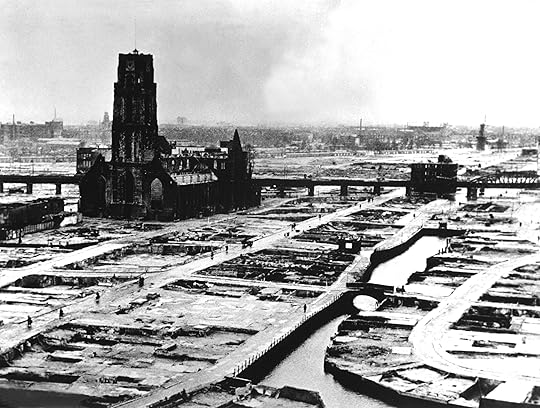
It turned out that it was quite appropriate that I started reading this play when I did, especially since I had no idea what it was about beforegand. At the time I was heading out of the Netherlands and into Belgium and had just past through Rotterdam (and spent a couple of hours there) to discover that the city is nothing like many of the other European cites but rather a modern city with basically no old city like many of the others have (including the German cities). Also, having visited some of the sites in northern France (including a Nazi bunker for the V2 rockets that has been turned into a museum of science, technology, and war) it did feel appropriate that I read the one Satre play that was about Germany attempting to deal with its war guilt.
The thing is that the Nazi's did leave quite a trail of destruction in there wake, as can be seen from the photo of Rotterdam after the blitz (basically the Dutch turned out to be a lot more resistant they originally expected so they bombed the hell out of Rotterdam and told them that if they didn't surrender then Utrecht would be next – they surrendered).
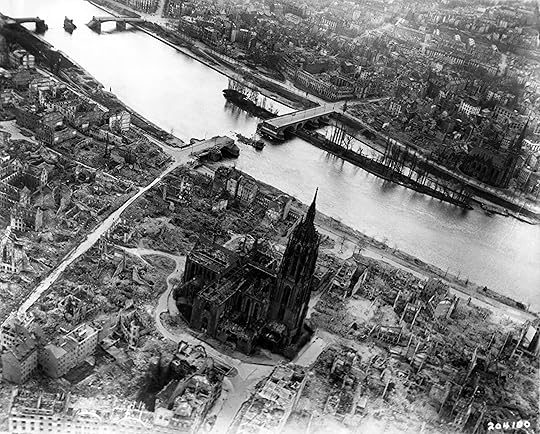
Mind you, Dunkerque wasn't spared either, but that's not surprising considering that this was where the allied forces landed up after being surrounded by the Germans. Like Rotterdam, not much was left of Dunquerke after the Nazi's had finished with it, and it pretty much shows today. Mind you, the Allies also did a pretty decent job of Frankfurt (among other German cites), as this photo shows.
Though for some reason the cathedrals always seem to survive the bombing raids, but that is beside the point because I probably should get on to taking about the play, though I do believe that what happened during the war is essential to what Satre is exploring here.
The thing is that the war did result in an identity crisis, but then again being on the losing side of a war generally has that effect upon a nation. However it actually goes much further than that, particularly since there are suggestions that the population didn't actually know what was happening to the Jews. Sure, smashing up shops and telling them to get out of the country is one thing, but wholesale genocide is almost another level of evil, though the fact that it still continues today in places such as Rwanda suggests that people, even ethnic groups, are more than capable of going to such extremes. It still makes me wonder, with all of the anti-muslim rhetoric coming from certain sectors of our community, how far they are from actually taking it one step further.
Anyway, in the Condemned of Altona we have a number of characters: the father, who happens to be a wealthy industrialist whose wealth pretty much survived the end of the war intact; the son Franz, who has locked himself in his room since the end of the war; Leni, his sister, who is the only one who is able to visit him, and in doing so has convinced him that not only has Germany been destroyed but has never recovered from the war. We also have Joanna, Franz's sister in law, who manages to get into Franz's room yet despite attempting to tell him the truth, is not believed.
This play is classic existentialism and deals with the identity crisis that faced many Germans after the war. In fact many of the younger generation had grown up not knowing any other system of government than Hitler's, and having been fed the propoganda for one and a half decades, did not know anything else. So it is not surprising that there was such a crisis after the war, particularly since many of them, after being defeated by the Allies, discovered that they were actually the bad guys. Mind you, the Allies dealt with the defeated Germany (and Japan) much better than they did after World War I, which is why both countries became industrial powerhouses. However, as a side note, it is interesting that Germany did retain conscription after the war.
However Franz is the interesting character because of this idea of right and wrong. Before the war, we discover that he hid a Jewish Rabbi in his closet to prevent him from being taken by the SS, however this was discovered. Franz's father, using his influence as an industrialist, managed to get a stay of execution as long as Franz joined the army. After the war, during the occupation, Leni is raped by an American soldier and Franz intervenes, however Leni kills the soldier but Franz takes the blame – this event is why he ended up locking himself in his room for the past ten years. Yet we see the brilliance of Satre in this particular scene because even though the Allies were 'good' and the Nazi's bad, we have this event where an allied soldier does something bad and Franz is forced to defend his sister, yet because he was a Nazi his action is immediately seen as being bad. It sort of creates a conundrum because the American is acting improperly, yet it seems as if Franz and his sister are unable to defend themselves.
Let us then consider the father because he is also an interesting character. Unlike the normal hoi poloi of the German population he was pretty much able to escape the end of the war unscathed. Mind you, quite a few of the German companies needed to be bailed out after the war (and this probably happened with Franz's father's company as well), yet due to their wealth, and the fact that they weren't the 'big bad guys' they were able to escape prosecution and continue as if nothing had happened. It is also interesting how they discuss the company because in a way the father is the company, yet Franz does not believe he can take it over because his identity does not rest with the company, but the company has taken on an identity of its own.
This is the key to the play – the question of identity. Franz's identity is a defeated soldier of a defeated power, and he simply cannot shake that identity. Leni's identity is that of Franz's brother, yet it is interesting how she plays with him in that she convinces him that there is nothing left of Germany and it only works to reinforce that identity of a defeated soldier. The fact that he hides himself in his room and refuses to speak to anybody else is an outworking of his shame at what had happened, what he had done, and what he has realised that he is.
Yet let us not forget the rape because this creates something even more problematic. Here we have the allies, who are supposed to be the good guys, doing something that good guys are not supposed to do. By intervening, and taking the blame for his sisters actions, it creates even more doubt in his mind. The allies were supposed to be good and the Nazi's were supposed to be bad, but here comes this soldier doing something that a good guy shouldn't be doing. It certainly is a question of identity but the problem here is that Franz is connecting the identity of the soldier with the identity of the country that he represents, but then again isn't that what the uniform of a soldier is supposed to mean – the actions of a man in uniform is the identity of the country that the soldier serves, therefore the actions of a man in uniform represents the actions of the country. This was the case of the school that I went to – we had a uniform – it was a private school – we were constantly told that our actions while we were in uniform represented the school. Mind you, that didn't stop us behaving like jerks, but the thing is that the uniform ties us to the identity that the uniform represents, and in turn our actions while in that uniform go on to determine the identity of the organisation we are representing.
Let us finish off with Franz's father – the wealthy industrialist. Here we have somebody that seemed to have escaped the identity of the Nazi war criminal. Sure, we don't actually know what he does (or at least I don't – I must have missed that part), but the thing is that his wealth creates an identity of his own and he is able to escape the Nazi war guilt. He managed to influence the Nazi party when Franz hid the rabbi, and he managed to influence the occupation when Franz took the blame for Leni's act of self defence. Yet this happened more often than not. This was the case with Werner Von Braum, the inventor of the V1 and V2 rockets. Despite the fact that slave labour was used to build the rockets, as well as the launch sites and the delivery systems, at the end of the war he wasn't prosecuted, he was taken by the Americans and put to use in their own rocket program (as were a lot of other scientists). In a way it seems that in the end it is not so much your guilt that counts, but how much worth you have to the current system, which is probably why those who landed up at Nuremberg were basically politicians and army officers.
نمایشنامه ای فوق العاده از نویسنده و فیلسوف بزرگ قرن بیستم! بر این نمایشنامه ی بی نظیر تفسیری نوشتن نیز نیازمند صرف وقت و انرژی ست! من در اینجا فقط برخی از قسمت های کتاب را کپی کرده ام گرچه با این چند خط نوشته هرگز نمی توانم حتی کوچک ترین دری بگشایم به سوی دنیای مسحور کننده ی این کتاب... **را های مختلفی هست برای اینکه کسی را محبوس کنیم. بهترین راه آن است که ترتیبی بدهیم تا خودش خودش را محبوس کند! -چطور می توانیم؟ -مرتب به او دروغ بگوییم. **گمان می کنم او هم از زندگی همه چیز می خواست. این قماری ست که باختش از پیش مسلم است.دست را باخت و رفت کنج اتاقش گوشه نشین شد تا وانمود کند که هیچ چیز نمی خواهد. **همه ی راه ها بسته است ، حتی راه انتخاب کمتر بد.فقط یک راه باز است که هیچ وقت آن را نمی بندند چون قابل عبور نیست. و آن سخت ترین راه است. ناچار بایداز آن راه برویم! **شاید که از پسِ قرن ما قرنی نباشد ! شاید که بمب ، روشنایی ها را خاموش کرده باشد. همه خواهند مُرد: چشم ها ، قاضی ها ، زمان. و آن وقت شب می شود. ای دادگاه شب ، تو که بودی ، خواهی بود و هستی، بدان که من بوده ام! من بوده ام!
یوهانا:راه های مختلفی هست برای اینکه کسی را محبوس کنیم.بهترین راه آن است که ترتیبی بدهیم تا خودش،خودش را محبوس کند. لنی:چطور می توانیم؟ یوهانا:مرتب به او دروغ بگوییم.
گوشه نشینان آلتونا نمایشنامهای در پنج پرده از ژان پل سارتر است . قهرمان اصلی این نمایشنامه یک افسر سابق آلمانی است به نام فرانتس که مرده قلمداد شده است، ولی در حقیقت از سیزده سال پیش، یعنی پس از بازگشتش از جبهه جنگ، در یکی از اتاقهای خانه پدری، خود را محبوس کرده است، و فقط خواهرش لنی او را میبیند. پدرش، که از رؤسای قدرتمند کارخانه کشتیسازی در شهر هامبورگ است، مبتلا به سرطان شده است و میخواهد، پیش از مرگ، بار آخر فرانتس را ببیند. ماجرای نمایش عبارت است از کشف تدریجی فاجعه زندگی فرانتس از طریق روابطش با دیگر شخصیتهای پیرامونش. فرانتس هنوز همان لباس افسری سابق را که ژنده شده است بر تن دارد. لنی، که عشقی بالاتر از عشق خواهرانه به فرانتس میورزد و میخواهد او را تنها برای خود نگه دارد، دائما به او اطمینان میدهد که سرزمین آلمان همچنان ویرانه مانده و بر اثر بیداد فاتحان گرفتار قحطی شده است. فرانتس در ضمن دفاع از آلمان را در برابر قرنهای آینده بر عهده میگیرد و مدعی میشود که خود را محبوس کرده است تا تماشاگر مرگ وطنش نباشد. ولی یوهانا، که به سوی او جلب شده است، رفته رفته به فاجعه زندگیاش پی میبرد: فرانتس در آغاز جنگ، یک نفر یهودی فراری را در اتاق خود پنهان میکند . پدرش این راز را به نازیها اطلاع داده و در عوض قول میگیرد که پسرش را مجازات نکنند و فقط او را به کیفر این کار به خدمت ارتش درآورند؛آنها فرانتس را به جبهه روسیه میفرستند. او در آنجا، در جنگ با پارتیزانها، چند نفر دهقان مبارز را به دست خود زیر شکنجه کشته است. پشیمانی از این کار، و نیز نفرت از پدر که او را به قصد نجات از مرگ دچار چنین سرنوشت هولناکی کرده، علت گوشهنشینی او بوده است. علاقهای که یوهانا به فرانتس دارد،پس از پی بردن به اینکه او شکنجهگر بوده است، تبدیل به انزجار میشود. از سوی دیگر، فرانتس که دلیل زیستن خود را در این میدیده که نقش شاهد آلمان شهید را ایفا کند، دیگر نمیتواند در زندان این پندار باطل به سر برد. پس از اینکه یوهانا او را طرد میکند، حاضر به دیدن پدرش میشود و برای مردن از او یاری میخواهد. نمایشنامه با خودکشی آن دو به پایان میرسد: پسر سوار اتومبیلی میشود که پدر آن را میراند و در درهای پرتاب می شوند. این نمایشنامه یکی از گیراترین و شورانگیزترین نمایشنامههایی است که ژان پل سارتر نوشته است.
أسرى ألتونا هي من أواخر المسرحيات التي خطها قلم أهم رموز الفلسفة الوجودية: جان بول سارتر.سيروق لك هذا الكتاب إذا كنت ممن: -يحبون الأعمال المسرحية -تعجبهم الشخصيات شديدة التعقيد -تستهويهم الحوارات المشبعة بالفلسفة
أبطال المسرحية هم عائلة ألمانية تعيش تداعيات الحرب العالمية الثانية. بطريقة ذكية وعميقة، تطرح "أسرى ألتونا" المواضيع التالية:
-الضمير البشري والألاعيب التي يمارسها على وعي الإنسان - الإنسان بين التسيير والتخيير وحدود حريته في اتخاذ القرار - أهوال الحروب وماتجره على الطرفين وأن كلاهما خاسر مهما كانت النتيجة
بالنسبة لي، يعد الشكل الأدبي للمسرحية عقبة في سبيل الإندماج مع الأحداث. فمهما حاولت، فإني أتخيل الأحداث تدور في مسرح وليس في الواقع؛ بعكس إنسجامي الكامل ��ع سائر الأشكال الأدبية الأخرى. ينطوي نص هذه المسرحية على أساليب خلاقة لإخراج المسرحية، كتعتيم الإضاءة و ظهور شخصيات في خلفية المسرح عند الحديث عن الماضي. في النهاية، صنعت هذه النصوص ليتم أداؤها على خشبة المسرح في المقام الأول، لكن من قال أن قرائتها -من وقت لآخر- فكرة خاطئة؟
گوشهنشینان آلتونا را نپسنیدم و نتوانستم آنطور که باید با آن ارتباط برقرار کنم. دیالوگهای جنونآمیز و هذیانگونهی شخصیتها را میخواندم و بیآنکه در نهایت مفهوم منسجم و عمیقی از آنها برداشت کنم به انتهای کتاب رسیدم. اگر مؤخرهی ابوالحسن نجفی نبود، از خواندن کتاب هیچ بهرهای نمیبردم. هرچند، با این حال هم ناراضیام. شاید هنوز برای خواندن آثار سارتر پختگی لازم را ندارم. نمیدانم. در نهایت اینکه امتیاز اصلیام ۲/۵ است، اما از آنجا که بیشتر به نقص ادراک خودم شک دارم تا قلم سارتر، نیم نمره هم ارفاق کردم.
First book I ever read by Sartre. Can't say I was particularly impressed, even though overall it's not a bad book. The book centers around Frantz, a character whose life was destroyed by World War II and who attempts to deal with the war guilt that results from the crimes he commited by closing himself in his room where, in his own little world, he submits himself to the court of the future. His family makes up the other main characters in the play, namely his sister and lover Leni, who cares for him, his brother Werner, his sister-in-law Johanna, which triggers the story by attempting to remove him from his room, and his Father (simply referred to as The Father™), who has unsuccessfuly tried to meet with him over the course of thirteen years.
The premise is good, and during the first pages I was excited to read it, but I did find it to be at times excessively complicated and even pretentious. I gave it a 3-star rating, but instead of saying "I liked it" I would rather say "I liked parts of it". The first act and the ending were some of my favorite parts
This play is Jean-Paul Sartre's only attempt to come to terms with the Second World War and German guilt -- as well as French guilt for the country's actions in Algeria. The Condemned of Altona is wordy and somewhat unnecessarily intricate.
Its subject is the von Gerlach family, whose shipbuilding empire spanned both the Third Reich and Germany's postwar rebirth. The paterfamilias, referred to strictly as Father in the play, has two sons and a daughter. His eldest son, Franz, never emerges from his second floor room, where he addresses the crabs who rule in the thirtieth century and who stand in judgment over his past misdeeds. He is cared for by his sister Leni, with whom he has an incestuous relationship. Neither the Father nor his other son Werner have seen Franz for thirteen years.
There is considerable meat interspersed among all the play's intricacies. It is worth reading, and it would be worth seeing, but if it succeeds at all, it would be from multiple readings or viewings.
برای سومین بار خواندمش و انگار بار اول است. داستان قرن ماست که هر کدام قربانی هستیم و نمیدانیم آیندگان قضاوتشان بر ما چه خواهد بود. در آلمان پس از جنگ دوم جهانی میگذرد و خانوادهای را روایت میکند که در زمان جنگ به نازیها کمک اقتصادی میکردند و یکی از پسرها به جنگ هم رفته است، پس از جنگ نیز با متفقین همکاری کردهاند و آلمان ویران را بازسازی. اما پسر بازگشته از جنگ و پدر ثروتمند، در برزخی میمانند که آیا راه را درست رفتهاند یا خیر. گفتگوها عالی بودند.
این نمایش نامه ی سارتر با نام "گوشه نشینان آلتونا" توسط ابوالحسن نجفی به فارسی برگردانده شده. از این نمایش نامه فیلمی هم به کارگردانی ویتوریو دسیکا تهیه شده که "ماکسیمیلیان شل"(فرانتز) و سوفیالورن (یوهانا) در آن بازی دارند. فیلم بیشتر به جنبه ی عشقی داستان پرداخته. گوشه نشینان آلتونا (محکومان آلتونا)، نوعی اقتباس از تراژدی زنان تروا اثر اوریپید است. عنوان از فلسفه ی سارتر دال بر این که "انسان محکوم به آزادی ست" گرفته شده. نمایش نامه ارتباط مستقیمی با مساله ی نازیسم و همکاری صاحبان صنایع و سرمایه با فاشیسم مربوط می شود، در عین حال، گوشه ی چشمی هم به استعمار فرانسه و جنگ استقلال الجزایر دارد.
« ای قرن های آینده، این است قرن من، تنها و بی قواره، که بر جای متهم نشسته است. قرن من نیکوکار می بود اگر انسان دشمن سفاکی نمی داشت که از عهد ازل در کمینش نشسته است…ای قرن های خوشبخت، شما که با نفرت های ما آشنا نیستید چگونه می توانید به قدرت سفاک عشق های مهلک ما پی ببرید؟»
اگزیستانسیالیستها با انگشت اشارهی محکوم کنندهای به تو میکنند و میگویند: " تو مقصری" جواب:" نه آزادم نه تقصیرکار.تقدیرم نوشته شده و معلوم است.من در چنگ نیروهای عظیم و له کنندهام. مثل خمیری ام در دستانشان. Leave me alone And don't make me feel guilty. "
گوشه نشینان آلتونا حکایتی از انزوای آدمیان است. حکایت تنهایی ترسناک بشر است. می خوانی و غمگین می شوی، برای همه مان. برای خودمان که میراث دار پدرانمان هستیم، که گوش می سپاریم و زندگیمان زندان می شود. تو را می برد به آن گوشه ی دنیا…ژان پل سارتر برای زندگی انسان جبر قائل است، هر انسان به دنیا می آید…بی اطلاع و پرسش… جبر به دنیا آمدن،جبر زیستن و با دیگران بودن و جبر مردن…« آری، نه می توانیم بمیریم، نه می توانیم زندگی کنیم. به تنگنای عجیبی افتاده ایم.» اگر من يك آدم را تحقير كنم ، فقط يك نفر را ، حتي يك جلاد را، ديگر به هيچ كس نمي توانم احترام بگذارم : حرمت آدم ها ميشكند
فیلمی هم از رو کتاب ساخته شده تماشای ان را به همه دوستان توصیه می کنم لینک http://www.imdb.com/title/tt0056468 فیلم از طریق تورنت قابل دانلوداست The Condemned of Altona 1962
يا معلم سارتر أخشي أن تكون وجوديتك هنا فى هذه المسرحية لم تقدم جديد عن حال الإنسان البائس!
ولكن إذا أردت التحدث عنك وعن عملك الأخير فلن أقول شيئ ابداً ! من أجل أن الناس هنا فى عالمنا لا يريدون أن يفهموا ، العفن تسلط على أدمغتهم بالدين يا معلم سارتر..
يلتجأ الناس إلى قيودهم أى إلى الرب !! الحرية هي من خلقها الأنسان لكن الاله قد أماتها بالدين!! نام أنت فى سلام ولينم كل البشر فى الحياة مقيدون بالحرية!!
يومًا ما ستجيئني الكلمات من تلقاء نفسها وسأقول ما أريد.. وبعد ذلك تجيء الراحة! إني لأعرفه كأنما أنا صانعه، ولكني في النهاية لا أعرف من منا الذي صنع الآخر. عندما أريد التنبؤ باللعبة التي يديرها أبدأ بأن أغسل عقلي وأضع ثقتي في العدم وأولى الأفكار التي ترد إلي هي أفكاره هو. أتعرفون لماذا؟ لقد خلقني على صورته. اللهم إلا إذا كان قد أصبح صورة لما أراد خلقه .
Hay aq, ne kadar yorucu ve keyifliydi. Her yüz aynı ayna, her göz ayrı bataklık ve günün sonunda hiçlik. “Which truth? There is only one: the horror of living.” ve “de profundis clamavi” hepten bir delirium’un temelini dökerken insanlığı da harcında boğuyor. Sartre komedik ama ciddi de sayılabilecek bir ayıp yapmış, okurken bir küpe, belki de gerçekten bilerek yapmıştır. Yengeçlere, insanlara, zamana ve umutsuzluğa sorulan bir soru olarak “Are You There?” Anathema Hindsight versiyonu dinlenebilir.