

What do you think?

A Russian Doll and Other Stories
This collection of traditional and experimental stories by Argentinian novelist Bioy Casares ( The Adventures of a Photographer in La Plata ) offers sophisticated, seamless prose, as well as magical realism and biting political satire. - Publishers Weekly A Russian Doll and Other Stories is the ninth collection of short fiction by one of this century's premier Argentinian writers who, with his fellow countrymen Julio Cortázar and Jorge Luis Borges, helped change the world's perception of Latin American literature. Bioy Casares's narratives are elegant and urbane, his style precise and streamlined, as he paces his characters through seriocomic traps of fate––ensnared by love, impelled by lust, ambition, or plain greed, even metamorphosed by pharmaceuticals. These are not stories in a psychological mode but like the image of the Russian doll of the title piece are carefully wrought congeries of intractable selves within selves.
131 pages, Paperback
First published January 1, 1991
About the author
Adolfo Bioy Casares
237 books926 followersAdolfo Vicente Perfecto Bioy Casares (1914-1999) was born in Buenos Aires, the child of wealthy parents. He began to write in the early Thirties, and his stories appeared in the influential magazine Sur, through which he met his wife, the painter and writer Silvina Ocampo, as well Jorge Luis Borges, who was to become his mentor, friend, and collaborator. In 1940, after writing several novice works, Bioy published the novella The Invention of Morel, the first of his books to satisfy him, and the first in which he hit his characteristic note of uncanny and unexpectedly harrowing humor. Later publications include stories and novels, among them A Plan for Escape, A Dream of Heroes, and Asleep in the Sun. Bioy also collaborated with Borges on an Anthology of Fantastic Literature and a series of satirical sketches written under the pseudonym of H. Bustos Domecq.
Ratings & Reviews
Friends & Following
Create a free account to discover what your friends think of this book!
Community Reviews
Displaying 1 - 30 of 46 reviews

May 12, 2016

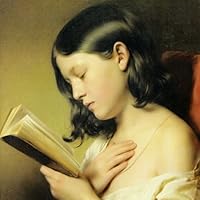
She must have just finished reading one of the short stories in this Adolfo Bioy Casares collection. Her expression certainly captures my reaction reading each of these imaginative twist-at-the-end tales. To provide a taste of what I mean, I'll focus my review on a three-page snapper that really, really shocked me with its ending. Spoiler Alert: I analyze the entire story, beginning to end.
MARGARITA OR THE POWER OF PHARMACEUTICALS
Family Tensions: The narrator of this tale (let's call him Juan) begins by informing us his son (let's call him Pablo) is a family man, a husband with wife and four children, the oldest child an eleven-year old son and the youngest, a two-year old little girl, Margarita.
At one point in the recent past Juan is reproached by Pablo who tells him directly that he, his father, always had everything in life go too smoothly and success come too easily.
Juan is concerned, sensing resentment in Pablo's words. Sidebar: Although I have never been reproached in this way by anybody in my family (accusing me of having too smooth a life and success come too easily – you must be joking!), as a grandfather myself, I can empathize with Juan, since as a father and grandfather, Juan wants nothing more than to live in harmony with his family.
Many Faces of Success, One: At one point Juan broaches the topic with his daughter-in-law, admitting there is something repellent about success, especially the kind of rousing success he himself has experienced.
His daughter-in-law (let's call her Maria), in turn, answers by asserting success is perfectly natural; success is the natural result of work well done. Juan replies by noting that a person's success always involves a degree of vanity as well as vulgarity. No, no, Maria says, it is not success but the desire for success that has an element of vanity and vulgarity. Maria goes on to assert that condemning success appears excessively romantic.
It sounds to me like his daughter-in-law is a sensible woman; she certainly isn’t resentful of her father-in-law’s success. But then again, the resentment of a less than successful son for an overachieving success-driven father is all too common, most notably fathers who are the pinnacle of success in the eyes of society - company executives, lawyers, doctors come immediately to mind.
Many Faces of Success, Two: Juan remains unconvinced. Why does he feel guilty? Juan reflects back on his life: all the chemistry books and years of arduous study, all the long days and late nights in the pharmaceutical laboratory. He raised a family, owns his own house and has always earned a good income. True, he must admit, a number of his formulas resulted in common balms and ointments sold at corner drugstores, but then again, he came up with something really helpful: Iron Plus.
Again, I can appreciate Juan’s mixed feelings about his success. I remember speaking with a company chemist in the food industry years ago who told me the crowning achievement of his twenty-five year career with the company was developing a bestselling cream puff. A cream puff! Now, that’s something worthy of years of professional devotion! Goodness.
Poor Margarita: Daughter-in-law Maria is concerned for daughter Margarita’s health since Margarita has very little appetite for food. Maria turns to her father-in-law. Juan’s heart goes out to his beautiful little granddaughter, poor Margarita with her blue eyes and golden hair, so pale she looks very much like those nineteenth century engravings of little girls who, tragedy of tragedies, joined the angels at a tender age.
The Hero: Grandpa to the rescue! Now Juan has the most serious motivation in his career - to develop a formula to restore health to the little granddaughter he loves with all his heart. His efforts pay off – he comes up with a formula he is sure will do the trick.
I can imagine the proud grandpa. Happy day!
Turnings: Ah, Success! Four daily spoonfuls was all little Margarita needed. In a few weeks his granddaughter is brimming over with radiant good health.
Well, actually, more than just health - a somewhat disturbing voracious appetite. Margarita demands food as if there is no tomorrow and if her mom and dad do not immediately meet her demands, she attacks with fury.
What? Yes, you read that correctly – little Margarita goes on the attack.
Guilty: Here’s the story’s ending in Adolfo Bioy Casares' own words:
“This morning at breakfast time, in the dining room, a spectacle awaited me that I won’t forget easily. In the center of the table sat the little girl with a croissant in each hand. I thought I noticed on her blonde doll cheeks a coloration that was too red. She was smeared with jam and blood. The bodies – or remains, rather – of the family rested against one another with their heads together, in a corner of the room. My son, still alive, found the strength to pronounce his last words: 'It’s not Margarita’s fault.' He said this in the same reproachful tone that he always used with me.”

Adolfo Bioy Casares of Argentina

December 23, 2022
On a much lighter note, is The Russian Doll by Adolfo Bioy Caseres, translated by Suzanne Jill Levine, set in Aix-en-Provence, in which the narrator meets on old school friend who tells him of his rise to prominence.
He fell for a girl, and connives to impress her. Her businessman father, through his mining activities, has caused serious pollution in a lake. In response, his daughter has become an environmental activist, threatening to take her father to court. Her would be beau, offers to dive to the bottom of the lake, supposedly hundreds of metres deep, to collect samples as evidence. Once at the bottom, he encounters a colossal caterpillar, and mayhem ensues.
The other stories, though lots of fun to read, are not as good. Though the final one, in three parts, is of interest, called Three Fantasies in Minor Key demonstrate Casares's skill as in the genre of horror; though of course there is humour as well.
He fell for a girl, and connives to impress her. Her businessman father, through his mining activities, has caused serious pollution in a lake. In response, his daughter has become an environmental activist, threatening to take her father to court. Her would be beau, offers to dive to the bottom of the lake, supposedly hundreds of metres deep, to collect samples as evidence. Once at the bottom, he encounters a colossal caterpillar, and mayhem ensues.
The other stories, though lots of fun to read, are not as good. Though the final one, in three parts, is of interest, called Three Fantasies in Minor Key demonstrate Casares's skill as in the genre of horror; though of course there is humour as well.

October 8, 2015
Insta-chuggable. Goes perfect at 12:00 AM with a cup of, dare I say, yerba maté. Coco if you have none (some say the titular beverage is just cigarette juice). Bioy is absolutely essential for anyone thirsty for more Bolaño. These stories do, what I humbly believe, a short story should: present an intriguing idea and leave the reader questioning, wanting more. Bioys accomplishes this with an overall style similar to Bolaño in that I just wanted to keep reading, not really caring where it went but desperate to find out what happens. Love it. Love the book cover, the font, the design, Argentine sci-fi-realism. In a perfect world this book would be popcorn for the masses, not always profound, but tastes delicious, 'specially with a large post-midnight cherry coke :D!

January 16, 2010
Three in a row by the same author! I don't know when the last time I did that was. More short stories and they are great. Humorous, sometimes fantastic, sometimes absurd but always totally engaging and satisfying.

September 29, 2022
Una Muñeca Rusa.- Adolfo Bioy Casares
"Les parecía peligroso que un joven dispusiera de tiempo libre; desconfiaban de mis excesivas lecturas y de las consiguientes ideas raras."
"-No pensé que mintiera. De todos modos le aclaro que no es tan fácil distinguir la verdad y la mentira. Con el tiempo, muchas mentiras se convierten en verdades."
Una Muñeca Rusa es una antología de relatos escritos por el autor argentino Adolfo Bioy Casares (1914-1999), siendo publicada por primera vez en el año 1991.
Un año después de ser distinguido con el premio Cervantes de la literatura, ve la luz esta antología de un Casares tardío, pero en excelente forma literaria. Una mezcla de historias sencillas y algunas de corte fantástico, estas últimas mis favoritas del libro, por ejemplo:
*Un Encuentro En Rauch: un viajante recorre junto a un extraño pasajero una ruta de campos desolados. Durante el trayecto crece la inquietud del viajante al escuchar los dichos de su acompañante.
*Bajo El Agua: una historia de amores y ausencias con un giro de tono fantástico e incluso algo burlón para con el género.
*Margarita o El Poder De La Farmacopea: breve cuento en donde un profesional químico ahonda en sus culpas sobre un experimento fallido.
Un libro que, más que una puerta de entrada a la obra narrativa breve del autor, puede ser recomendable para quien haya leído algunas de sus antologías clásicas o incluso sus novelas y quiera seguir conociendo el gran legado de uno de los mejores autores argentinos del siglo pasado.
🤘🤘🤘
"Les parecía peligroso que un joven dispusiera de tiempo libre; desconfiaban de mis excesivas lecturas y de las consiguientes ideas raras."
"-No pensé que mintiera. De todos modos le aclaro que no es tan fácil distinguir la verdad y la mentira. Con el tiempo, muchas mentiras se convierten en verdades."
Una Muñeca Rusa es una antología de relatos escritos por el autor argentino Adolfo Bioy Casares (1914-1999), siendo publicada por primera vez en el año 1991.
Un año después de ser distinguido con el premio Cervantes de la literatura, ve la luz esta antología de un Casares tardío, pero en excelente forma literaria. Una mezcla de historias sencillas y algunas de corte fantástico, estas últimas mis favoritas del libro, por ejemplo:
*Un Encuentro En Rauch: un viajante recorre junto a un extraño pasajero una ruta de campos desolados. Durante el trayecto crece la inquietud del viajante al escuchar los dichos de su acompañante.
*Bajo El Agua: una historia de amores y ausencias con un giro de tono fantástico e incluso algo burlón para con el género.
*Margarita o El Poder De La Farmacopea: breve cuento en donde un profesional químico ahonda en sus culpas sobre un experimento fallido.
Un libro que, más que una puerta de entrada a la obra narrativa breve del autor, puede ser recomendable para quien haya leído algunas de sus antologías clásicas o incluso sus novelas y quiera seguir conociendo el gran legado de uno de los mejores autores argentinos del siglo pasado.
🤘🤘🤘

January 25, 2019
Excelente, destacan especialmente Bajo el agua y el cuento que da nombre al libro pero todos matienen un nivel muy bueno y parejo, lo disfruté mucho.

September 20, 2023
"...unsettling the reader with understated works of fiction in which some details don't quite fit, in which something is not quite right. His latest book, "A Russian Doll: And Other Stories," continues his quest to present a contemporary reality distorted by elements of the fantastic and the grotesque."
https://www.nytimes.com/1992/11/29/bo...
I judged this book by its cover, and I was right. This is a book you can judge by its cover. A collection of quirky, strange and unsettling tales recalling the absurd, poignant and psychoanalytic quality of Borges, Zweig and Kafka, albeit with a Latin twist. The characters in these tales are all impelled by a combination of forces beyond their control, and faulty choices, into situations that either leave them stranded to their benefit, or to their detriment (and sometimes both), ultimately revealing how the interplay of choice and circumstance shapes what we interpret as the shortcomings of the human condition. My personal favorites were Cato, which speaks to my Shakespearean view of politics, how people lie to themselves and use others for their causes, and how art and politics are symbiotic; Underwater, which injects the perilous themes of H.G. Wells into a tale of doomed love that is vintage Bioy Casares; and the Three Fantasies In Minor Key, whose mix of comedy, tartness and grotesque is almost a tribute to Borges.
For the uninitiated, my boy Adolfo here was best buds with my boy Jorge Luis Borges (another one of my literary best buds), and they frequently collaborated (check out Bustos Domecq, and Don Isidro Parodi). He's not as famous as JLB, but you should drop what you're reading now and pick up his masterful novella The Invention of Morel (100 pages) for a taste of his literary prowess.
--
"Fear makes us angry."
- p.16
"When they're late, it's because they couldn't get here earlier; when I'm late, it's because I'm South American."
- p.19
"They thought it too dangerous for a young man to have too much spare time; they distrusted my excessive reading and the resultant odd ideas."
- p.38
"In any case I should make it clear that it isn't so easy to distinguish between truth and lies. In time, many lies become truths."
- p.40
"Heaven is not empty. It never was...Heaven...is a projection of pure imagination. Men place there the gods of our faith. There were periods in which the Egyptian gods reigned. They were evicted later on by the Greeks and Romans. Now our gods govern up there."
- p.44
"In the time of the dictatorship...the entire country came to a halt because people went into retreat if they could, so as to be forgotten. Oblivion seemed to be the best refuge in those days."
- p.51
"Since helping him would neither support a sympathizer nor ensure the gratitude of an opponent, nobody gave him a hand."
- p.51
"Things happen when you least expect them to."
- p.51
"He went in to explain that the impresario, a certain Romano, had chosen the tragedy of Cato because the author, who's been dead for two hundred years, could not claim copyright."
- p.51
"I feel admiration...and I'd like the story of this stroke of luck to be entirely aboveboard."
"What you might like is of little importance...it's undoubtedly noble and generous for a woman to ask her husband to do an ex-lover a favor when he's down on his luck."
"I admit that she..."
"Admit the same for them all. Davel, because he asks for nothing and because an ex-lover feels inspired to come to his defense when passion is gone. The impresario, because he behaves like a true professional. A good actor's suggested to him, and he takes him on without bothering about personal matters."
- p.52
"...I actually wanted the power, not even granted to the gods, to change the past."
- p.53
"Indeed, the moderates might silently approve of such a move through an atavistic fear of excess, even though they were as against the dictatorship as we were."
- p.54
"The world can't function the way it should unless each of us believes in the importance of what we do."
- p.59
"Romano, in his speech, said that the best end for an actor is to die on stage, at the moment of his character's death."
- p.65
"He lives, like me, among hostile Europeans. As much as they might try to hide it, they are hostile to those they judge to be different."
- p.67
"I get to the point of thinking that as we sit there next to each other, we are separated by an abyss."
- p.72
"As for the famous love of the woman who is not buried here, and if her Romeo, just think what it might have been: any old love, exaggerated by writers, and made into something sublime by people's enthusiasm for prodigies."
- p.73
"She declares that there's nothing I like better than to destroy illusions...that I am "disagreeably negative," and that perhaps what I'm trying to tell her is that I don't love her."
- p.74
"In my heart of hearts I'm a martyr, because I'm leaving the stadium at this moment, and an ascetic, because I don't utter even one word of complaint."
- p.77
"I walk alone on the streets of Paris, in a state of calm, though like a wandering soul in hell."
- p.77
"For those who love one another, there's nothing that can't be fixed between the sheets..seeing her so content, I believe myself to be happy."
- p.82
"Without a kindred spirit to talk to, I'm paying too much attention to myself, discovering alarming symptoms, predicting illnesses, getting sick."
- p.87
"..perhaps hepatitis had brought me back to youth, or more probably, my second childhood."
- p.88
"...but I abstained because when men rush into things they annoy women."
- p.89
"...there's nothing worse than bathing and having breakfast with just enough time."
- p.89
"By being so certain that we were going to meet, perhaps I wouldn't see her that afternoon, or ever again."
- p.90
"...because nothing is more unpleasant than the awkward advances of a man beside himself."
- p.91
"I wanted to breathe fresh air and be free of worries."
"Say, rather, to have different worries. Or didn't you know that wherever one goes, one finds them?"
- p.92
"This sign that she was not a person free of faults did not make me love her less. On the contrary, it provoked tenderness and allowed me to adopt the always satisfying role of protector."
- p.100
"...in salmon there's a gland that rejuvenates them when they're about to undertake their sea voyage. The gland functions only once. It functions so that they undertake their odyssey in the flower of youth.
"Instead of being a salmon if it were a man, the gland would return him to his youth of twenty years of age."
I don't know why the heck I started arguing and insisting that the best moment of a man's life was after his thirties and perhaps after his forties."
- p.103
"The luck of finding you came along with the misfortune of turning sixty."
- p.103
"Committing a mistake like that once is unforgivable. The second time it wouldn't be a mistake."
- p.106
"...my behavior provoked in her a painful but definitely desirable awakening."
- p.107
"It also made her sad, which did seem comprehensible, because a separation is always painful."
- p.109
"Life is a game of chess, and one never knows for certain when you're winning or losing. I thought I had scored a point in my favor. I had, but I had also taken a step closer to danger."
- p.109
"Women lead us, and we men follow."
- p.110
"She loves me even though she doesn't believe my words. So different from me."
- p.110
"...in pharmaceuticals and in medicine...people consumed an infinite number of tonics and restoratives, until one day vitamins arrived and swept away all those tonics as if they were frauds. The consequences were obvious; vitamins were discredited, inevitably, and in vain the world has returned to the drugstore to relieve weakness and fatigue."
- p.115
"There is a boy in every man."
- p.123
"How unlucky I am," thought Ravenna. "I don't exist for the women I like."
- p.124
"His movements reminded him of the comings and goings of a caged animal."
- p.127
"As if trying to avoid tension by confusing matters in a whirlwind of talk, I blurt out words."
- p.130
"I inflict that pain on them and on myself so as not to disappoint a woman for whom the date with me means (how to say it without being mean?) just that, a lunch date."
- p.131
https://www.nytimes.com/1992/11/29/bo...
I judged this book by its cover, and I was right. This is a book you can judge by its cover. A collection of quirky, strange and unsettling tales recalling the absurd, poignant and psychoanalytic quality of Borges, Zweig and Kafka, albeit with a Latin twist. The characters in these tales are all impelled by a combination of forces beyond their control, and faulty choices, into situations that either leave them stranded to their benefit, or to their detriment (and sometimes both), ultimately revealing how the interplay of choice and circumstance shapes what we interpret as the shortcomings of the human condition. My personal favorites were Cato, which speaks to my Shakespearean view of politics, how people lie to themselves and use others for their causes, and how art and politics are symbiotic; Underwater, which injects the perilous themes of H.G. Wells into a tale of doomed love that is vintage Bioy Casares; and the Three Fantasies In Minor Key, whose mix of comedy, tartness and grotesque is almost a tribute to Borges.
For the uninitiated, my boy Adolfo here was best buds with my boy Jorge Luis Borges (another one of my literary best buds), and they frequently collaborated (check out Bustos Domecq, and Don Isidro Parodi). He's not as famous as JLB, but you should drop what you're reading now and pick up his masterful novella The Invention of Morel (100 pages) for a taste of his literary prowess.
--
"Fear makes us angry."
- p.16
"When they're late, it's because they couldn't get here earlier; when I'm late, it's because I'm South American."
- p.19
"They thought it too dangerous for a young man to have too much spare time; they distrusted my excessive reading and the resultant odd ideas."
- p.38
"In any case I should make it clear that it isn't so easy to distinguish between truth and lies. In time, many lies become truths."
- p.40
"Heaven is not empty. It never was...Heaven...is a projection of pure imagination. Men place there the gods of our faith. There were periods in which the Egyptian gods reigned. They were evicted later on by the Greeks and Romans. Now our gods govern up there."
- p.44
"In the time of the dictatorship...the entire country came to a halt because people went into retreat if they could, so as to be forgotten. Oblivion seemed to be the best refuge in those days."
- p.51
"Since helping him would neither support a sympathizer nor ensure the gratitude of an opponent, nobody gave him a hand."
- p.51
"Things happen when you least expect them to."
- p.51
"He went in to explain that the impresario, a certain Romano, had chosen the tragedy of Cato because the author, who's been dead for two hundred years, could not claim copyright."
- p.51
"I feel admiration...and I'd like the story of this stroke of luck to be entirely aboveboard."
"What you might like is of little importance...it's undoubtedly noble and generous for a woman to ask her husband to do an ex-lover a favor when he's down on his luck."
"I admit that she..."
"Admit the same for them all. Davel, because he asks for nothing and because an ex-lover feels inspired to come to his defense when passion is gone. The impresario, because he behaves like a true professional. A good actor's suggested to him, and he takes him on without bothering about personal matters."
- p.52
"...I actually wanted the power, not even granted to the gods, to change the past."
- p.53
"Indeed, the moderates might silently approve of such a move through an atavistic fear of excess, even though they were as against the dictatorship as we were."
- p.54
"The world can't function the way it should unless each of us believes in the importance of what we do."
- p.59
"Romano, in his speech, said that the best end for an actor is to die on stage, at the moment of his character's death."
- p.65
"He lives, like me, among hostile Europeans. As much as they might try to hide it, they are hostile to those they judge to be different."
- p.67
"I get to the point of thinking that as we sit there next to each other, we are separated by an abyss."
- p.72
"As for the famous love of the woman who is not buried here, and if her Romeo, just think what it might have been: any old love, exaggerated by writers, and made into something sublime by people's enthusiasm for prodigies."
- p.73
"She declares that there's nothing I like better than to destroy illusions...that I am "disagreeably negative," and that perhaps what I'm trying to tell her is that I don't love her."
- p.74
"In my heart of hearts I'm a martyr, because I'm leaving the stadium at this moment, and an ascetic, because I don't utter even one word of complaint."
- p.77
"I walk alone on the streets of Paris, in a state of calm, though like a wandering soul in hell."
- p.77
"For those who love one another, there's nothing that can't be fixed between the sheets..seeing her so content, I believe myself to be happy."
- p.82
"Without a kindred spirit to talk to, I'm paying too much attention to myself, discovering alarming symptoms, predicting illnesses, getting sick."
- p.87
"..perhaps hepatitis had brought me back to youth, or more probably, my second childhood."
- p.88
"...but I abstained because when men rush into things they annoy women."
- p.89
"...there's nothing worse than bathing and having breakfast with just enough time."
- p.89
"By being so certain that we were going to meet, perhaps I wouldn't see her that afternoon, or ever again."
- p.90
"...because nothing is more unpleasant than the awkward advances of a man beside himself."
- p.91
"I wanted to breathe fresh air and be free of worries."
"Say, rather, to have different worries. Or didn't you know that wherever one goes, one finds them?"
- p.92
"This sign that she was not a person free of faults did not make me love her less. On the contrary, it provoked tenderness and allowed me to adopt the always satisfying role of protector."
- p.100
"...in salmon there's a gland that rejuvenates them when they're about to undertake their sea voyage. The gland functions only once. It functions so that they undertake their odyssey in the flower of youth.
"Instead of being a salmon if it were a man, the gland would return him to his youth of twenty years of age."
I don't know why the heck I started arguing and insisting that the best moment of a man's life was after his thirties and perhaps after his forties."
- p.103
"The luck of finding you came along with the misfortune of turning sixty."
- p.103
"Committing a mistake like that once is unforgivable. The second time it wouldn't be a mistake."
- p.106
"...my behavior provoked in her a painful but definitely desirable awakening."
- p.107
"It also made her sad, which did seem comprehensible, because a separation is always painful."
- p.109
"Life is a game of chess, and one never knows for certain when you're winning or losing. I thought I had scored a point in my favor. I had, but I had also taken a step closer to danger."
- p.109
"Women lead us, and we men follow."
- p.110
"She loves me even though she doesn't believe my words. So different from me."
- p.110
"...in pharmaceuticals and in medicine...people consumed an infinite number of tonics and restoratives, until one day vitamins arrived and swept away all those tonics as if they were frauds. The consequences were obvious; vitamins were discredited, inevitably, and in vain the world has returned to the drugstore to relieve weakness and fatigue."
- p.115
"There is a boy in every man."
- p.123
"How unlucky I am," thought Ravenna. "I don't exist for the women I like."
- p.124
"His movements reminded him of the comings and goings of a caged animal."
- p.127
"As if trying to avoid tension by confusing matters in a whirlwind of talk, I blurt out words."
- p.130
"I inflict that pain on them and on myself so as not to disappoint a woman for whom the date with me means (how to say it without being mean?) just that, a lunch date."
- p.131

May 1, 2023
Un recueil de nouvelles assez inégal. Autant j'ai beaucoup peiné à retrouver la plume et l'ambiance particulière qu'il y avait dans "L'invention de Morel" (du même auteur) dans les 6 premières nouvelles, autant les 3 dernières (regroupés sous le titre "Trois fantaisies mineures") m'ont franchement convaincues, en développant un panel de thématiques et de genres super intéressants. Dans les deux premiers tiers du recueil le fantastique est présent en filigrane, sur des histoires qui m'ont très peu marqués personnellement. Surtout, lorsque l'auteur parle d'amour c'est souvent cliché et "gnangnan" (très perso ce ressenti, attention) et ça m'a gonflé. En revanche, les trois histoires finales sont vraiment top, et Adolfo Bioy Casares se penche vers d'autres styles, d'autres genres (mais pas très loin du fantastique) ce qui permet des expérimentations réussies.
Donc voilà, un peu bof mais en même temps y a des trucs cools, à vous de voir ce qui peut vous plaire !
Donc voilà, un peu bof mais en même temps y a des trucs cools, à vous de voir ce qui peut vous plaire !

Read
January 21, 2014Pe bună dreptate prozatorul argentinian Adolfo Bioy Casares s-a revendicat de la scriitori ca Franz Kafka sau Borges – în colaborare cu cel din urmă, de altfel, a şi scris câteva volume. Imaginarul său, apropiat şi de cel al lui Mircea Eliade, este unul care, prin stranietatea sa, desfide cotidianul, uzualul. Cu alte cuvinte, personajele lui Casares sunt puse în situaţii în care banalul de zi cu zi este pur şi simplu anulat. Printr-un stil simplu, direct, concis, lipsit de orice podoabă stilistică inutilă, uşor histrionic, poveştile lui Adolfo Bioy Casares – mici bucăţi de virtuozitate literară – surprind acel insolit încapsulat în realitatea noastră de zi cu zi, care se dezvăluie unor personaje mai mult sau mai puţin pregătite pentru această revelaţie.
Observaţia precedentă este valabilă, fără excepţie, pentru toate volumele lui Casares, aşadar şi pentru O păpuşă rusească, o carte apărută în 1991 şi tradusă în română de Anca Măniuţiu în 1992 – este vorba despre ediţia de la Editura Biblioteca Apostrof din Cluj-Napoca, cu o postfaţă de Ion Vartic, ediţie reluată apoi în 2003 la Humanitas. Încă din titlu, O păpuşă rusească, este sugerat acel tip de anormalitate încapsulată, cum spuneam, în realitatea uzuală, amintind de păpuşa din lemn rusească numită Matrioșka. (cronică: http://bookaholic.ro/insolitul-in-pov...)
Observaţia precedentă este valabilă, fără excepţie, pentru toate volumele lui Casares, aşadar şi pentru O păpuşă rusească, o carte apărută în 1991 şi tradusă în română de Anca Măniuţiu în 1992 – este vorba despre ediţia de la Editura Biblioteca Apostrof din Cluj-Napoca, cu o postfaţă de Ion Vartic, ediţie reluată apoi în 2003 la Humanitas. Încă din titlu, O păpuşă rusească, este sugerat acel tip de anormalitate încapsulată, cum spuneam, în realitatea uzuală, amintind de păpuşa din lemn rusească numită Matrioșka. (cronică: http://bookaholic.ro/insolitul-in-pov...)
December 8, 2015
I really like Bioy Casares' novel-length work "The Invention of Morel" (partly due to its intertextual relationship with "Last Year at Marienbad"), but these short stories really didn't do much for me. Perhaps the translation? I don't know.
(I continue, perhaps hopelessly, to look for Other Writers One Might Like If One Likes Borges.)
(I continue, perhaps hopelessly, to look for Other Writers One Might Like If One Likes Borges.)

May 20, 2018
Cesares writes good, his style is very good and he’s a superb storyteller. I like his flirting with the fantastic, and the short story ‘Underwater’ is just beautiful.
I wondered why the rating for this book was so low, but having read the book I do realize - it’s really not a book made for the #MeToo times, which is perfectly understandable.
I wondered why the rating for this book was so low, but having read the book I do realize - it’s really not a book made for the #MeToo times, which is perfectly understandable.
July 14, 2020
Una imaginación exaltada, una prosa caliginosa y una escéptica cosmovisión hacen de Bioy Casares uno de los más grandes narradores de nuestro continente (al menos en cuanto a los relatos satíricos y fantásticos). Todas las historias de este libro bordean la fina línea entre lo insólito y lo trivial, entre lo sobrenatural y la francamente ramplona cotidianidad. El meollo está en descifrar si el narrador no nos engañó desde un inicio, si supimos resistir el canto de las sirenas, o simplemente fuimos embaucados por la fina ironía de este escritor pues, como dice Fernando García Ramírez, “la de Adolfo Bioy Casares no es otra cosa que una extraordinaria, fantástica y lúcida fiesta”.

June 9, 2021
Reseñar a Adolfo Bioy Casares es innecesario. Todo aquí es impecable. Sus cuentos son ese artefacto que le devuelve a uno el placer de leer. Mis cuentos favoritos de esta colección fueron sin duda dos: Nuestro viaje (Diario de Lucio Herrera) y A propósito de un olor. Aunque todos me dejaron satisfecho.


May 2, 2016
Worth reading for two of the stories: Cato and The Navigator Returns to His Country. I find the writing style quite odd in some places, but I expect this to be an issue with the combination of translation and cultural differences.

November 28, 2012
A charming read, a splendid writer

February 22, 2017
Bioy a lo Bioy. Pluma exquisita alternando mundo real y fantástico en estos cuentos cortos que siempre sorprenden con un final inesperado.

October 27, 2023
Algo hay en el universo de Bioy Casares que reconocemos la maestría de su prosa y la familiaridad con la que sitúa a sus personajes en el momento preciso, podemos reconocerlos a simple vista y asombrarnos de que sean nuestros vecinos, o incluso nosotros mismos, en situaciones anómalas pero posibles, después de todo.
Es por eso que este cuentario contiene algunos de los trazos que mejor representan la pluma del universal bonaerense como en la pieza homónima donde los males de la columna conducen al narrador -mas no protagonista- a un viaje a la región de Saboya porque afirma necesitar más aún que las aguas, la frivolidad. A partir de ahí, se suceden un hilo de casualidades que nos llevan a conocer la particular relación del Pollo Maceira con el Hotel, los Cazalis y el Lago Bourget; el cual también es retratado por Alphonse de Lamartine en su elegíaco poema Le Lac, Balzac en su portentosa novela La Peau de chagrin y algunas anécdotas de Dumas, entre otros.
El desarrollo del cuento y culminación es digno de la reputación de Bioy Casares, asimismo pasa con «Bajo el agua», con quien se asemeja en extensión, calidad y atmósfera inquietante alrededor de un lago y lo que vive ahí. Sin embargo, en este último trata de manera directa temas que le atañen a profundidad: las mujeres y la eternidad, en esencia. No importa el escenario pues al final no se evitan las preocupaciones solo se cambian... ¿o no saben que a donde vas las encuentras?
En medio de ambas bestias está la maravillosa «Catón», mi favorita, una intriga de connotaciones nacionales donde el arte se mezcla con la política, sin advertirlo, y las consecuencias configuran el panorama.
Si como alguien sostuvo, en cualquier libro el lector lee el libro que quiere leer.
Después le sigue el delirante tríptico de las fantasías menores. «Margarita o El poder de la farmacopea» y «A propósito de un olor» se llevan los honores. Como anotación curiosa merece mencionarse «Nuestro viaje (Diario de Lucio Herrera)» con su pasaje sobre París del 17 de febrero donde nuestro protagonista va, expresamente, a ver jugar a Carlitos Bianchi en un partido del Stade de Reims ante el PSG y hace un gol memorable.
Me voy con un sabor medio amargo por el balance general porque los cuentos que me gustaron, en verdad, fue con intensidad aunque considero que hubo algunos que no estuvieron a la altura. Suele suceder con las colecciones de ficción breve esta disparidad, es normal, además, teniendo en cuenta que no es de los mejores trabajos del autor, sin embargo ahí está la valía de esto: tener obras de calidad hasta en los trabajos menos recordados.
Es por eso que este cuentario contiene algunos de los trazos que mejor representan la pluma del universal bonaerense como en la pieza homónima donde los males de la columna conducen al narrador -mas no protagonista- a un viaje a la región de Saboya porque afirma necesitar más aún que las aguas, la frivolidad. A partir de ahí, se suceden un hilo de casualidades que nos llevan a conocer la particular relación del Pollo Maceira con el Hotel, los Cazalis y el Lago Bourget; el cual también es retratado por Alphonse de Lamartine en su elegíaco poema Le Lac, Balzac en su portentosa novela La Peau de chagrin y algunas anécdotas de Dumas, entre otros.
El desarrollo del cuento y culminación es digno de la reputación de Bioy Casares, asimismo pasa con «Bajo el agua», con quien se asemeja en extensión, calidad y atmósfera inquietante alrededor de un lago y lo que vive ahí. Sin embargo, en este último trata de manera directa temas que le atañen a profundidad: las mujeres y la eternidad, en esencia. No importa el escenario pues al final no se evitan las preocupaciones solo se cambian... ¿o no saben que a donde vas las encuentras?
En medio de ambas bestias está la maravillosa «Catón», mi favorita, una intriga de connotaciones nacionales donde el arte se mezcla con la política, sin advertirlo, y las consecuencias configuran el panorama.
Si como alguien sostuvo, en cualquier libro el lector lee el libro que quiere leer.
Después le sigue el delirante tríptico de las fantasías menores. «Margarita o El poder de la farmacopea» y «A propósito de un olor» se llevan los honores. Como anotación curiosa merece mencionarse «Nuestro viaje (Diario de Lucio Herrera)» con su pasaje sobre París del 17 de febrero donde nuestro protagonista va, expresamente, a ver jugar a Carlitos Bianchi en un partido del Stade de Reims ante el PSG y hace un gol memorable.
Me voy con un sabor medio amargo por el balance general porque los cuentos que me gustaron, en verdad, fue con intensidad aunque considero que hubo algunos que no estuvieron a la altura. Suele suceder con las colecciones de ficción breve esta disparidad, es normal, además, teniendo en cuenta que no es de los mejores trabajos del autor, sin embargo ahí está la valía de esto: tener obras de calidad hasta en los trabajos menos recordados.

April 28, 2021
Durerile de coloană m-au ţinut aproape un an de zile cu desăvârşire rupt de lume. Nu ieşeam din singurătatea mea decât arareori, şi atunci numai ca să colind pe la diverse cabinete de consultaţie şi institute specializate în radiografii şi analize. La un moment dat, amintindu-mi de Aix-les-Bains, mi-am spus că n-ar fi rău să încerc şi o cură de băi termale. Ca să fiu sincer, mi-am amintit în primul rând de faima pe care lumea cea mai elegantă şi mai frivolă a Europei o aducea, cu fastul ei sezonier, acestui orăşel, dar şi de apele sale, ale căror virtuţi curative erau cunoscute încă de pe vremea lui Iuliu Cezar. La drept vorbind, ca să scap de starea sufletească apăsătoare în care mă găseam şi pentru ca schimbarea să fie binefăcătoare şi trupului, cred că aveam nevoie, mai mult decât de ape, de frivolitate.
Am luat avionul spre Paris, unde am stat mai puţin de o săptămână; un tren m-a dus, apoi, la Aix-les-Bains. Am coborât într-o gară atât de mică şi de modestă, încât m-am gândit: „Cât bun-gust, în ţările vechiului continent! Şi cât de grandomani suntem noi, în America noastră! Ar încăpea patru gări ca cea din Aix în noua gară din Mar del Plata”. Formulând ultima parte a acestei reflecţii, mărturisesc că am fost copleşit de un plăcut sentiment de mândrie patriotică.
Ieşind din gară am zărit două bulevarde: unul paralel cu calea ferată, iar celălalt perpendicular. Pe cel dinţii se îndrepta spre mine un pescar cu undiţa pe umăr şi cu un coş în mână. N-am luat în seamă ofertele pe care mi le făcea un taximetrist şi m-am apropiat de pescar.
— Fiţi amabil, am zis, mi-ati putea spune cum să ajung la „Palace Hotel”?
— Veniţi cu mine. Mă duc într-acolo.
— Nu credeţi că ar fi bine să iau un taxi?
— Nu e nevoie. Urmaţi-mă.
L-am ascultat, cu teama că greutatea celor două valize ar putea avea consecinţe nefaste asupra mijlocului. Am luat-o pe celălalt bulevard, unde drumul, o bună bucată, urcă pieptiş. Ca să nu mă mai gândesc la bietul meu mijloc, l-am întrebat:
— Cum a mers pescuitul?
— Bine. Cu toate că pescuitul într-un lac bolnav nu prea îţi aduce cine ştie ce satisfacţii. Cum să vă spun, de fapt nu e-o plăcere decât pe jumătate, de vreme ce pescarul nu se poate bucura de trofeul lui, mâncând ori dăruind prietenilor ceea ce a pescuit.
Am luat avionul spre Paris, unde am stat mai puţin de o săptămână; un tren m-a dus, apoi, la Aix-les-Bains. Am coborât într-o gară atât de mică şi de modestă, încât m-am gândit: „Cât bun-gust, în ţările vechiului continent! Şi cât de grandomani suntem noi, în America noastră! Ar încăpea patru gări ca cea din Aix în noua gară din Mar del Plata”. Formulând ultima parte a acestei reflecţii, mărturisesc că am fost copleşit de un plăcut sentiment de mândrie patriotică.
Ieşind din gară am zărit două bulevarde: unul paralel cu calea ferată, iar celălalt perpendicular. Pe cel dinţii se îndrepta spre mine un pescar cu undiţa pe umăr şi cu un coş în mână. N-am luat în seamă ofertele pe care mi le făcea un taximetrist şi m-am apropiat de pescar.
— Fiţi amabil, am zis, mi-ati putea spune cum să ajung la „Palace Hotel”?
— Veniţi cu mine. Mă duc într-acolo.
— Nu credeţi că ar fi bine să iau un taxi?
— Nu e nevoie. Urmaţi-mă.
L-am ascultat, cu teama că greutatea celor două valize ar putea avea consecinţe nefaste asupra mijlocului. Am luat-o pe celălalt bulevard, unde drumul, o bună bucată, urcă pieptiş. Ca să nu mă mai gândesc la bietul meu mijloc, l-am întrebat:
— Cum a mers pescuitul?
— Bine. Cu toate că pescuitul într-un lac bolnav nu prea îţi aduce cine ştie ce satisfacţii. Cum să vă spun, de fapt nu e-o plăcere decât pe jumătate, de vreme ce pescarul nu se poate bucura de trofeul lui, mâncând ori dăruind prietenilor ceea ce a pescuit.

December 30, 2021
Another collection of strange stories, from Casares.
The title of this short stories collection perfectly describes the layers of the narration. We have the biggest doll – the reality, but hidden inside it is the doll of magical realism, that also contains some fantasy and political satire. As surprising as ever, Casare’s stories are inventive, with unexpected twists and turns, sometimes even terrifying. I can’t say I have a favorite, because I liked most of the stories:
A Russian Doll - the story of a gold digger trying to find a rich girl to marry, but the complications of his intentions get out of control when he finds himself participating in an ecological disaster that gave birth to lovecraftian monsters.
Meeting at Rauch - this one is rather short, but it reaches some metaphysical themes that are interesting.
Cato - the story of a theater actor that fights against Argentinean dictatorship in his own way, by the end it reveals the true motives that made the actor so involved in this cruel political game.
The Navigator Returns to His Country - the shortest of the collection, it tells an interesting story about dreams and the harsh reality that must be faced one we awaken from those beautiful dreams.
Our Trip (A Diary) - this one tells in a rather humorous way (though a bit dark) the tales of a man trying to satisfy the many needs of his lovers. The fact that the women’s names change so swiftly throughout the story, makes you feel the universality of the story.
Underwater - similar to The Invention of Morel, it tells the story of a mad scientist that plays with the lives of those around him. This one is actually an insight into the results of modern science interventions over people and environment and it reminded me a little bit of the Creature from the Black Lagoon.
Three Fantasies in Minor Key - containing three short stories, this one seemed the most dissonant to me, compared to the rest of the collection; I felt like the inspiration for these stories came from some other source, not like Casare’s usual stories. These stories seemed darker, downright horror at times.
The title of this short stories collection perfectly describes the layers of the narration. We have the biggest doll – the reality, but hidden inside it is the doll of magical realism, that also contains some fantasy and political satire. As surprising as ever, Casare’s stories are inventive, with unexpected twists and turns, sometimes even terrifying. I can’t say I have a favorite, because I liked most of the stories:
A Russian Doll - the story of a gold digger trying to find a rich girl to marry, but the complications of his intentions get out of control when he finds himself participating in an ecological disaster that gave birth to lovecraftian monsters.
Meeting at Rauch - this one is rather short, but it reaches some metaphysical themes that are interesting.
Cato - the story of a theater actor that fights against Argentinean dictatorship in his own way, by the end it reveals the true motives that made the actor so involved in this cruel political game.
The Navigator Returns to His Country - the shortest of the collection, it tells an interesting story about dreams and the harsh reality that must be faced one we awaken from those beautiful dreams.
Our Trip (A Diary) - this one tells in a rather humorous way (though a bit dark) the tales of a man trying to satisfy the many needs of his lovers. The fact that the women’s names change so swiftly throughout the story, makes you feel the universality of the story.
Underwater - similar to The Invention of Morel, it tells the story of a mad scientist that plays with the lives of those around him. This one is actually an insight into the results of modern science interventions over people and environment and it reminded me a little bit of the Creature from the Black Lagoon.
Three Fantasies in Minor Key - containing three short stories, this one seemed the most dissonant to me, compared to the rest of the collection; I felt like the inspiration for these stories came from some other source, not like Casare’s usual stories. These stories seemed darker, downright horror at times.
Read
July 21, 2020Like everyone else who reads it I fell deeply in love with Casares' The Invention of Morel---and, moved by that tale's strange music, its formal perfection, its unabashed romance and color, its metaphysical ambiance---for years if I found any other book by Casares I'd snap it up, hoping and hoping for something else of that power.
Obviously I was disappointed, but it was mostly my age. Morel is, in the end, an adventure tale like Wells---and I was disappointed that most of what Casares wrote otherwise was about middle-aged South American men and their various engagements w/ love and aging and etc.
Anyway these stories---which I've come back to now like a decade after I've actually bought them---are marvellously strange little things, almost effortless, casual, legends and stories. The entire book (probably least the one story that actually employs the conceit) has the candid air of an amateur travel-book, only in a world where the strange has simply not left us. For myself I wonder now whether the fact that these stories seem less remarkable than Morel to me isn't actually a sign of their superior quality---that they don't strive after affect---that they come into being almost effortless.
I don't want to talk about the stories because I don't want to spoil them.
Obviously I was disappointed, but it was mostly my age. Morel is, in the end, an adventure tale like Wells---and I was disappointed that most of what Casares wrote otherwise was about middle-aged South American men and their various engagements w/ love and aging and etc.
Anyway these stories---which I've come back to now like a decade after I've actually bought them---are marvellously strange little things, almost effortless, casual, legends and stories. The entire book (probably least the one story that actually employs the conceit) has the candid air of an amateur travel-book, only in a world where the strange has simply not left us. For myself I wonder now whether the fact that these stories seem less remarkable than Morel to me isn't actually a sign of their superior quality---that they don't strive after affect---that they come into being almost effortless.
I don't want to talk about the stories because I don't want to spoil them.

January 28, 2020
With his concision, dark sense of humor, flawed protagonists, and rich, wonderfully unexpected plot turns, Casares is perhaps the writer who most makes me want to write. This collection passed by in a flash, with each story so appealingly different than what came before.
I enjoyed some of the recurring themes in this work, such as jealousy, vanity/pride, and other difficulties in the relationship between the sexes. "Salmonize" is one of the numerous lines that's still tickling my funny bone hours later. The brevity and matter-of-factness aren't so far off from Paul Bowles, yet the plots here have a little more levity and wonder and quirkiness rather than Bowles' dysphoria. I feel Casares is like Wes Anderson but less cloying and more substantial; Guillermo del Toro but almost always less gory and, paradoxically, more rooted in reality yet also more incredible.
You wouldn't be blamed for finding the protagonists' chauvinism off-putting, but whatever the case may be, I have no choice but to give my highest recommendations of this imperfect collection... The part about the man trying too woo a woman by partaking in her environmental activism, only for her to later change her position and accuse him of undermining the working class! That just made me laugh so much.
I enjoyed some of the recurring themes in this work, such as jealousy, vanity/pride, and other difficulties in the relationship between the sexes. "Salmonize" is one of the numerous lines that's still tickling my funny bone hours later. The brevity and matter-of-factness aren't so far off from Paul Bowles, yet the plots here have a little more levity and wonder and quirkiness rather than Bowles' dysphoria. I feel Casares is like Wes Anderson but less cloying and more substantial; Guillermo del Toro but almost always less gory and, paradoxically, more rooted in reality yet also more incredible.
You wouldn't be blamed for finding the protagonists' chauvinism off-putting, but whatever the case may be, I have no choice but to give my highest recommendations of this imperfect collection... The part about the man trying too woo a woman by partaking in her environmental activism, only for her to later change her position and accuse him of undermining the working class! That just made me laugh so much.
This entire review has been hidden because of spoilers.

April 30, 2023
Los lugares por los que transita el propio Bioy Casares son de cierto modo conocidos por todos nosotros, esto porque la siempre puntual descripción del entorno nos hace sumergirnos en su mundo. Decide andar sin mucho equipaje y a trote constante, pues su prosa es liviana mas no vacía. Sus personajes son, sin duda alguna, la fusión de ideales y contradicciones, ya que son muy enamorados y a la vez muy aventados, por lo que las situaciones por las que se desenredan los relatos son el conjunto de un montón de consecuencias.
En estos cuentos uno puede encontrar una fantasía completamente real y un realismo totalmente fantástico, puesto que el argentino logra transmitir completamente todo ello bajo una descripción del entorno y de las emociones totalmente buena.
A gusto personal, podría decir que «Margarita» y «Catón» son los mejores relatos de la antología, ya que, aunque los demás sean buenos, considero que no destacan como estos, que logran expresar palabra por palabra la maravillosa fantasía que el autor narra y relata.
En estos cuentos uno puede encontrar una fantasía completamente real y un realismo totalmente fantástico, puesto que el argentino logra transmitir completamente todo ello bajo una descripción del entorno y de las emociones totalmente buena.
A gusto personal, podría decir que «Margarita» y «Catón» son los mejores relatos de la antología, ya que, aunque los demás sean buenos, considero que no destacan como estos, que logran expresar palabra por palabra la maravillosa fantasía que el autor narra y relata.

June 4, 2021
La prosa de Bioy Casares es medio ácida, medio hater, y en general se deja leer con agrado. Hay sin embargo algo medio machista en algunos de estos cuentos, donde Bioy Casares retrata a mujeres-objeto más que mujeres-personajes en su gran mayoría. En "Bajo el agua" lo puedo perdonar, porque me parece que el suspenso y la evolución del relato están suficientemente bien logrados como para compensar. En "Una muñeca rusa", no me alcanzó a molestar. En cambio "Nuestro viaje" me pareció entre aburrido y derechamente misógino–por suerte es de los relatos más cortos de la colección. Las 3 "fantasías menores" cortas del final son divertidas.

August 5, 2023
Lo BICHO que es Bioy. Es graciosísimo, el peor miedo de la alta sociedad: "En efecto, la pobre Margarita, de pelo dorado y ojos azules, lánguida, pálida, juiciosa, parecía una estampa del Siglo XIX, la típica niña que según una tradición o superstición está destinada a reunirse muy temprano con los ángeles".
Y tiene un placer por narrar muy lindo. Pero solo dos o tres de estos cuentos pregnaron un poco en mí. En fin, estoy muy emocionado porque mañana voy a leer por primera vez a Angela Carter.
Y tiene un placer por narrar muy lindo. Pero solo dos o tres de estos cuentos pregnaron un poco en mí. En fin, estoy muy emocionado porque mañana voy a leer por primera vez a Angela Carter.
August 23, 2024
"Una muñeca rusa" es un recopilatorio de nueve relatos de extensiones muy distintas, desde el primero, que tiene 40 páginas y da título al libro, al último, de solo un par de páginas. A caballo entre lo real y lo fantástico (los tres últimos se engloban en "Tres fantasías menores"), son cuentos originales y bien escritos que incluyen algún elemento o giro inesperado que sorprende al lector. Mis preferidos, "Una muñeca rusa", "Encuentro en Rauch" con su curioso pasajero, "Nuestro viaje (Diario)", "Bajo el agua"… Una lectura que atrapa y que he disfrutado mucho.

May 27, 2025
Reflexive, discursive, and unsettling short stories that start in one place before meandering to a surprising conclusion. However some are more engaging than others, but the one's that hit, hit especially hard.
"Underwater" is an excellent piece of Dr. Moreau chimerical experimentation.
"Cato" is the best of the bunch, with it's critique of the power of art in repressive socities.
And let's not forget "Margarita" a short bitter work that ends in shocking grotesqueness.
"Underwater" is an excellent piece of Dr. Moreau chimerical experimentation.
"Cato" is the best of the bunch, with it's critique of the power of art in repressive socities.
And let's not forget "Margarita" a short bitter work that ends in shocking grotesqueness.
October 15, 2018
Some seem silly, some seem a bit too on the nose with "twist" endings. Others are quite good: Cato, and Our Trip especially. The rest, again, not so much.
He is not at all like Borges, and Invention of Morel seems equally distant to some of these cute inclusions ('The Power of Pharmaceuticals,' comes to mind though it is hardly a bad story).
He is not at all like Borges, and Invention of Morel seems equally distant to some of these cute inclusions ('The Power of Pharmaceuticals,' comes to mind though it is hardly a bad story).

November 28, 2021
A todo el mundo le ando diciendo cómo sigo asombrado de que la portada no se deja llevar por el título y evitaron la obviedad de poner una que otra matrioshka. El hombre de cachetes inflados rodeado de agua cobra sentido hasta que leés el libro. Por lo demás excelente, como generalmente escribe Casares.

April 22, 2020
Impactful and, sometimes, subtle surreal stories that allow the reader to suspend all belief in the rational world and enter Casares' alternate universes. It is science fiction with a distinctly Latin American twist.
Displaying 1 - 30 of 46 reviews