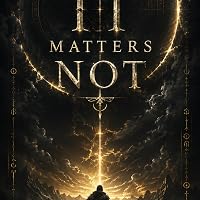
Das Vermächtnis des Inka ist das Ziel des Rittes, zu dem "Vater Jaguar" und seine Gefährten in Buenos Aires aufbrechen. Sie folgen dem Stierkämpfer Antonio Perillo, der sich verbrecherisch in den Besitz des Geheimnisses gebracht hat, hinauf in die Anden. Wird in der finsteren "Mordschlucht" endlich die Gerechtigkeit siegen?
Karl Friedrich May (also Karol May) was one of the best selling German writers of all time, noted mainly for books set in the American Old West, (best known for the characters of Winnetou and Old Shatterhand) and similar books set in the Orient and Middle East. In addition, he wrote stories set in his native Germany, in China and in South America.
May also wrote poetry and several plays, as well as composing music; he was proficient with several musical instruments. May's musical version of "Ave Maria" became very well known.
Mein erster Südamerikaroman von Karl May, aber alles wie gewohnt: Die Witze sind witzig, die Käuze kauzig, die deutschen Helden in der Ferne heldenhaft, die Wanderlust groß, die Landschaft und Völker exotisch und die Spannung leidlich spannend. Mit Längen und einigen Passagen die man hätte streichen können, weil sie nicht wirklich etwas beitragen (auch das wie immer) und wegen fehlendem Tiefgang insgesamt auf gutem Groschenromanniveau.
The Inca's Legacy or in German Das Vermächtnis des Inka which I have read in German is my first Karl May book.
The book follows a couple of interwoven storylines following what I found to be a diverse cast of characters in personality although most of the characters were rather shallow and only ever followed their one to two quirks that they were given.
Amongst the characters we have the Germans Dr Morgenstern who is an archaeologist trying to get megafauna bones out of the swamps in Argentina and his servant Kiesewetter who is fiercely loyal even though he seemed to have only joined up because he wanted to get paid and had no job lined up. There is also Hammer or as he is most commonly referred to "Father Jaguar" who seems to be good at everything he attempts, including jumping over bulls, tracking, and winning fights against extreme odds.
The two Incas accompanying the party are Hauka and his loyal follower Anciano who as the name suggests is an old man in his early hundreds who is as spry as anyone else.
Most of the major events in the story happen because Morgenstern gets himself into trouble and has to be rescued, this happens at least three times. Each time they learn vital information as the antagonists do not kill them while they are imprisoned as should be expected from any good Western.
They travel throughout various parts of inland Argentina, learning of the titular legacy of the Inca and searching for revenge until the final climax at the Barranca del Homicidio, or the Murder Gorge. I shall let you guess what happened there.
Overall I found the book interesting. The plot while a little meandering and repetitive at times had its charms and the exploration of what May must have thought South America was like was also interesting. May's inaccuracies about South America made sense as he had never been there himself. My complaints about them are somewhat ironic, as I have never been there either.
Most of the story seemed to advance through various permutations of "get captured", "overhear information", and "escape". At some point I began to wonder what the villains were thinking. The most egregious example is when Morgenstern and Kiesewetter attempt to be the first to trigger an ambush and end up unarmed in the middle of the enemy who simply lets them go because they believe they'll catch them after the battle...
Finally some of the character quirks while charming at first became annoying as the book progressed, in particular Morgenstern's repeated translation of words into Latin which I suppose was done to make him appear more learned and clever but made him seem pretentious, especially when non-academic characters translate back at him.
I am, however, interested to read Karl May's books about Winnetou, perhaps these will give me more insights into the parody movie Der Schuh des Manitu.
„Corrida de toros, corrida de toros!” răsuna glasul crainicilor care, împodobiţi cu cocarde şi panglici multicolore, străbăteau oraşul Buenos Aires în lung şi în lat.
Corrida de toros, lupta cu taurii, era de câtva timp evenimentul comentat cu mare lux de amănunte în toate gazetele oraşului.
Corrida de toros forma subiectul de discuţie în toate localurile publice şi particulare.
Corrida de toros înflăcărează pe orice spaniol, ca şi pe orice ins în vinele căruia curge măcar o picătură de sânge latino-american. Puţin îi pasă de adversarii distracţiei sale favorite, de cei care susţin că e vorba de un sport imoral şi în toate privinţele reprobabil. Spaniolul arde de nerăbdare să-şi găsească un loc, să chiuie bucuros la vederea animalului torturat şi, încântat peste măsură, să uite de sine şi de tot când taurul îndârjit şi fără teamă spintecă burta unui cal sau ia în coarne pe vreunul din toreadori.
Da, corrida de toros! De câtă vreme nu se mai văzuse la Buenos Aires o corrida! De când nu se mai auzise în Plaza de toros nechezatul cailor, mugetul taurilor, strigătele luptătorilor, aclamaţiile mulţimii! Trecuseră ani de la ultimul spectacol de acest gen şi vina o purta grava situaţie politică a ţării.
Războiul în care Lopez, dictatorul paraguayan, târâse Confederaţia Argentinei, costase până atunci 40 de milioane de dolari şi 50 de mii de morţi pe câmpul de luptă, fără a mai vorbi de cele 200 de mii de victime ale holerei, rezultat al mizeriei provocate de război. Nimeni nu se mai gândea la petreceri. Armata Confederaţiei se afla în permanentă inferioritate faţă de trupele lui Lopez. Dar, în săptămâna precedentă, un succes remarcabil îi aduse lauda întregii ţări. Izbânda fusese sărbătorită la Buenos Aires prin iluminaţii şi alaiuri festive. Şi pentru a fi pe placul populaţiei, Sarmiento, preşedintele nou ales, găsi nimerit să îngăduie organizarea unei lupte cu tauri.
Deşi pregătită la repezeală, această corrida de toros avea să devină extrem de pasionantă datorită unui anume concurs de împrejurări, îndreptăţind astfel aşteptările mulţimii.
Kunnon seikkailukirjallisuus oli voimissaan ennen ensimmäistä maailmansotaa. Näissä teoksissa länsimaalaiset alfaurokset tunkeutuivat synkimpienkin viidakoiden syvimpiin loukkoihin etsimään aarteita, pelastamaan neitokaisia ja tuomaan kunniaa synnyinmaalle. Eikä angloamerikkalaisilla suinkaan ollut yksinoikeutta tämän tason hölmöilylle, yksi suurimmista oli saksalainen Karl May. Inkan testamentti oli ilmestyessään 1895 jonkinlainen menestys, se kertoo saksalaisten tiedemiesten ja germaanisankari Isä Jaguaarin edesottamuksista pampalla ja tropiikin tiheiköissä. May itse ei käynyt paikoissa, joita kirjoissaan kuvaa, se oli jonkinlainen lajityypin perinne, ja siksipä maisemien kuvailu on vähintäänkin minimaalista. Hahmot ovat kuitenkin viihdyttäviä, saksalaiset tiedemiehet ovat sympaattisia hupsuja ja eritysen hauska on Don Parmesan, espanjalainen aateliskirurgi, joka parantaa vaivan kuin vaivan leikkaamalla kaiken pois, aivan kaikki pikkuvarpaasta leukaluuhun leikataan menemään kunnes potilaasta on jäljellä lähinnä ällistyneet silmämunat. Pahat ovat pahoja ja hyvät ovat hyviä, tietysti, ja laivat ovat puuta ja miehet rautaa. Kunniakseen May osoittaa suurta myötätuntoa Etelä-Amerikan alkuperäiskansoille, mutta härkätaistelut saavat häneltä jyrkän tuomion. Inkan testamentti on liian pitkä, pitkin poikin Argentiinaa hortoilu alkaa pikkuhiljaa kyllästyttämään eikä mitään sen kummoisempaa tapahdu missään aiheessa. Silti oli avartavaa lukea aikoinaan erittäin suositun kirjailijan eräs kirja, Karl May on mainittu jopa Quentin Tarantinon elokuvassa, jos se nyt jonkinlainen tae on.
Đây là cuốn "Cuộc báo thù của người Inca" được dịch in ở VN khoảng đầu những năm 90 được nhiều người đọc thời bấy giờ. Không còn nhớ nhiều về nội dung nhưng ấn tượng là khá hấp dẫn với nhiều điểm thú vị về văn hoá và cuộc sống người Inca (dù không chắc có đúng không hay chỉ là tác giả sáng tác).
A complete translation from German and very interesting bibliographical notes. There is a French version on Amazon for French speakers (ISBN-13: 979-1094605202). The translation is very neat and there is a lot of humor. I recommend this book to teenagers and all Karl May's fans.
The book I read was mistitled! It appears that this book really was Das Vermächtnis des Inka! There is another book that sometimes has the name Der Schatz der Inkas that is part 2 of a book called El Sendador. There is a movie in German called Das Vermächtnis des Inka that - at least based on its list of characters - is not based on the book I read! I am confused! In any case, the book served my purpose - which was to read a German book, practice my German, and be entertained. It was amusing that if you met a nice person and he was blond, you could bet that within a page or two that you'd find out that he was German. Didn't know there were so many Germans all over the world! But, you know, undoubtedly there were some. And it makes sense for a German author to draw in German readers by placing German characters in his stories. While this was an adventure story, it still seemed to move slowly, with characters discussing everything they were going to do before they did it. There was also some comic relief in the characters of Doktor Morgenstern and his helper, Fritze Kiesewetter (whose Berlin dialect made it hard to look up unfamiliar words on my Kindle). And at the end there was a moral - which made the correct title Das Vermächtnis des Inka more appropriate than Der Schatz der Inkas, since Vermächtnis means legacy or bequest, while Schatz means treasure. All-in-all, an enjoyable book that still took me a long time to make my way through!
This is an interesting book for me - I like the setting (I love mesoamerican cultures), I like the story, I like the characters, but someway I feel, that the book could be a lot better.
The characters are sympathetic, but really simple, they only have 1-2 major attributes and nothing more.
The story is cool and exciting, everything clicks perfectly... - so perfectly that it feels somewhat forced. I mean, everyone shows up at the best possible time, everyone we get to know is somehow related to the story and everything in this book happens for a reason.
The book itself does not provide some big, lifelong lesson, but it has its moments.
Overall, I enjoyed reading it, but it leaves me somewhat empty-handed after all.
Knjiga u kojoj se karl may premjestio iz sjeverne u južnu Ameriku a njegov globtroterski nijemac se ovdje naziva Otac jaguar-El Padre Jaguar, te rješava misterij praćen ubojstvom star nekoliko desetljeća. tu su i borbe s bikovima, fosilni ljenivci i neizbježni gauči...
buku ini yang pertama kali aku baca dari sekian banyak karya kakek Karl May. dan setelahnya, semua rangkaian seri petualangan benua amerika aku baca sampai berulang-ulang tanpa bosan.
O carte frumos scrisa, relaxanta si putin incitanta. Se urmaresc mai multe personaje si abia la final iti dai seama cine trebuia sa fie cel mai important. Finalul previzibil, dar logic.