

What do you think?

الإله ألفا: سيكولوجيا العنف والاضطهاد الديني
This book uses evolutionary psychology as a lens to explain religious violence and oppression. The author, a clinical psychologist, examines religious scriptures, rituals, and canon law, highlighting the many ways in which our evolutionary legacy has shaped the development of religion and continues to profoundly influence its expression. The book focuses on the image of God as the dominant male in Judaism, Christianity, and Islam. This traditional God concept is seen as a reflection of the “dominant ape” paradigm so evident in the hierarchical social structures of primates, with whom we have a strong genetic connection.
The author describes the main features of male-dominated primate social hierarchies— specifically, the role of the alpha male as the protector of the group; his sexual dominance and use of violence and oppression to attain food, females, and territory; in-group altruism vs. out-group hostility (us vs. them); and displays of dominance and submission to establish roles within the social hierarchy. The parallels between these features of primate society and human religious rituals and concepts make it clear that religion, especially its oppressive and violent tendencies, is rooted in the deep evolutionary past.
This incisive analysis goes a long way toward explaining the historic and ongoing violence committed in the name of religion.
The author describes the main features of male-dominated primate social hierarchies— specifically, the role of the alpha male as the protector of the group; his sexual dominance and use of violence and oppression to attain food, females, and territory; in-group altruism vs. out-group hostility (us vs. them); and displays of dominance and submission to establish roles within the social hierarchy. The parallels between these features of primate society and human religious rituals and concepts make it clear that religion, especially its oppressive and violent tendencies, is rooted in the deep evolutionary past.
This incisive analysis goes a long way toward explaining the historic and ongoing violence committed in the name of religion.
352 pages
First published March 10, 2015
Ratings & Reviews
Friends & Following
Create a free account to discover what your friends think of this book!
Community Reviews
Displaying 1 - 30 of 62 reviews

February 9, 2019
Alpha God: The Psychology of Religious Violence and Oppression by Hector A. Garcia
“Alpha God” is an excellent book that examines religious violence and oppression through evolutionary psychology. Clinical psychologist Hector A Garcia makes the compelling case that “God” has been drawn in human form, with behaviors inherited from our primate ancestors. This persuasive 290-page book includes the following ten chapters: 1. Enter God the Dominant Ape, 2. Evolutionary Mechanisms: Etiology, 3. The Protector God, 4. Sexual Dominance: From Apes to Men to Gods, 5. Cooperative Killing, In-group Identity, and God, 6. What It Means to Kneel, 7. Maladaptive Submission to the Godhead, 8. The Fearsome Reputations of Apes, Men, and Gods, 9. God’s Territory, and 10. Righting Ourselves.
Positives:
1. Well-written and well-reasoned book.
2. An interesting topic, the psychology of religious violence and oppression. “Dominant apes and men have a long history of securing such biological treasure by perpetrating violence and oppression on lower-ranking members of their societies. Once we observe that God, too, is portrayed as having great interest in these kinds of resources, and as securing them through similar means, it becomes increasingly clear that He has emerged as neither more nor less than the highest-ranking male of all.”
3. Great use of logic and evolutionary psychology to persuade the readers at an accessible level. Garcia has great command of the topic.
4. Good reading rhythm, the author does a good job of making persuasive statements backed by science and sound logic. “Arguably the best way to understand the ultimate basis for male violence and oppression is through the evolutionary sciences.”
5. Provocative statements abound. “Human potential is so vast, but we may have limited ourselves by the gods we created.”
6. Examines dominance and its implications on behavior. “With larger populations, the roles of gods began to reflect social concerns rather than the forces of nature. Notably, gods began to more actively regulate social interactions and punish breeches of morality and cooperation.”
7. Connects dots throughout the book. “It is worth noting that this business of marking over the territorial markers of one's rivals is known to primates and proliferated among the gods of the biblical age.”
8. Describes how politics and religion intertwine. “In a political environment run by strongmen, one needs a god based on strongman psychology, one equipped for maneuvering within the dominance hierarchies of men.”
9. Describes how the grand theory of evolution shaped the mind to anthropomorphize the natural world and how this tendency resulted in man-based gods. “Of note, some theorists in these disciplines describe religion as an adaptation that facilitated cooperation among early humans. Some describe it as a by-product of existing, evolved cognitive capacities. And still others describe it as both.” “
10. The protector “God” explained. “Because the primeval social environments in which our brains evolved required us to seek protection from powerful males against dangerous predators, such a role in male gods is emotionally intuitive. The natural extension is that gods now protect us from predation.” “The results suggest that the tendency to gravitate toward powerful leaders is independent of political affiliation, and thus potentially very ancient.”
11. The concept of eternity. “What better way of assuaging fears of death than with the promise of eternal life? And as we might expect, it is a dominant male savior who provides not only protection from death by predation but protection from death itself.”
12. Sexual domination. “Violence is a prevailing strategy for winning access to females among primates, including the great apes.” “Gods in religions worldwide share an interest in sex, and the male gods seek and acquire sex in patterned, dominant-male style, with a noted preference for virgins—females free of the genes of rival males.”
13. Generous usage of biblical scripture and passages from the Koran to make compelling arguments regarding the author’s theories of violence and oppression. “The Bible is especially frank in claiming that God wants women to submit to men, for example: “Wives, submit yourselves unto your own husbands, as it is fit in the Lord.” (Col. 3:18).”
14. The concept of patriarchal altruism. “Like secular culture, religions can engender great empathy and collaboration, but they can also bring about remorseless killing. This pattern of in-group altruism and out-group enmity has been termed parochial altruism.”
15. Many examples of a biblical violence. “He totally destroyed them, as Moses the servant of the LORD had commanded…. The Israelites carried off for themselves all the plunder and livestock of these cities, but all the people they put to the sword until they completely destroyed them, not sparing anyone that breathed. (Josh.11:12, 14)”
16. Religion as a source for control. “Similarly, Christianity has a long history of codified ideological control, with one example among Catholics being the dogma of papal infallibility. This dogma was promulgated by the Catholic Church at the First Vatican Council of 1870 and states that any dogmatic teaching that the pope conceives of is infallible. Such teachings are considered to be imparted directly from God and are therefore uncontestable.”
17. Depression as a form adaptation. “Evolutionary researchers have argued that self-esteem is a kind of “gauge” or “index” designed to inform adaptive goals. Such a gauge is critical in social hierarchies where individuals must understand their rank status and choose social behaviors according to their rank, particularly in regard to social competition—for example, not challenging a more dangerous, higher-ranking individual or submitting to a weaker, lower-ranking one.”
18. The origins of reputation. “Like men, God is exceedingly intolerant of threats to his reputation, most seminally in the third commandment: “Thou shalt not take the name of the LORD thy God in vain; for the LORD will not hold him guiltless that taketh His name in vain.” (Exod. 20:7). Words spoken against God (or disrespecting, slighting, or otherwise not showing proper reverence) are thereafter forbidden and considered a crime known as blasphemy. This crime is also punishable by death.”
19. Legitimacy of power. “One means of ensuring the legitimacy of God's position of power has been to forbid the questioning of religious doctrines that support it.”
20. The impact od rank and power on the planet. “In sum, the research cited above finds that hierarchical, male-driven societies tend to behave in ways detrimental to the worldwide ecosystem.”
21. Links to notes.
Negatives:
1. Lack of visual supplementary material.
2. A bit repetitive.
3. Needed a little more emphasis on neuroscience.
4. I was hoping to know more about male violence. Is there a genetic difference?
In summary, a 4.5 star book. A very interesting topic done justice by the persuasive arguments made by Garcia. He makes the compelling case that there is an evolutionary connection between our primate ancestors and humans. Furthermore, humans have used hierarchy and religion to impose control on societies. A lot to like here, I highly recommend it!
Further suggestions: “God: The Most Unpleasant Character in All Fiction” by Dan Barker, “Drunk with Blood: God’s Killings in the Bible” by Steve Wells, “The End of Faith” by Sam Harris, “The God Virus: How Religion Infects Our Lives and Culture” by Darrel Ray, “The Christian Delusion” by John W. Loftus, “Fighting Words” by Hector Avalos, “Faith Versus Fact: Why Science and Religion Are Incompatible” by Jerry A. Coyne, “God and the Multiverse” by Victor J. Stenger, “Science and Religion” by Daniel C. Dennett, “Why People Believe Weird Things” by Michael Shermer, “The Soul Fallacy” by Julien Musolino, “Nonbeliever Nation” by David Niose, “Freethinkers” by Susan Jacoby, “Nailed” by David Fitzgerald, and “Think” by Guy P. Harrison.
“Alpha God” is an excellent book that examines religious violence and oppression through evolutionary psychology. Clinical psychologist Hector A Garcia makes the compelling case that “God” has been drawn in human form, with behaviors inherited from our primate ancestors. This persuasive 290-page book includes the following ten chapters: 1. Enter God the Dominant Ape, 2. Evolutionary Mechanisms: Etiology, 3. The Protector God, 4. Sexual Dominance: From Apes to Men to Gods, 5. Cooperative Killing, In-group Identity, and God, 6. What It Means to Kneel, 7. Maladaptive Submission to the Godhead, 8. The Fearsome Reputations of Apes, Men, and Gods, 9. God’s Territory, and 10. Righting Ourselves.
Positives:
1. Well-written and well-reasoned book.
2. An interesting topic, the psychology of religious violence and oppression. “Dominant apes and men have a long history of securing such biological treasure by perpetrating violence and oppression on lower-ranking members of their societies. Once we observe that God, too, is portrayed as having great interest in these kinds of resources, and as securing them through similar means, it becomes increasingly clear that He has emerged as neither more nor less than the highest-ranking male of all.”
3. Great use of logic and evolutionary psychology to persuade the readers at an accessible level. Garcia has great command of the topic.
4. Good reading rhythm, the author does a good job of making persuasive statements backed by science and sound logic. “Arguably the best way to understand the ultimate basis for male violence and oppression is through the evolutionary sciences.”
5. Provocative statements abound. “Human potential is so vast, but we may have limited ourselves by the gods we created.”
6. Examines dominance and its implications on behavior. “With larger populations, the roles of gods began to reflect social concerns rather than the forces of nature. Notably, gods began to more actively regulate social interactions and punish breeches of morality and cooperation.”
7. Connects dots throughout the book. “It is worth noting that this business of marking over the territorial markers of one's rivals is known to primates and proliferated among the gods of the biblical age.”
8. Describes how politics and religion intertwine. “In a political environment run by strongmen, one needs a god based on strongman psychology, one equipped for maneuvering within the dominance hierarchies of men.”
9. Describes how the grand theory of evolution shaped the mind to anthropomorphize the natural world and how this tendency resulted in man-based gods. “Of note, some theorists in these disciplines describe religion as an adaptation that facilitated cooperation among early humans. Some describe it as a by-product of existing, evolved cognitive capacities. And still others describe it as both.” “
10. The protector “God” explained. “Because the primeval social environments in which our brains evolved required us to seek protection from powerful males against dangerous predators, such a role in male gods is emotionally intuitive. The natural extension is that gods now protect us from predation.” “The results suggest that the tendency to gravitate toward powerful leaders is independent of political affiliation, and thus potentially very ancient.”
11. The concept of eternity. “What better way of assuaging fears of death than with the promise of eternal life? And as we might expect, it is a dominant male savior who provides not only protection from death by predation but protection from death itself.”
12. Sexual domination. “Violence is a prevailing strategy for winning access to females among primates, including the great apes.” “Gods in religions worldwide share an interest in sex, and the male gods seek and acquire sex in patterned, dominant-male style, with a noted preference for virgins—females free of the genes of rival males.”
13. Generous usage of biblical scripture and passages from the Koran to make compelling arguments regarding the author’s theories of violence and oppression. “The Bible is especially frank in claiming that God wants women to submit to men, for example: “Wives, submit yourselves unto your own husbands, as it is fit in the Lord.” (Col. 3:18).”
14. The concept of patriarchal altruism. “Like secular culture, religions can engender great empathy and collaboration, but they can also bring about remorseless killing. This pattern of in-group altruism and out-group enmity has been termed parochial altruism.”
15. Many examples of a biblical violence. “He totally destroyed them, as Moses the servant of the LORD had commanded…. The Israelites carried off for themselves all the plunder and livestock of these cities, but all the people they put to the sword until they completely destroyed them, not sparing anyone that breathed. (Josh.11:12, 14)”
16. Religion as a source for control. “Similarly, Christianity has a long history of codified ideological control, with one example among Catholics being the dogma of papal infallibility. This dogma was promulgated by the Catholic Church at the First Vatican Council of 1870 and states that any dogmatic teaching that the pope conceives of is infallible. Such teachings are considered to be imparted directly from God and are therefore uncontestable.”
17. Depression as a form adaptation. “Evolutionary researchers have argued that self-esteem is a kind of “gauge” or “index” designed to inform adaptive goals. Such a gauge is critical in social hierarchies where individuals must understand their rank status and choose social behaviors according to their rank, particularly in regard to social competition—for example, not challenging a more dangerous, higher-ranking individual or submitting to a weaker, lower-ranking one.”
18. The origins of reputation. “Like men, God is exceedingly intolerant of threats to his reputation, most seminally in the third commandment: “Thou shalt not take the name of the LORD thy God in vain; for the LORD will not hold him guiltless that taketh His name in vain.” (Exod. 20:7). Words spoken against God (or disrespecting, slighting, or otherwise not showing proper reverence) are thereafter forbidden and considered a crime known as blasphemy. This crime is also punishable by death.”
19. Legitimacy of power. “One means of ensuring the legitimacy of God's position of power has been to forbid the questioning of religious doctrines that support it.”
20. The impact od rank and power on the planet. “In sum, the research cited above finds that hierarchical, male-driven societies tend to behave in ways detrimental to the worldwide ecosystem.”
21. Links to notes.
Negatives:
1. Lack of visual supplementary material.
2. A bit repetitive.
3. Needed a little more emphasis on neuroscience.
4. I was hoping to know more about male violence. Is there a genetic difference?
In summary, a 4.5 star book. A very interesting topic done justice by the persuasive arguments made by Garcia. He makes the compelling case that there is an evolutionary connection between our primate ancestors and humans. Furthermore, humans have used hierarchy and religion to impose control on societies. A lot to like here, I highly recommend it!
Further suggestions: “God: The Most Unpleasant Character in All Fiction” by Dan Barker, “Drunk with Blood: God’s Killings in the Bible” by Steve Wells, “The End of Faith” by Sam Harris, “The God Virus: How Religion Infects Our Lives and Culture” by Darrel Ray, “The Christian Delusion” by John W. Loftus, “Fighting Words” by Hector Avalos, “Faith Versus Fact: Why Science and Religion Are Incompatible” by Jerry A. Coyne, “God and the Multiverse” by Victor J. Stenger, “Science and Religion” by Daniel C. Dennett, “Why People Believe Weird Things” by Michael Shermer, “The Soul Fallacy” by Julien Musolino, “Nonbeliever Nation” by David Niose, “Freethinkers” by Susan Jacoby, “Nailed” by David Fitzgerald, and “Think” by Guy P. Harrison.

July 28, 2015
I love it when real scientific study of humans/animals relates directly to the invention of the god that ruins many people's lives.
Just sorry so many people are unable to distinguish fantasy from fiction. Even the people I think are smarter than I am. I guess smartness is all relative in a greater scheme of the cosmos. Perhaps there is much more power in brainwashing than I thought...
Just sorry so many people are unable to distinguish fantasy from fiction. Even the people I think are smarter than I am. I guess smartness is all relative in a greater scheme of the cosmos. Perhaps there is much more power in brainwashing than I thought...

July 19, 2020
An awful new atheist diatribe that argues, perhaps correctly, that traditional religions reinforce male dominated hierarchies. But in the same breath advocates for the creation of new, more feminine, religions in the name of enlightenment humanism and human-centric environmentalism. The author, using his own reasoning, is simply justifying his inadequacies as a man using evolutionary psychology.
On another note, many of the authors scientific claims are non-nuanced at best, and completely incorrect at other times. This book was designed for a mass audience, not an academic one, so to some extent the failings of the book can be ignored. But just know that this book is not for learning but for ideological evangelizing.
On another note, many of the authors scientific claims are non-nuanced at best, and completely incorrect at other times. This book was designed for a mass audience, not an academic one, so to some extent the failings of the book can be ignored. But just know that this book is not for learning but for ideological evangelizing.

December 19, 2020
ما هو الله؟
سيقول الكثير أن الله محبة ، أو أن الله جمال. بالنسبة للآخرين ، الله كائن غير مادي ، خالق الكون. لقد تم وصف الله بأنه رحيم و عادل ، باعتباره السلطة الأخلاقية النهائية ، أو المصدر النهائي للخير في العالم. يستمد الناس من رؤية الله هذه إحساساً بالرهبة والهدف والأمل والتعاطف. في هذه الرؤية ، تلتقي جماهير من الناس حول العالم حول إحساس مشترك بالعجب والتقدير والوحدة ، ويزرعون بين بعضهم البعض بيئة من اللطف والكرم والدعم. إن رؤية الله هذه لا جدال فيها ، من حيث أنها تشكل ظواهر عبادة الله الدينية.
ولكن هناك رؤية أخرى لله بنفس الواقعية. غالبية المؤمنين في العالم يعبدون إلهًا مخيفًا و ذكوريا . يصور الكتاب المقدس هذا الإله على أنه يمطر غضبه على أعدائه ويذبح غير المؤمنين. كما أنه يكلف مرؤوسيه بضبط الحياة الجنسية والهوس بشأن الإخلاص الجنسي. المتطرفون يوجهون الطائرات إلى المباني أو يفجرون أنفسهم في الأسواق المزدحمة. إنهم يثيرون العار الجنسي وينخرطون في تشويه الأعضاء التناسلية ، والهجمات الحمضية ، وما يسمى بجرائم الشرف. يبدأون محاكم التفتيش ومطاردة الساحرات والحروب الدينية والفتوحات الدينية. إنهم يسيطرون على الإيديولوجية و يولدون الخرافات والجهل والتحيز. ويسعون أيضًا إلى فرض حظر على تساؤلات الناس ، بحيث تمر مثل هذه الأعمال الوحشية دون فحص أو تفكير !!
Hector A. Garcia
Alpha God
Translated By #Maher_Razouk
سيقول الكثير أن الله محبة ، أو أن الله جمال. بالنسبة للآخرين ، الله كائن غير مادي ، خالق الكون. لقد تم وصف الله بأنه رحيم و عادل ، باعتباره السلطة الأخلاقية النهائية ، أو المصدر النهائي للخير في العالم. يستمد الناس من رؤية الله هذه إحساساً بالرهبة والهدف والأمل والتعاطف. في هذه الرؤية ، تلتقي جماهير من الناس حول العالم حول إحساس مشترك بالعجب والتقدير والوحدة ، ويزرعون بين بعضهم البعض بيئة من اللطف والكرم والدعم. إن رؤية الله هذه لا جدال فيها ، من حيث أنها تشكل ظواهر عبادة الله الدينية.
ولكن هناك رؤية أخرى لله بنفس الواقعية. غالبية المؤمنين في العالم يعبدون إلهًا مخيفًا و ذكوريا . يصور الكتاب المقدس هذا الإله على أنه يمطر غضبه على أعدائه ويذبح غير المؤمنين. كما أنه يكلف مرؤوسيه بضبط الحياة الجنسية والهوس بشأن الإخلاص الجنسي. المتطرفون يوجهون الطائرات إلى المباني أو يفجرون أنفسهم في الأسواق المزدحمة. إنهم يثيرون العار الجنسي وينخرطون في تشويه الأعضاء التناسلية ، والهجمات الحمضية ، وما يسمى بجرائم الشرف. يبدأون محاكم التفتيش ومطاردة الساحرات والحروب الدينية والفتوحات الدينية. إنهم يسيطرون على الإيديولوجية و يولدون الخرافات والجهل والتحيز. ويسعون أيضًا إلى فرض حظر على تساؤلات الناس ، بحيث تمر مثل هذه الأعمال الوحشية دون فحص أو تفكير !!
Hector A. Garcia
Alpha God
Translated By #Maher_Razouk

May 6, 2021
This book is about psychology of religion and psychology of religious violence in particular. Just as human physiology and evolutionary physiology have worked to identify physical adaptations of the body that represent "human physiological nature," the purpose of evolutionary psychology is to identify evolved emotional and cognitive adaptations that represent "human psychological nature."
Hector A. Garcia tries to explain why violence is more common among males not only in humans, but also in other primates as well. It seems that there are great advantages for apes who are violent. They can have more access to food and resources. They can make harems for themselves and monopolize sex with females. In this way, they have the upper hand in competition with other males and pass on their genes more easily to the next generations. That's why men are predominantly more violent than women. For instance, dominant male gorillas often use the threat of aggression to exert totalitarian rule. Notably in gorilla troops, a dominant male's supremacy confers to him exclusive sexual privileges with the group's females. Or by killing the offspring of rival males, the dominant male eliminates future competition that may impinge on his fitness or that of his offspring.
Hector A. Garcia tries to explain why violence is more common among males not only in humans, but also in other primates as well. It seems that there are great advantages for apes who are violent. They can have more access to food and resources. They can make harems for themselves and monopolize sex with females. In this way, they have the upper hand in competition with other males and pass on their genes more easily to the next generations. That's why men are predominantly more violent than women. For instance, dominant male gorillas often use the threat of aggression to exert totalitarian rule. Notably in gorilla troops, a dominant male's supremacy confers to him exclusive sexual privileges with the group's females. Or by killing the offspring of rival males, the dominant male eliminates future competition that may impinge on his fitness or that of his offspring.

April 28, 2019
Excellent book based on science. Brings explanation to why the God of all religions has so many human/male attributes. A great study of human evolution and behavioral parallelism with apes.

November 29, 2017
Very interesting and thought provoking book exploring the notion that we create god in our image. Therefore he looks and behaves like the ultimate alpha male.
Many interesting ideas. Much to think about.
Slightly repetitive.
Many interesting ideas. Much to think about.
Slightly repetitive.

September 30, 2021
CHAPTER 1: ENTER GOD THE DOMINANT APE
Dominance Defined
History: How a Dominant Male God Rises to Power
5,5/10
Super basic intro. Narrator voice is great. It’s not bad, but the constant mention of God and gods being made by men, not women, becomes obnoxious because there is no support for this claim being shown here. Rather he just introduces the concept in a longwided way. So is he wrong? I can’t tell yet, but this is a full chapter just repeating this same point 20 times over.
It’s also obnoxious because it sounds way too similar to some rabiant feminist agenda by tying religion to masculinity. That’s just one of many interpretations. But since he doesn't explain what this all implies it feels like propaganda. A chapter seemingly preparing the reader for a hack-job. Of course it may just be that he is repetitive and not fanatical.
CHAPTER 2: EVOLUTIONARY MECHANISMS: ETIOLOGY
Natural Selection
Sexual Selection
Mate Competition
Mate Selection
Mating Strategies
Quantity
Male Jealousy
Quality
Kin Selection and Kin Altruism
Evolutionary Psychology and the Science of God
6,5/10
This is very basic sexual selection stuff. Obviously I love this stuff, but it’s at a very basic level so it's stuff you already know all about if you have read books on evolutionary psychology.
This chapter is obviously very cool and a great intro. I just didn’t quite need it here. It’s too basic for what the topic of the book is. If you don’t understand sexual selection already you surely don’t read long philosophical books anyhow. It's maybe a way to avoid talking about complicated matters like moral psychology? An easy way out?
CHAPTER 3: THE PROTECTOR GOD
Protector Males
Paternal Certainty in Apes, Men, and God
Problems of Divine Alliance Making
7/10
Connecting religion to leadership and how leaders use their religion to strengthen their power and gain access to women. Pretty interesting stuff, but still very basic.
CHAPTER 4: SEXUAL DOMINANCE: FROM APES TO MEN TO GOD
Apes
Violence and Sexual Access
Infanticide in Nonhuman Primates
Men
What Men Want
What Dominant Men Get
Gods
The Lustful Godhead
Sexually Repressive Gods: Divine Jealousy
The Virgin and the King
Chaste and Submissive
Women
What Women Want in Their Men and Gods
The Cost to Women and Children
Veiling
Violence against Women
Infanticide in Men and God
A Case Study
8/10
I feel like this is the first chapter that actually tries to be fully about the topic at hand. Here we explore how religion controls reproduction. One would assume a god wouldn’t care about how puny humans reproduced. But in religious texts gods even care about how you dress or think about sexual matters. So there is an extreme top-down control and you'd want women to not sleep around.
CHAPTER 5: COOPERATIVE KILLING, IN-GROUP IDENTITY, AND GOD
Evidence in the Microcosm
Establishing Boundaries with Kin Altruism
In-Group, Out-Group
Reciprocal Altruism and Indirect Reciprocity
God as War-Maker
Patterns of Primate Alliance-Making
Costly Signals with God for Help in Killing
The Great Out-Group Prejudice of Humankind
The Sociopathy of the In-Group
Sociopathic Killing
6,5/10
This chapter reveals how kind of atheist he is. At one point he talks about how Israeli soldiers capture and torture Palestinian children… which is a statement not only random, but just out of the blue. Why did he mention it? What is it even about? Why does he attack Israel yet ignore anything modent Muslim? It feels like he is spiteful. Now, I’m an atheist myself. I don’t believe in any gods or spirits whatsoever. But when you write about religions and cultures it’s wise to be a bit respectful and smart about it. If you wrote a book about British history and just attacked the country and the culture on every page the book would be horrible. No one would read it because it’s too negative so it doesn’t entice us to explore this new culture. This book unfortunately has this kind of effect on me. It makes me not want to read about the topic when the writer is just attacking it all the way.
This is largely about ingroup vs. outgroup. It's stuff you know. He uses a lot of examples, but it still feels bareboned as he focuses on evolutionary psychology over history which is a mistake here I feel. Even though there is plenty of history it feels a bit all over the place as we jump from religion to religion without any method to it. I assume he largely keeps to the 3 Abrahamic religions.
CHAPTER 6: WHAT IT MEANS TO KNEEL
Size and Domination: What it Means to Be Big
Big Heads, Big Hats
Posturing
Eye Contact
Hand and Foot Kissing
Submission by Ideological Surrender
7/10
Lots of theories here that may or may not be true. Like a theory about why we wear big hats and have beards. It connects to perceived size. This is actually new to me so I like it even though it’s less scientific than the evolutionary psychology stuff.
CHAPTER 7: MALADAPTIVE SUBMISSION TO THE GODHEAD
The Pecking Order
Worthlessness and the Sin of Pride
Anhedonia
Sex and the Sin of Lust
Food and the Sin of Gluttony
Diminished Ability to Think
6,5/10
About power structures and how followers are made to not seek extra sexual gratification or power.
CHAPTER 8: THE FEARSOME REPUTATIONS OF APES, MEN, AND GOD
The Origins of Reputation
Men
Gods
6,5/10
Strive for power propaganda and how we are evolved to also be followers when we have to.
CHAPTER 9: GOD'S TERRITORY
Marking Territory
Territory: Staking Claim to Sex
Rape and the Bible
Staking Claim to Mother Earth
The Earth as Ecosystem
Male Competition and Resource Consumption
Religious Rapacity: An Alternate View
7/10
This chapter makes some good points about how religion texts actually support rape, kidnapping and killing when it's against the outgroup. The author makes it clear that this shouldn't be possible if the religions were based on grand moral doctrines instead of selfishness and a strive for power.
CHAPTER 10: RIGHTING OURSELVES
The Psychology of the Other
Pacifism and Selective Observance
Erecting a Wall
Societal Health and Future Directions
Closing Thoughts
6/10
Eh, he finally explains what this book is about, but even after this chapter where he explains his reasoning and idea I still don’t get it. He just doesn’t seem to understand his own logic, points or ideas. What is his project? What does he feel about religion overall? What should we do with religious people and churches? Burn it all?
My final opinion on the book
Man, there is so much to say on this book. It's quite a mess for sure and half of the arguments are incomplete, biased or confusing. But the other half of the book is actually great though overly simple. So how the hell do you judge such a work? It's not great. It's not bad. It's just a guy trying to write down his ideas not understanding when he is wrong as he clearly had no one clever to give him critical feedback. One man obviously can say a lot of smart stuff, but one man is also a bias central with no one to correct him.
Firstly, this is an atheist book against religion in USA. So largely it's against Christianity and to some degree the Old Testament and Jews. But it mentions Islam and later even Buddhism too. It's very much a book for atheists who hate Christianity in USA and see it as "the one true evil religion." You constantly wonder why the Bible gets this much hate in a book about overall religion.It becomes a one-sided a weird book where you don't even quite understand what religion is. What does he define it as? Why focus on monotheistic religions to this degree? What about the Muslim world or Muslim immigrants? It's such a huge plot hole in the book that you wonder how small the readership group is. It’s for left-wing "pro science" atheists - which is obviously not a huge group. It's also weird how much he just jumps from point to point without explaining what religions are good or evil. He could have used lists and surveys to compare religions and cultures to make his points instead of just being general. It does feel like a book powered by hate. And I'm not really sure how I feel about that. These atheists do make all atheists look bad with their weird one-sided attacks. But on the other hand this is what he knows about. He knows about the Bible and Christians so he writes about them.
Secondly, it's an atheist liberal manifesto against male-centered religion. It’s pro a "feminist" or rather feminine holistic worldview where all are one. Basically some progressive appeal to soft communism where family, groups, nations and powers are replaced by a universal rule of spiritual ideas based on female holistic thinking where there is no fight for power and all nations are one. I don't agree with his ideas, most people won't. Largely because he just doesn't explain it well. He focuses on history and negative examples from religion, but it's never clear that this alternative new age utopia is even realistic. You can't just present an idea and then not explain it. Instead of telling us what he thinks he complains about what he wants to get away from. Right, it's like saying cars suck because they pollute and then want everyone to only use bikes. Sure, fine idea, but how would it even work? How would a “feminist” paradise on Earth look like? Could it potentially be worse than soft Christianity? You could have the holistic people just fire everyone who spoke up against them. You could have liberal voices cancelling whole scientific fields for being "against holistic utopia". We currently see a lot of this stuff in extreme progressive cities, nations, companies and universities. It's not paradise in real life yet it is in his book. He doesn’t tackle a single critical question. He could at least have made up some stupid excuses, but he doesn’t even try.
Now onto the main factors of the book. He explains that religion is based on male natural instincts so the Abrahamic religions are about conquering and reproducing. He uses evolutionary psychology to make a case for all of this. I actually think this book is a very impressive work and a good intro to evolutionary psychology and religion - if you are new to it. It's just stuff you already know about if you have read Pinker and Dawkins. Dawkins already wrote about religion from an atheist viewpoint. Pinker wrote about EP. It's not hard to understand that it fits together. Here the topics are combined which is extremely cool and interesting, but 60% of the book is just EP intro stuff. So if you have read Pinker or Robert Wright you will be bored much of the book. If you are clueless about EP you'll love it. Of course this is still only pertaining to potential atheist readers. It's very much an easy skip for most Christians who won't be able to tolerate this amount of whining in one single book. It's too much even for me as an atheist. Maybe if he was as mean to Islam too I'd accept it as a critical and fair product with just a mean spirit instead of an aimed hitjob.
Overall he just overlooks one too many things he should at least have mentioned. It's not even clear what the book is about. It's about his personal theory, but what is it? He should have explained all of this in the first chapter. Explained how he is a feminist, atheist, left-wing or whatever and how his ideas are such and such. I'm still not sure what he is.
I don't know what to make of it. I love reading weird ideas and just out-there thought experiments. Yet if they are bad or incomplete I still need to be fair in my judgement. It's not a 1 star book unless you hate reading about ideas you disagree with. There are some very cool and unique concepts here. It's just so biased and one-sided that the ideas remain unexplained as he doesn't even feel like he has to defend them. That part is lazy. I’m not sure if he wants to fire men and vote for communists? It seems so, but he never says it directly. It’s also not clear how a feminist nation would keep destructive immigrants at bay and sustained a strong army. Seems like he doesn’t want armies to exist, yet they do and are very much needed.
The main issue with the book is that it's just super repetitive and too simple. It's stuff you know and if you don't know about it you'll still need to read 5 chapters that are kinda copies of each other. You need some patience to get through it.
Dominance Defined
History: How a Dominant Male God Rises to Power
5,5/10
Super basic intro. Narrator voice is great. It’s not bad, but the constant mention of God and gods being made by men, not women, becomes obnoxious because there is no support for this claim being shown here. Rather he just introduces the concept in a longwided way. So is he wrong? I can’t tell yet, but this is a full chapter just repeating this same point 20 times over.
It’s also obnoxious because it sounds way too similar to some rabiant feminist agenda by tying religion to masculinity. That’s just one of many interpretations. But since he doesn't explain what this all implies it feels like propaganda. A chapter seemingly preparing the reader for a hack-job. Of course it may just be that he is repetitive and not fanatical.
CHAPTER 2: EVOLUTIONARY MECHANISMS: ETIOLOGY
Natural Selection
Sexual Selection
Mate Competition
Mate Selection
Mating Strategies
Quantity
Male Jealousy
Quality
Kin Selection and Kin Altruism
Evolutionary Psychology and the Science of God
6,5/10
This is very basic sexual selection stuff. Obviously I love this stuff, but it’s at a very basic level so it's stuff you already know all about if you have read books on evolutionary psychology.
This chapter is obviously very cool and a great intro. I just didn’t quite need it here. It’s too basic for what the topic of the book is. If you don’t understand sexual selection already you surely don’t read long philosophical books anyhow. It's maybe a way to avoid talking about complicated matters like moral psychology? An easy way out?
CHAPTER 3: THE PROTECTOR GOD
Protector Males
Paternal Certainty in Apes, Men, and God
Problems of Divine Alliance Making
7/10
Connecting religion to leadership and how leaders use their religion to strengthen their power and gain access to women. Pretty interesting stuff, but still very basic.
CHAPTER 4: SEXUAL DOMINANCE: FROM APES TO MEN TO GOD
Apes
Violence and Sexual Access
Infanticide in Nonhuman Primates
Men
What Men Want
What Dominant Men Get
Gods
The Lustful Godhead
Sexually Repressive Gods: Divine Jealousy
The Virgin and the King
Chaste and Submissive
Women
What Women Want in Their Men and Gods
The Cost to Women and Children
Veiling
Violence against Women
Infanticide in Men and God
A Case Study
8/10
I feel like this is the first chapter that actually tries to be fully about the topic at hand. Here we explore how religion controls reproduction. One would assume a god wouldn’t care about how puny humans reproduced. But in religious texts gods even care about how you dress or think about sexual matters. So there is an extreme top-down control and you'd want women to not sleep around.
CHAPTER 5: COOPERATIVE KILLING, IN-GROUP IDENTITY, AND GOD
Evidence in the Microcosm
Establishing Boundaries with Kin Altruism
In-Group, Out-Group
Reciprocal Altruism and Indirect Reciprocity
God as War-Maker
Patterns of Primate Alliance-Making
Costly Signals with God for Help in Killing
The Great Out-Group Prejudice of Humankind
The Sociopathy of the In-Group
Sociopathic Killing
6,5/10
This chapter reveals how kind of atheist he is. At one point he talks about how Israeli soldiers capture and torture Palestinian children… which is a statement not only random, but just out of the blue. Why did he mention it? What is it even about? Why does he attack Israel yet ignore anything modent Muslim? It feels like he is spiteful. Now, I’m an atheist myself. I don’t believe in any gods or spirits whatsoever. But when you write about religions and cultures it’s wise to be a bit respectful and smart about it. If you wrote a book about British history and just attacked the country and the culture on every page the book would be horrible. No one would read it because it’s too negative so it doesn’t entice us to explore this new culture. This book unfortunately has this kind of effect on me. It makes me not want to read about the topic when the writer is just attacking it all the way.
This is largely about ingroup vs. outgroup. It's stuff you know. He uses a lot of examples, but it still feels bareboned as he focuses on evolutionary psychology over history which is a mistake here I feel. Even though there is plenty of history it feels a bit all over the place as we jump from religion to religion without any method to it. I assume he largely keeps to the 3 Abrahamic religions.
CHAPTER 6: WHAT IT MEANS TO KNEEL
Size and Domination: What it Means to Be Big
Big Heads, Big Hats
Posturing
Eye Contact
Hand and Foot Kissing
Submission by Ideological Surrender
7/10
Lots of theories here that may or may not be true. Like a theory about why we wear big hats and have beards. It connects to perceived size. This is actually new to me so I like it even though it’s less scientific than the evolutionary psychology stuff.
CHAPTER 7: MALADAPTIVE SUBMISSION TO THE GODHEAD
The Pecking Order
Worthlessness and the Sin of Pride
Anhedonia
Sex and the Sin of Lust
Food and the Sin of Gluttony
Diminished Ability to Think
6,5/10
About power structures and how followers are made to not seek extra sexual gratification or power.
CHAPTER 8: THE FEARSOME REPUTATIONS OF APES, MEN, AND GOD
The Origins of Reputation
Men
Gods
6,5/10
Strive for power propaganda and how we are evolved to also be followers when we have to.
CHAPTER 9: GOD'S TERRITORY
Marking Territory
Territory: Staking Claim to Sex
Rape and the Bible
Staking Claim to Mother Earth
The Earth as Ecosystem
Male Competition and Resource Consumption
Religious Rapacity: An Alternate View
7/10
This chapter makes some good points about how religion texts actually support rape, kidnapping and killing when it's against the outgroup. The author makes it clear that this shouldn't be possible if the religions were based on grand moral doctrines instead of selfishness and a strive for power.
CHAPTER 10: RIGHTING OURSELVES
The Psychology of the Other
Pacifism and Selective Observance
Erecting a Wall
Societal Health and Future Directions
Closing Thoughts
6/10
Eh, he finally explains what this book is about, but even after this chapter where he explains his reasoning and idea I still don’t get it. He just doesn’t seem to understand his own logic, points or ideas. What is his project? What does he feel about religion overall? What should we do with religious people and churches? Burn it all?
My final opinion on the book
Man, there is so much to say on this book. It's quite a mess for sure and half of the arguments are incomplete, biased or confusing. But the other half of the book is actually great though overly simple. So how the hell do you judge such a work? It's not great. It's not bad. It's just a guy trying to write down his ideas not understanding when he is wrong as he clearly had no one clever to give him critical feedback. One man obviously can say a lot of smart stuff, but one man is also a bias central with no one to correct him.
Firstly, this is an atheist book against religion in USA. So largely it's against Christianity and to some degree the Old Testament and Jews. But it mentions Islam and later even Buddhism too. It's very much a book for atheists who hate Christianity in USA and see it as "the one true evil religion." You constantly wonder why the Bible gets this much hate in a book about overall religion.It becomes a one-sided a weird book where you don't even quite understand what religion is. What does he define it as? Why focus on monotheistic religions to this degree? What about the Muslim world or Muslim immigrants? It's such a huge plot hole in the book that you wonder how small the readership group is. It’s for left-wing "pro science" atheists - which is obviously not a huge group. It's also weird how much he just jumps from point to point without explaining what religions are good or evil. He could have used lists and surveys to compare religions and cultures to make his points instead of just being general. It does feel like a book powered by hate. And I'm not really sure how I feel about that. These atheists do make all atheists look bad with their weird one-sided attacks. But on the other hand this is what he knows about. He knows about the Bible and Christians so he writes about them.
Secondly, it's an atheist liberal manifesto against male-centered religion. It’s pro a "feminist" or rather feminine holistic worldview where all are one. Basically some progressive appeal to soft communism where family, groups, nations and powers are replaced by a universal rule of spiritual ideas based on female holistic thinking where there is no fight for power and all nations are one. I don't agree with his ideas, most people won't. Largely because he just doesn't explain it well. He focuses on history and negative examples from religion, but it's never clear that this alternative new age utopia is even realistic. You can't just present an idea and then not explain it. Instead of telling us what he thinks he complains about what he wants to get away from. Right, it's like saying cars suck because they pollute and then want everyone to only use bikes. Sure, fine idea, but how would it even work? How would a “feminist” paradise on Earth look like? Could it potentially be worse than soft Christianity? You could have the holistic people just fire everyone who spoke up against them. You could have liberal voices cancelling whole scientific fields for being "against holistic utopia". We currently see a lot of this stuff in extreme progressive cities, nations, companies and universities. It's not paradise in real life yet it is in his book. He doesn’t tackle a single critical question. He could at least have made up some stupid excuses, but he doesn’t even try.
Now onto the main factors of the book. He explains that religion is based on male natural instincts so the Abrahamic religions are about conquering and reproducing. He uses evolutionary psychology to make a case for all of this. I actually think this book is a very impressive work and a good intro to evolutionary psychology and religion - if you are new to it. It's just stuff you already know about if you have read Pinker and Dawkins. Dawkins already wrote about religion from an atheist viewpoint. Pinker wrote about EP. It's not hard to understand that it fits together. Here the topics are combined which is extremely cool and interesting, but 60% of the book is just EP intro stuff. So if you have read Pinker or Robert Wright you will be bored much of the book. If you are clueless about EP you'll love it. Of course this is still only pertaining to potential atheist readers. It's very much an easy skip for most Christians who won't be able to tolerate this amount of whining in one single book. It's too much even for me as an atheist. Maybe if he was as mean to Islam too I'd accept it as a critical and fair product with just a mean spirit instead of an aimed hitjob.
Overall he just overlooks one too many things he should at least have mentioned. It's not even clear what the book is about. It's about his personal theory, but what is it? He should have explained all of this in the first chapter. Explained how he is a feminist, atheist, left-wing or whatever and how his ideas are such and such. I'm still not sure what he is.
I don't know what to make of it. I love reading weird ideas and just out-there thought experiments. Yet if they are bad or incomplete I still need to be fair in my judgement. It's not a 1 star book unless you hate reading about ideas you disagree with. There are some very cool and unique concepts here. It's just so biased and one-sided that the ideas remain unexplained as he doesn't even feel like he has to defend them. That part is lazy. I’m not sure if he wants to fire men and vote for communists? It seems so, but he never says it directly. It’s also not clear how a feminist nation would keep destructive immigrants at bay and sustained a strong army. Seems like he doesn’t want armies to exist, yet they do and are very much needed.
The main issue with the book is that it's just super repetitive and too simple. It's stuff you know and if you don't know about it you'll still need to read 5 chapters that are kinda copies of each other. You need some patience to get through it.

May 26, 2023
Alpha God is excellent, a study of alpha primates, from non-human primate alpha behavior to human primate alpha behavior to the alpha behavior of the gods we have manufactured.
-
Side Note: This is a signed copy as I met Hector A. Garcia in San Antonio last Fall.
-
Side Note: This is a signed copy as I met Hector A. Garcia in San Antonio last Fall.

June 29, 2020
Basically, God is an alpha male. that's it. We hijacked our evolutionary circuit to band behind the alpha male and projected it to a religious deity. Interestingly, this could be how humans banded together groups. Religions in that sense would then have had their own memetic style of evolution and the ones that banded the most humans together won. Evidence of this would be the temple sites located at Gobekli Tepe where various bands of human would come together, worship, and trade knowledge and goods.
An interesting book but gets pretty repetitive. Once you get the main idea the rest are just different details. This could probably have been a blog post and not an entire book.
An interesting book but gets pretty repetitive. Once you get the main idea the rest are just different details. This could probably have been a blog post and not an entire book.

August 22, 2020
This is a complementary book to The Evolution of God by Robert Wright as it tackles the same problem from another aspect. Whereas Wright used history as his tool of investigation, Garcia uses evolutionary psychology to bring a deep and powerful insight into the mentality of gods.
In this comprehensive analysis, Garcia managed to write a book about religion, history, psychology and feminism by explaining the actual one god that rules our lives.
In this comprehensive analysis, Garcia managed to write a book about religion, history, psychology and feminism by explaining the actual one god that rules our lives.

Read
September 25, 2019Interesting theory, and essential reading for anyone wanting to understand religion. I definitely won't see religion the same way again.
January 21, 2021
الدين و القمع الجنسي
يقول عالم النفس Hector A. Garcia في كتابه المهم Alpha God :
لقد سار الدين والقمع الجنسي جنبًا إلى جنب تاريخيًا ، وتدخلت إملاءات الدين القمعية جنسيًا في أعراف الثقافات في جميع أنحاء العالم. لفهم أصول القمع الجنسي ، يجب أن نفكر في مكان حدوث هذه الظاهرة في الطبيعة وما إذا كان هناك دافع تطوري مفصل في الثقافات البشرية. أنا أزعم أن السلوكيات القمعية الجنسية وعقائدها وأيديولوجياتها التمثيلية متجذرة في التكوين العقلي المصمم للتنقل في العالم الاجتماعي لأسلافنا البدائيين. في الرئيسيات غير البشرية ، يرتبط القمع على الدوام بالرتبة ، ويحدث عندما يسعى أولئك الأعلى في الرتبة إلى إعاقة الشهوات الجنسية لمن هم أقل. يسن البشر الذكور المسيطرون استراتيجيات مماثلة ، مثل عندما يحكم الملوك الحريم ويجعلون الرجال الآخرين خصيان . كما أن الآلهة ليست محصنة ضد هذه الرغبات والغيرة. في العديد من السياقات الدينية ، نرى غيرة الله تقضي بأن الرجال والنساء يجب أن يتجنبوا دوافعهم الجنسية تجاه الآخرين ، ويوجهون انتباههم إليه بدلاً من ذلك. خلال رمضان والصوم الكبير ، امتنع ملايين المسلمين والكاثوليك (على التوالي) عن ممارسة الجنس كتضحية لله ، كمثال يتجلى على نطاق واسع.
بالنسبة للكائنات العضوية ذات فترات الحياة المحدودة ، توفر الغيرة حافزًا مهمًا للتنافس على موارد البقاء ، سواء أكانوا طعامًا أو ماءًا أو إقليمًا أو شركاء جنسيين. ومع ذلك ، يجب أن نتوقف لحظة للتذكر أنه وفقًا للكتاب المقدس ، فإن الإله الإبراهيمي هو كائن يعيش إلى الأبد بدون موارد كما نعرف - وبالتالي ، لا داعي لتناول الطعام ، فلماذا نقاتل على الأراضي التي توفر مصدرًا غذائيًا منتظمًا؟ هو يفتقر إلى خطر الموت ، لماذا يجب أن يكون هناك مثل هذا القلق الكبير على الحياة الجنسية؟ علاوة على ذلك ، يتم وصفه بأنه قوي تمامًا ، لأنه خلق الكون بأكمله والحياة على الأرض ، على أنه يؤدي معجزات بشرية مستحيلة من خلال إرادته وحدها - يجب أن لا يغار الله من أحد ، لأن الكائن القاهر حقًا يجب ألا يكون له منافسين قابلين للحياة حقًا . ومع ذلك ، فإن الإله الإبراهيمي لديه مطالباته بالحصرية: لا يجوز لك أن تصنع لنفسك صنمًا ، أو أي شبه لما هو في السماء فوق أو على الأرض تحت أو في الماء تحت الأرض. لا تعبدهم ولا تخدمهم. لاني أنا الرب إلهك الغيور. (سفر الخروج ٢٠: ٤-٥)
غالبًا ما يطلب الرجال الأقوياء التفرد ، بما يتماشى مع الرئيسيات غير البشرية القوية. ومن بين هؤلاء الذكور ، يعد الانفراد الجنسي مصدر قلق رئيسي. وبالمثل ، غالبًا ما يتم تأطير طلب الله للولاء الذي لا مثيل له من حيث الغيرة الجنسية: لأنك لا تعبد أي إله آخر: لأن الرب هو إله غيور . وبالمثل ، يفترض العديد من المفكرين الدينيين المعاصرين أن عبادة الأصنام - عبادة التماثيل الرمزية للآلهة الأخرى - هي نفس الزنا. جادل آخرون بأنها تشبه الزنا الروحي - فكرة أن عبادة الأشياء على الله ، مثل الزوج ، الزوجة ، المال ، أو الآلهة الأخرى - تشبه الغش الجنسي مع الله. مقطع آخر من الكتاب المقدس يتحدث عن الجانب الجنسي للالتزام بالله: "الآن الجسد ليس للزنا ، ولكن للرب ؛ والرب للجسد "(كورنثوس 6:13).
#Maher_Razouk
#ماهررزوق
يقول عالم النفس Hector A. Garcia في كتابه المهم Alpha God :
لقد سار الدين والقمع الجنسي جنبًا إلى جنب تاريخيًا ، وتدخلت إملاءات الدين القمعية جنسيًا في أعراف الثقافات في جميع أنحاء العالم. لفهم أصول القمع الجنسي ، يجب أن نفكر في مكان حدوث هذه الظاهرة في الطبيعة وما إذا كان هناك دافع تطوري مفصل في الثقافات البشرية. أنا أزعم أن السلوكيات القمعية الجنسية وعقائدها وأيديولوجياتها التمثيلية متجذرة في التكوين العقلي المصمم للتنقل في العالم الاجتماعي لأسلافنا البدائيين. في الرئيسيات غير البشرية ، يرتبط القمع على الدوام بالرتبة ، ويحدث عندما يسعى أولئك الأعلى في الرتبة إلى إعاقة الشهوات الجنسية لمن هم أقل. يسن البشر الذكور المسيطرون استراتيجيات مماثلة ، مثل عندما يحكم الملوك الحريم ويجعلون الرجال الآخرين خصيان . كما أن الآلهة ليست محصنة ضد هذه الرغبات والغيرة. في العديد من السياقات الدينية ، نرى غيرة الله تقضي بأن الرجال والنساء يجب أن يتجنبوا دوافعهم الجنسية تجاه الآخرين ، ويوجهون انتباههم إليه بدلاً من ذلك. خلال رمضان والصوم الكبير ، امتنع ملايين المسلمين والكاثوليك (على التوالي) عن ممارسة الجنس كتضحية لله ، كمثال يتجلى على نطاق واسع.
بالنسبة للكائنات العضوية ذات فترات الحياة المحدودة ، توفر الغيرة حافزًا مهمًا للتنافس على موارد البقاء ، سواء أكانوا طعامًا أو ماءًا أو إقليمًا أو شركاء جنسيين. ومع ذلك ، يجب أن نتوقف لحظة للتذكر أنه وفقًا للكتاب المقدس ، فإن الإله الإبراهيمي هو كائن يعيش إلى الأبد بدون موارد كما نعرف - وبالتالي ، لا داعي لتناول الطعام ، فلماذا نقاتل على الأراضي التي توفر مصدرًا غذائيًا منتظمًا؟ هو يفتقر إلى خطر الموت ، لماذا يجب أن يكون هناك مثل هذا القلق الكبير على الحياة الجنسية؟ علاوة على ذلك ، يتم وصفه بأنه قوي تمامًا ، لأنه خلق الكون بأكمله والحياة على الأرض ، على أنه يؤدي معجزات بشرية مستحيلة من خلال إرادته وحدها - يجب أن لا يغار الله من أحد ، لأن الكائن القاهر حقًا يجب ألا يكون له منافسين قابلين للحياة حقًا . ومع ذلك ، فإن الإله الإبراهيمي لديه مطالباته بالحصرية: لا يجوز لك أن تصنع لنفسك صنمًا ، أو أي شبه لما هو في السماء فوق أو على الأرض تحت أو في الماء تحت الأرض. لا تعبدهم ولا تخدمهم. لاني أنا الرب إلهك الغيور. (سفر الخروج ٢٠: ٤-٥)
غالبًا ما يطلب الرجال الأقوياء التفرد ، بما يتماشى مع الرئيسيات غير البشرية القوية. ومن بين هؤلاء الذكور ، يعد الانفراد الجنسي مصدر قلق رئيسي. وبالمثل ، غالبًا ما يتم تأطير طلب الله للولاء الذي لا مثيل له من حيث الغيرة الجنسية: لأنك لا تعبد أي إله آخر: لأن الرب هو إله غيور . وبالمثل ، يفترض العديد من المفكرين الدينيين المعاصرين أن عبادة الأصنام - عبادة التماثيل الرمزية للآلهة الأخرى - هي نفس الزنا. جادل آخرون بأنها تشبه الزنا الروحي - فكرة أن عبادة الأشياء على الله ، مثل الزوج ، الزوجة ، المال ، أو الآلهة الأخرى - تشبه الغش الجنسي مع الله. مقطع آخر من الكتاب المقدس يتحدث عن الجانب الجنسي للالتزام بالله: "الآن الجسد ليس للزنا ، ولكن للرب ؛ والرب للجسد "(كورنثوس 6:13).
#Maher_Razouk
#ماهررزوق

September 14, 2019
This is a fascinating book that makes the claim that religions have created Gods that are basically Alpha chimps (or male homosapiens). Our Gods are obsessed about territory, protecting virginity, warring with outsiders, etc. Except for it doesn't account for the New Testament much. Most of the New Testament and some of the other peaceful teachings of all the religions are very much anti alpha male. Turn the other cheek. Love those that harm you, etc. So while the old testament God is brutal, the newer ones are not. I love Wright's book that accounts for the Evolution of God and Karen Armstrong's many books, but particularly Fields of Blood that discusses both the violent and non violent strains that have run through all religions. But this is a really interesting read nonetheless.

January 2, 2018
An important read
I highly recommend this eye opening book. This piece of literature provides answers to the very interesting question, "But where did religion come from?" and great insight into the human mind.
I highly recommend this eye opening book. This piece of literature provides answers to the very interesting question, "But where did religion come from?" and great insight into the human mind.

March 4, 2018
Highly scientific. Theories backed up by historical events. Super informative and thought-provoking.

June 30, 2022
There’s a lot of great information in this book. It helps make sense of why religion can have such a hold on people. It also solidifies my opinion that religion is poison.
February 15, 2020
I'd never thought about men or about the Judaeo-Christian religions in the way that Garcia presents them. He is an evolutionary primatologist and draws some very disturbing parallels between the behavior of alpha chimps, for example, and Jehovah. It's a must-read for everyone interested in the sociology of religion, I think.

May 18, 2022
I wasn’t sure how much I’d get out of this book going into it but I can safely say it has completely changed the way I think about religion. Evo psych is so cool.
November 19, 2025
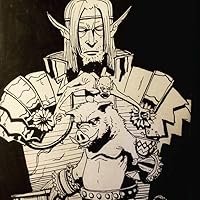
This is a very interesting book that actually offers much more content than what I expected from it. Put simply, the book's fundamental idea is that the core of our religious (and beyond) behavior and culture is based on evolutionary traits and instincts adapted and evolved over the history of evolution—from an ape like the others to a super-evolved ape (human)—which are still very much reflected in and proven by the behavior of our cousins, the primates. The main trait that surpasses all others and is prevalent in every aspect of our history and of every single major religion is the dominant male nature—and thus culture—which is directly drawn from our evolution and adaptation from primates to man.
Some of the main ideas I noted from the book:
Humans are naturally inclined to see symbolism and draw meaning from the unknown due to ancient survival adaptations to danger passed down in our DNA, which push us to project the idea of a supreme and supernatural male protector against the unknown and the lurking, dangerous nature. We have the evolutionary heritage of the leading and strongest "alpha" protector, much in the same way that some species retain abilities and traits gained to survive long ago but which have developed and become an essential part of them even though the initial reason isn't there anymore. Males in primate hierarchies and societies protect the females and children, and the ability to protect and acquire resources (massively dependent on physical might) is one of the core traits for sexual interest from females and for the ability to rise in the hierarchy.
We always represent our chief gods through images and iconography of "standing above" (prayer being the act of bowing down and lowering your gaze while the god stands tall) and other big visible traits associated with physical or symbolic dominance (like beards and crowns) because we directly pass down our long heritage of instincts from primates, in which "lower males" bend to dominant ones and offer themselves both symbolically and physically in submission. Most religious behavior toward submission and being "humbled" by God's superiority and might can actually be very easily reflected in how primate male hierarchies behave between themselves—notably in how, as I say, prayers and the physical and symbolic acts behind them are actually troublingly similar to primate males' behavior of "submission." Likewise, God in the Abrahamic religions (and most pantheons anyway) is very jealous and possessive over the worship of his people, even for the most minor symbolic offense for such an invincible and non-touchable being (like stealing the apple or building an idol), because this behavior is rooted and projected in mythography from our ancient primate behaviors of defying male hierarchy. Worshipping other gods or stealing goods and tools from the main dominant ape is a capital offense and attack on his power, which needs to be immediately shut down unless the ape wants to lose his position (which he never does, obviously).
Pride is a very important aspect of Abrahamic religion as in being one of the core and most vile sins, for good reason. Pride is directly related to defiance and confront with the hiearchy and the male (god) dominance which is an absolute no-no and unaceptable for the religious and hiearchic structure, hence why it is so much shunned upon both by the religious laws and by the structure of the religion.
The author mentions several religions and mythologies in which the core is rooted around male hierarchy conflict, such as Cronos vs. Zeus and spend a great deal of time exposing in the books how since the dawn of times the conflict between fathers and sons dominants/lowers and hiearchies between males is a deep rooted part of our nature ever present to this day which lead us to many behavior and actions which we don't even consider. For example the father take the cases of abusive fathers and notably the overwhelming prevalence of abuse from stepfathers as something akin to our profound "natural" insctincts as males to kill and chase the mark (offspring) of the competition. More so to this point, the instinct of tribalism and of xenophobia is one of the strongest in human nature and evolution, and it is a behavior that is extremely visible and profound in primate societies, which can go to extreme lengths to impose domination over other tribes for a diversity of reasons. We evolved in such a manner that "tribe" and "kin" is a core and inescapable trait of our psyche; we need to belong and fit, and we need to have this vision of "us vs. them" in a sense. The book mentions how humans have the innate trait to instantly dislike or mistrust people who look different from them (meaning they evolved and survived not with them and can be potential ennemies or danger to ressources because they have their own needs and visions) while instantly having more trust in people who are akin to them, even if they are not of the same blood. This idea of deep-rooted tribalism can be clearly noticed as reflected in the Abrahamic religions in how much emphasis God's commands focus on cultural/ethnic and, most of all, religious imposition of the "favored people" over others—of the true God (representing the alpha) over false and foes gods (other alphas). This makes perfect sense to me, religion being the projection of humans ideal and ethics constructed by hardship and challenge to survive in smaller and then bigger groups which needed to be very selective on ressources acquisition and territory management which then inevitably leads to a deeper "violent" nature to protect our ressources and genetic survival against outsiders which will want to do so with their own tribes.
Overall, the behavior of ruling men and the political structures of power in religious cultures and cults is always related to the symbolism of rooted male hierarchy dominance. The author spends a very interesting amount of time, for example, talking about how conquistadors—and notably friars—used very troublesome sexual "dominance violence" over natives, not only by forcing themselves on their women and destroying the symbolism of their male hierarchy dominance (humiliating the elders, destroying their gods and codes of masculinity) but by straight-up punishing the men by attacking directly the main symbol and capacity of sexual reproduction: the penis. They went so far as twisting it so hard that it would be effectively amputated. The behavior was meant to impose not only the religious dominance (Christ over their own gods), which the author translates as the dominance of an alpha male over the other, but also to impose the dominance of the Spanish religious culture (and thus men) over the natives, which lent them the right of "conquest" to breed with and abuse the women. This kind of attitude can be very clearly related to primate behavior, notably in the part about attacking the genitals of male competitors.
The author spend by the way a sufficient deal of the book (nearly the whole ending chapter basically and the one before that in part) making it clear that evolotionary heritage does not means that we should not fight against racism, sexism, discrimination and consider the whole class struggle problems. We simply need to consider and recognize our predispositions to better adapt and fight against it. Not try to ignore or neglect them for the sake of being politically okay.
On this last point I will adress a part which I liked greatly about the book on the differences between males and females behavior and cultural/evolutionary heritage: Women accros cultures value more ressources acquisition than otherwise and expect men to spend a high amount of ressources on them. The whole capitalist society is in truth bound to our profond nature of reproduction seeking . However, there is a clear difference between males and females social strutures (as in differences between a society with a more "traditional" view and one with females with actual massive power and cultural influence) countries showing more traditionals masculines values are much more likely to show less concerns if not disdain for ecology. On the other hand countries ruled by "feminine idea" are very much more focused on ecology preservation and overall a more pure humanistic approach even when approaching it from a direct religious view as opposed to the masculine view. This is in part due to our evolution and of course from it, our cultural shaping and heritage. In mythography men learned to associate the symbol of females with earth and nature and thus consider symbolically that we must dominate it (meaning we obviously sometimes pass the point of domination to the one of destruction, the line being very blurry) which is also associated to our religious behavior. This is even more renforced by the religious vision and fact that MALES are seen to be made in the image of god, thus not women, thus they are below us by a pure interpretation of some text our rather the culture we made after them based on our insctincts and evolutionary heritage.
In case you haven't noticed, with that last paragraph , the author is by no means a determinist which justify keeping injustices because "it's natural" he offers an objective consideration and reasoning for male dominance but make it clear that we can (and should) act to make the best out of nature by the power of our creative mind and adaptability.
Some of the main ideas I noted from the book:
Humans are naturally inclined to see symbolism and draw meaning from the unknown due to ancient survival adaptations to danger passed down in our DNA, which push us to project the idea of a supreme and supernatural male protector against the unknown and the lurking, dangerous nature. We have the evolutionary heritage of the leading and strongest "alpha" protector, much in the same way that some species retain abilities and traits gained to survive long ago but which have developed and become an essential part of them even though the initial reason isn't there anymore. Males in primate hierarchies and societies protect the females and children, and the ability to protect and acquire resources (massively dependent on physical might) is one of the core traits for sexual interest from females and for the ability to rise in the hierarchy.
We always represent our chief gods through images and iconography of "standing above" (prayer being the act of bowing down and lowering your gaze while the god stands tall) and other big visible traits associated with physical or symbolic dominance (like beards and crowns) because we directly pass down our long heritage of instincts from primates, in which "lower males" bend to dominant ones and offer themselves both symbolically and physically in submission. Most religious behavior toward submission and being "humbled" by God's superiority and might can actually be very easily reflected in how primate male hierarchies behave between themselves—notably in how, as I say, prayers and the physical and symbolic acts behind them are actually troublingly similar to primate males' behavior of "submission." Likewise, God in the Abrahamic religions (and most pantheons anyway) is very jealous and possessive over the worship of his people, even for the most minor symbolic offense for such an invincible and non-touchable being (like stealing the apple or building an idol), because this behavior is rooted and projected in mythography from our ancient primate behaviors of defying male hierarchy. Worshipping other gods or stealing goods and tools from the main dominant ape is a capital offense and attack on his power, which needs to be immediately shut down unless the ape wants to lose his position (which he never does, obviously).
Pride is a very important aspect of Abrahamic religion as in being one of the core and most vile sins, for good reason. Pride is directly related to defiance and confront with the hiearchy and the male (god) dominance which is an absolute no-no and unaceptable for the religious and hiearchic structure, hence why it is so much shunned upon both by the religious laws and by the structure of the religion.
The author mentions several religions and mythologies in which the core is rooted around male hierarchy conflict, such as Cronos vs. Zeus and spend a great deal of time exposing in the books how since the dawn of times the conflict between fathers and sons dominants/lowers and hiearchies between males is a deep rooted part of our nature ever present to this day which lead us to many behavior and actions which we don't even consider. For example the father take the cases of abusive fathers and notably the overwhelming prevalence of abuse from stepfathers as something akin to our profound "natural" insctincts as males to kill and chase the mark (offspring) of the competition. More so to this point, the instinct of tribalism and of xenophobia is one of the strongest in human nature and evolution, and it is a behavior that is extremely visible and profound in primate societies, which can go to extreme lengths to impose domination over other tribes for a diversity of reasons. We evolved in such a manner that "tribe" and "kin" is a core and inescapable trait of our psyche; we need to belong and fit, and we need to have this vision of "us vs. them" in a sense. The book mentions how humans have the innate trait to instantly dislike or mistrust people who look different from them (meaning they evolved and survived not with them and can be potential ennemies or danger to ressources because they have their own needs and visions) while instantly having more trust in people who are akin to them, even if they are not of the same blood. This idea of deep-rooted tribalism can be clearly noticed as reflected in the Abrahamic religions in how much emphasis God's commands focus on cultural/ethnic and, most of all, religious imposition of the "favored people" over others—of the true God (representing the alpha) over false and foes gods (other alphas). This makes perfect sense to me, religion being the projection of humans ideal and ethics constructed by hardship and challenge to survive in smaller and then bigger groups which needed to be very selective on ressources acquisition and territory management which then inevitably leads to a deeper "violent" nature to protect our ressources and genetic survival against outsiders which will want to do so with their own tribes.
Overall, the behavior of ruling men and the political structures of power in religious cultures and cults is always related to the symbolism of rooted male hierarchy dominance. The author spends a very interesting amount of time, for example, talking about how conquistadors—and notably friars—used very troublesome sexual "dominance violence" over natives, not only by forcing themselves on their women and destroying the symbolism of their male hierarchy dominance (humiliating the elders, destroying their gods and codes of masculinity) but by straight-up punishing the men by attacking directly the main symbol and capacity of sexual reproduction: the penis. They went so far as twisting it so hard that it would be effectively amputated. The behavior was meant to impose not only the religious dominance (Christ over their own gods), which the author translates as the dominance of an alpha male over the other, but also to impose the dominance of the Spanish religious culture (and thus men) over the natives, which lent them the right of "conquest" to breed with and abuse the women. This kind of attitude can be very clearly related to primate behavior, notably in the part about attacking the genitals of male competitors.
The author spend by the way a sufficient deal of the book (nearly the whole ending chapter basically and the one before that in part) making it clear that evolotionary heritage does not means that we should not fight against racism, sexism, discrimination and consider the whole class struggle problems. We simply need to consider and recognize our predispositions to better adapt and fight against it. Not try to ignore or neglect them for the sake of being politically okay.
On this last point I will adress a part which I liked greatly about the book on the differences between males and females behavior and cultural/evolutionary heritage: Women accros cultures value more ressources acquisition than otherwise and expect men to spend a high amount of ressources on them. The whole capitalist society is in truth bound to our profond nature of reproduction seeking . However, there is a clear difference between males and females social strutures (as in differences between a society with a more "traditional" view and one with females with actual massive power and cultural influence) countries showing more traditionals masculines values are much more likely to show less concerns if not disdain for ecology. On the other hand countries ruled by "feminine idea" are very much more focused on ecology preservation and overall a more pure humanistic approach even when approaching it from a direct religious view as opposed to the masculine view. This is in part due to our evolution and of course from it, our cultural shaping and heritage. In mythography men learned to associate the symbol of females with earth and nature and thus consider symbolically that we must dominate it (meaning we obviously sometimes pass the point of domination to the one of destruction, the line being very blurry) which is also associated to our religious behavior. This is even more renforced by the religious vision and fact that MALES are seen to be made in the image of god, thus not women, thus they are below us by a pure interpretation of some text our rather the culture we made after them based on our insctincts and evolutionary heritage.
In case you haven't noticed, with that last paragraph , the author is by no means a determinist which justify keeping injustices because "it's natural" he offers an objective consideration and reasoning for male dominance but make it clear that we can (and should) act to make the best out of nature by the power of our creative mind and adaptability.

October 20, 2020
Δεν ξέρω ποιος είναι ο Hector A. Garcia. Τον είχαν όμως καλεσμένο στην εκπομπή “The Atheist Experience” και παρουσίασαν το βιβλίο. Θα ήθελα να το διαβάσω και χωρίς παρουσίαση, μόνο από τον τίτλο. Μετά από αρκετό ψάξιμο, κατάφερα και το εξασφάλισα κι έβαλα να το ακούσω άμεσα.
Περίληψη
Όλοι το έχουμε παρατηρήσει πως ο Θεός, και όχι μόνο ο βιβλικός, έχει πολλές ανθρώπινες αδυναμίες και πάθη. Μάλιστα, αρκετοί άθεοι λένε περιπαικτικά πως ο Θεός δημιουργήθηκε κατ’ εικόνα του ανθρώπου και όχι το αντίθετο. Ισχύει όμως; Κι αν ναι, γιατί;
Μέσα από την εξελικτική ψυχολογία, το βιβλίο εξηγεί πώς το είδος μας αλλά και τα περισσότερα πρωτεύοντα, έχουμε εξελιχθεί μέσα στους αιώνες να έχουμε συγκεκριμένα ιδανικά. Πώς, ορισμένες συμπεριφορές, διαφορετικές για τους άντρες και διαφορετικές για τις γυναίκες, μας έδωσαν εξελικτικό πλεονέκτημα. Είμαστε οι απόγονοι εκείνων που θεωρούσαν τις συγκεκριμένες συμπεριφορές σωστές. Δεν είναι καθόλου τυχαίο λοιπόν που το «ανώτερο ον», το κυρίαρχο, αυτό στο οποίο όλοι στρεφόμαστε για να πάρουμε οδηγίες, έχει τα ίδια ιδανικά. Και μάλιστα τα ιδανικά των ανδρών, αφού οι κοινωνίες μας (και των περισσότερων πρωτευόντων) είναι πατριαρχικές. Ο Θεός είναι το κυρίαρχο αρσενικό, είναι ο alpha god.
Κριτική
Έμαθα πολλά νέα πράγματα. Λατρεύω ό,τι έχει σχέση με την εξέλιξη και θα ενθουσιαζόμουν ακόμα κι αν δεν έκανε στο τέλος τη σύνδεση με τη θρησκεία. Κάθε κεφάλαιο εξηγεί σε βάθος το κεντρικό θέμα, από την οπτική της ψυχολογίας, με παραδείγματα και αναφορές στη σύγχρονη εποχή, με συγκρίσεις -όπου είναι δυνατόν- με μητριαρχικές κοινωνίες, με τόσο απλό και κατανοητό τρόπο που νιώθεις ότι έπρεπε να το είχες καταλάβει μόνος σου. Σε ένα-δύο σημεία έγινε λίγο βαρετό, μάλλον γιατί γνώριζα ήδη τα θέματα που εξηγούσε και ήθελα να τελειώνει, να πάει παρακάτω, να πει αυτά που δεν ξέρω, αλλά σε γενικές γραμμές αποκόμισα πολλές νέες γνώσεις και μάλιστα κατάλαβα και λίγο καλύτερα τον εαυτό μου.
Στο θέμα της σύνδεσης με τη θρησκεία ένιωσα μια-δυο φορές ότι ο παραλληλισμός παραήταν τραβηγμένος, ότι το πίεσε για να χωρέσει στο καλούπι, αλλά στα περισσότερα απλώς κουνούσα καταφατικά το κεφάλι λέγοντας «Τώρα εξηγείται!». Όπως εκεί με τα καπέλα, που μου άρεσε τόσο πολύ ώστε το έβαλα και στη σελίδα.
https://www.facebook.com/IDreamOfLogi...
Το προτείνω σε οποιονδήποτε θέλει να μάθει περισσότερα για την καταγωγή της θρησκείας, κυρίως της ιουδαϊκής (Γαχβέ, Παλαιά Διαθήκη) αν και κάνει αναφορές και στον Αλλάχ. Ακόμα κι δεν έχετε την παραμικρή επαφή με την εξελικτική ψυχολογία, δεν θα σας δυσκολέψει καθόλου.
Επιπλέον ατού στο audiobook, το αφηγείται ο Seth Andrews (“The Thinking Atheist”) που έχει έναν τρόπο να κάνει ακόμα και τον τηλεφωνικό κατάλογο να ακούγεται ενδιαφέρων. Δεν τον αποκαλούν τυχαία “audible chocolate”.
Περίληψη
Όλοι το έχουμε παρατηρήσει πως ο Θεός, και όχι μόνο ο βιβλικός, έχει πολλές ανθρώπινες αδυναμίες και πάθη. Μάλιστα, αρκετοί άθεοι λένε περιπαικτικά πως ο Θεός δημιουργήθηκε κατ’ εικόνα του ανθρώπου και όχι το αντίθετο. Ισχύει όμως; Κι αν ναι, γιατί;
Μέσα από την εξελικτική ψυχολογία, το βιβλίο εξηγεί πώς το είδος μας αλλά και τα περισσότερα πρωτεύοντα, έχουμε εξελιχθεί μέσα στους αιώνες να έχουμε συγκεκριμένα ιδανικά. Πώς, ορισμένες συμπεριφορές, διαφορετικές για τους άντρες και διαφορετικές για τις γυναίκες, μας έδωσαν εξελικτικό πλεονέκτημα. Είμαστε οι απόγονοι εκείνων που θεωρούσαν τις συγκεκριμένες συμπεριφορές σωστές. Δεν είναι καθόλου τυχαίο λοιπόν που το «ανώτερο ον», το κυρίαρχο, αυτό στο οποίο όλοι στρεφόμαστε για να πάρουμε οδηγίες, έχει τα ίδια ιδανικά. Και μάλιστα τα ιδανικά των ανδρών, αφού οι κοινωνίες μας (και των περισσότερων πρωτευόντων) είναι πατριαρχικές. Ο Θεός είναι το κυρίαρχο αρσενικό, είναι ο alpha god.
Κριτική
Έμαθα πολλά νέα πράγματα. Λατρεύω ό,τι έχει σχέση με την εξέλιξη και θα ενθουσιαζόμουν ακόμα κι αν δεν έκανε στο τέλος τη σύνδεση με τη θρησκεία. Κάθε κεφάλαιο εξηγεί σε βάθος το κεντρικό θέμα, από την οπτική της ψυχολογίας, με παραδείγματα και αναφορές στη σύγχρονη εποχή, με συγκρίσεις -όπου είναι δυνατόν- με μητριαρχικές κοινωνίες, με τόσο απλό και κατανοητό τρόπο που νιώθεις ότι έπρεπε να το είχες καταλάβει μόνος σου. Σε ένα-δύο σημεία έγινε λίγο βαρετό, μάλλον γιατί γνώριζα ήδη τα θέματα που εξηγούσε και ήθελα να τελειώνει, να πάει παρακάτω, να πει αυτά που δεν ξέρω, αλλά σε γενικές γραμμές αποκόμισα πολλές νέες γνώσεις και μάλιστα κατάλαβα και λίγο καλύτερα τον εαυτό μου.
Στο θέμα της σύνδεσης με τη θρησκεία ένιωσα μια-δυο φορές ότι ο παραλληλισμός παραήταν τραβηγμένος, ότι το πίεσε για να χωρέσει στο καλούπι, αλλά στα περισσότερα απλώς κουνούσα καταφατικά το κεφάλι λέγοντας «Τώρα εξηγείται!». Όπως εκεί με τα καπέλα, που μου άρεσε τόσο πολύ ώστε το έβαλα και στη σελίδα.
https://www.facebook.com/IDreamOfLogi...
Το προτείνω σε οποιονδήποτε θέλει να μάθει περισσότερα για την καταγωγή της θρησκείας, κυρίως της ιουδαϊκής (Γαχβέ, Παλαιά Διαθήκη) αν και κάνει αναφορές και στον Αλλάχ. Ακόμα κι δεν έχετε την παραμικρή επαφή με την εξελικτική ψυχολογία, δεν θα σας δυσκολέψει καθόλου.
Επιπλέον ατού στο audiobook, το αφηγείται ο Seth Andrews (“The Thinking Atheist”) που έχει έναν τρόπο να κάνει ακόμα και τον τηλεφωνικό κατάλογο να ακούγεται ενδιαφέρων. Δεν τον αποκαλούν τυχαία “audible chocolate”.

January 30, 2017
The basic premise of this book is easy to state: that the qualities we humans attribute to God are those of dominant males in primate and human societies. These include superior strength, the insistence on subordination and exclusive allegiance (and severe punishment for disloyalty), the promise of protection and reciprocal assistance, the hoarding of females in harems or convents, strong differentiation between in-groups and out-groups, the distribution of spoils taken from out-groups (granting of territory), the demand for the sacrifice of food and mating opportunities from followers, etc. For dominant males in primate or human societies, these attributes made perfect sense -- since they were all aimed at securing for the leader the opportunities to perpetuate his genetic inheritance. But for an eternal, omnipotent god, human traits such as jealousy and mate-hoarding make no sense.
April 21, 2019
Bad assumptions and weak quality of detail. I did not complete this book. After about 1/3 of the book, I realized the premises were neither going deeper nor going to produce anything of trustworthy value. Additionally, some sentences were poorly worded and misleading. For example, Abrahamic faiths did not begin in Babylon. The author's sloppy or misinformed claim negates the pre-Babylon history of the Israelites and the Samaritan religion. Additionally, I found the theoretical premises of the book to be ridiculous extrapolations - - studies on marital preferences in the 20th century cannot be assumed to both static through the ages and also to be due to evolutionary needs dating to pre-history. I expect more from the authors I read.

February 17, 2025
الكتاب يركز على الديانات السماوية "اليهودية والمسيحية والإسلام"
شرح سلوكيات عديدة ومتنوعة بشكل بسيط وامثلة مفهومة.
حسيت ان الكاتب كان عنده تحيز في بعض المواضيع ويحاول إثبات وجهة نظره بكل الطرق!
اتفق معه في بعض المواضيع واخالفه بكثير منها..
الترجمة ممتازة، المراجع مفيدة وعددها كثير تقريبًا ٥٠ صفحة.
عمومًا الكتاب جيد جيدًا وانصح به✔️💕، لكن ممكن ما يناسب البعض.
شرح سلوكيات عديدة ومتنوعة بشكل بسيط وامثلة مفهومة.
حسيت ان الكاتب كان عنده تحيز في بعض المواضيع ويحاول إثبات وجهة نظره بكل الطرق!
اتفق معه في بعض المواضيع واخالفه بكثير منها..
الترجمة ممتازة، المراجع مفيدة وعددها كثير تقريبًا ٥٠ صفحة.
عمومًا الكتاب جيد جيدًا وانصح به✔️💕، لكن ممكن ما يناسب البعض.

July 16, 2019
A fascinating read, slightly diminished by a handful of grammatical errors which ought to have been caught in editing. Nonetheless I enjoyed it immensely.

February 18, 2021
Excellent! Finally answers my life long questions about the psychology of religions.
Well done. Thank you
Well done. Thank you

February 23, 2023
قرأت الكتاب من إصدار دار المدى
ترجمة د . رشا صادق
عدد الصفحات 351 ( 51 صفحة منهم مراجع )
المؤلف هيكتور. أ. غاريسيا طبيب نفسي إكلينيكي و أستاذ مساعد
__________________
في أعلى الغلاف من جهة اليسار وفي مربع نصي أحمر وبخط صغير وكأنه خجول طُبع على الغلاف كلمة " دراسة" إشلرة إلى أن الكتاب دراسة في سيكولوجية العنفر والاضطهاد الديني
____________________________
في الأله ألفا يحاول غارسيا الربط بين العنف الديني في الأديان الإبراهيمية ( اليهويدة والمسيحية والإسلام) منطلقاً من نظرية التطور
يمكن تلخيص الكتاب في أفكار محددة
من نظرية التطور بدأنا
الإنسان هو من خلق آلهة تشبهه
هذه الآلهة تعكس الهيمنة ولذلك كانت ذكرا وليس أنثى
هذا الذكر يسعة للهيمنة عن طريق بسط النفود في الاراضي والاماكن وعلى الأشخاص وعن طريق التكاثر ومن أهم الأشياء والمخلوقات التي ينبغي بسط النفوذ عليها هي الإناث
فرض السيطرة عن طريق العنف والحصول على الجنس وتشجيع الضعفاء على العفة والزهد والطمع في الأجر اللاحق وليس الدنيوي
وكذلك تفضيل الأقارب واختيار من يتم تفضيلهم ومن يتم اقصاؤهم وقتلهم
مظاهر الهيمنة والخضوع في التصرفات والشكل الخارجي ( رأس كبير قبعة - عمامة - لحية .....
وفي التصرفات التي تظهر التقدير من الآخرين كتقبيل اليد والرأس والخاتم والركوع والسجود .. والتواصل البصري وفرض غض البصر من قبل الأقل مرتبة
التحكم في الآخر عن طريق كبح الملذات الجسدية الطعام والجنس
والامر بعدم التفكير
( يؤدي ذلك لظهور أعراض اكتئاب تسهل التحكم
في ختام الكتاب يناقش الكاتب موضوع العلمانية وفصل الدين عن الدولة والسبب في فشل امريكا في تحقيق جودة حياة لمواطنيها رغم أنها الأسبق في العلمانية
ثم يتطرق للديانة التي تدعو للسلام وهي البوذية ولم فشلت ايضا في مشروعها لتحسين جودة حياة الناس رغم أنها أكثر الأديان مسالمة
في نهاية الكتاب يدلي الكاتب برأيه الصريح بأن جودة الحياة تقل كل ما كان الناس متدينين في دعوة مباشرة يعتقد أنها تبدو غير مباشلاة لللإلحاد
_________________________________________
الكتاب ممتع للغاية وانطلاقه من نظرية التطور والشرح المفصل المسهب فيها والمدعم بالأمثلة اعطاه حيوية كبيرة ، لم أشعر بالملل وأنا أقرأ الكتاب
استشهد الكاتب بكلامه وأمثلته بنصوص مقدسة من التوراة والإنجيل والقرآن
الترجمة ممتازة للغاية ويبدو أني سأضيف د . رشا صادق لقائمة مترجمي المفضلينين قرأت مراجعات تشير إلى أن الكتاب بلغته الأصلية كان صعب الفهم لكن بالترجمة التي قرأتها شعرت أن الكتاب واضح جدا
--------------------------------------
أشير في الغلاف إلى أن الكتب دراسة ورغم وفرة المراجع والمصادر لم أشعر أنه دراسة بالمعنى العلمي
الكاتب كان متحيزاً لاثبات وجهة نظره فيذكر الحادثة موضع الاستدلال ليبرهن وجهة نظره متجاهلا الجوانب الأخرى كان انتقائيا احيانا مثل طرحه لقضية ثيو فان جوخ وقضية مقتله
-------------------------
ذكرني هذا الكتاب
وإن كان الطرح هنا تطوريا بيولوجيا
وفي الكتاب الثاني جغرافي تاريخي بكتاب
اللاهوت العربي وأصول العنف الديني ليوسف زيدان
ترجمة د . رشا صادق
عدد الصفحات 351 ( 51 صفحة منهم مراجع )
المؤلف هيكتور. أ. غاريسيا طبيب نفسي إكلينيكي و أستاذ مساعد
__________________
في أعلى الغلاف من جهة اليسار وفي مربع نصي أحمر وبخط صغير وكأنه خجول طُبع على الغلاف كلمة " دراسة" إشلرة إلى أن الكتاب دراسة في سيكولوجية العنفر والاضطهاد الديني
____________________________
في الأله ألفا يحاول غارسيا الربط بين العنف الديني في الأديان الإبراهيمية ( اليهويدة والمسيحية والإسلام) منطلقاً من نظرية التطور
يمكن تلخيص الكتاب في أفكار محددة
من نظرية التطور بدأنا
الإنسان هو من خلق آلهة تشبهه
هذه الآلهة تعكس الهيمنة ولذلك كانت ذكرا وليس أنثى
هذا الذكر يسعة للهيمنة عن طريق بسط النفود في الاراضي والاماكن وعلى الأشخاص وعن طريق التكاثر ومن أهم الأشياء والمخلوقات التي ينبغي بسط النفوذ عليها هي الإناث
فرض السيطرة عن طريق العنف والحصول على الجنس وتشجيع الضعفاء على العفة والزهد والطمع في الأجر اللاحق وليس الدنيوي
وكذلك تفضيل الأقارب واختيار من يتم تفضيلهم ومن يتم اقصاؤهم وقتلهم
مظاهر الهيمنة والخضوع في التصرفات والشكل الخارجي ( رأس كبير قبعة - عمامة - لحية .....
وفي التصرفات التي تظهر التقدير من الآخرين كتقبيل اليد والرأس والخاتم والركوع والسجود .. والتواصل البصري وفرض غض البصر من قبل الأقل مرتبة
التحكم في الآخر عن طريق كبح الملذات الجسدية الطعام والجنس
والامر بعدم التفكير
( يؤدي ذلك لظهور أعراض اكتئاب تسهل التحكم
في ختام الكتاب يناقش الكاتب موضوع العلمانية وفصل الدين عن الدولة والسبب في فشل امريكا في تحقيق جودة حياة لمواطنيها رغم أنها الأسبق في العلمانية
ثم يتطرق للديانة التي تدعو للسلام وهي البوذية ولم فشلت ايضا في مشروعها لتحسين جودة حياة الناس رغم أنها أكثر الأديان مسالمة
في نهاية الكتاب يدلي الكاتب برأيه الصريح بأن جودة الحياة تقل كل ما كان الناس متدينين في دعوة مباشرة يعتقد أنها تبدو غير مباشلاة لللإلحاد
_________________________________________
الكتاب ممتع للغاية وانطلاقه من نظرية التطور والشرح المفصل المسهب فيها والمدعم بالأمثلة اعطاه حيوية كبيرة ، لم أشعر بالملل وأنا أقرأ الكتاب
استشهد الكاتب بكلامه وأمثلته بنصوص مقدسة من التوراة والإنجيل والقرآن
الترجمة ممتازة للغاية ويبدو أني سأضيف د . رشا صادق لقائمة مترجمي المفضلينين قرأت مراجعات تشير إلى أن الكتاب بلغته الأصلية كان صعب الفهم لكن بالترجمة التي قرأتها شعرت أن الكتاب واضح جدا
--------------------------------------
أشير في الغلاف إلى أن الكتب دراسة ورغم وفرة المراجع والمصادر لم أشعر أنه دراسة بالمعنى العلمي
الكاتب كان متحيزاً لاثبات وجهة نظره فيذكر الحادثة موضع الاستدلال ليبرهن وجهة نظره متجاهلا الجوانب الأخرى كان انتقائيا احيانا مثل طرحه لقضية ثيو فان جوخ وقضية مقتله
-------------------------
ذكرني هذا الكتاب
وإن كان الطرح هنا تطوريا بيولوجيا
وفي الكتاب الثاني جغرافي تاريخي بكتاب
اللاهوت العربي وأصول العنف الديني ليوسف زيدان

January 8, 2025
"If oxen and horses and lions had hands and were able to draw with their hands and do the
same things as men, horses would draw the shapes of gods to look like horses and oxen to
look like oxen, and each would have made the gods’ bodies to have the same shapes as they
themselves had." —Xenophanes
Hector A. Garcia tries to explain why violence is more common among males not only in humans but also in other primates as well. It seems that there are great advantages for violent apes. They can have more access to food and resources. They can make harems for themselves and monopolise sex with females. In this way, they have the upper hand in competition with other males and pass on their genes more easily to the next generations. That's why men are predominantly more violent than women.
This book uses evolutionary psychology as a lens to explain religious violence and oppression. The parallels between these features of primate society and human religious rituals and concepts make it clear that religion, especially its oppressive and violent tendencies, is rooted in the deep evolutionary past.
same things as men, horses would draw the shapes of gods to look like horses and oxen to
look like oxen, and each would have made the gods’ bodies to have the same shapes as they
themselves had." —Xenophanes
Hector A. Garcia tries to explain why violence is more common among males not only in humans but also in other primates as well. It seems that there are great advantages for violent apes. They can have more access to food and resources. They can make harems for themselves and monopolise sex with females. In this way, they have the upper hand in competition with other males and pass on their genes more easily to the next generations. That's why men are predominantly more violent than women.
This book uses evolutionary psychology as a lens to explain religious violence and oppression. The parallels between these features of primate society and human religious rituals and concepts make it clear that religion, especially its oppressive and violent tendencies, is rooted in the deep evolutionary past.

February 20, 2021
Dr. Garcia makes a convincing case that evolutionary psychology helped create the Abrahamic god (the god of Christians, Jews and Muslims). The god of Abrahamic sacred texts like the Koran and the Bible was created in the image of an alpha male and behaves like one: He is jealous, cruel, does not tolerate those outside his purview and oppresses women.
The author describes the main features of male-dominated primate social hierarchies. The parallels between these features of primate society and human religious rituals and concepts make it clear that religion, especially its oppressive and violent tendencies, is rooted in the deep evolutionary past.
This incisive analysis goes a long way toward explaining the historic and ongoing violence committed in the name of religion. I recommend it if you want to take a clear-eyed, science-based look at the role of religion in society. My only quibble is that he quotes a few too many Bible verses to make his points.
The author describes the main features of male-dominated primate social hierarchies. The parallels between these features of primate society and human religious rituals and concepts make it clear that religion, especially its oppressive and violent tendencies, is rooted in the deep evolutionary past.
This incisive analysis goes a long way toward explaining the historic and ongoing violence committed in the name of religion. I recommend it if you want to take a clear-eyed, science-based look at the role of religion in society. My only quibble is that he quotes a few too many Bible verses to make his points.

December 4, 2021
Alpha God!
My quest of understanding religious psychology and its influence in our society for thousands of years took me to this book, and by far the closest to my quest. Our religiosity deeply rooted in our evolutionary history, the author argued. He cited different studies on chimpanzee and bonobo (closest cousins) to show how ape families form hierarchical structure dominated by alpha males. While the evidence of mail dominance in human societies goes back from Stone Age until the spread of abrahamic religion with despotic rulers, the gift of abstract thinking elected the alpha male to the level of God, the omnipotent alpha male. The author cited many verses and quotes from biblical and quranic scriptures to show how the alpha God rein supreme, need total submission and establish the rule for the believers beyond question. The author also pointed out how such core tenets of religiosity create in-group and out-group mentality within our own. The dehumanization of out-group(the non believers) humans eventually ends up in war like crusade or jihad. The brutality of war and total destruction of out-group or even agnostic population are evident throughout human history.
I did not like overemphasis on the abrahamic religion while establishing the central idea, also overwhelmed with references to biblical and quranic verses. The author touched upon the other dominant regions like Hinduism and Buddhism towards the end, but did not see any attempt to use them in his central argument. After all, those religions predate abrahamic religion and not structured around alpha male (there are some attempts in Hindu scripture of establish God of all Gods). I was waiting to get some perspective, but found none.
Liked the closing note, where authors observed the lesser dominance of alpha male in the less religious societies. He also advocated for scientific approaches and tools to identify and limit our tribal instinct, emphasized on the social equality and women empowerment. He cited the research study in America which found atheists and agnostics possess more religious knowledge than believers and even evangelists, which is eye-opener for me.
This was the last book of the year, leaving you with a quote from the book -
"The more we understand about how and why we humans have the tendency to behave the way we do, the grater our potential will be for moving beyond our current limitations. Strong and protected scientific education is not as widely accessible as it should be. Nor is training in analytic and critical thinking encouraged in many education systems around the world. And yet it is precisely this kind of critical thinking, the urge to question everything, including why the sky is blue and why a God is typically an omnipotent man whose will must be appeased"
My quest of understanding religious psychology and its influence in our society for thousands of years took me to this book, and by far the closest to my quest. Our religiosity deeply rooted in our evolutionary history, the author argued. He cited different studies on chimpanzee and bonobo (closest cousins) to show how ape families form hierarchical structure dominated by alpha males. While the evidence of mail dominance in human societies goes back from Stone Age until the spread of abrahamic religion with despotic rulers, the gift of abstract thinking elected the alpha male to the level of God, the omnipotent alpha male. The author cited many verses and quotes from biblical and quranic scriptures to show how the alpha God rein supreme, need total submission and establish the rule for the believers beyond question. The author also pointed out how such core tenets of religiosity create in-group and out-group mentality within our own. The dehumanization of out-group(the non believers) humans eventually ends up in war like crusade or jihad. The brutality of war and total destruction of out-group or even agnostic population are evident throughout human history.
I did not like overemphasis on the abrahamic religion while establishing the central idea, also overwhelmed with references to biblical and quranic verses. The author touched upon the other dominant regions like Hinduism and Buddhism towards the end, but did not see any attempt to use them in his central argument. After all, those religions predate abrahamic religion and not structured around alpha male (there are some attempts in Hindu scripture of establish God of all Gods). I was waiting to get some perspective, but found none.
Liked the closing note, where authors observed the lesser dominance of alpha male in the less religious societies. He also advocated for scientific approaches and tools to identify and limit our tribal instinct, emphasized on the social equality and women empowerment. He cited the research study in America which found atheists and agnostics possess more religious knowledge than believers and even evangelists, which is eye-opener for me.
This was the last book of the year, leaving you with a quote from the book -
"The more we understand about how and why we humans have the tendency to behave the way we do, the grater our potential will be for moving beyond our current limitations. Strong and protected scientific education is not as widely accessible as it should be. Nor is training in analytic and critical thinking encouraged in many education systems around the world. And yet it is precisely this kind of critical thinking, the urge to question everything, including why the sky is blue and why a God is typically an omnipotent man whose will must be appeased"
Displaying 1 - 30 of 62 reviews